

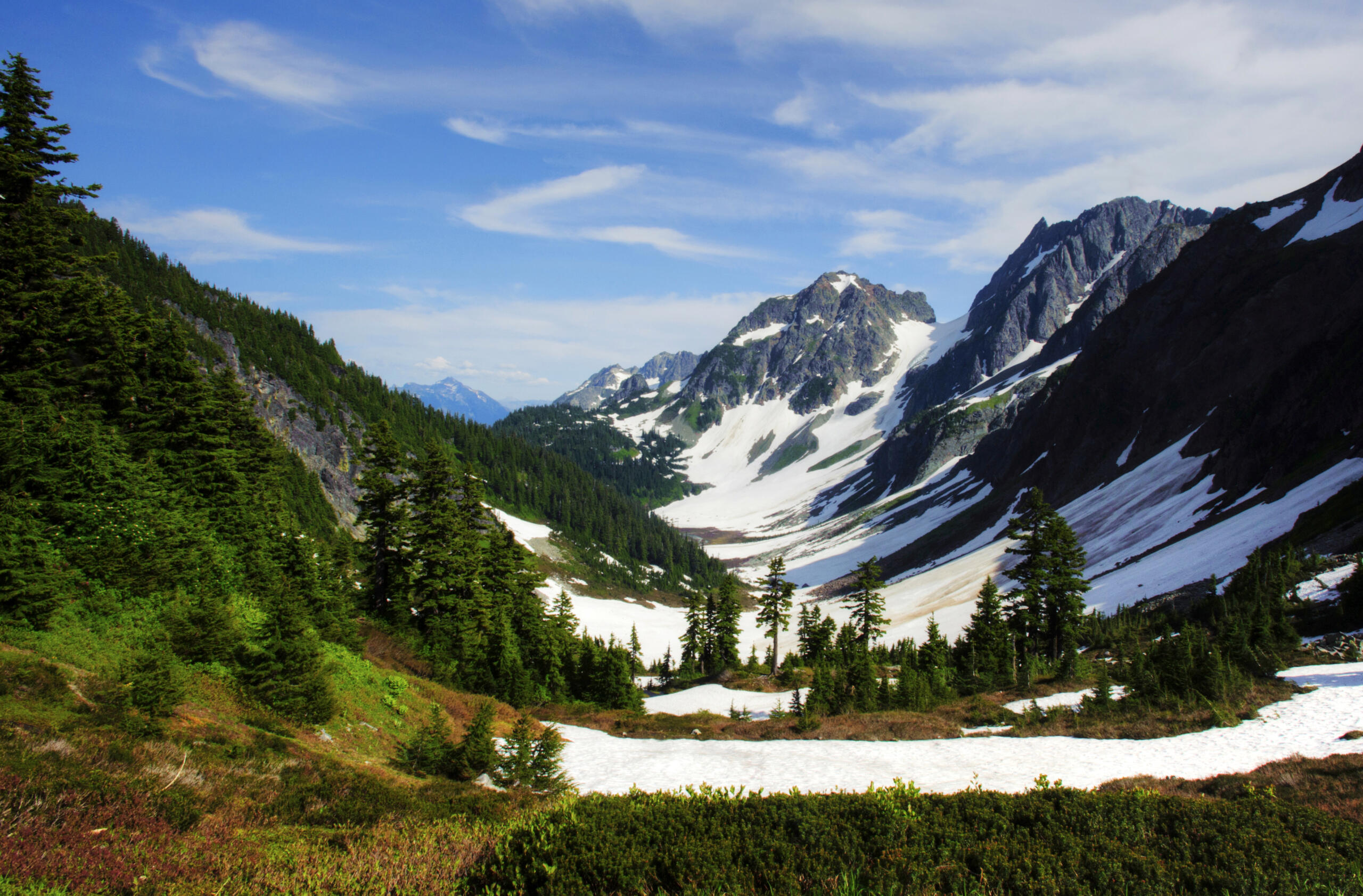
The “skip the crowded park and visit this hidden gem instead” content format has dominated American travel TikTok and YouTube for at least three years. The format works: it promises insider knowledge, criticizes the well-known destination, and offers what sounds like a smarter choice. The execution, however, is often misleading. Many of the so-called hidden gems are either as crowded as the famous parks, less impressive in scale, or require significantly more travel logistics that the original viral video does not mention. Most are not actually unknown — they are well-documented federal recreation areas that simply have lower name recognition. Here is an honest assessment of five specific national park alternatives that have been heavily promoted on social media in 2025 and 2026, drawn from on-the-ground visitor data, ranger interviews, and actual visitation statistics.
The framing of “hidden gem” alternatives to famous parks rests on a true premise. Eight of the top ten most-visited U.S. national parks — Great Smoky Mountains, Grand Canyon, Zion, Yellowstone, Rocky Mountain, Yosemite, Acadia, and Olympic — have experienced significant crowding-related management challenges since 2018, with timed-entry reservations, parking-lot fill times before 8 a.m., and trail-permit lotteries becoming standard at all eight. Visitors looking for less-crowded alternatives have legitimate reasons to seek them. The honest question is whether the alternatives that creators promote actually deliver the experience they advertise. The five most-promoted alternatives in 2025-2026 social-media content, examined below, illustrate the full range from genuinely under-visited to deceptively over-promoted.
1. Schoodic Peninsula Instead of Acadia’s Mount Desert Island — Genuinely Underrated
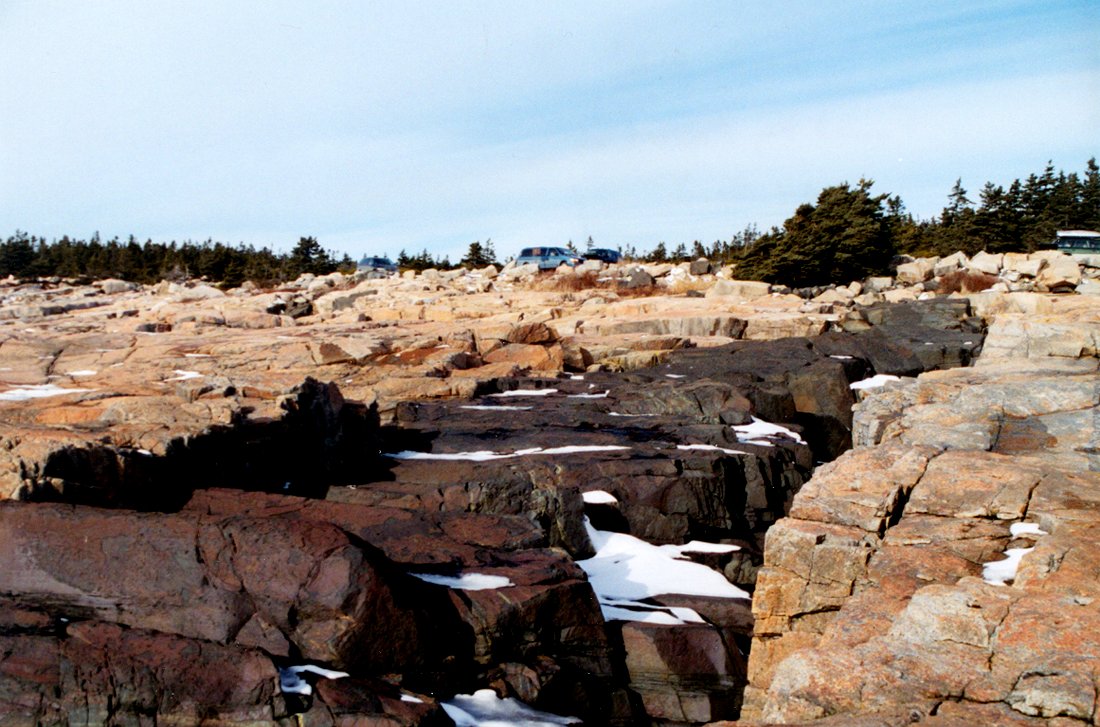
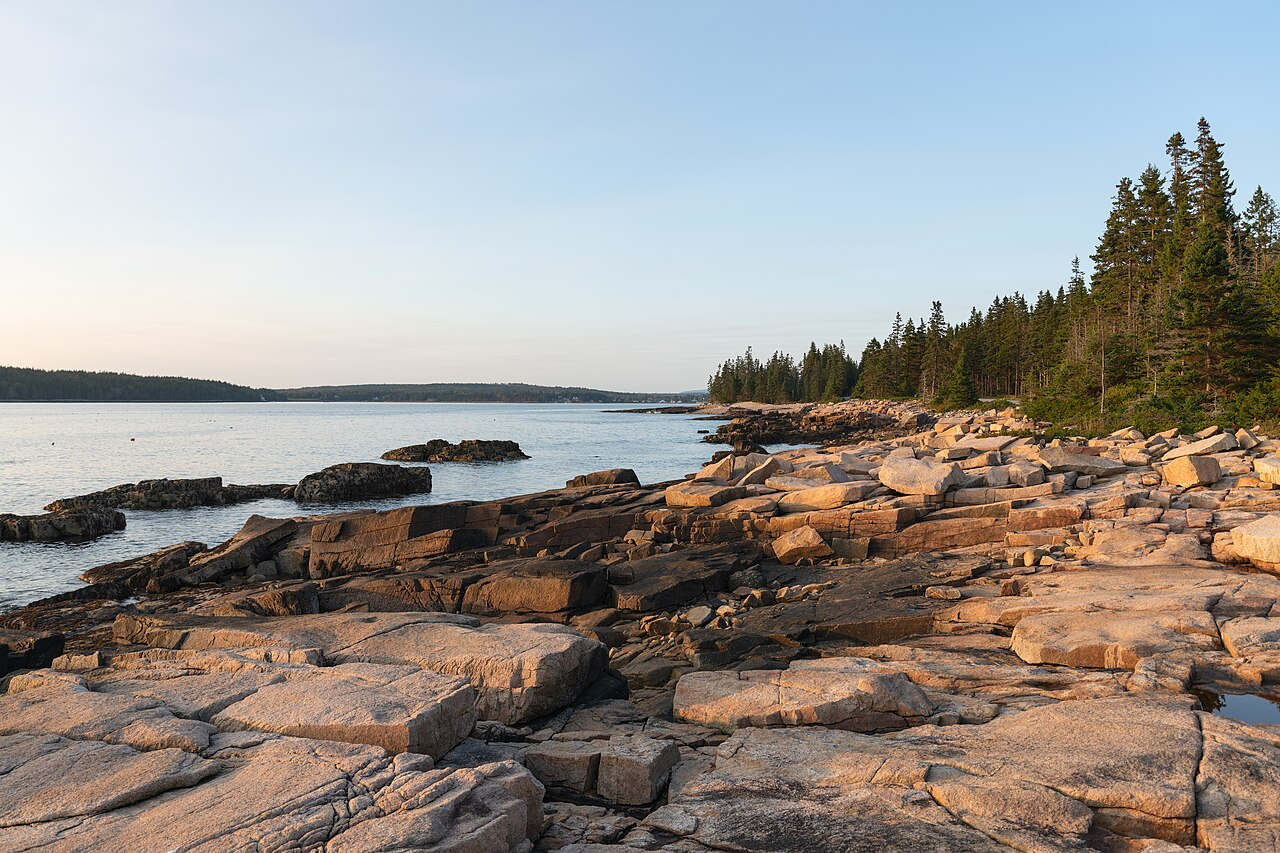
Acadia National Park’s Schoodic Peninsula district, located across Frenchman Bay from the heavily visited Mount Desert Island, is one of the genuine hidden gems in the national park system. The peninsula is part of the same Acadia National Park — same entrance pass, same ranger system, same general scenery of Maine granite coastline meeting the Atlantic — but visitation runs approximately one-tenth of Mount Desert Island’s volume. Schoodic Point itself produces dramatic surf displays during high tides and storms. The Schoodic Loop Road, a 6-mile one-way scenic route, can be cycled in 2 to 3 hours and rarely has parking issues. The Schoodic Woods Campground rarely fills. The honest catch: Schoodic is genuinely less crowded but it is also a 50-minute drive from Bar Harbor, which means visitors based at hotels in the main Acadia tourist towns add an hour-and-a-half round trip per visit. For travelers willing to base in Winter Harbor or to drive over from Mount Desert Island, Schoodic delivers the promise. For day-trippers from Bar Harbor, it is logistically harder than the social-media videos suggest.
2. North Cascades Instead of Glacier — Spectacular but Severely Limited
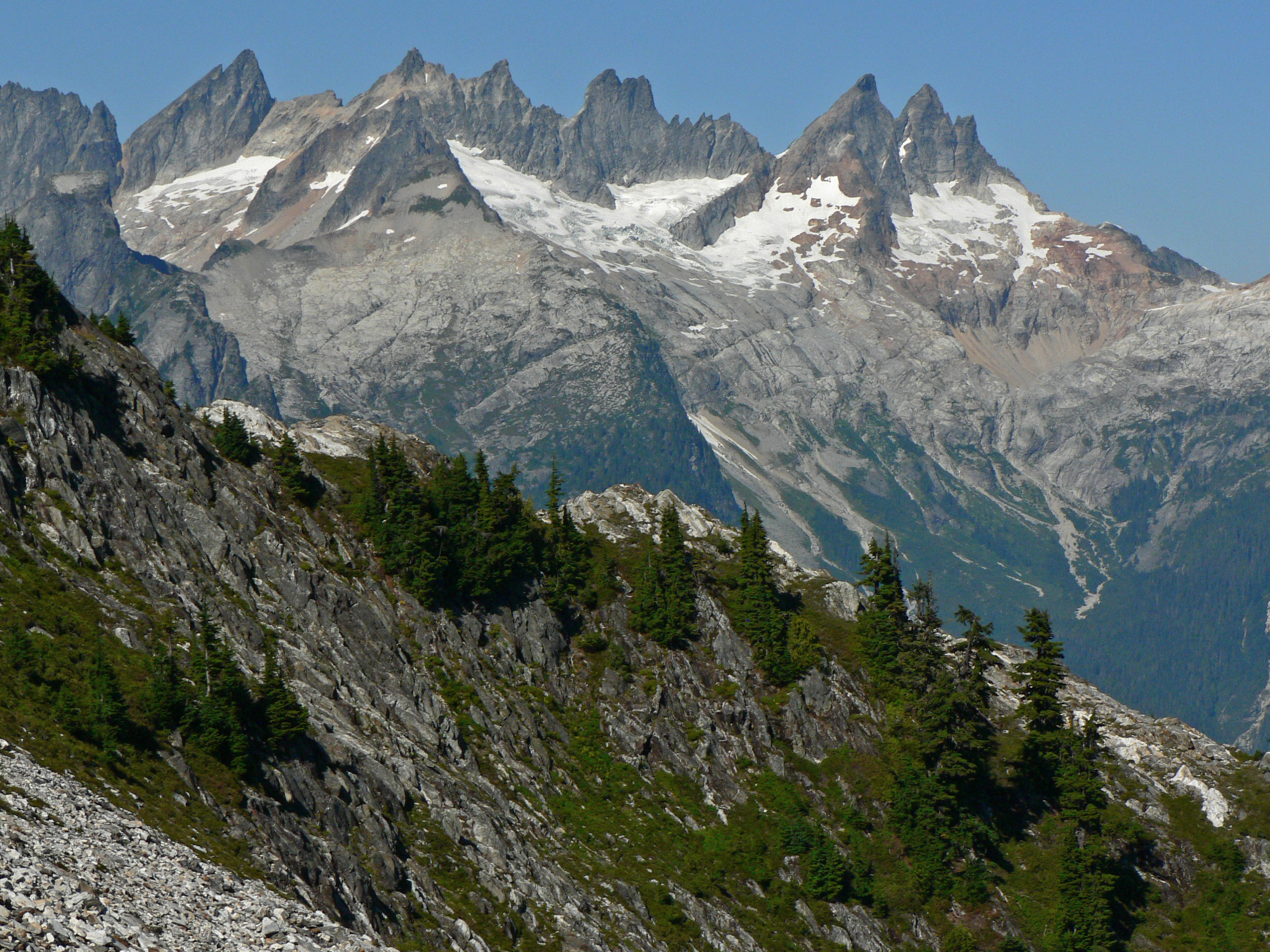
North Cascades National Park in northern Washington is regularly promoted as the “American Alps” alternative to the heavily reserved Glacier National Park in Montana. The promotion has truth in it. North Cascades contains over 300 glaciers (more than any U.S. park outside Alaska), the same dramatic mountain scenery as Glacier, and significantly lower visitation — approximately 30,000 visitors per year compared with Glacier’s 3 million. The honest reality is that North Cascades is severely limited as a tourist destination because most of the park is roadless wilderness accessible only by multi-day backpacking trips. The State Route 20 highway, which crosses through a portion of the park, is closed by snow from approximately mid-November through mid-April every year. The Stehekin community at the south end of Lake Chelan is accessible only by boat, ferry, floatplane, or 27-mile hike. North Cascades genuinely delivers wilderness experience — but for visitors expecting a Glacier-style drive-through park with multiple visitor centers and accessible roadside viewpoints, the honest answer is that the experience is structurally different rather than equivalent.
3. Capitol Reef Instead of Zion — Almost As Crowded by 2026
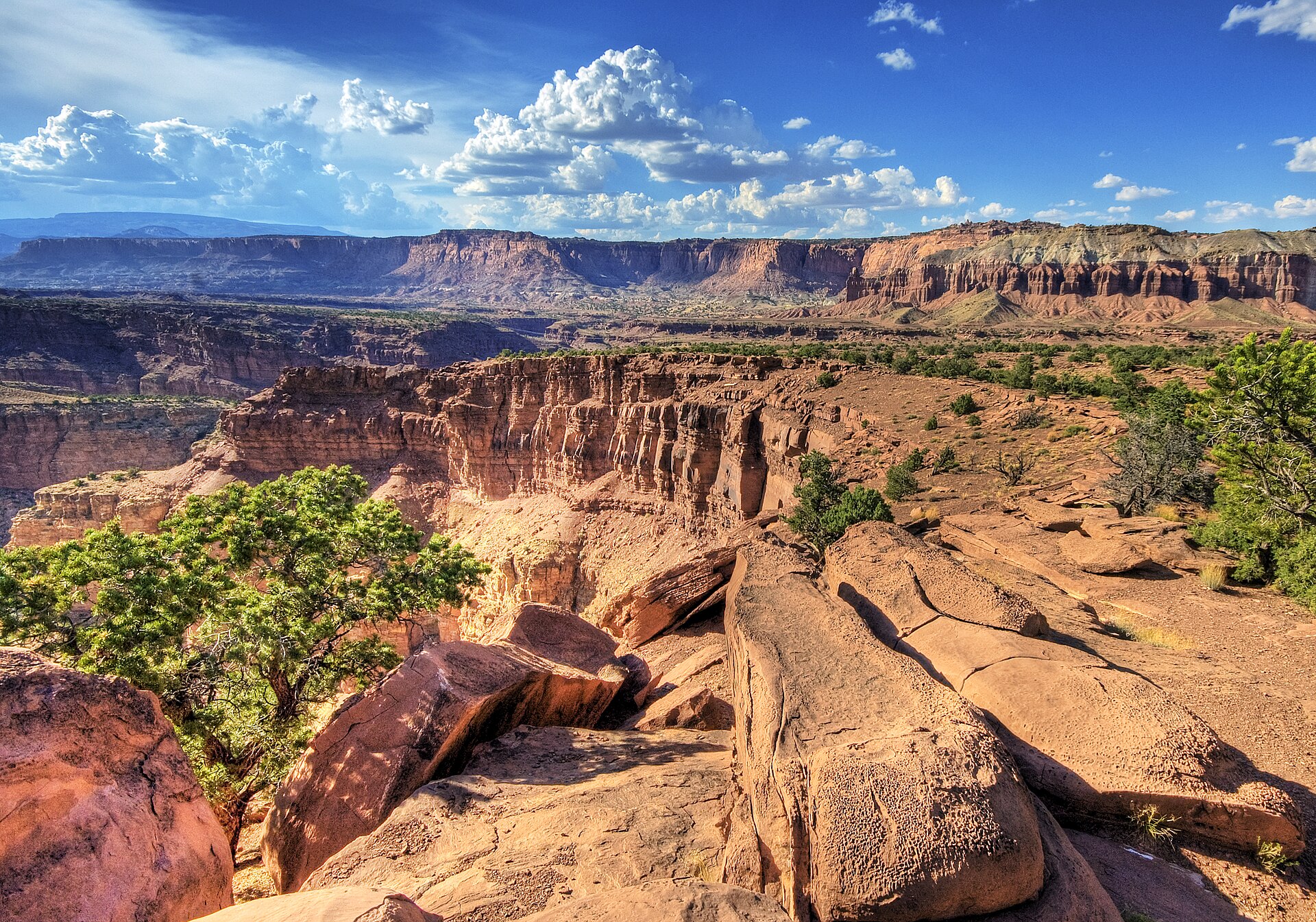
Capitol Reef National Park in southern Utah has been recommended as the lower-crowded alternative to Zion National Park since at least 2018. The recommendation worked well through approximately 2020. By 2026, the recommendation no longer holds. Capitol Reef’s annual visitation has roughly tripled between 2018 and 2024, from approximately 400,000 to approximately 1.2 million visitors, driven precisely by the “skip Zion, go to Capitol Reef” social-media wave. The park’s main Scenic Drive, the historic Fruita orchards, and the popular trails (Hickman Bridge, Cassidy Arch) all now experience significant crowding during peak season. Parking at the main pullouts can fill before 9 a.m. The Fruita Campground is now subject to advance reservations. The park remains genuinely beautiful and worth visiting, but the “you’ll have it to yourself” promise that drove the original alternative recommendations is no longer accurate. Capitol Reef has become a victim of its own social-media success.
4. Devils Postpile National Monument Instead of Yosemite Valley — Genuinely Quiet but Small
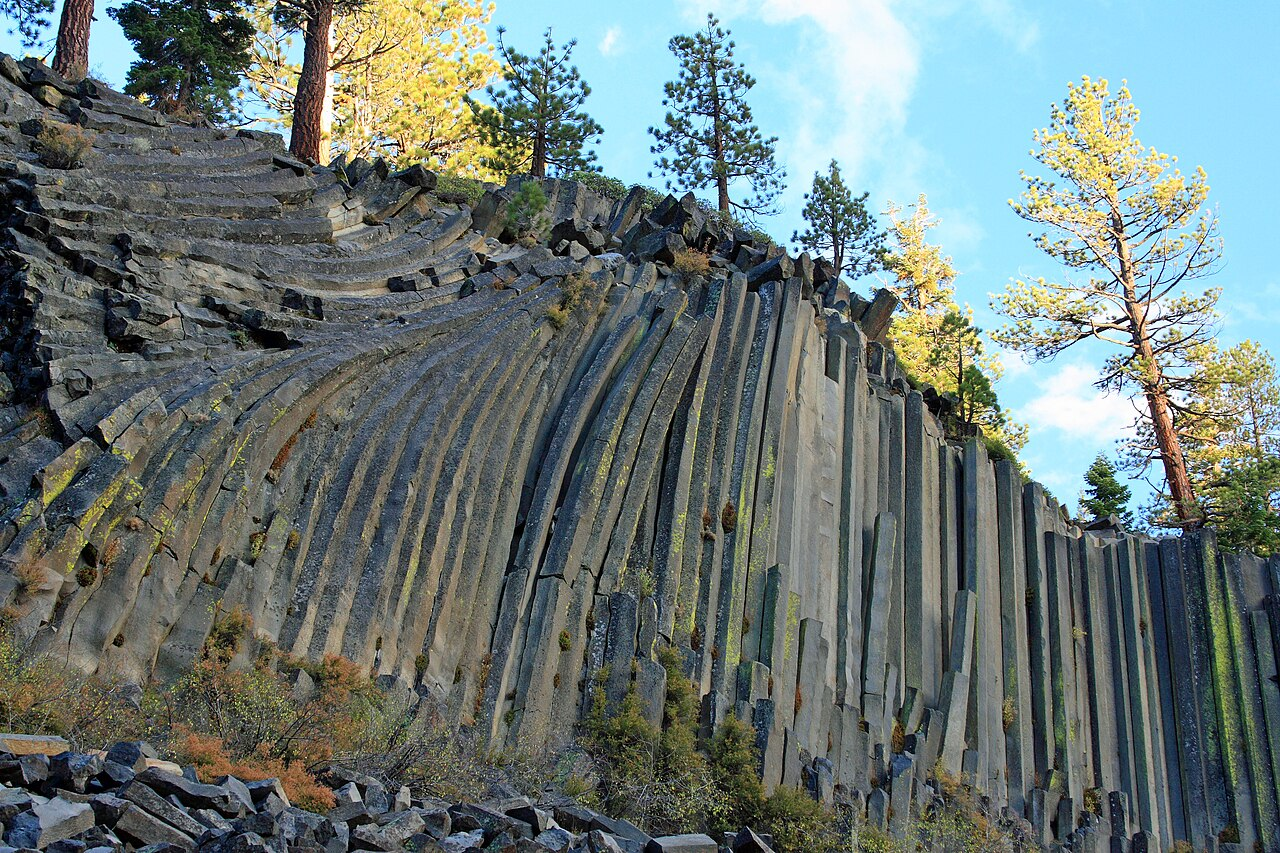
Devils Postpile National Monument, about ninety minutes south of Yosemite near Mammoth Lakes, has been promoted as the “Yosemite alternative” since approximately 2020. The promotion has merit. Devils Postpile delivers the rare columnar basalt formation, the 101-foot Rainbow Falls, and Sierra Nevada granite scenery without Yosemite Valley’s crowds. The monument’s shuttle system runs every 15 minutes during peak season and the parking lots rarely fill. Annual visitation runs approximately 200,000 visitors, compared with Yosemite’s nearly 4 million. The honest qualifier is that Devils Postpile is genuinely small — the entire monument covers 798 acres, compared with Yosemite’s 759,620 acres. Visitors can experience the headline features in 4 to 6 hours, with the John Muir Trail accessible from trailheads on the monument boundary. Devils Postpile is not a substitute for Yosemite in scale or scope. It is a complementary destination that delivers a different, quieter experience for visitors willing to accept smaller scale. For a one-day quiet alternative, it works. For a week-long park immersion, it does not.
5. Great Basin Instead of Death Valley — Honestly Lesser-Known but Logistically Difficult
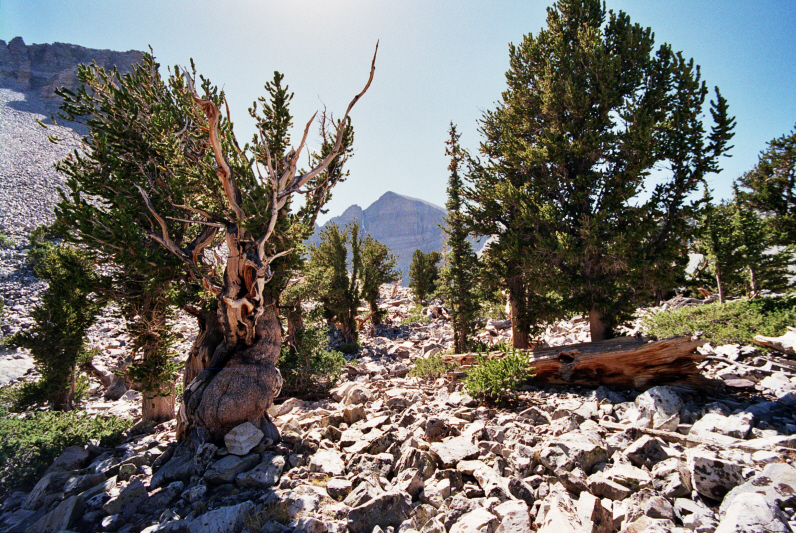
Great Basin National Park in eastern Nevada has been increasingly promoted as the “skip Death Valley” alternative in 2025-2026 social-media content. Great Basin is genuinely lesser-known — annual visitation runs approximately 152,000, compared with Death Valley’s 1.1 million. The park contains the spectacular Lehman Caves system, the bristlecone pines that include some of the oldest living organisms on Earth, the 13,063-foot Wheeler Peak, and excellent dark-sky conditions for night astronomy. The honest catch is logistical. Great Basin is one of the most remote U.S. national parks — Baker, Nevada, the gateway town, is 4 hours from Salt Lake City and 5 hours from Las Vegas. The park has limited lodging (essentially one small hotel and a few campgrounds), one restaurant, and no major airport within a 4-hour drive. Lehman Caves requires advance tour reservations and tours fill weeks ahead during summer. The park genuinely rewards the visitors who reach it, but Great Basin is not a casual day-trip alternative. It is a deliberate multi-day destination that requires significant trip planning, and most social-media promotions do not communicate the logistical investment required.
What the Honest Pattern Reveals
The pattern across these five alternatives is consistent. Two of the five — Schoodic Peninsula and Devils Postpile — genuinely deliver less-crowded experiences for travelers willing to accept the logistical adjustments. One — North Cascades — is a fundamentally different category of park experience that cannot substitute for the famous park it is compared to. One — Capitol Reef — has become as crowded as the original it was meant to replace. One — Great Basin — is genuinely lesser-known but requires multi-day commitment to visit. None of the five is a no-compromise substitute for the famous park it is positioned against. The honest framing of “hidden gem” national park alternatives is that they exist, they have value, and they are worth considering — but they require travelers to accept trade-offs that the viral social-media format typically does not explain. The travelers who get the most from these alternatives are the ones who research the specific logistical realities before they go, not the ones who arrive expecting a less-crowded version of Zion or Yosemite. The American national park system has genuine variety and depth. The “hidden gem” videos have value when they prompt research. They become misleading when they promise an equivalent experience to a famous park that is fundamentally different in scale, accessibility, or seasonality.
