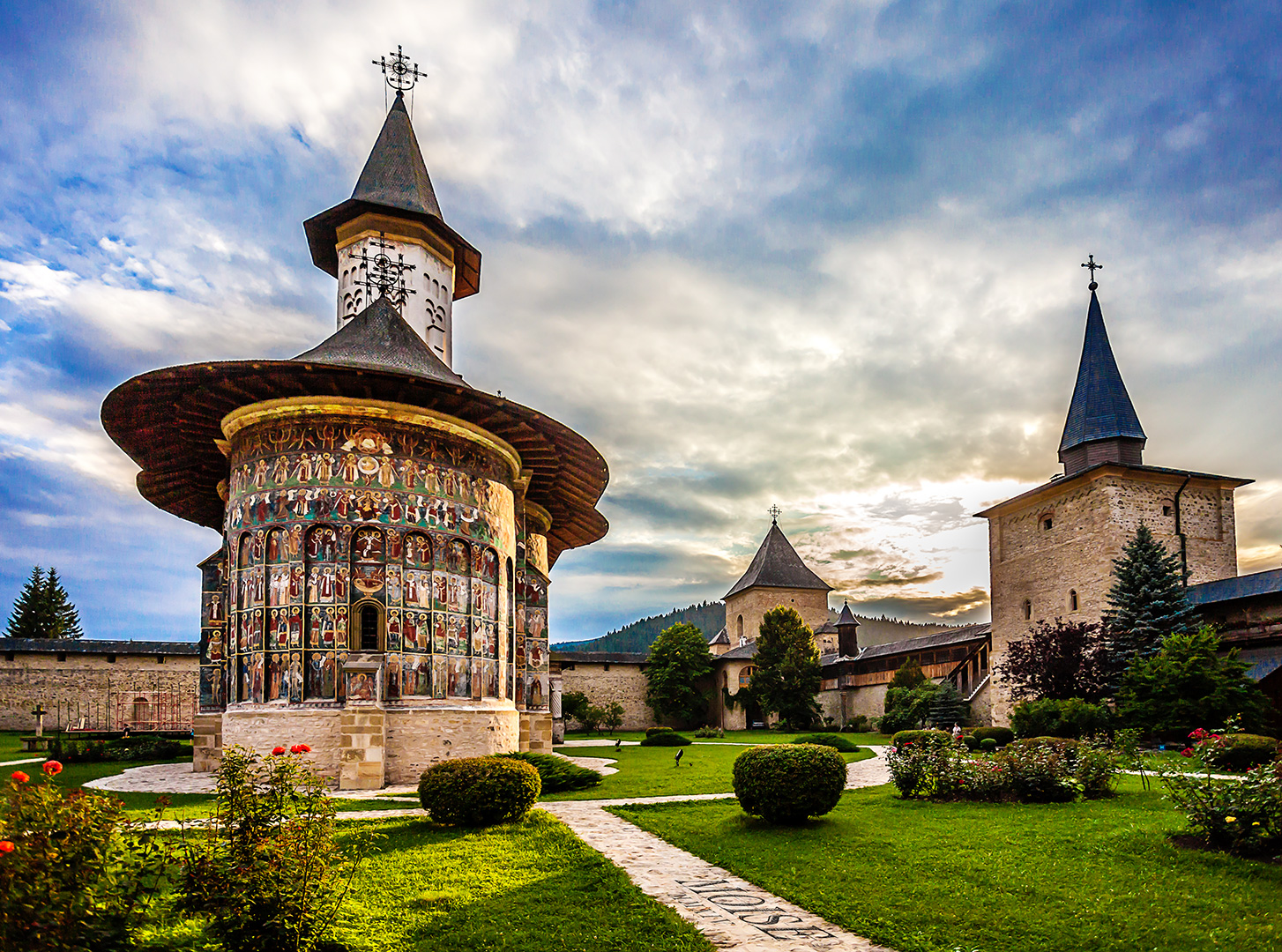
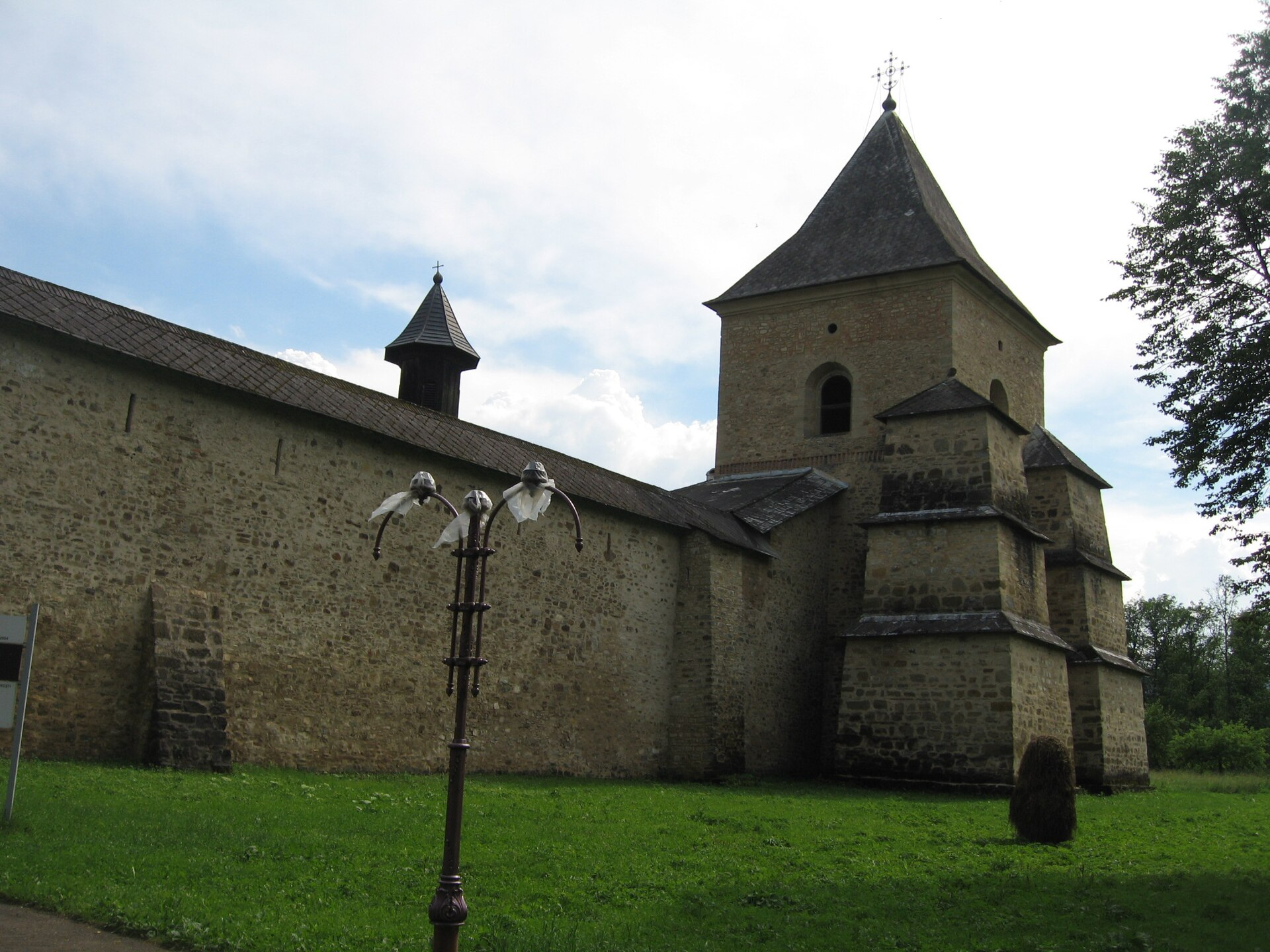
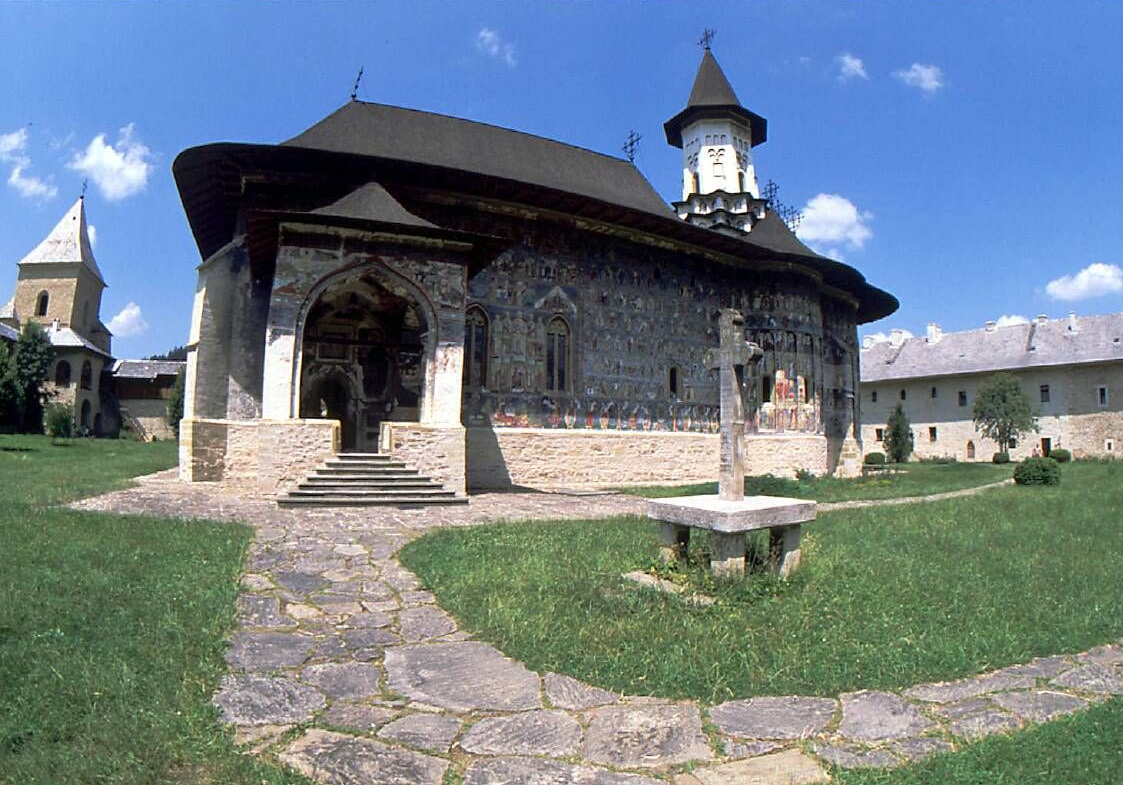
Romania’s Bucovina region (northeastern Romania) features substantial collection of monasteries with religious frescoes painted on the EXTERIOR walls — substantially unusual approach since most religious frescoes globally are painted on interior walls protected from weather. The cumulative monasteries date from the 15th-16th centuries during the substantial reign of Stephen the Great. Eight specific painted monasteries are UNESCO World Heritage sites (designated 1993, expanded 2010). The exterior paint has substantially survived nearly 500 years of Romanian winters. Various monasteries including Voroneț (famous for distinctive “Voroneț blue” pigment), Sucevița, Moldovița, Humor, and various others.
The Romanian painted monasteries represent one of the most distinctive Eastern Orthodox Christian art traditions globally. The cumulative monasteries feature substantial exterior frescoes covering essentially entire building exteriors — substantially unusual approach that mainstream international religious architecture rarely matches despite various examples in other Orthodox countries. Understanding what makes the Romanian painted monasteries actually distinctive reveals substantial Eastern Orthodox artistic depth that mainstream European tourism rarely encounters.
The Specific Geographic Reality
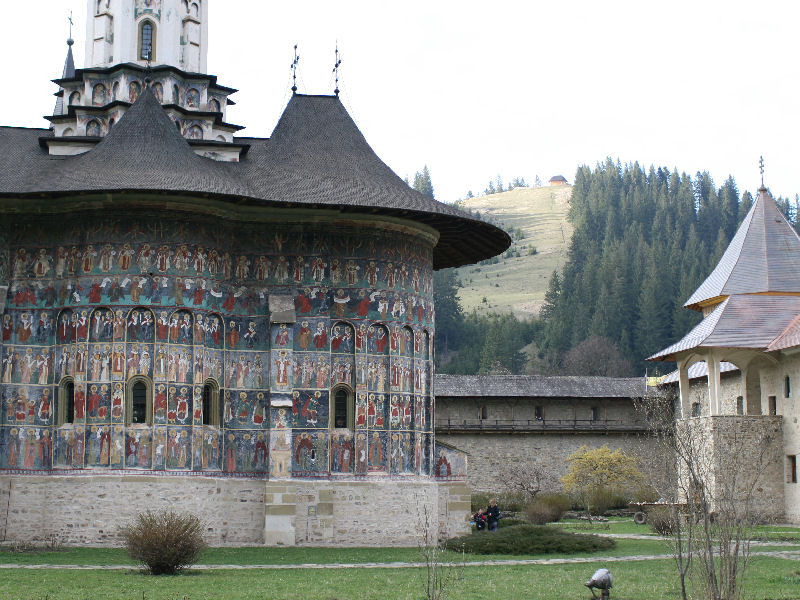
The painted monasteries are located in Romania’s Bucovina region — northeastern part of Romania near the border with Ukraine. The cumulative region was historically part of the substantial Principality of Moldavia (separate from modern Moldova country). The cumulative monasteries are typically reached via the substantial Romanian city Suceava (regional administrative center). Most monasteries are located within 30-60 km of cumulative Suceava across substantial Bucovina countryside.
The cumulative Bucovina landscape features substantial rolling hills, forests, traditional villages, and various other rural elements that have substantially preserved their character despite various political and economic changes. The cumulative monastery network spreads across substantial geographic area requiring substantial travel between sites. Most international visitors plan 2-4 day Bucovina trips to visit multiple cumulative monasteries.
The Stephen the Great Era
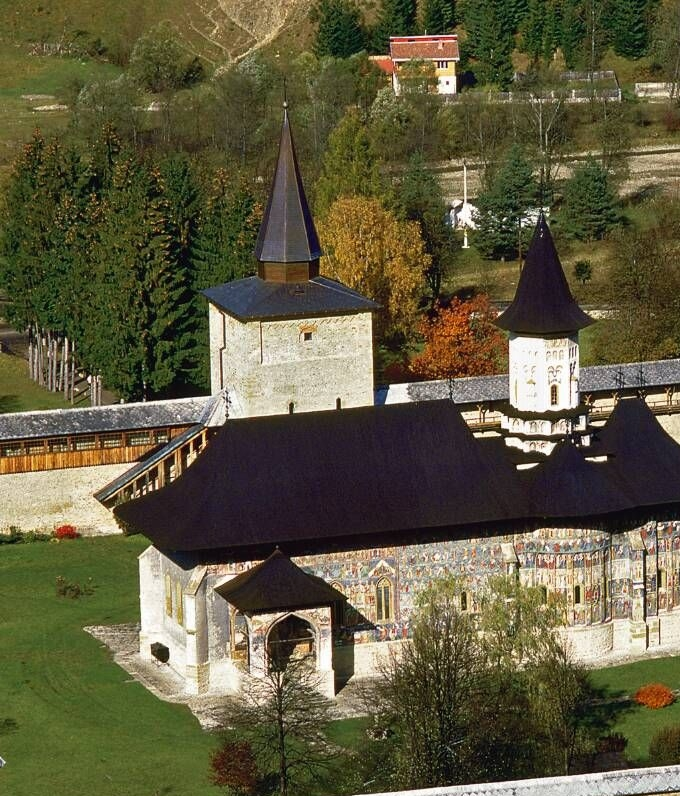
Most painted monasteries date from the substantial reign of Stephen the Great (Ștefan cel Mare) — Prince of Moldavia from 1457 to 1504. The cumulative ruler substantially commissioned monastery construction following military victories — various monasteries served as commemorative monuments celebrating cumulative battle successes against Ottoman, Polish, Hungarian, and various other military forces. The cumulative construction substantially extended through subsequent rulers including Stephen’s son Bogdan III and grandson Petru Rareș.
The cumulative exterior fresco tradition substantially developed during Petru Rareș’s reign (1527-1538, 1541-1546). The cumulative exterior frescoes specifically served educational function for substantially illiterate population — visual religious instruction visible from outside monastery buildings without requiring substantial interior access. The cumulative approach substantially exceeded standard interior fresco traditions through accessibility plus substantial visual impact for substantial monastery visitors.
The Voroneț Blue
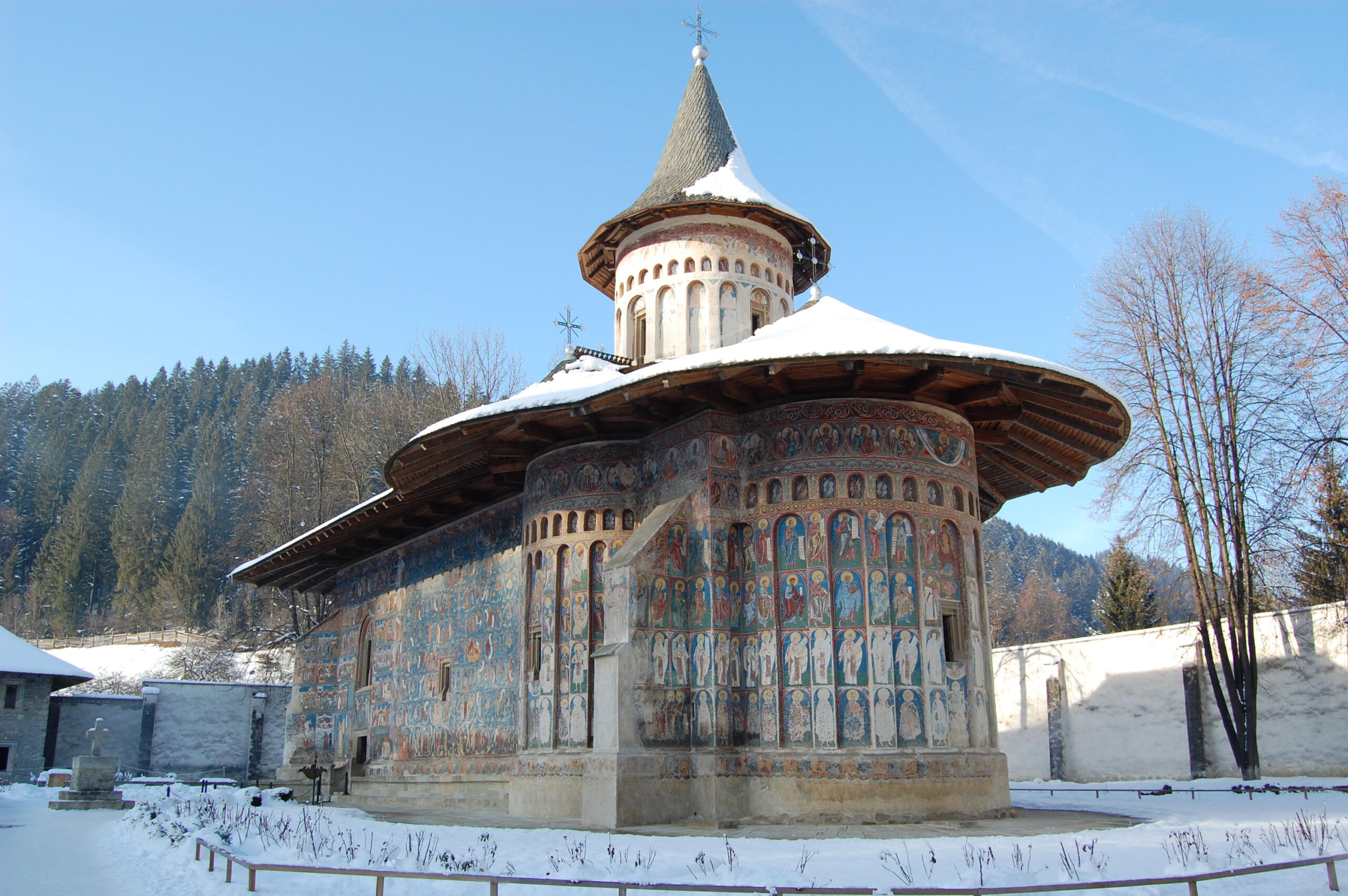
Voroneț Monastery features substantial blue pigment that has become famous as “Voroneț blue” — distinctive shade that has substantially survived nearly 500 years of cumulative weather exposure. The cumulative pigment’s specific composition has been substantial topic of artistic and scientific investigation across decades. Various theories have proposed substantial mineral sources (azurite, various others) but specific cumulative composition remains substantially uncertain.
The cumulative Voroneț blue has substantially become subject of international artistic recognition. Various art historians compare the cumulative blue to Yves Klein’s modern International Klein Blue or Vermeer’s substantial blue pigment usage. The cumulative blue pigment has substantially preserved substantially well across approximately 500 years despite cumulative weather exposure — substantially better than various other pigments at the cumulative monastery that have substantially faded. The cumulative chemical durability represents substantial accomplishment in pre-modern artistic technology.
The Specific Subjects
The exterior frescoes depict substantial range of religious subjects. Common themes include: Last Judgment scenes (substantial elaborate depictions covering substantial wall areas), various Old and New Testament narratives, lives of various saints, Tree of Jesse (substantial genealogical depiction of Christ’s lineage), Hymn to the Virgin Mary, various other specific Orthodox theological themes. The cumulative subjects substantially reflect Orthodox Christian theology and substantial Bucovina cultural specifics.
The cumulative Last Judgment scenes are particularly substantial. Various monasteries feature substantial detailed depictions of saved and damned populations, various demons, substantial heavenly figures, and various other specific elements. The cumulative scenes substantially served religious instructional function — visitors could observe cumulative consequences of various behaviors through specific visual depictions. The cumulative tradition substantially differed from Western Catholic religious art through specific Orthodox theological emphasis and various artistic conventions.
The UNESCO Designation

UNESCO designated the painted monasteries as World Heritage sites in 1993 with substantial expansion to additional monasteries in 2010. The cumulative UNESCO recognition provides substantial international protection framework. Currently 8 specific monasteries are UNESCO-listed: Sucevița, Probota, Pătrăuți, Voroneț, Humor, Moldovița, Arbore, and Sucevița. Various other monasteries with painted exteriors exist but lack UNESCO recognition.
The cumulative UNESCO designation has substantially affected tourism and conservation funding. Various restoration projects have substantially benefited from cumulative international funding sources. Various tourism infrastructure has substantially developed around cumulative UNESCO recognition. The cumulative protection framework substantially supports continued preservation despite cumulative challenges from weather, pollution, mass tourism, and various other factors.
The Conservation Challenges
The exterior fresco tradition faces substantial conservation challenges. Cumulative weather exposure substantially affects pigments over centuries despite the substantially better preservation than expected. Acid rain and atmospheric pollution have substantially accelerated cumulative deterioration in recent decades. Various restoration efforts have substantially preserved cumulative frescoes but various sections have substantially faded or substantially deteriorated over centuries.
Various specific conservation techniques have been substantially developed for cumulative Romanian painted monasteries. The cumulative techniques include substantial chemical treatments, physical reinforcement, protective coatings, and various other elements. Various international conservation experts have substantially collaborated on cumulative preservation efforts. The cumulative conservation work substantially continues as ongoing process rather than one-time restoration. Various ongoing climate change impacts may substantially accelerate cumulative deterioration in coming decades.
The Specific Famous Monasteries
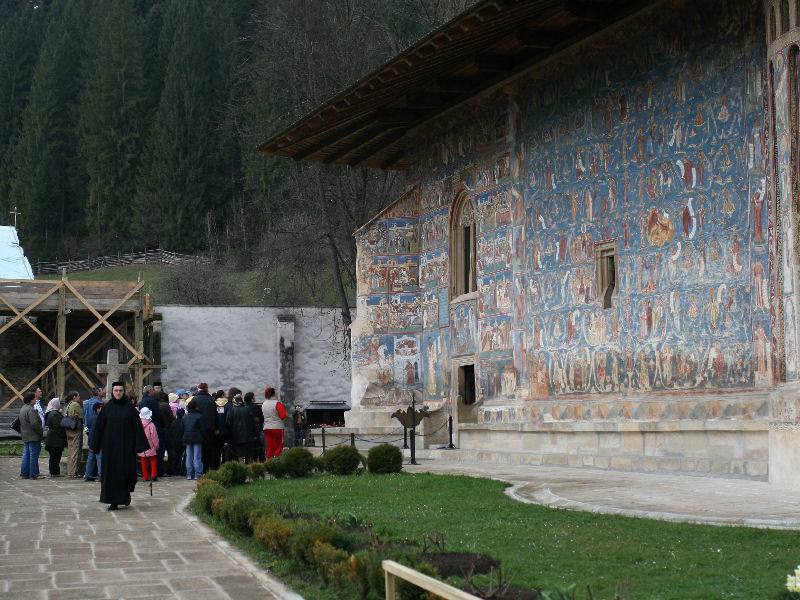
Several specific painted monasteries have substantial international recognition. Voroneț Monastery (substantially famous for Voroneț blue, often called “Sistine Chapel of the East”) features substantial Last Judgment frescoes covering western wall. Sucevița Monastery features substantial fortified walls plus extensive frescoes covering substantial portions of exterior. Moldovița Monastery features substantial Siege of Constantinople depiction plus various other historical-religious imagery.
Humor Monastery features substantial smaller scale with substantial preserved frescoes. Various other monasteries (Pătrăuți, Probota, Arbore, Bogdana, Putna, various others) provide substantial complementary experiences. The cumulative monastery network supports substantial multi-day exploration. Various visitors specifically plan cumulative Bucovina trips to visit multiple cumulative monasteries despite substantial travel logistics across the cumulative region.
How to Visit
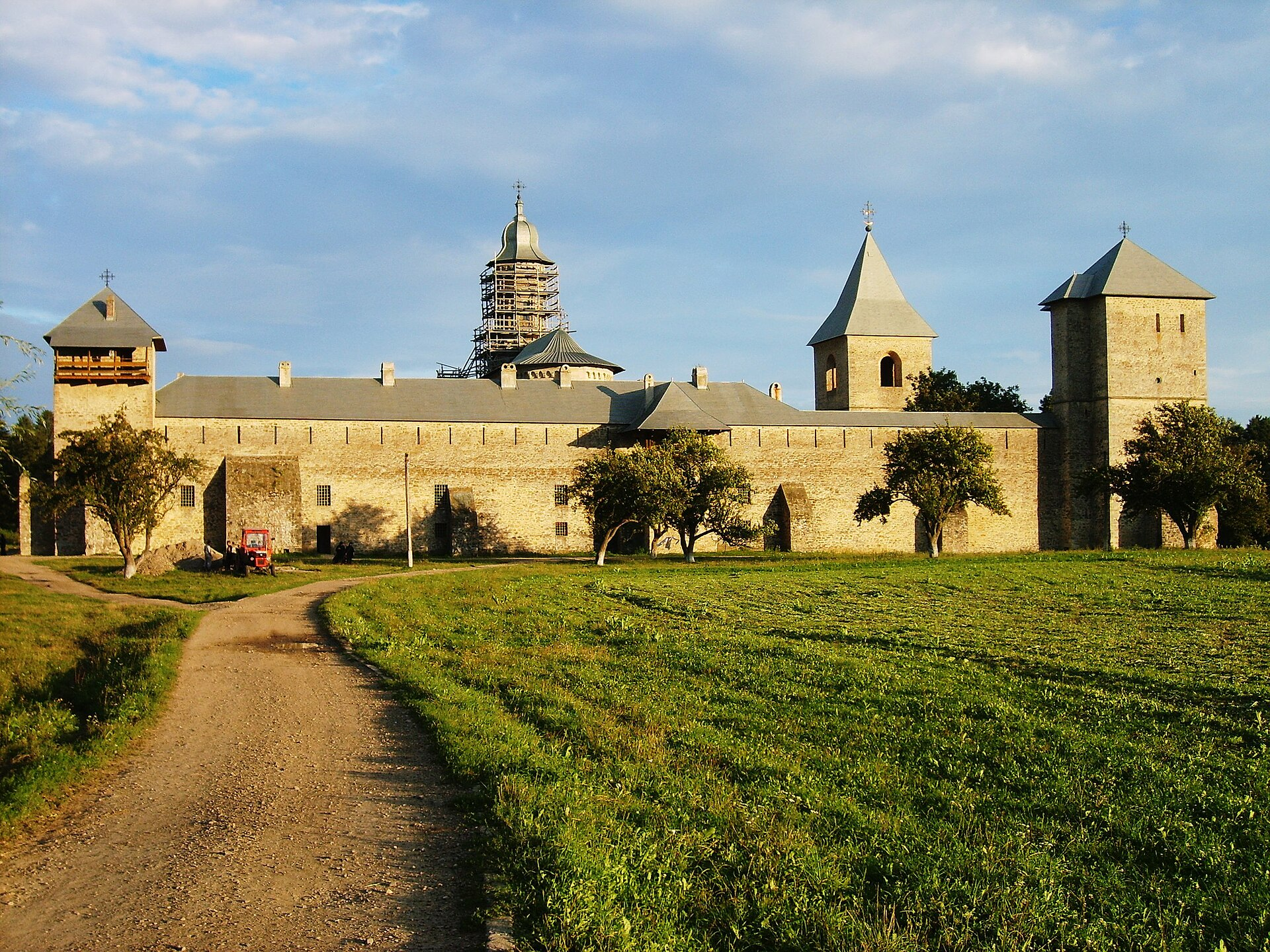
Practical guidance for Bucovina monastery visits. Access typically through Suceava (substantial regional airport with limited flights, otherwise substantial bus or train connection from Bucharest). Most international visitors rent cars in Suceava for substantial monastery touring. The cumulative monastery network requires substantial driving across Bucovina countryside. Various guided tours provide substantial alternative to independent travel for visitors unfamiliar with cumulative Romanian travel.
Best timing: May-October provides cumulative reliable weather and access. Various monasteries operate substantial visitor hours (typically 8 AM-5 PM with seasonal variations). Photography is substantially permitted at most monasteries with various interior restrictions. Modest dress required at all cumulative active religious sites. Most visitors plan 2-4 day Bucovina trips visiting 4-8 cumulative monasteries plus various traditional villages and various other regional attractions.
What These Monasteries Represent
The Romanian painted monasteries represent specific example of how religious artistic tradition combined with substantial royal patronage and substantial cultural commitment produces distinctive cultural heritage that has substantially survived for nearly 500 years. The cumulative tradition has substantially preserved specific Romanian Orthodox artistic and theological heritage despite various political pressures including substantial communist suppression of religious institutions (1944-1989). For travelers seeking authentic Eastern European cultural experience beyond mainstream Western European tourism, cumulative Romanian painted monasteries provide substantial cultural depth. The cumulative tradition will likely continue persisting as long as ongoing conservation efforts substantially preserve cumulative monasteries despite cumulative environmental and other challenges. Various future deterioration may substantially affect cumulative monasteries despite substantial conservation efforts, but currently the cumulative painted monasteries represent specific example of substantial Eastern Orthodox cultural heritage that mainstream international tourism rarely emphasizes despite substantial historical and artistic significance.