Few of us think hard about every item we drop into the cart, but supermarkets count on exactly that. The modern grocery store is a carefully engineered environment, from the placement of pricey items at eye level to the convenient pre-prepared foods that command a steep markup. While there is nothing wrong with paying for genuine convenience, a surprising number of common grocery purchases tend to be marked up, lower in quality, or available far more cheaply elsewhere. Knowing which items to skip can trim your bill without any real sacrifice. Here are the things savvy shoppers say you are usually better off not buying at the grocery store.
Pre-Cut Fruits and Vegetables
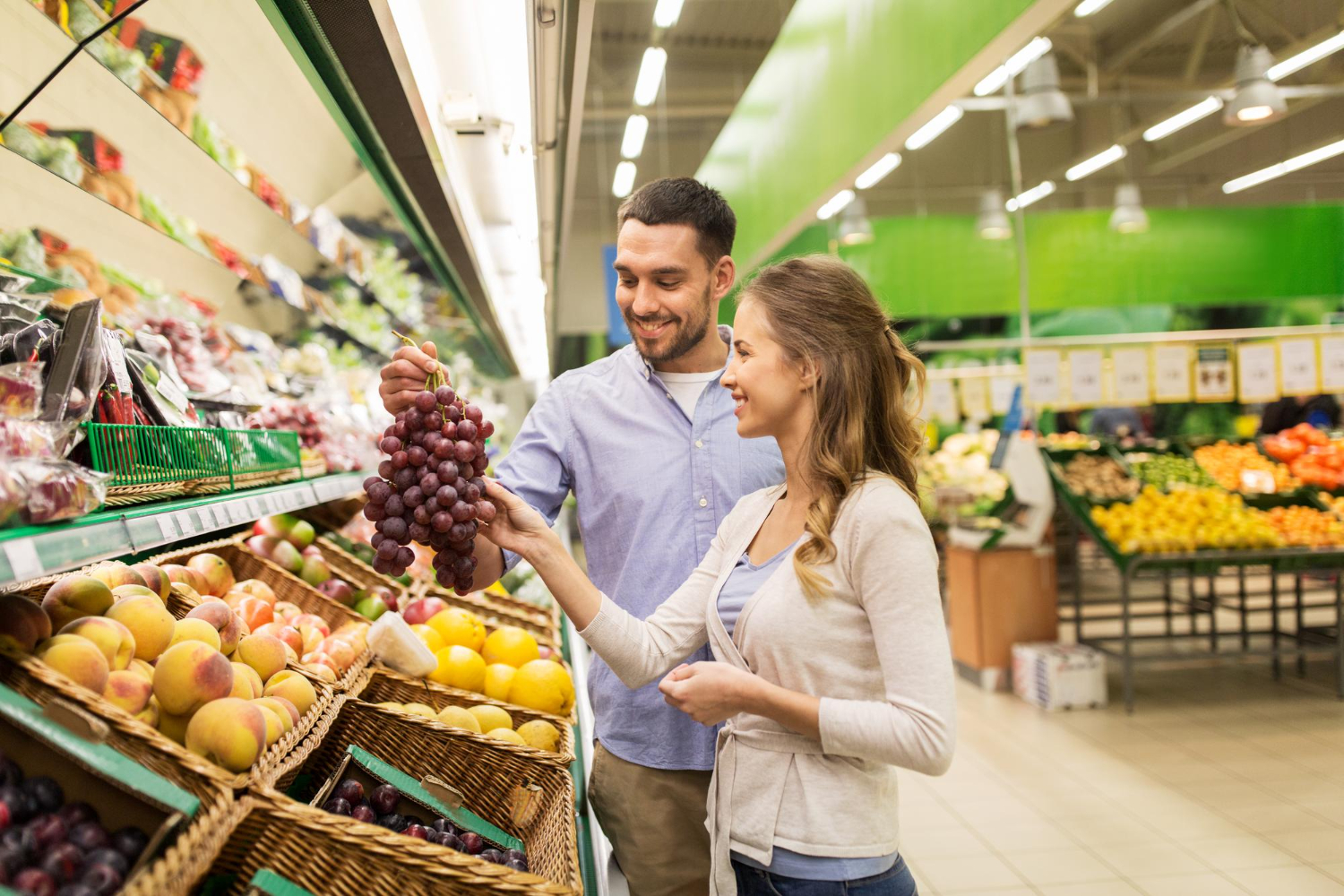
It is one of the clearest markups in the entire store. Pre-cut, washed, and packaged fruits and vegetables can cost dramatically more per pound than the whole versions sitting a few feet away. You are paying a premium for the labor of chopping and the packaging, and the convenience comes at a steep price.
There is a quality cost too. Once produce is cut, it begins to lose freshness and nutrients and tends to spoil faster, so those pre-sliced items often have a shorter usable life. Buying whole produce and spending a few minutes preparing it at home is cheaper, fresher, and generates less plastic waste. For anyone trying to cut costs, this is among the easiest swaps to make.
Like our content? Follow us for more.
Bottled Water
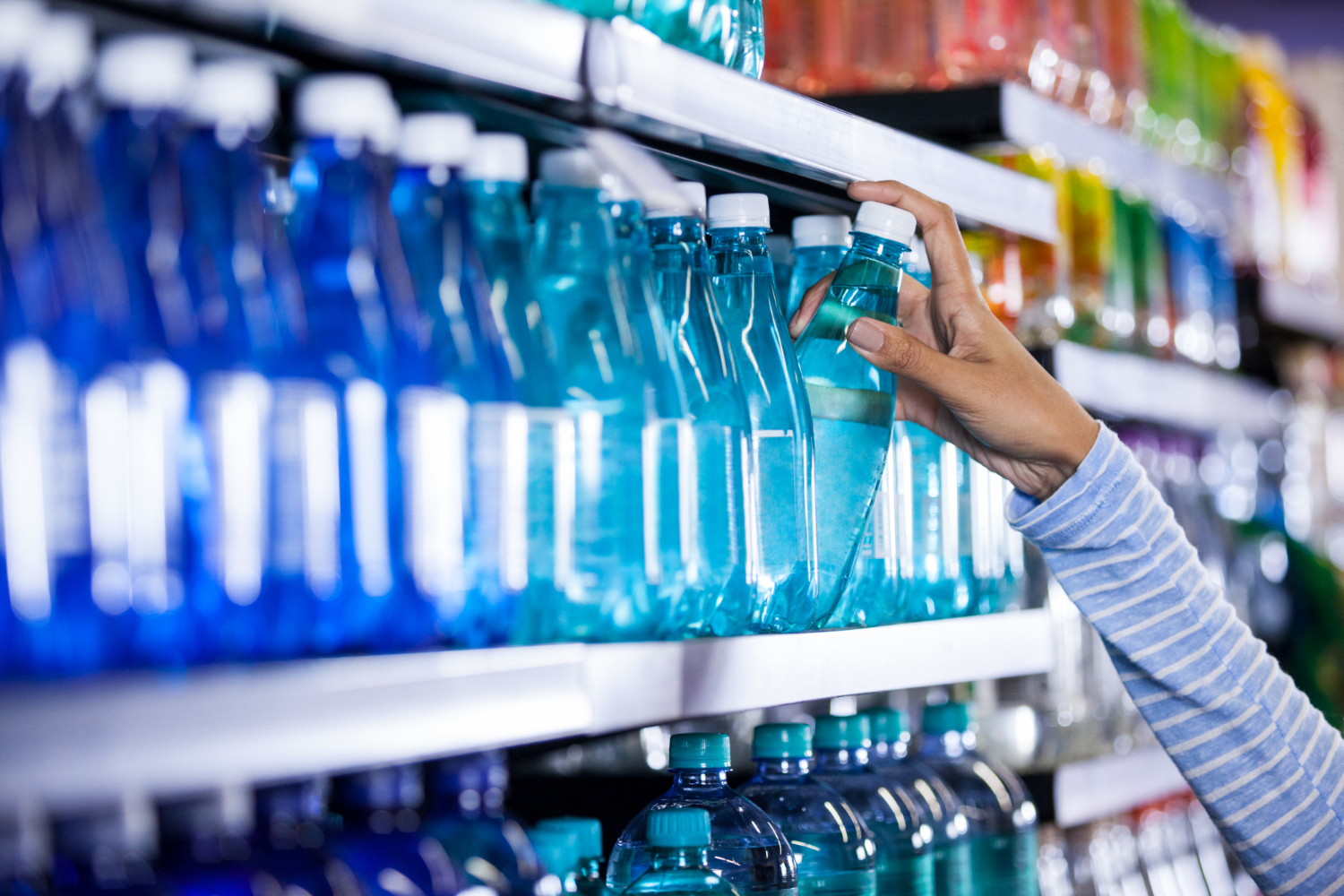
In most developed countries with safe tap water, bottled water is one of the least cost-effective purchases a shopper can make, costing many times more than water from the tap for a product that is often not meaningfully different. The markup is enormous, and the environmental toll of single-use plastic only adds to the case against it.
A reusable bottle and a simple filter, if you prefer the taste, pay for themselves almost immediately and eliminate a recurring expense. For households that buy bottled water regularly, the annual savings can be substantial. Unless you are somewhere the tap water genuinely is not safe, this is an easy line item to cross off the list.
Name-Brand Staples and Spices
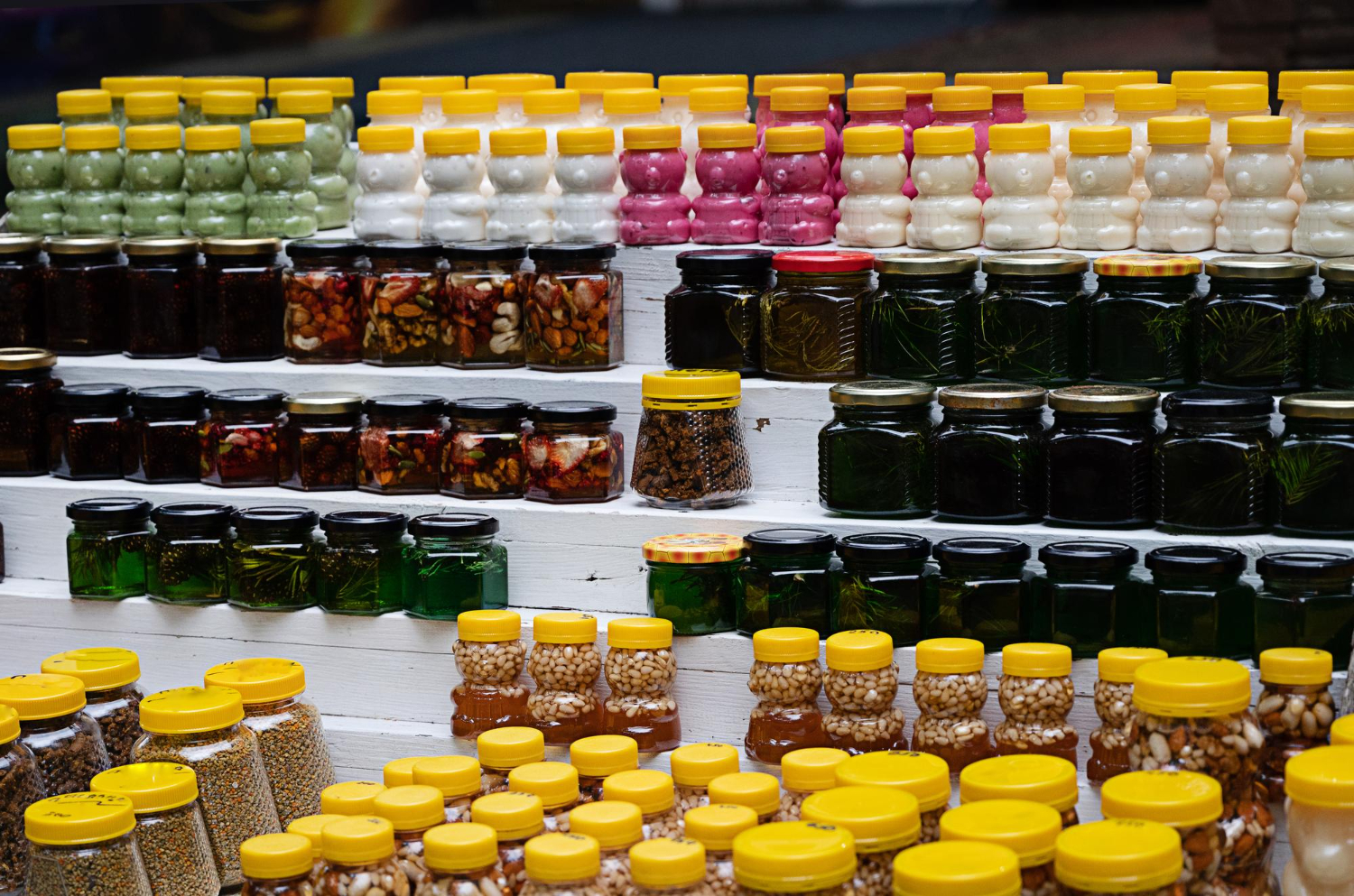
For many basic pantry staples, the store’s own brand is made to standards very similar to the name brand, often in the same facilities, at a noticeably lower price. Items like flour, sugar, salt, baking soda, and many canned goods are essentially commodities, and paying extra for a familiar label rarely buys better quality.
Spices are a particularly notorious example. The small jars of branded spices in the baking aisle are often wildly expensive for the tiny quantity they contain. Buying spices from the bulk bins, from international or specialty grocers, or in larger quantities can cost a fraction as much for the same product, frequently fresher too. Over a year of cooking, the difference adds up.
Pre-Made and Prepared Foods
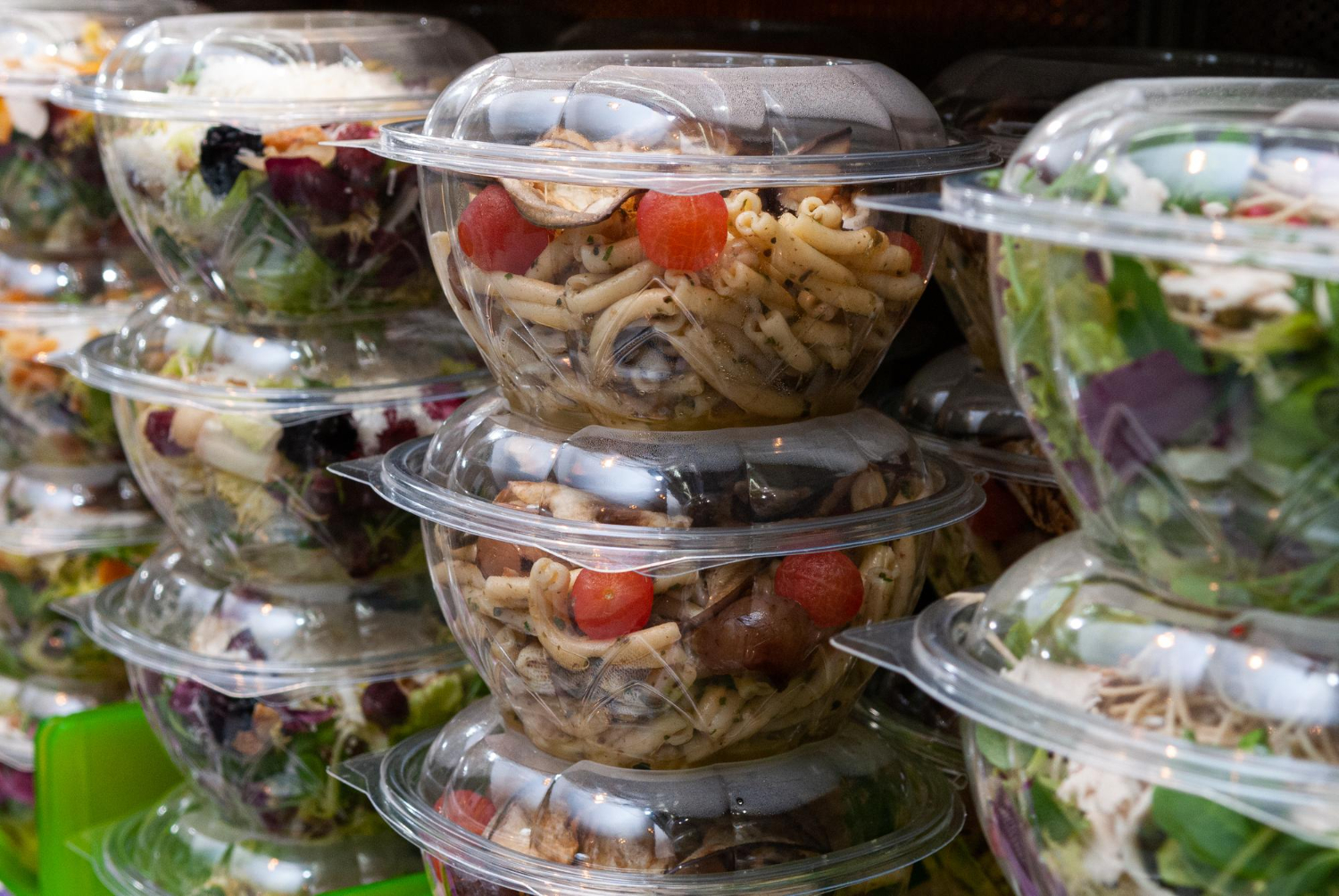
The deli counter and prepared-foods section are among the highest-margin areas of the store. Rotisserie chickens are a famous exception, often sold cheaply as a loss leader to draw shoppers in, but many other prepared items, from chopped salad kits to assembled meals and sliced deli meats, carry a heavy premium for the convenience.
Making the equivalent at home almost always costs less and often tastes better, with the bonus of controlling exactly what goes into it. For busy households, some convenience is worth paying for, and there is no shame in that. But it pays to recognize when you are buying time versus simply overpaying out of habit, and to reserve the splurge for the moments you truly need it.
Out-of-Season Produce
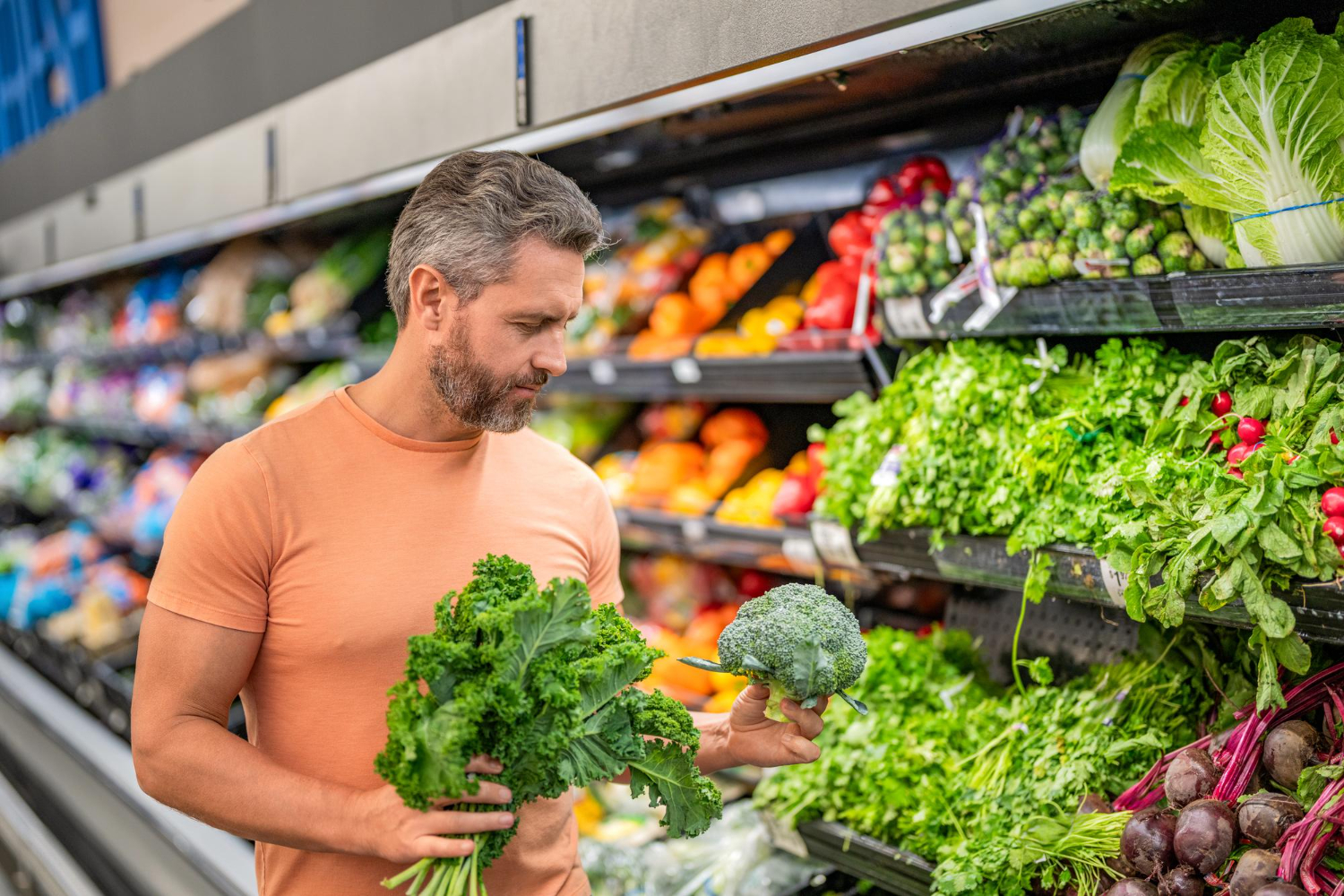
Fruits and vegetables shipped in from far away when they are out of season locally tend to be both more expensive and less flavorful than produce bought in season. That winter display of fresh berries may look appealing, but it often comes with a high price and a disappointing taste compared with the same fruit at its summer peak.
Buying with the seasons saves money and rewards you with better flavor, since in-season produce is more abundant and has not traveled as far. Frozen fruits and vegetables, frozen at peak ripeness, are an excellent and often cheaper alternative for out-of-season cravings, especially for cooking, baking, and smoothies. They retain their nutrients well and cut down on waste.
Greeting Cards and Non-Grocery Items
The card rack near the checkout is a classic example of grocery-store convenience pricing. Greeting cards at the supermarket are frequently far more expensive than the same kind of cards from discount stores, dollar stores, or online. Because they are an impulse grab, shoppers rarely stop to compare.
The same logic applies to many non-food items that creep into the grocery cart: batteries, kitchen gadgets, cosmetics, over-the-counter basics, and the like are often cheaper at dedicated discount retailers, pharmacies, or online. The grocery store is built around the assumption that, once you are there, you will buy these things rather than make a separate trip. Being aware of that is half the battle.
A Few More Items Worth Reconsidering
Several other common grocery buys tend to deliver poor value. Bagged salad and pre-washed greens, like pre-cut produce, cost more and spoil faster than a whole head of lettuce you wash yourself, and they are among the items most often thrown away unused. Single-serving snacks and drinks, sold in individual portions for convenience, carry a steep markup over buying a larger package and portioning it out at home into reusable containers.
Branded breakfast cereals are another quiet drain, often heavily marketed and priced well above store-brand equivalents that are nearly identical. The same goes for many cleaning products and paper goods, which are frequently cheaper in bulk at warehouse or discount stores. And the impulse-buy zone at the checkout, stocked with candy, magazines, and small gadgets, exists precisely to catch you in a moment of weakness while you wait in line.
None of this means these products are never worth buying. Convenience has real value, and everyone’s time and circumstances differ. The point is simply to buy them deliberately, because you have weighed the trade-off, rather than automatically, because the store’s layout steered you there. A shopper who knows where the markups hide can choose exactly when the premium is worth paying and when it is not.
How to Shop Smarter Overall
Beyond avoiding specific items, a few simple habits make the biggest difference at the register. Shopping with a list and sticking to it guards against impulse buys, which is exactly what much of the store’s design is meant to encourage. Eating before you shop is a genuine money-saver, since hunger reliably leads to a fuller, pricier cart.
It also pays to look at unit prices rather than sticker prices, since the larger or bulk option is not always the better deal, and to check the upper and lower shelves, where cheaper options are often placed away from eye level. None of this requires extreme couponing or going without the things you enjoy. It simply means recognizing how the grocery store is designed to separate you from your money, and making a few deliberate choices to keep more of it. Small changes, repeated every week, add up to real savings over time. Over the course of a year, trimming even a handful of these habitual overpays can free up a meaningful amount of money, without anyone at the dinner table noticing a difference in what ends up on their plate. That is the quiet appeal of shopping smarter: it asks for awareness rather than sacrifice, and it rewards you steadily, trip after trip.
Like our content? Follow us for more.