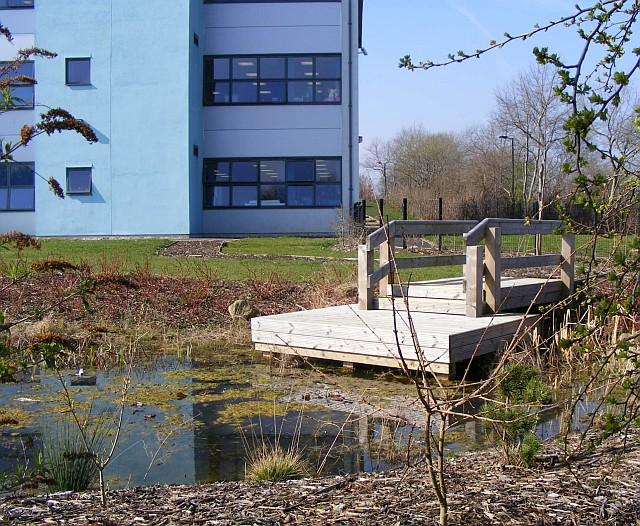
The school pond was a hole in the wettest corner of the field with a net beside it. Here are twelve things about it that would not be permitted now.
1. The pond was dug by a teacher and a class, with spades
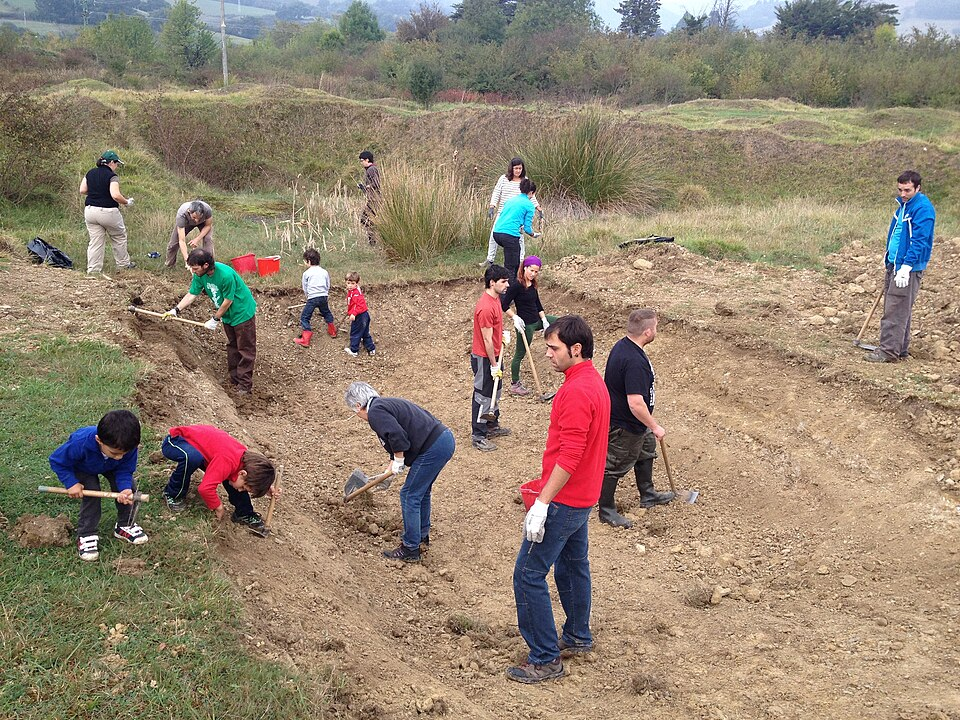
A great many 1964 school ponds were made rather than inherited: a teacher decided the school should have one, picked a damp corner of the field, and the digging was done by children with spades over a few afternoons.
There was no design, no survey, no liner in most cases and no construction standard. The hole held water because the ground was already wet, which is why it had been chosen.
Schools that install a pond now go through a design and a risk assessment before any ground is broken, with the depth, the edge profile, the access and the fencing decided in advance and recorded, and the work done by adults. The pond is still encouraged and the way it arrives is completely different. The pond is still encouraged and the way it arrives is completely different. Wildlife organisations actively promote school ponds and publish guidance on making one, which is the clearest possible evidence that the objection was never to the pond itself.
Like our content? Follow us for more.
2. Water, depth and edges are the whole safety question and nobody had asked it
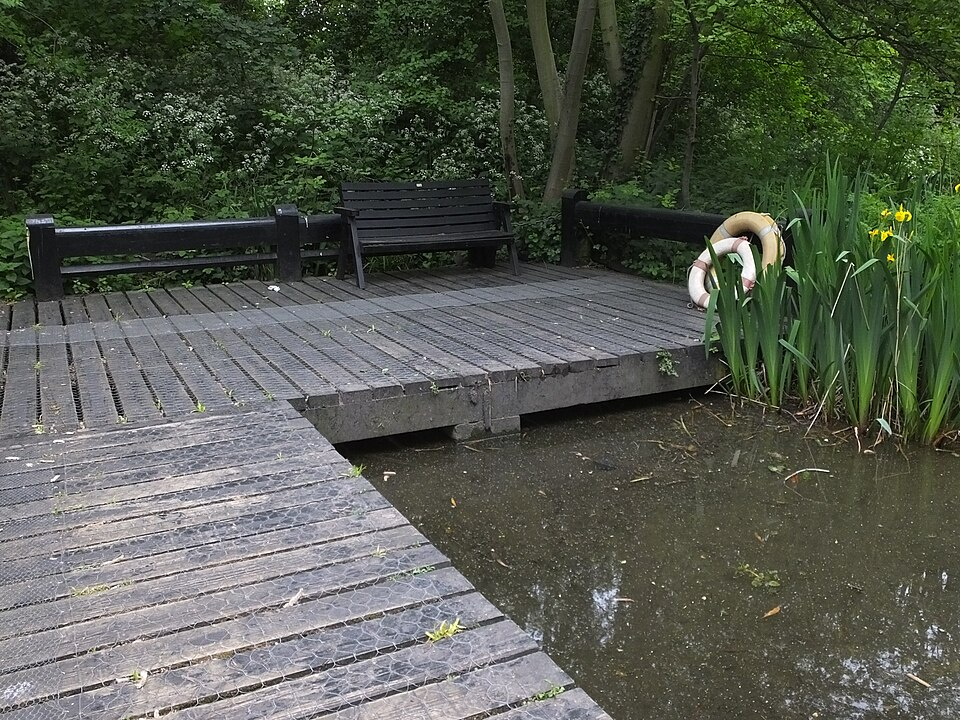
A 1964 school pond typically had steep sides, an unknown depth, a soft bottom and an unfenced edge, in a field used by several hundred children, and no document existed that described any of it.
This is the single largest difference between then and now, and it is worth stating plainly rather than dressing up as nostalgia. Nobody had written down how deep it was.
Modern practice treats any body of water on a school site as a significant hazard requiring a written risk assessment, with shallow graded edges, a controlled depth, a firm base, a fence or gate where the assessment requires one, and supervision arrangements specified for every visit. This file describes no accident and gives no advice to any reader about water. This file describes no accident and gives no advice to any reader about water. The regime is the story here, and the regime is the thing worth knowing: what changed is that somebody now writes the depth down before any child is taken near the edge.
3. Supervision was whoever happened to be on the field
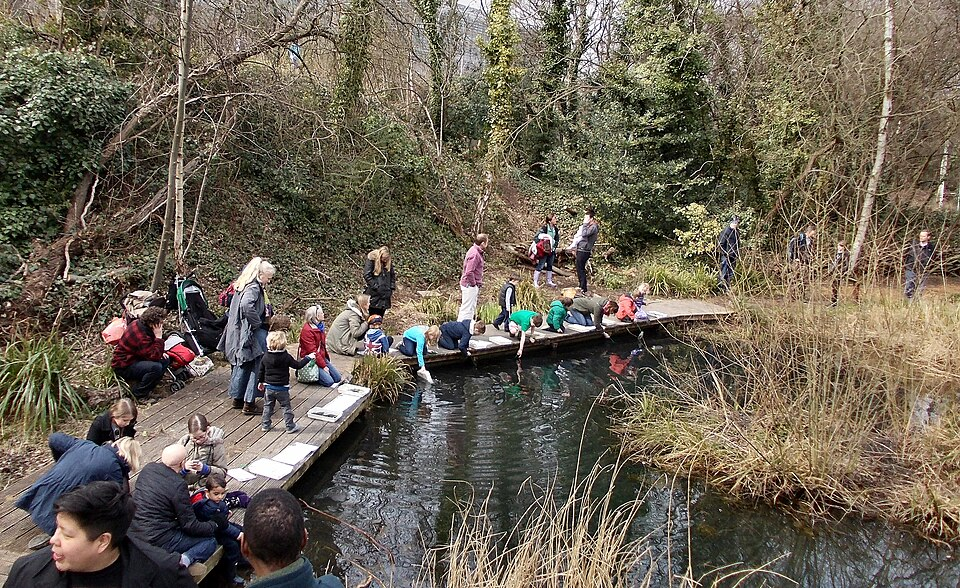
The pond sat in the open on a school field and was passed by every child at every break, with supervision consisting of whichever member of staff was on duty for the whole site.
That is not supervision of a pond. It is supervision of a field that happens to contain one, and the distinction was not drawn at the time.
Schools now specify adult-to-pupil ratios for any planned activity at water, require the area to be secured or inaccessible outside those sessions, and treat unsupervised access as the thing the arrangements exist to prevent. The pond did not get less interesting and the access got controlled. The pond did not get less interesting and the access got controlled. That is the pattern in almost every item in this file, and it is worth naming once: the activity was kept and the uncontrolled version of it was removed, which is a different thing from banning the activity.
4. A net and a white tray was the entire equipment list
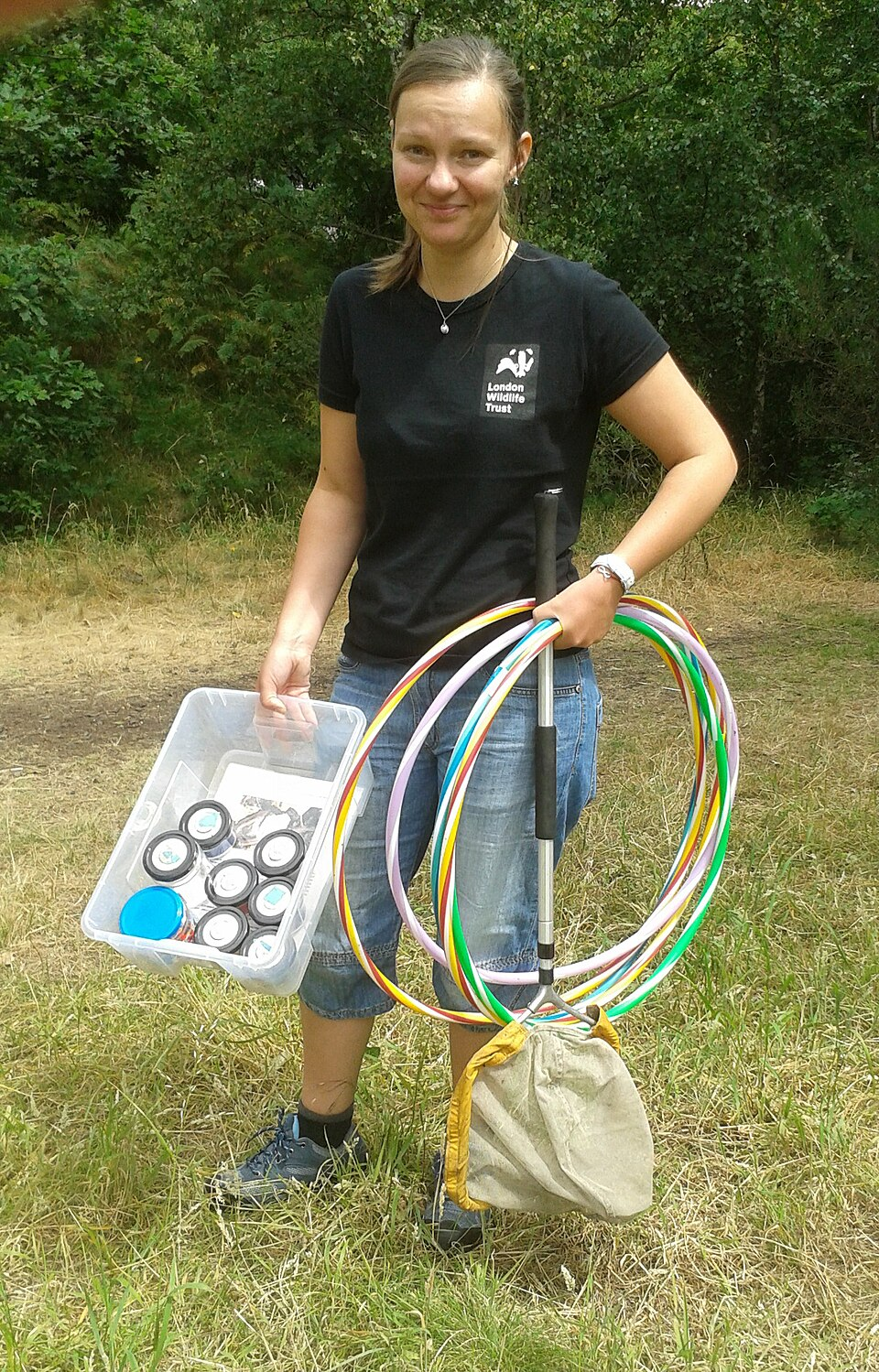
Pond dipping in 1964 meant a long-handled net, a white enamel tray or a jam jar, and a child kneeling on the bank, and the equipment did not extend beyond that.
The white tray was the genuinely clever part: anything scooped from the water becomes visible against white enamel, and that single piece of kitchen equipment did most of the teaching.
The method is unchanged and still recommended, with the modern additions being a controlled platform or jetty to kneel on, a stated ratio of adults, hand washing afterwards and a return of everything to the water. The white tray is still a white tray. The white tray is still a white tray. A good many schools still use an actual enamel or white plastic kitchen tray bought for a few coins, because nothing designed for the purpose works better and the thing being looked at is in the water rather than in the equipment.
5. What came out of the net went back to the classroom and stayed there
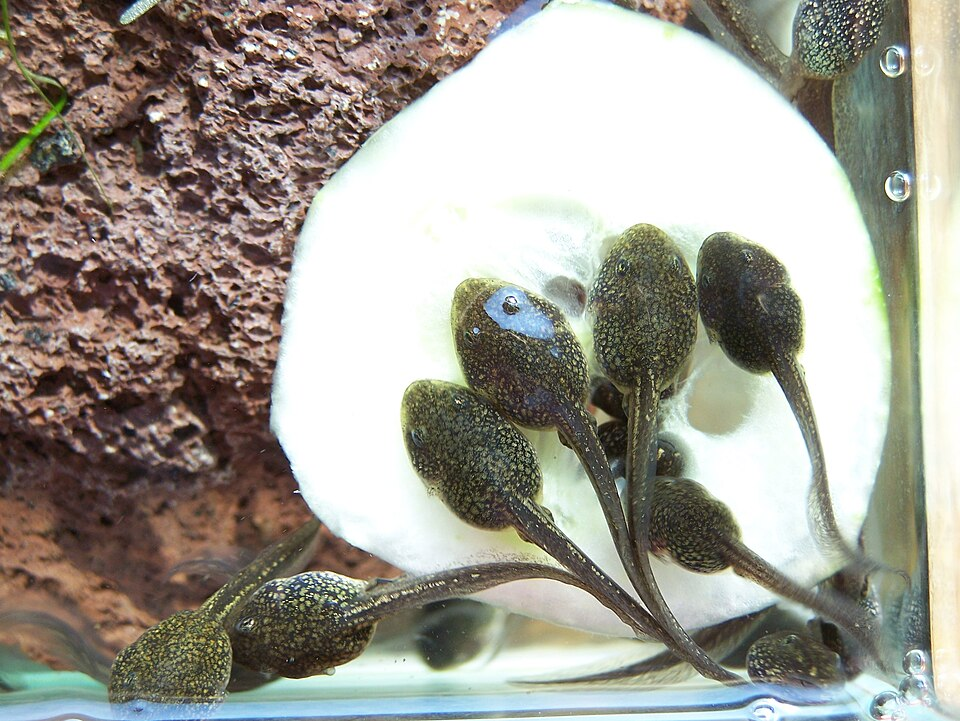
The normal 1964 practice was to take specimens from the pond to the classroom, keep them in a tank or a jar on a windowsill for a week or a term, and dispose of what did not survive.
That was understood as the point of the exercise rather than a problem with it, and the mortality was treated as part of nature study.
Current practice is the reverse: examine in a tray at the water’s edge, record what you see, and return everything within a short period to the place it came from. The change is not sentimentality but a recognition that a classroom windowsill is not a habitat and that a pond is an ecosystem with a finite population. The change is not sentimentality but a recognition that a classroom windowsill is not a habitat and that a pond is an ecosystem with a finite population. A class of thirty taking one thing each, twice a term, empties a small pond, which is arithmetic rather than ethics.
6. Collecting is now a legal question, not a teaching choice
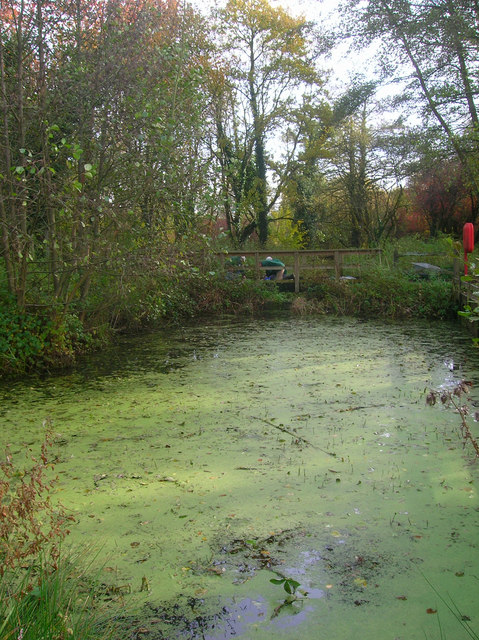
In 1964 a teacher could take whatever came up in the net, including plants, from any water, and the only limit was what the net could reach.
That is no longer the case, and the reason is that protected status now attaches to a range of species and their habitats, with collection, removal, disturbance and transfer restricted in ways that vary by country.
This file names no species deliberately, because an identification or a list is exactly the thing a reader should not take from a nostalgia article. Anybody planning pond work should get the current position from the national wildlife or conservation authority for their own country, which is the only source that is both correct and up to date. Anybody planning pond work should get the current position from the national wildlife or conservation authority for their own country, which is the only source that is both correct and up to date. Local wildlife trusts and conservation bodies also run school pond programmes and will advise on the specific site, which is a more useful starting point than any general article.
7. Nobody could identify anything and nobody minded
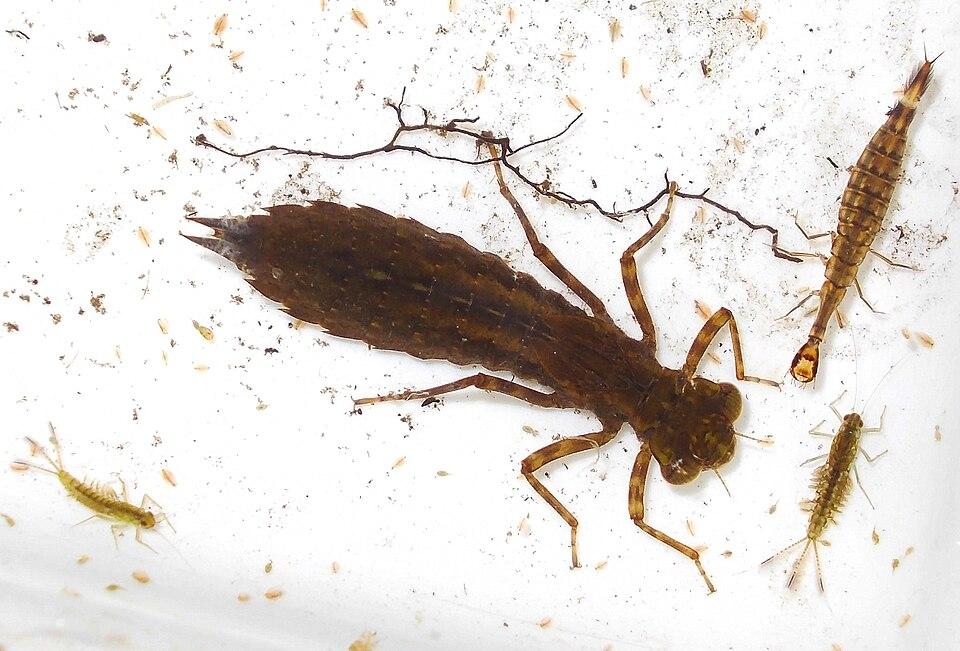
The practical reality of 1964 pond dipping was a tray of small moving things, a teacher who knew a few of them, and a class that named the rest approximately.
That sounds like a failure and it largely was not, because the thing being taught was that a jar of pond water is full of life, and that lesson survives inaccurate naming perfectly well.
Schools now have identification charts, keys, laminated guides and in many cases a visiting specialist from a local wildlife trust, which makes the session more accurate without changing what it is for. The approximate naming was never the important part. The approximate naming was never the important part. What a tray of pond water teaches is that water which looks empty is not, and a child who has seen that once has learned something that does not depend on knowing a single name.
8. It was dug where the ground was wet, not where the teaching worked
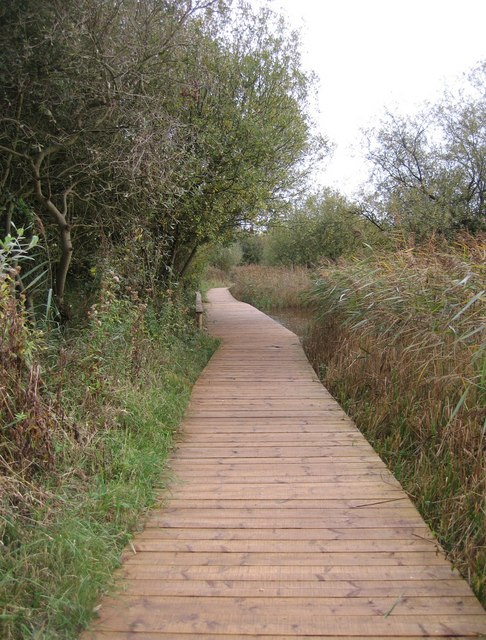
The siting of a 1964 school pond was determined by where water would stay, which was usually the lowest and boggiest corner of the field, furthest from the building.
That put the pond at the point of the site with the worst access, the least visibility from any window and the greatest distance from any adult, for reasons that had nothing to do with either safety or teaching.
Modern siting reverses every one of those priorities: a new school pond goes where it can be overlooked, reached on a made path, secured when not in use and brought a class to without crossing the whole site. The groundwater question is solved with a liner. The groundwater question is solved with a liner. That one piece of material is the reason a modern pond can be put where the teaching works rather than where the ground happens to be wet, and it quietly fixed the siting problem that had determined everything else.
9. It froze, and the ice was the thing nobody had planned for
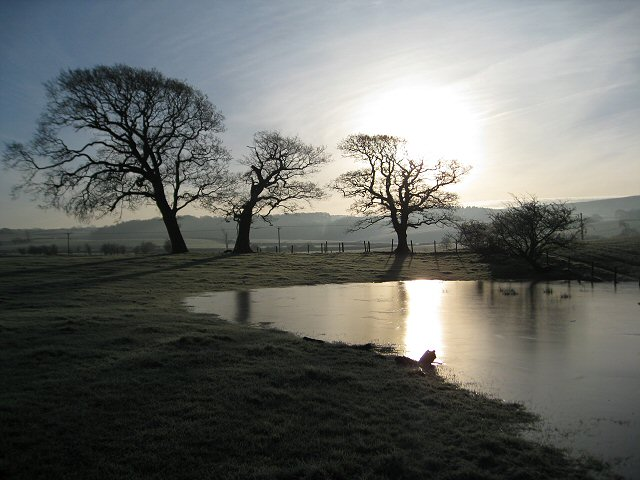
A pond on a school field freezes, and in 1964 there was no arrangement for that beyond a member of staff telling children to keep off it.
Ice on a school pond is the point at which the hazard changes completely, and it arrived every winter without anybody having written down what would happen.
Modern risk assessments for school water explicitly address winter conditions, and the measures are physical rather than verbal: the area is closed, fenced or made inaccessible for the period, because an instruction is not a control. This file describes no incident on any ice and gives no reader any advice about frozen water.
10. Maintenance was nobody’s job and the pond silted up
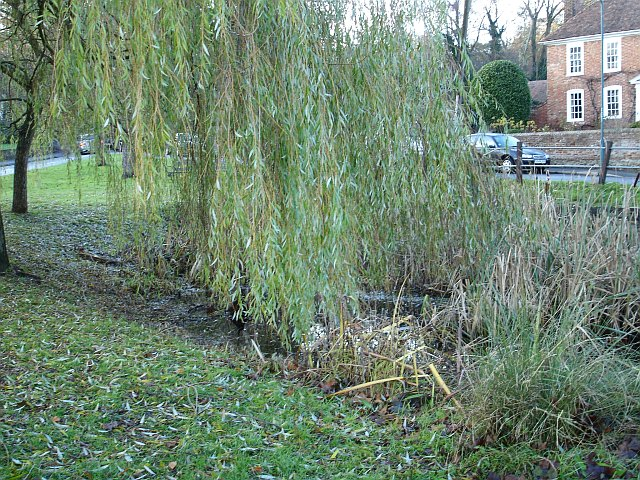
A dug pond with no liner, no inflow and no management fills with leaves, silts up, grows over and eventually becomes a damp patch, and a great many 1964 school ponds did exactly that within a decade. A dug pond with no liner, no inflow and no management fills with leaves, silts up, grows over and eventually becomes a damp patch, and a great many 1964 school ponds did exactly that within a decade. Autumn leaf fall was the main mechanism, and a pond dug under trees in the wettest corner of a field received a great deal of it.
There was no budget line, no maintenance schedule and no caretaker duty attached to it, because it had been made by a teacher as a project rather than installed as a facility.
A school pond now arrives with a management plan, a named responsible member of staff, a maintenance routine and in many cases a grant or a partnership with a wildlife organisation. That is the difference between a project and a facility, and it is why the modern ones are still there. That is the difference between a project and a facility, and it is why the modern ones are still there. It is also why a school considering a pond is now advised to settle who will look after it before deciding where to put it.
11. The best pond in the district belonged to a teacher who has long since left
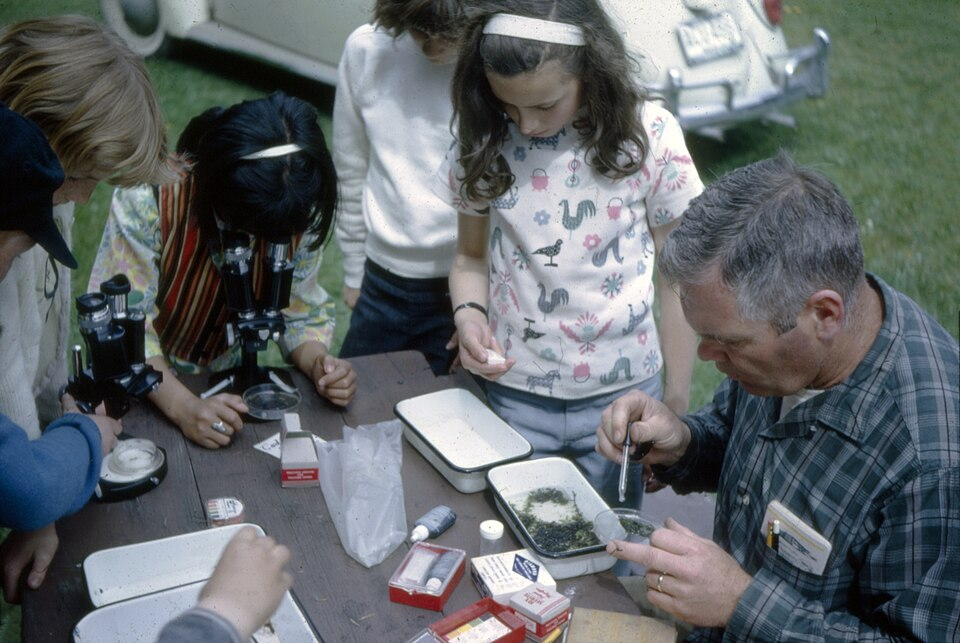
School ponds of the period depended entirely on one enthusiast, and the pattern is consistent across the country: a pond was dug, flourished for as long as that teacher was there, and declined the term after they moved on.
That is the structural weakness of the whole 1964 arrangement, and it has nothing to do with safety or regulation. It was a facility with a single point of failure.
Embedding pond work in a scheme of work, a management plan and an external partnership is what makes it survive a staff change, which is an unglamorous administrative answer to a genuine problem. The enthusiasm still matters and it is no longer the only thing holding the pond together. The enthusiasm still matters and it is no longer the only thing holding the pond together. Anybody who was taught by one of those teachers will recognise the type immediately, and a good deal of what people remember about primary school nature study is really a memory of one person’s interest.
12. What the school pond was for, and why it is still there
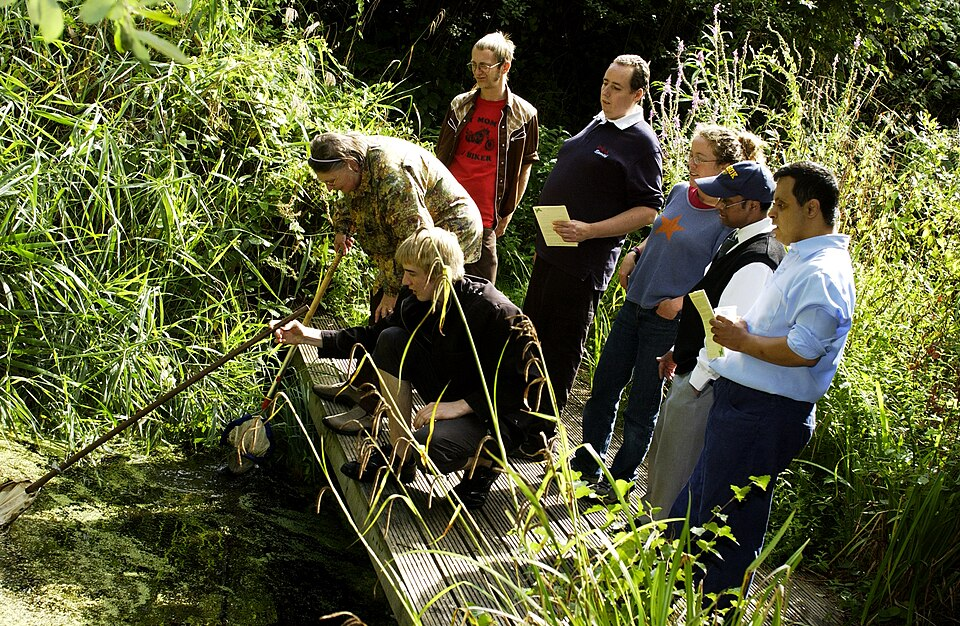
It existed to put a class in front of living things they could catch, look at and ask questions about, within walking distance of a classroom, and on that it worked better than any book available in 1964.
That is why pond dipping survived every change described here while almost everything around it was rebuilt. The lesson was right and the arrangements were not. The lesson was right and the arrangements were not. That sentence covers most of this batch, and it is the honest version of the nostalgia: the thing being attempted in 1964 was usually sound, and what has been added since is the part that was missing rather than a replacement for it.
The summary: a 1964 school pond was usually dug by a teacher and a class with spades in the wettest corner of the field, with an unknown depth, steep sides, a soft bottom, no fence and no written assessment of any of it, supervised by whoever was on duty for the whole site, dipped with a net and a white enamel tray, and emptied of specimens that went to a classroom windowsill and did not come back; the net and the white tray are unchanged, and everything around them now is: a designed and assessed pond with graded edges and a controlled depth, a path and a platform, access secured outside supervised sessions with stated adult ratios, winter closure by physical means rather than instruction, everything returned to the water, a management plan with a named member of staff, and collection governed by protected-species law that readers should check with their own national wildlife authority rather than with any article.
The lesson was right and the arrangements were not
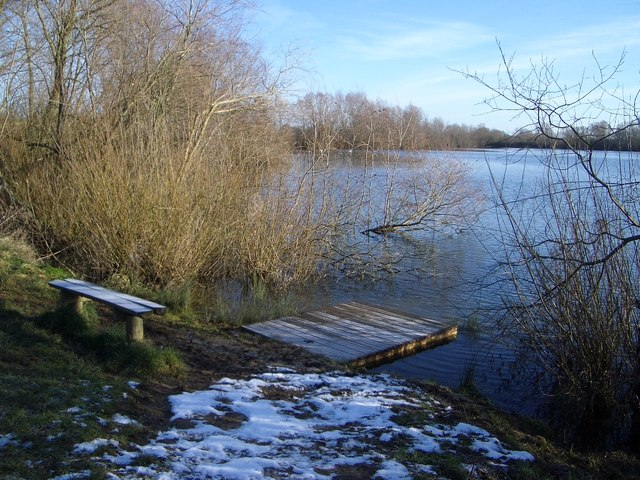
Almost nothing in this file is a complaint about 1964 teaching. Putting a class in front of a tray of pond water is one of the best things a primary school can do and it is still done, with the same net and the same white enamel tray, because the method was sound from the start. What has been rebuilt is everything around it: the pond is designed and assessed rather than dug, the depth is known and recorded, the edges are graded, the access is secured outside supervised sessions, winter is handled by closing the area rather than telling children to keep off, specimens go back in the water, and collection is governed by law rather than by what the net could reach. The enthusiast who dug it was right about the lesson and had none of that.
If you want to do pond work with children, the current legal position on protected species and habitats comes from your own country’s national wildlife or conservation authority, which is the only source that is both correct and current.
Like our content? Follow us for more.