The cloakroom was a row of pegs in the coldest part of the building, and it was where the school day actually began. Here are twelve things it decided.
1. It was a row of pegs on a rail and nothing else
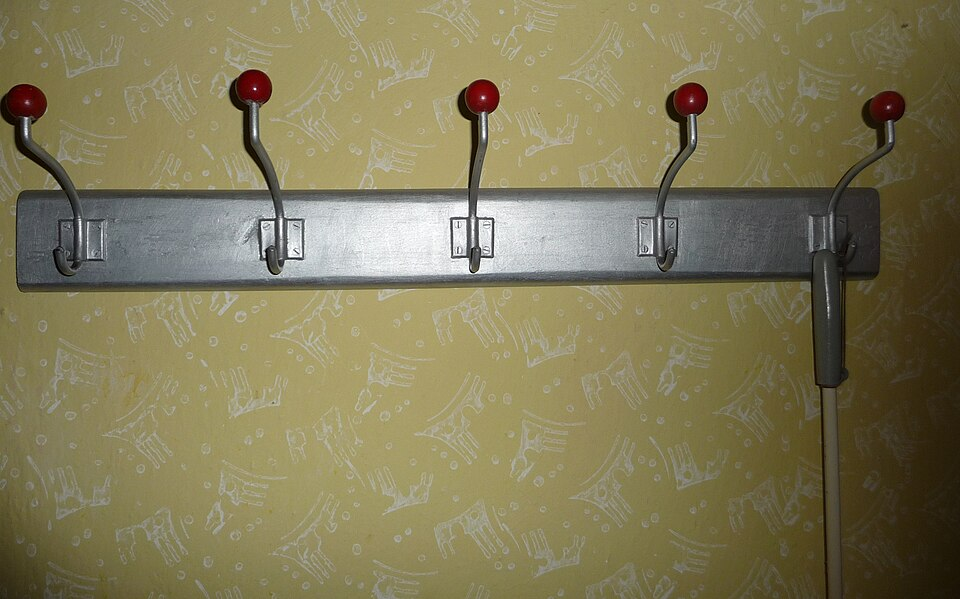
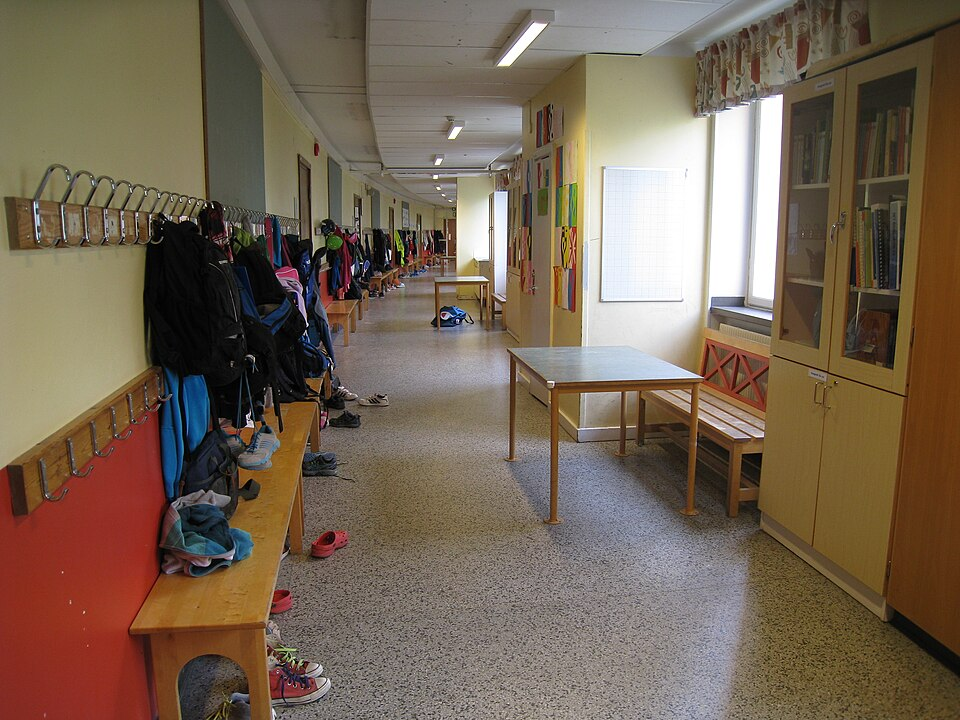
A 1964 school cloakroom was a corridor, a lobby or a lean-to fitted with rows of iron or wooden pegs on a batten, at a height a child could reach, with a bench or a shoe rail beneath.
There were no doors, no lockers, no compartments and nothing that closed. A coat went on a peg, a bag went over it or underneath, and the whole arrangement was open to the corridor and to everybody in the school.
Modern provision varies enormously, from individual lockers in secondary schools to coat hooks with named trays, cubbies or pegs with a tray beneath in primary ones, and almost all of it provides some form of individual allocated space. The peg survived in infant classrooms and the open cloakroom largely did not. The peg survived in infant classrooms and the open cloakroom largely did not. What replaced it is not a better hook but a different idea about where a child’s belongings should sit, which is within sight of the adult responsible for them rather than in a corridor nobody was watching.
Like our content? Follow us for more.
2. Your peg was yours and the allocation mattered
Pegs were allocated, by name card, by a painted picture for younger children, or simply by the order a class lined up, and the allocation held for the year.
That made a peg a small piece of personal territory in a building that offered very little, and children knew exactly which one was theirs and who was next to them. Being moved to a different peg was a noticeable event. Being moved to a different peg was a noticeable event. Children who sat next to each other at pegs generally arrived and left together, which made the allocation a quiet piece of social engineering that no member of staff had intended and most would have recognised if asked.
Named and pictured peg allocation is still standard in early years and primary classrooms for the same reasons: it teaches recognition of your own name, it reduces disputes, and it makes a missing coat immediately visible to an adult.
3. Nothing was secure and nothing needed to be
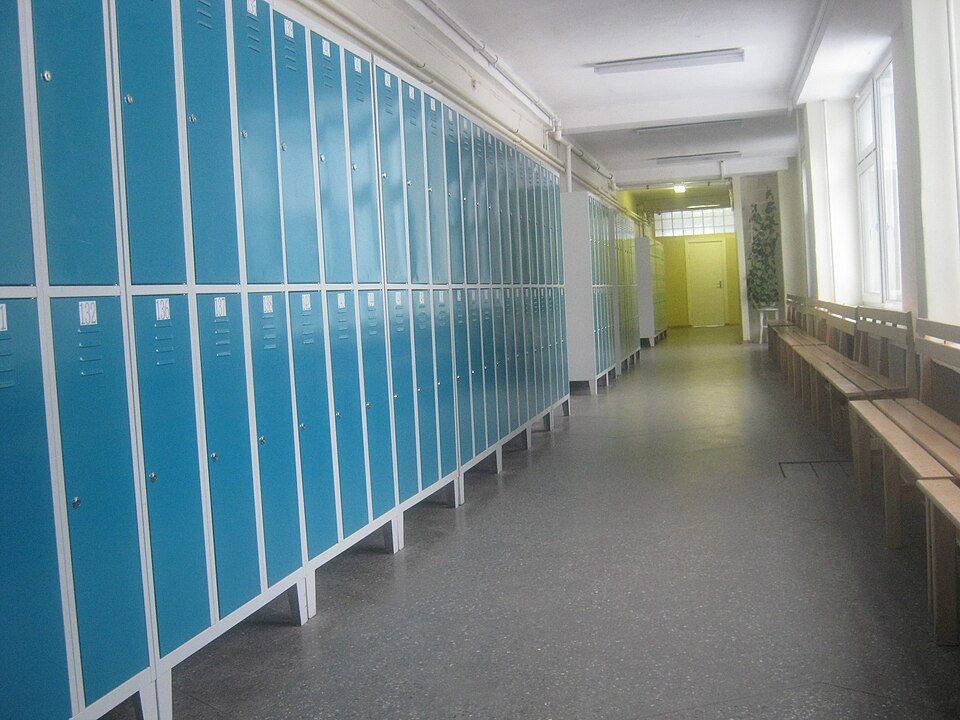
A cloakroom held several hundred coats and bags with no supervision, no barrier and no means of identifying who had taken anything, and this was not regarded as a problem.
The explanation is the same as the bicycle nobody locked in the cycle shelter: coats were worth little, were recognisable, and a child in somebody else’s coat would have been obvious to thirty people.
Schools now use lockers where the value of what pupils carry justifies them, keep cloakrooms within supervised or overlooked areas, and in many cases bring coats into the classroom entirely. This file describes no loss, no theft and no incident, and names no practice. This file describes no loss, no theft and no incident, and names no practice. What changed is not that children became less trustworthy but that the contents of a school bag became worth considerably more, and provision followed the value rather than any judgement about pupils.
4. Wet weather overwhelmed it completely
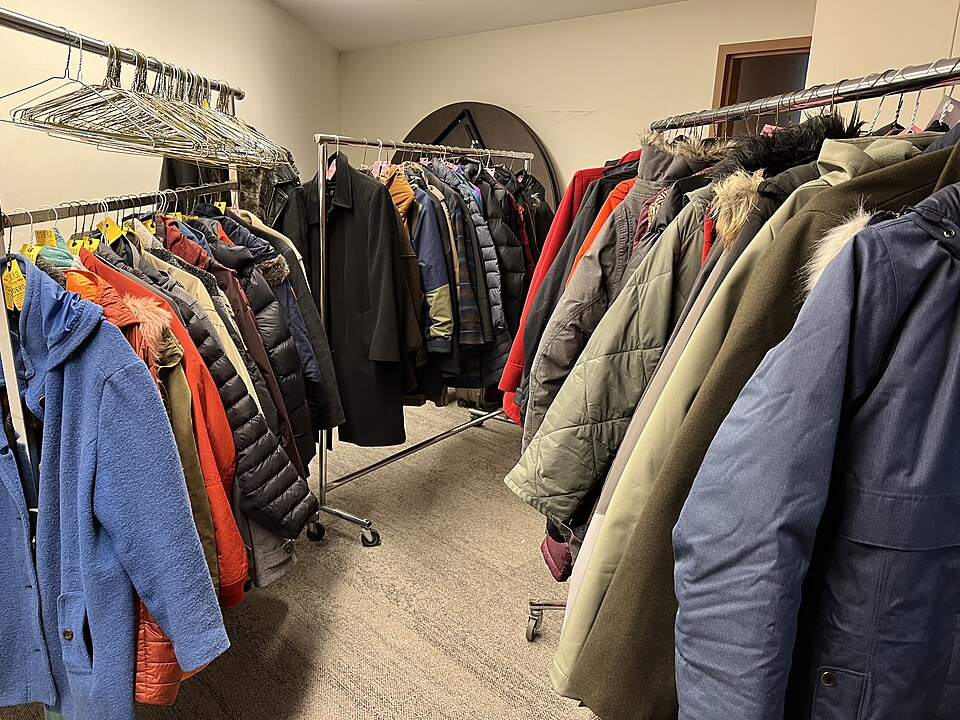
A cloakroom with a hundred wet coats on pegs touching one another, in an unheated lobby, with wet shoes beneath and no ventilation, does not dry anything. It holds the water.
That is why the smell of a 1964 cloakroom is the single most consistently reported detail of the whole subject: wet wool, wet leather and damp concrete, in a space nobody had designed for the purpose.
Modern cloakroom and entrance design accounts for it, with ventilation, drying space in newer buildings, flooring intended to be wet, matting at entrances and in a good many schools a request that families provide a spare set of clothing. The weather did not change and the building did. The weather did not change and the building did. A good many schools of the period had a single drying arrangement, which was the pipes in a corridor, and that was a rail of hot metal with fifty garments competing for a few feet of it.
5. Indoor shoes lived underneath and were changed there
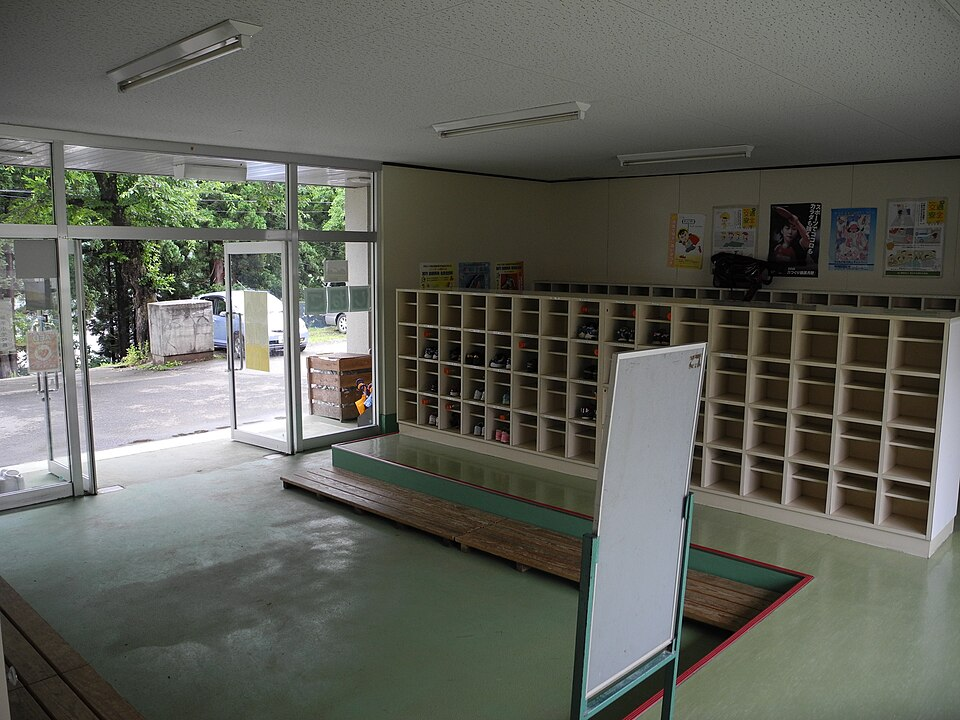
Where a school required indoor shoes, the cloakroom was where the change happened, with outdoor shoes left under the peg and plimsolls or slippers put on, twice a day, by an entire school in sequence.
That is a substantial logistical operation conducted at the start and end of every session, in a confined space, by children sitting on a bench or standing on one leg.
Indoor shoes have largely disappeared outside specialist settings, because entrance matting and washable flooring made the practice unnecessary. The change was the end of the cloakroom’s busiest function. The change was the end of the cloakroom’s busiest function. It also removed a daily bottleneck that had shaped the timetable, because a school that changed shoes twice a day had to build the time for it into the start and end of every session.
6. It was unsupervised, which is the part that has changed
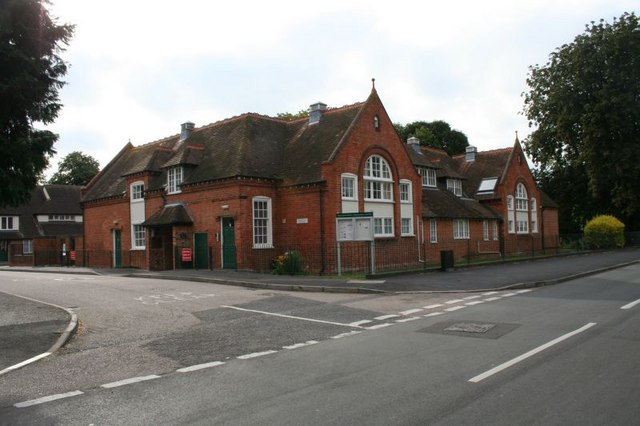
A cloakroom was a space children passed through unaccompanied, at the busiest and least structured moments of the day, out of sight of any classroom.
That was simply how buildings worked, and it is the same observation this batch makes about the cycle shelter: a school site had corners nobody could see, and everybody including the staff knew it.
Modern practice is explicit about this. Supervision at the start and end of sessions is planned and staffed, cloakroom areas are sited to be overlooked or brought inside classrooms, and the removal of unobserved space is a deliberate design objective. This file describes nothing that happened in any cloakroom and recounts no incident. This file describes nothing that happened in any cloakroom and recounts no incident. The point is architectural rather than historical: a building that puts its storage in a lobby has created an unobserved room, and the modern answer is to stop creating one.
7. Lost property accumulated there and was dealt with once a term
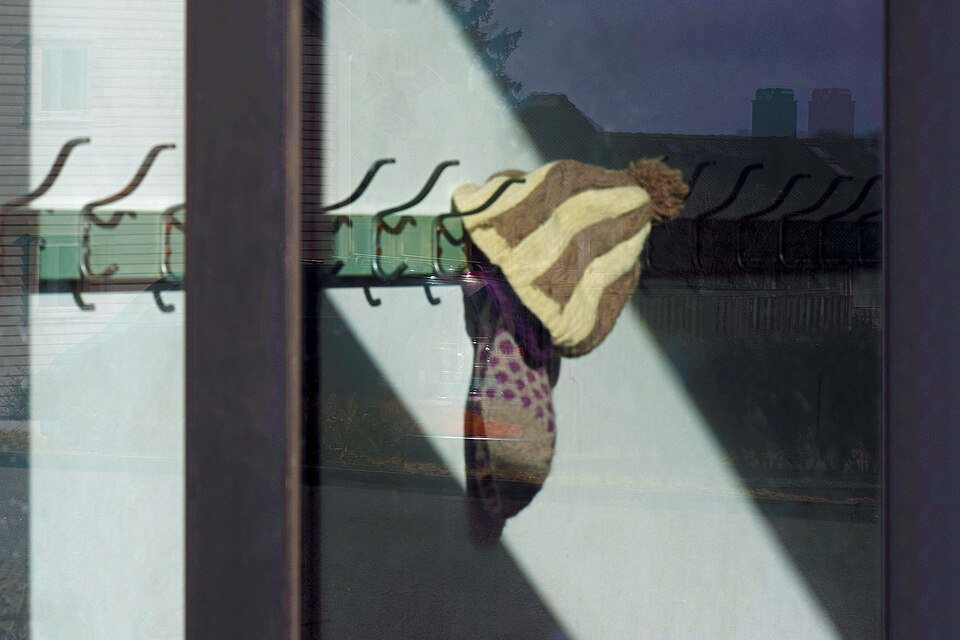
Unclaimed coats, single gloves, scarves, plimsolls and bags built up through a term, were piled somewhere, and were eventually laid out for a day before being disposed of or given away.
That worked because garments were named, in principle, and failed because a great many were not, and because a child who had lost a coat in September was not going to recognise it in December.
Schools now run lost property with published arrangements, a defined collection point, a stated retention period and a disposal route, and labelling is still the thing that determines whether anything is ever returned. The labels got easier and the problem did not. The labels got easier and the problem did not. Woven name tapes had to be sewn in, which meant a parent sat down with a needle in September, and an iron-on or printed label is the reason more garments find their way back now than did then.
8. Bags, not coats, caused the real congestion
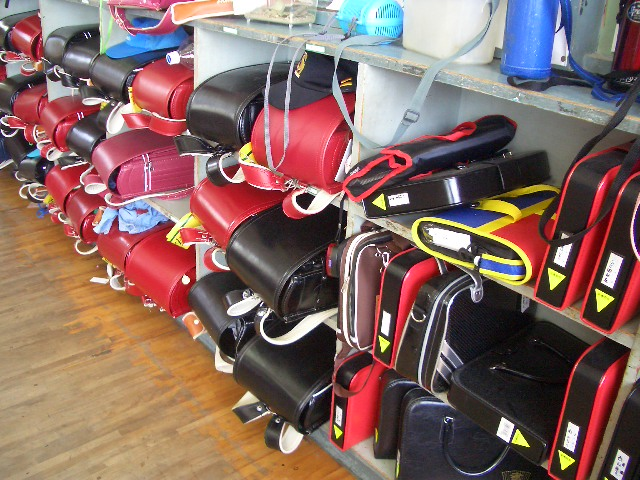
A peg holds a coat adequately and a bag badly, and a cloakroom designed around coats received a school’s worth of satchels, duffel bags, shoe bags and gym kit hung on the same hooks or heaped beneath them.
That is why cloakrooms were always chaotic rather than merely crowded, and it got worse as pupils carried more.
Modern provision separates the two, with trays, shelves, lockers or in-classroom storage for bags and hooks for coats, because the two objects need different fittings. It is a small design point that solves most of the mess. It is a small design point that solves most of the mess. Bags also got heavier, because the number of books a pupil carried rose steadily, and a hook that had been adequate for a satchel was not adequate for what replaced it.
9. It was the coldest part of the building and that was accepted
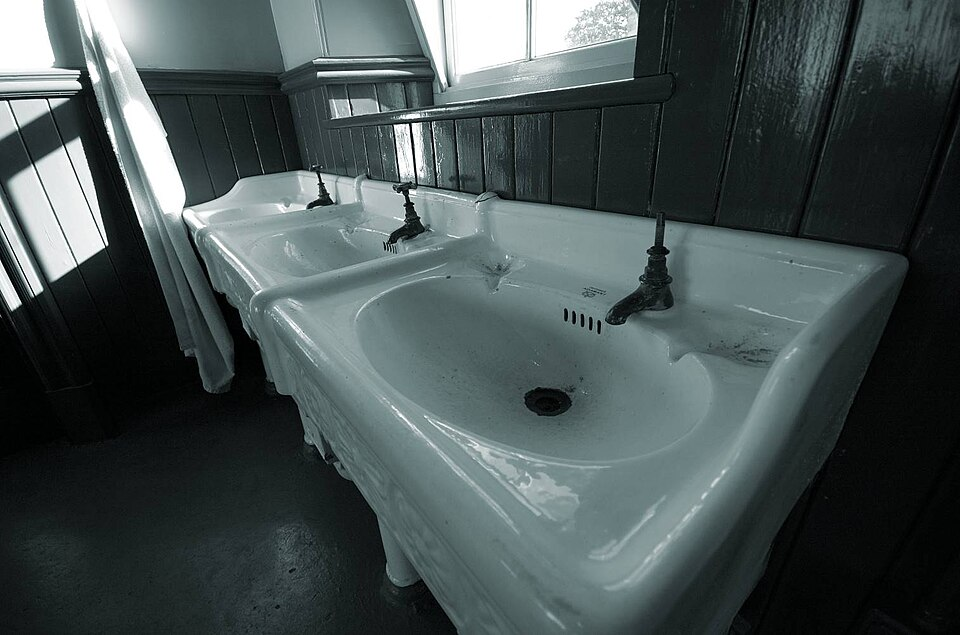
Cloakrooms were commonly in lobbies, corridors, outbuildings and lean-tos, unheated or barely heated, because heating was expensive and the space was not occupied for long.
That is a reasonable allocation of a scarce resource and it is also why children changed shoes and hung coats in the cold, in winter, twice a day, in a building where one room was warm.
Minimum temperatures for occupied school spaces are now specified in regulation and guidance, circulation areas included, and modern buildings heat and ventilate them as a matter of course. The cloakroom stopped being the room nobody heated. The cloakroom stopped being the room nobody heated. That is one of the clearest examples in this whole batch of a change that nobody campaigned for and everybody benefited from, achieved not by a rule about cloakrooms but by a rule about occupied space.
10. The peg was where a school day began and ended
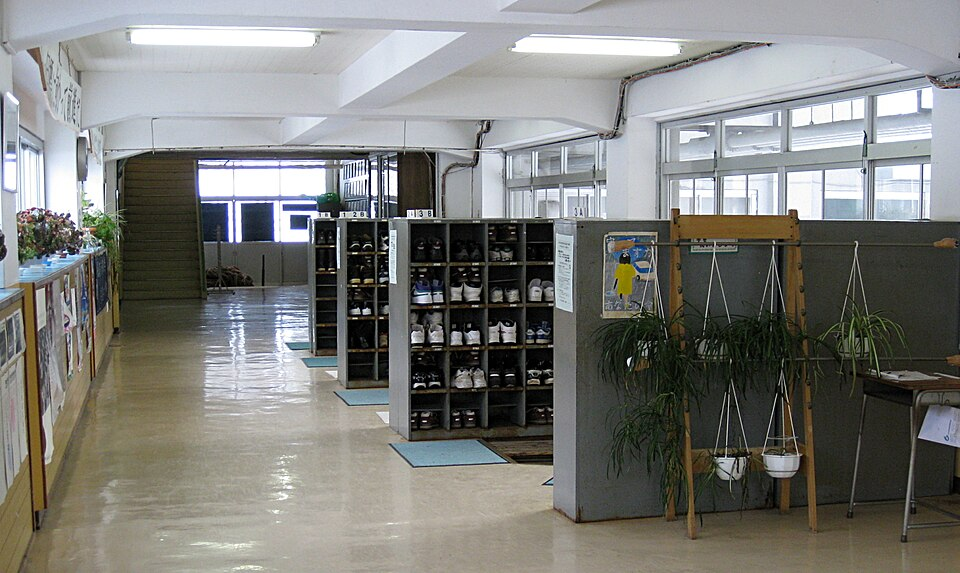
Everything about arriving and leaving happened at the peg: the coat off, the shoes changed, the bag stowed, the note handed over, the lining up, and the same sequence in reverse when the bell went.
That made it a genuine threshold, and children of the period describe the cloakroom as the place school started rather than the gate or the classroom door.
Schools still have that threshold and have generally moved it into the classroom, where the adult who will teach the class is the one who sees each child arrive. That is a considerable improvement in both supervision and welcome, and it removed a space that a generation remembers vividly. That is a considerable improvement in both supervision and welcome, and it removed a space that a generation remembers vividly. Both things are true at once, and this file does not treat the second as an argument against the first.
11. The pegs themselves outlasted everything
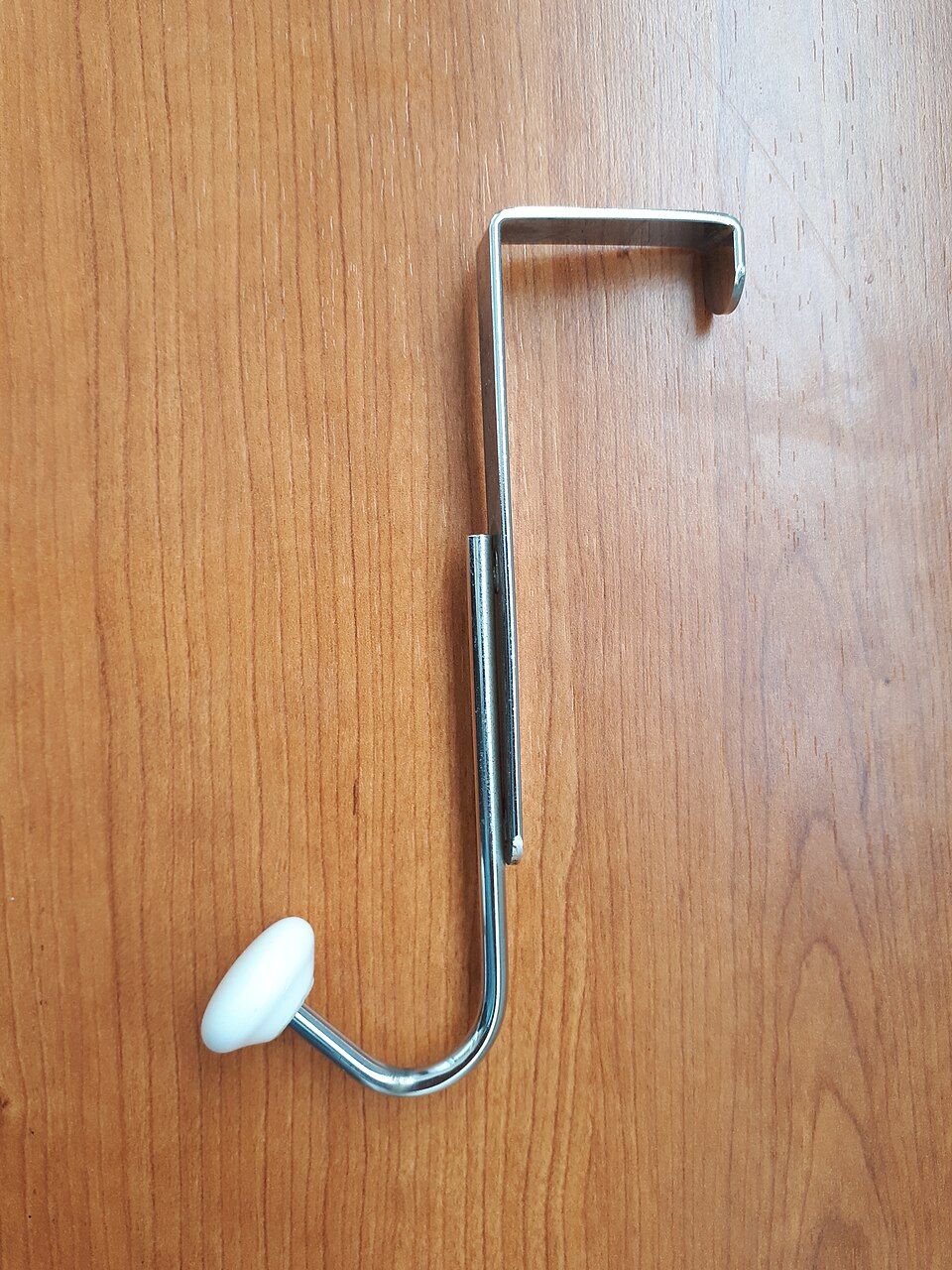
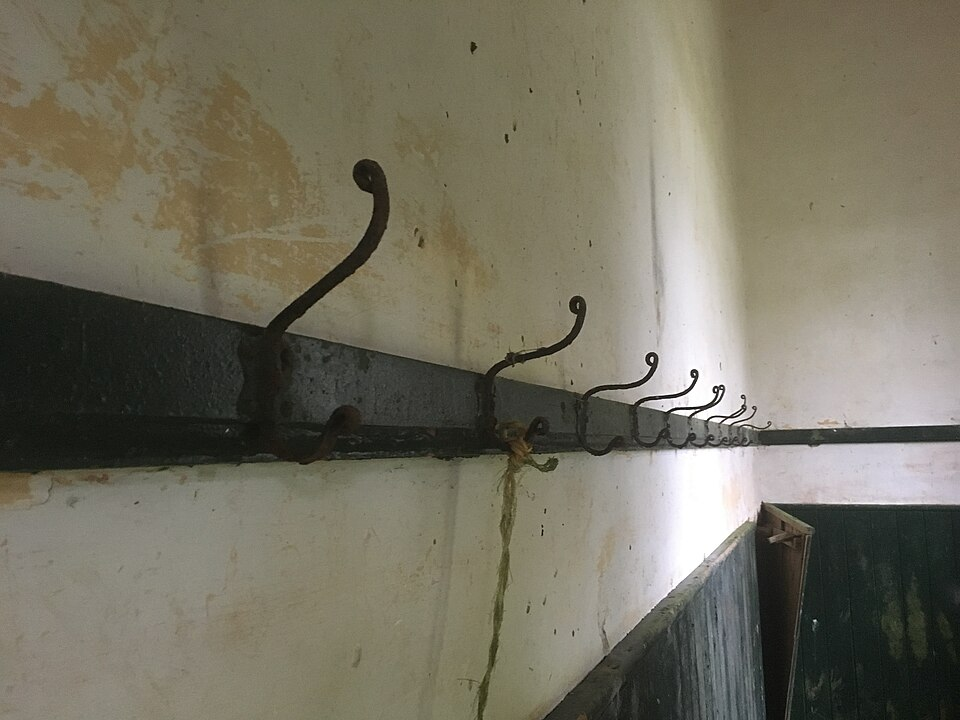
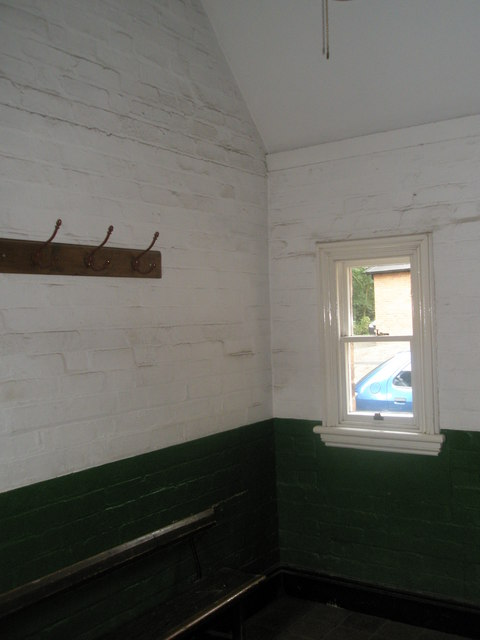
Cast iron double hooks screwed to a hardwood batten are effectively indestructible, and a great many are still in place in school buildings, in outbuildings, in church halls and in the hands of people who have repurposed them.
They are also collected, because they are a handsome piece of utilitarian ironwork and because almost everybody of a certain age recognises them immediately.
That recognisability is the reason the cloakroom persists in memory out of all proportion to the time anybody spent in one. A row of hooks at child height is an unusually efficient trigger for a specific physical memory. A row of hooks at child height is an unusually efficient trigger for a specific physical memory. The height is the detail that does the work: anybody who stands in front of a surviving row finds the hooks at hip level, and the gap between that and the memory of reaching up is the whole distance travelled.
12. What the cloakroom was actually for
It was for storing several hundred coats in a building with no other space for them, cheaply, in a way a five-year-old could operate without help, and on that specification it worked perfectly.
Everything that was wrong with it was a consequence of the building rather than the fitting: no heat, no ventilation, no supervision, no drying and no space for bags, in a lobby that had been given the job because nothing else would fit.
The summary: a 1964 cloakroom was a row of pegs on a batten in an unheated lobby, with a named or pictured allocation that made a peg a child’s own territory, indoor shoes changed beneath it twice a day, a hundred wet coats touching each other in bad weather, bags heaped on hooks designed for coats, lost property piled up until the end of term, and no security and no supervision at all; the pegs survive in infant classrooms, the open cloakroom largely does not, and the decisive changes are heating and ventilation of circulation space, storage designed separately for bags, lockers where what pupils carry justifies them, and the move of the whole arrival threshold into the classroom where an adult sees every child arrive.
The building was the problem, not the fitting
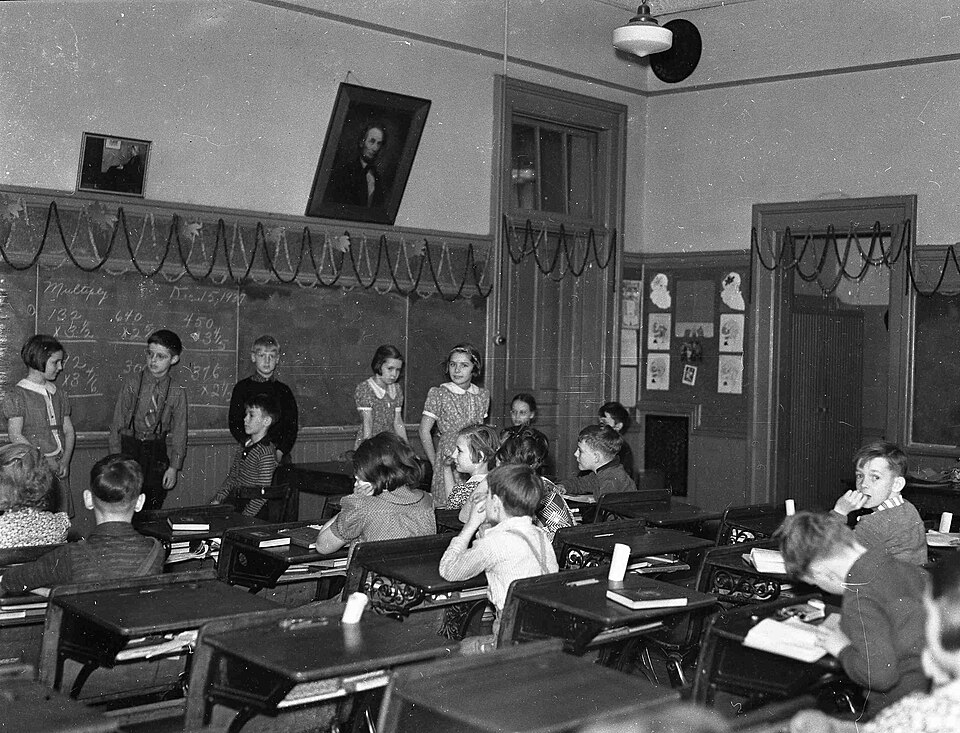
Judged on its own specification the cloakroom worked perfectly: it stored several hundred coats cheaply, in a way a five-year-old could operate without help, with a named peg that gave each child a small piece of territory. Everything wrong with it came from the room rather than the hooks. No heat, because heating was expensive and the space was briefly occupied. No ventilation, so a hundred wet coats touching each other held the water rather than losing it. No space for bags on fittings designed for coats. And no supervision, because it was a lobby out of sight of every classroom. Modern practice has addressed all four, principally by moving the whole arrival threshold into the classroom.
If you recognise the cast iron double hooks on a hardwood batten immediately, you are not alone. They are effectively indestructible, a great many are still in place, and they are collected as a piece of utilitarian ironwork.
Like our content? Follow us for more.