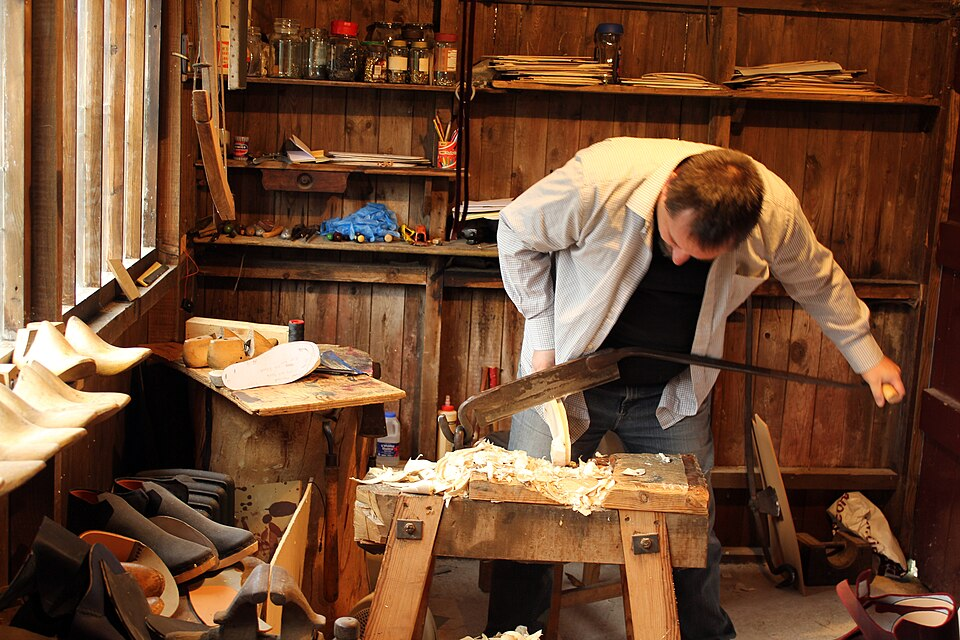
A clog maker in 1960 cut the sole out of a block of green alder with three knives, none of which he held in the way you would expect. The blades were hinged to a bench at one end, and he worked them by pushing against the handle with his hip and thigh, both hands steering the wood into the cut.
The result was a shaped wooden sole, hollowed to the foot, grooved around its edge to receive a leather upper, and fitted with iron strips underneath. It was not a folk costume item. It was industrial footwear, and in 1960 the industry that wore it was closing.
What a clog is, and what it is not
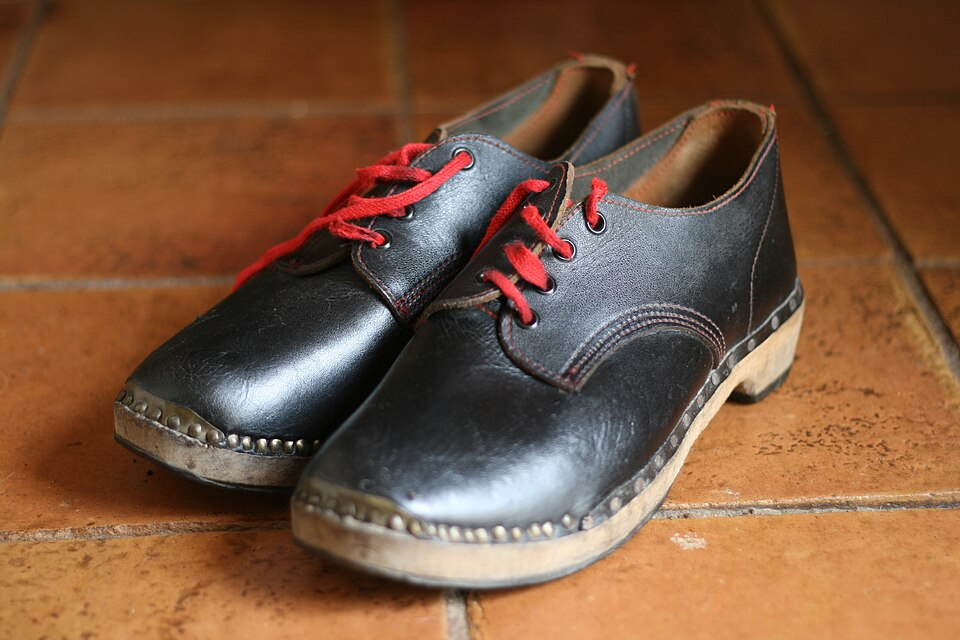
A clog in this sense is a composite: a wooden sole and a leather upper joined together. It is not a wooden shoe carved from a single block, which is a different object with a different history and is what most people picture when they hear the word.
The wooden sole does several jobs at once. It is thick enough to keep the foot clear of a wet floor, rigid enough that a dropped object or a trodden nail does not reach the foot, and — the point most often missed — wood is a poor conductor, so a clog keeps a foot warm on a cold stone floor in a way a leather sole does not.
The leather upper is what makes it a practical working shoe rather than a slipper, because it holds the foot on the sole while the wearer walks, climbs and stands for twelve hours.
The irons on the bottom are consumable. They take the wear, they are replaced when worn, and the sole beneath them lasts for years.
So the object is a piece of personal protective equipment, designed and bought as such, long before the phrase existed.
Like our content? Follow us for more.
The timber, worked while it was wet
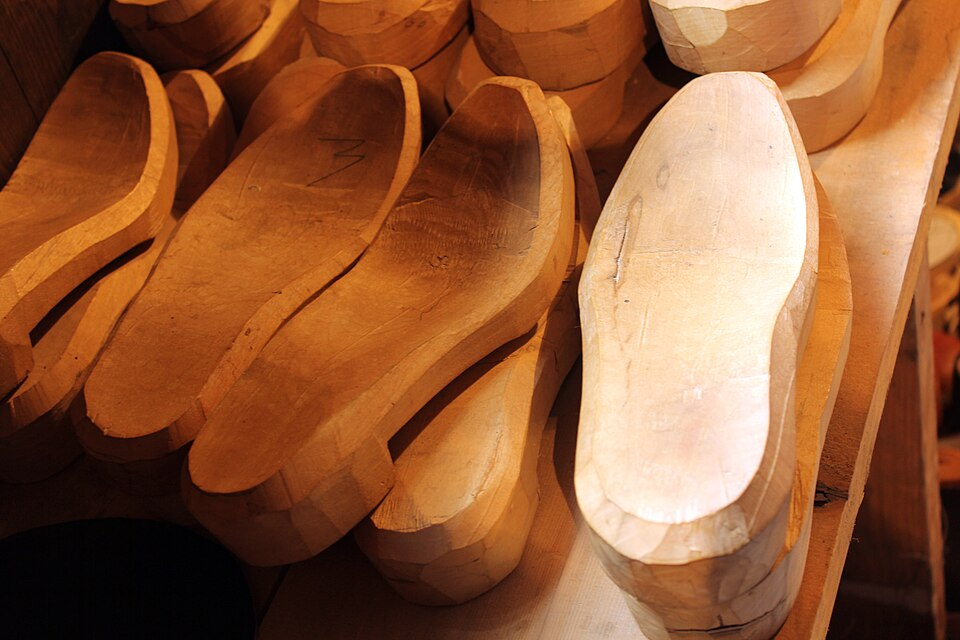
Alder was the first choice, and the reason is water. Alder is stable when wet, resists rot in damp conditions, and does not split readily as it dries, which is exactly the specification for something standing in water all day.
Sycamore, birch, beech and willow were also used, with regional preferences, and each behaves slightly differently. A maker knew which timber was in a sole by looking at it.
The wood was worked green, unseasoned, straight from the log. Green timber cuts cleanly and with far less effort, which matters when the cutting is done by hand against a hip.
The soles were then stacked to dry, and they moved as they dried. A good maker cut with that movement anticipated, so the finished sole settled into the shape he wanted rather than away from it. That is the single hardest thing in the trade and the reason it took years to learn.
The log was converted by splitting rather than sawing wherever possible, because a split follows the grain and leaves a stronger blank than a saw cut across it.
The three knives
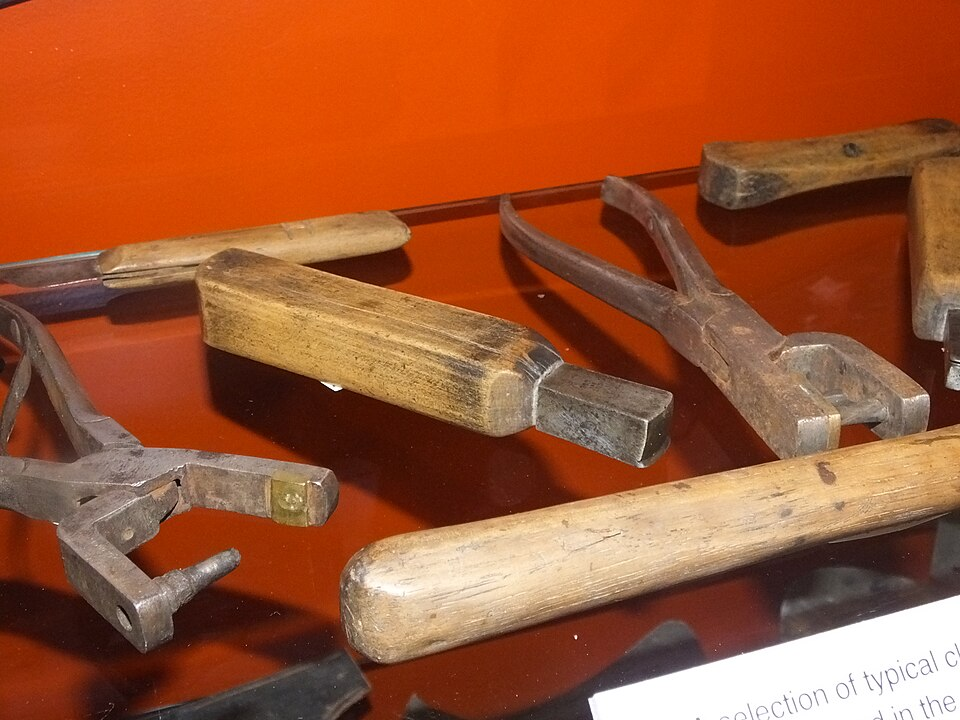
All three are long blades hinged to a block at one end, and all three are driven by the body rather than by the arms.
The stock knife is the first and roughest, shaping the outside profile of the sole from the blank. The hollower is curved and cuts the concave bed the foot sits in. The gripper cuts the groove around the edge of the sole into which the upper will be fitted, and it is the one that has to be exact, because a loose groove gives a shoe that comes apart.
The technique looks alarming and is not. The hinge takes the force, the worker’s weight supplies the pressure, both hands remain on the work and well behind the edge, and the cut is controlled by moving the wood rather than the blade.
It is also fast. A practised maker produced soles at a rate a machine would have to work to beat, which is why the hand trade survived as long as it did against early mechanisation.
The rest of the kit was a few gouges, rasps, a hammer and nails, and a last to shape the upper over.
Making it a shoe
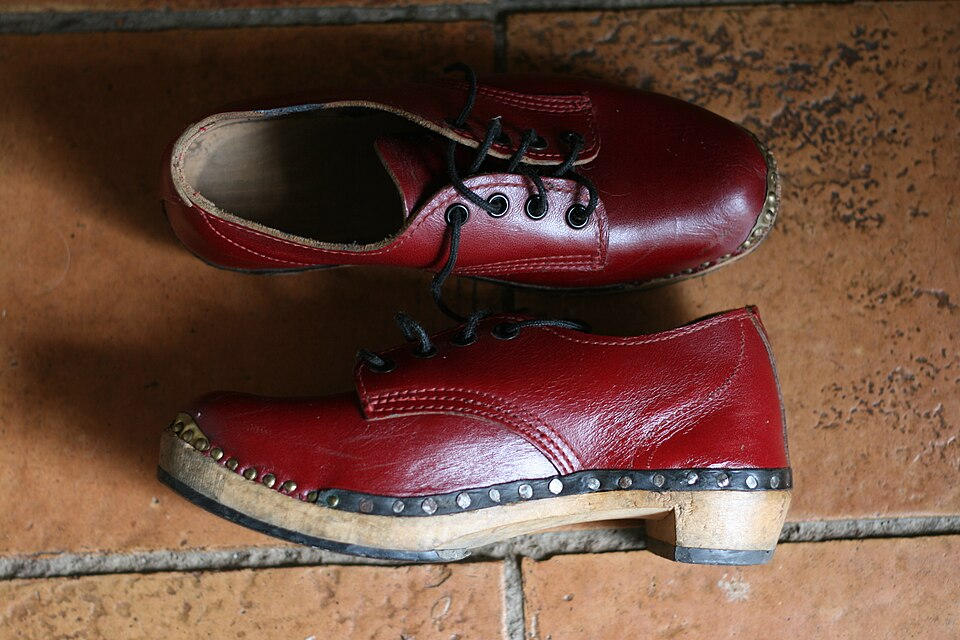
The upper was cut from leather, shaped over a last, and nailed into the groove in the sole with a strip of leather or a welt laid in the groove to seal the joint and take the nails.
That nailed joint is the part that fails first and the part that was routinely repaired. A clog went back to the maker for new irons several times and for a new upper at least once, and a sole might outlast three uppers.
The irons were shaped strips tacked to the sole, at the toe and heel where wear falls, and sometimes a thin strip around the whole edge. They are the reason clogs ring on a stone or cobbled street.
That sound is the one cultural trace the object left. Clog dancing developed from workers keeping time with their feet, in mills and in pubs, and the dance survived long after the footwear it was named for went out of use.
Fittings varied by trade. Dairy and brewery work wanted a higher sole; mill work wanted a lighter one; mining and foundry work wanted protection.
Who wore them, and why that mattered
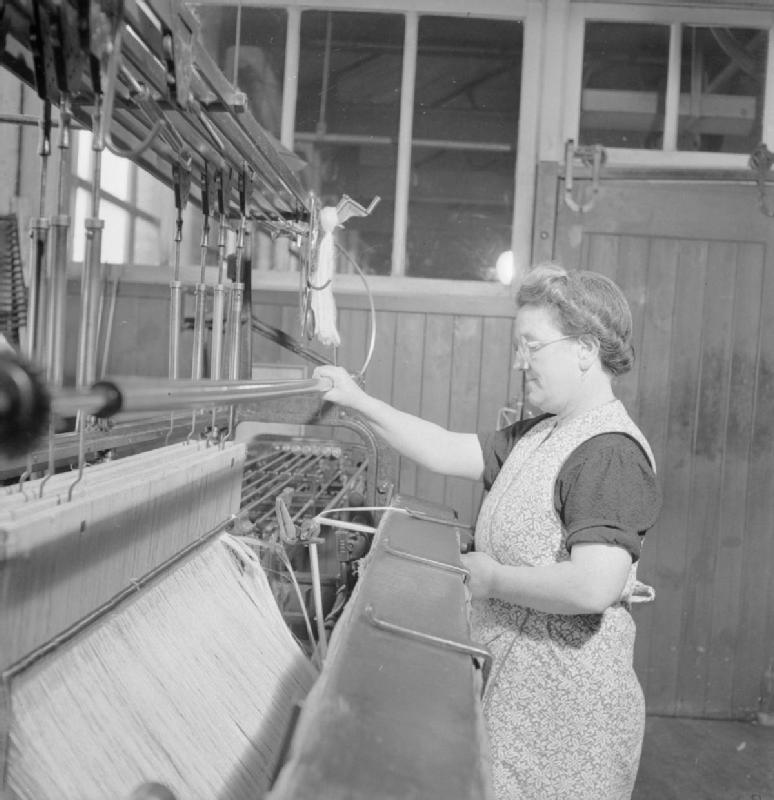
Textile mills above all, because a weaving shed floor was wet, the work was standing, and the clog solved both problems. Also mines, foundries, breweries, dairies, fish markets, potteries and farms.
They were the normal working footwear of industrial regions, bought by the people who wore them out of wages, and that is the fact that makes the trade’s collapse a story about industry rather than about taste.
There was a social reading of them too, which was unkind. By the mid twentieth century clogs had become a marker of manual work and of a particular region, and younger workers in the 1950s and 1960s increasingly did not want to be seen in them.
That shift was real and it mattered commercially. The product became associated with a past people were trying to leave, which is a hard thing for any maker to fight.
It is worth being plain that this was snobbery about a well-designed object, not a judgment about its performance.
What replaced it
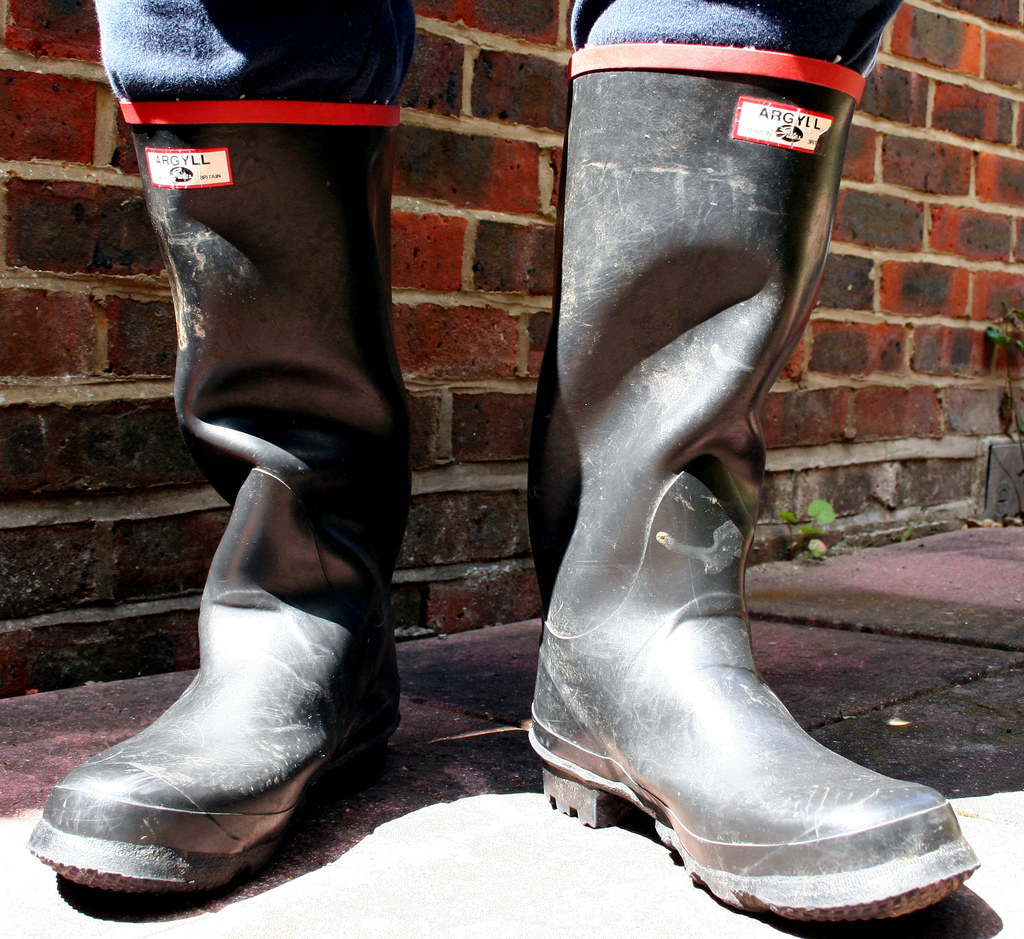
Rubber. Vulcanised rubber boots and rubber-soled shoes did most of what a clog did — waterproof, insulating, cheap — without the weight, the noise or the associations, and they were made in a factory rather than by a man with three knives.
Steel-toecap leather safety boots took the protective end of the market, with a specification, a standard and a certification behind them that a clog maker could not match or even interpret.
Then the mills themselves closed. The market did not merely shift, it disappeared, and that happened across the 1960s and 1970s in the regions where the trade was concentrated.
A handful of makers continued, supplying a small market of people who preferred them, dancers, and eventually a heritage and craft trade.
The skills came close to being lost completely. The three-knife technique in particular survives with very few practitioners, and the blocks and knives themselves are now largely inherited rather than made.
Where it stands now
A small number of makers work commercially, some to measure, and the product has a following among people who stand all day. Clogs are recognised as suitable footwear in some occupational contexts, and modern makers will fit a safety toe.
The curious thing is that the design was right. A rigid, insulating, impact-resistant sole with a replaceable wearing surface and a repairable upper, sized to the individual, is a sound specification by any modern standard, and the reasons it lost were cost, weight, fashion and the end of the industries it served rather than any failure of the object.
The honest summary: a clog is a wooden sole with a leather upper, not a one-piece wooden shoe; the sole keeps the foot clear of wet floors, resists impact and insulates against cold stone, with replaceable iron strips taking the wear; alder was preferred because it is stable and rot-resistant when wet and does not split as it dries, and the timber was worked green because it cuts far more easily, with the maker anticipating how the sole would move as it dried; the three hinged knives — stock knife, hollower and gripper — are driven by the hip and thigh with both hands steering the wood, and the gripper’s groove must be exact or the shoe comes apart; the upper was nailed into that groove over a welt, and a sole could outlast three uppers; the wearers were mill, mine, foundry, brewery, dairy and pottery workers who bought them out of wages; and the trade ended through rubber footwear, certified safety boots, a social stigma attached to the object and finally the closure of the industries themselves.
Like our content? Follow us for more.