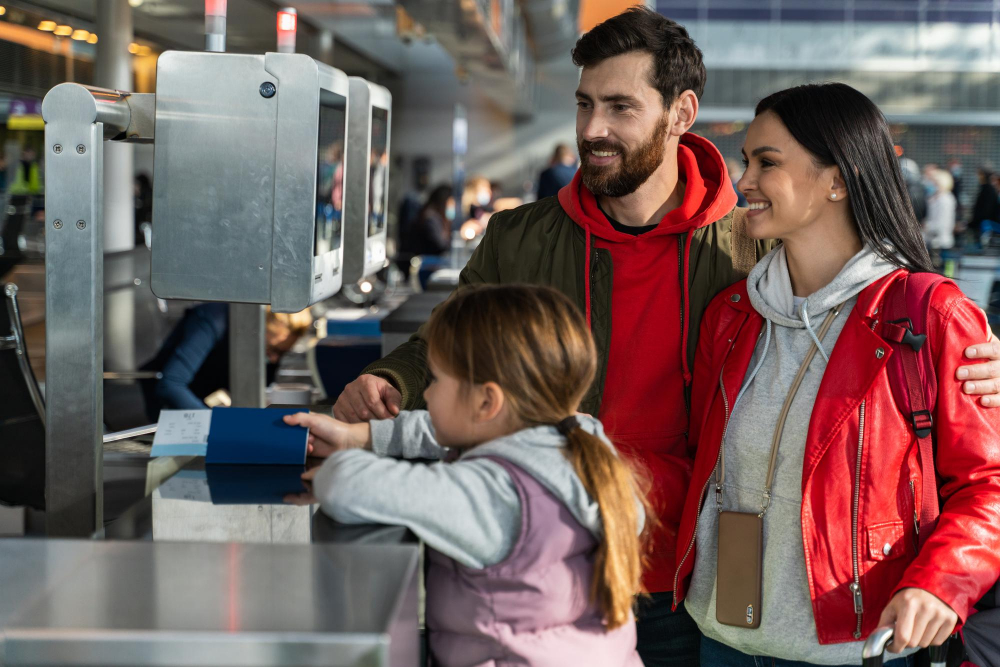
Here are fifteen rules on sending a child to fly without an accompanying adult. There is no common standard between airlines, the service is a chargeable product rather than a courtesy, and the single most overlooked rule is the last one in the list, which decides which airline’s policy actually applies. Everything here is general information dated 2026 rather than advice.
1. Every airline sets its own age bands and they do not agree
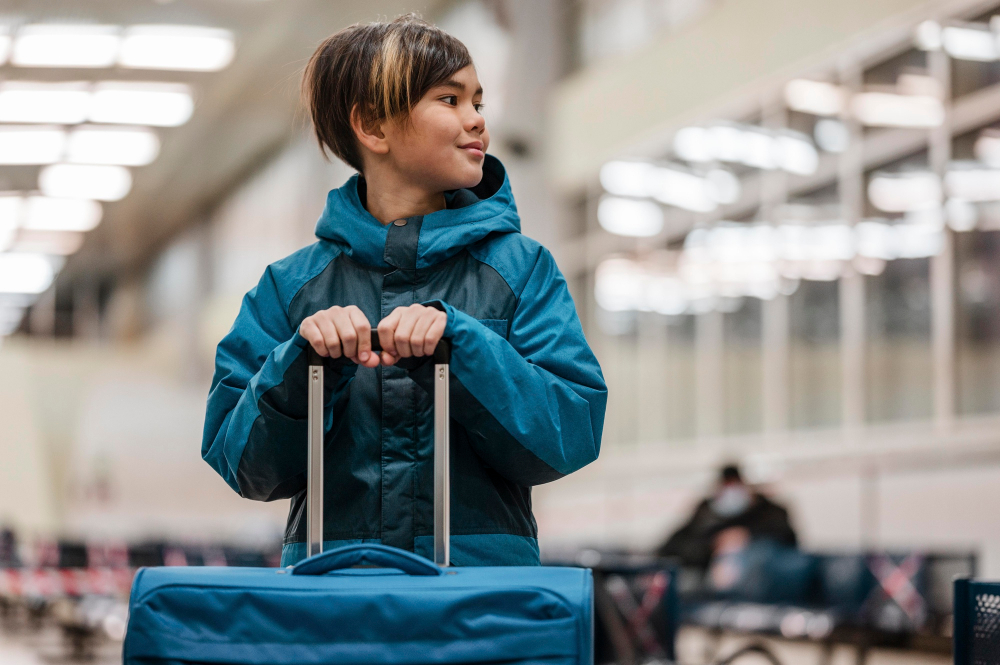
There is no common standard. Each carrier defines the ages at which a child may not fly alone at all, the ages at which an accompanied-minor service is compulsory, the ages at which it is optional, and the age at which a young person is treated as an adult.
The bands differ by several years between carriers, and they sometimes differ between domestic and international flights on the same airline. A child who travelled alone last year on one carrier may be refused by another at the same age.
Check the specific carrier’s policy for the specific route before booking anything. This file is general information dated 2026 and not advice; airline policies differ considerably and change, and the carrier’s conditions of carriage govern. An airline policy page from two years ago is not evidence of anything.
Like our content? Follow us for more.
2. The service is a product you buy, not a courtesy

Where an airline operates an accompanied-minor service it is a chargeable product, booked in advance, with a fee per child per flight that is frequently substantial and is charged on top of the fare.
Buying it is often compulsory below a certain age rather than optional, so it is not a cost that can be declined to save money, and it cannot usually be added at the airport.
Book it at the same time as the ticket. A booking made without it, for a child in the compulsory band, is a booking the airline may simply not carry. Discovering that at check-in is the worst possible moment.
3. Connections are frequently not allowed at all

Many carriers will accept an unaccompanied child on a direct flight and refuse to carry one on an itinerary involving a connection, particularly a connection onto another airline or through another country.
The reason is handover: an accompanied-minor service depends on a documented chain of responsibility, and a change of aircraft, terminal or carrier breaks it unless the airline has staff at every point.
If the only sensible routing involves a connection, establish in writing that the carrier will accept it before booking, and expect a direct flight to cost more and be worth it. The premium is small against the cost of a failed handover.
4. The adult who drops off cannot leave the airport

The accompanying adult must remain in the terminal until the aircraft has departed, and in practice until it is airborne, because a return to the gate or a cancellation puts the child back into their care.
Airlines issue a gate pass for this purpose so the adult can accompany the child through security to the gate, and that pass is conditional on staying.
Plan for the possibility of a long wait after the scheduled departure time. Leaving early is the one thing in this process that is genuinely not permitted. Bring something to do and assume two hours past the departure time.
5. The collecting adult is named in advance and must prove who they are

The person meeting the child is nominated at booking, with full name and contact details, and must present identity documents matching the nomination before the child is released.
If the collector changes, the airline must be told in advance and the change recorded, and a person who turns up unnominated will not be given the child regardless of their relationship to them.
Confirm the collector’s details are recorded correctly at booking, give them to the collector in the form the airline will ask for, and make sure they bring the identification. Nothing about this process is flexible at the destination, and that is the point of it. A process that bent for a plausible explanation would be no process at all.
6. A form has to be completed and it travels with the child

An accompanied-minor form records the child’s details, the sending adult, the collecting adult, contact numbers, and anything the airline needs to know, and is carried with the child in a wallet or pouch.
It is the document the handover runs on, and an incomplete one is the commonest cause of a problem at check-in. Contact numbers that are not answered during the flight are the second commonest.
Complete it in advance where the airline allows, give working mobile numbers for both ends, and make sure both adults can actually be reached for the whole duration of the journey. A phone on silent in a cinema has caused more trouble here than any airline error.
7. The child needs full travel documents of their own

A passport with the destination’s required validity, any visa or travel authorisation applying to their nationality, and in some cases evidence of the relationship to the adults involved are all needed, exactly as for any traveller.
A child travelling without both parents can additionally face consent-documentation requirements at some borders, which is a separate subject with its own rules and is covered elsewhere in this series.
Get the documents in order well before travel. An infant or child passport takes longer to issue than an adult renewal and cannot be rushed at the last minute. Start the application the week the trip is decided.
8. Airlines restrict which flights the service operates on
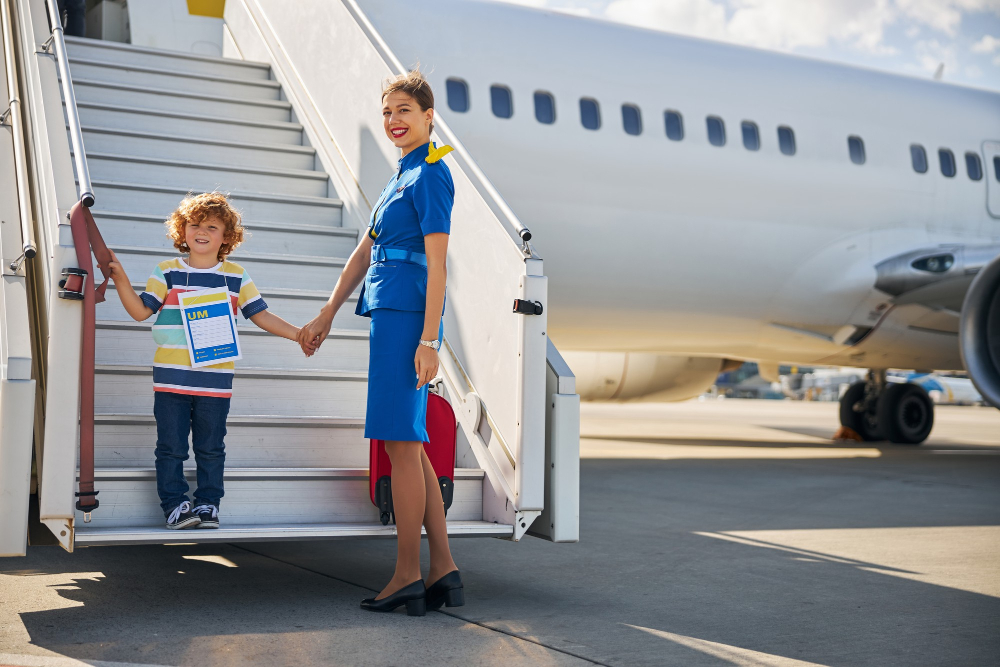
Carriers commonly exclude the last flight of the day, flights with a high risk of diversion, overnight flights, and seasonal or charter services from the accompanied-minor service, because a disruption leaves a child somewhere with nobody nominated.
Some also restrict the number of unaccompanied minors per flight, which means the service can be sold out on a flight that has seats.
Book early, choose a mid-morning or early-afternoon departure, and avoid the last departure of the day even if it suits the family better. A cancellation at nine in the evening is a different problem from one at eleven in the morning.
9. Disruption is handled by the airline and the family is not in control

If a flight is cancelled or diverted the airline assumes responsibility for the child, which may mean accommodation with a chaperone, a rebooking the family did not choose, or a return to the origin airport.
The airline will contact the numbers on the form, and the family’s role is to be reachable and to agree to what the airline proposes. A parent at the destination cannot generally direct what happens at the other end.
Accept before booking that in a disruption the airline decides. That is the trade in buying the service, and it is the reason the restrictions in the previous item exist. The airline is managing a risk it cannot delegate back to you.
10. Staff accompany the child but do not sit with them
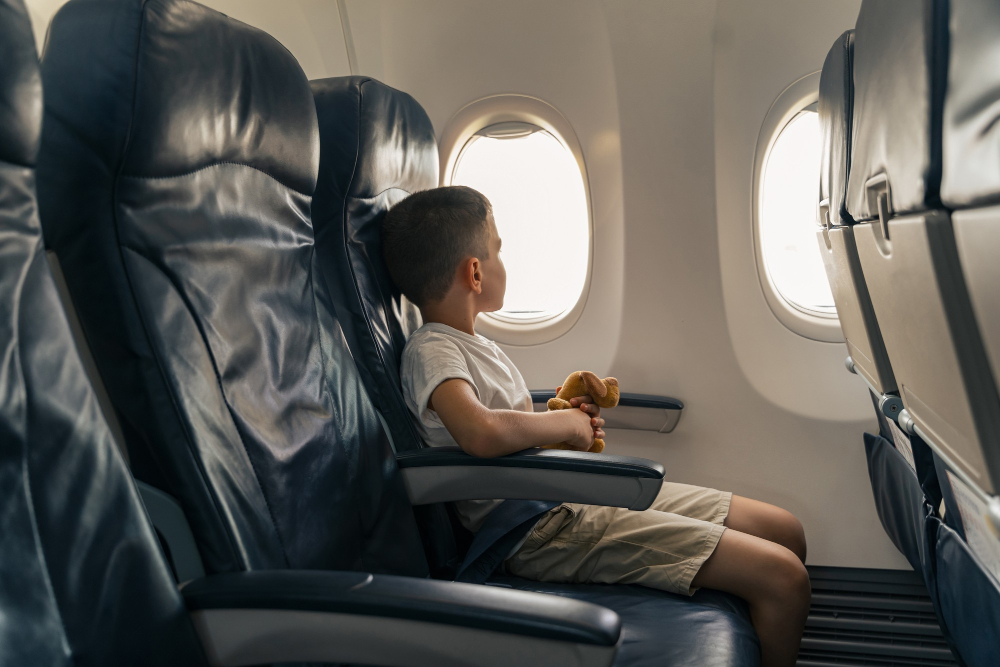
The service provides escorting through the airport, handover at each end and crew awareness during the flight. It does not provide a dedicated member of staff beside the child for the duration.
Children are usually seated near the galley or in a block where the crew can see them, and the crew will check on them, and they are travelling alone in a cabin of strangers for the flight itself.
Explain to the child in advance what will and will not happen, because the gap between a parent’s expectation of the service and what it actually is tends to be discovered by the child. Being told in advance that nobody will sit with them matters more than any other preparation.
11. Teenagers above the compulsory age are on their own entirely

Above the age at which the service becomes optional, a young person travelling alone is an ordinary passenger with no escorting, no handover and no special arrangement in a disruption.
Many families do not realise where that threshold sits and assume some residual provision exists. It does not, and a sixteen-year-old stranded by a cancellation is treated exactly as an adult would be.
If the young person is travelling above the compulsory age, consider buying the optional service anyway where it is offered, and otherwise make sure they have money, a charged phone, the booking reference and a plan. And that they know who to call and in what order.
12. Immigration and customs still apply to the child

An unaccompanied minor clears immigration and customs in their own right, and an escorting staff member is not a representative who can answer for them on entry matters.
Questions about purpose of visit, length of stay, accommodation and who is meeting them may be put to the child, and a child who cannot answer coherently creates exactly the difficulty an adult would.
Brief the child on the practical answers — where they are going, who is collecting them, how long for — and give them a printed letter with the collector’s name, address and telephone number. Printed, because a phone can be flat by the time they reach the hall.
13. Baggage is the child’s responsibility in practice

The child’s checked baggage travels as normal and the child collects it at the destination, generally with assistance from the escorting staff member, but the cabin bag is theirs to manage throughout.
Anything a child cannot carry or lift becomes a problem at exactly the moment nobody familiar is present.
Pack light, pack a bag the child can carry themselves, and put anything essential — documents, medication, phone, charger, money — in the cabin bag rather than in the hold. A hold bag that goes astray should not be able to strand them.
14. The rules apply to the whole journey, including an airline’s partners
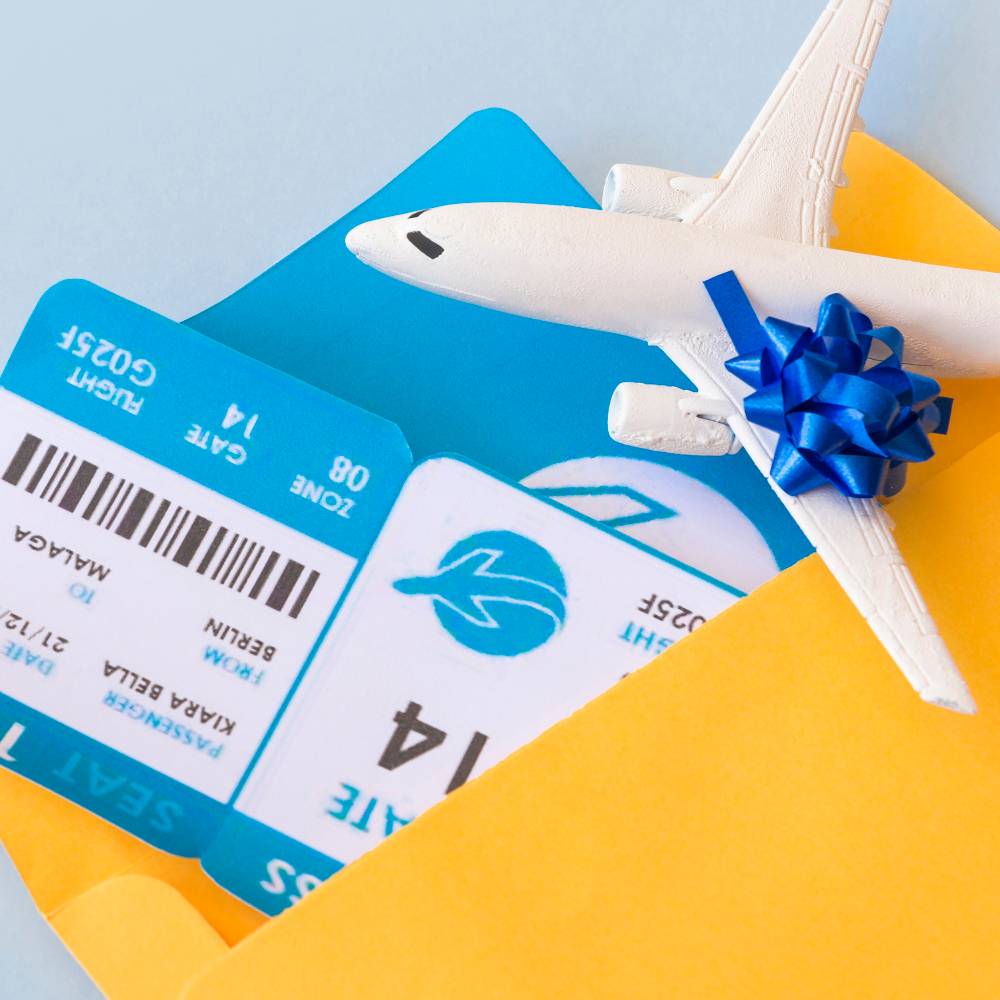
Where a flight is operated by a different carrier from the one that sold the ticket, the operating carrier’s accompanied-minor policy applies, and the two policies may not match.
A booking made on one airline’s website can therefore be subject to a different airline’s age bands, fees and restrictions, and the selling airline’s agents do not always flag it.
Identify the operating carrier for every flight on the itinerary and check that carrier’s policy, not the one you booked through. The operating carrier is printed on the ticket next to the flight number.
15. And the short version for a family arranging this

Check the operating carrier’s age bands and policy for the specific route. Book the service at the same time as the ticket. Choose a direct flight, mid-morning or early afternoon, and never the last departure of the day.
Complete the form fully, give working contact numbers for both ends, nominate the collector precisely and make sure they bring matching identification. Get the child’s documents in order early, pack a bag they can carry, brief them on the immigration questions, and have the sending adult stay in the terminal until the aircraft is airborne.
Everything here is general information dated 2026 and not advice. Airline policies on unaccompanied children differ considerably between carriers and change, and the operating carrier’s current conditions of carriage are what govern.
The three things that go wrong
The first is booking the ticket and then trying to add the service. In the compulsory age band the service is a condition of carriage rather than an extra, it usually cannot be added at the airport, and a booking made without it may simply not be carried.
The second is the connection. A handover depends on a documented chain of responsibility, and a change of aircraft, terminal or carrier breaks that chain unless the airline has its own staff at every point, which is why many carriers refuse connecting itineraries outright. A direct flight costs more and is the only reliable arrangement.
The third is the operating carrier. Where a flight is sold by one airline and flown by another, the operating carrier’s policy applies, and the selling airline’s agents do not always say so. That is the rule that catches families who checked carefully and checked the wrong airline.
The practical preparation that matters most is not paperwork, it is briefing the child: where they are going, who is collecting them, how long for, and that a member of staff will walk them through the airport but will not be sitting beside them on the aircraft. The gap between what a parent assumes the service includes and what it actually includes tends to be discovered by the child.
Like our content? Follow us for more.