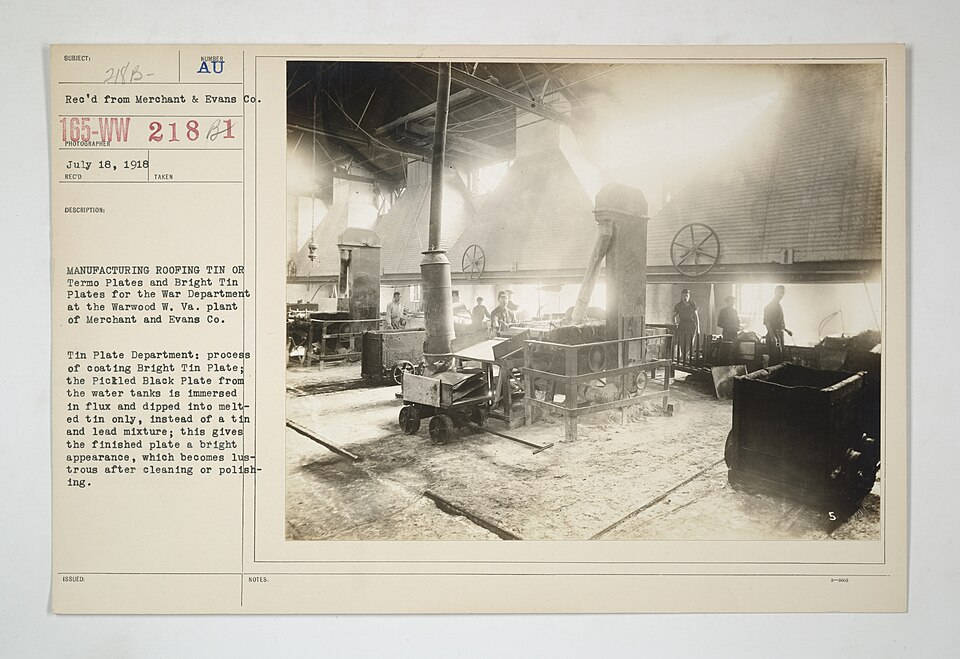
Tinplate in 1960 was still largely dipped through a bath of molten tin under a layer of palm oil, handled one sheet at a time and graded by eye against the light. Here are sixteen things about that works that continuous lines replaced.
1. Tinplate is steel with a coating thin enough to be measured in atoms
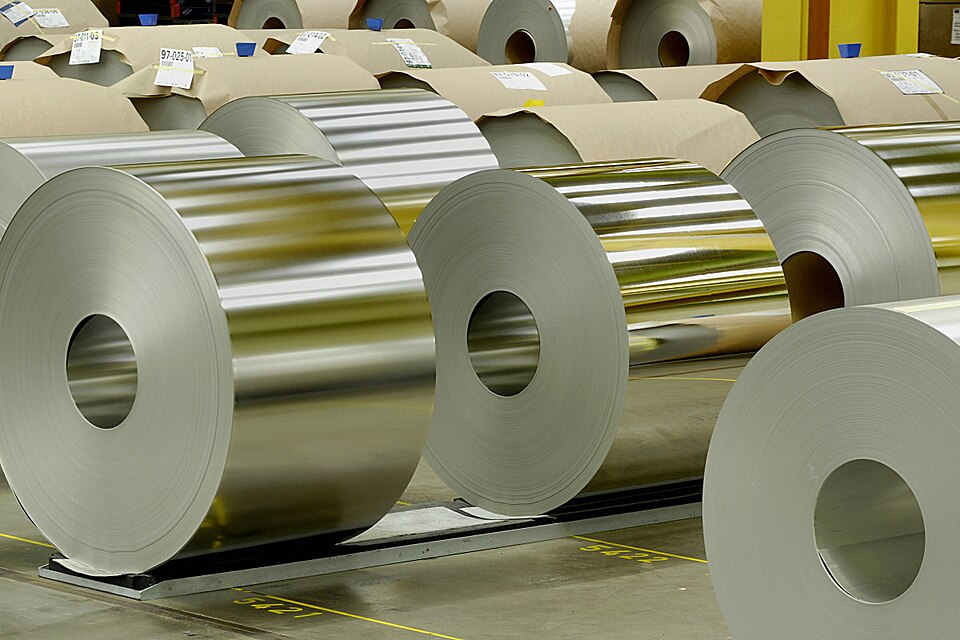
Tinplate is thin steel sheet coated on both sides with tin, and the coating is extraordinarily thin — a tiny fraction of the thickness of the steel underneath it.
That is the whole commercial point. Tin is expensive and corrosion-resistant and steel is cheap and strong, so the product gives you the surface properties of one metal at the price of the other.
Modern tinplate uses far less tin than the 1960 product because electrolytic coating lays down a controlled, measured and much thinner layer than dipping ever could. The material improved and got cheaper at the same time, which is unusual.
2. In 1960 a great deal of it was still dipped by hand
The traditional process is hot dipping: cleaned steel sheets are passed through a bath of molten tin and drawn out, with the coating thickness controlled by rollers and by the speed of withdrawal.
That is a hand operation at heart. Men fed sheets in and took them out, and the quality of the coating depended on the condition of the bath, the cleanliness of the steel and the judgement of the operator.
Electrolytic tinning lines replaced it: a continuous strip of steel runs through a plating cell and the coating is deposited to a specified weight per unit area, measured continuously. The hand-dipped sheet was obsolete within a generation.
3. The sheets were handled one at a time, by hand, all day
A tinplate works before continuous lines was organised around individual sheets: cut, cleaned, dipped, dried, inspected, sorted and packed, with each sheet picked up and put down many times.
Sheet steel of that size is awkward rather than heavy, with edges that are sharp enough to matter and a surface that shows every mark, so it had to be handled carefully and quickly at once.
The work was paid by output and the pace was set by the furnace and the bath rather than by the men, which produced a working rhythm that accounts in the trade describe as relentless. Continuous strip processing removed sheet handling almost entirely. A modern line takes a coil in at one end and delivers a coated coil at the other, and nobody touches the metal.
4. Why the American industry took the trade over
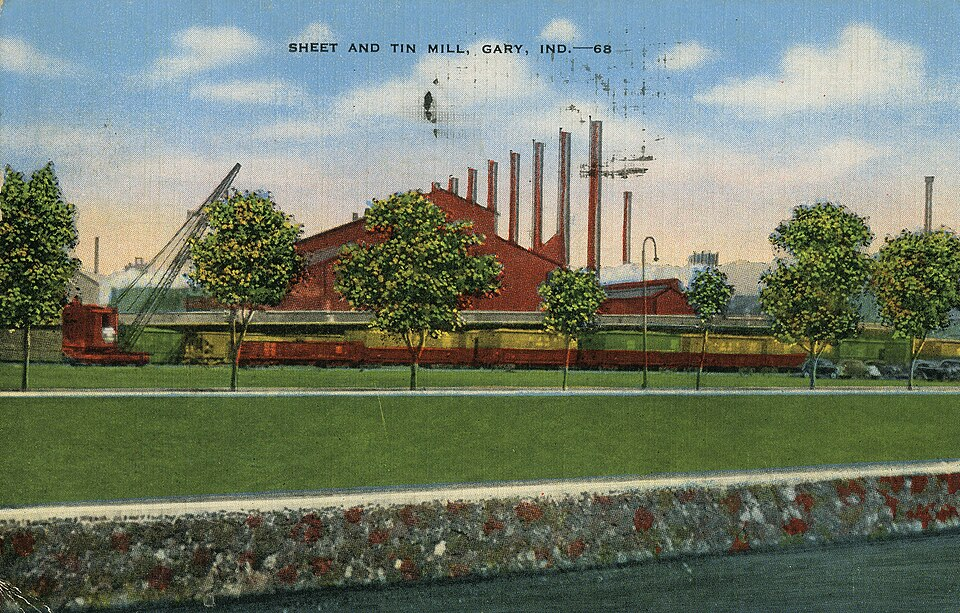
Tinplate was a Welsh industry first and an American one second, and the transfer is one of the clearest cases of a trade physically moving between countries.
American tariff policy in the late nineteenth century made imported tinplate expensive, and American producers built capacity rapidly, recruiting experienced Welsh tinplate workers who emigrated in substantial numbers and brought the practice with them.
That gave the American industry a skilled workforce from the outset and gave American mills the scale to mechanise first, which is why the move to continuous electrolytic lines happened there earliest. So by 1960 the United States was the centre of the industry and the hand-dipping trade it had imported was already being retired by the mills that had imported it.
5. Pickling was the dirtiest job in the works
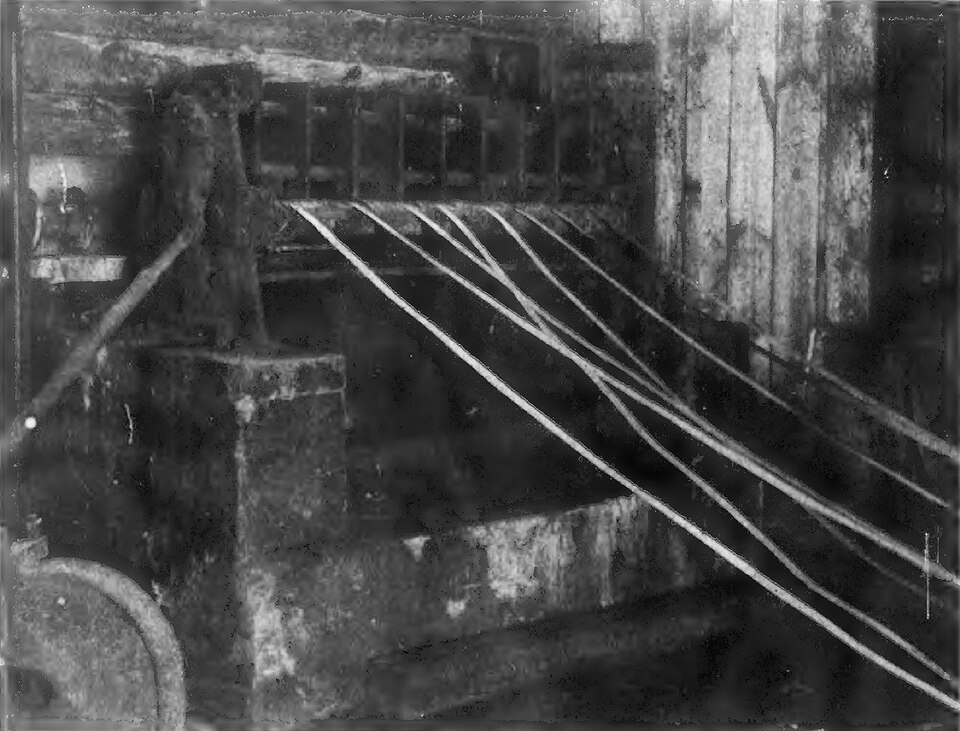
Steel arriving for coating carries mill scale and oxide that has to be removed completely, because tin will not adhere to a dirty surface, and that was done by pickling in acid.
In 1960 that meant open or semi-open tanks of acid, sheets handled in and out, rinsing, and a working environment of acid mist and wet floors.
The acids are hazardous and so is working beside them, and the 1960 arrangement had limited ventilation, limited protective equipment and no monitoring. Acid handling is now comprehensively regulated — enclosure, extraction, protective equipment, spill containment, emergency arrangements, labelling, incompatibility rules and health surveillance — and pickling on a modern line is enclosed, continuous and automatically dosed. This file names no acid, no concentration and no procedure.
6. The palm oil on the bath was not decoration
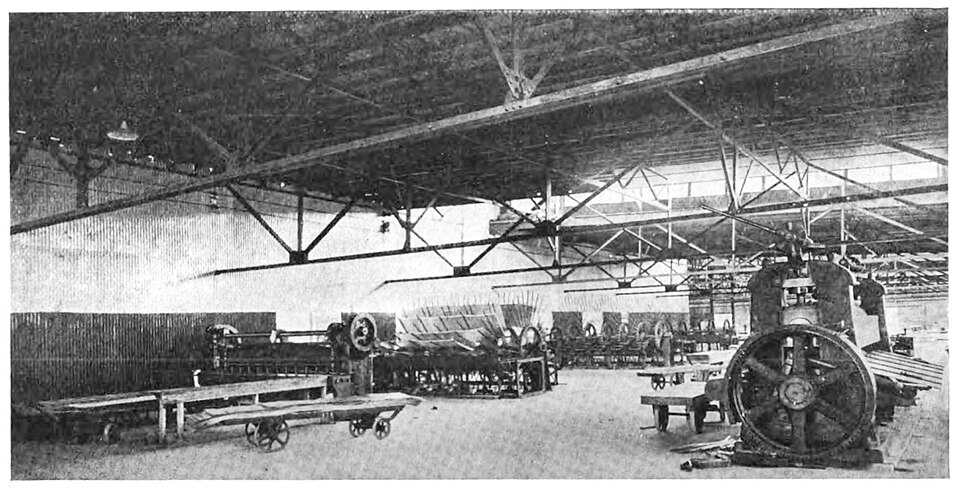
The molten tin bath was covered with a layer of flux, traditionally palm oil, which kept the surface of the tin clean and helped the coating wet the steel evenly.
So a tinplate works smelled of hot oil, and the oil had to be maintained, skimmed and replaced, which was its own continuous job.
It also meant the sheets came out of the bath carrying oil that had to be cleaned off before the plate could be used or printed. Electrolytic lines use a plating electrolyte and a flow melting stage instead, with no oil bath at all, which removed both the smell and an entire maintenance operation.
7. Quality was judged by eye, sheet by sheet
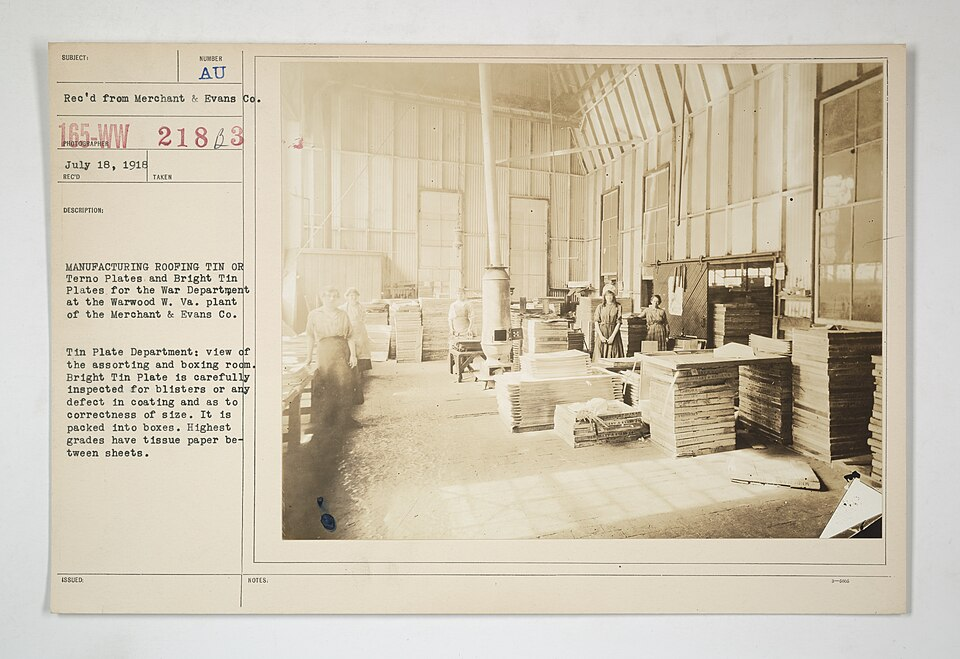
Every sheet was inspected and sorted into grades, because a pinhole, a bare patch, a stain or a mark means the plate will fail in use and a can made from it will leak.
Inspection was done by women in most works, working at speed, sighting sheets against the light and sorting them into stacks by grade.
That was skilled visual work paid by output, and a good inspector’s judgement was what stood between a defect and a customer. Modern lines use automatic surface inspection, continuous coating-weight measurement and in-line pinhole detection, which examine the entire surface rather than sampling it by eye. The grading is now a measurement.
8. The product existed because of the tin can
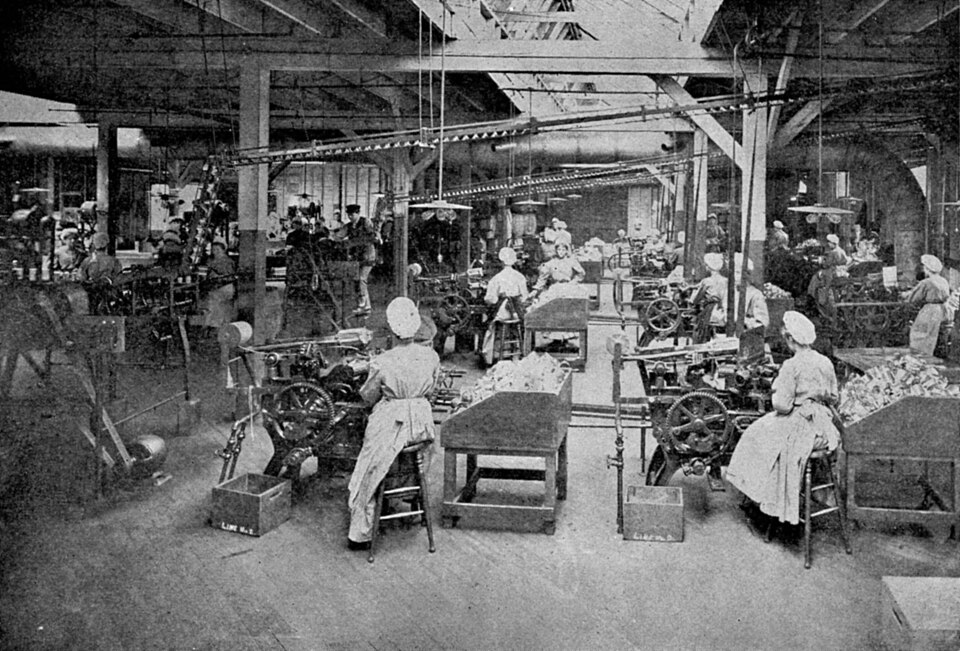
Almost all tinplate went into containers: food cans, drums, oil cans, biscuit tins, paint tins and the enormous range of pressed and printed metal goods that filled a 1960 household.
That tied the works directly to the food industry and to the agricultural season, so demand was predictable and strongly cyclical.
It also meant that the plate had to be fit to hold food, which is why the coating’s integrity mattered so much and why inspection was so rigorous. Food-contact requirements are now a formal regulatory matter with specified materials, coatings, lacquers and migration testing, and a can’s internal surface is engineered for the specific product it holds.
9. Printing on the plate was a separate industry alongside
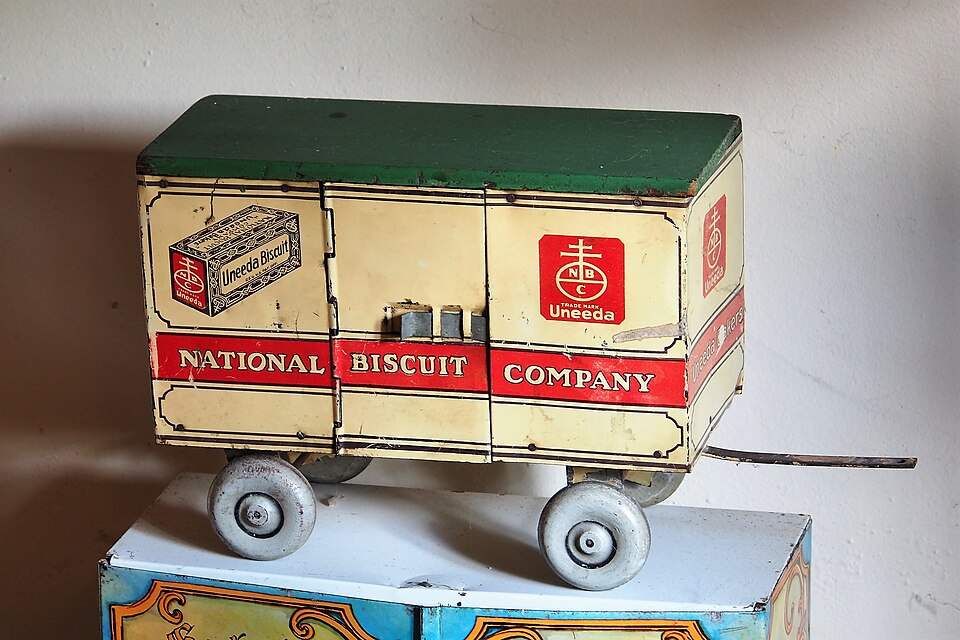
Decorated tinplate — biscuit tins, toys, advertising signs — was printed on the flat sheet before forming, by offset lithography onto metal, and then stoved to cure the ink.
That is a specialist printing trade with its own skills, because the ink has to survive being formed into a shape afterwards without cracking.
It also produced a great deal of what is now collected and valued: printed tinplate from this period is a recognised collecting field precisely because the printing was good and the objects were ordinary. Metal decorating continues on the same principle with UV-cured inks, computer-controlled registration and far longer runs, and the objects are rarely designed to be kept.
10. Lead was present in the old solder and that matters now
Cans in 1960 were frequently side-seamed with solder, and solder of that period was lead-based, which is why old cans and old soldered tinware are treated differently from new.
That changed comprehensively. Modern cans are welded, cemented or drawn in one piece, food-contact materials are regulated and lead solder is not used in food packaging.
Anybody who has old tins, old soldered tinware or antique cans should treat them as objects rather than as containers for anything, and should take advice from a conservator rather than from an article. This file gives no composition, no test and no guidance about any specific item, because that is not something an article can responsibly do.
11. The works ran hot, wet and loud all at once
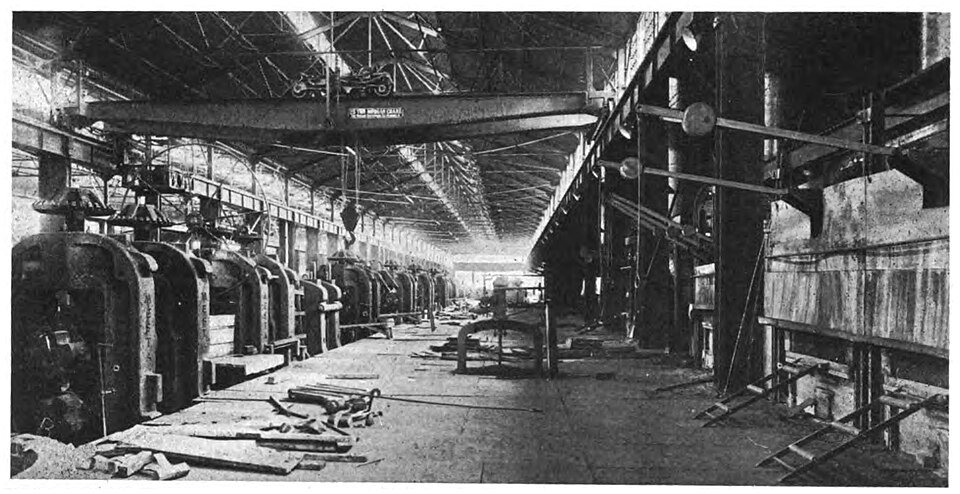
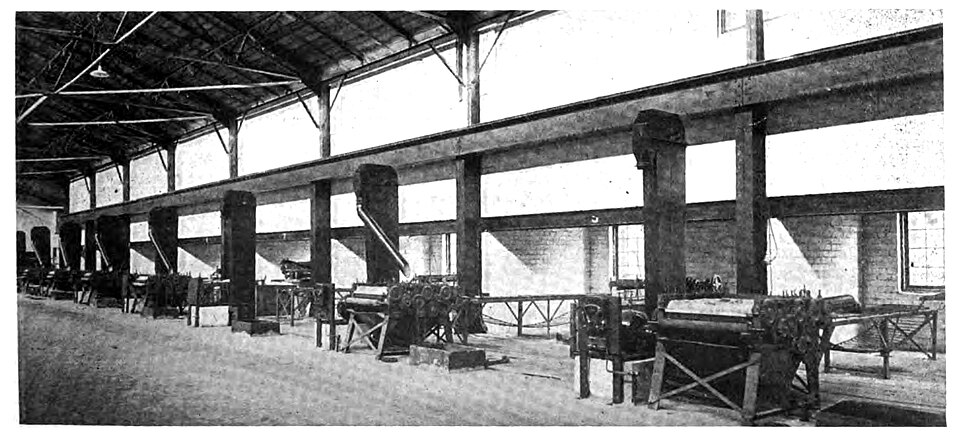
A tinplate works contained reheating furnaces, rolling mills, acid tanks, a molten metal bath and shearing machinery, in a building where all of it operated together.
So the environment combined radiant heat, acid mist, wet floors, oil fume and continuous noise, and the 1960 response to all four was heavy clothing and experience.
Each of those is now a separate regulated exposure with its own controls: ventilation and extraction, protective equipment, noise assessment with hearing surveillance, heat management and monitored chemical handling. Modern works are enclosed, instrumented and run with far fewer people on the floor, which is the single largest difference anybody from the old mills notices.
12. Rolling the steel thin was the hard engineering
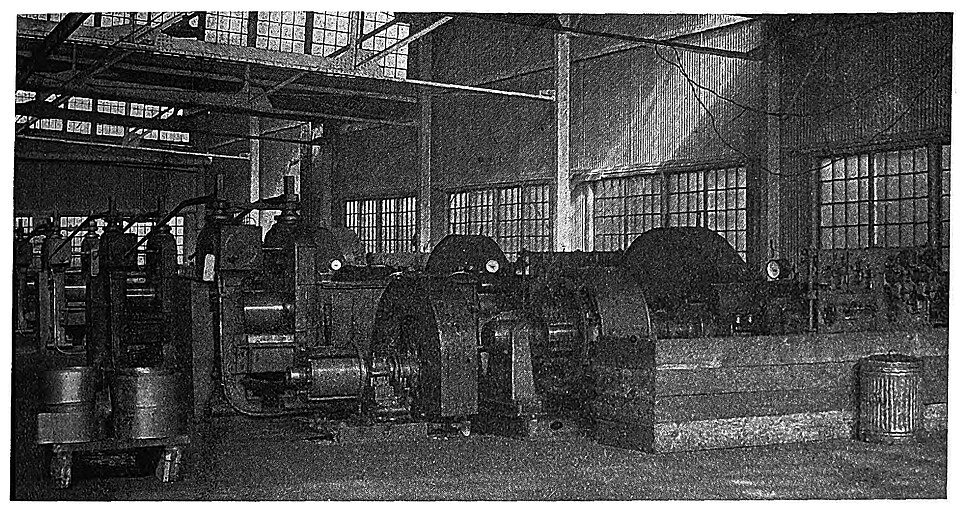
Tinplate requires steel rolled very thin and very flat, with consistent thickness across the width, because variation shows up as a defect in the coating and as a problem in the can-making press.
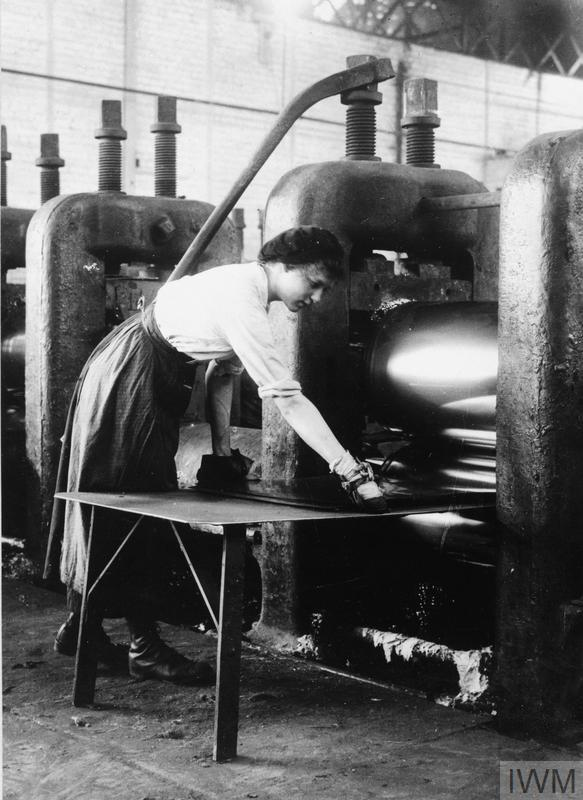
Achieving that in 1960 involved pack rolling, where several sheets are rolled together, and a great deal of skill in the mill.
Cold reduction mills with automatic gauge control replaced it, producing strip of consistent thickness measured continuously across the width and along the length. That change is the real reason the industry moved to continuous lines. You cannot run a continuous coating line without consistent strip to feed it.
13. Scrap and offcuts were a trade of their own
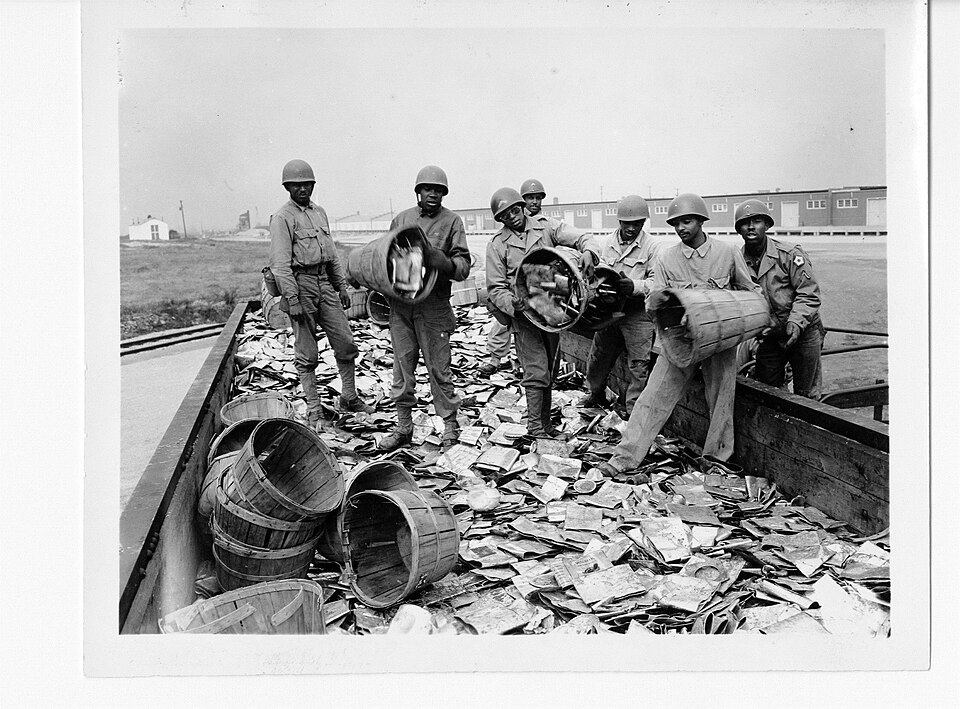
Shearing sheets to size produces offcuts, rejected sheets go somewhere, and a works generated a continuous stream of coated steel scrap.
That scrap is awkward because the tin coating contaminates steel recycling, so it was handled separately and sold into specific uses, and detinning plants existed to recover the tin.
The economics mattered because tin is valuable, and recovering it from scrap was worth doing even at 1960 efficiencies. Modern practice detins scrap at high recovery rates and the whole stream is tracked, because both metals are worth money and both are now subject to waste regulation.
14. Nothing was measured in a way anybody could reproduce
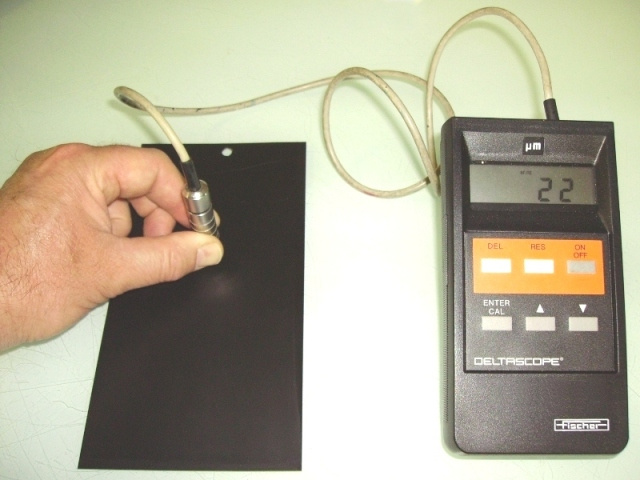
Coating thickness, steel gauge, surface quality and bath condition in 1960 were controlled by practice, periodic sampling and experience rather than by continuous measurement.
That produced a product that was perfectly serviceable and variable, and a customer specified a grade rather than a number.
Every one of those parameters is now measured continuously and logged against the coil, with certificates issued to the customer. It is the change that made it possible to use far less tin, because you can only reduce a coating to the minimum that works if you know exactly how much you are putting on.
15. The trade vanished faster in Britain than almost anywhere
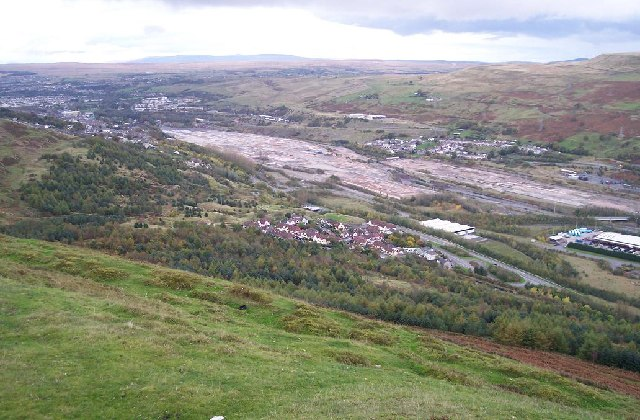
Continuous electrolytic lines made the hand mills uncompetitive within a very short period, and the old works closed in large numbers in the 1950s and 1960s, concentrated in the places that had depended on them.
The skilled hand trade had no equivalent on a continuous line, so the men were not transferred into the new plants in anything like the same numbers.
That produced a particularly sharp industrial transition in a small number of towns, and it is one of the least-remembered closures of the period. The modern industry is small, highly automated and concentrated in a few large plants worldwide, and it makes a better product with a tiny fraction of the workforce.
16. The can itself is the reason any of it is still here
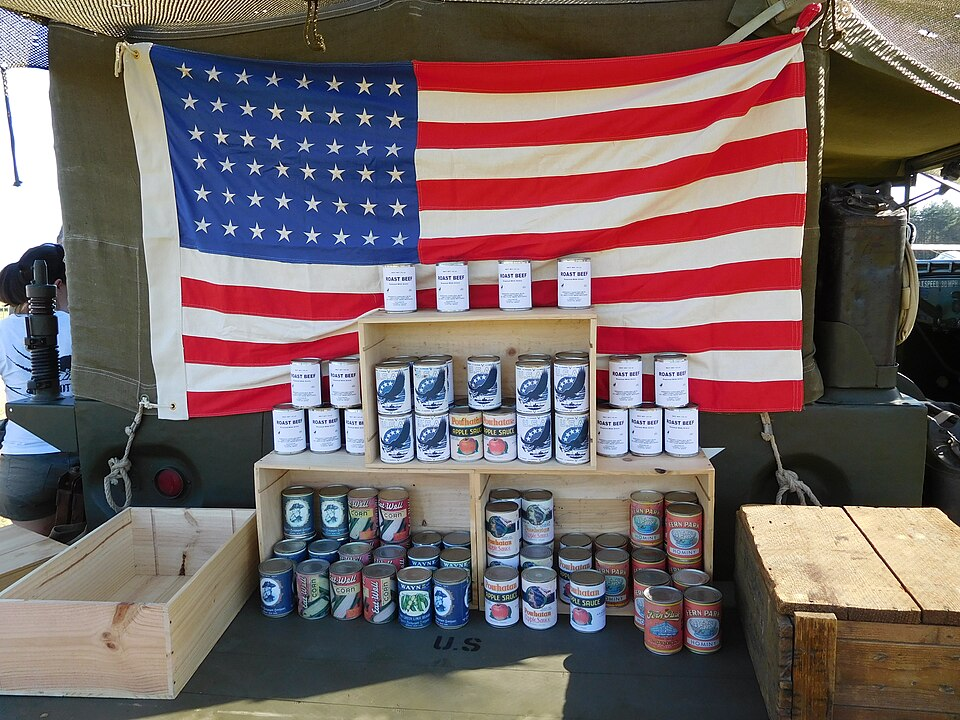
Steel packaging survives because a can is cheap, stackable, infinitely recyclable, opaque to light, impermeable to gas and strong enough to be transported without protection.
Nothing has beaten that combination for a great many products, which is why tinplate and its successors are still made in quantity.
The product has changed around the edges: thinner steel, far less tin, welded seams, internal lacquers designed for specific contents, and easy-open ends. The honest summary: tinplate is thin steel with an extremely thin tin coating, giving one metal’s surface properties at the other’s price; in 1960 much of it was still hot-dipped through a molten tin bath under a flux of palm oil, handled sheet by sheet and inspected by eye against the light; electrolytic lines replaced dipping with a measured coating deposited on continuous strip, which is why modern tinplate uses far less tin; the industry moved from Wales to the United States behind tariff policy and emigrating skilled workers, and the American mills then mechanised first; pickling in acid was the dirtiest operation and is now enclosed, continuous and regulated; and consistent cold-rolled strip was the engineering change that made continuous coating possible at all.
What replaced the whole trade
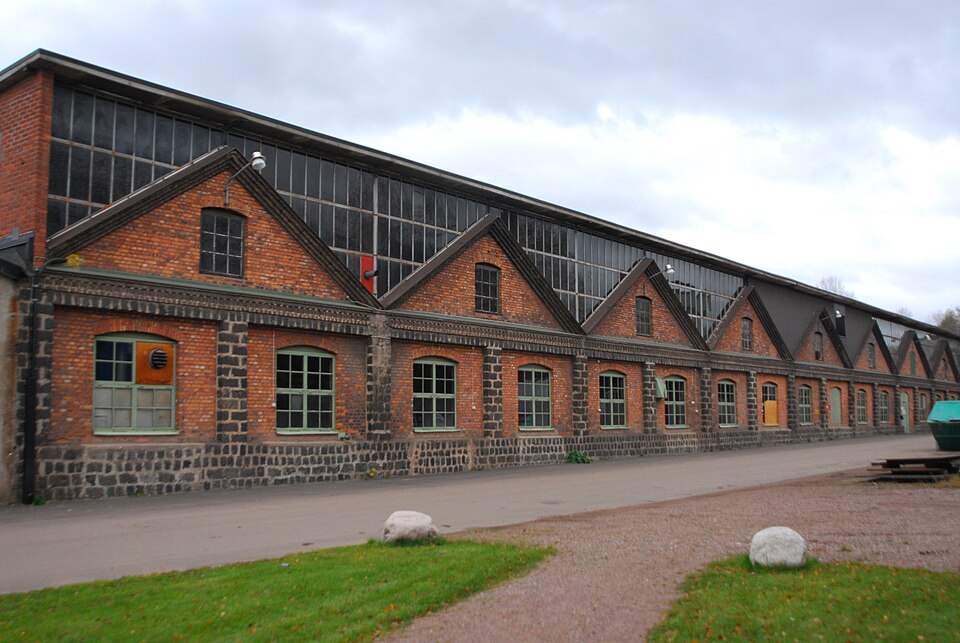
Continuous strip. Once steel could be cold-rolled to a consistent thickness across its width and along its length, a coil could be fed through a plating cell and coated to a measured weight without anybody touching it, and every hand operation in the old works — dipping, sheet handling, visual grading, bath maintenance — had nothing left to do. The product got better and cheaper simultaneously, and the skilled trade had no equivalent on the new lines, which is why the closures were so abrupt.
The can won. It is cheap, stackable, recyclable, lightproof, gastight and strong enough to be thrown about, and nothing has beaten that combination, which is why a trade this comprehensively mechanised is still making the same product.
Like our content? Follow us for more.