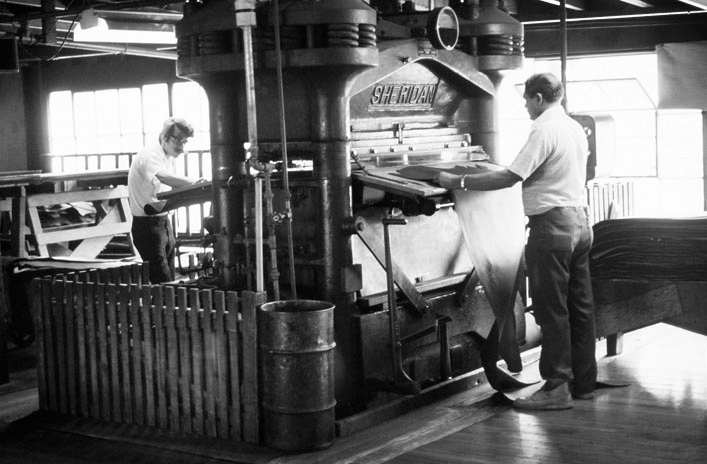
Currying was the trade between tanning and everything made of leather: shaving a hide even, stuffing it with grease, boarding the grain and glazing the surface by hand. Here are sixteen things about it that are now done by machine or not at all.
1. A currier was not a tanner and the distinction was absolute
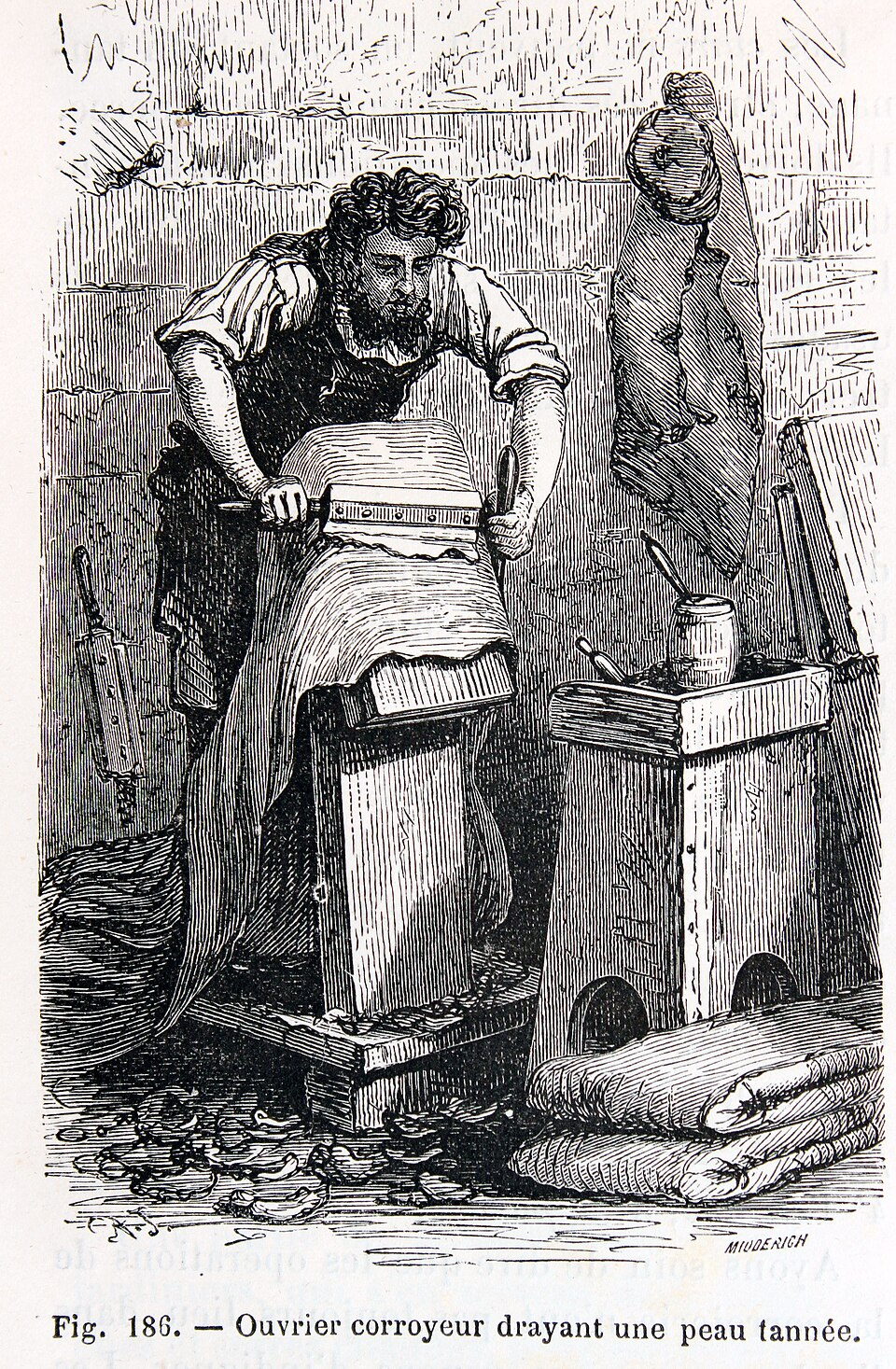
Tanning makes a hide stable so it will not rot. Currying takes that stable but stiff, uneven and unusable material and turns it into leather somebody can actually work with, at a consistent thickness, with a particular feel and finish.
The two trades were separate, had separate premises, separate skills and separate organisations, and in many places it was a long-standing rule that one firm could not do both.
Modern leather production runs both stages continuously in one works, with the finishing operations mechanised and measured. The division that defined two trades for centuries is now two departments on one site.
Like our content? Follow us for more.
2. Shaving a hide to an even thickness was the whole of the first week
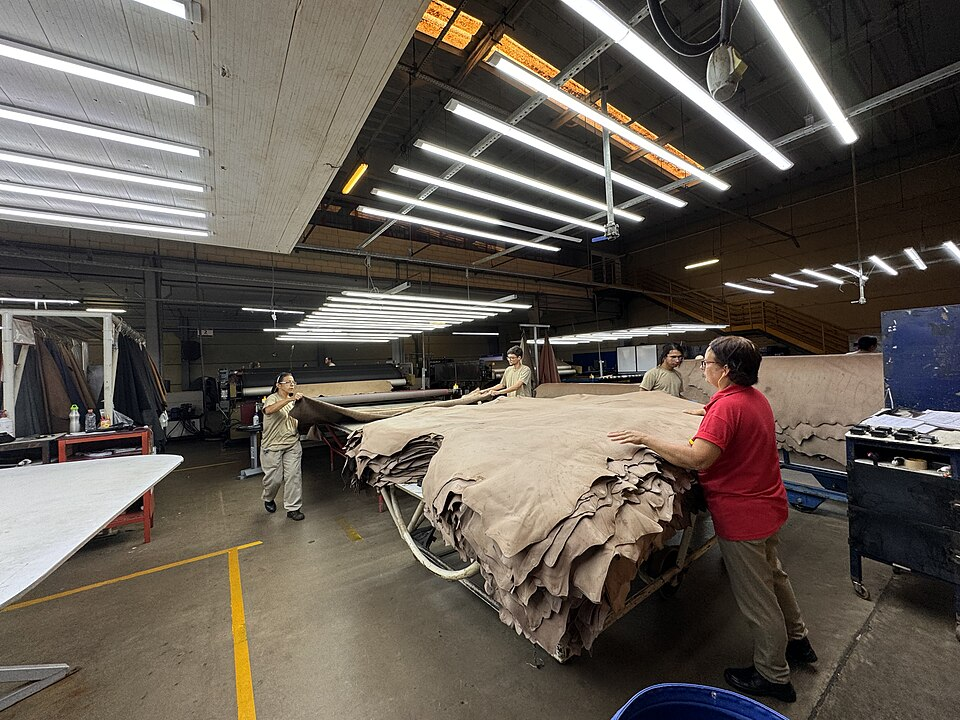
A tanned hide is thicker in some places than others, because the animal was. Leather for most purposes has to be an even thickness, which means removing material from the thick areas until the whole piece matches.
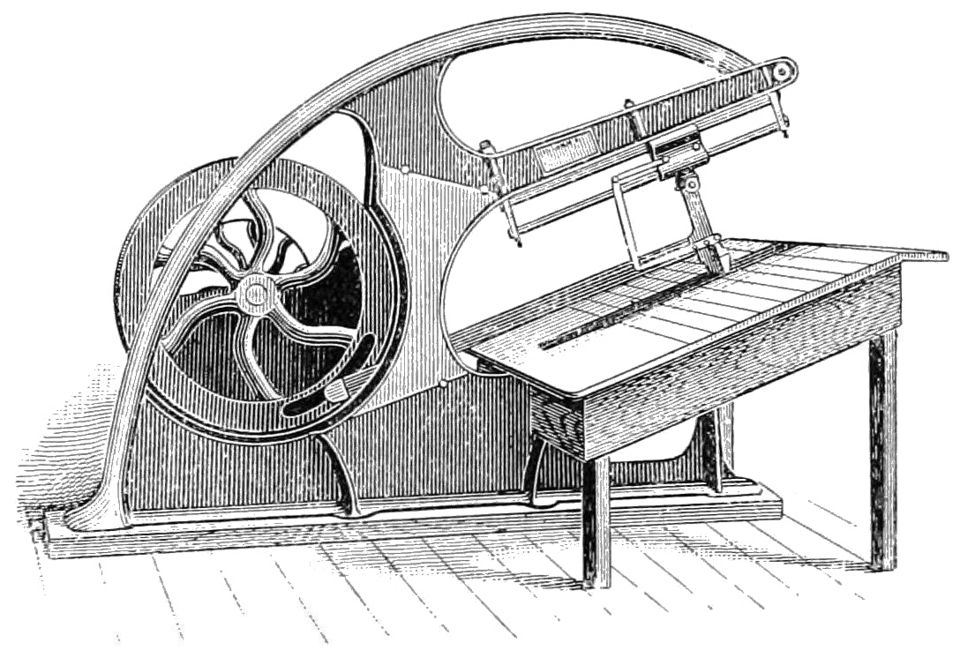
In 1960 that was done by shaving: the hide worked over a beam or a roller against a very sharp blade, taking off the flesh side in long passes until the thickness was right across the whole area.
The skill is that you cannot put it back. A currier who took too much from one area had reduced the value of the whole hide, and the judgement was by feel and by holding it up to the light. Splitting machines and shaving machines with thickness gauges replaced it entirely, and a modern hide is split and shaved to a specified thickness measured continuously. The hand skill has no industrial survival.
3. Stuffing the leather with grease was the point of the trade
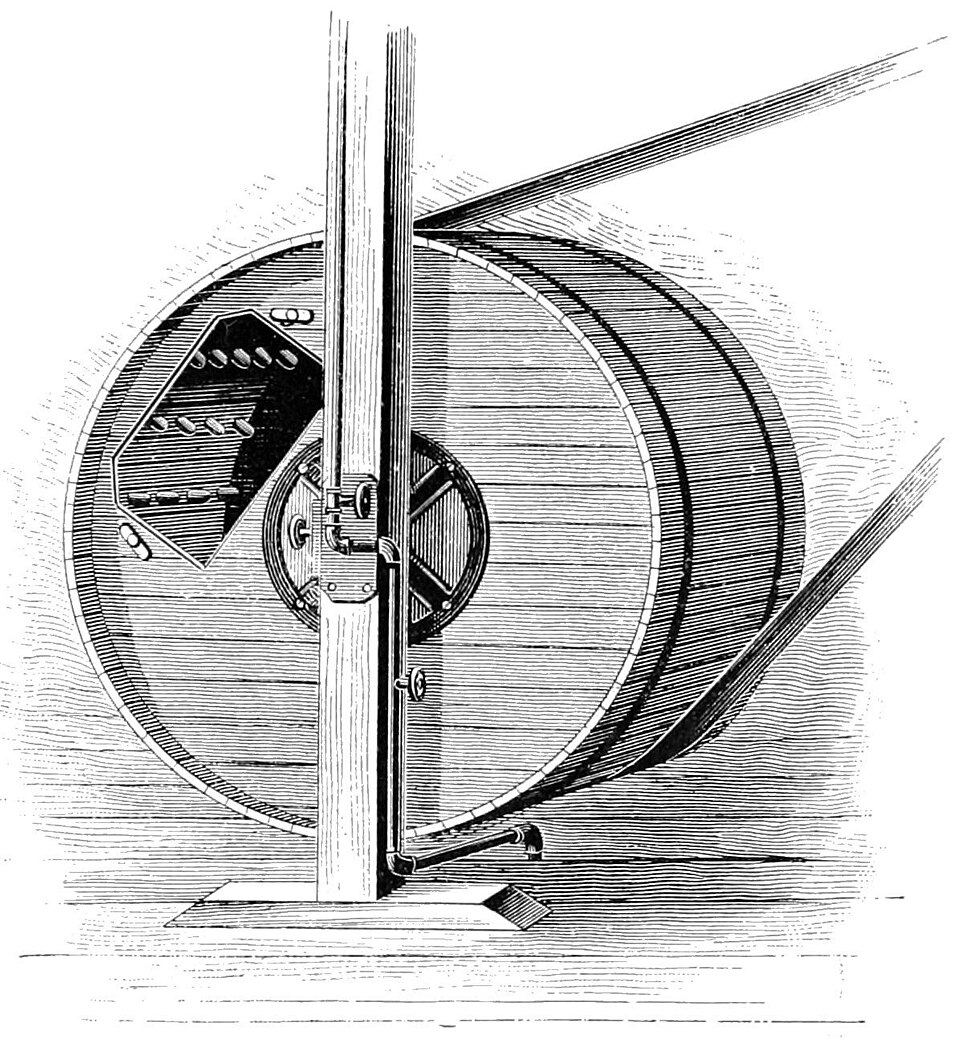
Tanned leather is dry and will crack. Currying works oils, tallows and greases into it under pressure and heat so the fibres are lubricated and the leather becomes flexible, water-resistant and durable.
That was done by hand and by drum, with the mixture and the quantity varied for the purpose: harness leather, shoe upper, belting, bookbinding and glove leather all want different things.
The recipes were workshop knowledge and were genuinely secret, because the feel of a particular firm’s leather was its commercial identity. Modern fatliquoring does the same job with emulsified oils applied in a drum to a specified formulation, measured and repeatable, which produces consistent leather and ended the era of the secret mixture.
4. The grain was raised or flattened on purpose
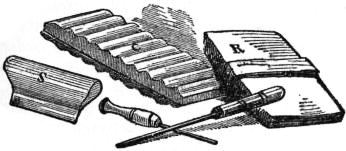
The natural surface pattern of leather — the grain — can be enhanced or suppressed, and a currier did it mechanically by boarding: folding the leather grain-to-grain and working it with a cork-faced board to break the surface into a pattern.
That produces the characteristic appearance of boarded leather and also makes the surface more flexible and less likely to crack in use.
It is physical, repetitive work done by hand on a bench, and the direction and amount of boarding changed the finished look completely. Embossing plates and mechanical graining now produce any surface pattern wanted, including patterns imitating animals the hide did not come from. Hand boarding survives only in a few specialist and conservation workshops.
5. Glazing was done by rubbing, not by coating
A high-gloss leather surface in 1960 was frequently achieved by glazing: working the surface under pressure with a glass or agate roller until it took a shine.
That is a mechanical finish rather than a coating, so the shine is the leather’s own surface compressed and polished rather than a layer sitting on top of it.
The result wears differently from a sprayed finish: it ages rather than peels, which is why glazed leather on old bookbindings and luggage still looks the way it does. Sprayed and laminated finishes replaced glazing for most purposes because they are faster, more uniform and available in any colour. Glazed finishes survive at the top of the market and in conservation.
6. Colour was applied by hand and never matched
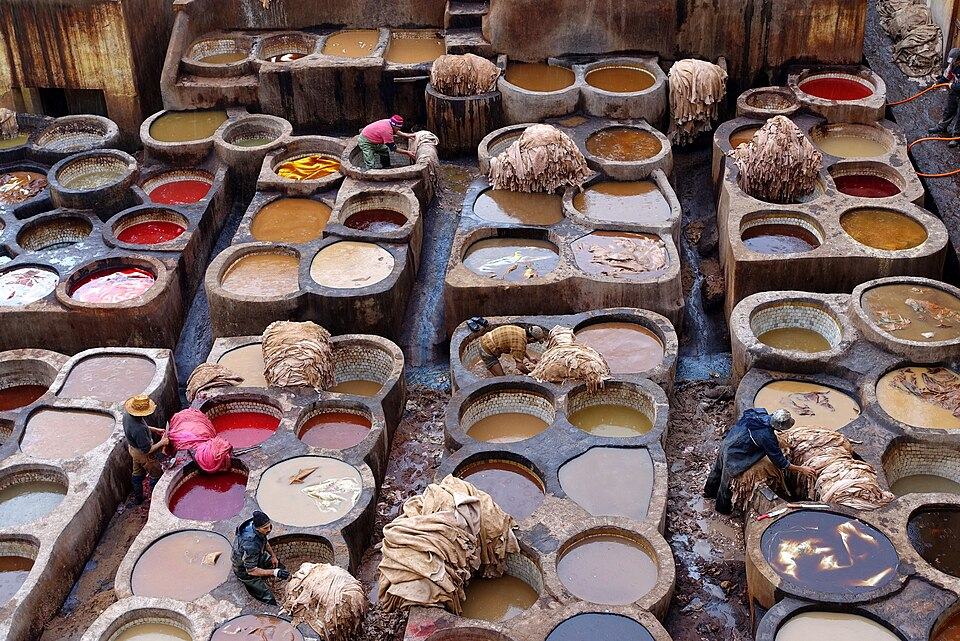
Dyeing and staining in a currier’s shop was done by hand with a sponge, a brush or a pad, worked into the leather and built up in coats.
Two hides from the same batch finished by two people would not match exactly, which is why a job requiring a quantity of matching leather was a problem rather than a routine order.
That variability was accepted and sometimes valued, and the trade sold leather by batch rather than by a colour reference. Modern drum dyeing and automated spray finishing produce leather to a colour standard with batch records, which is why a car interior or a sofa can be made from many hides without visible variation. The old variability is now a luxury feature sold as such.
7. Every hide was a different shape and the waste was the problem
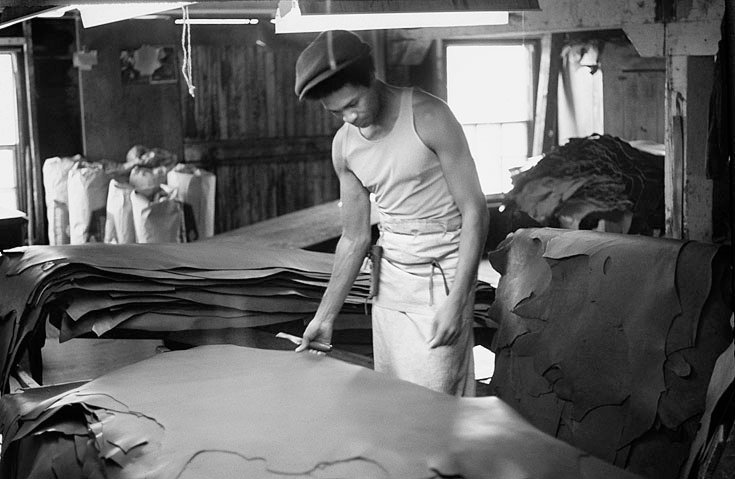
A hide is an irregular shape with areas of very different quality: the butt is the best and most even, the belly is loose and stretchy, the neck is wrinkled and the legs are nearly useless.
A currier had to know those zones and so did his customers, because a saddler, a bootmaker and a bookbinder each wanted a different part and paid accordingly.
That meant selling a hide was a negotiation about which parts were usable for what, and cutting economically was a skill in the customer’s trade rather than the currier’s. Modern practice measures hide area, grades it mechanically, and sells by area in defined selections, with the loose and poor areas increasingly diverted into split and bonded products. The zones are the same zones; the trade in them is now a specification.
8. The shop smelled and everybody in the district knew it
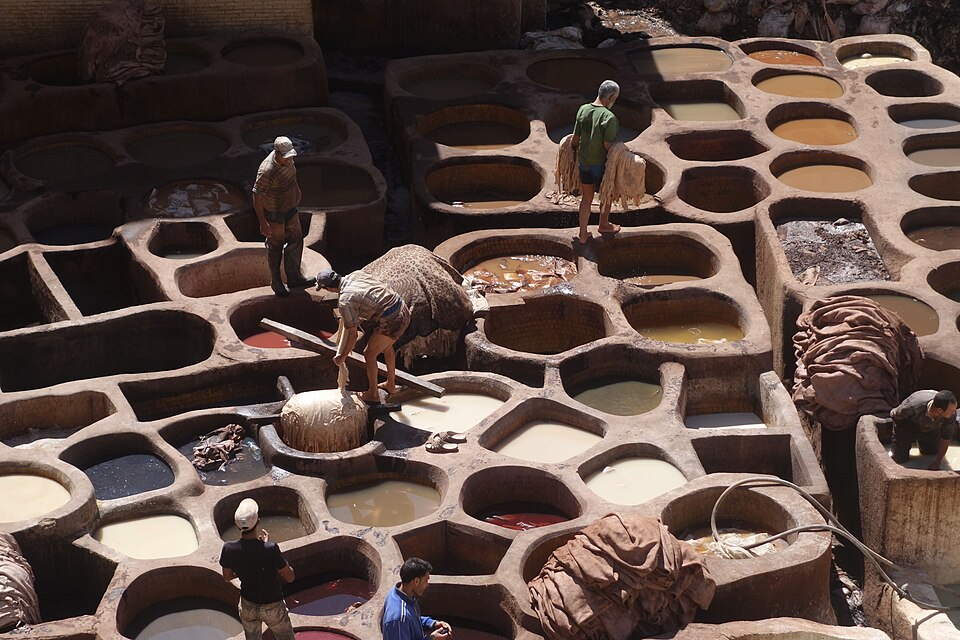
Currying involves oils, greases, tallow and the residues of tanning, worked warm in an enclosed building, and the smell was substantial and distinctive.
Leather districts existed partly for that reason: the trades were concentrated where they were tolerated, usually downwind and down-river from everything else.
In 1960 that was still true and still unregulated as an amenity matter in most places. Modern tanneries operate under air emission permits, with extraction, treatment and monitored discharge, and the characteristic smell of the leather trade has been very largely engineered out. Anybody who remembers it remembers it vividly.
9. The effluent went into the river and that is the real story
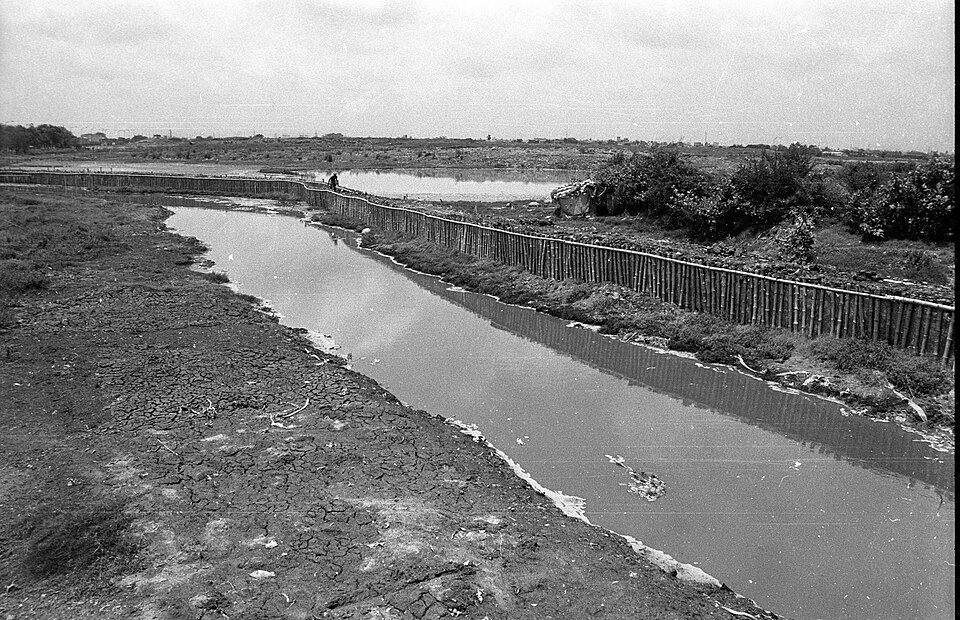
Leather processing produces a heavily contaminated liquid effluent, and in 1960 a great deal of it went into watercourses with minimal treatment, which is the single largest environmental fact about the historic trade.
That is now comprehensively regulated: discharge consents with specified limits, on-site treatment, continuous monitoring and substantial penalties, and modern tanneries recover and treat their process water.
The chemistry involved is a regulated occupational and environmental matter, and this file names no substance, no concentration and no process condition, because that detail belongs to current regulation and competent advice rather than to an article. What can be said plainly is that the rivers in the old leather districts are in a condition now that nobody in 1960 would have predicted.
10. Leather for a specific purpose was a specific product
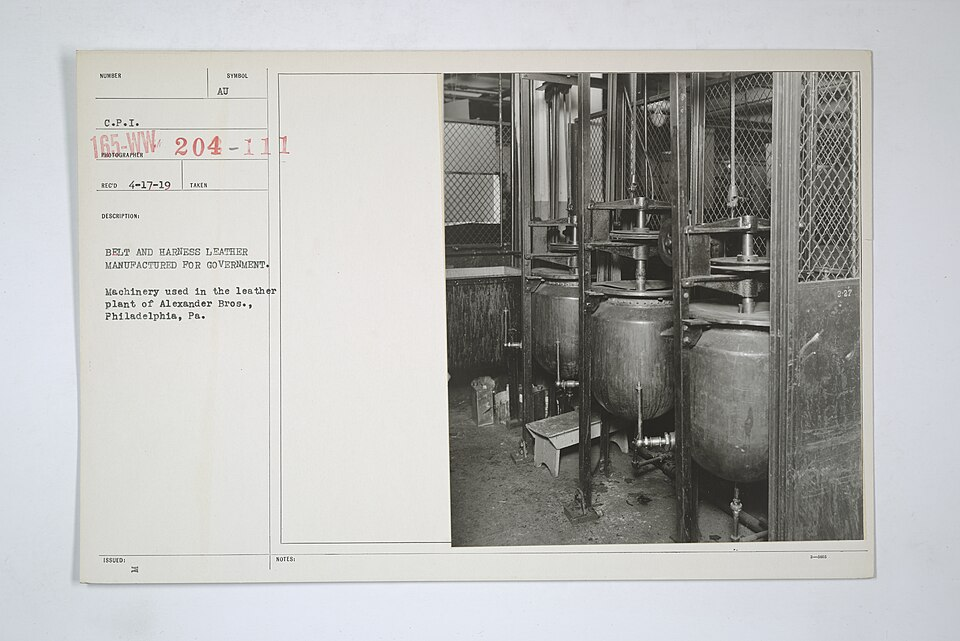
A currier’s order book was full of named leathers for named uses: harness, bridle, belting, sole, upper, lining, bag, case and bookbinding, each with its own thickness, stuffing, finish and feel.
That meant a currier served a group of trades who knew exactly what they wanted and would reject anything that did not behave as expected.
The knowledge ran both ways, and a currier losing a customer’s trade meant losing the knowledge of what that customer needed. Modern leather is still specified by end use, now against measured properties: tensile strength, tear strength, flex resistance, colour fastness and water resistance, tested to standards. The conversation is the same and it is now conducted in numbers.
11. Belting leather was an industrial product and then disappeared
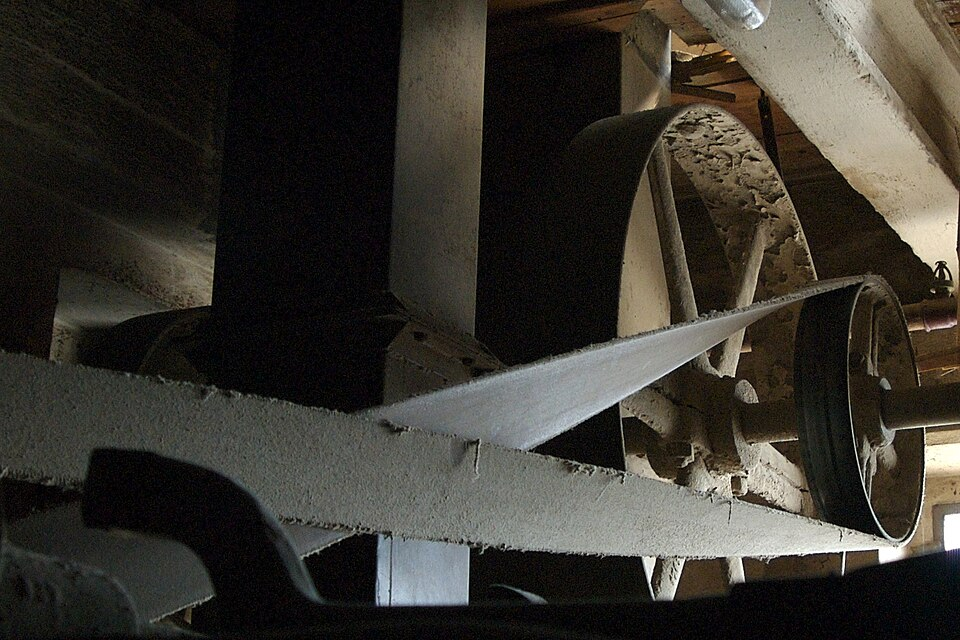
A great deal of 1960 leather went into machine belting: the flat leather belts that transmitted power from line shafting to individual machines in factories.
That was a substantial and demanding market, because a belt has to be strong, stretch-resistant, consistent in thickness and able to grip a pulley while running continuously.
Individual electric motors on each machine removed line shafting and the belting market with it, which took away one of the trade’s largest and most technically interesting products within about two decades. Synthetic belting took whatever remained. It is one of the clearest cases in this series of a craft losing a market for reasons that had nothing to do with the craft.
12. Hand tools were simple, sharp and personal
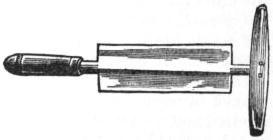
A currier worked with a shaving knife, a slicker, a scudder, a graining board and a selection of beams and benches, almost all of it either shop-made or long-owned.
The edged tools had to be extremely sharp and were maintained constantly, and a man’s tools were his own property and went with him.
That is the usual pattern in hand trades, and it meant the tools accumulated the shape of the person using them. Mechanisation replaced the function of nearly all of them. The tools themselves survive in collections and in the few workshops still doing hand work, where they remain the right tools for the job.
13. The trade was learned long and lost quickly
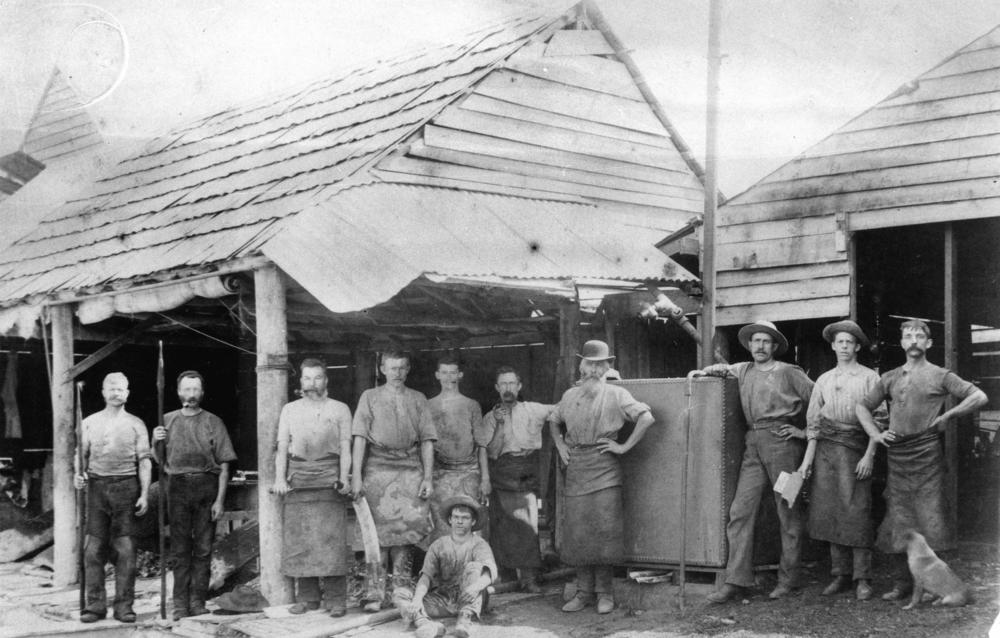
Currying required years to learn, because judging thickness, feel, stuffing and finish are all sensory and all specific to a material that varies from hide to hide.
Apprenticeships were correspondingly long and the trade had a strong internal culture, with its own organisations, its own vocabulary and a clear sense of its distinction from tanning.
When the operations mechanised, the sequence was preserved and the judgement was not needed, so the trade had no transitional role in the new works. Leather technology is now a formal qualified discipline taught at degree level with laboratories, testing and chemistry, which is a genuine body of knowledge and an entirely different one.
14. The product outlasts almost everything made alongside it
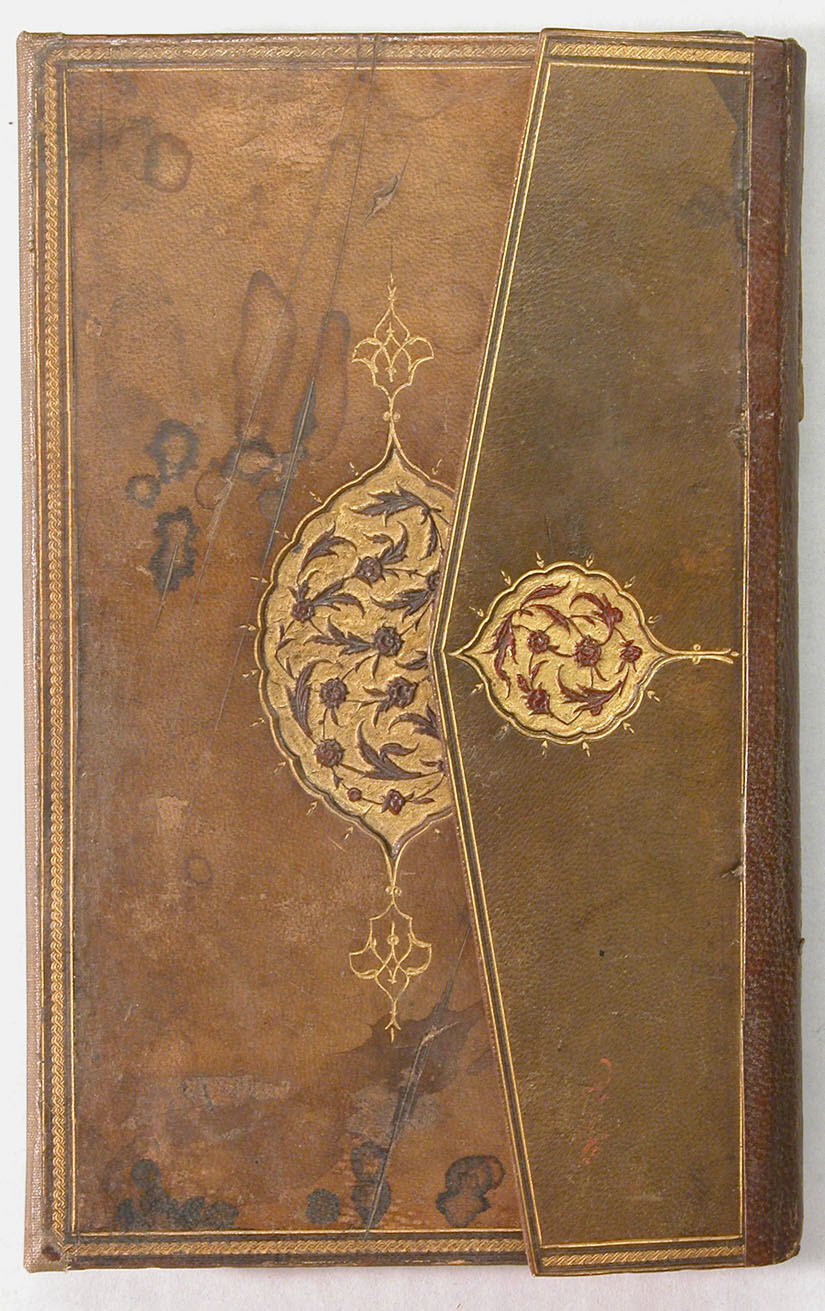
Leather curried in 1960 and before is still in service: harness, luggage, bookbindings, upholstery and machine belts, and a great deal of it is in better condition than anything synthetic of the same age.
That durability is the reason conservation now cares about the trade, because repairing a leather object properly requires leather made in a comparable way.
There is consequently a small, genuine demand for traditionally curried leather, met by a handful of specialists, and the knowledge has been partly reconstructed from documentary sources rather than passed down. It is the usual shape of a conservation craft: the material survived, the trade did not, and the trade has been put back together from what the material and the records tell us.
15. Synthetics took the volume and never took the top
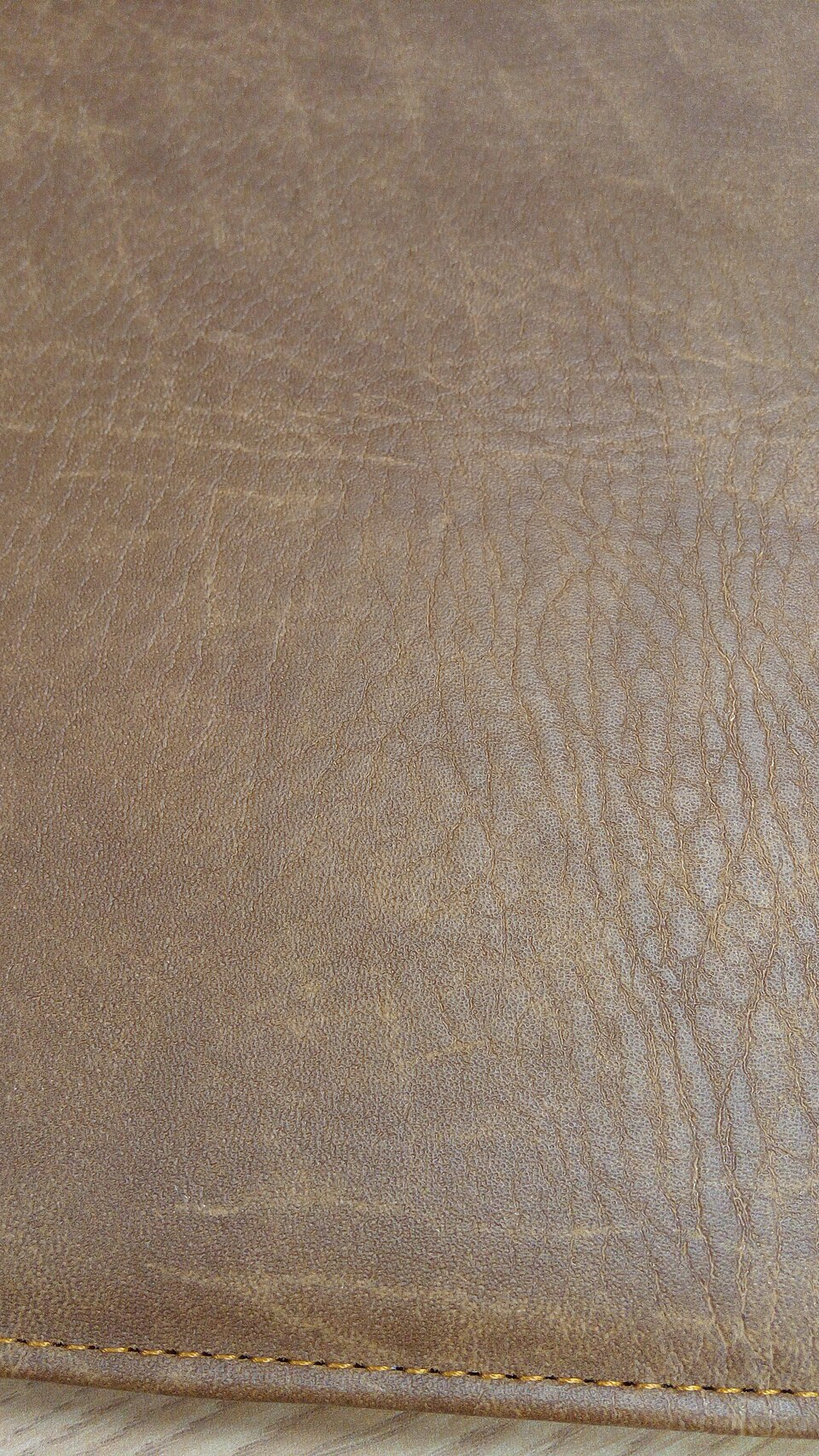
Coated fabrics and plastics took most of leather’s markets through the second half of the century on price, consistency and availability, and they took them quickly.
What they did not take was the applications where leather’s actual behaviour matters: how it stretches, how it breathes, how it moulds to use and how it ages.
So leather survived as a premium material and lost its position as an ordinary one, which is the same story as pewter, thatch and several other trades in this series. The modern industry is smaller, more technical, more regulated and more concentrated, and it sells on exactly the properties that currying existed to produce.
16. The whole trade was about turning a variable material into a predictable one
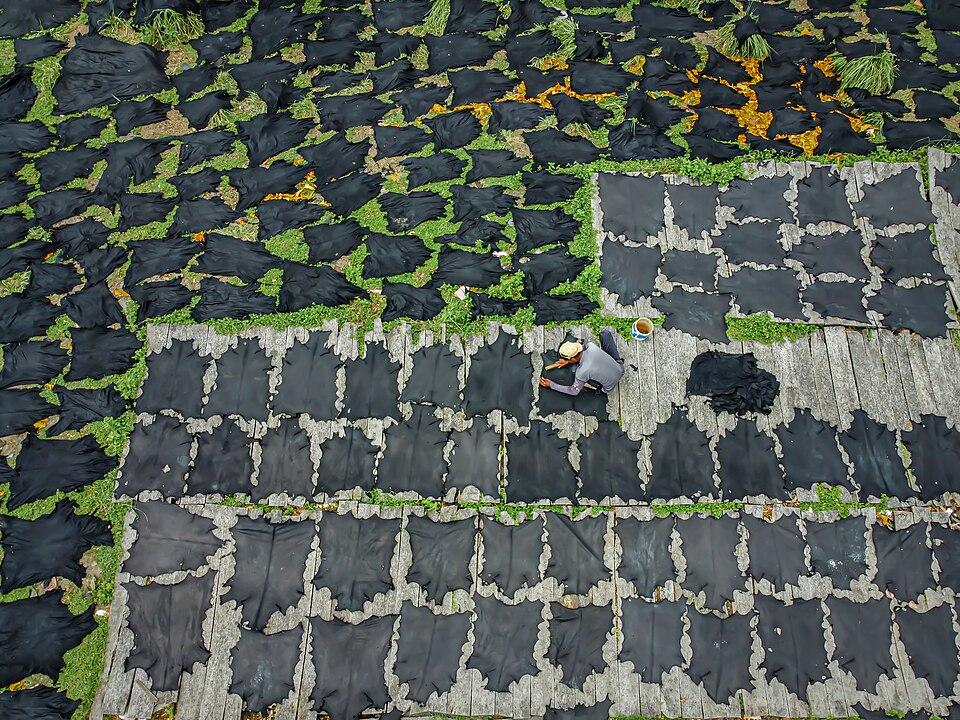
Every operation on this list — shaving, stuffing, boarding, glazing, dyeing, grading — exists to take a material that varies from animal to animal and make it behave consistently for somebody who has to work with it.
That is also exactly what the modern industry does, with measurement instead of judgement and formulations instead of recipes.
The honest summary: currying is the finishing trade that turns stable but unusable tanned hide into workable leather, and it was legally and organisationally separate from tanning; shaving to an even thickness was irreversible and judged by feel and light; stuffing with oils, tallows and greases under pressure and heat makes leather flexible and durable, and the mixtures were genuinely secret; boarding breaks the grain into a pattern and makes the surface more flexible; glazing produces a shine by compressing the leather’s own surface rather than coating it, which is why it ages instead of peeling; a hide’s butt, belly, neck and legs are different materials and were sold as such; and machine belting for line-shafted factories was one of the trade’s biggest markets and vanished with the arrival of individual electric motors.
What the trade was for
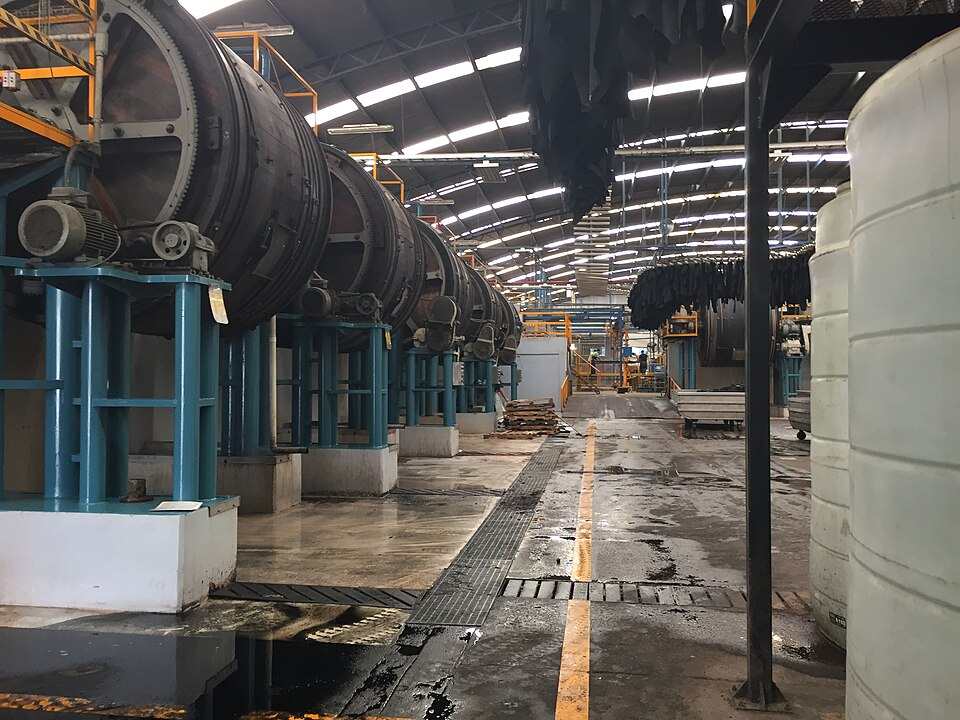
Turning a variable material into a predictable one. A hide differs from every other hide and differs across its own area, and every operation in a currier’s shop existed to deliver something a saddler, bootmaker or bookbinder could rely on. That is exactly what the modern industry does, with measured thickness instead of feel, specified fatliquoring instead of secret mixtures, colour standards instead of hand dyeing and tested properties instead of reputation. The purpose never changed; the evidence did.
The leather is the part that survived. Harness, bindings and belts curried before 1960 are still in use and frequently in better condition than anything synthetic of the same age, which is why conservation had to reconstruct a trade nobody thought worth recording.
Like our content? Follow us for more.