

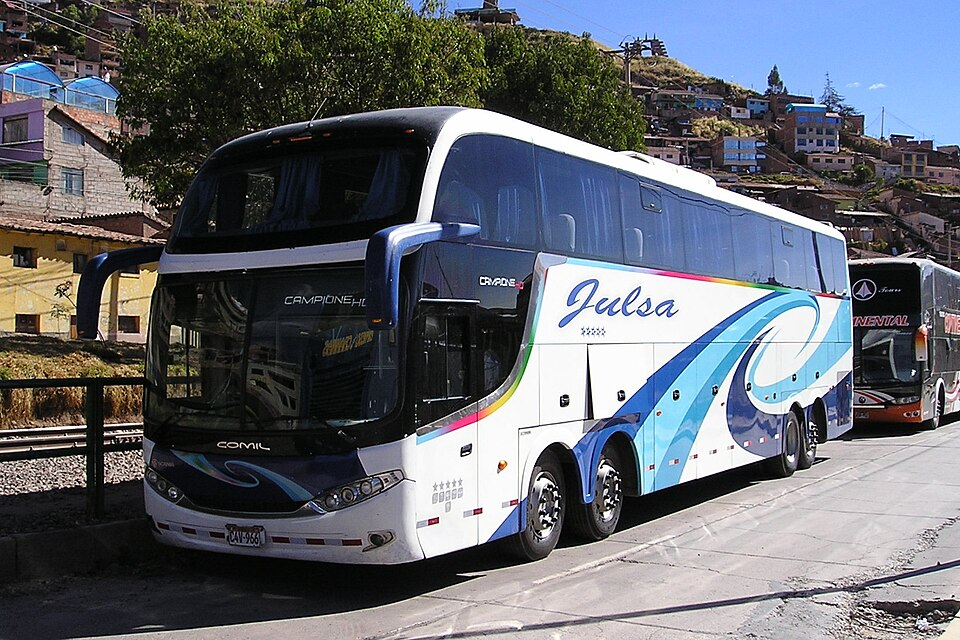
The longest scheduled bus route in the world runs between Rio de Janeiro and Lima, a distance usually given as about 6,200 kilometres, and it is timetabled to take five days. Not five days of travelling with overnight stops in hotels: five days on the bus, with the passengers sleeping aboard.
It is operated by Transacreana, a company based in Rio Branco in the Brazilian state of Acre, which began running the route in early April 2023. The previous operator, Ormeno, had run it until the company went bankrupt in 2022, and its 2016 inaugural run was reported at 6,200 kilometres and 102 hours of driving time.
The published distance is not entirely settled. Reporting of the current service gives both about 6,000 kilometres for the Rio to Lima journey and 6,200 kilometres as the record figure, and this file states both rather than picking one. That kind of discrepancy is normal for a route rather than a structure. A road distance depends on which roads are used, and a service that can be re-routed around weather or roadworks does not have one fixed number the way a bridge does.
The bus is arranged as a dormitory, not a coach
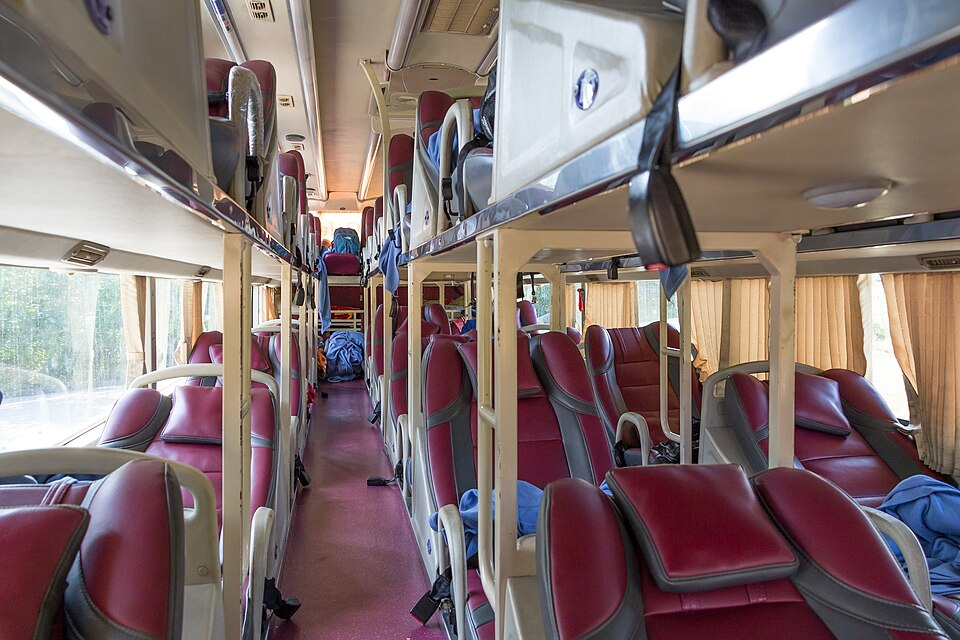
The vehicle carries 43 seats, which on a bus of that size means a great deal of space per passenger, and the seating is described as rows of beds with curtains rather than as reclining chairs.
That is the only arrangement that makes a five-day schedule possible. A seat you can recline is survivable for a night; a journey of this length requires somewhere to actually lie down, and the seat count is low precisely because each passenger occupies far more floor area than a normal coach allows.
There is a bathroom with a toilet and a small sink on the lower deck, and a water filter on the upper deck.
Showers are not aboard. Washing happens at the service-station stops, which is the single detail that most clearly separates this from any other form of long-distance transport. Every account of the journey mentions it, and mentions it early, which tells you how much it shapes the experience compared with everything else about the bus.
Like our content? Follow us for more.
Two drivers sit at the front and rotate every four hours
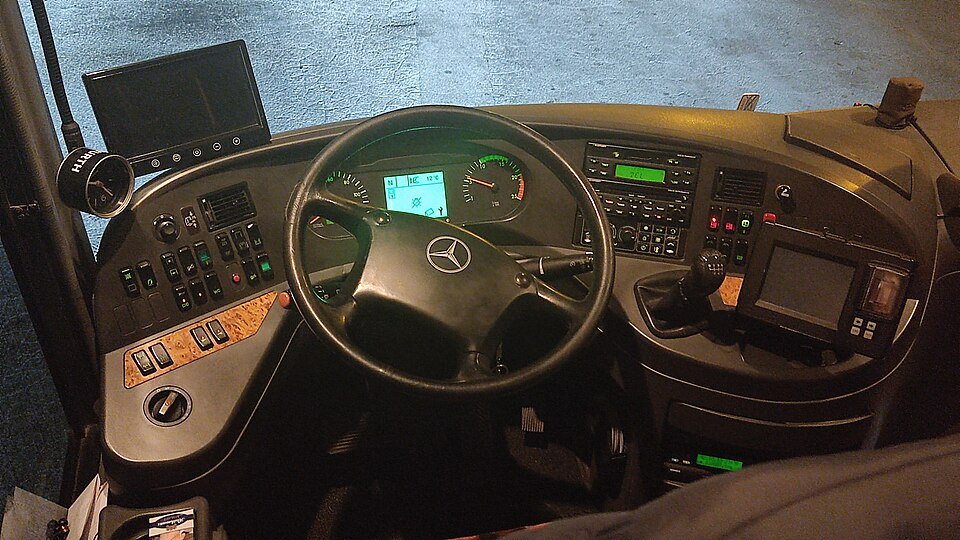
There are always two drivers in the front of the bus, and they rotate in four-hour shifts, which is how a vehicle covers that distance without stopping for a night.
That arrangement is the operational core of the service. The bus moves almost continuously, and the five-day figure is a function of distance divided by an average speed that includes mountain roads, border formalities and three meal stops a day rather than of anybody driving heroically.
The reporting does not state the total crew size, and this file does not guess at it.
It is worth noting that a second driver resting in the cab is a standard arrangement on long-distance coach work generally; what is unusual here is doing it for five consecutive days. A four-hour rotation also means each driver is awake and driving six times over the course of the journey, which is a working pattern with no real equivalent in any other passenger transport.
The day has three fixed stops and they are the whole social structure

The schedule contains three planned stops a day: a breakfast stop of about thirty minutes, and lunch and dinner stops of about an hour each.
Those stops are when passengers eat, wash, buy things and stand up properly, and the rhythm of the journey is built entirely around them. An hour is a long time when it is the only hour you get.
Passengers who have made the trip describe the stops as the points at which the journey becomes sociable, because everybody aboard is doing the same thing at the same time for the fourth or fifth day running.
It also means the service depends on a chain of roadside service stations across two countries being open and functioning, which is a quietly impressive piece of logistics in its own right. A stop that has closed since the schedule was written is not a minor inconvenience on a route like this, because the next one may be several hours away.
The route crosses the Andes and the altitude is part of the experience
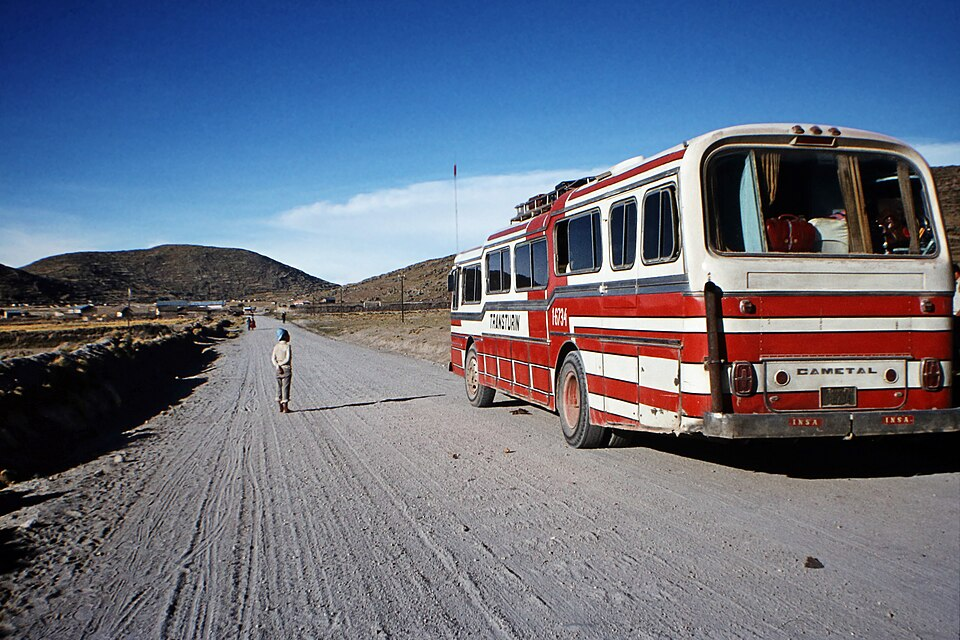
The journey includes a night stop at the Tiete bus station in Sao Paulo and then works north and west across the continent, climbing into the Andes on the Peruvian side.
Cusco sits at more than 3,300 metres above sea level, and the route’s drivers describe crossing mountains they put at four to five thousand metres. No single maximum altitude is published for the service, and this file does not supply one.
Altitude on a route like this is a genuine consideration for passengers rather than a scenic detail, and anybody prone to difficulty at height should take advice from a doctor before booking rather than from an article. This file gives no medical guidance of any kind.
What it does give is the practical point: the bus climbs a very long way, it does so after several days of travel, and the passenger has no option to stop and acclimatise. The scenery on that section is the part passengers single out, which is the compensation and is not nothing.
It departs fortnightly and the fare is remarkably low
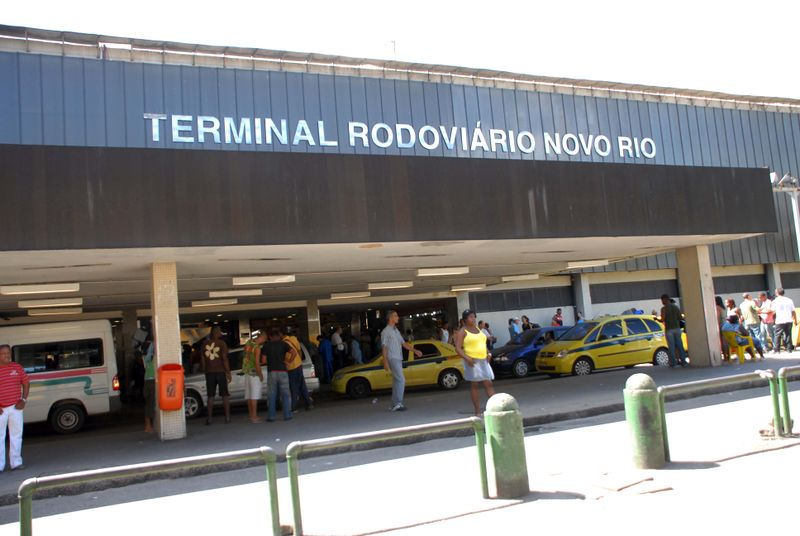
Departures from Rio run every other Thursday at one in the afternoon, with return trips from Lima also on Thursdays, and the operator has stated an intention to move to weekly departures.
A one-way ticket was offered at a promotional price of 1,000 Brazilian reais, reported as about 202 US dollars at the time.
For five days of transport, accommodation in the sense of a bed, and three meal stops a day across 6,200 kilometres, that is a strikingly low figure, and it explains who the service is actually for.
It is not primarily a tourist attraction. It is transport for people moving between two countries for family, work or migration reasons, for whom flying is expensive and the bus is the realistic option. A handful of travel writers and video-makers have ridden it end to end and produced most of the English-language material about it, which is worth knowing when reading accounts of what it is like.
The route exists because the demand is real
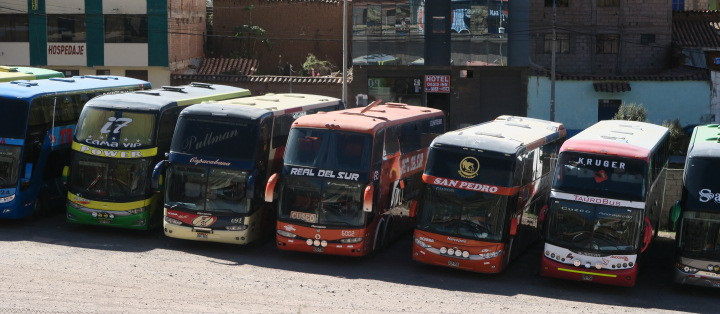
Brazil and Peru have substantial populations of each other’s nationals, long land borders with neighbouring countries and an enormous interior where air links are limited and expensive.
A bus route of this length is viable because it serves a corridor rather than a city pair: people join and leave along the way, and the full end-to-end journey is only one of the things the service does.
That is why the record is held by a South American operator and is likely to stay in the region. The combination of distance, population movement, limited air competition and an established intercity coach culture does not exist in many places.
Europe’s longest routes are considerably shorter and operate in a market where budget flying is everywhere. North America’s are shorter still relative to the continent, because the network is structured around hubs. Australia has the other obvious candidate geography, and its long-distance coach network was reduced rather than extended as domestic flying became cheap.
What it is actually like, by the accounts of people who have done it
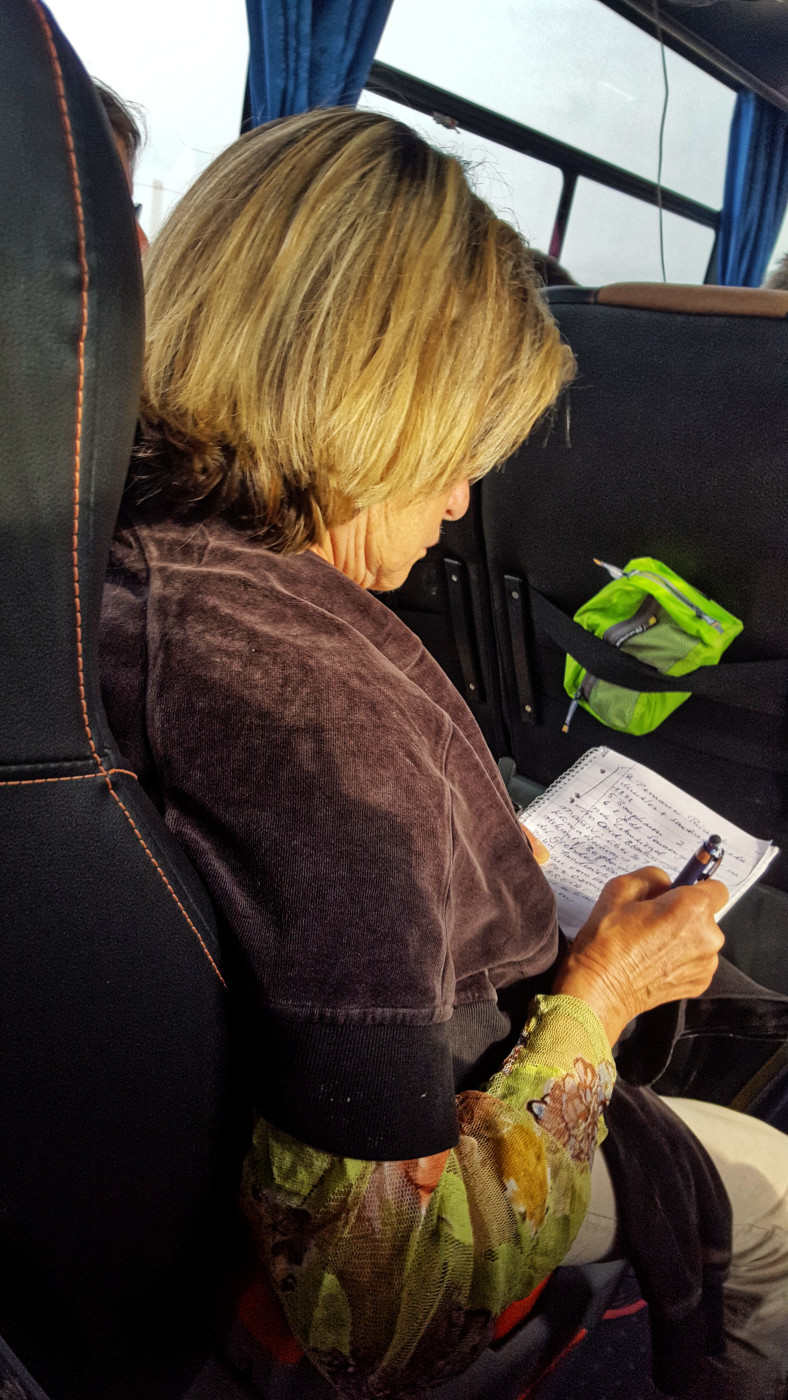
Passengers describe it as surreal, which is the word that recurs, and as considerably more comfortable than a five-day bus journey sounds.
The things they mention are specific: the beds are genuinely beds, the lack of showers is the hardest part, the landscape changes completely several times, and the border crossing is the slowest part of the schedule rather than the driving.
They also mention the thing nobody anticipates, which is that five days is long enough for the bus to become a small society with its own routines and its own rules about who sits where at the meal stops.
Anybody considering it should treat it as an expedition rather than a transfer, pack accordingly, and read the operator’s current schedule rather than this file, because fortnightly services change. A fortnightly departure also means a missed bus is a two-week problem, which is a different kind of planning from anything most travellers are used to.
What the record tells you
That the longest scheduled bus route in the world is not a stunt. It is a working service, recently taken over after its previous operator failed, running fortnightly at a low fare for people who need to make that journey.
It is also a record with an unstable history: the route has changed operator once, the distance is published inconsistently, and the frequency is intended to change.
The honest summary: the longest scheduled bus route runs between Rio de Janeiro and Lima, given as about 6,200 kilometres and timetabled at five days aboard, operated since early April 2023 by Transacreana of Rio Branco after the previous operator Ormeno went bankrupt in 2022; the bus carries 43 places arranged as rows of beds with curtains, with a toilet and small sink on the lower deck and a water filter on the upper, and no shower aboard, washing happening at service-station stops; two drivers sit at the front and rotate in four-hour shifts so the vehicle moves almost continuously; the day contains three planned stops, about thirty minutes for breakfast and about an hour each for lunch and dinner; there is a night stop at Tiete bus station in Sao Paulo and the route climbs into the Andes, with Cusco above 3,300 metres and no single maximum altitude published; and departures run from Rio every other Thursday at one in the afternoon, with a one-way ticket offered promotionally at 1,000 Brazilian reais, reported as about 202 US dollars.
Like our content? Follow us for more.
