

Hygiene is the subject where the 1965 American household was most confident and where the balance of right and wrong is most lopsided. It repeated one instruction relentlessly, and that instruction turned out to be among the most effective public health measures there is.
Everything built on top of it was either useless or actively counterproductive: the sterile-house ideal, the scalding water, the toilet seat anxiety, the antiseptic poured into every graze, the scab left to dry, the preventive gargle, and two kitchen habits that are still being practised. Here are twelve things that changed.
1. Dirt was the enemy and the goal was a sterile house
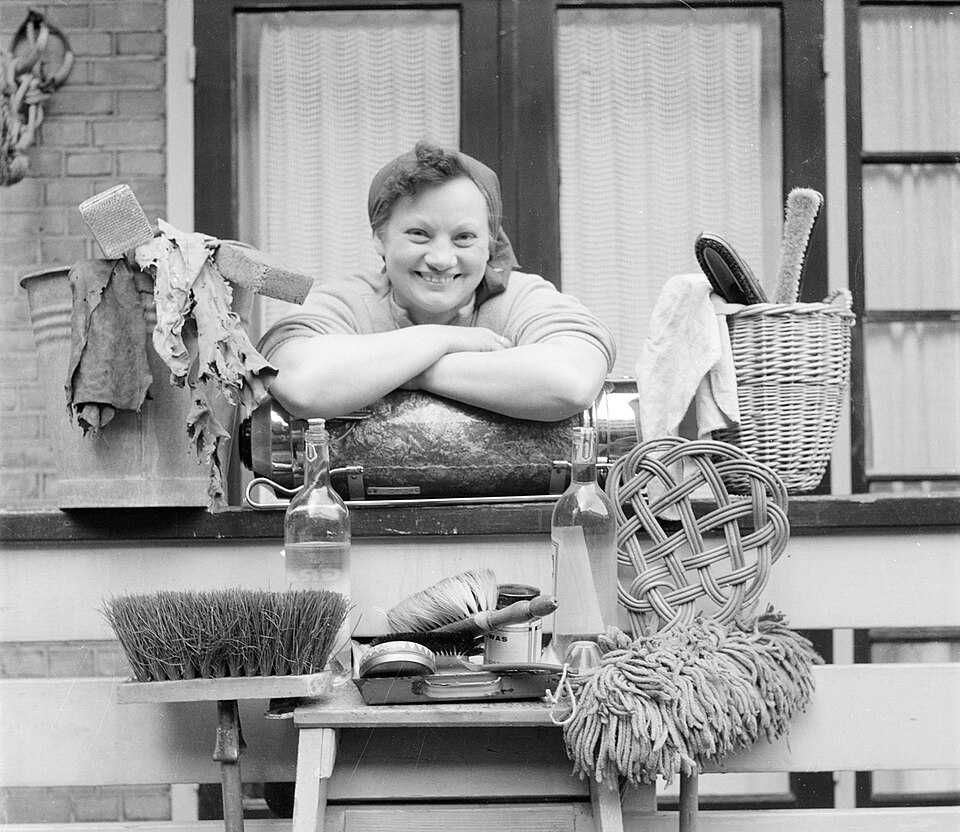
The 1965 American household ideal was elimination. Germs were understood as a single undifferentiated threat, dirt was their medium, and the correct response was to remove all of it from every surface as often as possible, with the strongest product available.
The understanding that replaced it distinguishes between the small number of organisms that actually cause illness and the enormous number that are harmless or beneficial, and it distinguishes between places where hygiene matters a great deal — hands, food preparation surfaces, anything in contact with a wound — and places where it makes very little difference. The phrase now used is targeted hygiene: effort concentrated where transmission actually happens.
The practical effect is almost the opposite of the 1965 approach. Less disinfectant applied more carefully in fewer places, and considerably more handwashing.
Like our content? Follow us for more.
2. Children were kept away from dirt as a matter of health

Mud, animals, soil, farmyards and other children’s germs were treated as straightforwardly bad for a child, and a mother who kept her children cleanest was understood to be doing the best job.
The hygiene hypothesis, proposed in the late 1980s and developed substantially since, observes that early exposure to a diverse microbial environment appears to be associated with lower rates of allergic conditions, and the research since has refined rather than overturned it: the current framing emphasises exposure to a diverse natural and animal environment rather than to infection or to poor sanitation, which the original popular version of the idea confused.
The honest position is that this is an area of active research rather than a settled instruction, and that nothing in it argues against handwashing before eating. What it does argue against is the sterile-childhood ideal, which was the 1965 goal.
3. Antibacterial products were better, so they were in everything
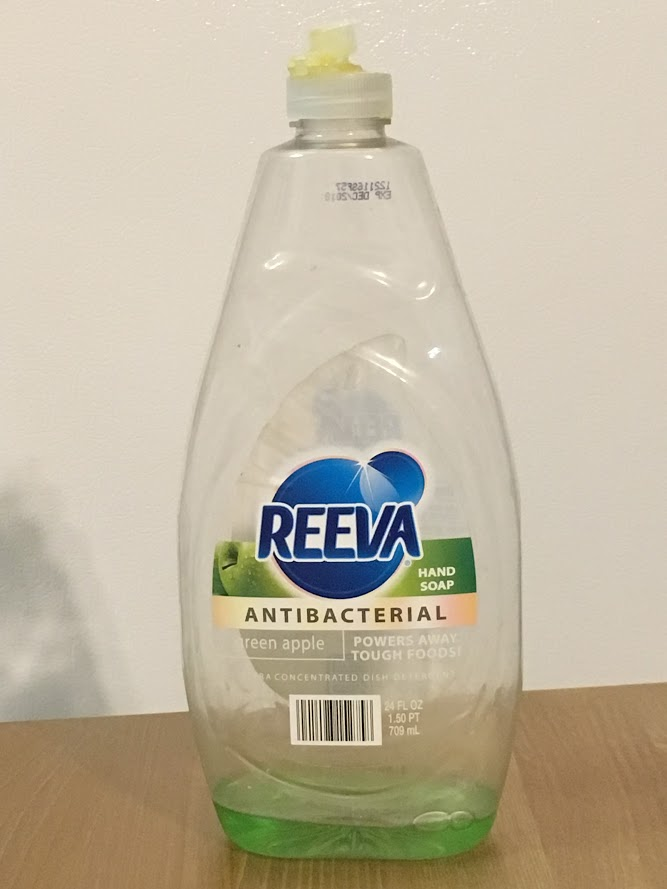
Antibacterial soaps, washing-up liquids, cleaning sprays, cutting boards and even socks were marketed on their germ-killing properties through the following decades, and the active ingredient in a great many American consumer products was triclosan or a close relative.
The Food and Drug Administration ruled in 2016 that over-the-counter antibacterial hand and body washes containing triclosan and a list of related compounds could no longer be marketed, on the grounds that manufacturers had not demonstrated they were safe for long-term daily use or more effective than plain soap and water, with a further rule covering healthcare antiseptics following in 2017.
Plain soap and water is the finding, and it is the single most useful result in this file. The antibacterial claim did not survive the requirement to prove it.
4. Washing hands in scalding water was what killed the germs
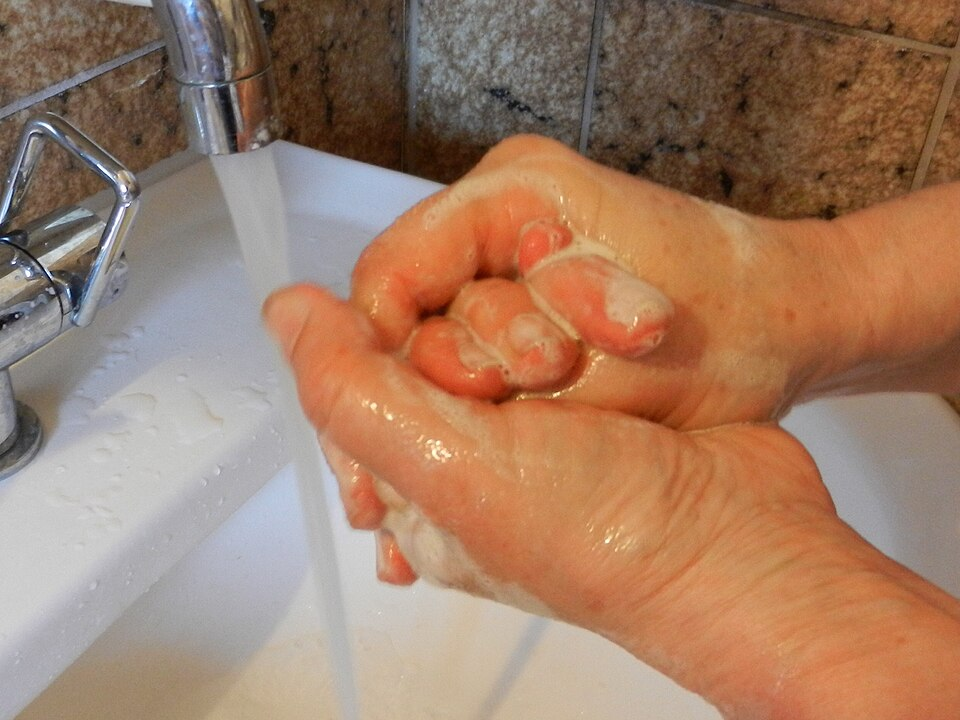
The belief was thermal: water hot enough to be uncomfortable was understood to be doing the work, and children were taught to wash in water as hot as they could stand.
The temperature of handwashing water has no meaningful effect on how many organisms are removed. The mechanism is mechanical and chemical — soap lifting material from the skin and the rinse carrying it away — and the variables that matter are soap, coverage of the whole hand including between the fingers and under the nails, duration, and thorough drying. Water hot enough to damage skin is counterproductive, because damaged skin is harder to clean and more hospitable.
American and international guidance now specifies comfortable water temperature and a stated duration, and the duration is the part people get wrong rather than the heat.
5. The toilet seat was the danger
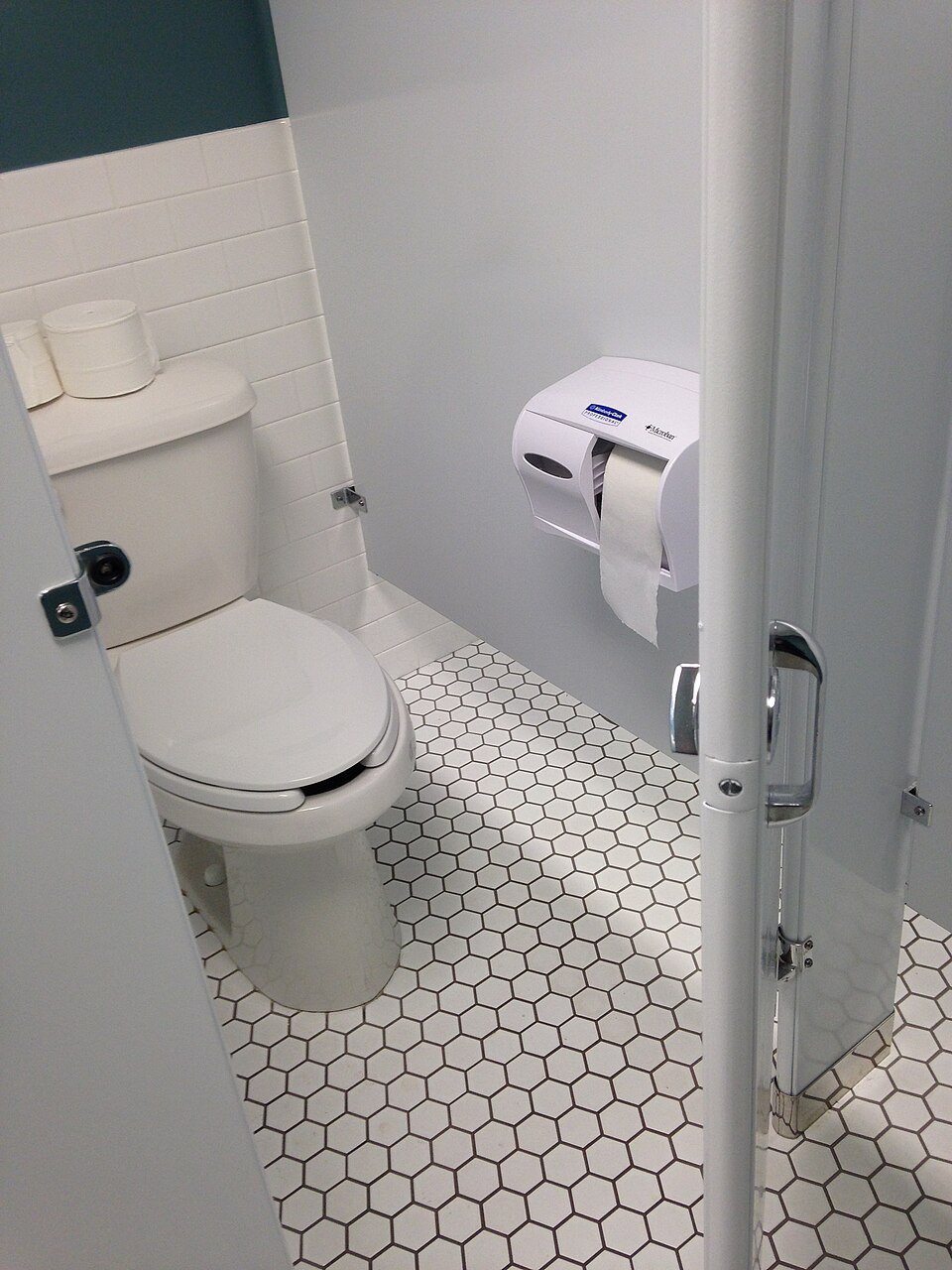
Anxiety about public lavatories in 1965 focused entirely on the seat, which produced paper covers, elaborate hovering, and the instruction never to sit down anywhere outside the house.
The seat is a dry surface with little to transfer and intact skin is an effective barrier; the organisms that actually travel are picked up on the hands from flush handles, taps, door handles and the dispenser, and travel from there to the face and to food. Modern guidance therefore concentrates entirely on handwashing after use and on how the door is opened on the way out.
It is a clean example of effort directed at the wrong object. The 1965 household worried about the one surface it did not touch with its hands.
6. Fresh air and sunlight killed germs in the bedding
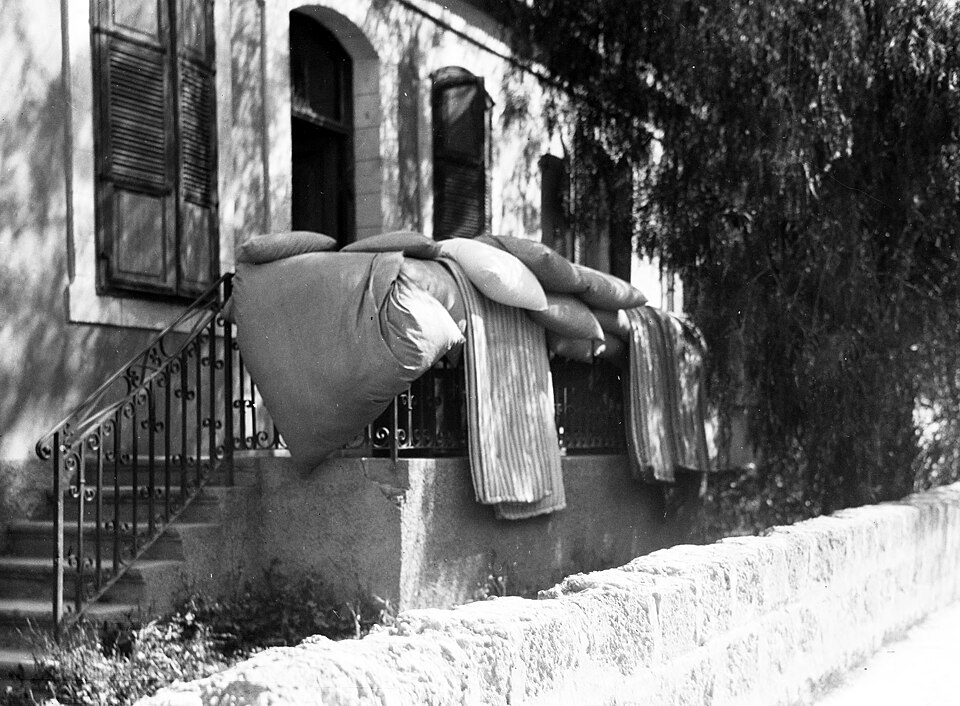
Airing the beds, hanging mattresses and blankets out of the window and beating them in the yard was a weekly ritual, and the stated purpose was that air and sunlight destroyed whatever was in them.
There is something in it and not what was claimed. Ultraviolet light does have germicidal properties, the amount reaching a mattress through a window on an English or American afternoon is not meaningfully doing that job, and the genuine benefit of airing bedding is the reduction in moisture, which does affect house dust mite populations — a connection nobody in 1965 could have made because the allergic significance of dust mites was established later.
So the ritual was useful for a reason other than the one given, which is the most common pattern in this entire series.
7. Every cut got antiseptic, and the stronger the better
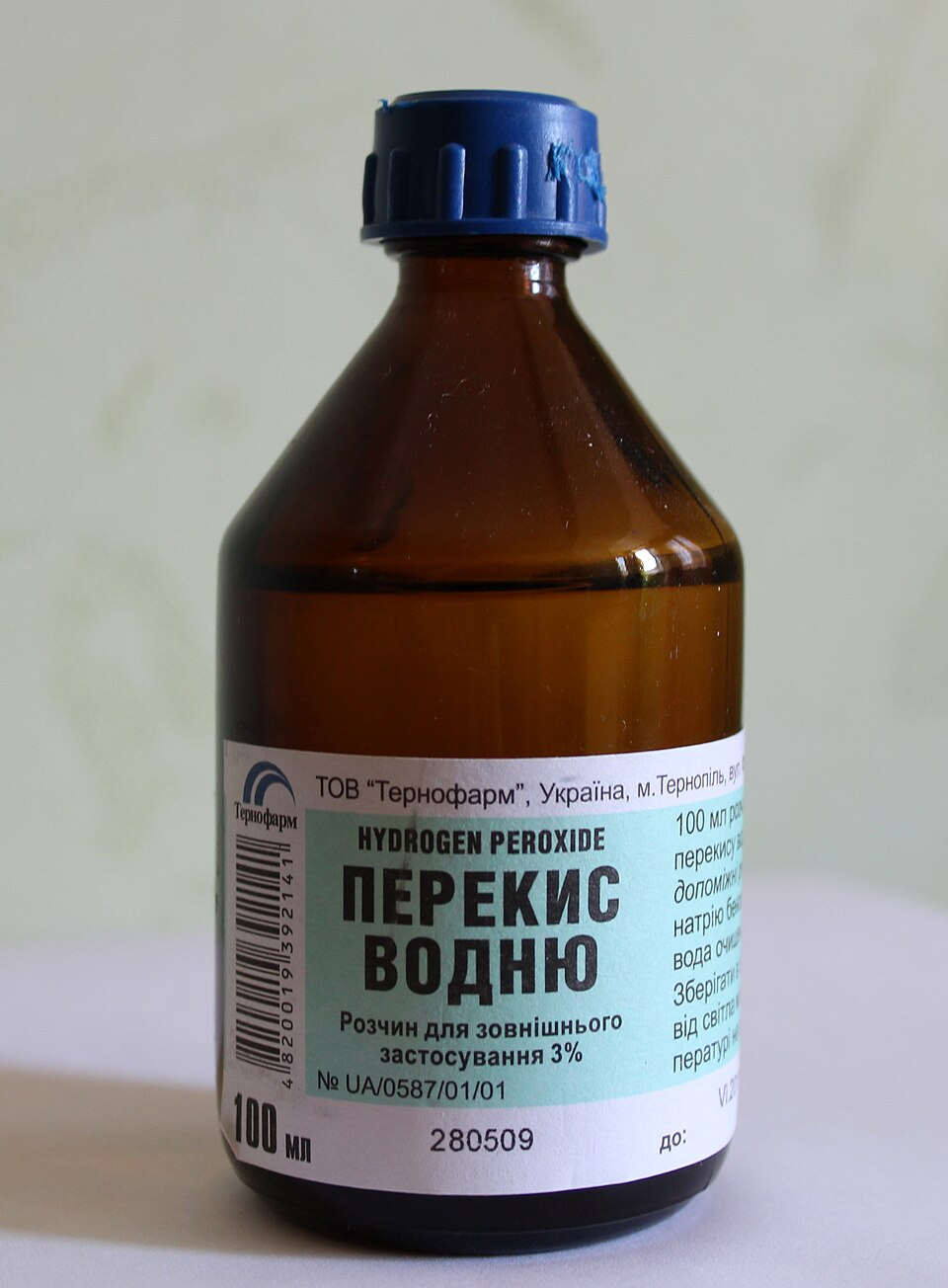
The domestic response to a graze was hydrogen peroxide, iodine or a strong antiseptic solution, applied generously, and the sting was understood as evidence that it was working. Children were taught to expect it to hurt.
Current wound care guidance for ordinary minor wounds is to clean with running water and mild soap and not to use hydrogen peroxide, iodine or strong antiseptics routinely, because they damage the tissue involved in healing without improving outcomes. The sting was the damage, not the disinfection.
Anything about an actual wound — a deep one, a dirty one, an animal bite, one that will not stop bleeding, or anything in somebody with a condition affecting healing — belongs with a clinician rather than with this list.
8. A wound needed to air out and the scab was the point
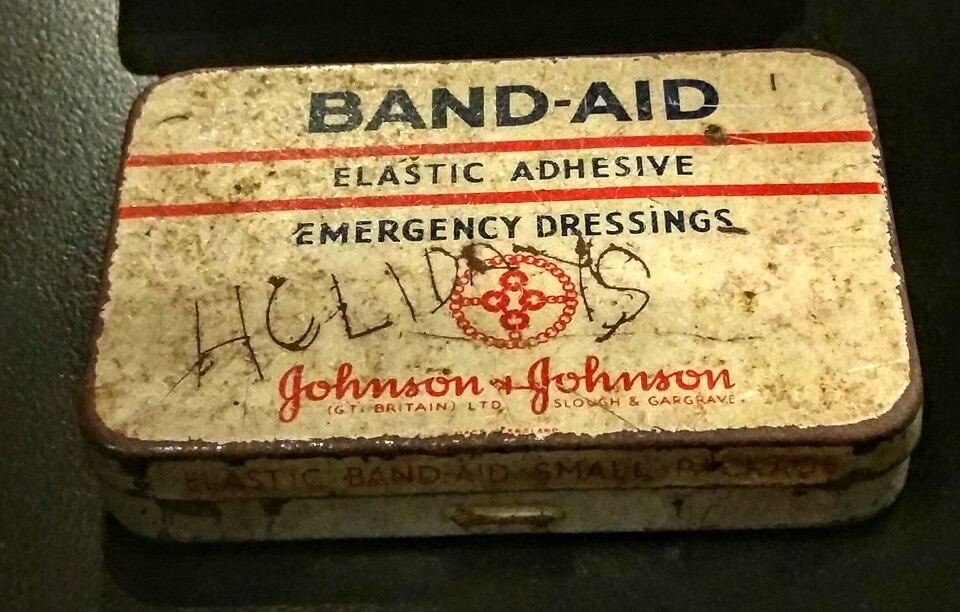
The instruction was to leave a healing wound uncovered where possible, to let it dry and form a scab, and to regard the scab as the body’s dressing. Covering a wound was thought to keep it wet and delay healing.
The finding that reversed it is that wounds heal better kept moist and covered than dried out, which is the basis of modern dressings; a dry scab is not an optimal environment and healing under a moist dressing is generally faster with less scarring. This is one of the better-established reversals in ordinary medicine and almost none of it has reached households.
The practical version is short: clean it, cover it, keep it covered. The specifics of what to cover it with, and anything beyond a minor wound, are a pharmacist’s or a clinician’s question.
9. Gargling with mouthwash prevented colds
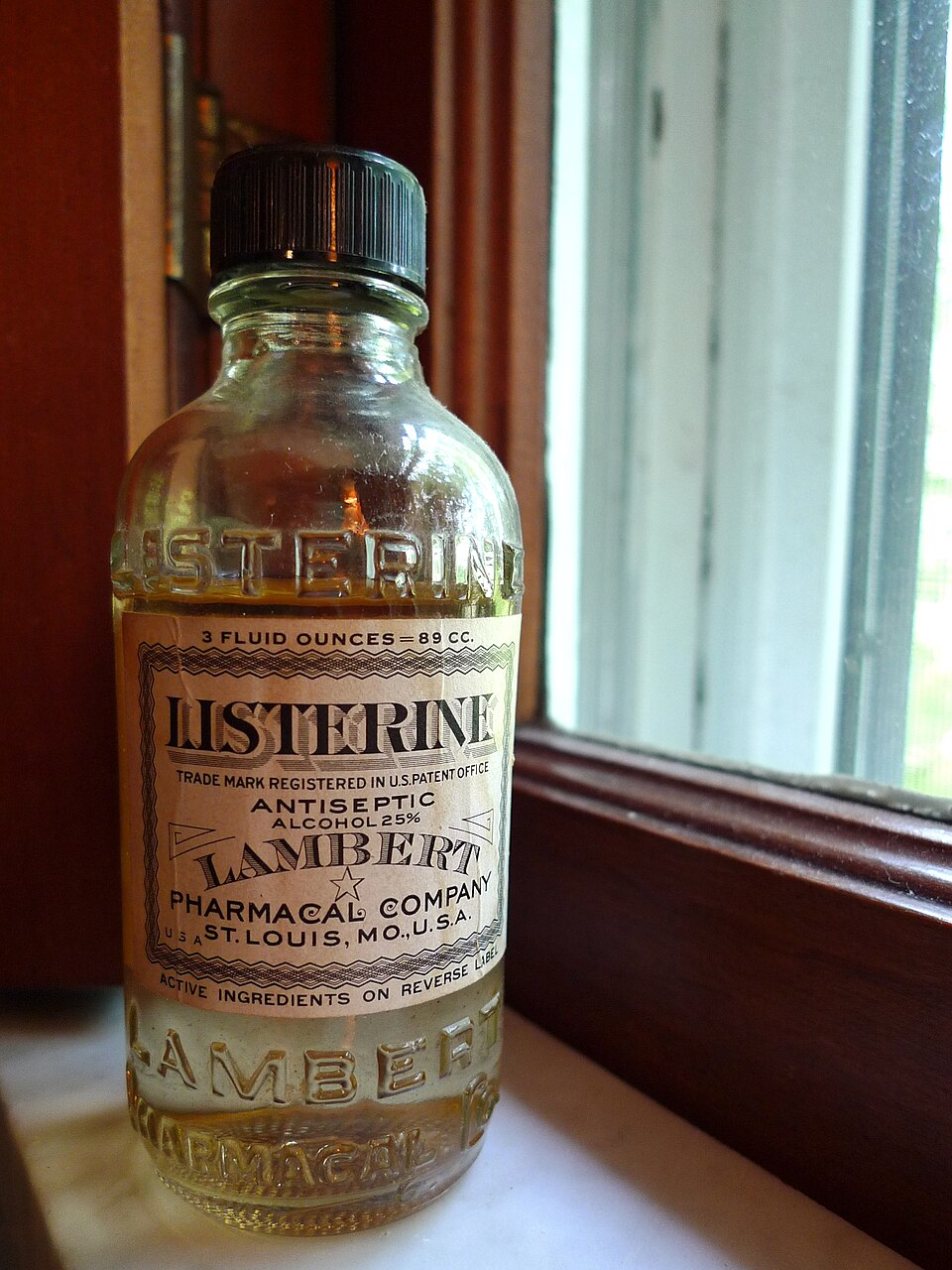
Antiseptic mouthwash and salt water gargles were used preventively, with the understanding that the throat was the gateway and that disinfecting it would stop an infection taking hold.
Colds are transmitted principally by hand contact with contaminated surfaces and by respiratory droplets, and gargling does not prevent them. A gargle may provide some symptomatic relief in a sore throat, which is a different claim, and the preventive claim is not supported.
The effort would have been better spent on the hands, which is the sentence that could be appended to most of the items in this file.
10. Raw food was rinsed before cooking because rinsing cleaned it
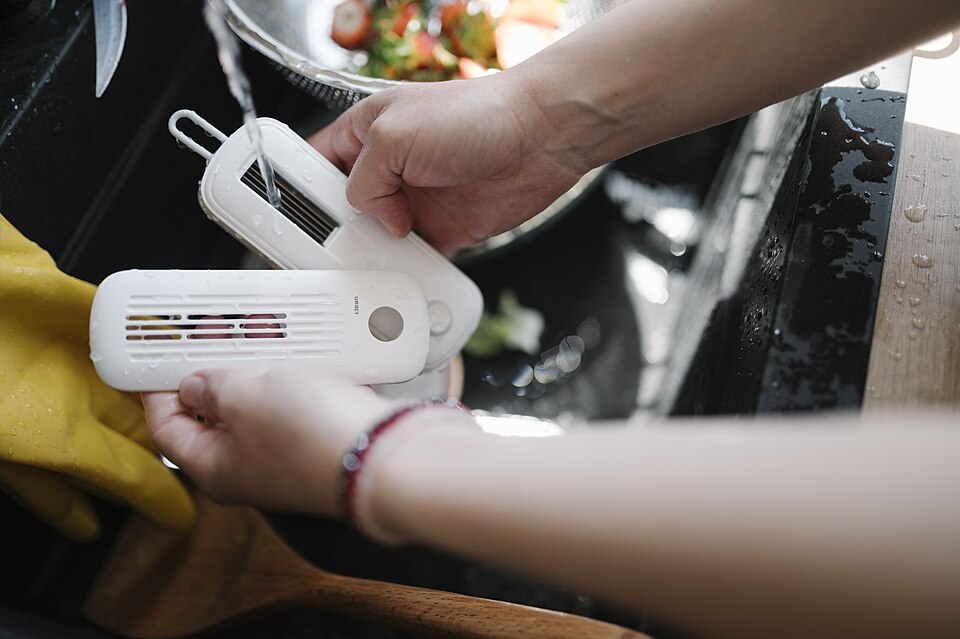
Rinsing raw poultry and other raw ingredients under the tap before cooking was universal kitchen practice, done on the straightforward reasoning that washing something makes it cleaner.
Current American food safety guidance is specifically against rinsing raw poultry, because the water spreads organisms around the sink, the taps and nearby surfaces and foods while removing very little from the food itself, and cooking is what addresses the organisms. Produce eaten raw is a different case and is washed.
This is the item in the file most likely to be happening in a reader’s kitchen tonight. The sink is the thing being contaminated, and it is where the dishes go.
11. Dropped food was fine if you picked it up fast
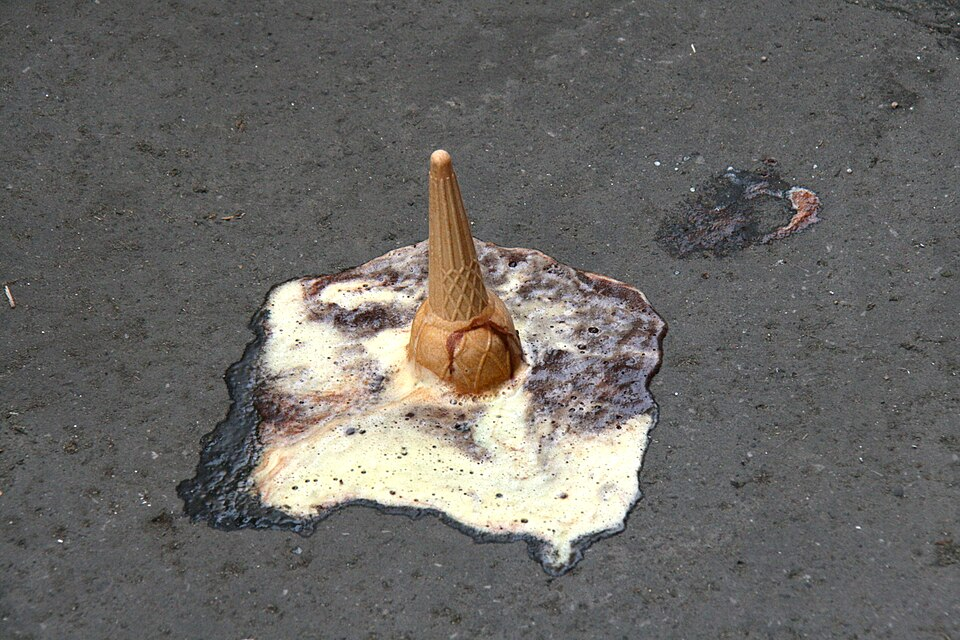
The five-second rule was in circulation and was treated as a real principle rather than a joke, and children were taught the number as though it had a basis.
It does not. Transfer of organisms to dropped food begins immediately on contact, and the variables that actually determine how much transfers are the moisture of the food, the type of surface and the level of contamination present — not the duration, which has a much smaller effect than the rule implies.
It is the most trivial item here and it is included because it is the one piece of 1965 hygiene folklore that has survived completely intact into the present, and because the real answer is more interesting than the rule.
12. And the thing 1965 got right, which was the first thing it taught
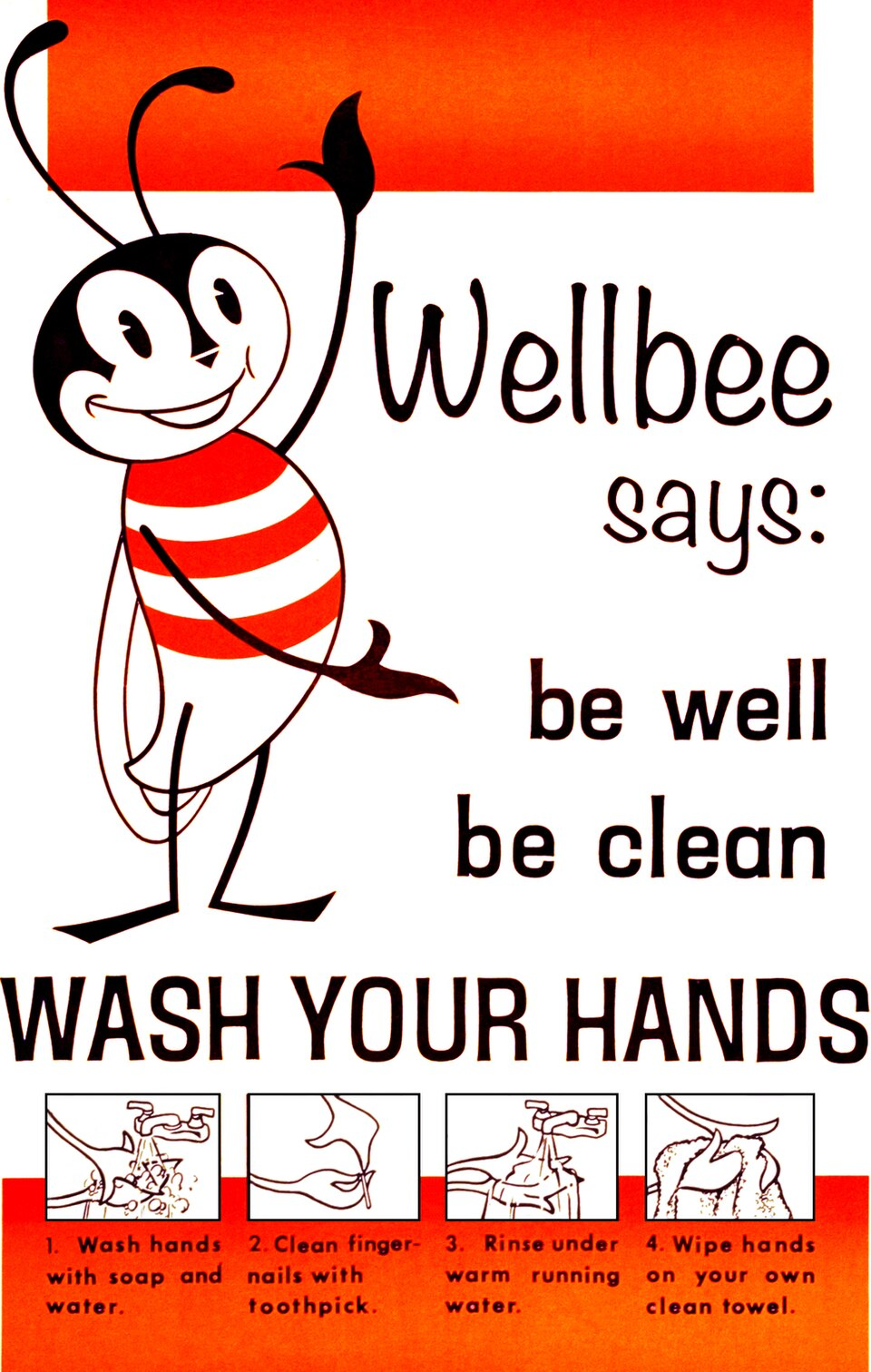
Wash your hands. Before meals, after the lavatory, after the garden, after the animals, when you come in. It was the most repeated instruction of any American childhood of the period and it was enforced relentlessly.
It is the correct answer, and the research since has only strengthened it: handwashing with plain soap and water is among the most effective public health interventions there is, for respiratory and gastrointestinal illness alike, and the refinements have been about technique and duration rather than about whether it works. The 1965 household overrated the temperature and underrated the duration, and got the principle exactly right.
The honest summary of this file is that the single instruction 1965 repeated most often was the one that mattered most, that nearly everything built on top of it — the sterile house, the antibacterial products, the toilet seat, the antiseptic, the gargle, the hot water — was either useless or counterproductive, and that two of its kitchen habits are still being practised. This is an account of how the guidance changed and is not medical advice; anything about an actual wound or illness belongs with a clinician.
Targeted hygiene, and the two things still happening in kitchens
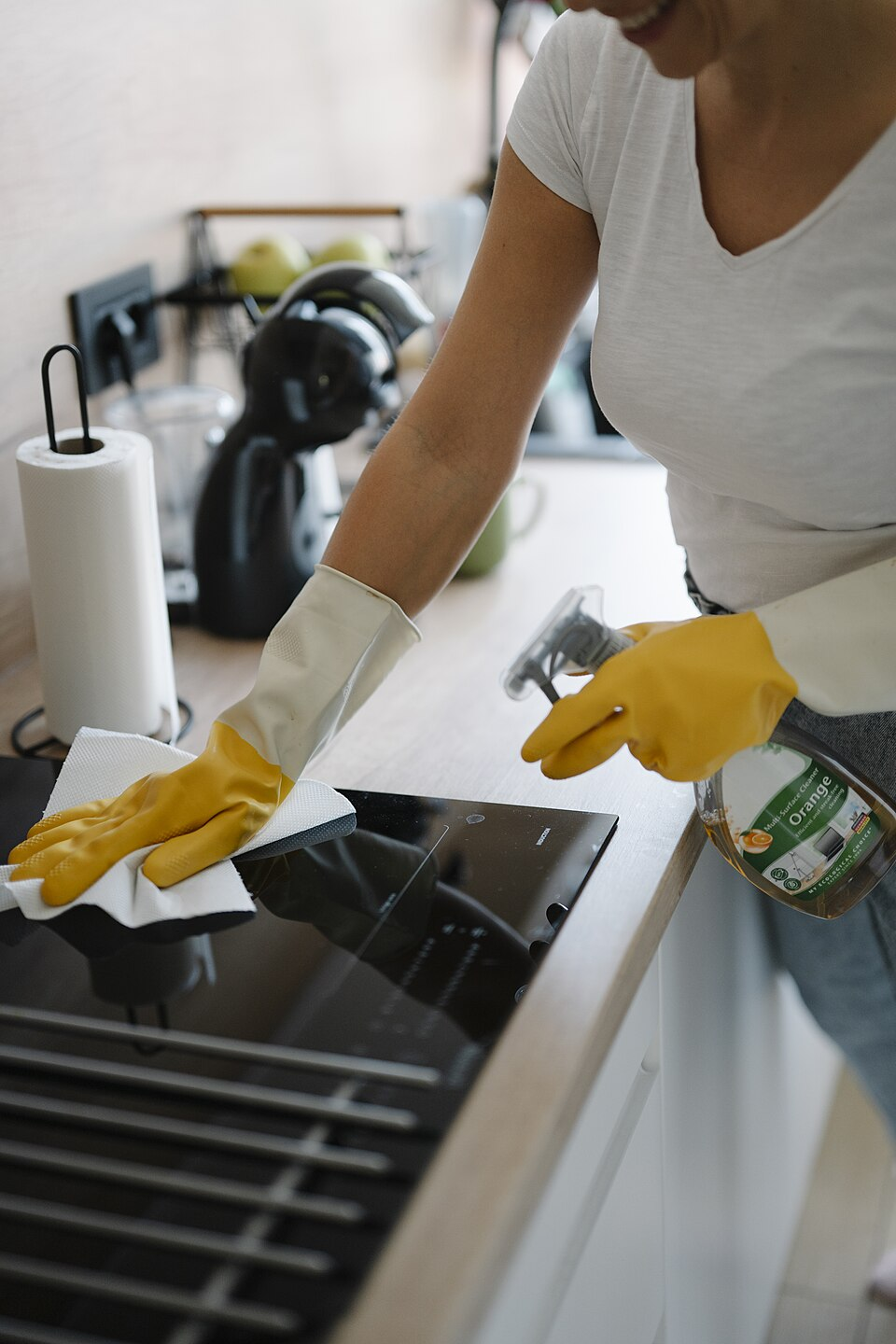
The idea that reorganised this whole subject is targeted hygiene: instead of trying to reduce the total quantity of microorganisms in a house, concentrate effort at the points where transmission actually occurs. Hands, food preparation surfaces, cloths and anything in contact with a wound matter a great deal. Floors, walls, door frames and the inside of a wardrobe matter very little, and the 1965 household spent most of its effort on the second category with the strongest products it could buy.
That reframing explains the triclosan result, which is the most consequential regulatory finding in the file. When manufacturers were required to demonstrate that antibacterial washes were safe for long-term daily use and more effective than plain soap and water, they could not, and the products came off the American market. Plain soap and water was the answer the 1965 household already had and was being persuaded out of.
Two items are not history. Rinsing raw poultry under the tap before cooking spreads organisms around the sink and the surfaces nearby while removing very little from the food, and current American guidance is specifically against it — produce eaten raw being the separate case that is washed. And the wound advice has reversed completely: ordinary minor wounds are cleaned with running water and mild soap, not hydrogen peroxide or iodine, and they heal better covered and moist than dried out under a scab.
Four things from this are worth acting on tonight: plain soap and water rather than anything antibacterial, comfortable water temperature and a longer wash rather than a hotter one, no rinsing of raw poultry, and minor wounds cleaned with water and mild soap then covered rather than dried out.
This is an account of how the advice changed and is not medical advice. Anything about an actual wound, an actual illness or a particular person’s circumstances belongs with a clinician or a pharmacist rather than with an article about 1965.
Like our content? Follow us for more.
