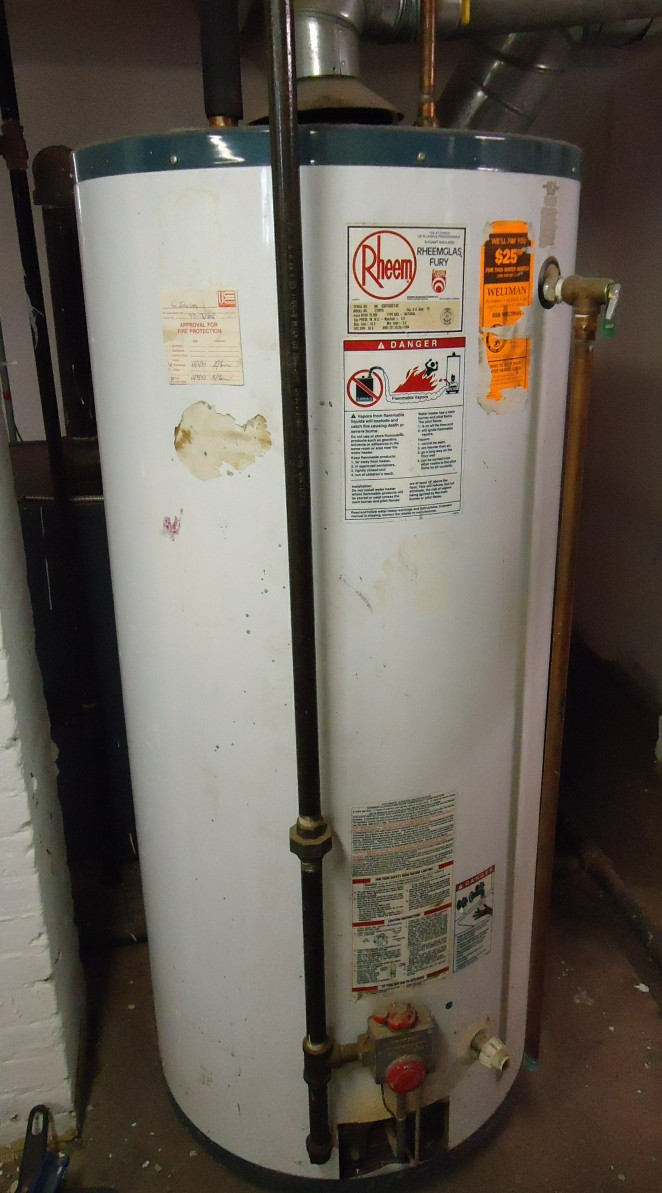
A water heater is the most dangerous appliance in an ordinary house and almost nobody thinks about it, which is a measure of how well the engineering now works rather than of how benign the thing is. Inside the jacket is a steel tank containing a large volume of water, heated by a flame or an element, under mains pressure, in a closed system.
The American basement heater of 1960 was the same object with fewer protections. Some of what has been added since is about efficiency and some is about the tank lasting longer, but the significant additions are all about the same short list of ways the arrangement can fail, and each one was added in response to failures that had already happened.
The valve on the top, and what happens without it
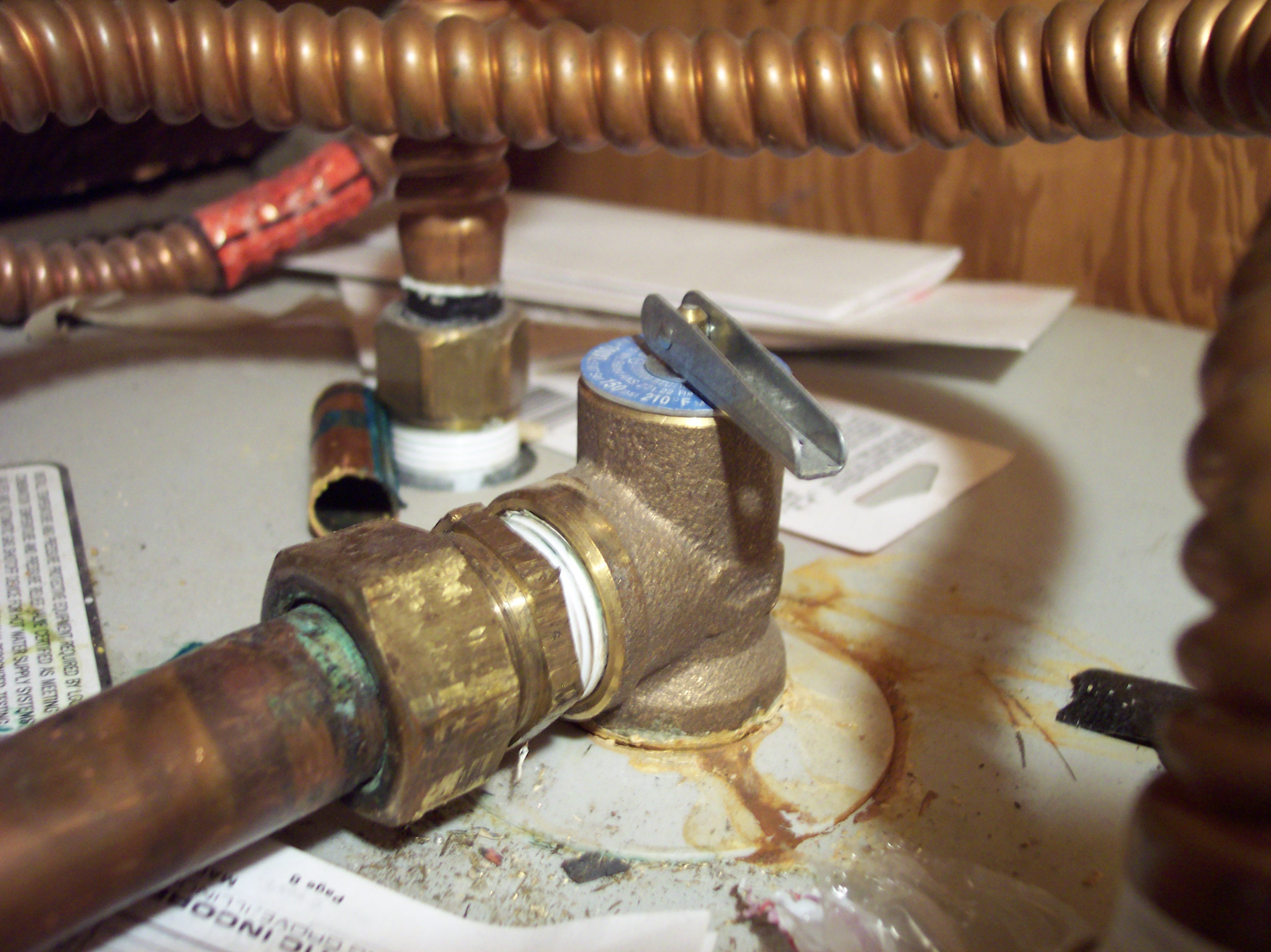
The single most important fitting on a modern water heater is a temperature and pressure relief valve, screwed into the top or upper side of the tank, with a discharge pipe running down to within a few inches of the floor. Its job is to open if either the pressure or the temperature inside the tank rises beyond a set point, and to dump water rather than let the vessel keep building.
Without it, a heater with a failed thermostat does not simply overheat. Water under pressure can be heated well above its atmospheric boiling point and stay liquid, and if the tank then ruptures that superheated water flashes into steam almost instantaneously, expanding by a factor in the hundreds. The tank becomes a projectile. There are documented American cases of heaters going through a ceiling and a roof, and the physics is the same as any pressure vessel failure.
Many 1960 installations had a relief valve of some kind, but requirements for temperature as well as pressure, for correct rating, for a discharge pipe of the right size terminating safely, and for the valve not to be plugged or piped uphill, were tightened progressively over the following decades. The characteristic 1960 fault was not the absence of a valve but a valve that somebody had capped because it dripped. A relief valve that weeps is usually telling you something about the system pressure, and the 1960 householder had no reason to know that and a brass plug in the toolbox.
Like our content? Follow us for more.
The thermostat was set where the installer left it
Tank thermostats in 1960 were commonly left at the high end of their range, often around 150 to 160 degrees Fahrenheit, because hotter water meant a smaller tank went further and because nobody was thinking about the tap end of the system. There was no mixing valve, no anti-scald device at the fixture and no thought given to who would be turning on the bath.
The American consumer safety position shifted decisively in the 1970s and 1980s toward a lower tank setting, with 120 degrees Fahrenheit the figure now generally recommended for households, specifically because the time it takes for hot water to injure skin falls very sharply as temperature rises. The difference between those two settings is the difference between a long interval to react and a very short one, and small children and older adults have both thinner skin and slower reactions.
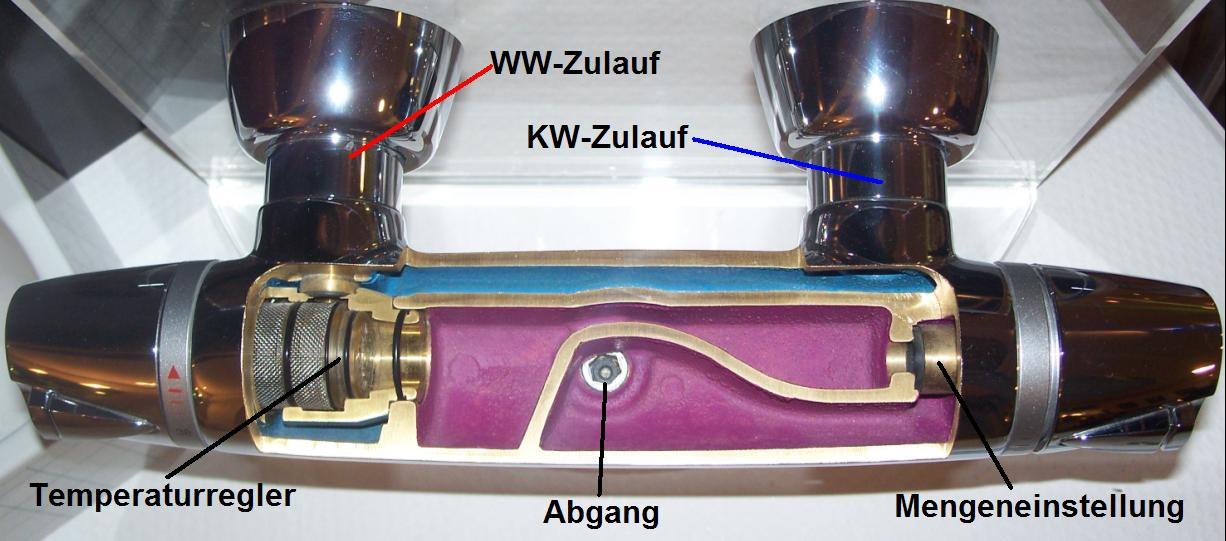
There is a genuine tension here, which is that a tank held at a lower temperature is more hospitable to the bacterium that causes a particular form of pneumonia, and that risk is the reason some guidance favours storing hotter and mixing down at the outlet rather than simply turning the tank down. The modern answer is thermostatic mixing, which gets both properties at once, and it is the piece of hardware a 1960 house most conspicuously lacked.
The flue, the closet and the air the burner needed
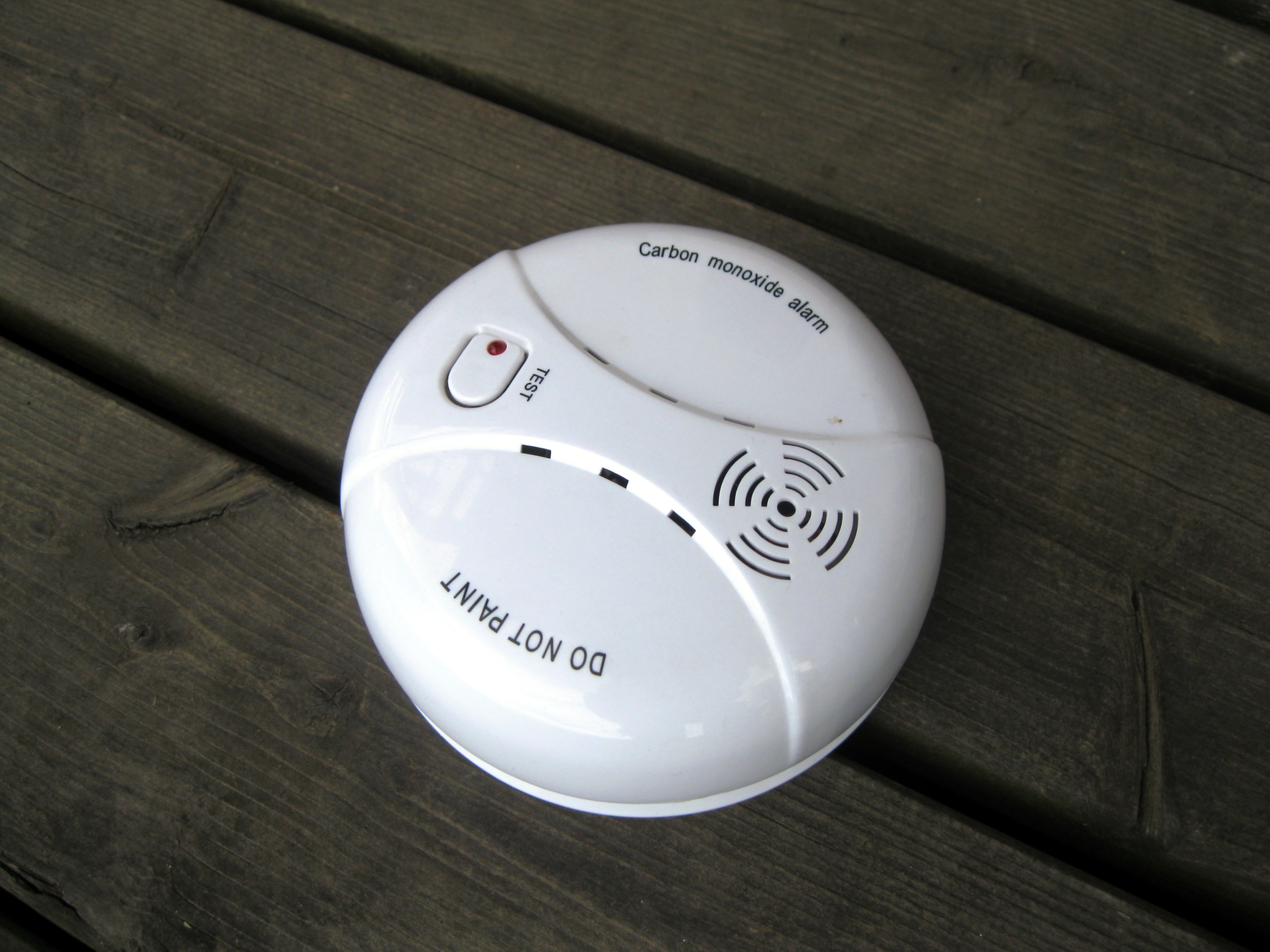
A gas heater burns fuel and must get its combustion products outside. In 1960 that was done with a draft hood and a flue into a chimney, relying on the buoyancy of hot gas, with no mechanical assistance and no detection of whether it was working. If the chimney was blocked, or if the house was depressurised enough to reverse the flow, the products came back into the room.
The products include carbon monoxide, which is colourless, has no smell and interferes with the blood’s ability to carry oxygen. In 1960 there was no domestic detector available, and the practice of putting a gas heater in a small closet inside the living space, with inadequate combustion air, made the failure mode easier to reach. Modern codes specify combustion air provision, flue sizing and materials, and in many jurisdictions a sealed-combustion or power-vented appliance for interior locations, and the detector is now required by law in dwellings across most of the United States.
The detector is worth stating as the single largest safety gain in this entire subject. It is cheap, it does not depend on the installation being correct, and it addresses the one hazard in the list that gives no warning of its own.
The pilot light and the can of gasoline
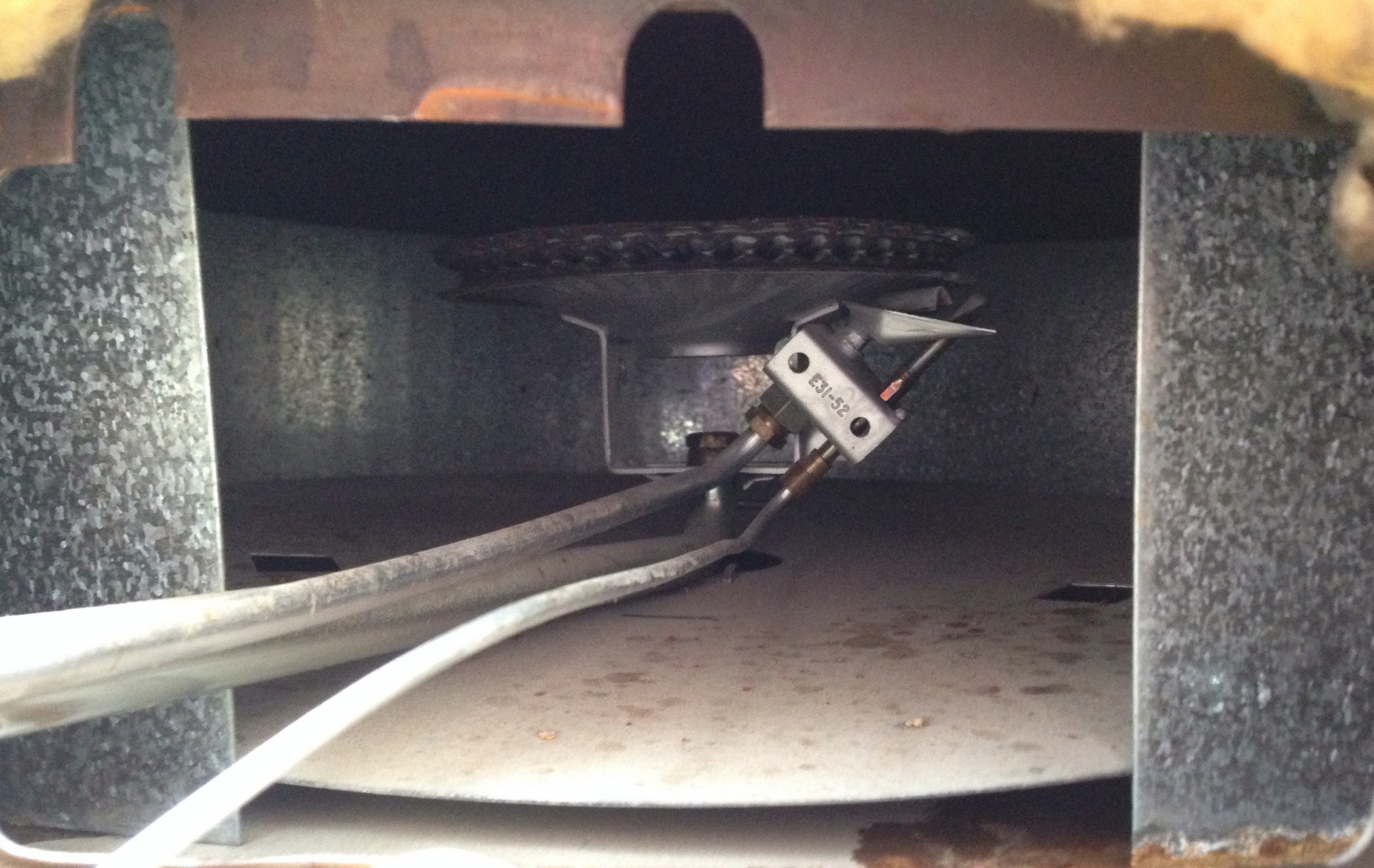
The other 1960 arrangement that would not now be permitted was a standing pilot flame burning a few inches above a basement or garage floor, in a space where households routinely stored a gasoline can, a lawnmower, paint thinner and solvents. Petrol vapour is heavier than air, it travels along the floor, and an open flame at ankle height is an ignition source positioned exactly where the vapour goes.
This was recognised as a recurring cause of American house fires and it produced a specific engineering response. From the early 2000s, residential gas water heaters sold in the United States have had to meet a flammable vapour ignition resistant standard, which encloses the combustion chamber, draws air through a flame arrestor screen and shuts the appliance down if the screen blocks. It is the clearest example in domestic plumbing of a hazard eliminated by redesigning the appliance rather than by warning the householder.
Alongside it came requirements about elevating ignition sources in garages, and the standing pilot itself has largely given way to electronic ignition, which removes the permanent flame altogether. The combined effect is that the modern appliance no longer has anything burning in it when nobody is drawing hot water, which is most of the day.
The tank, the anode and the asbestos
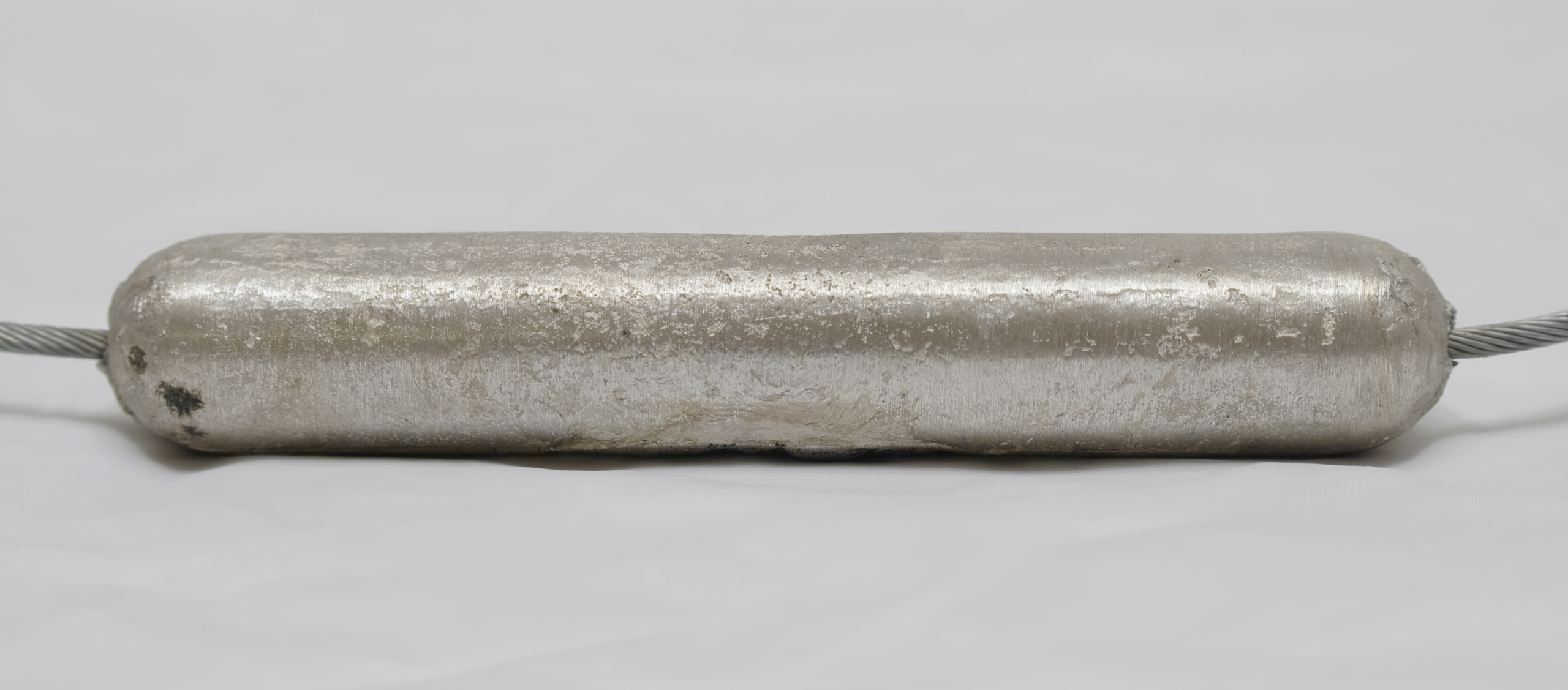
A 1960 tank was often galvanised steel, and the glass-lined tank with a sacrificial magnesium or aluminium anode rod — a deliberately more reactive metal that corrodes instead of the tank — became standard later. The anode is the reason a modern heater lasts as long as it does, and replacing it is the one piece of maintenance that extends a tank’s life, which almost nobody does.
Insulation is the other difference. Early tanks were lagged with whatever was cheap, and asbestos-containing insulation blankets and asbestos-cement flue connectors were used on domestic heating appliances of the period. Any 1960-vintage heating installation still in place is a reason to have material identified before anybody disturbs it, and the federal guidance on asbestos in the home is consistently to leave undamaged material alone and to use a trained contractor rather than to remove it as a precaution.
Seismic strapping, expansion tanks on closed systems, drain pans with a piped outlet under heaters in living space, and dielectric unions between dissimilar metals all arrived later as well. None of them is dramatic and all of them address something that was going wrong.
What to actually do with an old one
Nothing in this is a repair guide, and the hardware involved is the reason. A relief valve, a flue, a gas connection and a pressure vessel are all things where an incorrect intervention produces a worse outcome than leaving it alone, and water heater work is licensed in most American jurisdictions for exactly that reason.
The two things a householder can usefully do are both observational. Know where the relief valve discharge goes and whether anything has been capped or plumbed uphill, and have a working carbon monoxide alarm on the relevant floor. Anything beyond that — the temperature setting, mixing valves, combustion air, venting, an unidentified insulating material — is a conversation with a licensed plumber or a gas-qualified technician, and in an older house it is worth having before something prompts it.
The 1960 heater was not a bad machine. It made hot water reliably for twenty years in millions of American houses and most of them never gave anybody a moment’s trouble. What it lacked was the layer of protection that assumes the thermostat will eventually stick, the chimney will eventually block and somebody will eventually leave a petrol can next to the burner — which is the assumption every modern code is built on, and the reason the appliance in the basement now is boring.
That shift in assumption is the whole history of domestic safety engineering in miniature. The 1960 approach was to build a sound appliance and expect it to be installed properly, maintained occasionally and treated sensibly, and when something went wrong the explanation was usually that somebody had failed to do one of those things. The modern approach starts from the position that all three will fail eventually in a proportion of houses, and that the appliance therefore has to be designed so that the consequences are a puddle rather than anything else. It is a less flattering view of the householder and it has saved a very large number of basements.
Like our content? Follow us for more.