

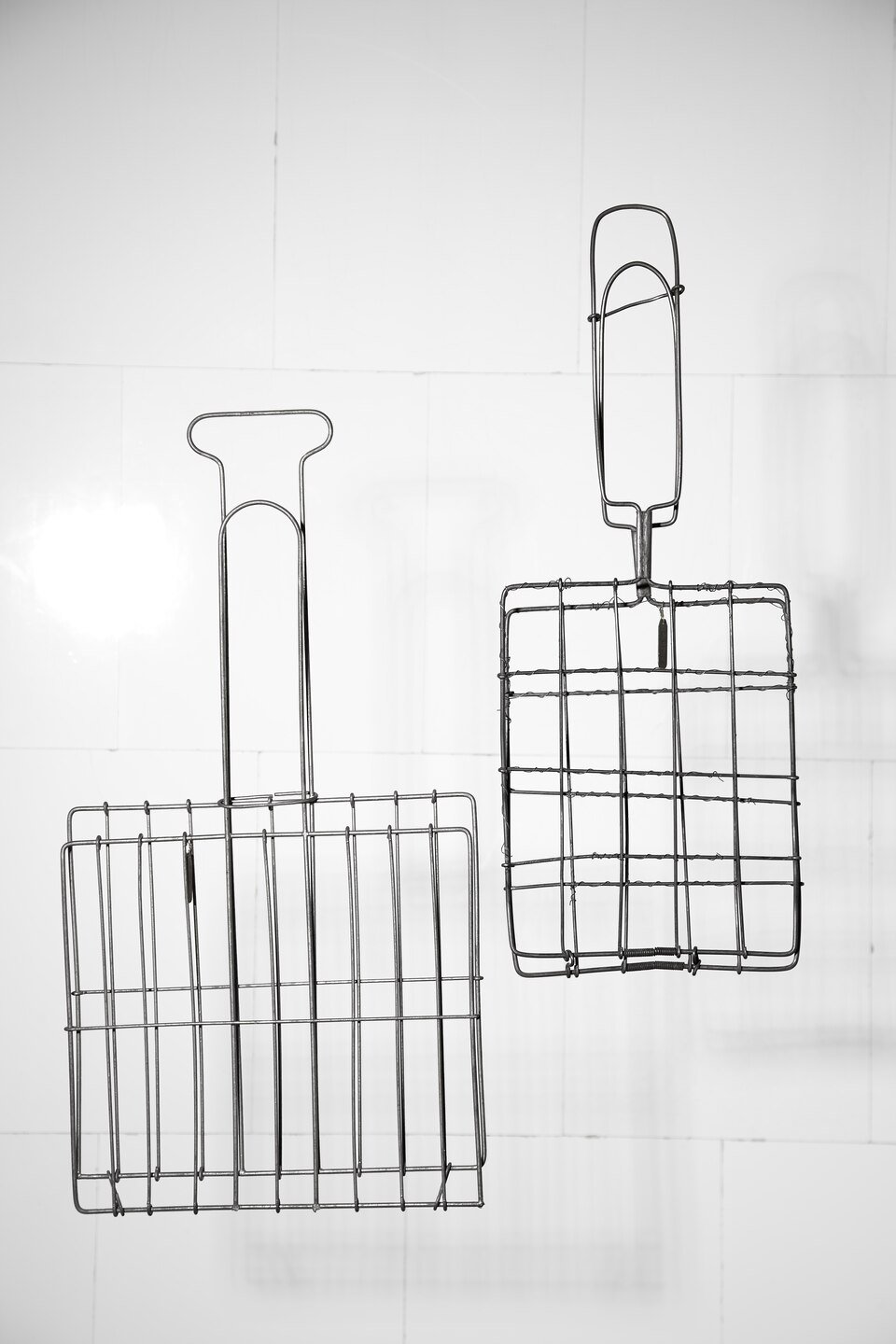
It was a wire tent that stood on a hot stove lid, and that is very nearly all there was to it.
Four sloping panels on a flat base, a hinge, no moving parts and nothing to set. Slices of bread leaned against the sloping wire and browned. The heat came off the stove, which was already lit for other reasons, and the frame cost a tinsmith a few minutes of wire and sheet – so a household got a dedicated toasting tool without buying anything that consumed fuel or took up space when idle.
The one thing it added was the angle, and the angle was the invention. Bread laid flat on hot iron conducts heat straight into the face touching the metal, which scorches that side while the inside stays cold and damp. Bread held at a slope above the surface receives heat as radiation across a gap, spread evenly over the whole face. Here are twelve things every family knew.
1. It Was a Wire Tent That Stood on a Hot Stove Lid
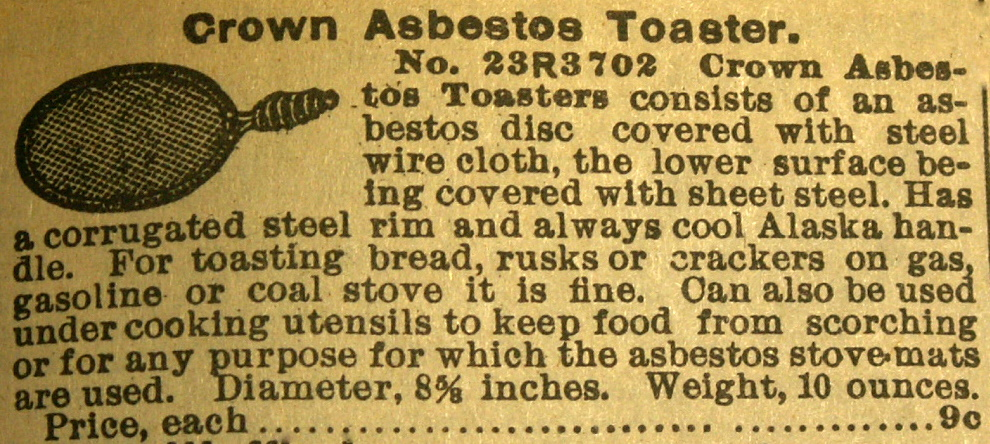
The whole device was a folded wire frame, usually a four-sided pyramid, that sat directly on the stove top with slices of bread leaned against its sloping panels.
An electric appliance with a timer and a spring.
Start with the object, because it is so simple that people assume it must have been more than it was. Four sloping wire panels on a flat base, no moving parts beyond a hinge, nothing to adjust and nothing to set – it was a rack that held bread at an angle above a hot surface, and that is the entire design. The only thing it added to the process was the angle, and the angle was the whole invention.
The elegance is that it required nothing the kitchen did not already have. The heat source was the stove, which was already lit for other reasons, and the device cost almost nothing to make – a tinsmith could produce one from wire and sheet in a few minutes. So a household got a dedicated toasting tool without buying anything that consumed fuel or occupied space when it was not in use.
Like our content? Follow us for more.
2. It Worked by Radiant Heat, Not by Contact
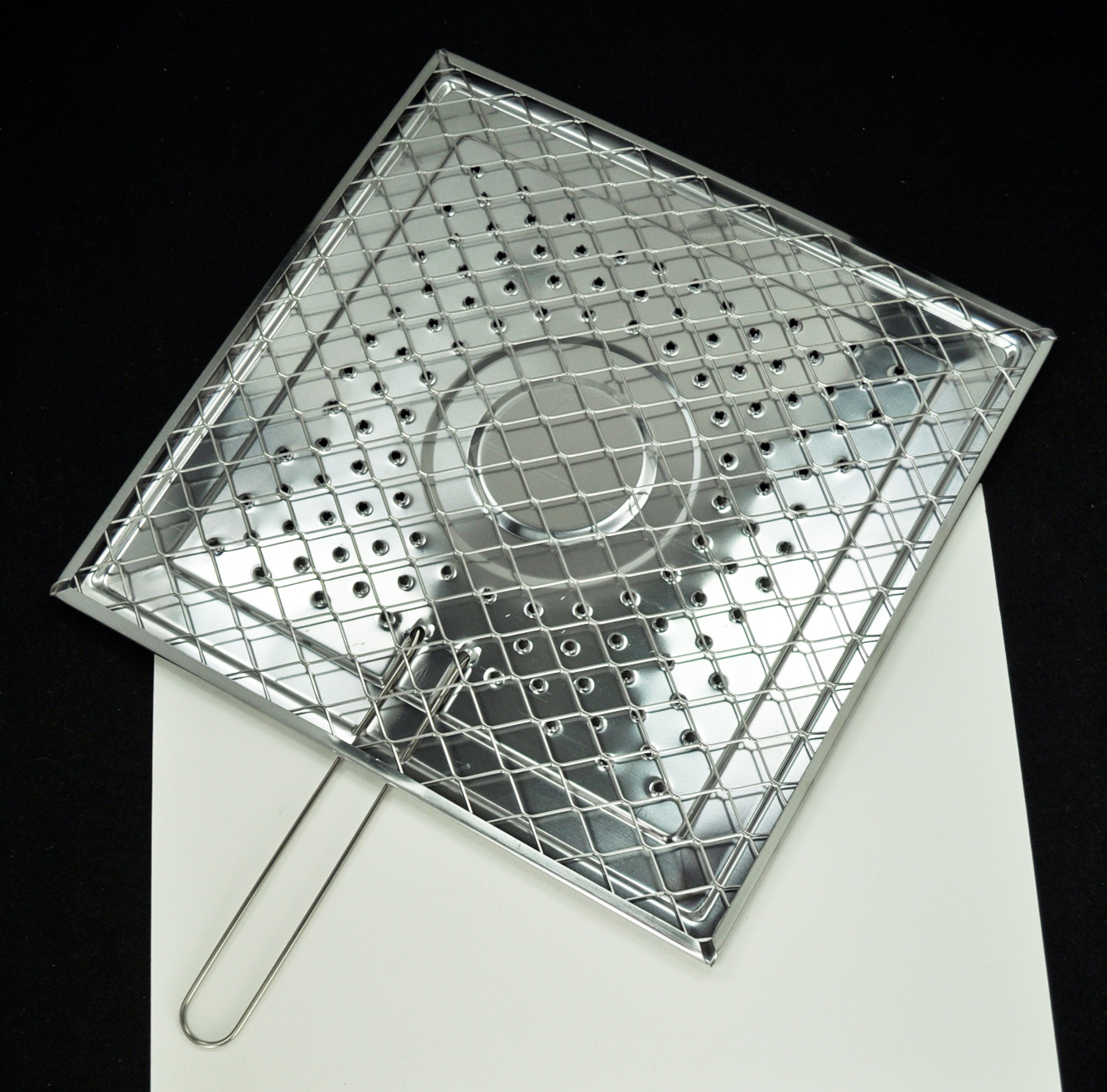
The bread never touched the stove. It was held at a distance and browned by heat radiating off the hot iron surface below it.
Radiant heat from an element, the same principle.
The distinction between radiant and conductive heating is the mechanism of the whole thing and it is worth being precise about. Bread laid flat on a hot plate conducts heat directly into the surface touching the metal, which scorches that face while the inside stays cold and damp. Bread held above the surface receives heat as radiation across the gap, which warms the whole exposed face more evenly and drives moisture out of it rather than searing it.
Which is why the angle mattered so much. A slice leaning at a slope presents its face to the radiating surface at close to a right angle, so the heat arriving is spread across the whole face rather than concentrated at the nearest edge. The sloping panels are not a convenience for leaning bread against – they are an aiming device, and the geometry is the reason the toast came out evenly browned.
3. The Stove Lid Was the Heating Element
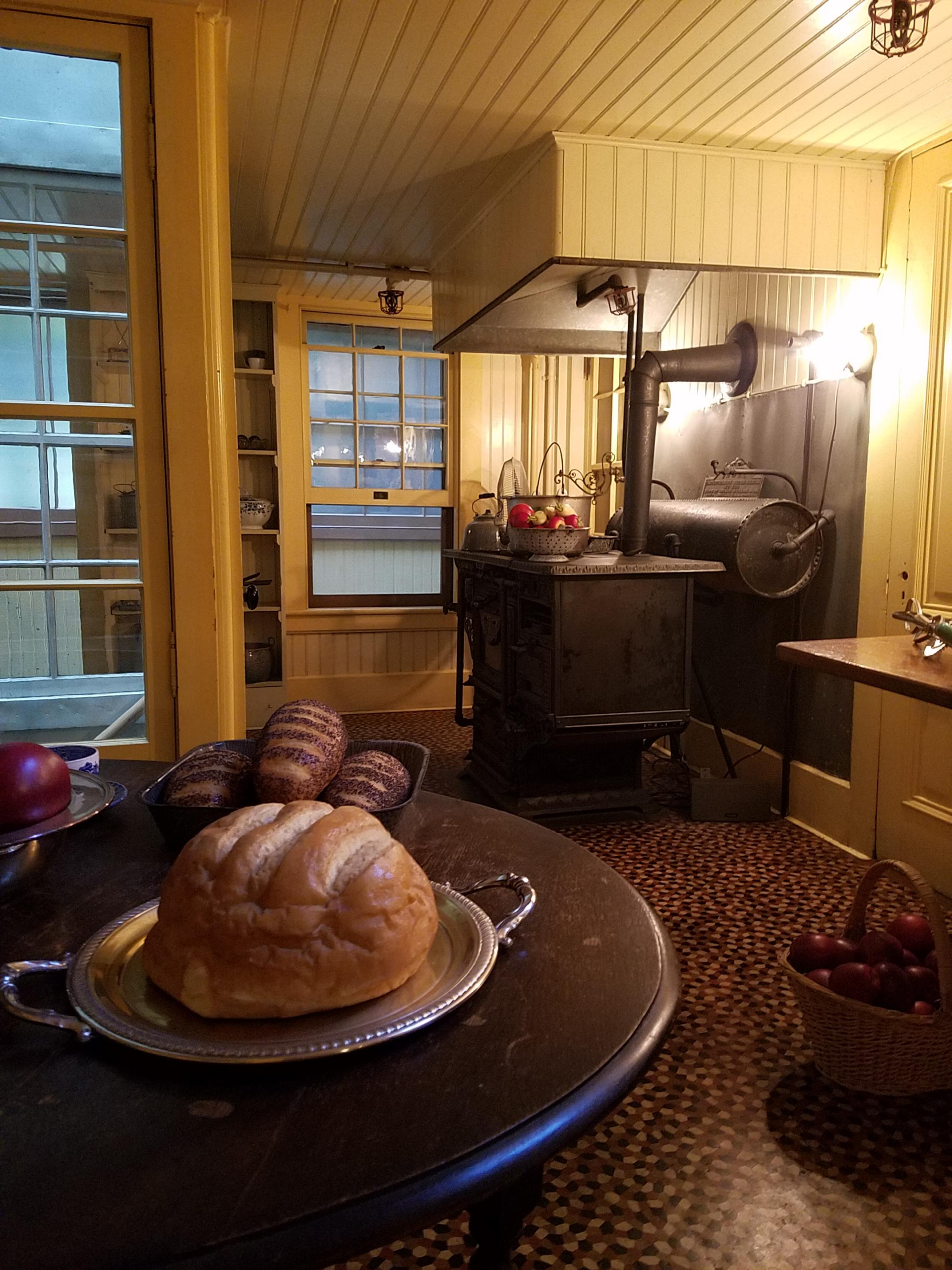
The device had no heat of its own. Its performance depended entirely on how hot that particular part of the stove happened to be at that particular moment.
Standardised and thermostatically controlled.
This is the constraint that defined the experience and it is completely alien to anybody raised on an appliance. A cookstove is not uniformly hot: the area directly over the firebox is fierce, the far end is moderate, and both change continuously as the fire burns down or is refuelled. So the same device in the same kitchen produced different results from one morning to the next.
The practical consequence is that the operator was managing a variable, not following a procedure. You chose where on the stove to stand the toaster based on how the fire was doing, and you moved it if it was browning too fast or not at all. Nothing about the operation could be learned once and repeated – it had to be judged every time, which is why people who grew up with these remember watching rather than waiting.
4. Somebody Had to Turn Every Slice by Hand
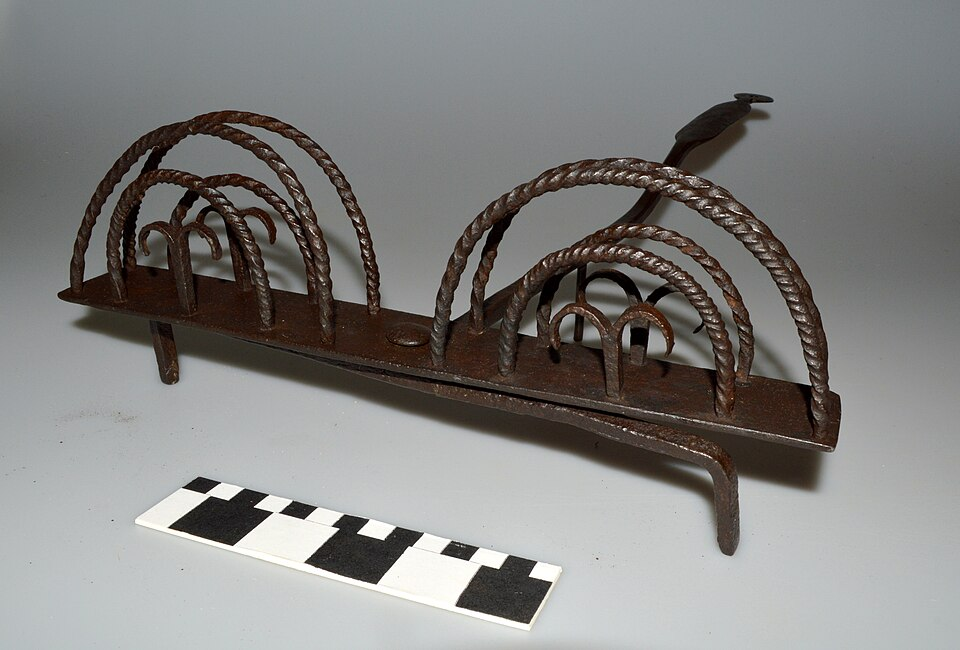
Only the face toward the wire browned, so each slice had to be taken off, reversed and leaned back on to do the second side.
Both sides at once, automatically.
The turning is the labour at the centre of the object and it is what makes toast-making from this period a job rather than a step. One side browns while the other does nothing, so the full operation is: lean the slices, watch, remove, reverse, replace, watch again, remove. With four slices on a four-sided frame that is eight separate handling operations, all of them on a hot stove.
And the handling was genuinely awkward. The frame is hot, the slices are hot, and the bread is fragile once it has dried on one face – so it was done with fingers, a fork or a cloth, quickly, and with a reasonable chance of dropping something. The appliance that replaced it did not toast better, it simply did both faces at once and told you when to stop, which eliminated every one of those operations.
5. Watching It Was the Only Timer There Was
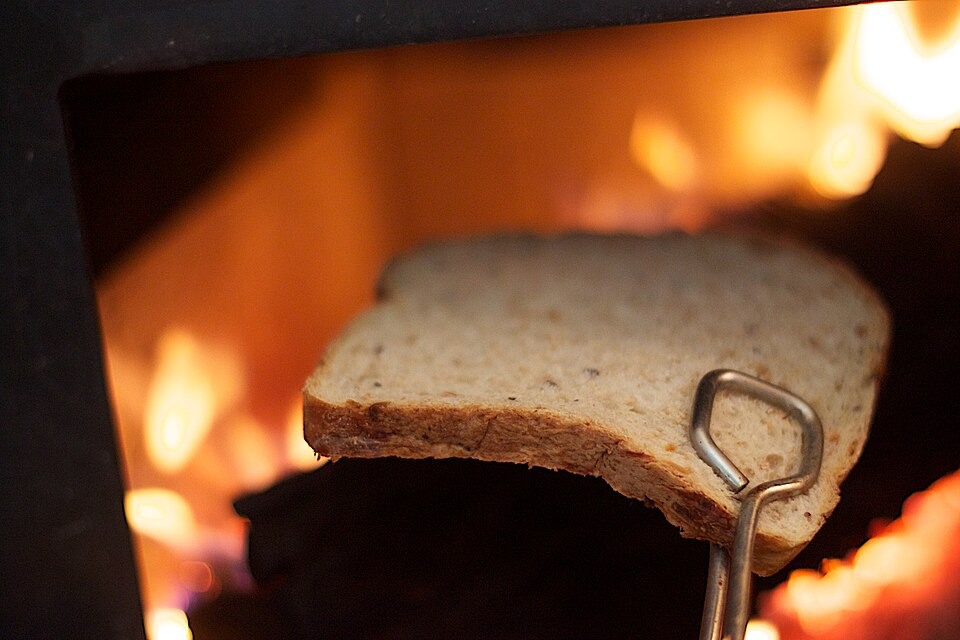
Nothing measured the process. The person making toast stood at the stove and judged by colour and smell when each side was done.
A dial.
The absence of any timing mechanism is the real difference between this and what came after, and it shaped the morning. Toast made this way cannot be started and left, because the variables – stove temperature, bread thickness, bread dryness – all change the time required, and none of them is known in advance. The only reliable indicator is the toast itself.
So somebody stood there. In a household getting several people fed and out of the house, that means one person was fully occupied at the stove for the duration, which is a real allocation of labour at the busiest point of the day. The pop-up appliance did not just automate a task; it released a person from standing still at the exact moment a household least wanted anybody standing still.
6. Toast Was How Yesterday’s Bread Became Worth Eating Again
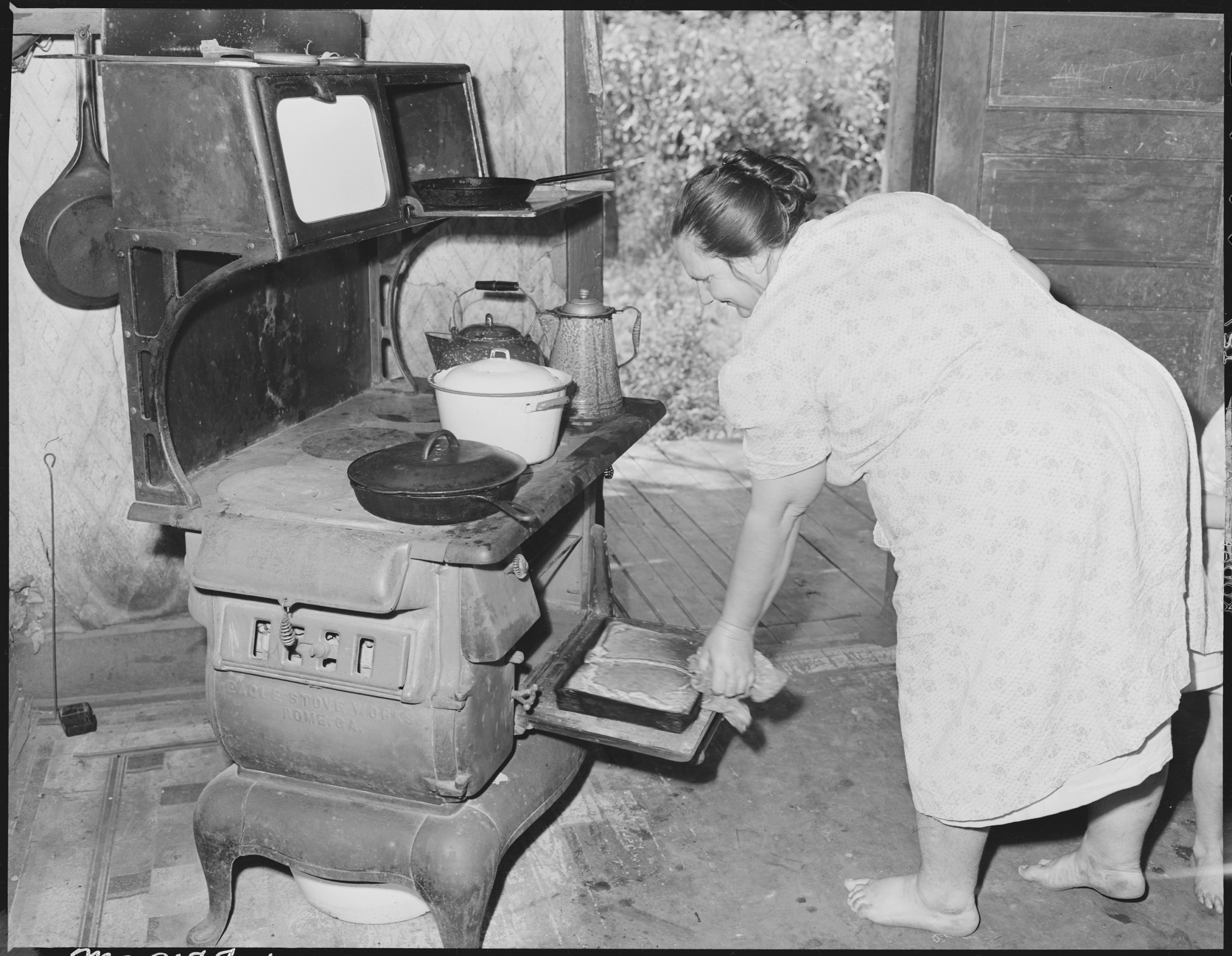
Driving moisture out of the surface and browning it transforms bread that is past its best into something good, which is why toast was made in quantity rather than occasionally.
Toast as a preference rather than a rescue.
The reason this device existed in every kitchen is economic, and it gets forgotten entirely. A household that baked in quantity on a fixed day had bread of several different ages at any moment, and the older loaves were perfectly sound but no longer pleasant to eat plain. Toasting changes the surface chemistry and the texture, which makes that bread good again.
Which means the toaster was not a breakfast gadget but a salvage tool. It converted a declining asset back into something anybody would choose to eat, every single morning, at no cost beyond heat the stove was producing anyway. That is a better argument for a kitchen object than almost anything else in these files, and it is the reason the wire frame hung by the stove rather than living in a cupboard.
7. Thickness Was Decided by Whoever Held the Knife
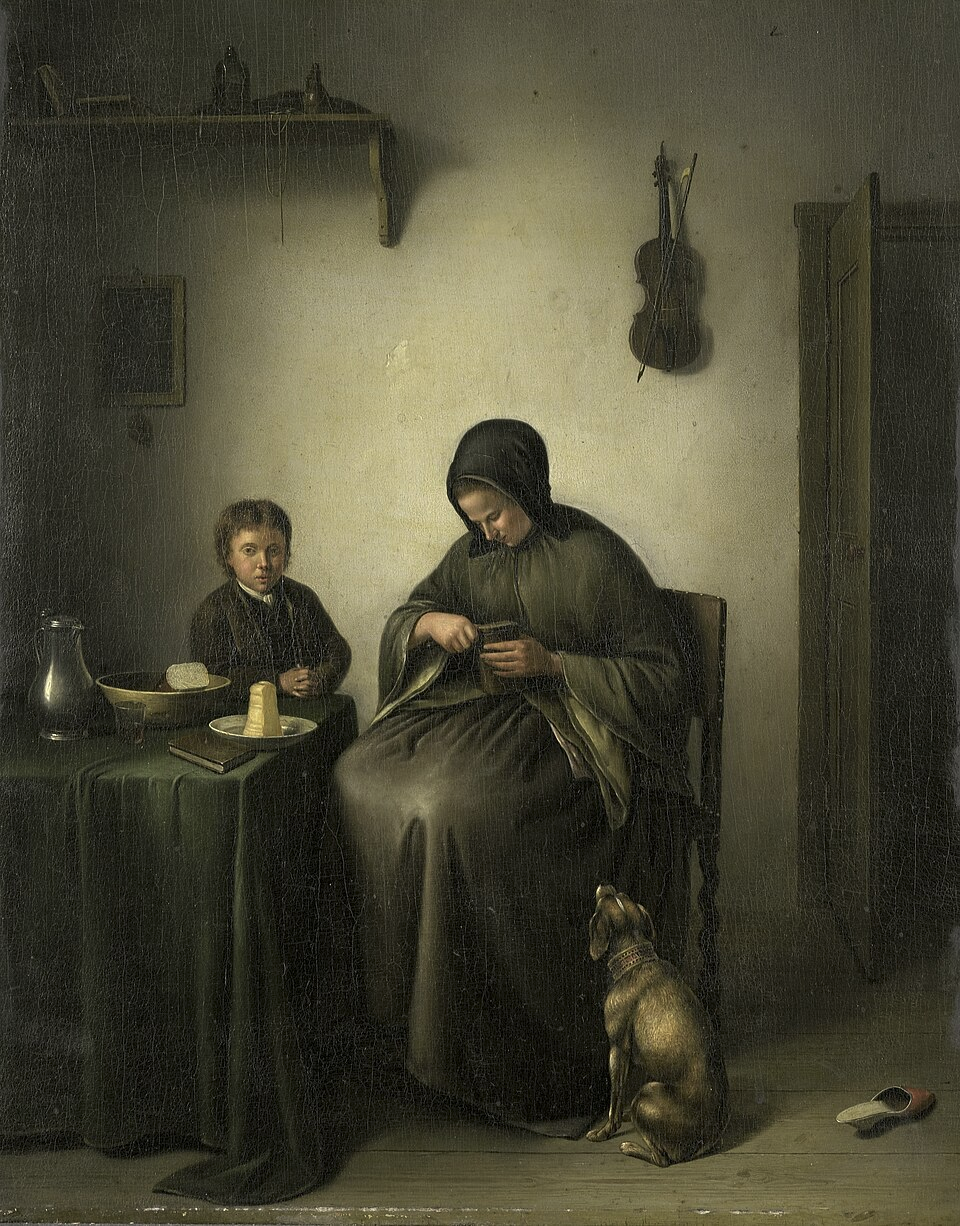
Bread was cut from the loaf by hand, so slices varied in thickness, and thickness changed how long each side needed.
Uniform, machine cut.
Hand slicing introduces the variable that makes the whole operation unrepeatable and it is worth noticing. A thick slice needs longer and browns unevenly if the heat is fierce; a thin one scorches before the inside warms at all. Since both might be on the frame at once, the operator was running two different processes simultaneously and had to remove them at different moments.
This is also why old instructions and old habits are so resistant to being written down. Everything depended on the actual slice in front of you, and the only transferable skill was learning to read the bread rather than the clock. People who were good at this were reading several things at once – the fire, the slice and the colour – and doing it while also cooking something else.
8. The Frame Folded Flat and Hung on a Nail
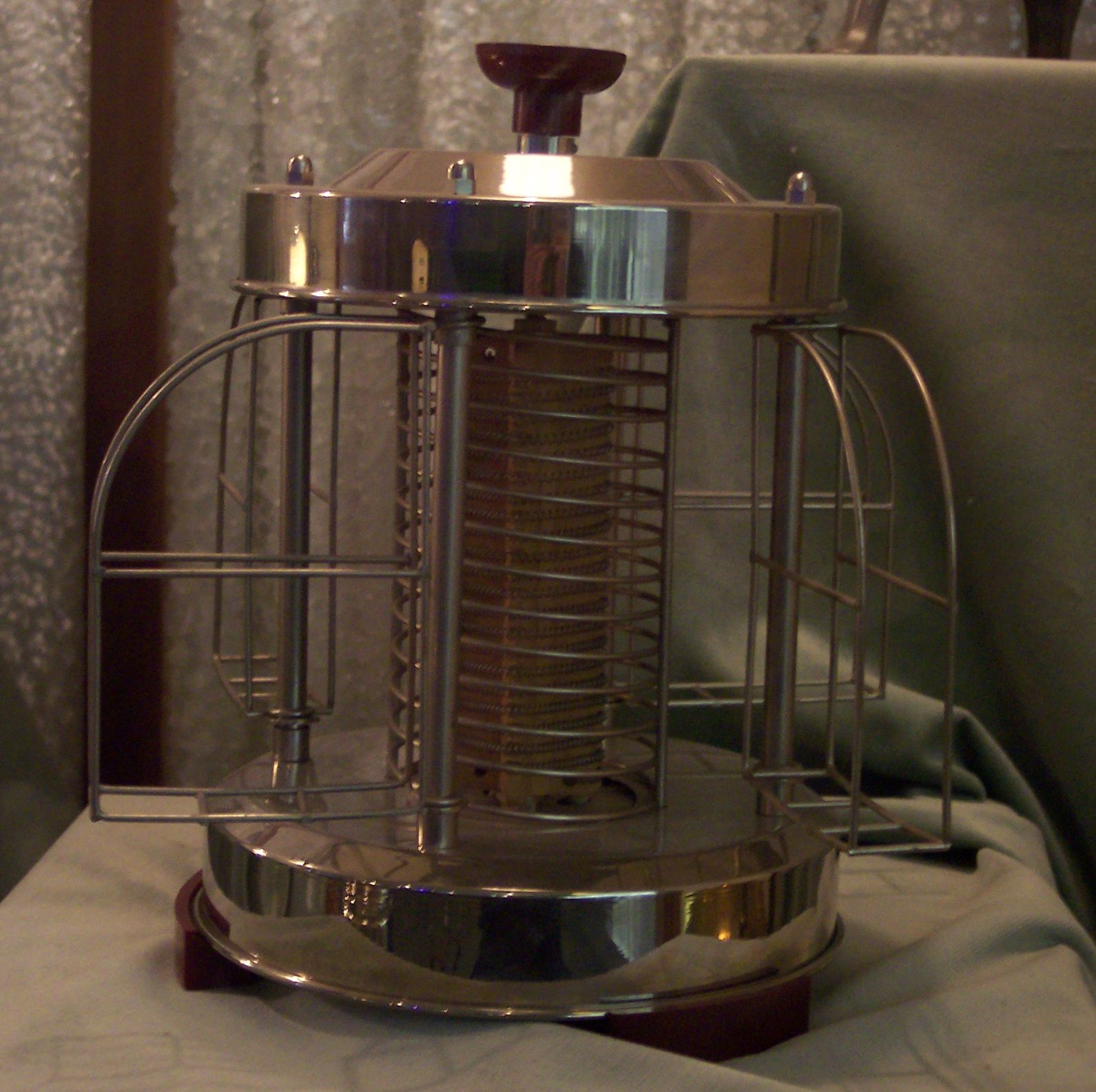
Most patterns hinged so the panels collapsed, which let the device be stored in almost no space on the wall beside the stove.
An appliance occupying permanent counter space.
The folding is a thoughtful detail and it reflects where the thing lived. A kitchen of that period had very little surface to spare and no cupboard devoted to appliances, so an object used daily had to hang within reach of the stove and take up almost nothing when idle. Hinged panels that fold to a flat sheet of wire do exactly that.
It is worth comparing that with what replaced it. An electric toaster is a box that occupies the same space whether or not it is being used, and it is kept out because moving it is inconvenient. The wire frame occupied space only while it was working – which is a better answer to a small kitchen, and a distinction nobody thinks about because counter space stopped being scarce.
9. Crumbs and Smoke Went Straight Into the Fire
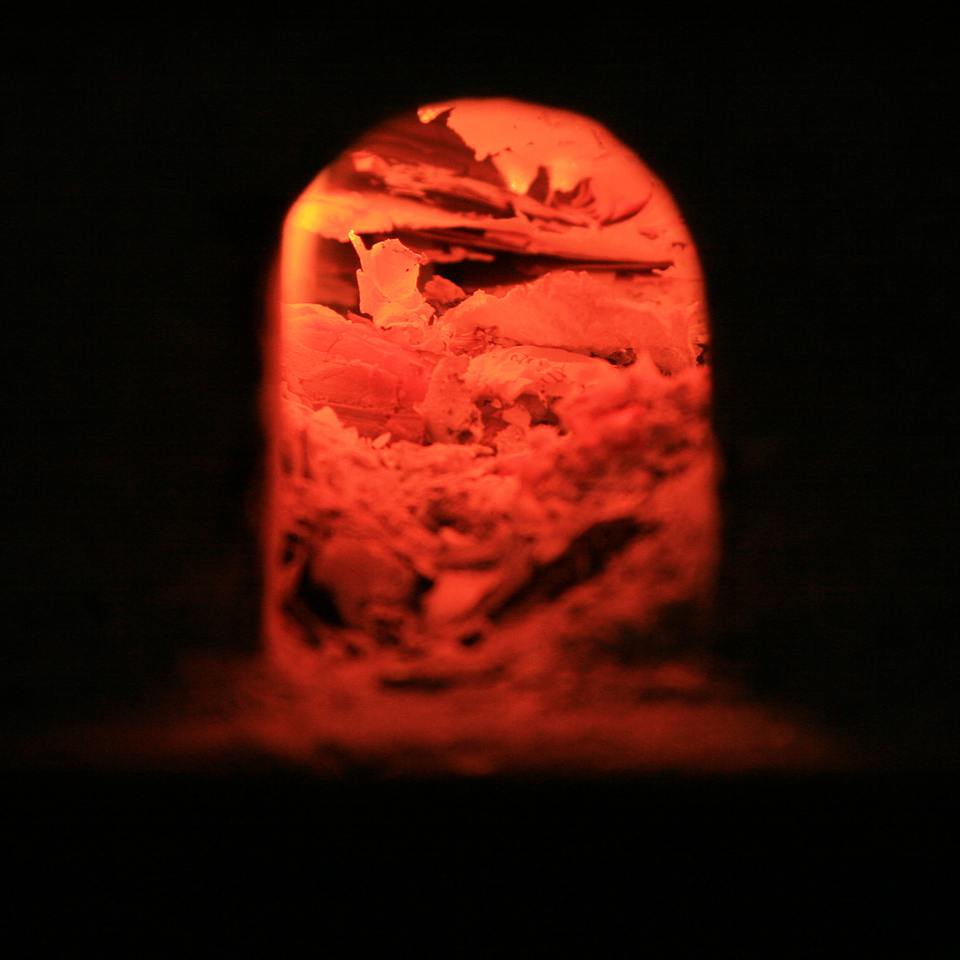
Anything that fell off landed on a hot stove, burned immediately, and was gone – which is both a convenience and a nuisance.
A crumb tray.
The waste handling is accidental and almost perfect. Crumbs falling from the frame land on hot iron and burn away, so there is nothing to clean out and no tray to empty – which is one maintenance job the appliance reintroduced rather than removed.
The nuisance is the other half. A crumb or a dropped slice on a hot stove top makes smoke immediately and smells of burning, in a room that is also cooking breakfast – and anything that scorches onto a blacked surface had to be scraped off, which damaged the finish. So the convenience of self-clearing waste came at the cost of a smell nobody wanted and a small repair job on the stove itself.
10. It Was the Job Children Were Trusted With
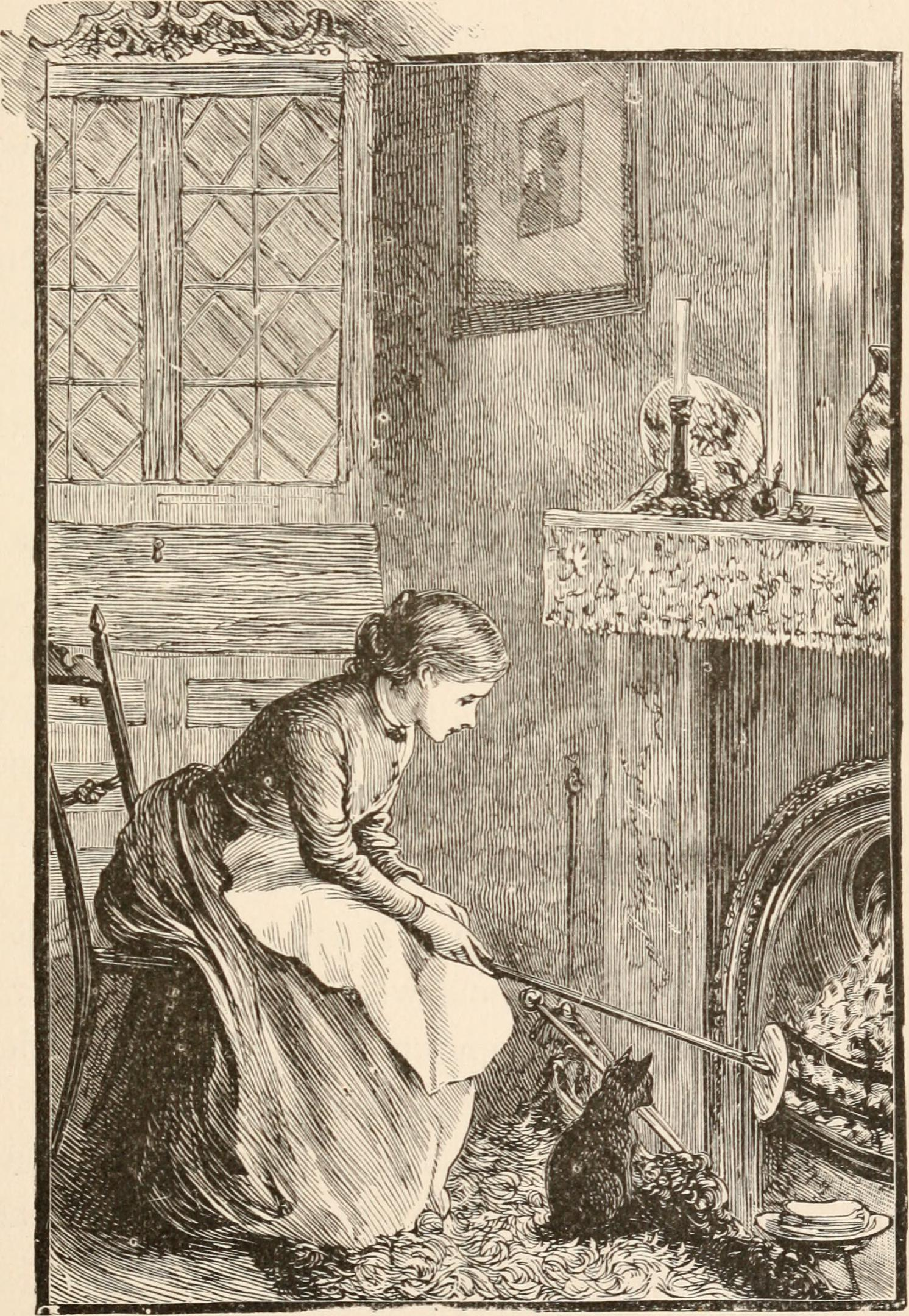
Standing at the stove turning bread needs attention rather than judgement about ingredients, which made it the obvious thing to hand to a child.
Not applicable.
Task allocation by skill level runs through all of this household work, and toasting sits at a particular point on that scale. It cannot be done badly in a way that ruins anything expensive – the worst outcome is a burnt slice – and it needs nothing but standing still and paying attention, which is exactly what makes it suitable for somebody too young for anything involving hot liquid or the oven.
It was also, within limits, a desirable job. Standing at a warm stove on a cold morning with something to watch is better than fetching fuel or carrying water, so being given the toast was not resented in the way other handed-down tasks were. That is why so many people remember doing it specifically, and remember it fondly, which almost never happens with the rest of the morning’s work.
11. The Electric Toaster Won on Attention, Not on Toast
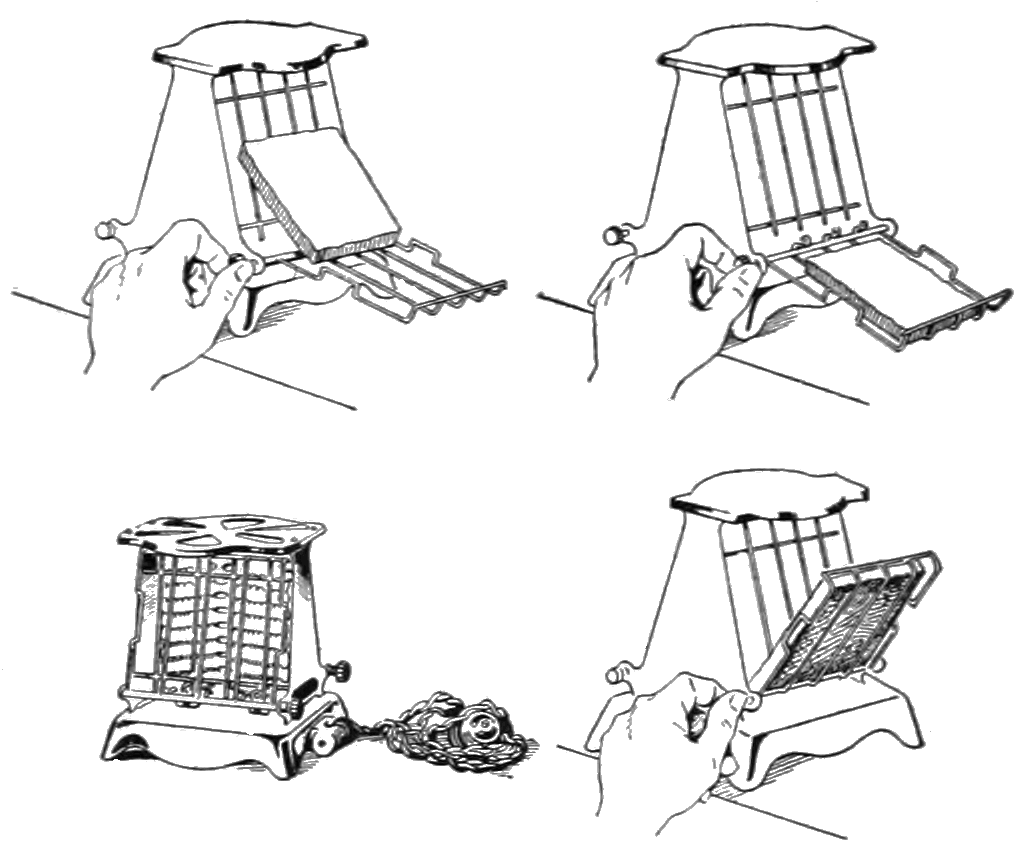
The appliance that replaced it browned both sides at once and stopped by itself, which removed the watching rather than improving the result.
Universal.
This is the honest accounting and it is the pattern throughout these files. A wire frame on a hot stove makes perfectly good toast – arguably better toast, because radiant heat from a large hot surface is gentler than a close element – so the electric appliance did not win on quality.
What it won on is unattended operation. It did both faces simultaneously, it decided for itself when to stop, and it required nobody to stand in front of it. In a household trying to get several people out of the door, releasing one person from the stove at the busiest ten minutes of the morning is worth more than any improvement in the bread, and the trade was made instantly and without regret.
12. And by 1964 Nobody Recognised the Frame
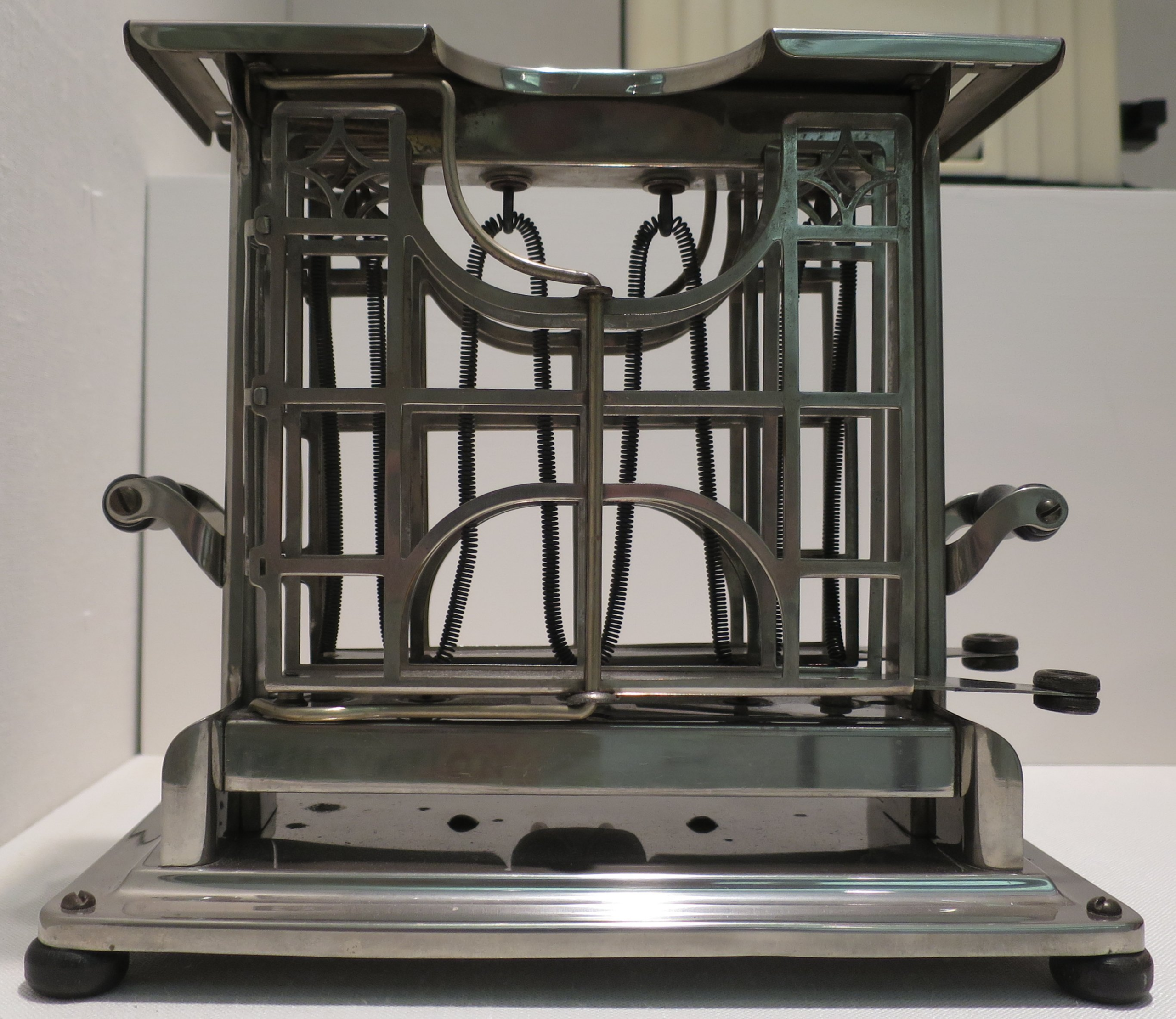
The folding wire pyramids turned up in drawers and at sales as unidentifiable objects, since nothing about their shape explains what they did.
Collected, usually mislabelled.
And what deserves the last word is that the angle was the invention. Everything else in the object was already in the kitchen – the heat came off a stove lid that was lit for other reasons, the frame cost a tinsmith a few minutes of wire and sheet, and there was nothing to adjust, set or power. What the four sloping panels did was hold a slice facing a hot iron surface at close to a right angle, so the heat arriving as radiation spread evenly across the whole face instead of concentrating where the bread touched metal – which is why this made toast rather than a scorched underside and a cold damp middle.
The rest of the subject is about what it demanded from a person. The stove was never the same temperature twice, the slices were cut by hand and never the same thickness, only one face browned at a time, and nothing measured anything – so somebody stood at the stove, read the fire and the bread and the colour together, and turned every slice by hand at the busiest moment of the day. That person was very often a child, and it was one of the few handed-down jobs anybody remembers enjoying.
And the reason it was worth all of that is the part that has disappeared completely. In a house that baked in quantity on a fixed day, toast was not a preference – it was how perfectly sound bread that had stopped being pleasant became something anybody would choose to eat, using heat the stove was making anyway. The electric appliance did not improve the toast. It did both sides at once, stopped by itself, and gave the household back a person.
The Angle Was the Whole Invention
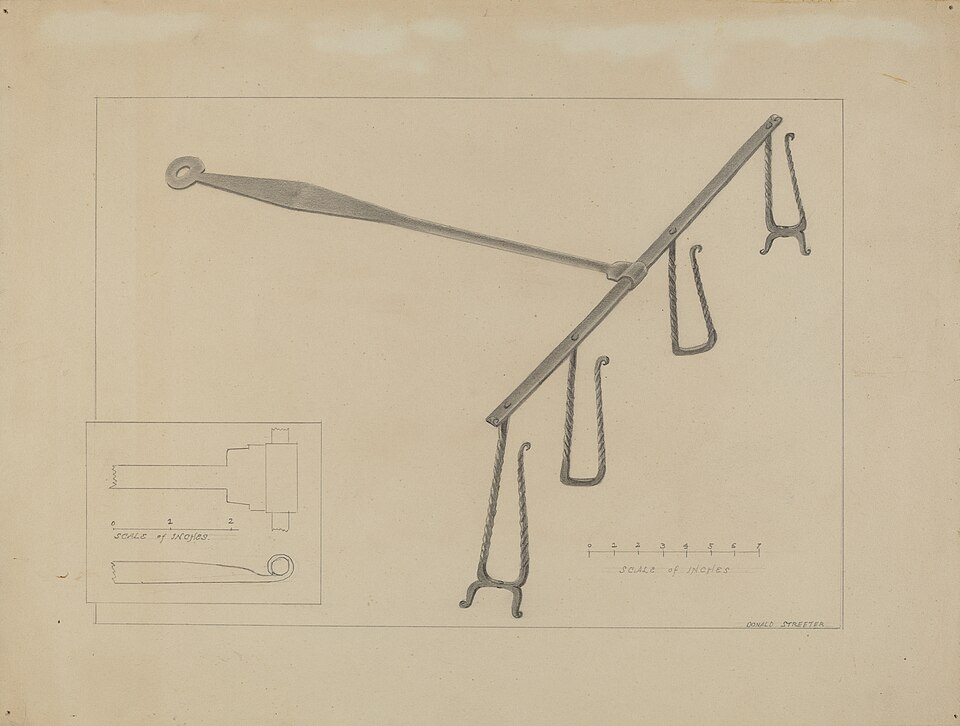
A folding wire pyramid is one of the least impressive-looking objects in any collection of old kitchen equipment, and it is a genuinely well-reasoned piece of design.
Begin with what it is not. It is not a cooking surface. The bread never touches the stove – it is held above it, at an angle, and browned by heat radiating across the gap. That distinction is the whole mechanism, because contact heating conducts energy straight into the face touching the metal, scorching it while the interior stays cold and damp. Radiant heating warms the entire exposed face at once and drives the moisture out of it.
Which is why the panels slope. A slice leaning at a pitch presents its face to the hot iron at close to a right angle, so the radiation arriving is spread across the whole surface rather than concentrated at the nearest edge. The sloping wire is not a convenient place to rest bread – it is an aiming device, and it is the reason the toast came out evenly browned instead of burnt along one line.
Everything else the object needed was already in the kitchen. The heat source was a stove that was lit anyway, the frame was wire and sheet that any tinsmith could fold up in a few minutes, and when not in use most patterns collapsed flat to hang on a nail. That last detail is worth comparing with what replaced it: an electric toaster occupies the same counter space whether it is working or not, while the wire frame took up room only while it was actually making toast. In a kitchen with no spare surface, that is the better answer.
But the device demanded a great deal from whoever used it, and all of it came from variables it could not control.
The stove lid was the heating element, and a cookstove is not uniformly hot. Directly over the firebox is fierce, the far end is moderate, and the whole thing changes continuously as the fire burns down or is fed. So the operator chose where to stand the toaster according to how the fire was doing, and moved it when the browning ran too fast or too slow. Nothing could be learned once and repeated.
The slices were cut by hand, so no two were the same thickness, and thickness changes everything. A thick slice needs longer and browns unevenly in fierce heat; a thin one scorches before its middle is warm. With both on the frame at once, the operator was running two processes side by side and taking them off at different moments.
Only one face browned at a time, so every slice had to be removed, reversed and leaned back on. Four slices on a four-sided frame is eight handling operations, all of them at a hot stove, with hot bread that is fragile once one face has dried – done with fingers, a fork or a cloth, quickly.
And nothing measured anything. There was no timer and no dial, so the only reliable indicator was the toast itself, which means somebody stood at the stove for the duration. In a household trying to feed several people and get them out of the house, that is one person fully occupied at the busiest ten minutes of the morning.
It was usually a child, and this is one of the very few handed-down jobs people remember fondly. It needs attention rather than judgement, nothing expensive can be ruined, and standing at a warm stove on a cold morning with something to watch beats fetching fuel or carrying water by a wide margin.
One accidental virtue: crumbs fell onto hot iron and burned away, so there was nothing to empty – a maintenance job the electric appliance reintroduced with its crumb tray. The cost was smoke and the smell of burning in a room already cooking breakfast, and anything that scorched onto the stove top had to be scraped off, which damaged the finish.
Now the part that explains why every kitchen had one, because it is not about breakfast.
A household that baked in quantity on a fixed day always had bread of several ages. The older loaves were perfectly sound and no longer pleasant to eat plain – and toasting changes the surface and the texture enough to make them good again. So this was a salvage tool, converting a declining asset back into something anybody would choose, every morning, using heat the stove was producing anyway.
Which brings the honest conclusion. The electric toaster did not win on toast. Radiant heat off a large hot surface is gentler than a close element, and a wire frame makes very good toast indeed.
It won on attention. Both sides at once, stopped by itself, nobody standing in front of it – and in exchange for that, a household got a person back at the exact moment it most needed one. That trade was made instantly, and nobody regretted it.
If you find one folded in a drawer, open it out and look at the slope of the panels.
That angle is the only thing the object actually contributed.
Like our content? Follow us for more.
