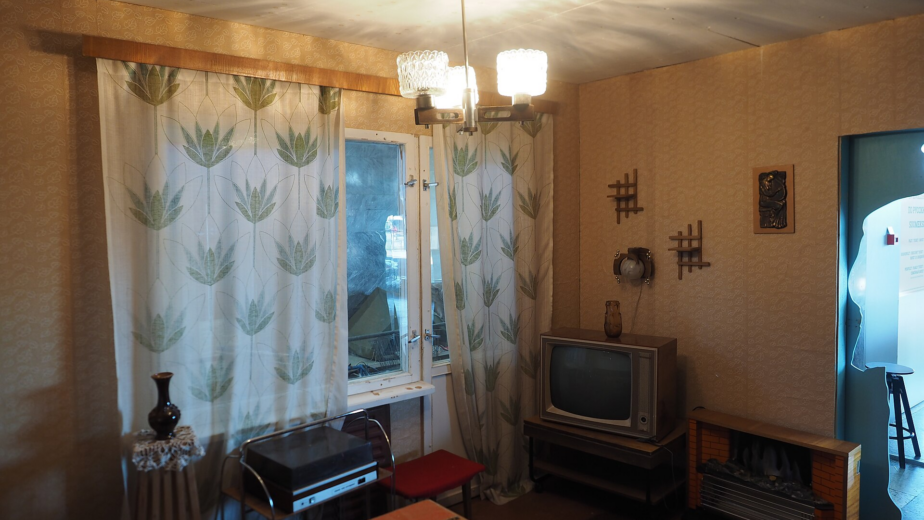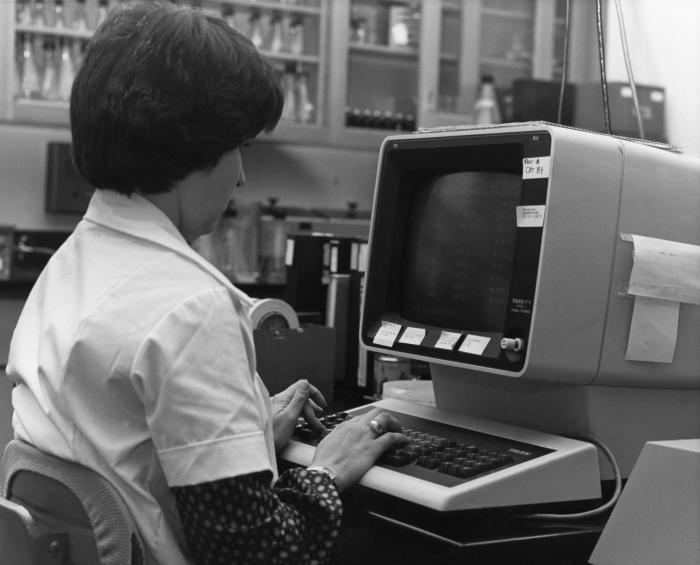
The American workplace of 1985 looked and sounded completely different from today’s. It clattered with typewriters, hummed with fax machines, and ran on paper, lots of paper. Tasks now handled by a few clicks required dedicated machines, supply drawers full of specialized tools, and a good deal of patience. For anyone who worked back then, these objects are vivid memories; for younger workers, they’re relics of a vanished era. Looking back at them shows just how dramatically technology has transformed work in a single generation. Here are thirteen things nearly every American office had in 1985, counted down one by one.
1. The Electric Typewriter
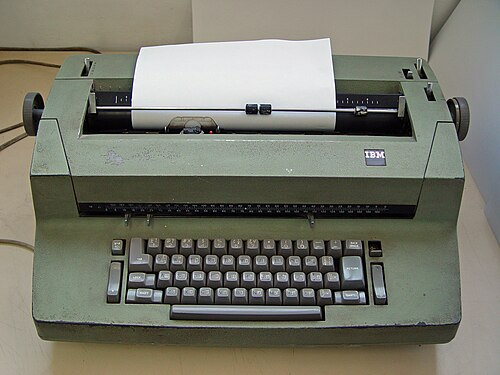
The electric typewriter was the heart of the office, used for letters, memos, and reports. Its rhythmic clatter was the soundtrack of the workday.
In 1985, before personal computers were on every desk, the electric typewriter reigned supreme. Documents were typed one keystroke at a time, with a satisfying clack and the ding of the carriage. Skilled typists were prized, and a typing pool often handled the heavy load. Correcting a mistake was a chore in itself. The electric typewriter is the defining symbol of the 1980s office, a workhorse machine whose distinctive sound filled workplaces everywhere before the keyboard and screen took over.
Like our content? Follow us for more.
2. Correction Fluid and Correction Tape
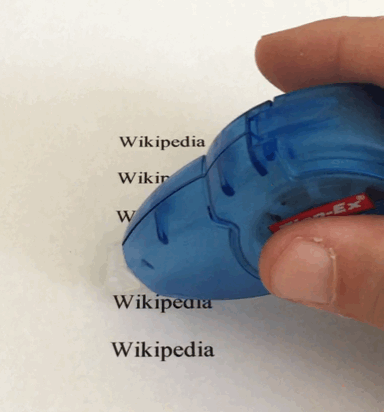
Little bottles of white correction fluid sat on every desk, ready to paint over typing mistakes. Fixing an error meant waiting for it to dry.
With typewriters came the inevitable typos, and the fix was correction fluid, the little bottle of white paint dabbed over a mistake, which then had to dry before you could type over it. Correction tape and erasing typewriters were alternatives. It was a fiddly, time-consuming process compared to today’s instant delete key. That ubiquitous bottle of white-out is a fondly remembered staple of the pre-computer office, a small but essential tool in the age of the typewriter.
3. The Rolodex
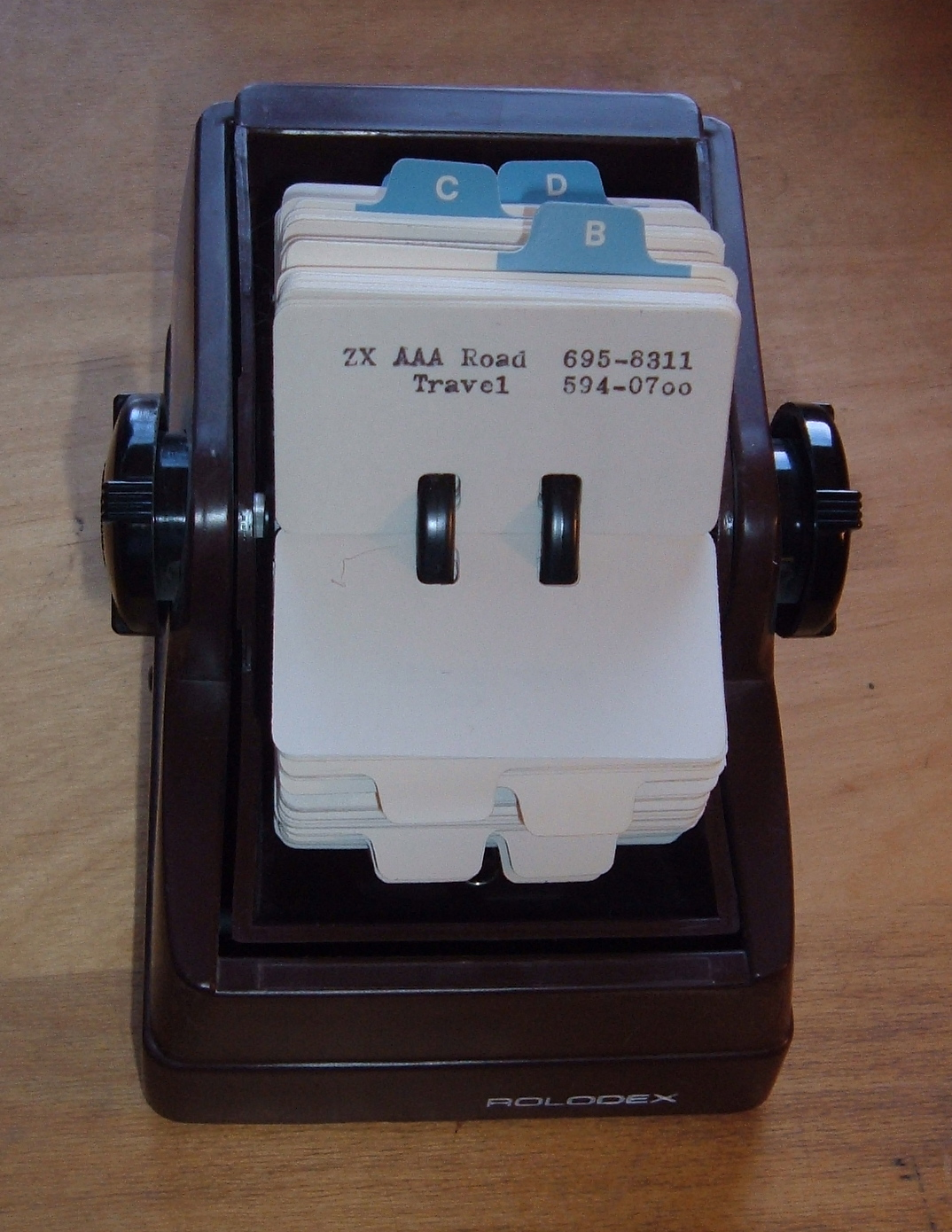
A spinning Rolodex held the office’s contacts on little cards, flipped through to find a phone number. It was the original contact list.
Before digital contacts, the Rolodex was how professionals kept track of clients and colleagues, a rotating file of index cards, each holding a name, number, and address. Flipping to the right card was a familiar motion, and a fat, well-worn Rolodex signaled a well-connected businessperson. Updating it meant writing or typing new cards. The Rolodex is an iconic emblem of the 1980s office, the analog ancestor of the smartphone contact list and a status symbol of its day.
4. The Fax Machine
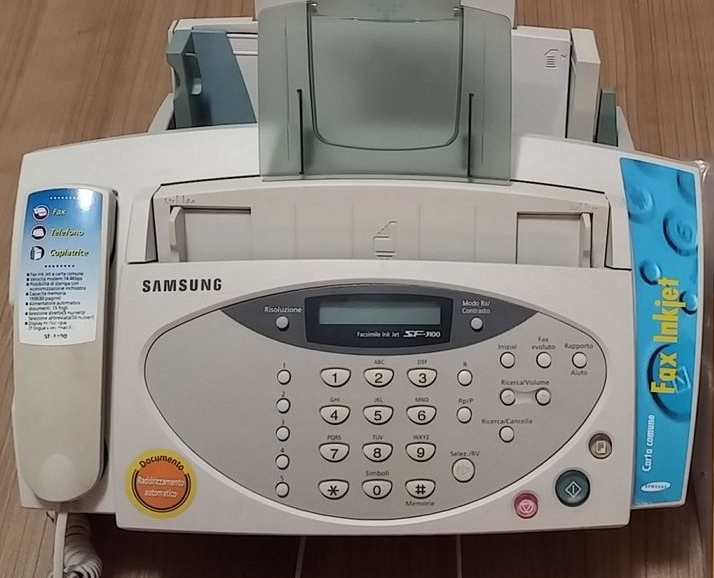
The fax machine sent documents over phone lines, page by page, with a screech and a whir. It felt like cutting-edge technology.
The fax machine was the marvel of 1985 office communication, transmitting documents over telephone lines so a paper could appear, almost magically, in another city minutes later. Its distinctive screech as it connected, and the curl of thermal paper it produced, were familiar to all. It revolutionized how quickly business could move. The fax machine is a quintessential piece of ’80s office technology, a once-essential device that has largely been replaced by email and scanning.
5. Carbon Paper and Carbon Copies
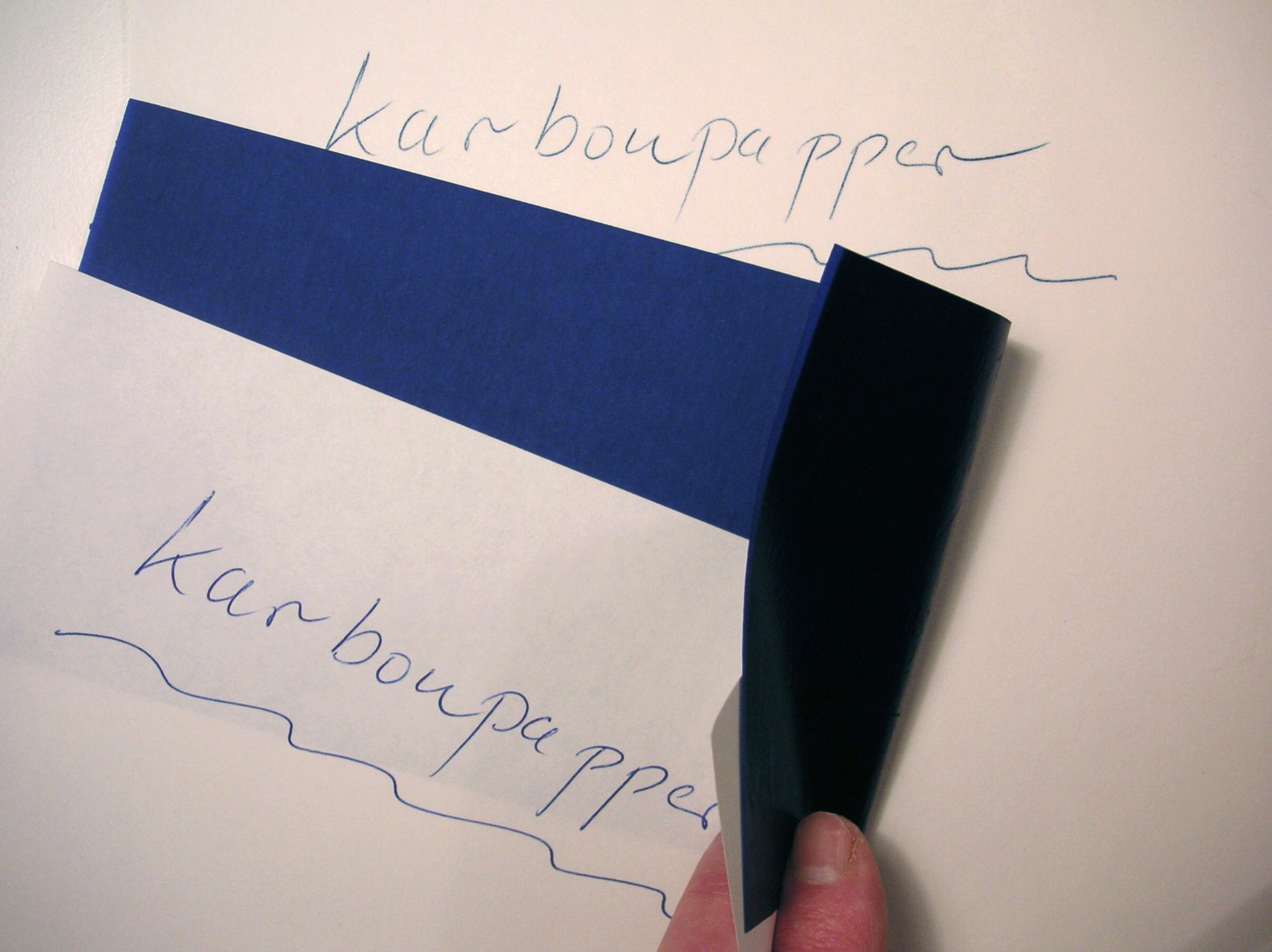
Sheets of carbon paper made duplicates as you typed, the origin of the “cc” we still use. Handling it left ink on your fingers.
To make a copy of a typed document, offices used carbon paper, a sheet of inky film placed between two pages so that whatever was typed on top was duplicated below. It’s the very reason we still say “cc” for carbon copy. The messy black sheets stained fingers and had to be inserted just right. Carbon paper is a distinctive relic of the pre-photocopier and pre-printer office, a clever, if smudgy, solution that lives on only in the language of email.
6. The Bulky Photocopier
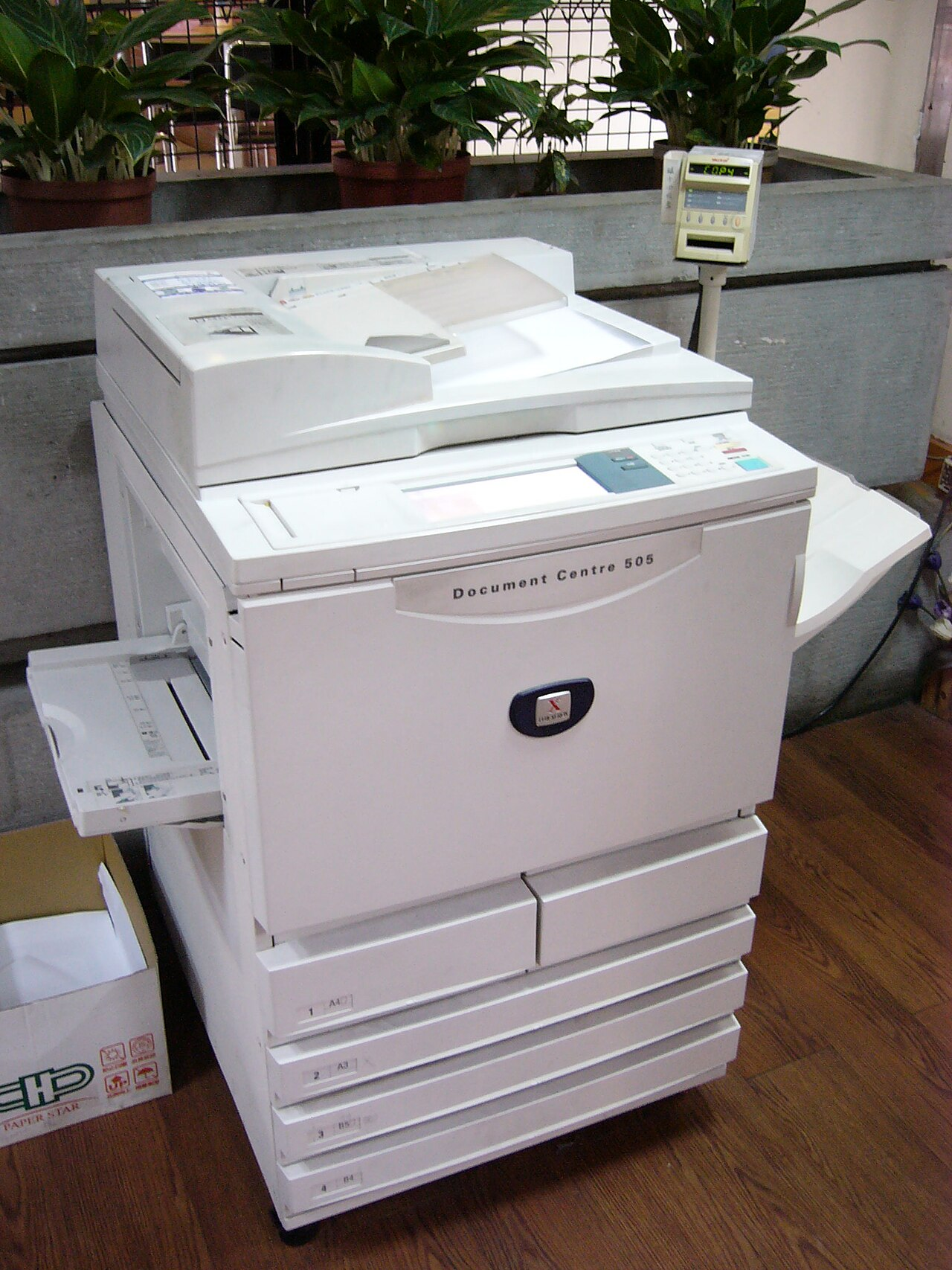
A large, temperamental photocopier dominated a corner, and gathering around it was a social ritual. It jammed at the worst times.
The office copier was a big, often finicky machine that workers relied on constantly, and clustered around while waiting for a long job, swapping news in the process. Paper jams, low toner, and the warm smell of fresh copies were part of office life. The copy machine became a social hub as much as a tool. The bulky photocopier is a well-remembered fixture of the 1985 office, both indispensable and endlessly frustrating in equal measure.
7. The Intercom and Multi-Line Phone
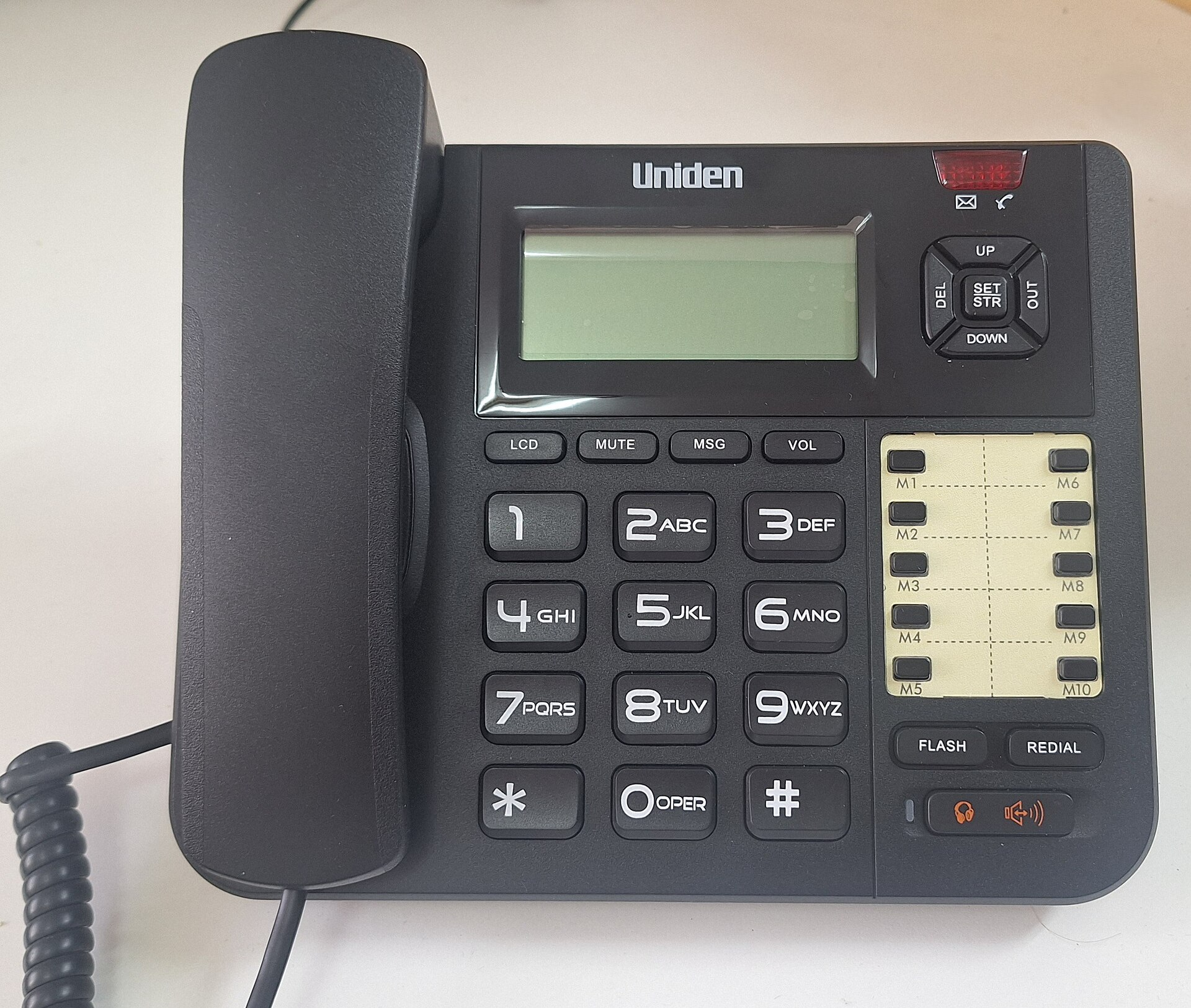
A multi-line desk phone with hold buttons and an intercom let workers juggle calls and buzz colleagues. Blinking lights meant business.
The 1985 desk phone was a substantial unit with a row of buttons for multiple lines, a hold button, and often an intercom to buzz coworkers or the front desk. Blinking lights signaled waiting calls, and putting someone “on hold” was an art. There was no caller ID, just a ring and a button to press. The multi-line office phone, with its intercom and blinking lights, is a familiar piece of ’80s workplace equipment, central to how business communication flowed.
8. Filing Cabinets Full of Paper
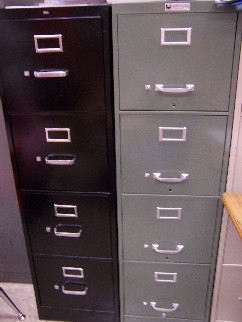
Rows of metal filing cabinets stored the company’s records on paper, organized by hanging folders. Everything was kept as a physical document.
In the paper-driven office of 1985, information lived in filing cabinets, rows of heavy metal drawers packed with manila folders and documents. Finding a record meant knowing the filing system and pulling the right folder by hand. Whole rooms were sometimes devoted to storage. The filing cabinet represented the era’s reliance on physical paperwork, and while they still exist, the towering banks of them are a vivid memory of a time before digital storage made so much paper unnecessary.
9. The Coffee Pot and Break Room
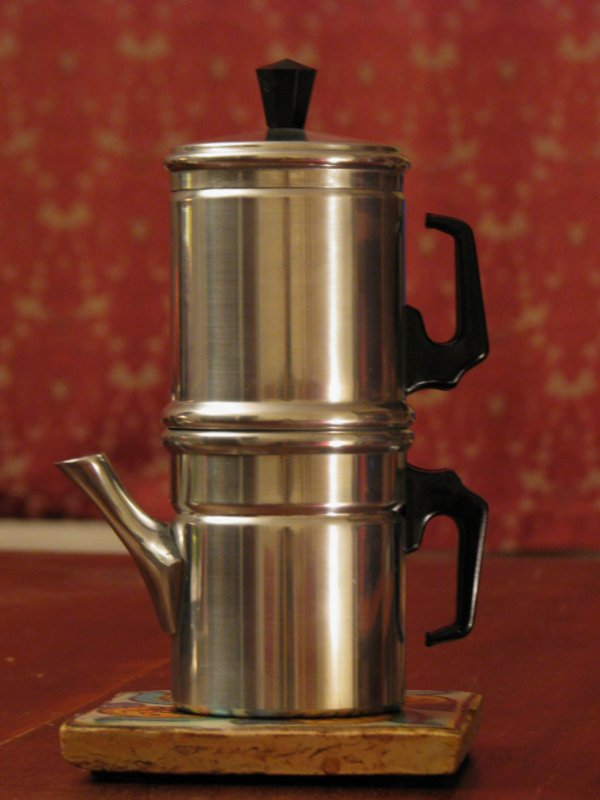
A constantly brewing coffee pot anchored the break room, where workers gathered, chatted, and refueled. Someone always had to make a fresh pot.
The break room and its ever-brewing coffee pot were the social and caffeinated heart of the 1985 office. Workers gathered there to refill mugs, share gossip, and take a breather, and the unwritten rule was that whoever took the last cup should start a fresh pot, an etiquette not everyone honored. The communal coffee pot fueled the workday and built camaraderie. This break-room ritual is a warmly remembered part of office life that, in spirit at least, endures today.
10. Memo Pads and the Inter-Office Envelope
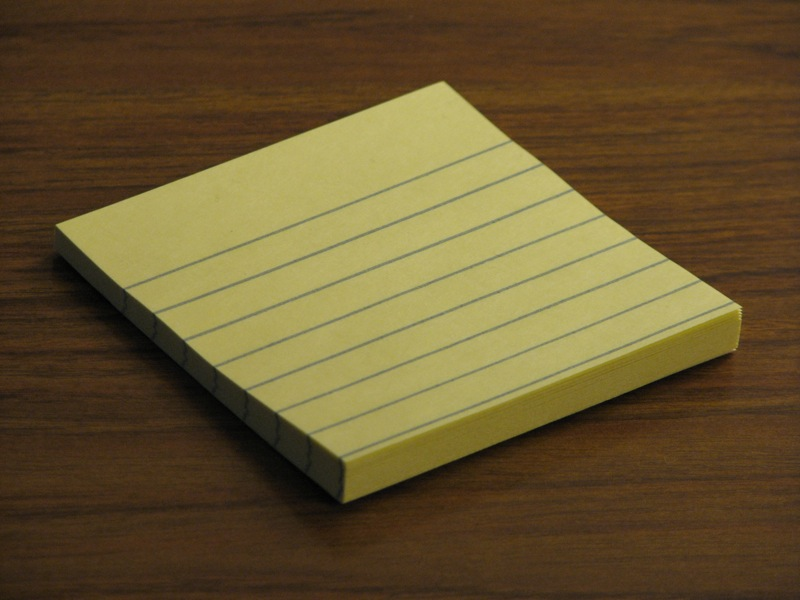
Pink message slips and reusable inter-office envelopes kept communication flowing on paper. Notes were passed by hand, not by email.
Communication in 1985 ran on paper notes. The “While You Were Out” message slip recorded phone messages, and documents traveled between departments in reusable inter-office envelopes, the kind crisscrossed with lines for each previous recipient’s name. Memos were typed, copied, and physically distributed. These humble paper systems kept the office connected before email. The pink message slip and the well-used inter-office envelope are nostalgic symbols of how workplace communication once moved, one piece of paper at a time.
11. The Desk Calculator with Paper Tape
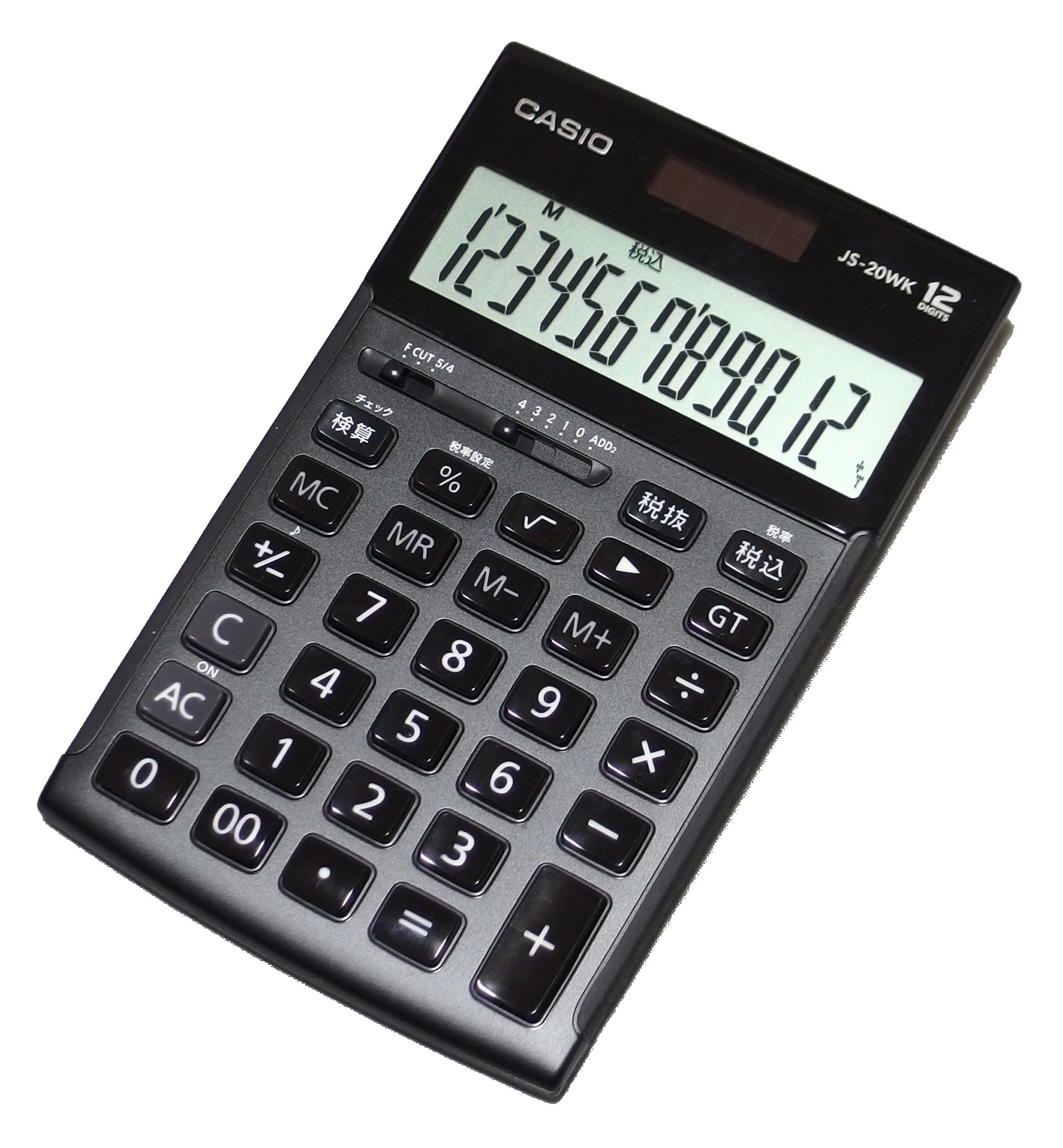
A bulky adding machine that printed results on a roll of paper tape sat on accounting desks. Its printed tape created a running record.
Number-crunching in 1985 often relied on the printing calculator, a sturdy desktop adding machine that clattered out each entry and total onto a roll of paper tape. The printed tape gave a checkable record of every calculation, prized in bookkeeping and accounting. Its mechanical rhythm was a familiar office sound. This paper-tape calculator is a classic piece of ’80s office equipment, a reminder of the era when figures were tallied on a dedicated machine rather than a spreadsheet.
12. Wall Calendars and the Day Planner
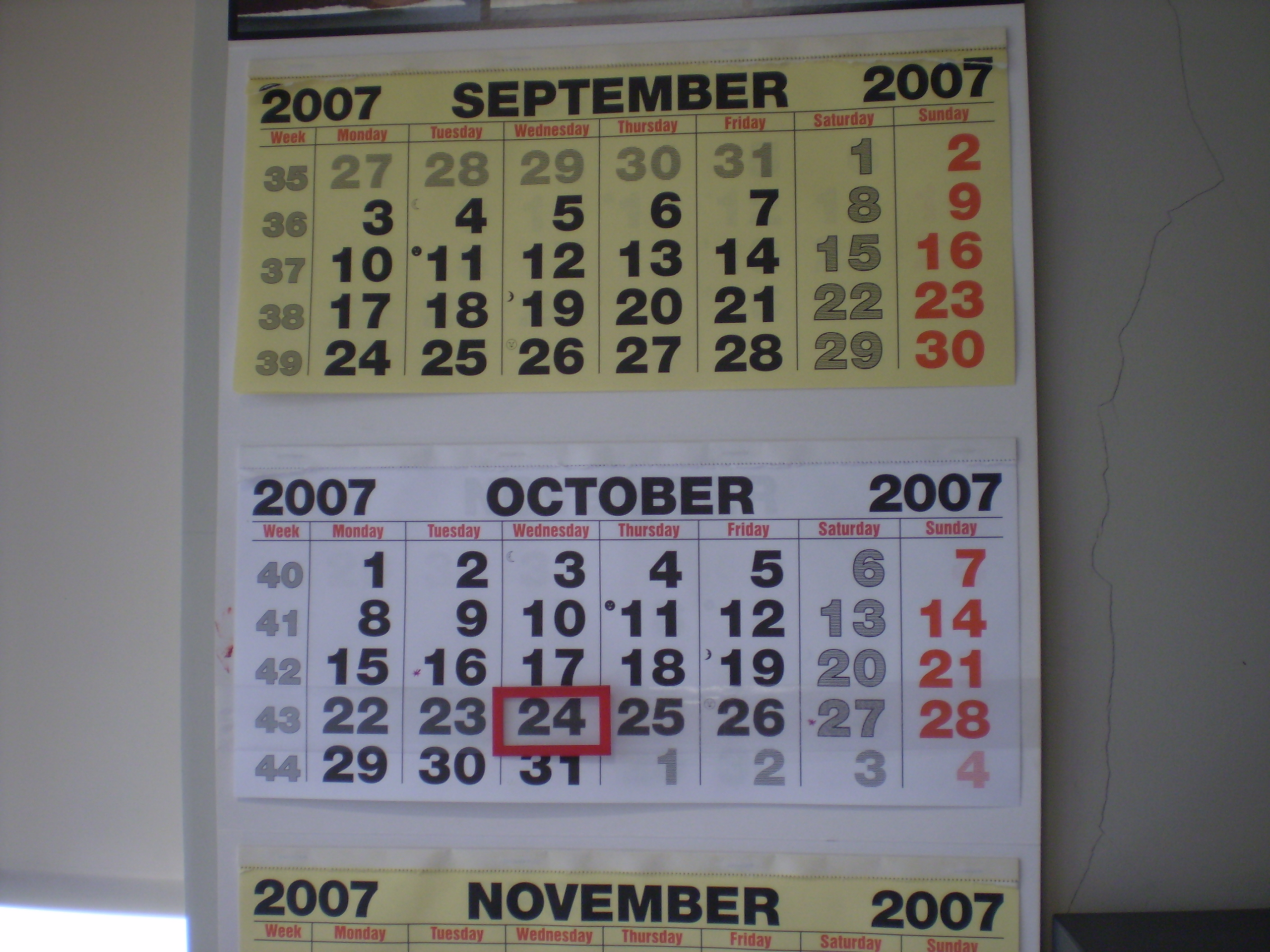
A big wall calendar tracked deadlines, while a personal paper day planner organized each professional’s schedule. Time was managed on paper.
Staying organized in 1985 meant paper. A large wall calendar marked company deadlines and meetings, while individuals carried a personal day planner or appointment book to track their own schedules, written in by hand. Crossing off completed tasks and flipping to the week ahead were daily habits. There were no digital reminders or shared online calendars. The paper planner and wall calendar are familiar tools of the era, central to how busy professionals once kept their time in order.
13. The Supply Cabinet Full of Specialized Gear
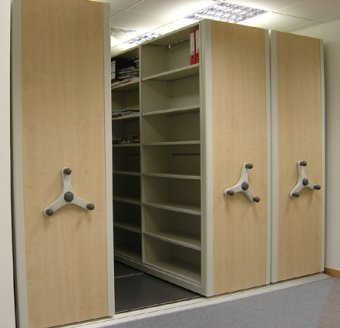
A well-stocked supply cabinet held everything from typewriter ribbons to staplers, carbon sets, and reams of paper. It was a treasure trove of tools.
The office supply cabinet of 1985 was packed with now-nostalgic gear: typewriter ribbons, correction fluid, carbon paper, staplers and staple removers, paper clips, rubber stamps, ink pads, legal pads, and reams of paper for the copier. Keeping it stocked was its own job. Many of these supplies have since vanished as work went digital. The crowded supply cabinet, full of specialized paper-era tools, is a vivid memory of the 1980s workplace and how much equipment daily work once required.
How Work Has Changed
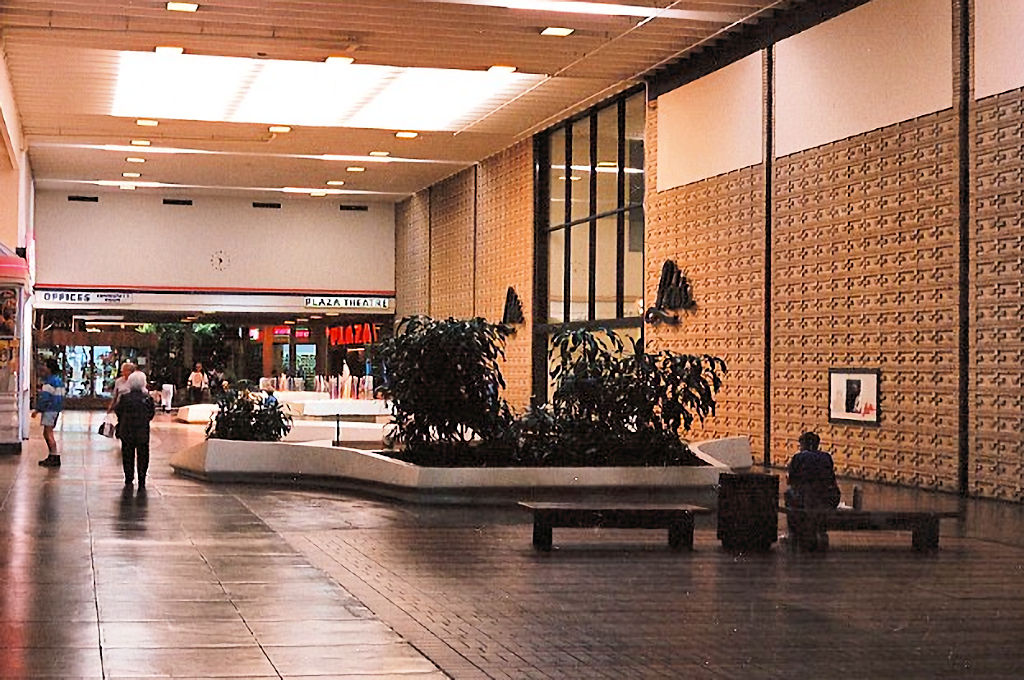
Taken together, these thirteen things capture the unmistakable character of the American office in 1985, a paper-driven, machine-filled world of typewriters, fax machines, Rolodexes, and filing cabinets. It was a workplace where tasks took longer, communication moved on paper, and a whole array of specialized tools filled every desk and supply cabinet.
The transformation since then has been staggering. The computer absorbed the typewriter, calculator, and filing cabinet; email replaced the fax and the memo slip; and the smartphone swallowed the Rolodex and the day planner. For those who worked in offices back then, these objects evoke a slower, more tactile way of getting things done. Looking back at them is a reminder of just how rapidly the modern workplace has evolved, and of the clatter, hum, and paper that once defined a day at the office.
Like our content? Follow us for more.