

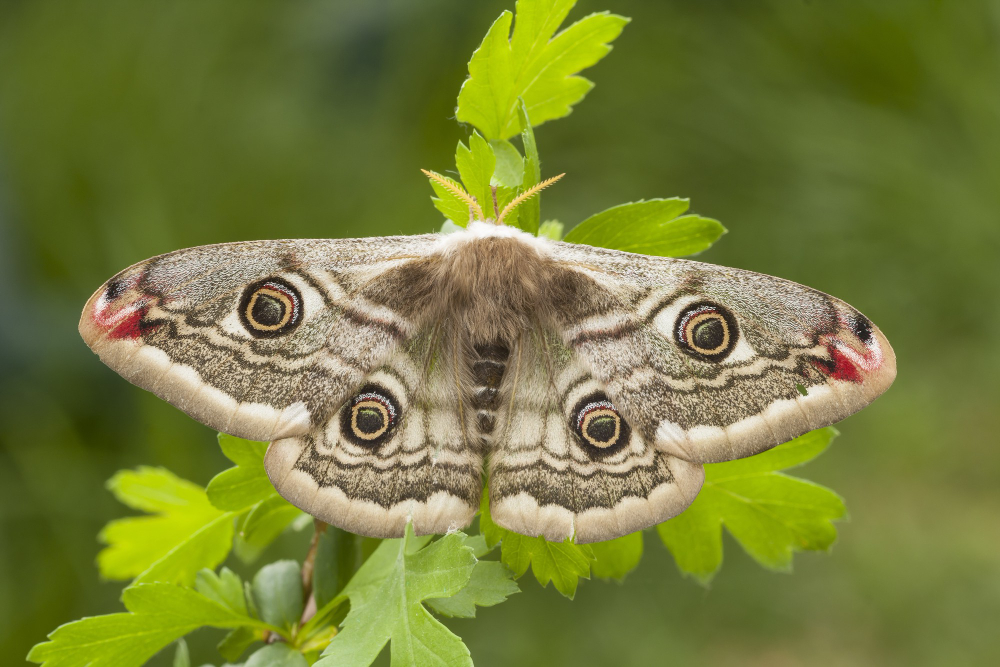
The adult has no working mouth. The damage is done by something you never see. Here are fourteen.
1. The Adult Cannot Eat Anything at All

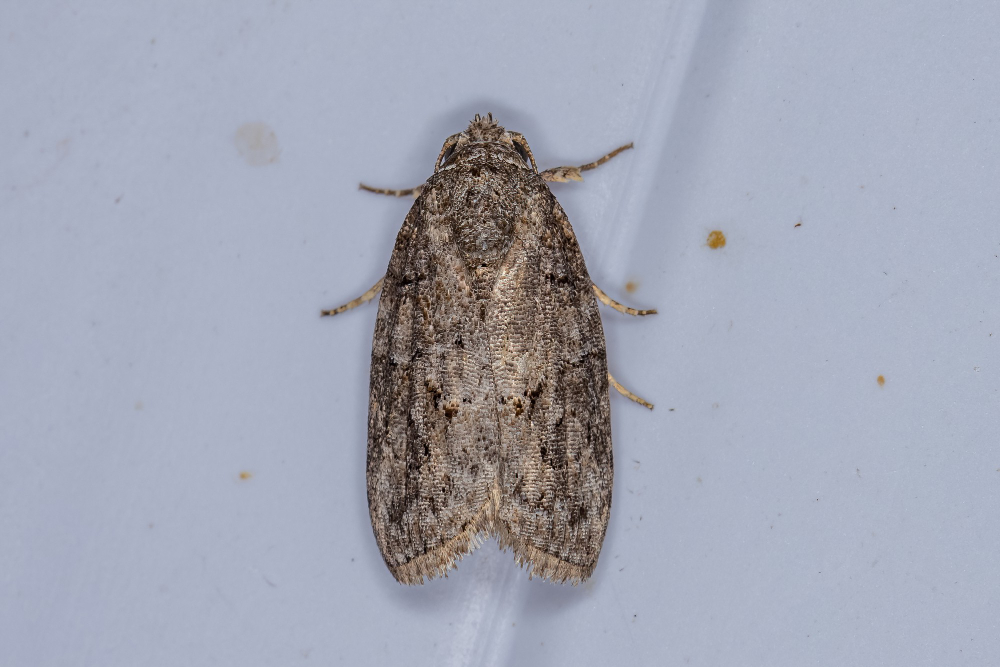
The moth itself has no functioning mouthparts. They are present in reduced form and they do not work, which means an adult clothes moth never feeds, at any point, from emergence until death.
It lives on what it accumulated as a larva, and everything it does as an adult – finding a mate, finding a site, laying – has to be done on that fixed budget. Which is why they are so short-lived, so feeble, and so completely uninterested in anything in the room. The moth you are chasing is not eating your clothes and never has.
Like our content? Follow us for more.
2. It Is the Larva That Does All of It

The damage is done by a small pale caterpillar a few millimetres long, which hatches on the fabric, eats, grows, and eventually pupates somewhere nearby.
So the visible adult and the actual problem are separated in time and place. By the time anybody sees a moth, the generation that caused the damage has finished, and the moth flying about is either laying the next one or has already done it. Almost nobody has ever seen the larva, which is the only thing in the sequence that eats.
3. And It Is After One Substance Almost Nothing Can Digest
What the larva wants is keratin – the protein that makes up wool, hair, fur, feathers, horn and the outer layer of skin. It is extremely tough, held together by chemical bonds that resist ordinary digestion, and the overwhelming majority of animals cannot break it down at all.
Clothes moth larvae can. Their gut maintains conditions that cleave those bonds, which is a rare and specialised capability, and it gives them access to an enormous food supply that almost nothing else is competing for. The reason this insect is in your wardrobe rather than in a hedge is that your wardrobe is where the keratin is.
4. Which Is Why It Will Not Touch Cotton
Cotton is cellulose. Linen is cellulose. Synthetics are plastic. None of them is keratin and none of them is food, and a larva placed on pure cotton will starve on it.
So the pattern of damage in a drawer is not random. Wool, cashmere, silk, fur and feather are eaten; cotton and synthetic items in the same drawer are untouched, unless they happen to be blended with something or are carrying a residue the larva can use. Which is itself a useful identification: holes confined to the animal-fibre items are the signature.
5. It Avoids Light, Which Is Why You Never See It
Clothes moths move away from light rather than toward it. Open a wardrobe and anything disturbed heads for the darkest available direction, which is deeper in.
That single behavioural fact explains most of what makes them difficult. They are in the back of the cupboard, under the folds, inside the sleeve and beneath the carpet edge, not because they are hiding in any deliberate sense but because darkness is where their preference takes them. They are also small, buff-coloured and quiet, and they do not announce themselves in any way.
6. And It Barely Flies
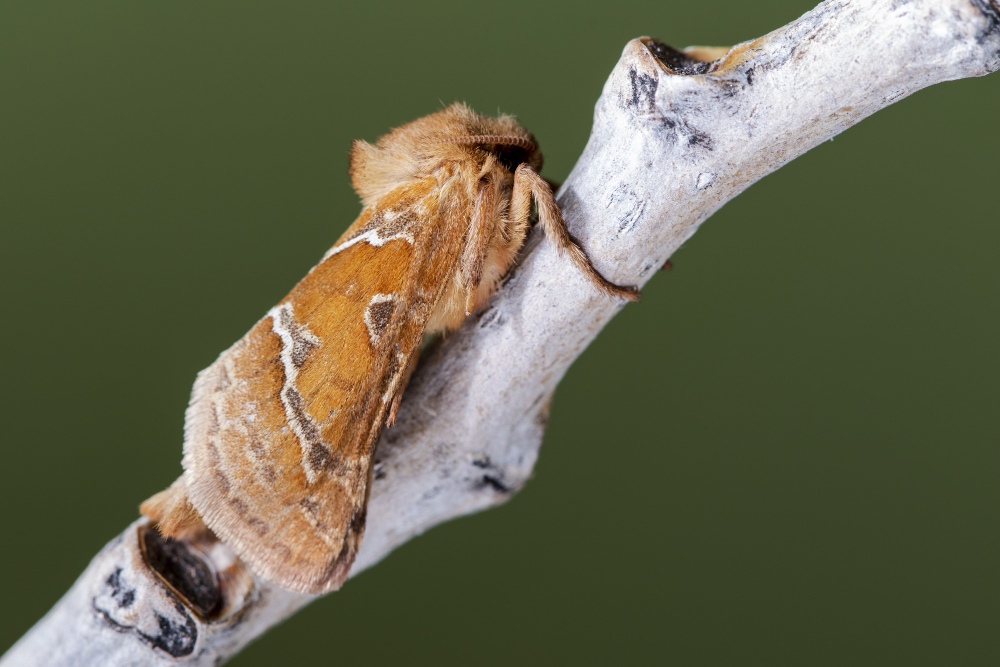
The adult is a poor flier – fluttery, slow, and reluctant. Females in particular tend to run rather than fly, moving across a surface in short scuttling bursts, and will frequently not take off at all if there is anywhere to walk to.
Which is why these moths spread so slowly between rooms and so readily within one, and why an infestation is usually concentrated in a single cupboard for a long time. They are not covering distance. They are walking about in the dark in a confined space.
7. So the Moth at Your Lamp Is a Different Insect
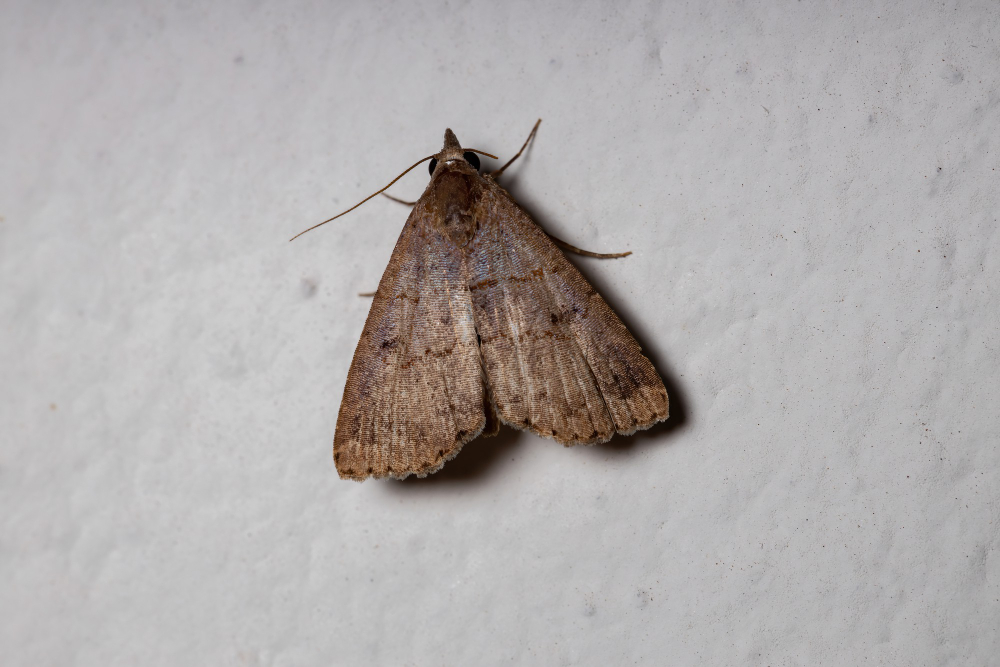
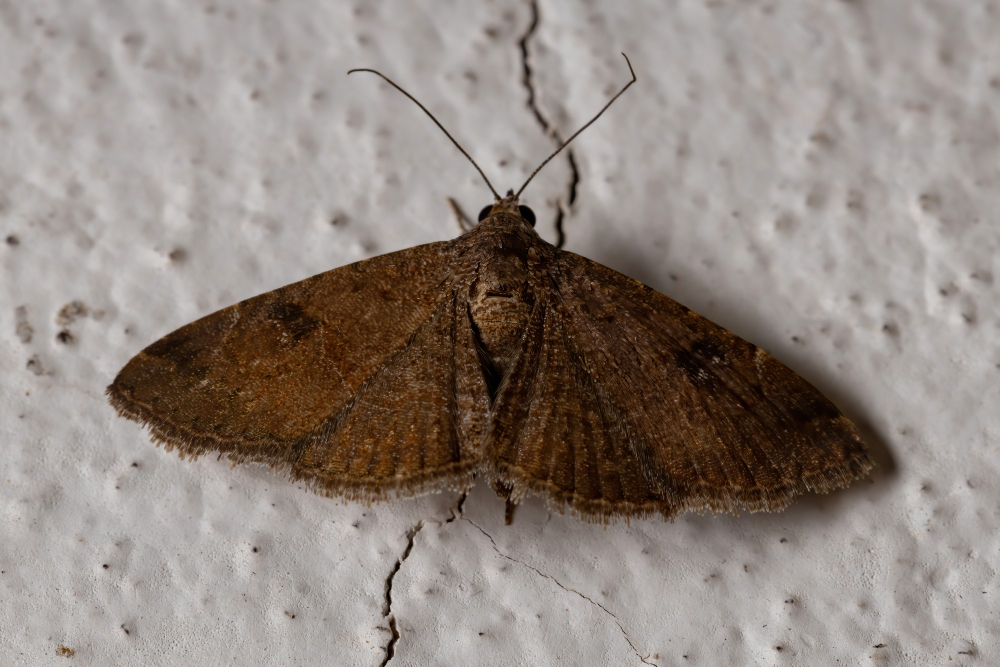
This is the misidentification that causes most of the confusion. The moth circling a light in the evening is almost never a clothes moth, because clothes moths actively avoid light and would not go near it.
What people are usually seeing is a larger moth that has come in from outside, or a pantry moth from a food cupboard, neither of which has any interest in wool. Which means the standard reaction – seeing a moth at the window and worrying about the wardrobe – is almost always a false alarm, and the actual signal is finding a very small, dull, fast-walking moth inside the cupboard itself.
8. It Is Attracted to Dirt, Not to Clean Wool
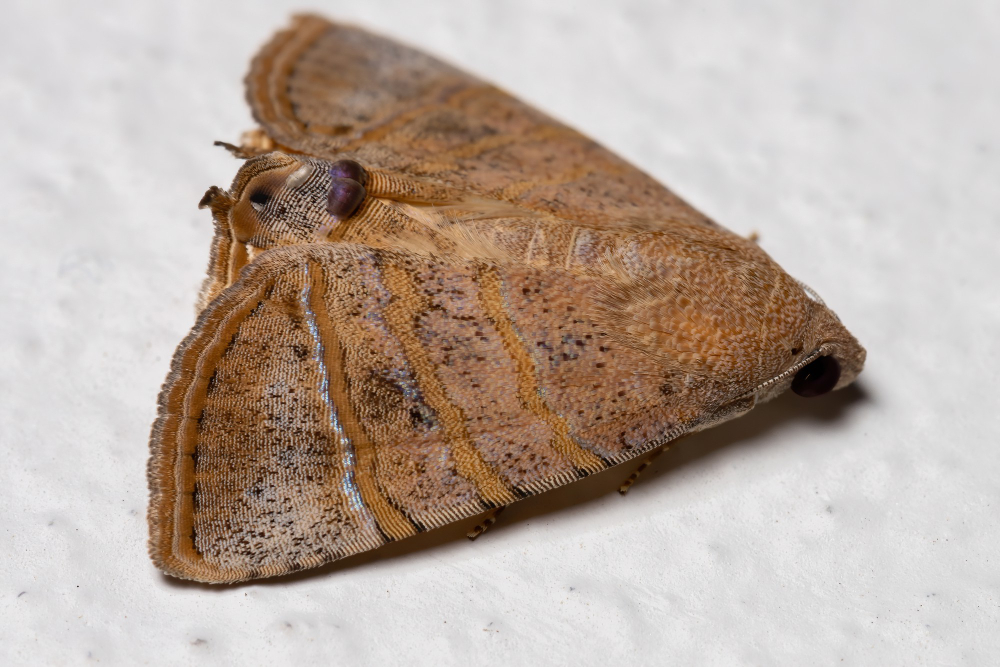
Keratin on its own is poor food. It supplies protein and very little else, and a larva on perfectly clean wool grows slowly and badly.
What makes a garment attractive is what is on it: perspiration, skin, body oils, food residue, anything that supplies the vitamins and minerals keratin lacks. Which is why damage concentrates on the parts of a garment that were in contact with a person – under the arms, around the collar, at the cuffs – and why a stored item that was worn once before being put away is far more vulnerable than one that was not.
9. The Damage Happens Where Nobody Looks
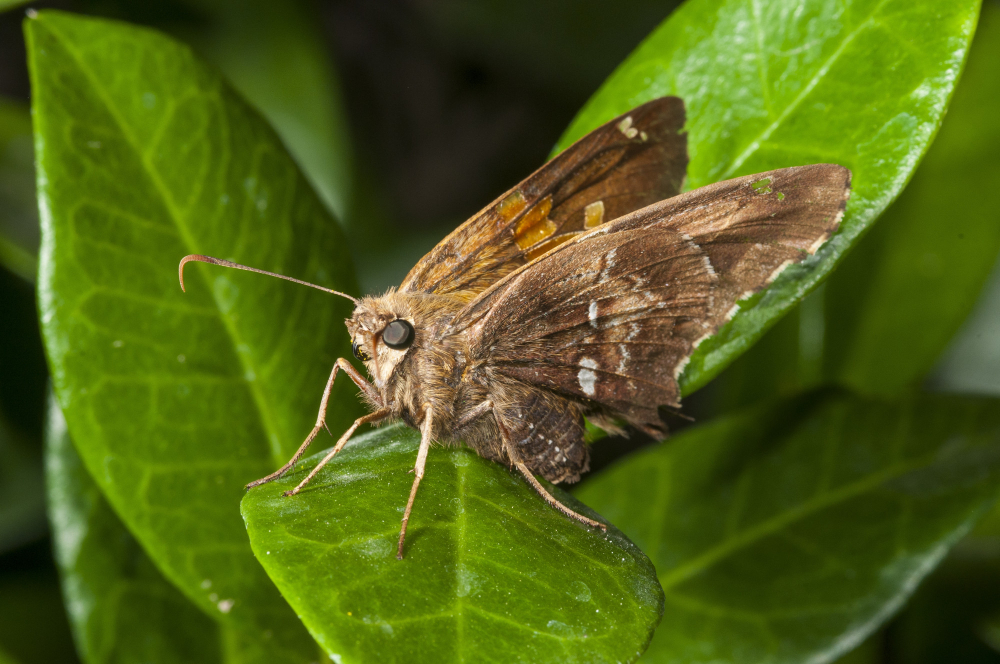
Larvae feed in the dark and under cover, so the damage is in folds, inside sleeves, along seams, under collars, beneath furniture and at the edges of carpets where the vacuum does not reach.
They avoid exposed flat surfaces, which means the middle of a carpet in daylight is usually fine while the strip under the wardrobe is destroyed, and a folded jumper is eaten along the fold lines. Anybody checking for damage by looking at the front of a garment on a hanger is looking in the one place it is least likely to be.
10. One Species Builds a Portable Case Out of What It Eats
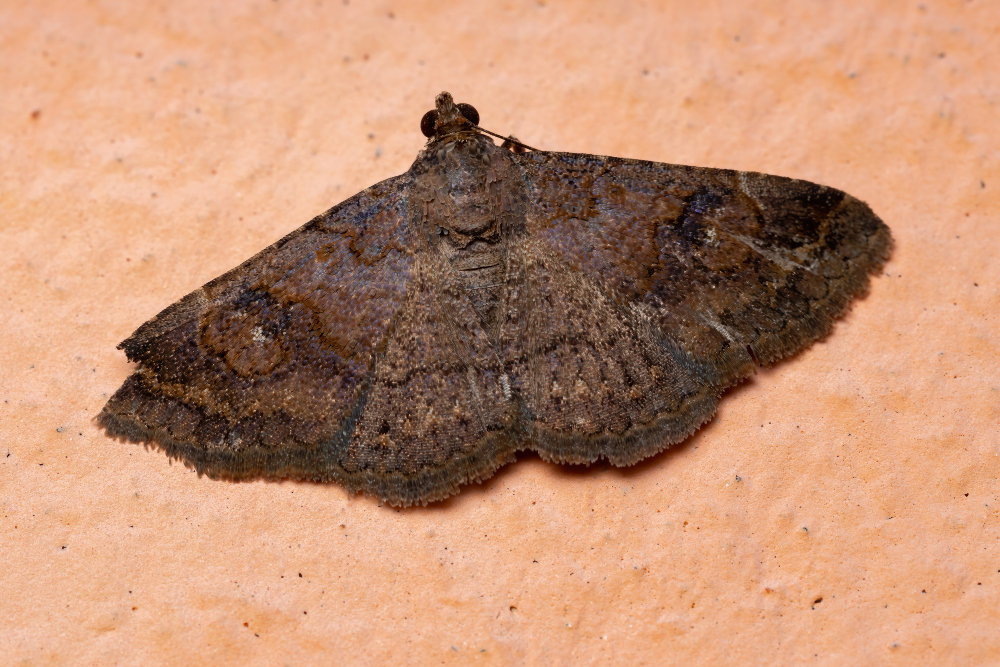
There is more than one kind of clothes moth, and one of them constructs a small tube of silk and chewed fibre around itself and carries it about as it feeds.
The case is made of whatever it has been eating, so it matches the garment – a tiny grey cylinder on grey wool, a brown one on brown fur – which makes it close to invisible. The commoner species does not do this and instead spins silk tunnels and grazes under the cover of them. Either way the insect is working beneath something it has made, which is a further reason nobody ever sees one.
11. It Can Wait an Extremely Long Time
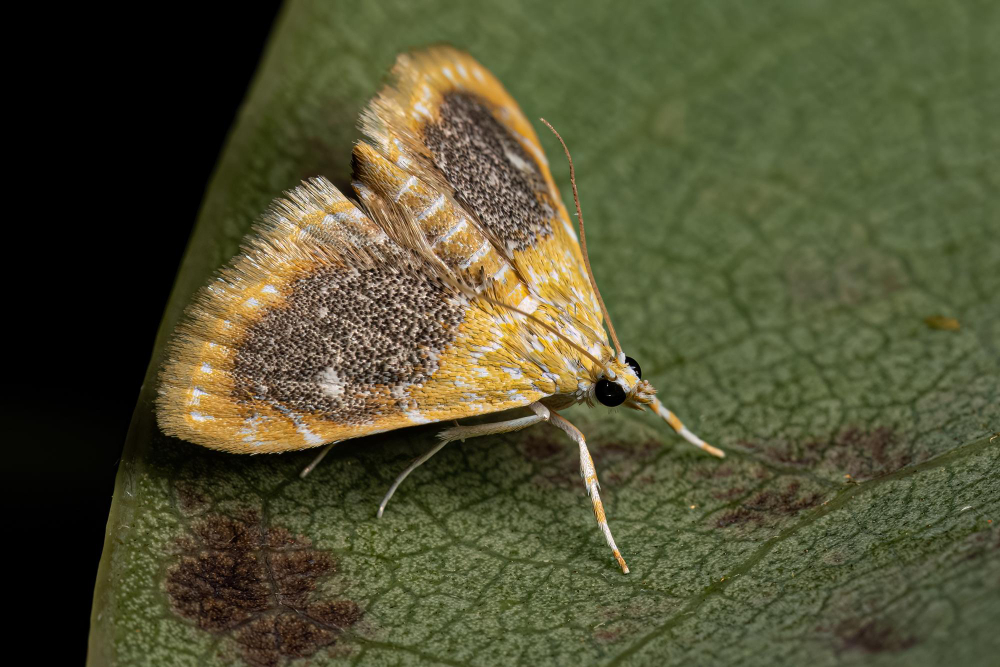
Development is not on a fixed schedule. In warmth with good food the larval stage takes a couple of months; in cold conditions with poor food it can stretch out for well over a year, and in some cases beyond two.
They can also survive long periods with very little, simply slowing down rather than dying. Which means a cold spare room, an unheated loft or a trunk that nobody opens is not a safe place but a slow one, and a garment put away apparently clean can be found damaged years later by an insect that was in no hurry.
12. Central Heating Nearly Finished Them, and Then Brought Them Back
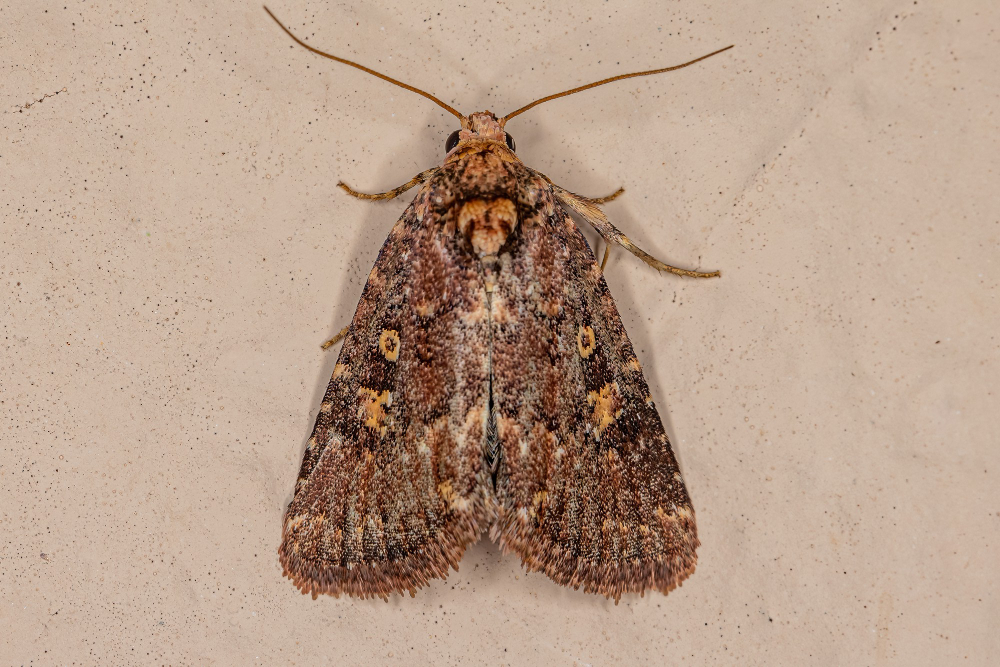
The population history of this insect over the last century is a good example of an animal tracking the way people live, and it has gone both ways.
Numbers fell substantially through the middle of the twentieth century, as synthetic fabrics replaced wool, naphthalene was in every wardrobe and carpets became less likely to be wool. Then the pattern reversed: wool, cashmere and natural fibres came back into fashion, the chemicals fell out of use, and homes became uniformly warm all year – which removed the cold season that had previously slowed development to a crawl. A heated house runs the insect’s life cycle at summer speed in January.
13. Mothballs Only Worked in a Sealed Space
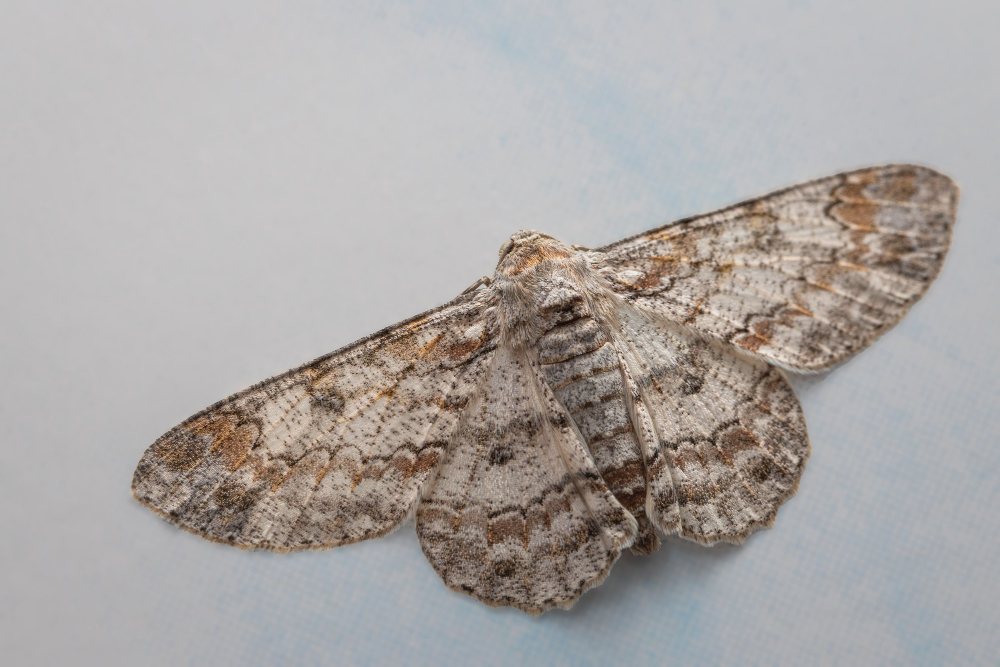
The traditional mothball was a solid that turns directly into vapour, and the vapour was the active part. The ball itself did nothing; it was a slow-release source of a gas.
Which means the thing most people did with them did not work. A mothball in an open wardrobe or a drawer that is opened daily produces a smell and almost no effect, because the vapour has to build up to a substantial concentration in a sealed container to do anything, and in a ventilated space it simply disperses. They were effective in a closed trunk and largely decorative anywhere else. The characteristic smell is the one thing they reliably delivered.
14. The Holes Appear Long After the Insect Has Gone
The final difficulty is a matter of timing. A garment is damaged while it is stored, in the dark, over weeks or months, by something that then leaves.
Nobody is present for any of it. The hole is discovered when the item is next taken out and held up to the light, which may be a season or several years later, at which point the larva has pupated, emerged, flown and died, and there is nothing to find. Which is why the insect has such a reputation for being mysterious: every encounter anybody has with it is with the evidence, after the fact, and never with the animal.
An Insect Nobody Ever Actually Sees
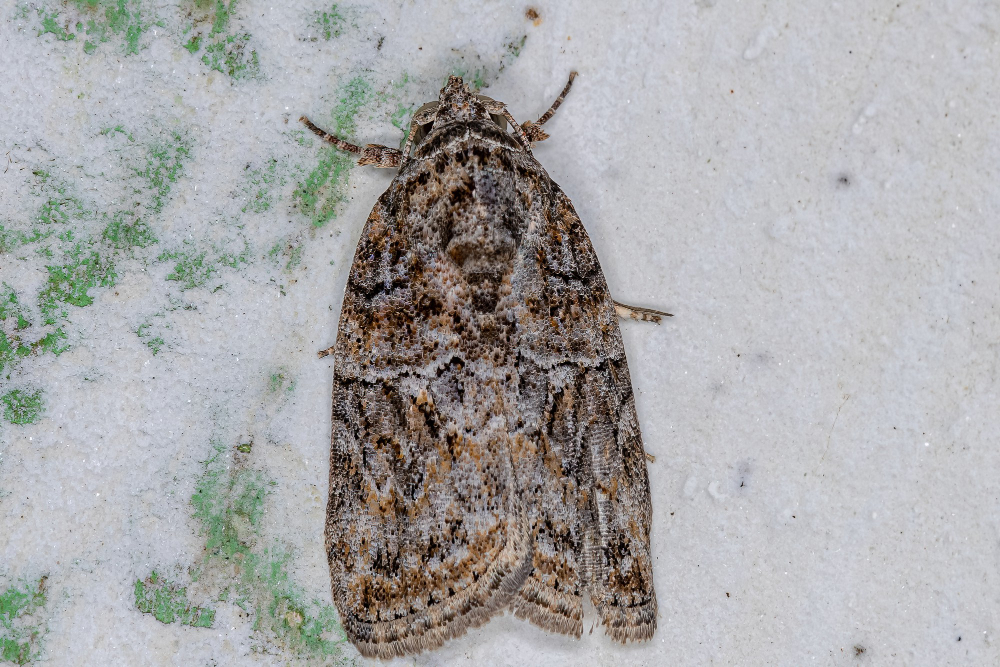
An adult with no working mouth that never eats, a larva doing all the damage out of sight, a gut able to digest keratin when almost nothing else can, cotton ignored entirely, a preference for darkness that keeps it in the back of the cupboard, and a reliance on dirt rather than on clean wool.
The seventh item is the one that resolves most people’s confusion. The moth flapping round your lamp in the evening is almost certainly not a clothes moth, because clothes moths move away from light and would never go near it. That one has come in from outside, or out of a food cupboard, and has no interest in wool whatsoever. The insect you would actually need to worry about is small, dull, walks rather than flies, and is at the back of the wardrobe in the dark.
Like our content? Follow us for more.
