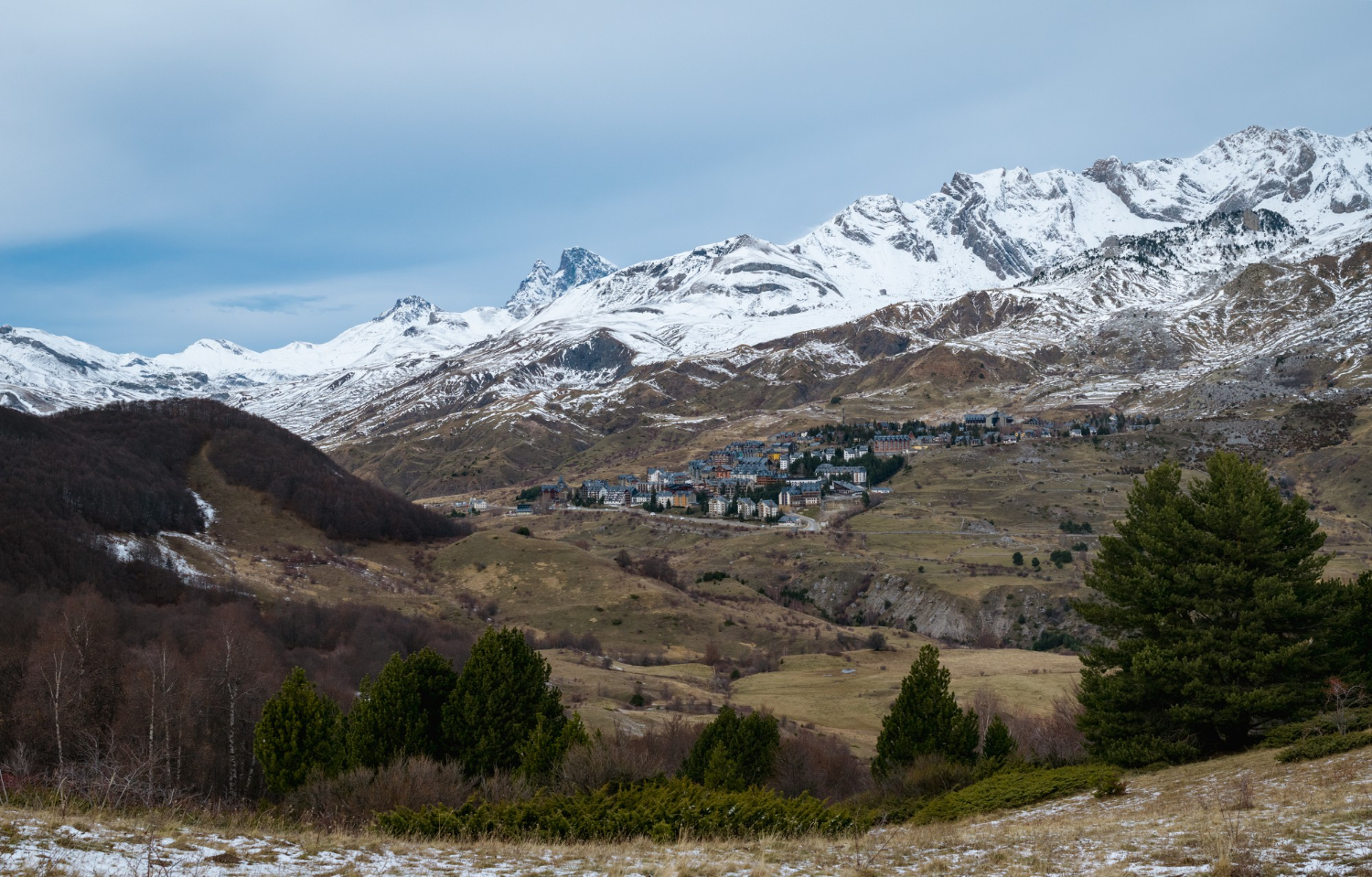
Altitude is not simply cold. It changes the pressure, the radiation, the growing season, the cooking and the access, and a town built high has adjusted to every one of those. Here are fourteen.
1. Water Boils Cooler
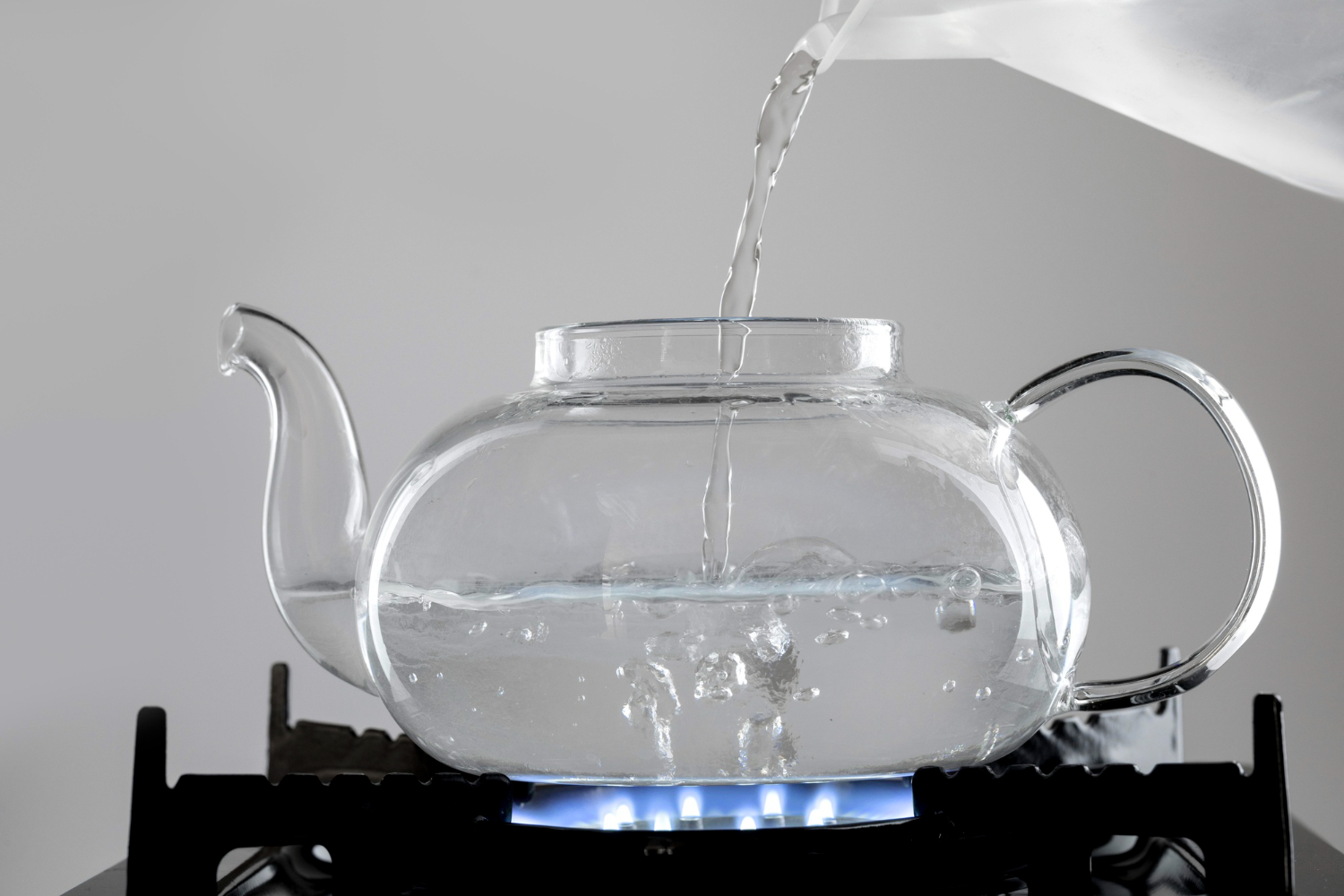
Lower air pressure means water boils at a lower temperature, so boiling food cooks it less effectively and everything takes substantially longer.
Some things cannot be cooked by boiling at all up there. The lowered boiling point is the difference that changes every kitchen.
Like our content? Follow us for more.
2. Which Is Why Pressure Cooking Matters
Sealing a vessel raises the internal pressure and therefore the boiling temperature, restoring what altitude removed.
It is a solution to a physics problem rather than a convenience. Pressure cooking is the technology that altitude makes necessary rather than optional.
3. Baking Behaves Differently Too

Lower pressure means gases expand more readily, so doughs and batters rise faster and can collapse, and formulations are adjusted accordingly.
Recipes from lower down do not transfer. Altitude baking is the case where the same method produces a different result.
4. The Sun Is Truly Stronger
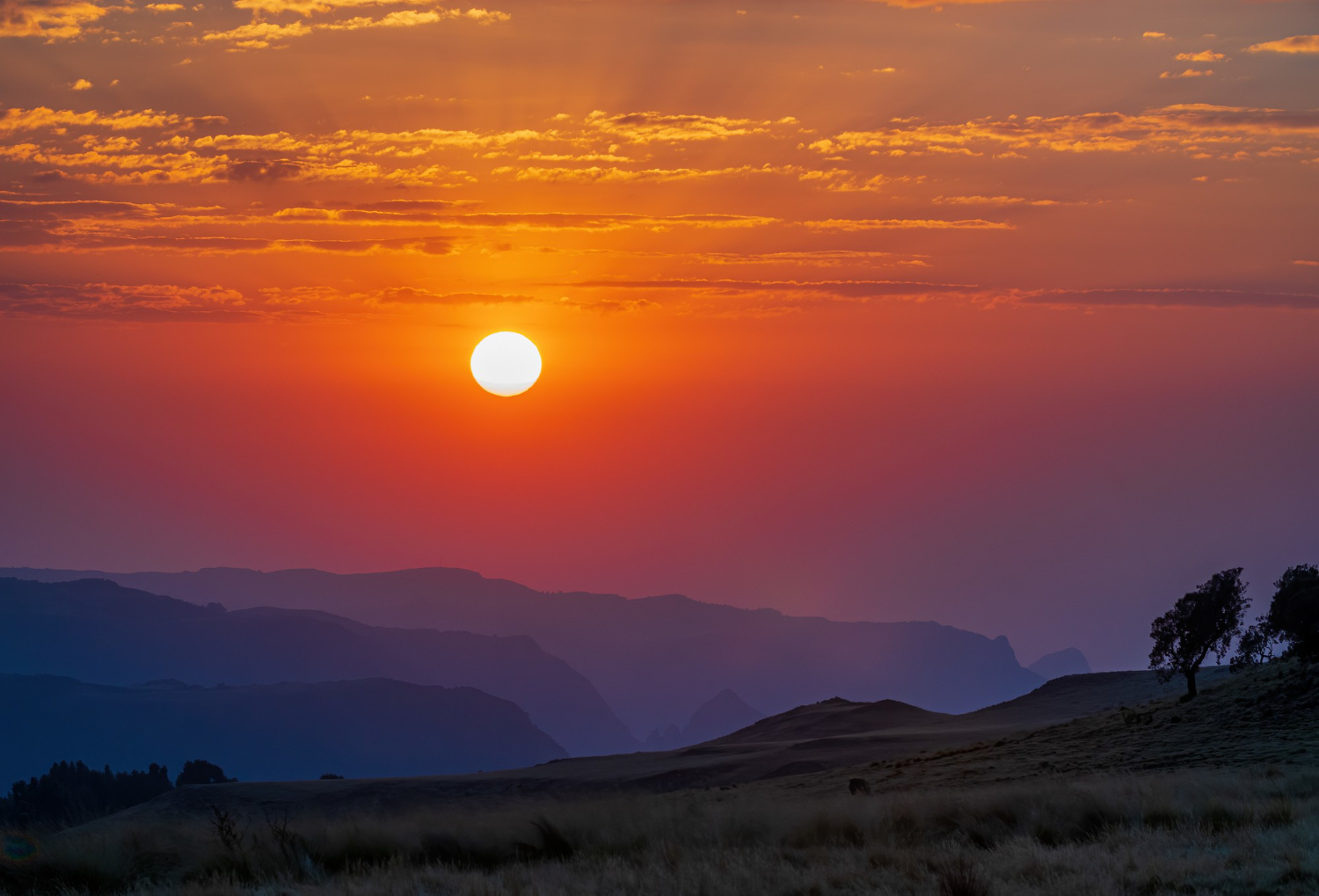
Less atmosphere above means more ultraviolet reaching the ground, so exposure at altitude is substantially higher than at sea level for the same latitude and season.
Shade, clothing and building design all reflect it. Increased ultraviolet is the constraint that shapes how people dress and build.
5. It Is Cold at Latitudes That Are Not
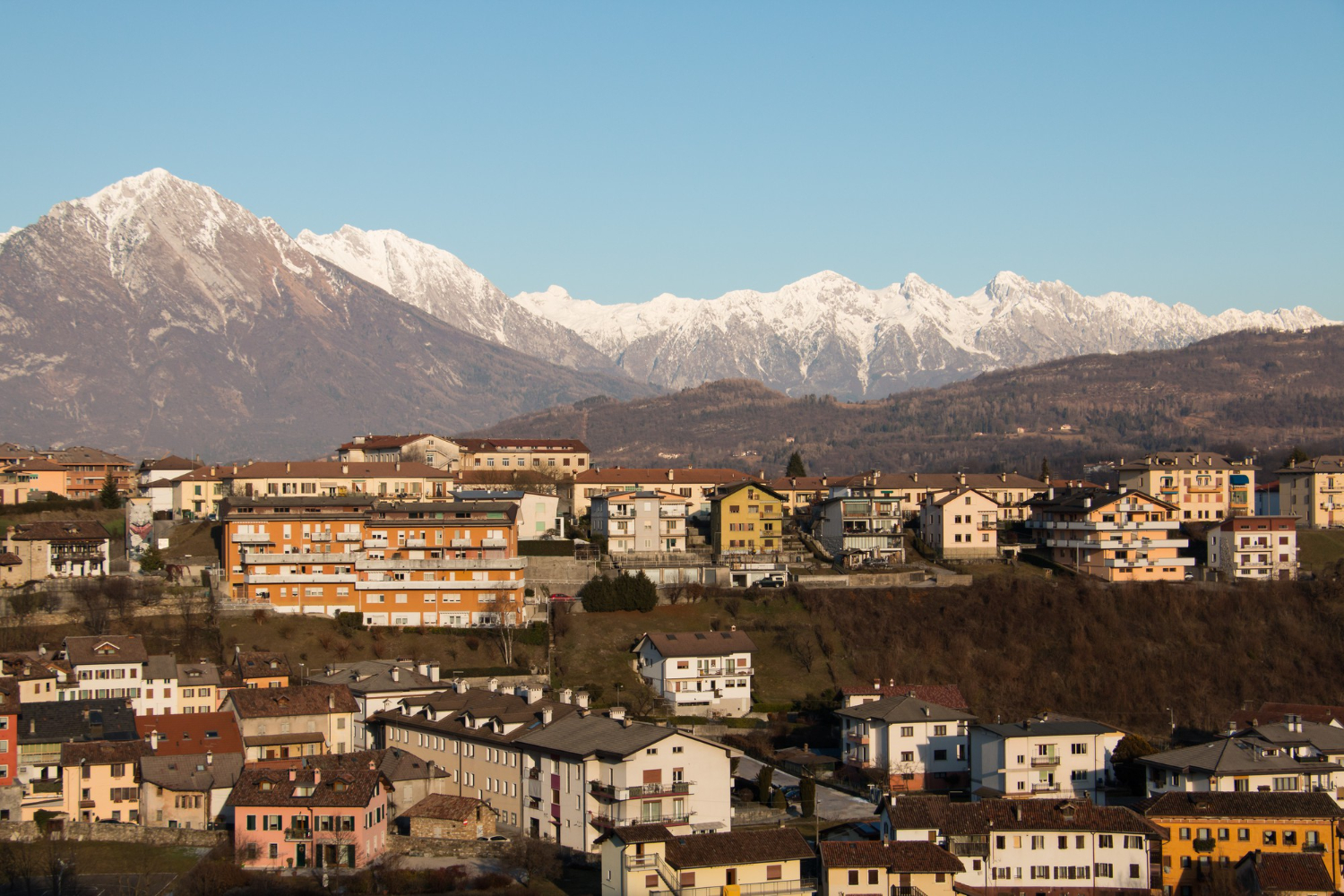
Temperature falls with elevation regardless of latitude, so a town near the equator can sit permanently in cold conditions.
Tropical and freezing simultaneously is a truly disorienting combination. Elevation-driven cold is the reason latitude is a poor guide to climate.
6. The Growing Season Is Short and the Crops Are Specific
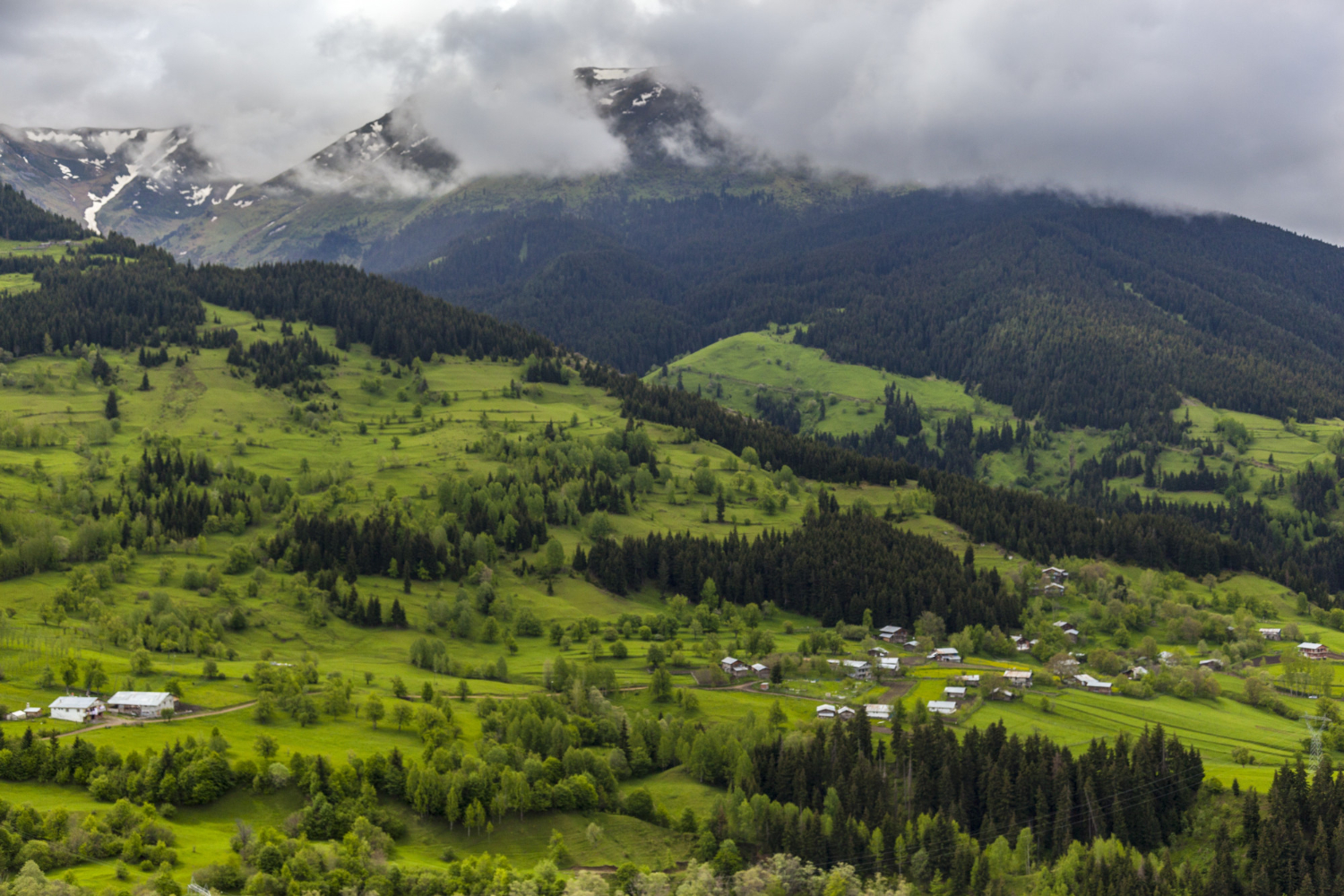
Agriculture at altitude depends on varieties tolerating cold, thin soil, short seasons and intense light, which is why a small number of hardy crops dominate.
Those crops frequently originated at altitude for exactly that reason. Restricted agriculture is the constraint that determined what people up there eat.
7. Terracing Turns Slope Into Field
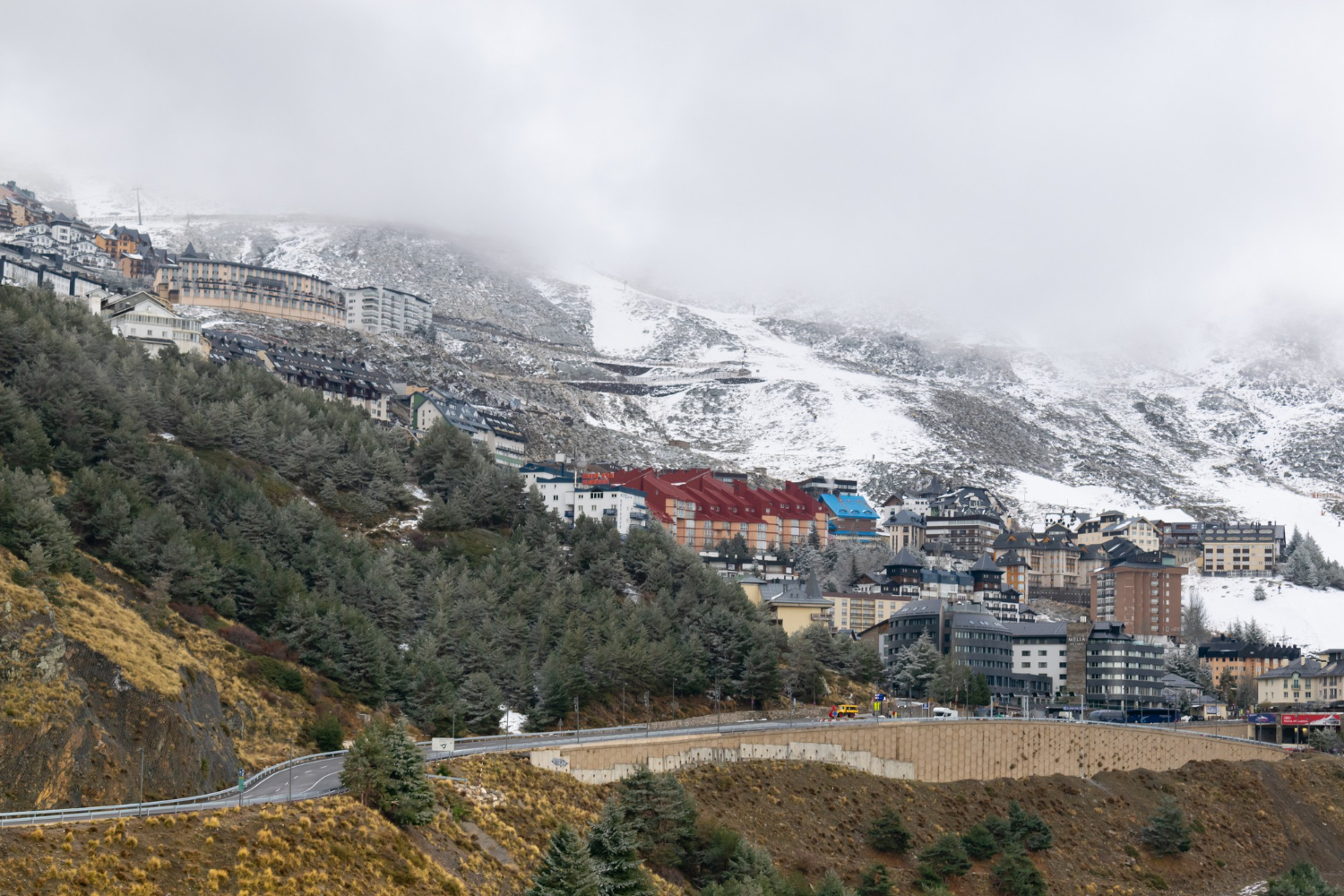
Level ground is scarce, so cultivation depends on constructing it – stone-walled terraces that also retain soil, manage water and moderate temperature.
The stonework represents an enormous accumulated investment. Terracing is the infrastructure that made high agriculture possible at all.
8. Building Materials Are Whatever Is There
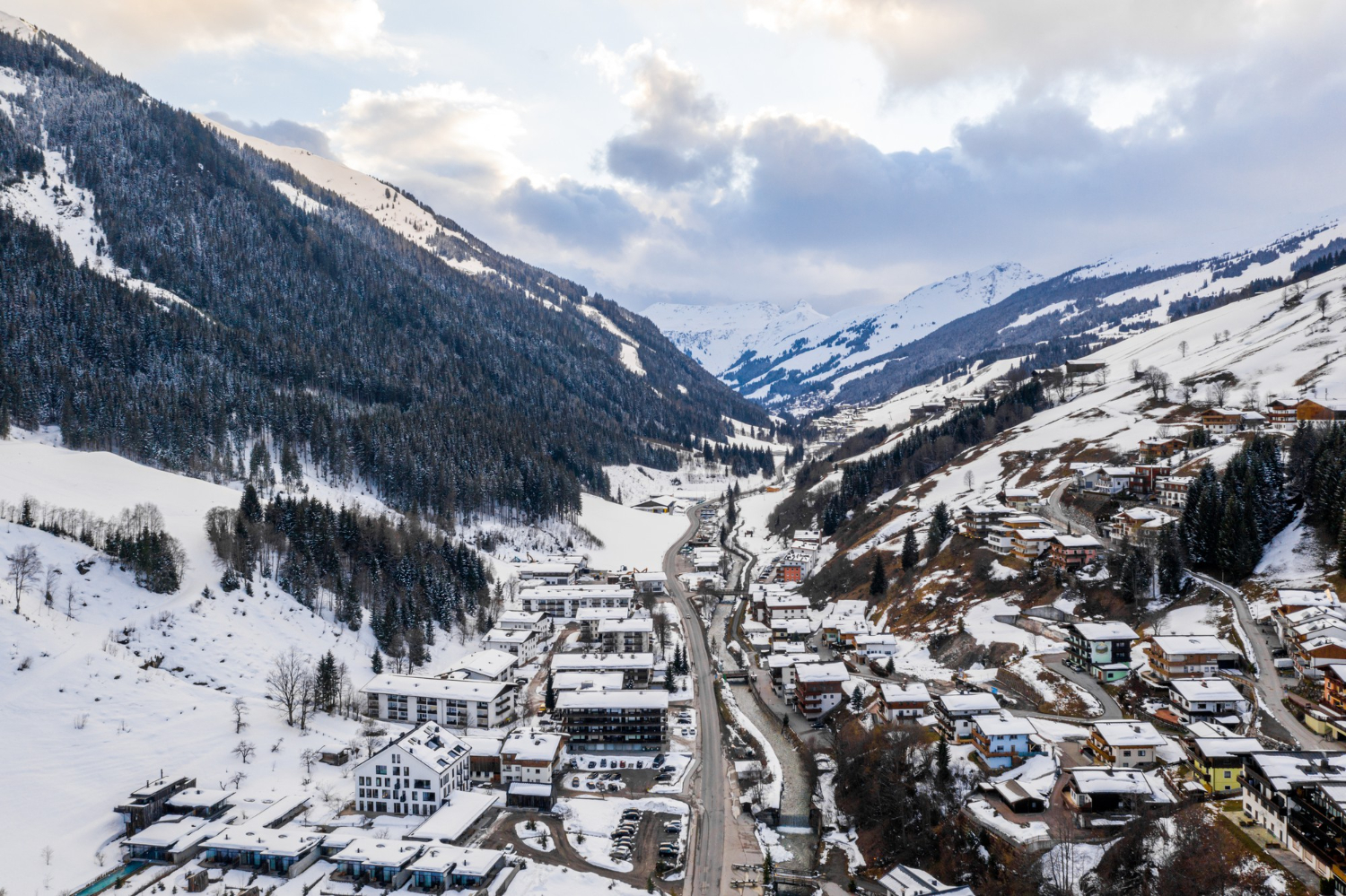
Above the treeline there is no timber, so construction relies on stone, earth and turf, with any wood carried up at considerable cost.
Roof spans are consequently short and rooms small. Local materials are the constraint that gives high settlements their look.
9. Buildings Are Designed Around the Sun
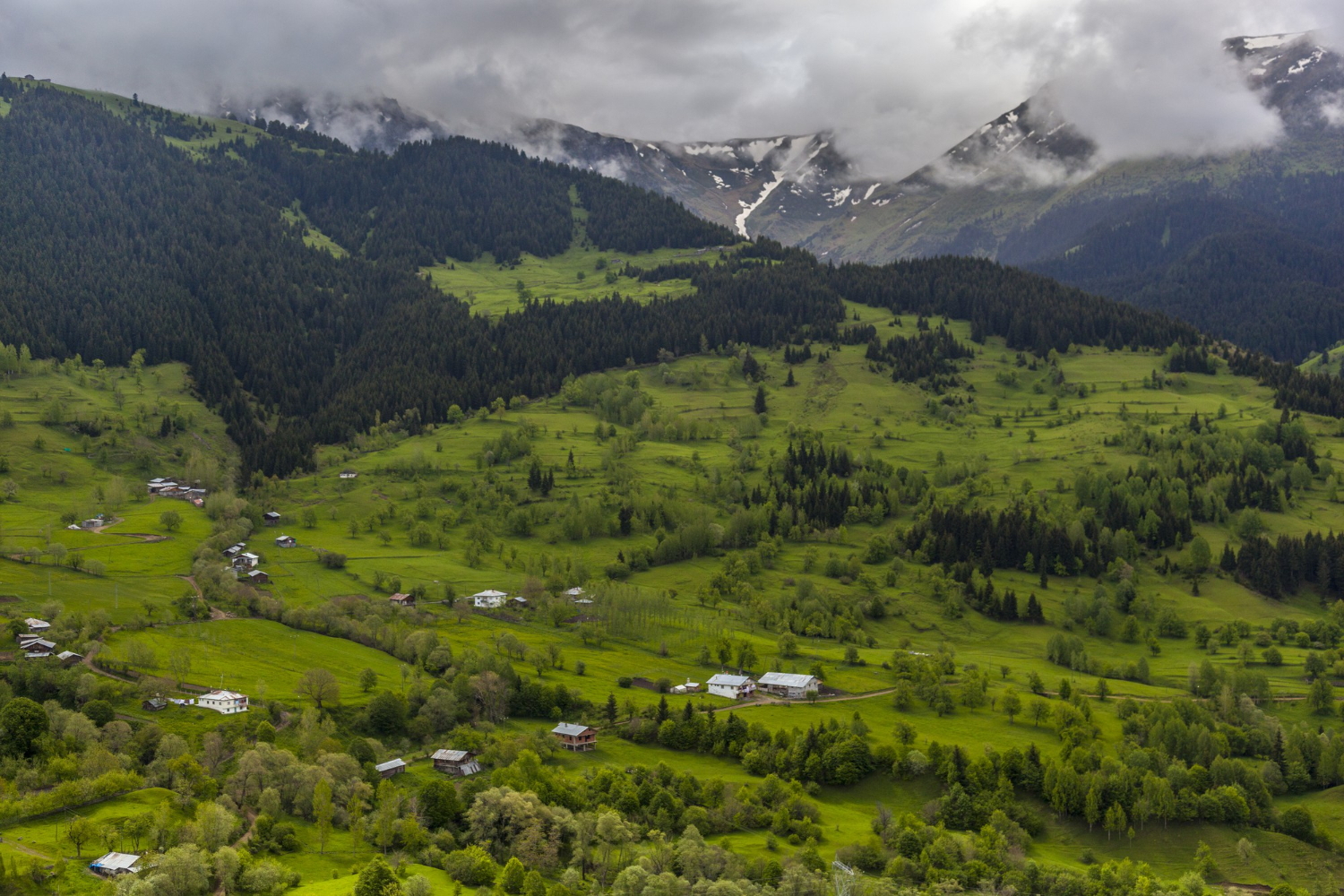
Orientation, window placement, wall thickness and thermal mass all follow from the need to capture heat during the day and retain it overnight.
The temperature swing between day and night is substantial. Solar design is the response to a climate with a very large daily range.
10. Access Is the Defining Problem
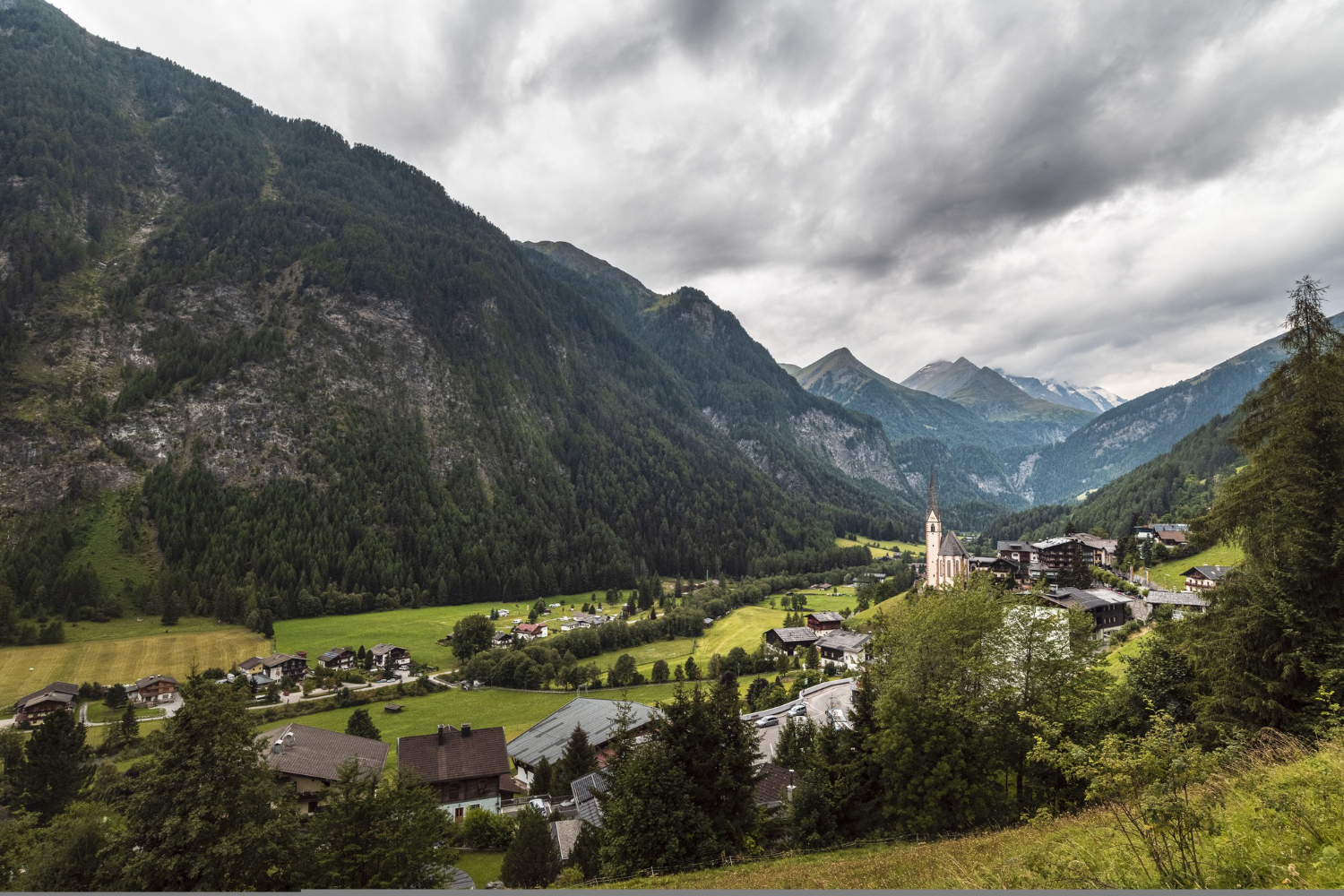
Everything not produced locally has to be brought up, along routes that are steep, long and frequently closed by weather for part of the year.
That governs prices, supply and what is worth transporting. Access difficulty is the constraint behind the entire economy.
11. Roads Have a Season
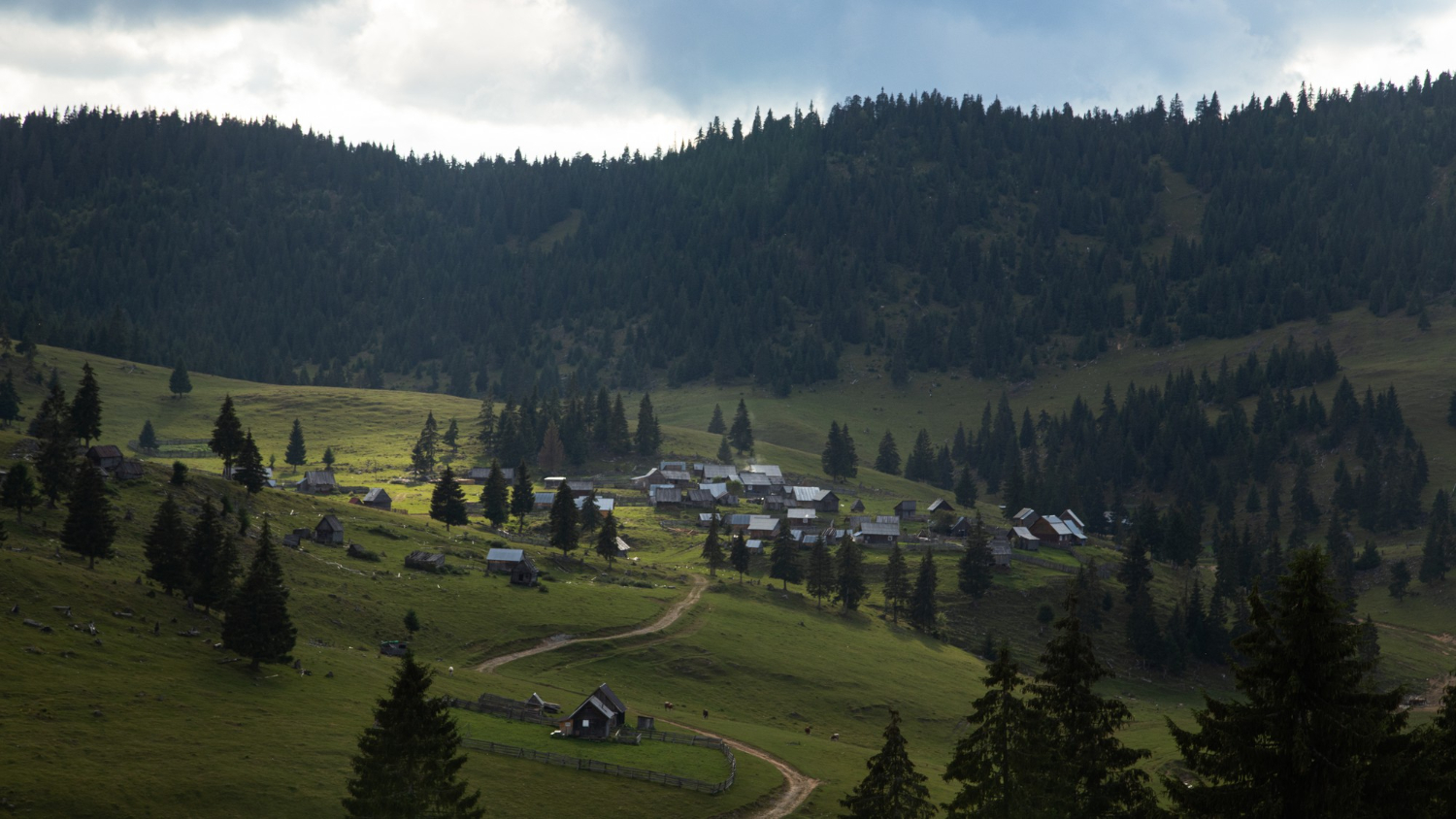
High routes close and reopen according to conditions rather than calendar, and communities organise supply, travel and work around those dates.
The opening is a local event. Seasonal access is the arrangement that structures the year.
12. Livestock Rather Than Crops
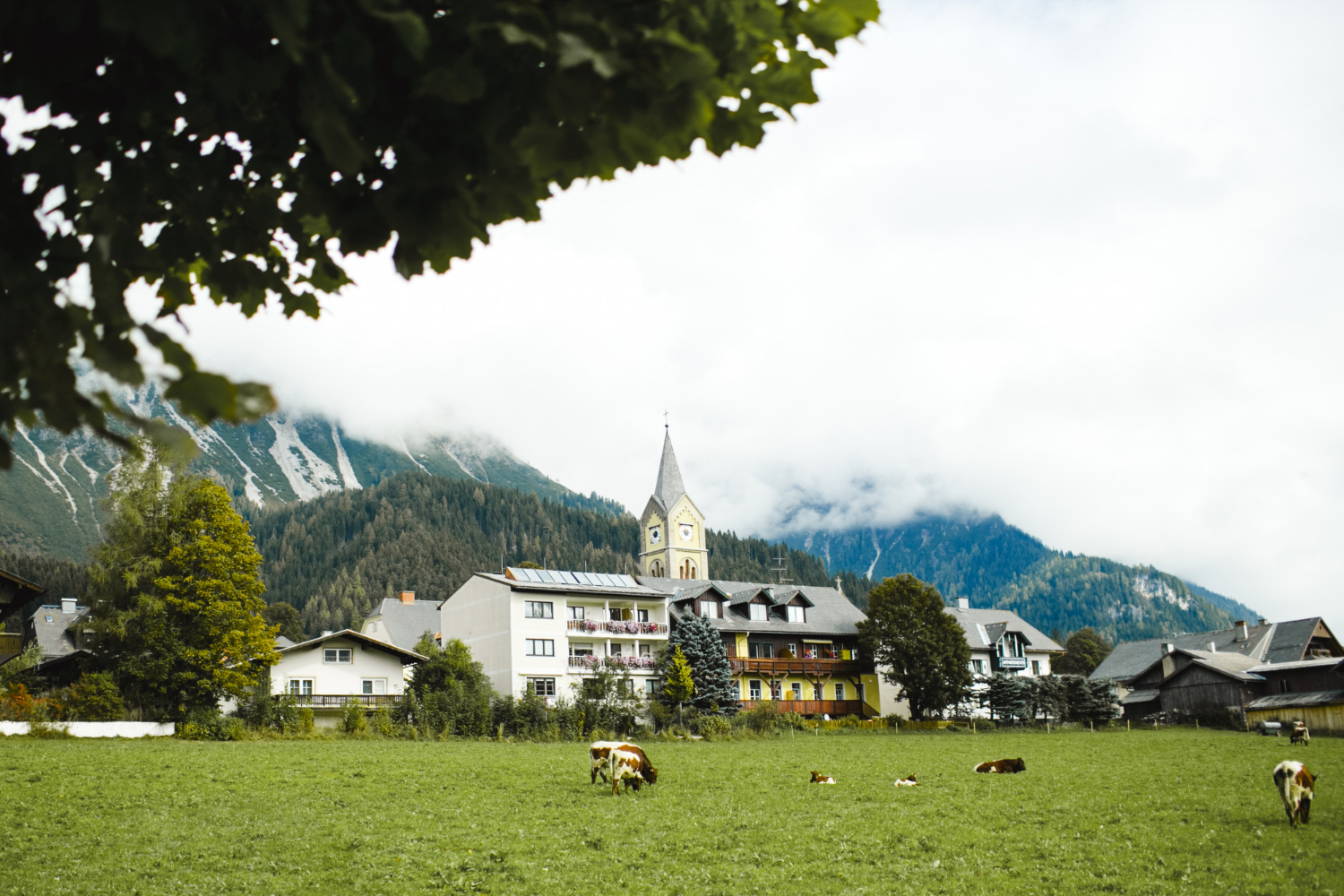
Where cultivation is marginal, grazing animals convert vegetation people cannot eat into food they can, which is why high settlements are so often pastoral.
The animals are frequently species specific to altitude. Pastoralism is the strategy for land that will not grow food directly.
13. Resident Populations Differ Physiologically
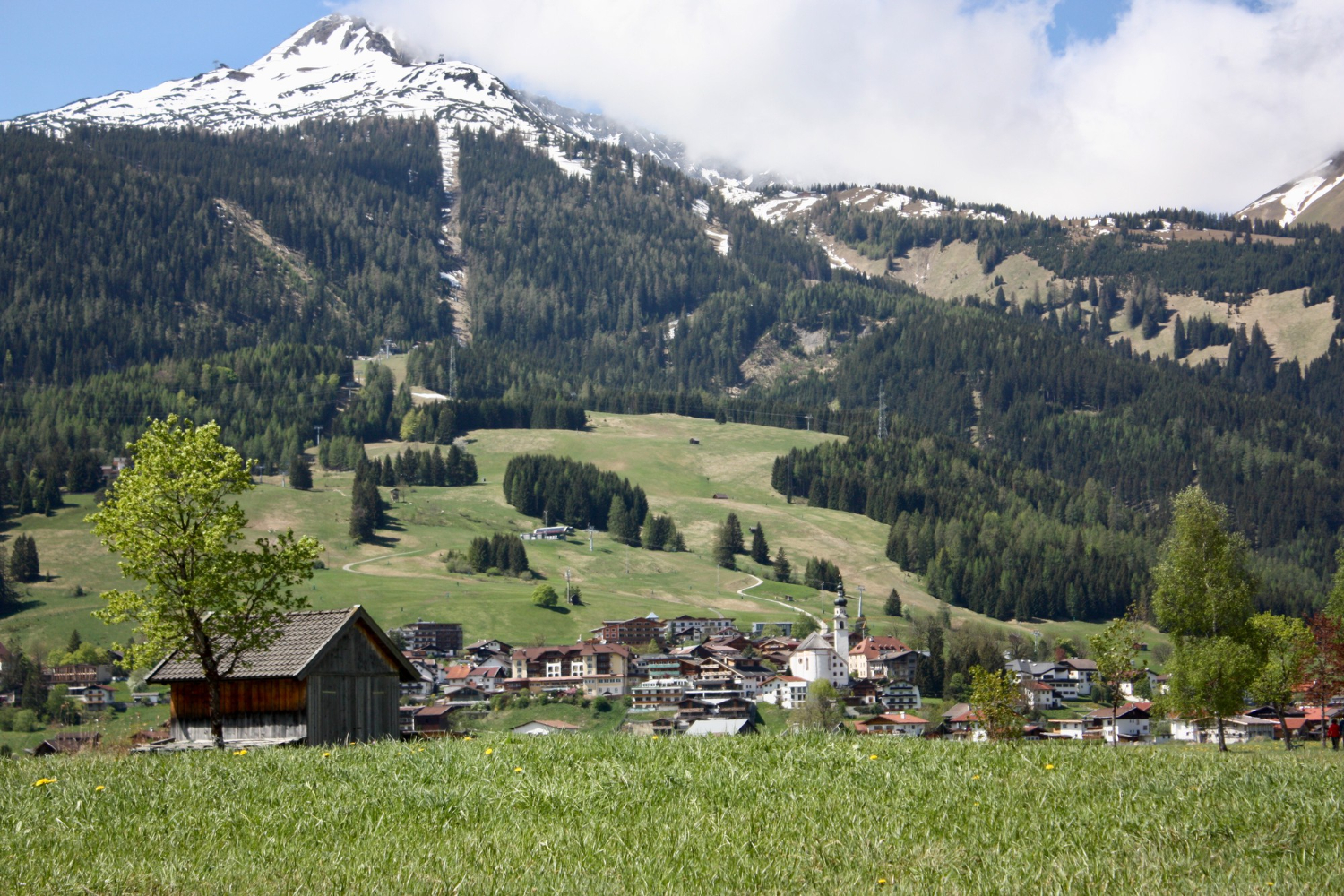
Communities living at altitude across many generations show physiological differences from lowland populations, and notably the adaptations differ between the world separate high-altitude regions.
Different solutions were arrived at independently. Population adaptation is the finding that shows there is more than one answer.
14. Visitors Are the Ones Affected
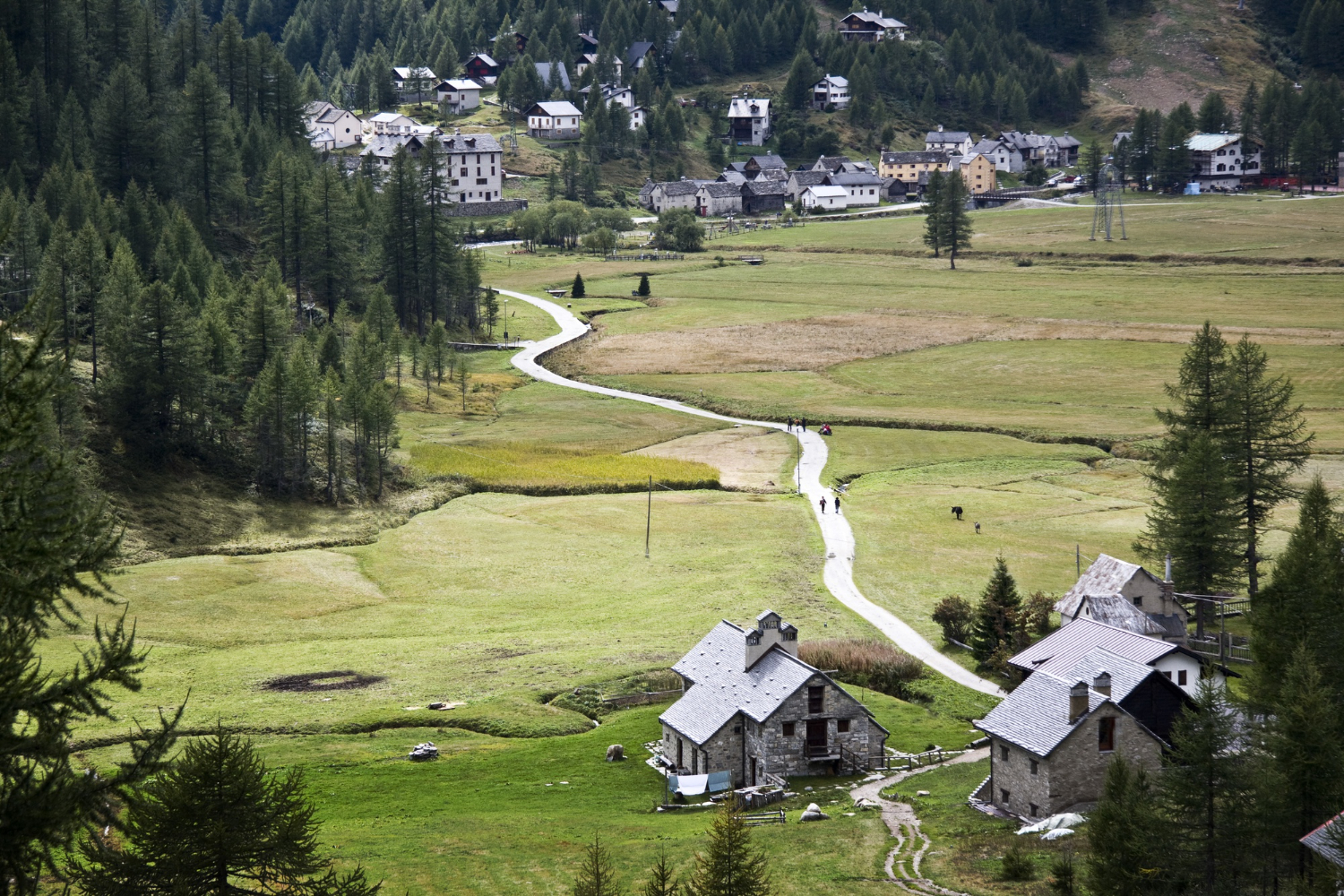
Altitude sickness affects people arriving rather than people living there, and how quickly somebody ascends matters substantially.
It is a medical matter requiring advice before travelling rather than information from an article. Ascent effects are the reason anybody going high should ask a doctor first.
Thinner Air Changes Everything Downstream
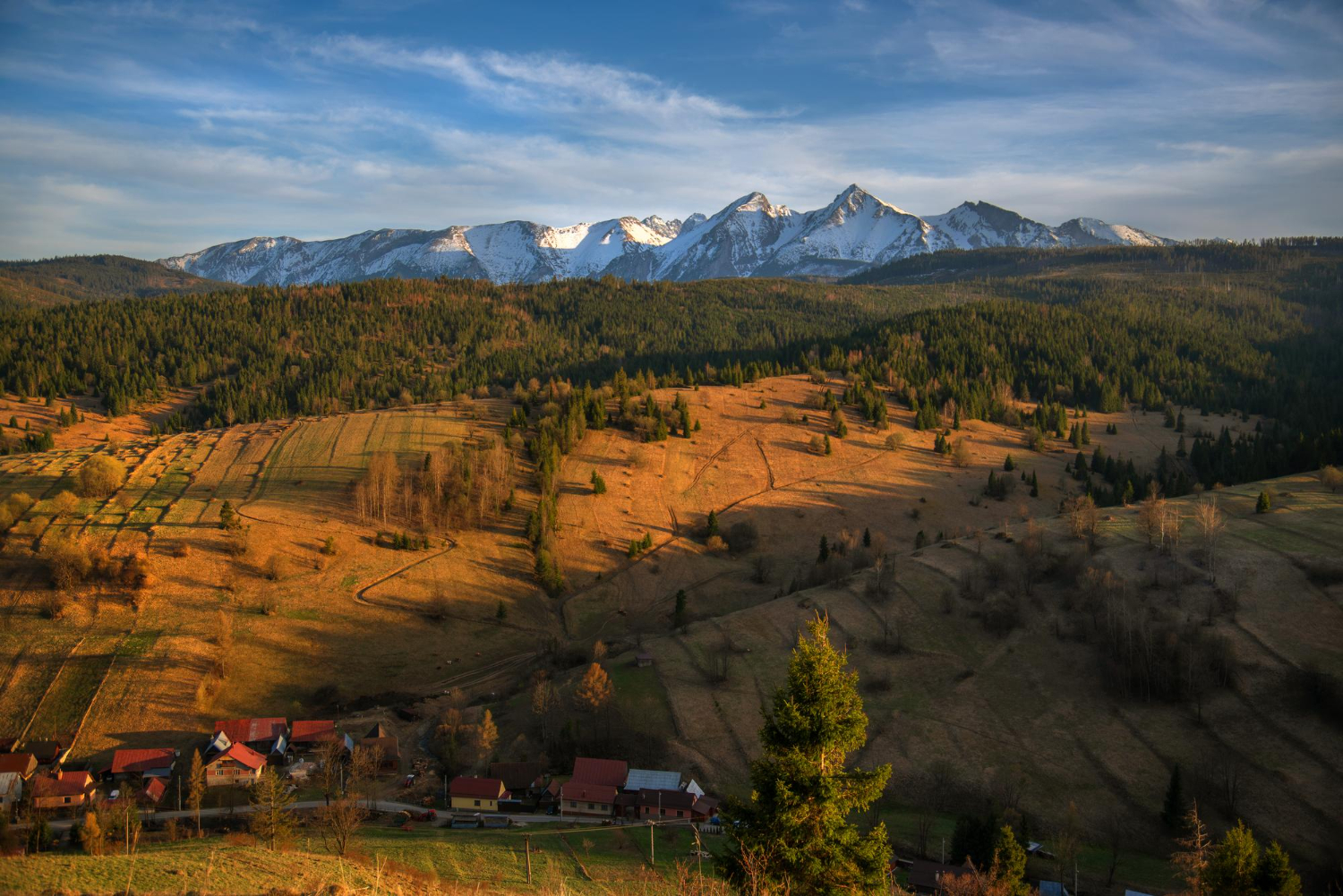
Lower pressure, stronger sun, colder air, shorter seasons and harder access – and every feature of a high settlement, from the cooking pots to the roof spans to the road schedule, follows from one of them.
One necessary note: altitude affects visitors in ways it does not affect residents, the rate of ascent matters, and this is properly a medical question rather than a travel one. Anybody planning to go substantially higher than they are used to should take advice from a doctor before travelling, and should treat the planning of the ascent as part of the trip rather than an afterthought.
Like our content? Follow us for more.