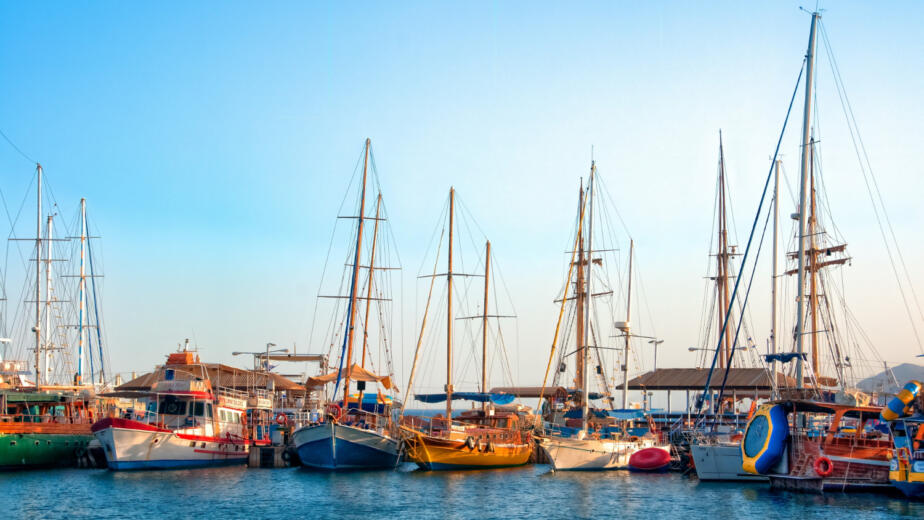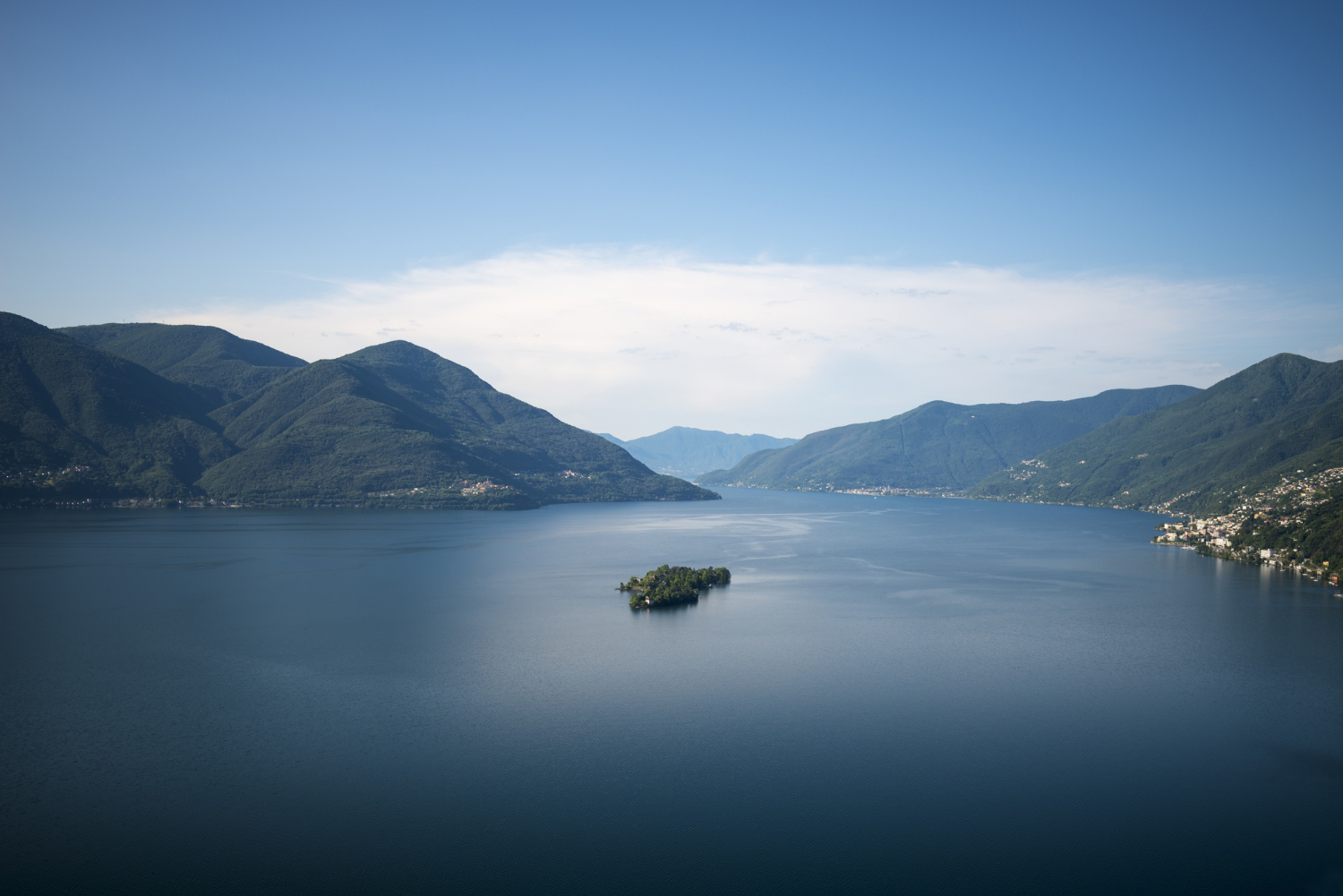
Every lake island is either something that was already there, something that grew, or something somebody built. Which one it is determines everything about the place. Here are fifteen.
1. The Hill That Did Not Go Under
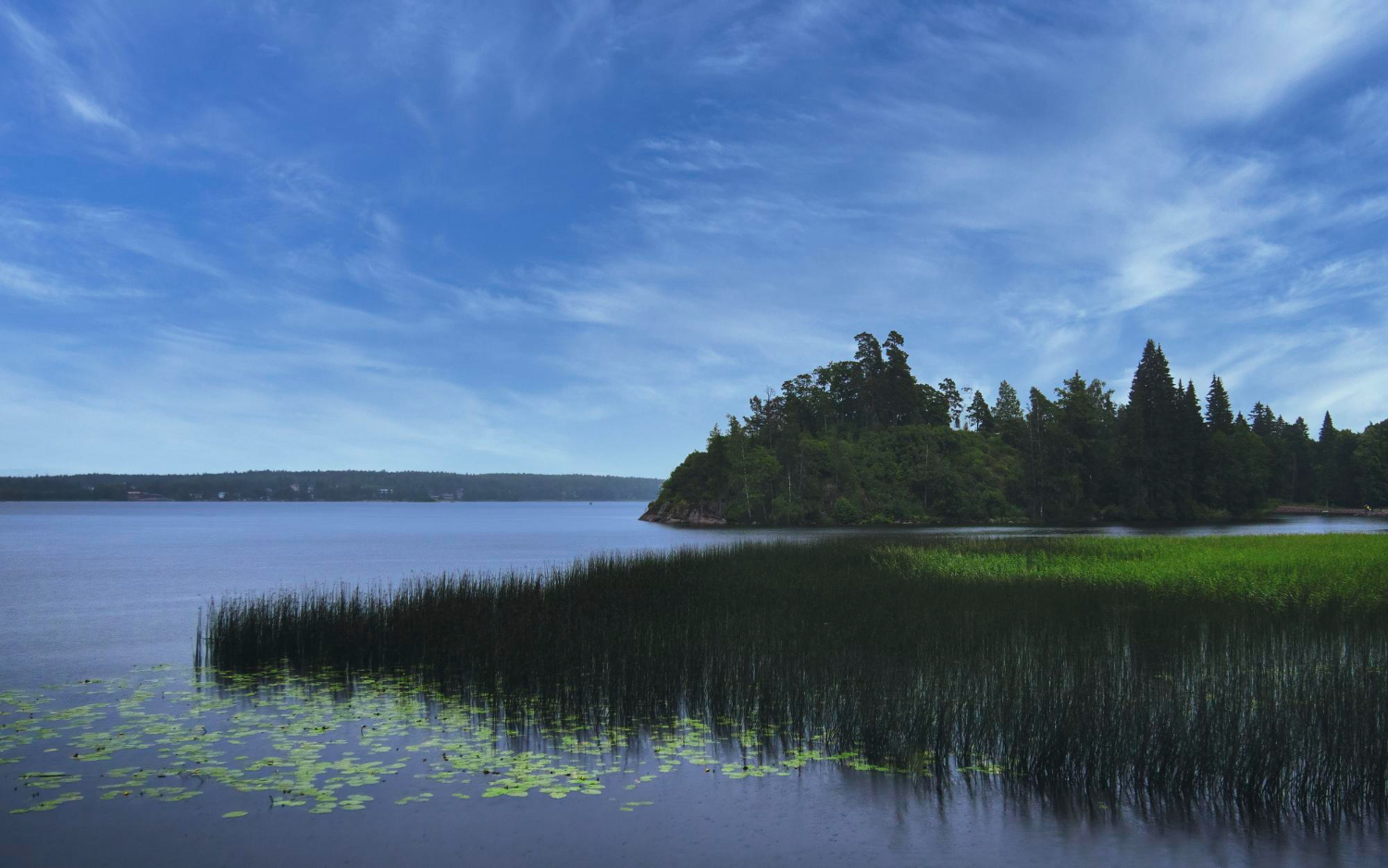
Where a valley was flooded, the tops of hills remained above the new water level, so the islands are simply the highest ground of a landscape that is otherwise submerged.
The lake bed below is a recognisable countryside. Drowned-hill islands are the summits of a landscape that is still down there.
Like our content? Follow us for more.
2. The Volcano Inside the Lake
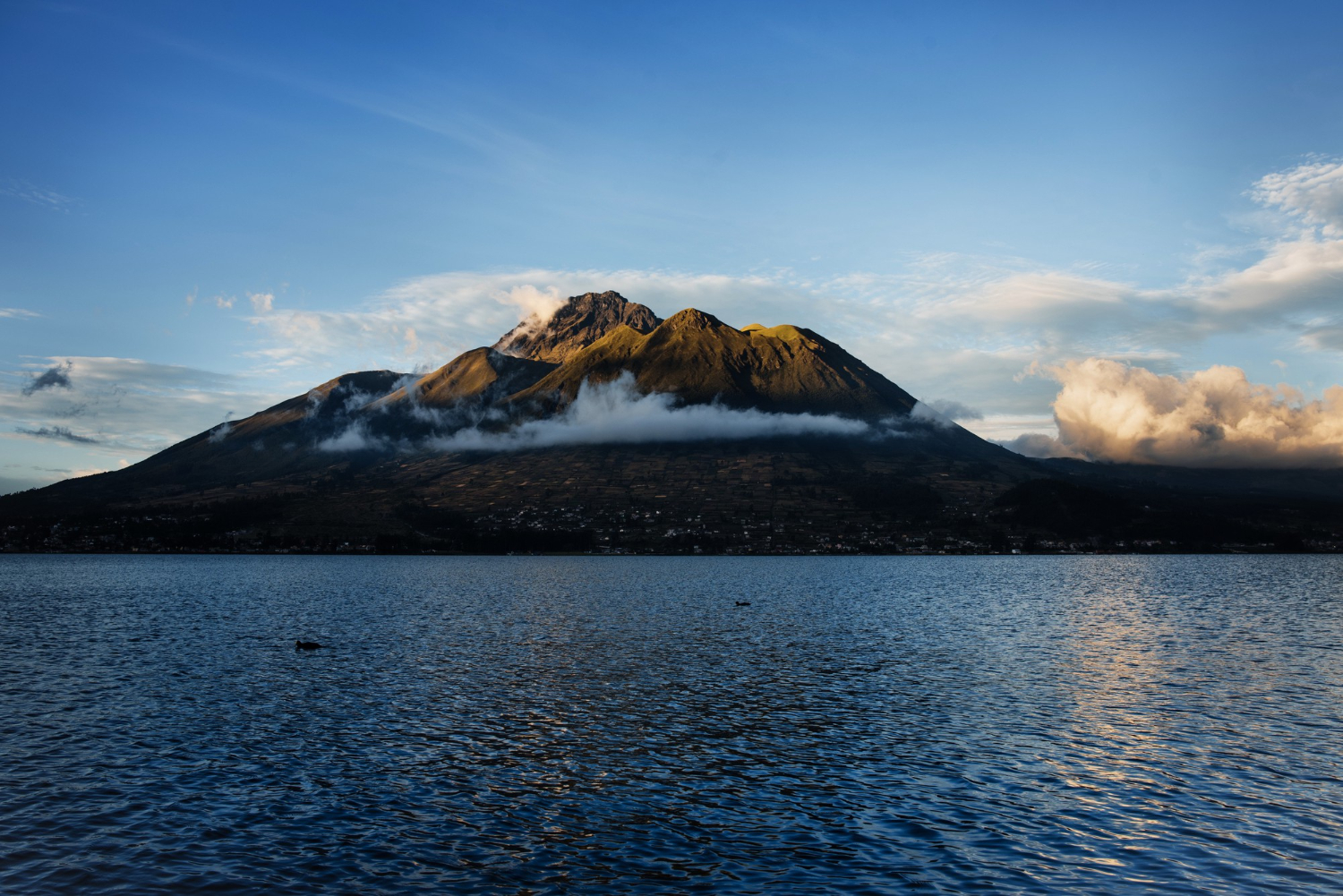
Where a crater lake sits in an active system, later eruptions can build a cone within the water, producing an island that is younger than the lake around it.
In several cases the island then develops a lake of its own. The volcanic lake island is the landform still being built.
3. The Island With a Lake on It
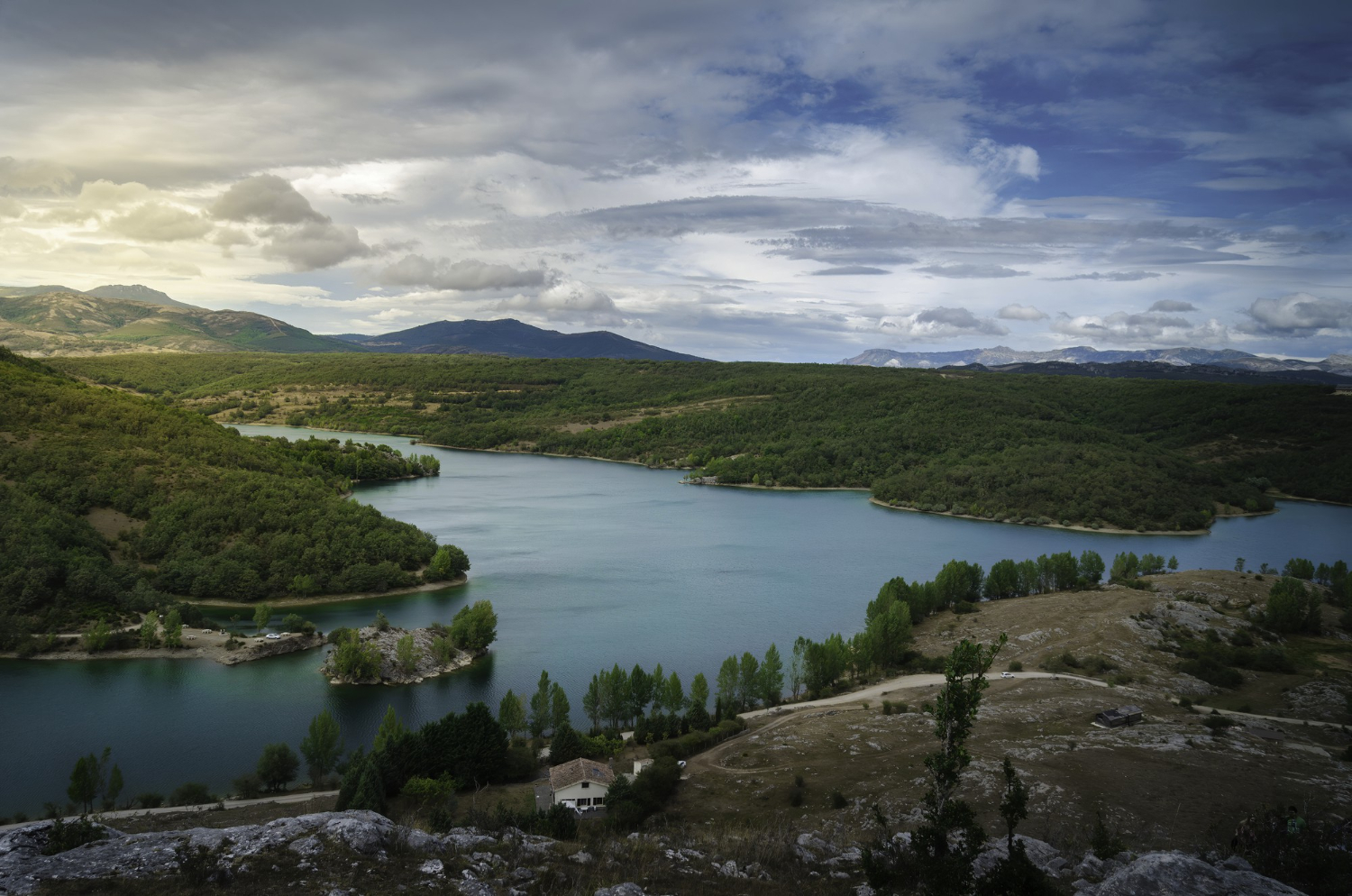
A lake containing an island containing a lake is a real and recurring configuration, and in a few places the nesting goes further still.
It is a geographical curiosity rather than a rarity. The nested island is the landform that reads like a riddle.
4. The Island Somebody Built
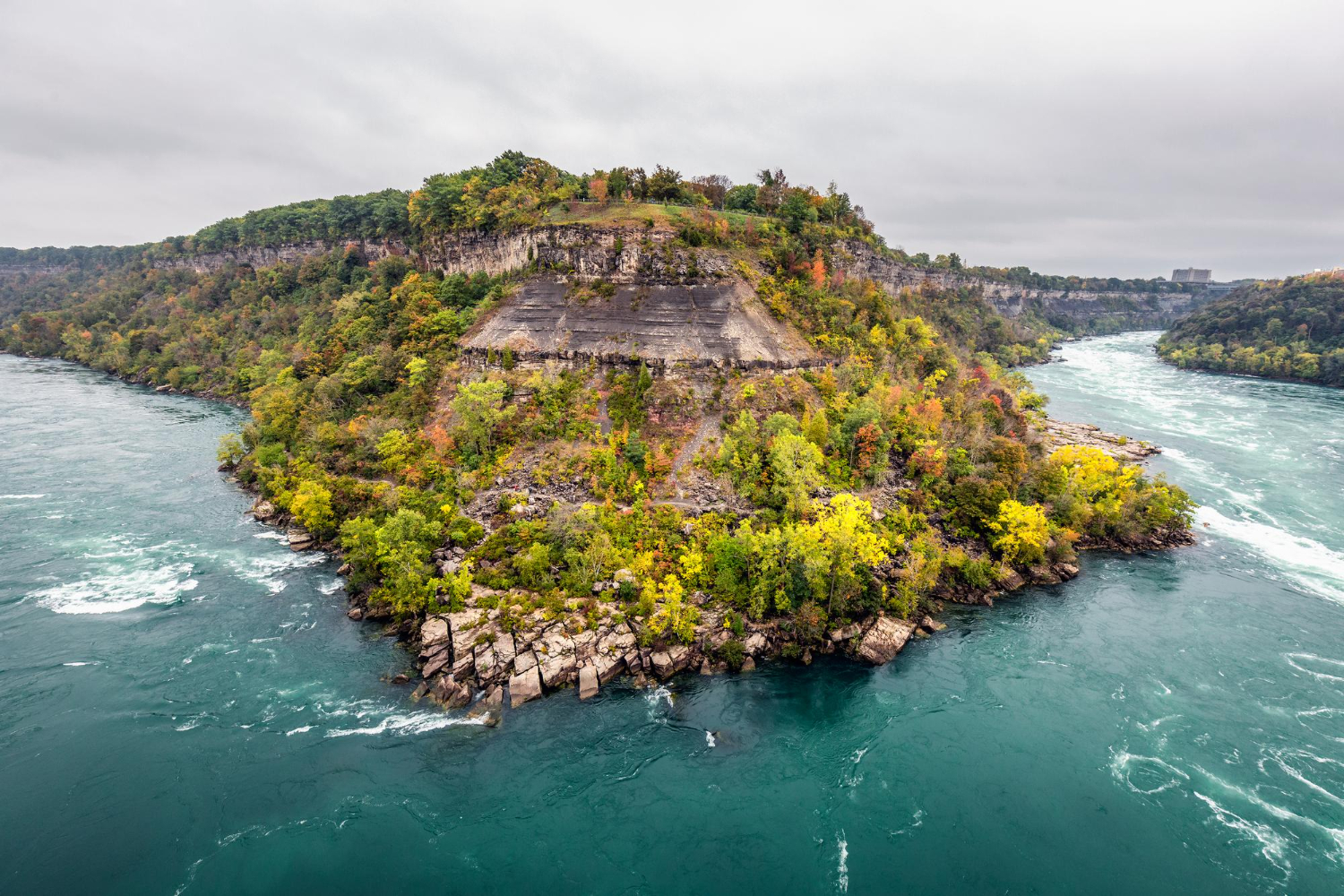
Artificial islands made by piling stone, timber and earth in shallow water were constructed in several regions over very long periods, for defence, status and dry ground.
Many were occupied for centuries and some are still built on. The constructed island is the landform that is entirely a decision.
5. The Island Chosen for Isolation
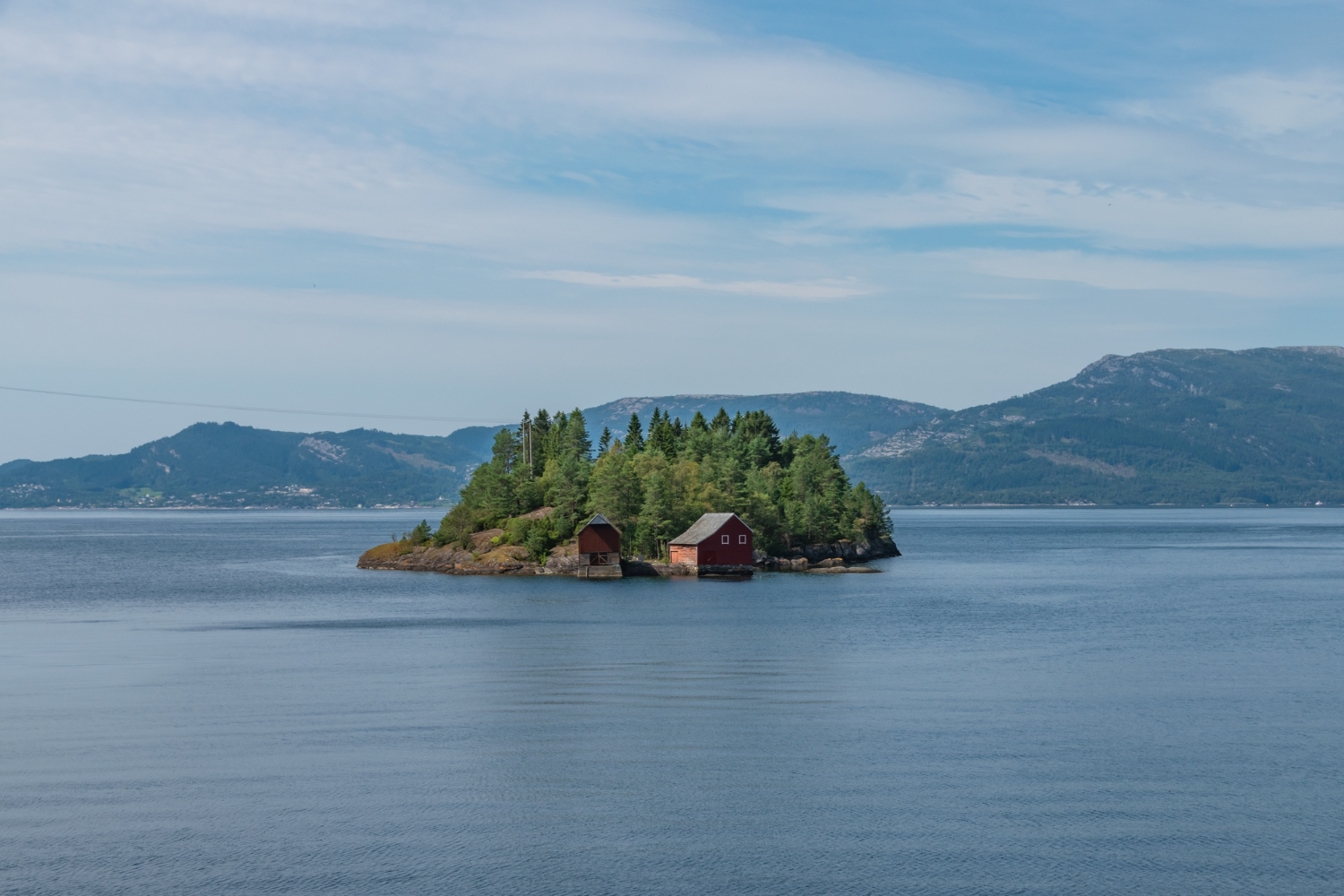
Water is a simple and reliable barrier, so lake islands were used for confinement, quarantine and separation in a number of places and periods.
The reasoning was always the same and rarely stated. The isolation island is the landform selected for what it prevents.
6. The Island That Is Not Ground at All
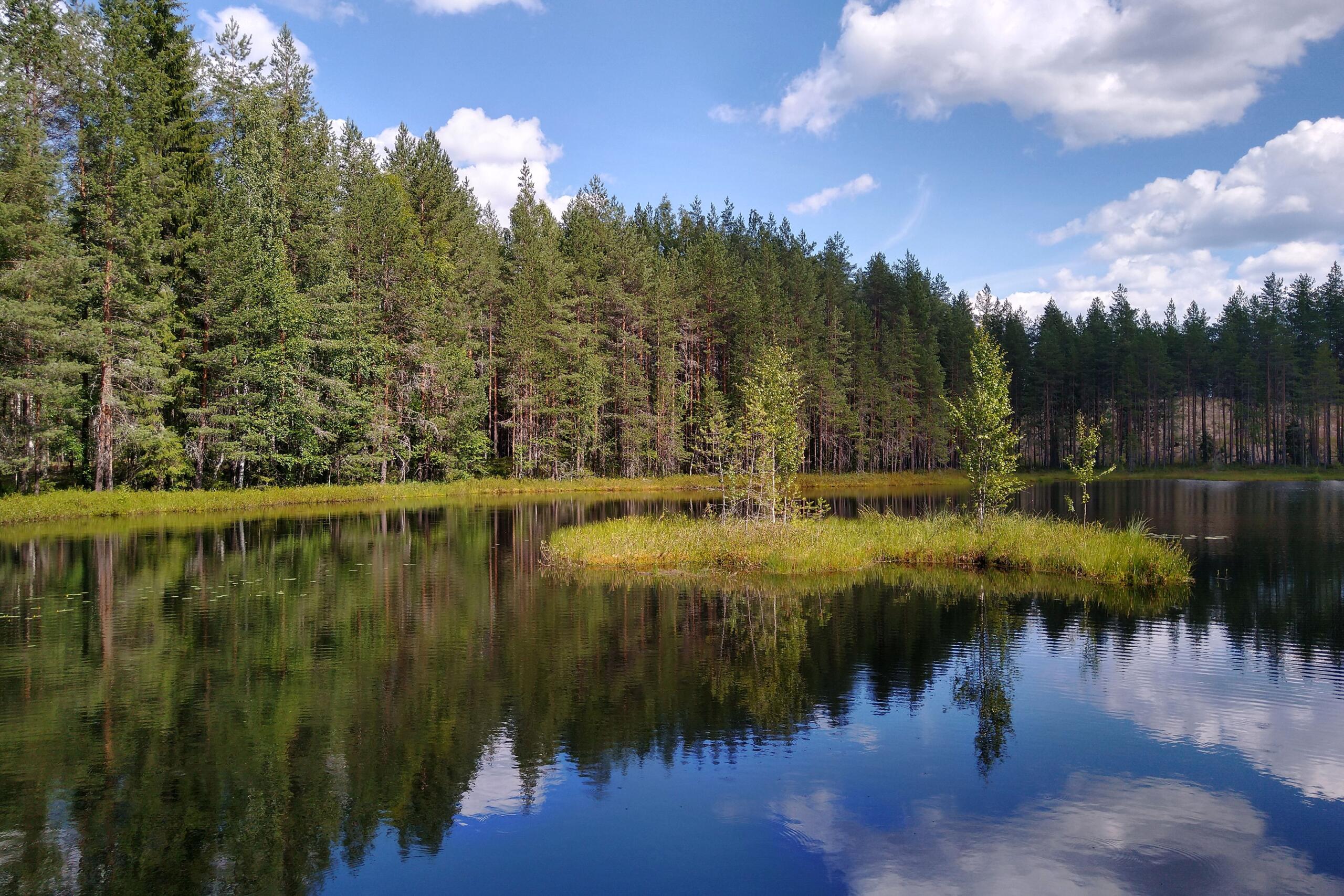
Floating mats of vegetation and accumulated root material can support substantial weight and even trees, and drift slowly around a lake without ever being attached to the bottom.
They can be walked on and are not solid in any conventional sense. Floating islands are the landform that has no foundation.
7. The Monastery Island
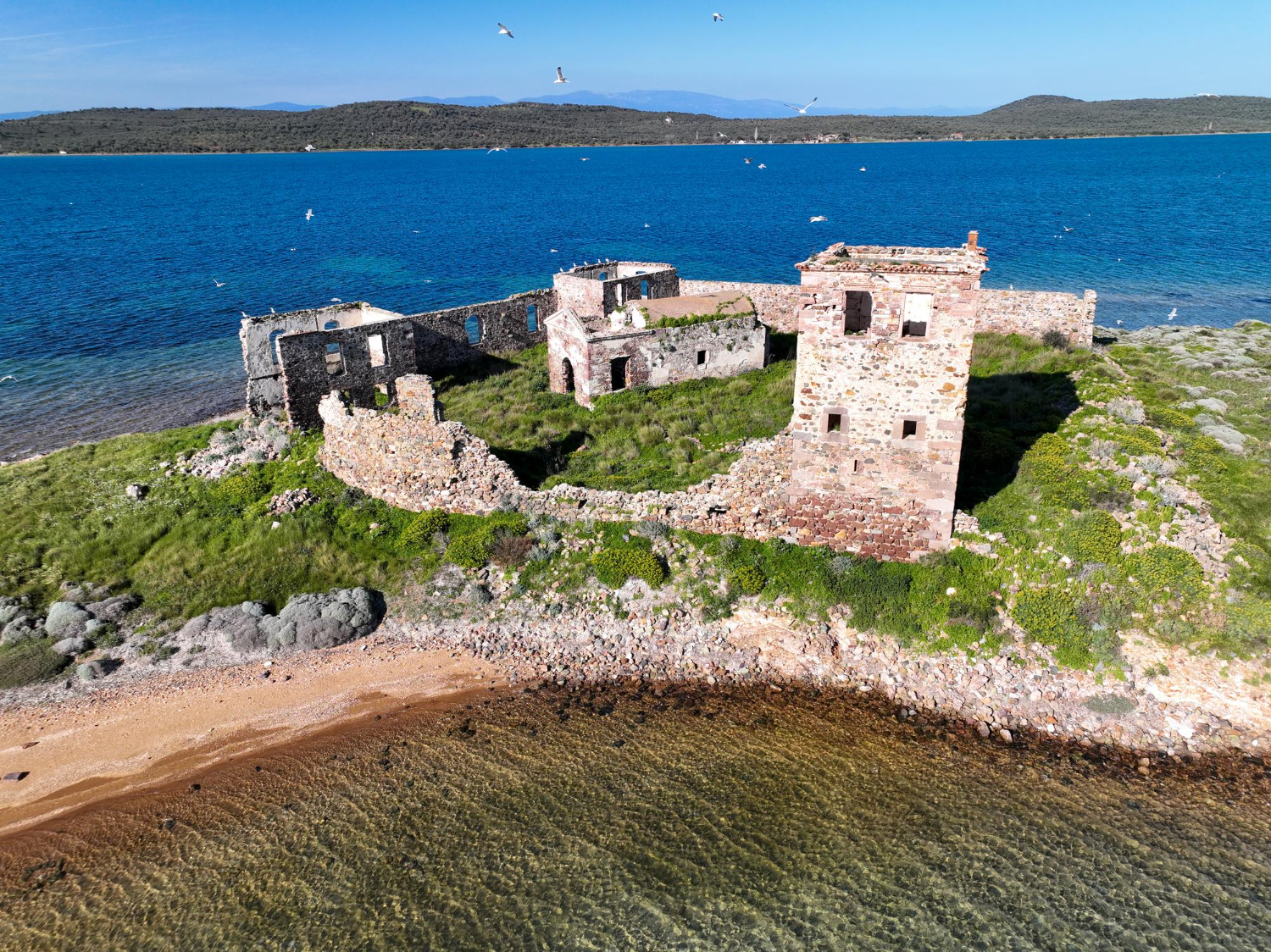
Religious foundations were repeatedly established on lake islands for the same reason as prisons – separation – and several remain occupied after a very long time.
Access is generally by boat and by permission. The monastic island is the landform chosen for what it keeps out.
8. The Island That Was a Hill Fort
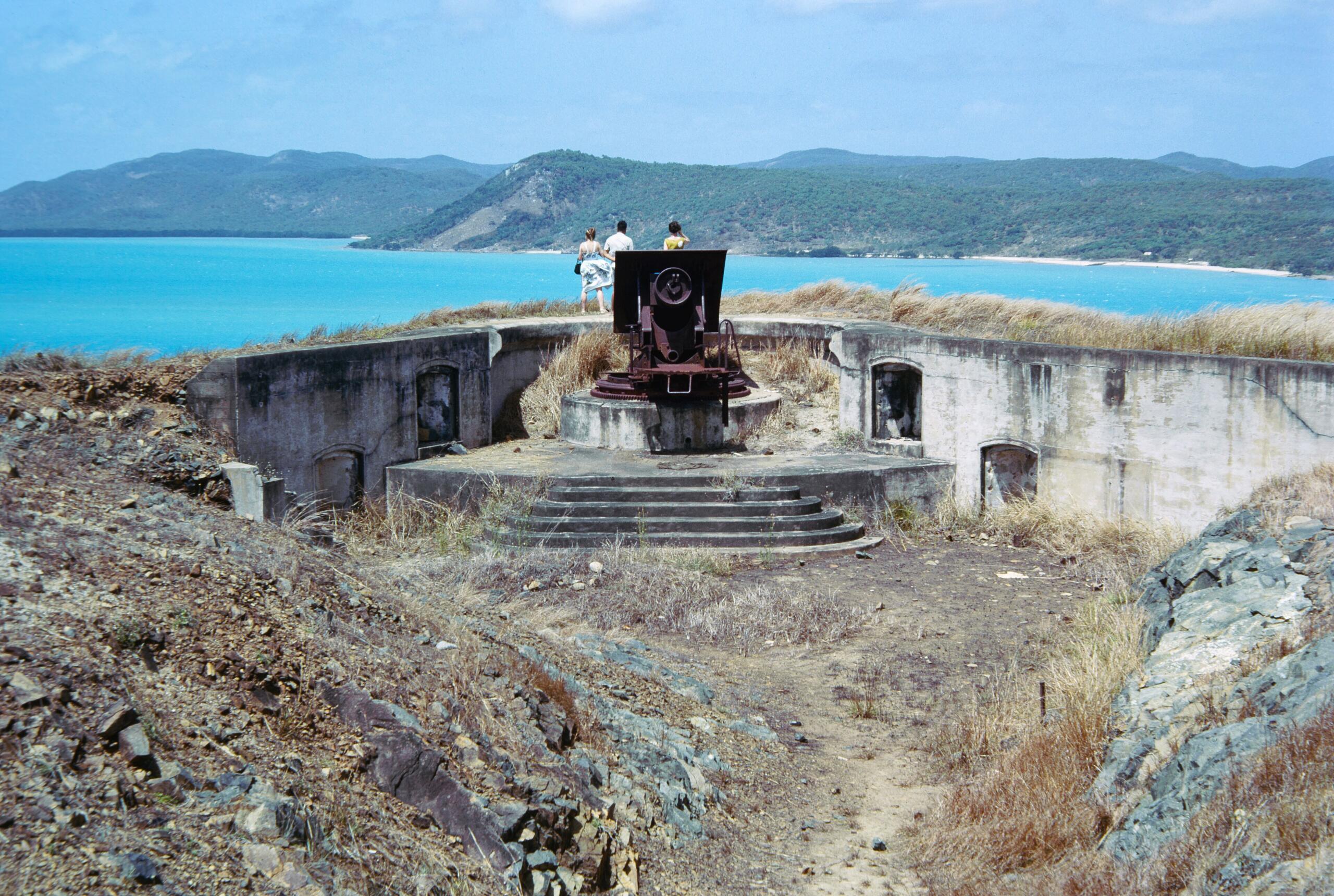
Defended sites on high ground became islands when a valley was flooded, so the fortification that once commanded a landscape now sits in the middle of water.
The strategic logic evaporated with the change. The drowned fort island is the landform whose purpose was cancelled by the lake.
9. The Island That Appears When the Water Falls
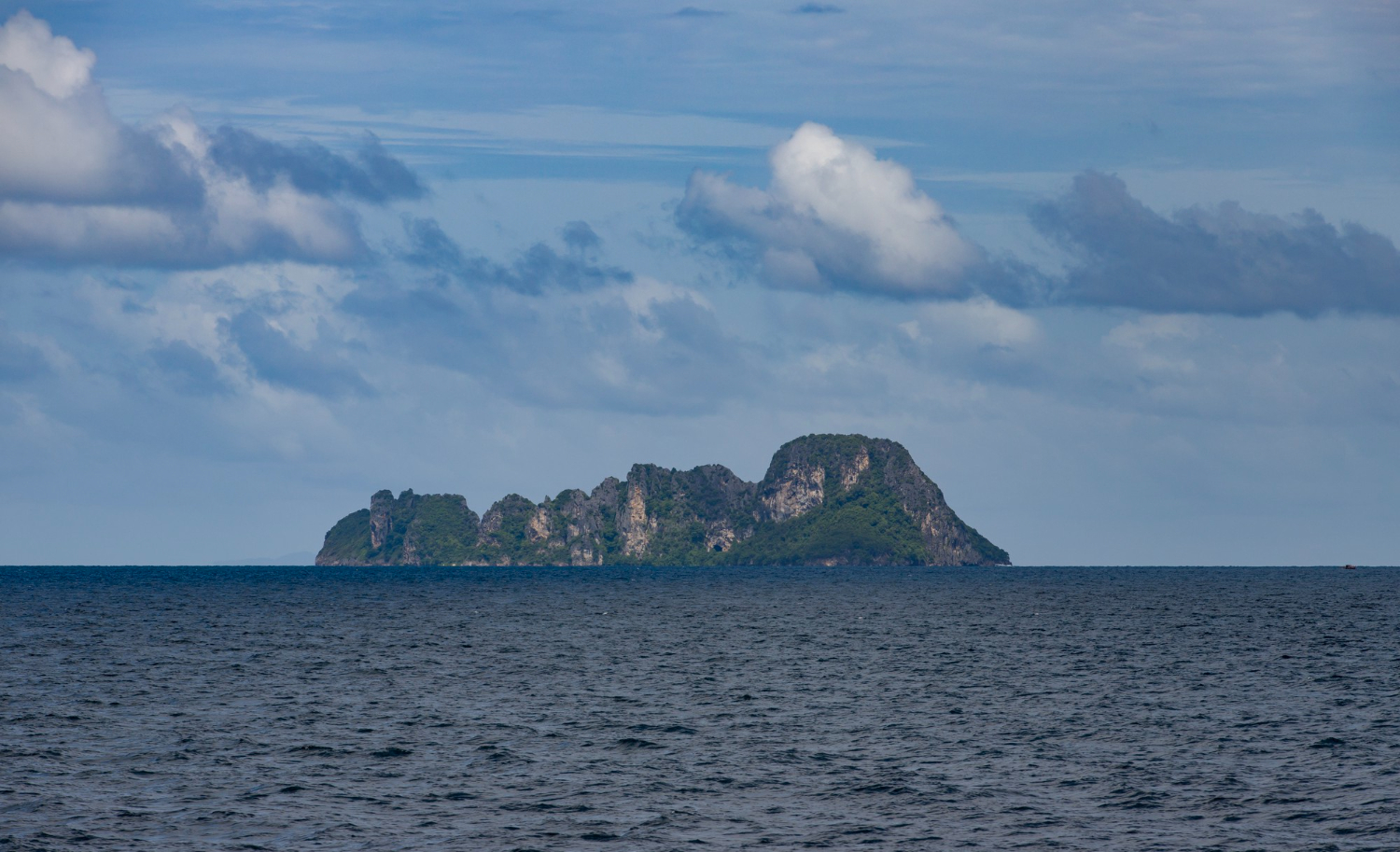
Seasonal or managed water levels expose ground for part of the year, so some islands are islands only sometimes and are joined to the shore at other times.
Structures on them are frequently visible only during low water. The seasonal island is the landform whose existence depends on the month.
10. The Island That Is One Building
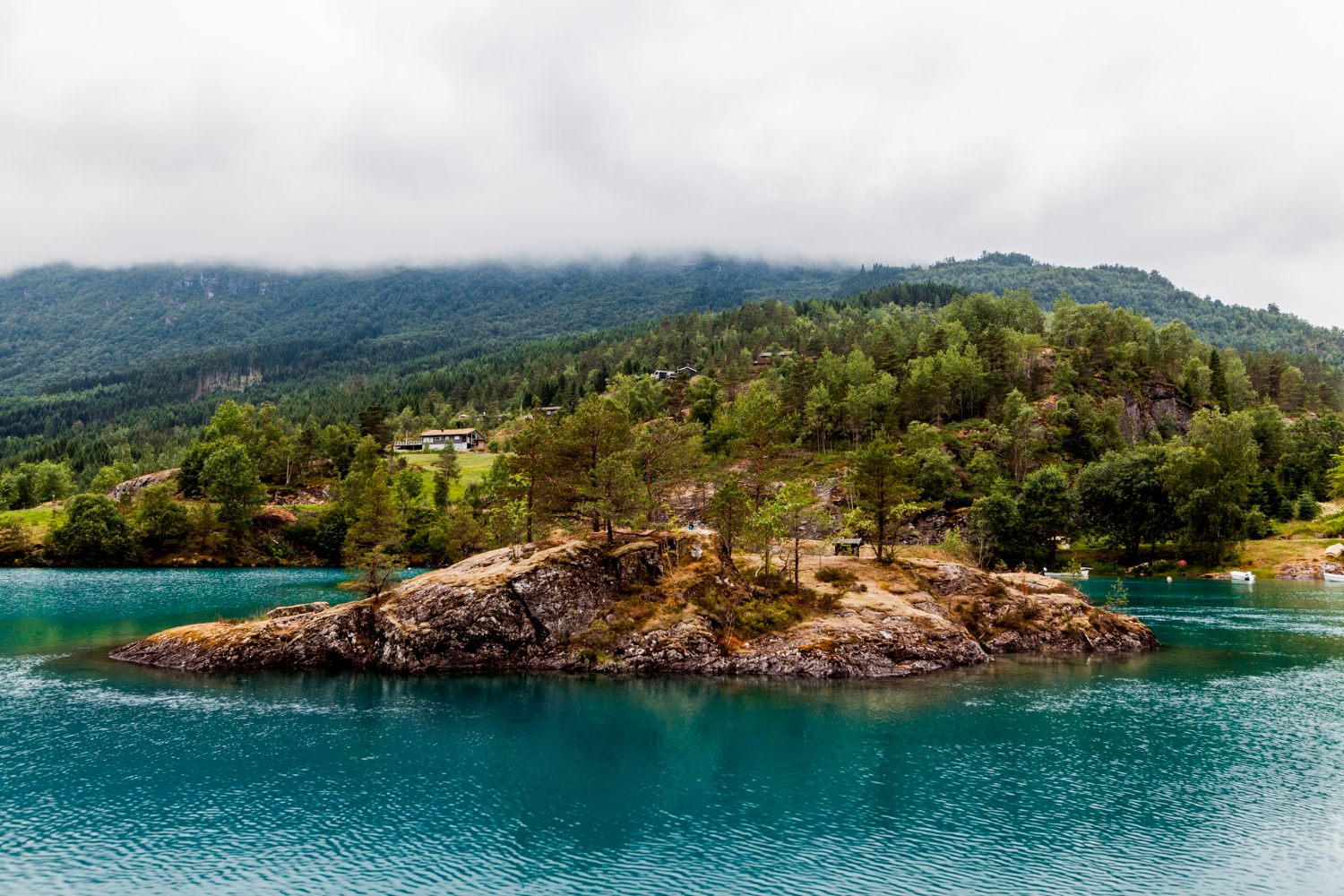
A number of small lake islands are entirely occupied by a single structure – a house, a chapel, a folly – with essentially no land around it.
The building and the island are effectively the same object. The single-building island is the landform that is really an address.
11. The Island With Its Own Species
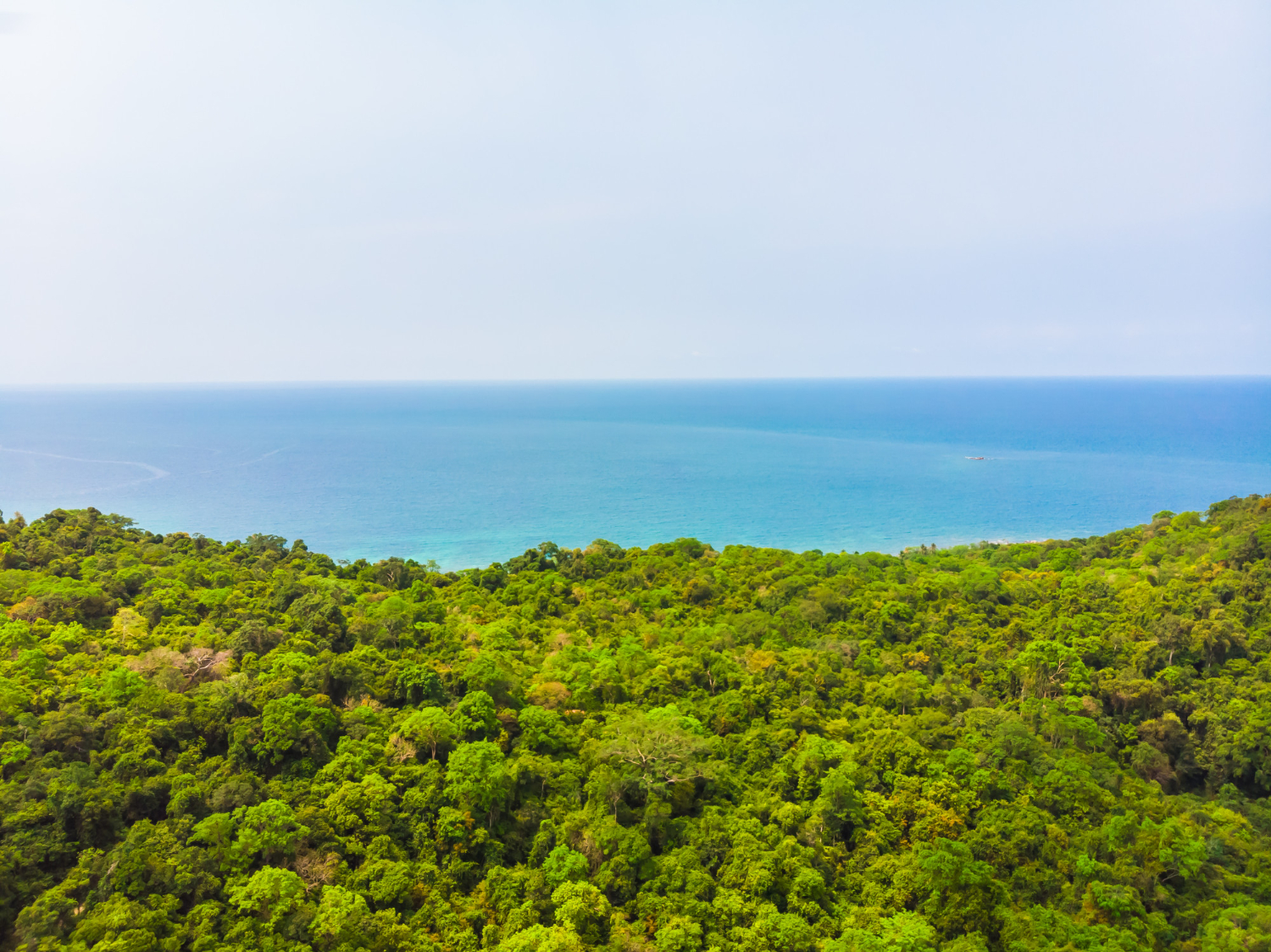
Isolation produces divergence, and lake islands large enough and old enough sometimes support populations found nowhere else, including on the mainland a short distance away.
The water is a more effective barrier than the distance suggests. The endemic island is the landform where a short crossing separates two biologies.
12. The Island You Can Walk To in Summer
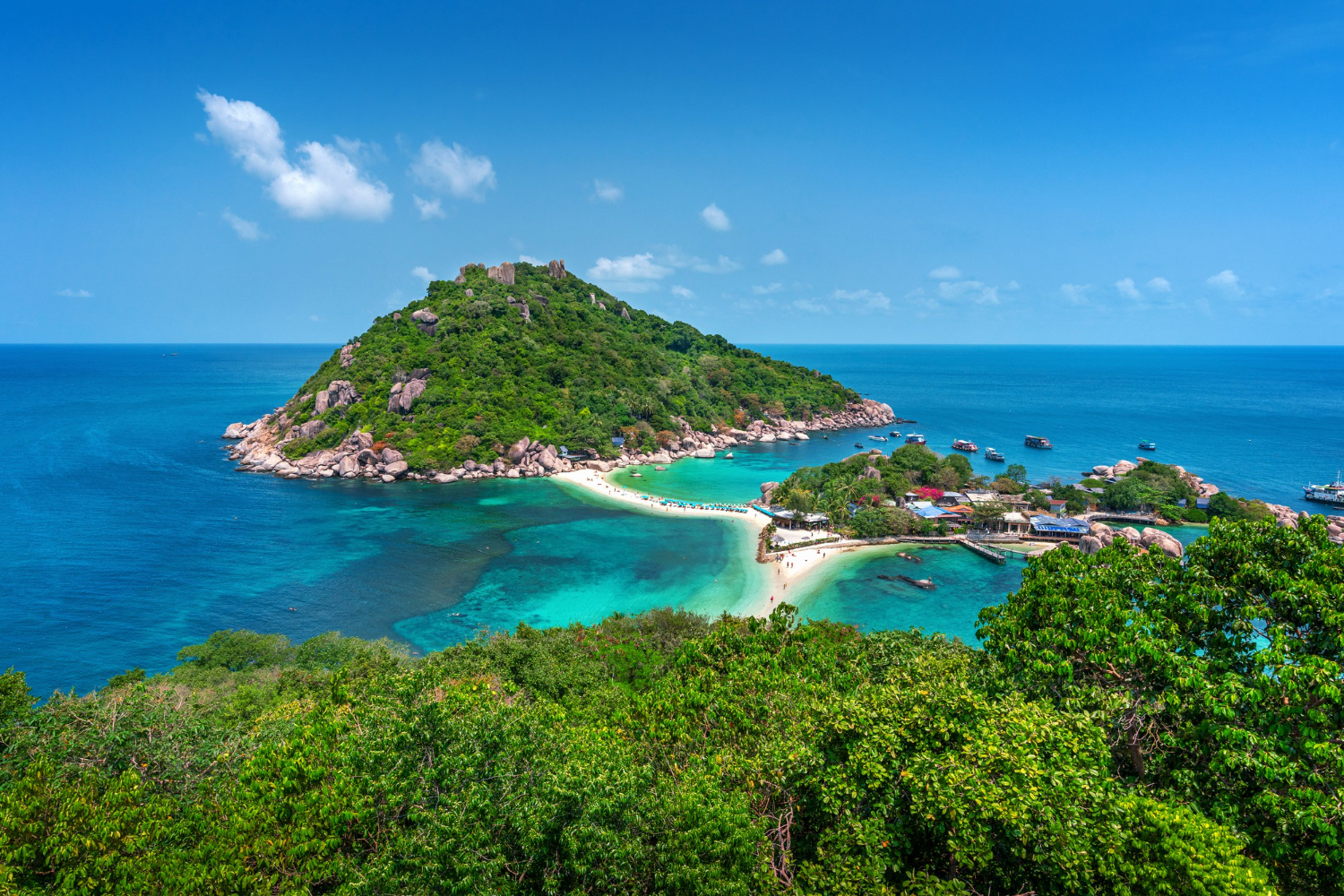
Where the water is shallow between shore and island, a route emerges when levels drop, and the island becomes a peninsula for part of the year.
Judging whether the route is passable is a local skill. The walkable island is the landform whose access is a seasonal question.
14. The Island That Is One Village
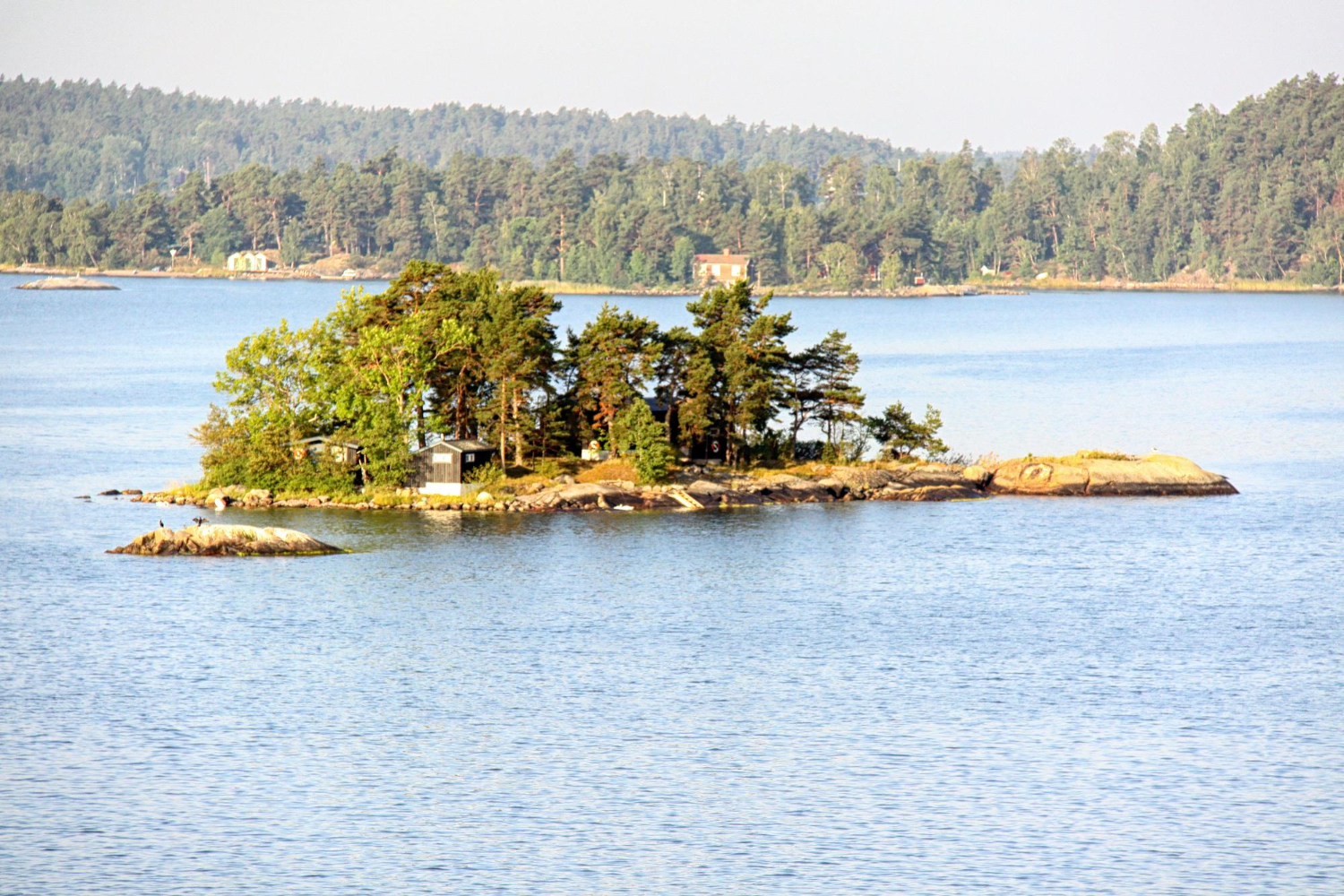
Some lake islands are occupied by a single community whose entire settlement fits on them, with everything arriving by boat and no room for expansion.
The constraint shapes everything about the place. The village island is the landform where the population is fixed by the shoreline.
15. The Island Made by a Landslide
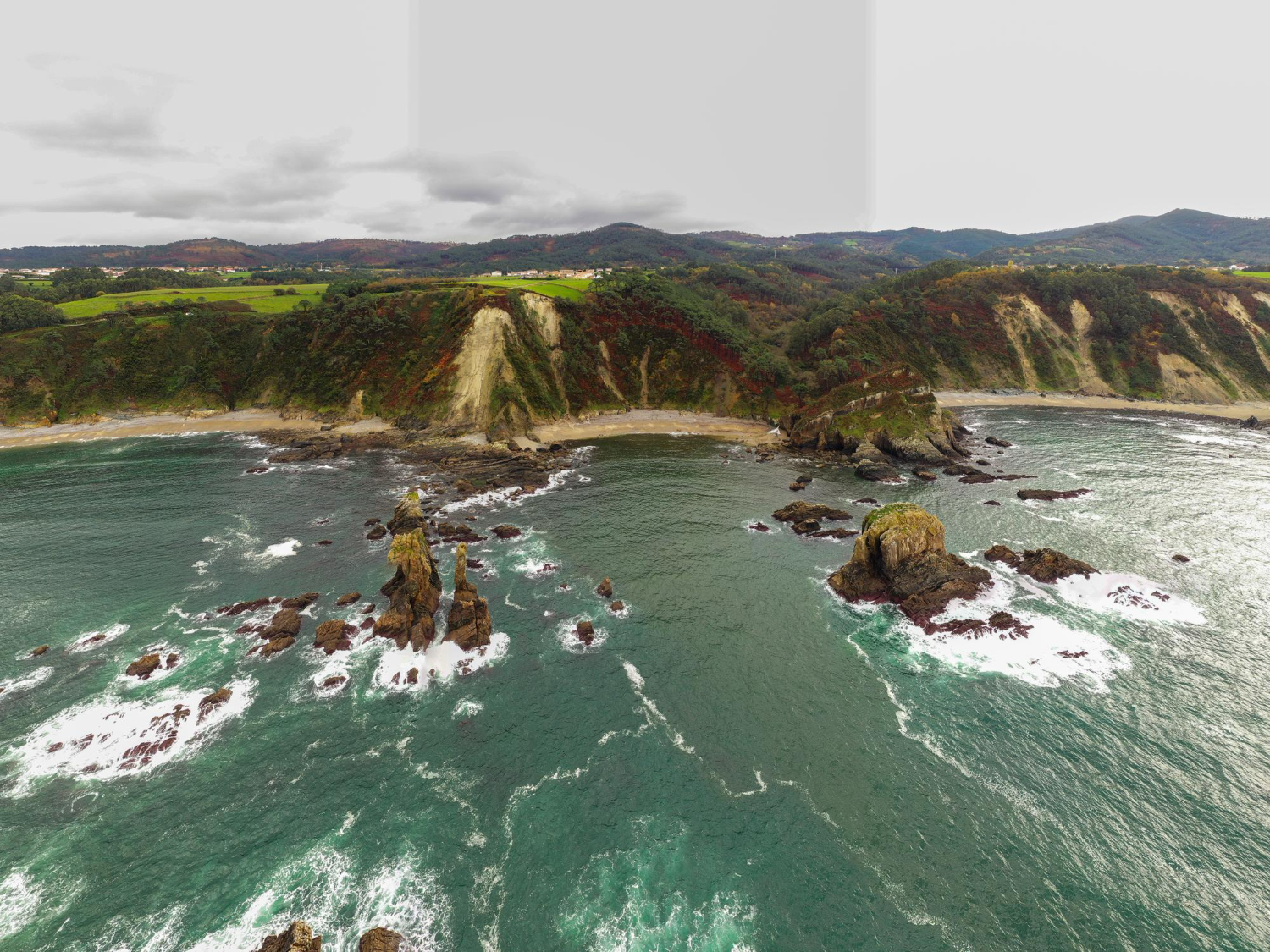
Material sliding into a lake from a surrounding slope can build ground above the water line, producing an island that is a pile of the valley side.
The composition gives it away. The landslide island is the landform that arrived in an afternoon.
Something Stayed Above the Water
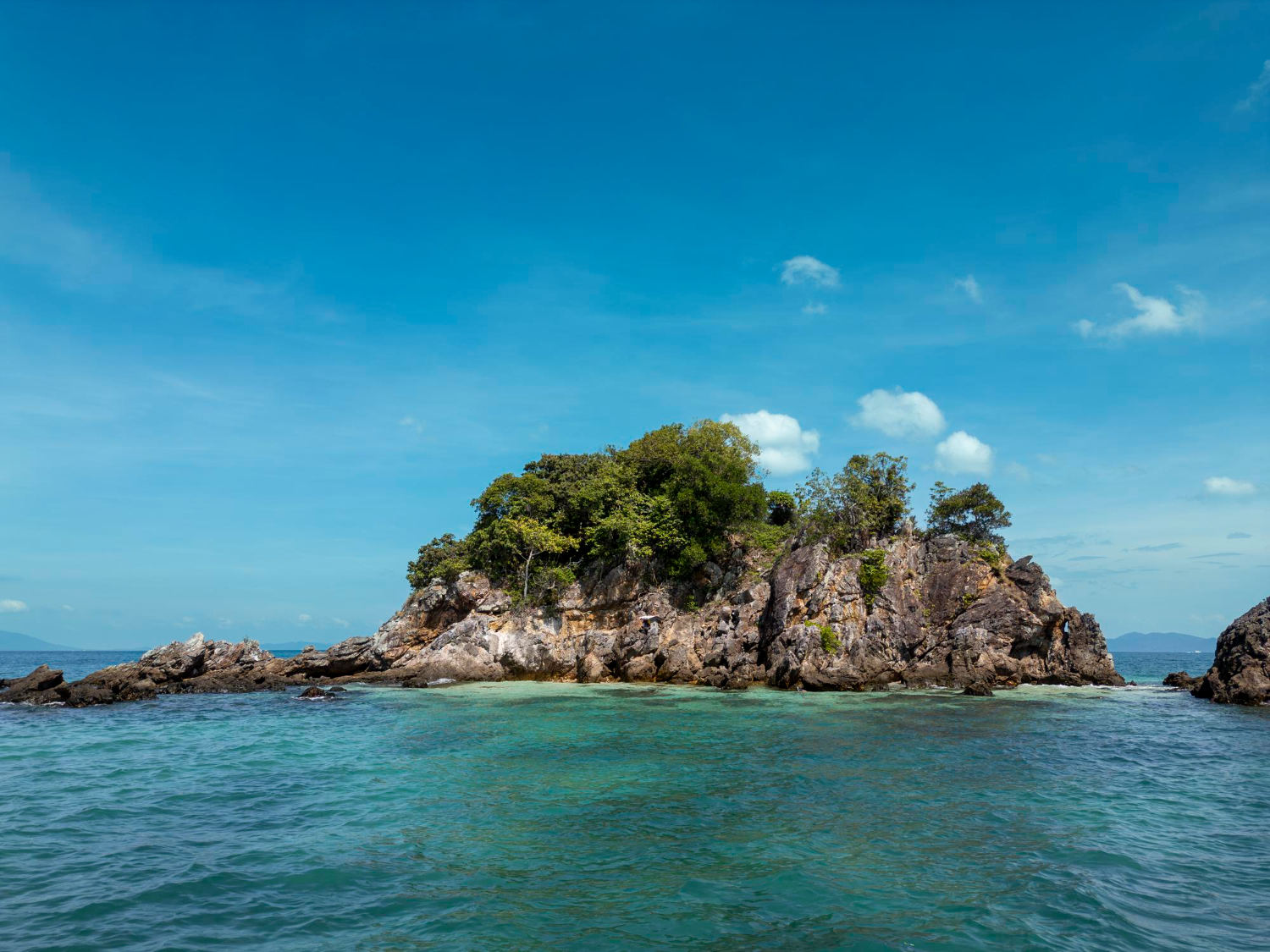
Every island here is an answer to the same question – why is that bit not underwater – and the answers divide into geology, biology and somebody deciding to build one.
Practical notes: lake water is cold in almost every case regardless of the air temperature, conditions on open water change faster than they appear to from shore, most of these are reached by boat on a schedule that stops earlier than visitors expect, and low-water walking routes are weather-dependent rather than permanent. Check what is running and when the last one leaves.
Like our content? Follow us for more.