The useful way to look at any blade is as a solution to a specific material. Something dense, something soft, something with skin, something that must not be crushed – each produces a different shape. Here are fifteen:
1. Sharpness Is Geometry Rather Than Hardness
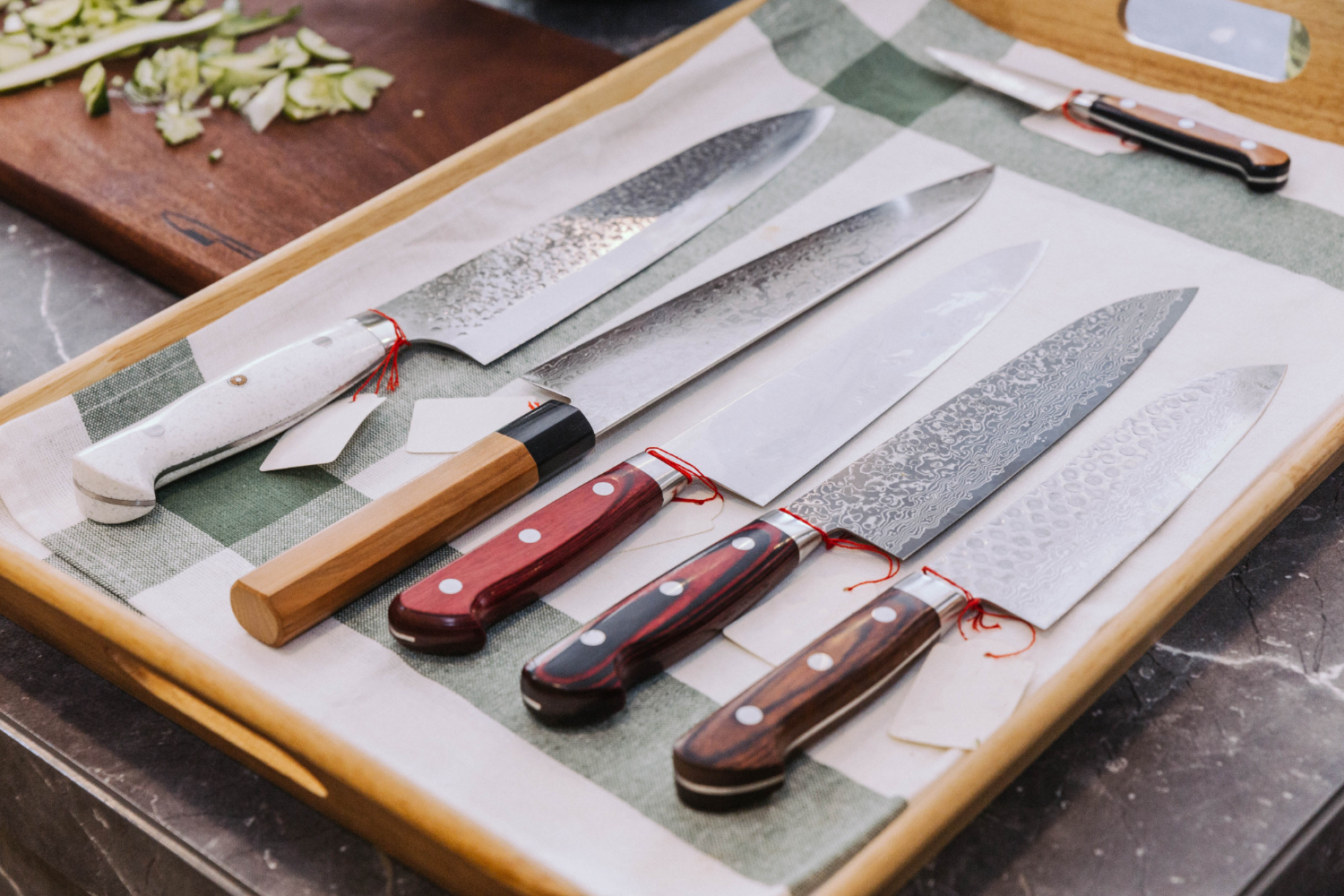
A sharp edge is one where the two faces meet along an extremely narrow line, concentrating the applied force into a very small area.
Hardness affects how long that geometry survives, not how sharp it can be. Edge geometry is the property that everything else is a compromise around.
Like our content? Follow us for more.
2. Hard Steel and Soft Steel Are a Trade
Harder steel holds an edge substantially longer and is more brittle, so it chips; softer steel dulls faster and is far easier to bring back.
Neither is better and both traditions exist for good reasons. The hardness trade is the fundamental decision behind every blade.
3. Thickness Behind the Edge Matters More Than the Angle
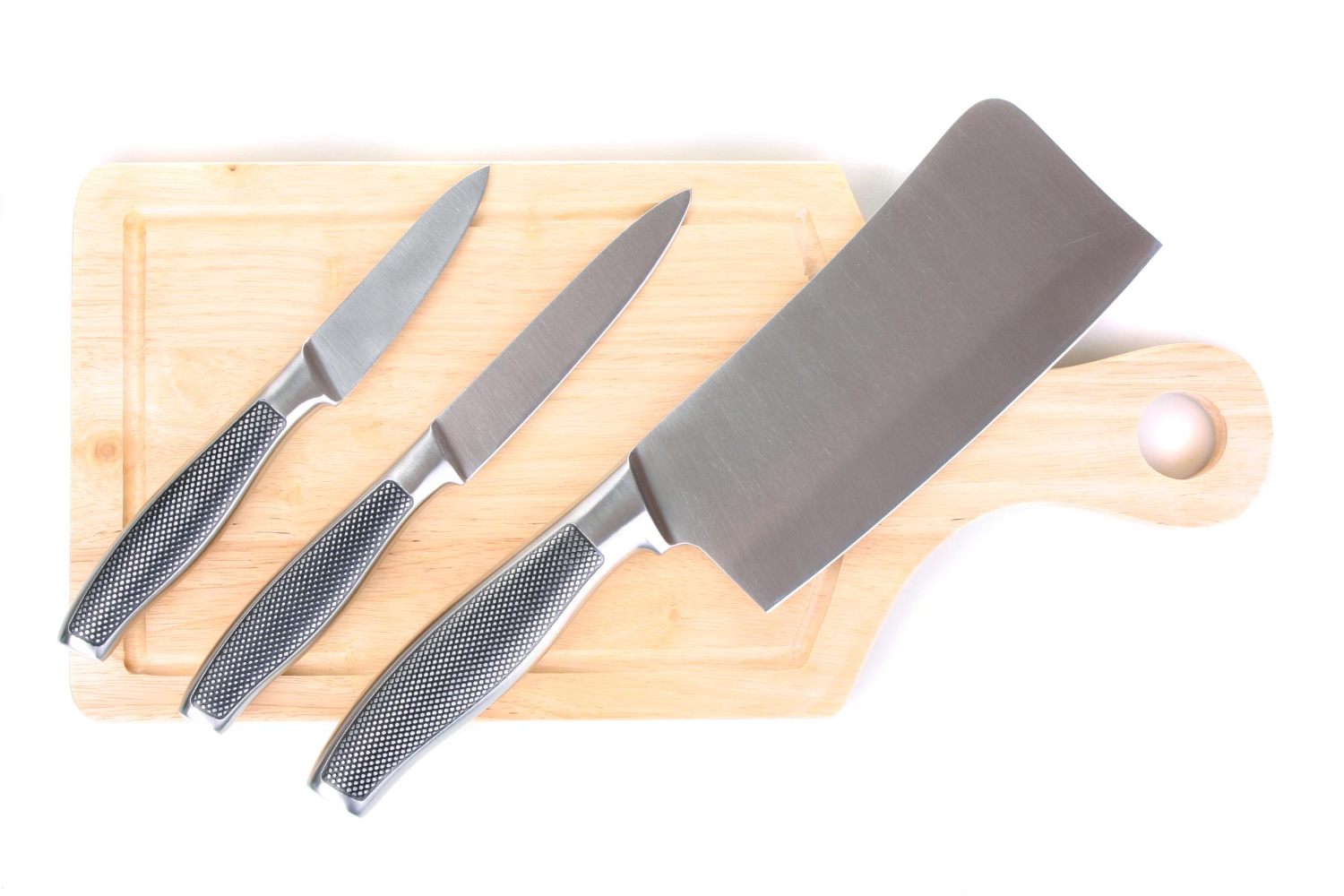
How easily a blade passes through dense material is determined largely by how quickly it thickens behind the cutting edge, rather than by the sharpness itself.
A thin blade glides where a thick one wedges. Blade thickness is the property that explains why some sharp knives still stick.
4. Curved Blades Rock and Straight Blades Push
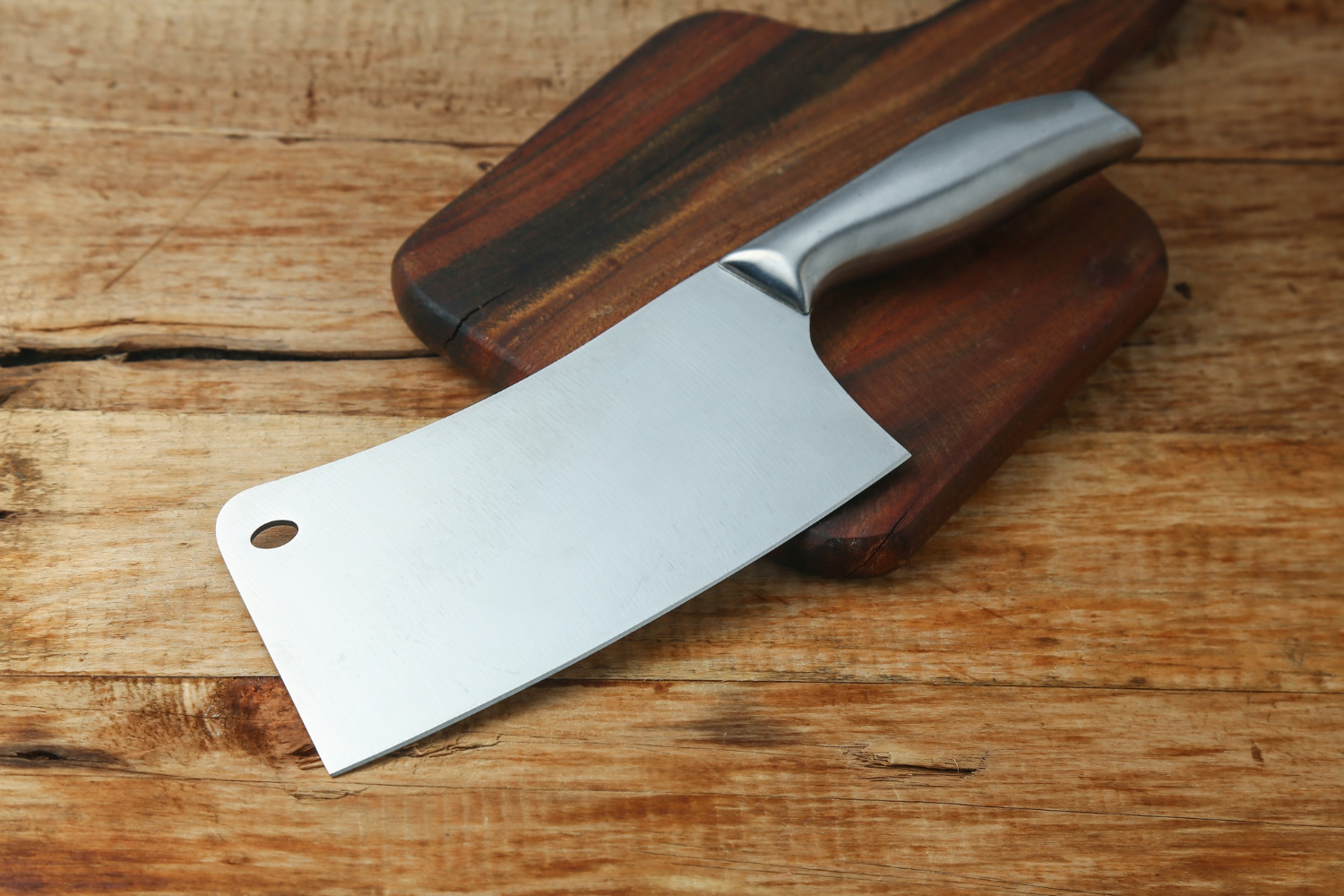
A curved edge allows a rocking motion with the tip staying on the board; a straight edge suits a single push or pull through the material.
The cutting motion determines the profile rather than the reverse. Blade curvature is the feature that encodes a way of moving.
5. Weight Does the Work or Gets in the Way
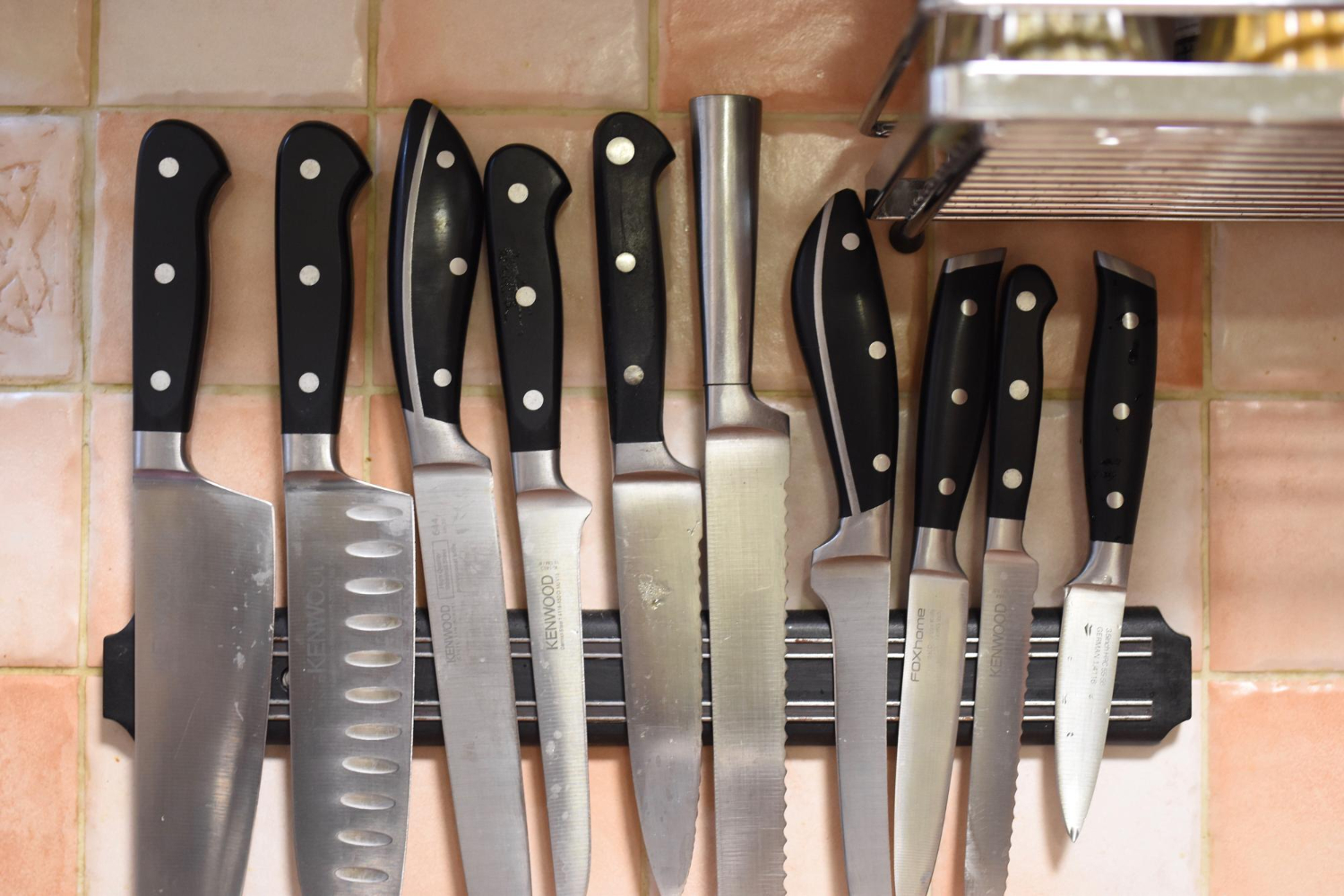
A heavy blade uses momentum to get through dense material with little effort; a light blade offers control and speed and struggles with anything substantial.
Both approaches have entire traditions built on them. Blade weight is the choice between force and precision.
6. One Bevel or Two
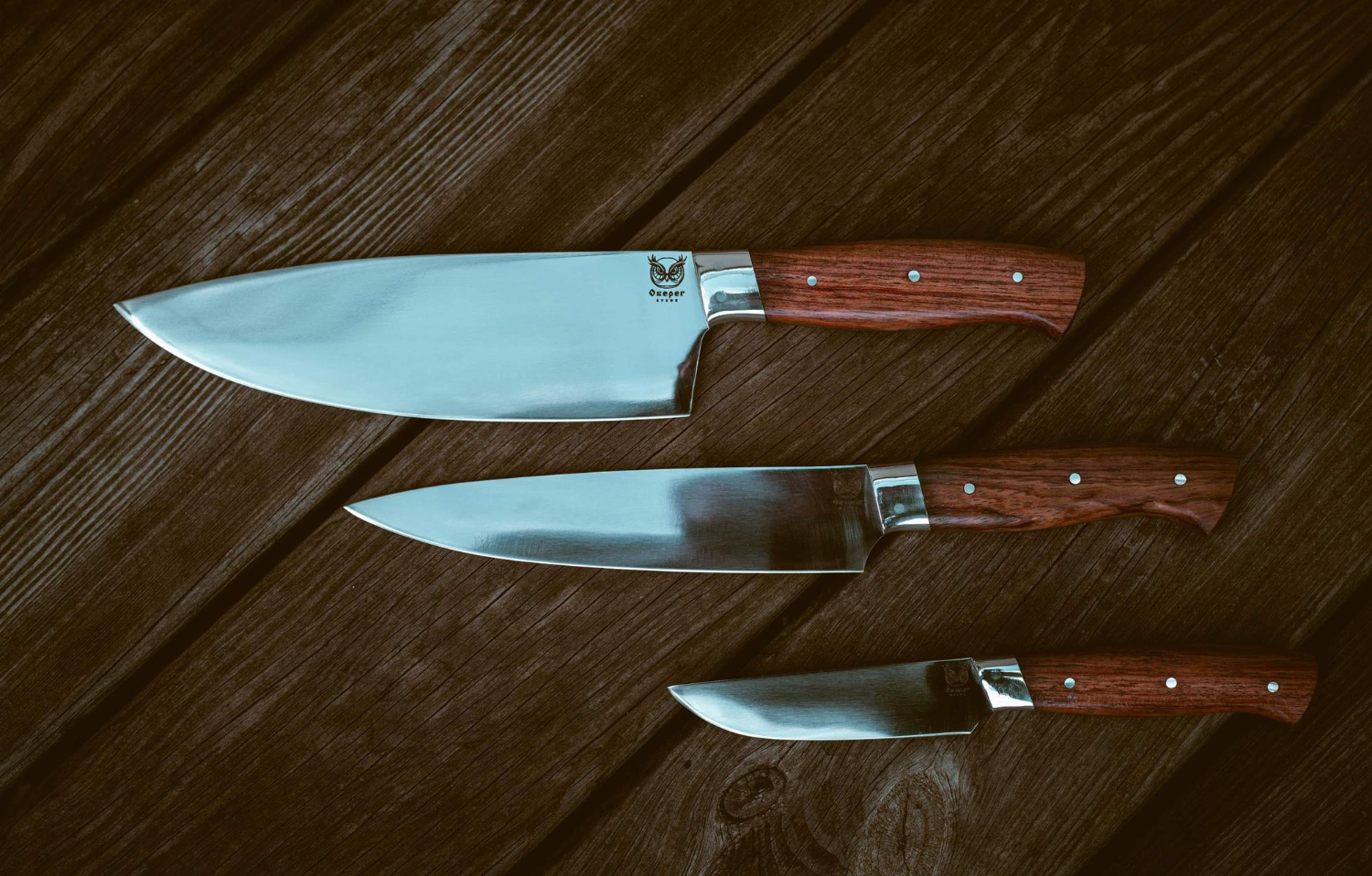
A blade ground on both sides tracks straight through material; one ground on a single side steers slightly, which is useful for taking very thin slices.
Single-bevel blades are also handed. Bevel arrangement is the feature that determines whether a blade goes straight.
7. Honing and Sharpening Are Different Operations
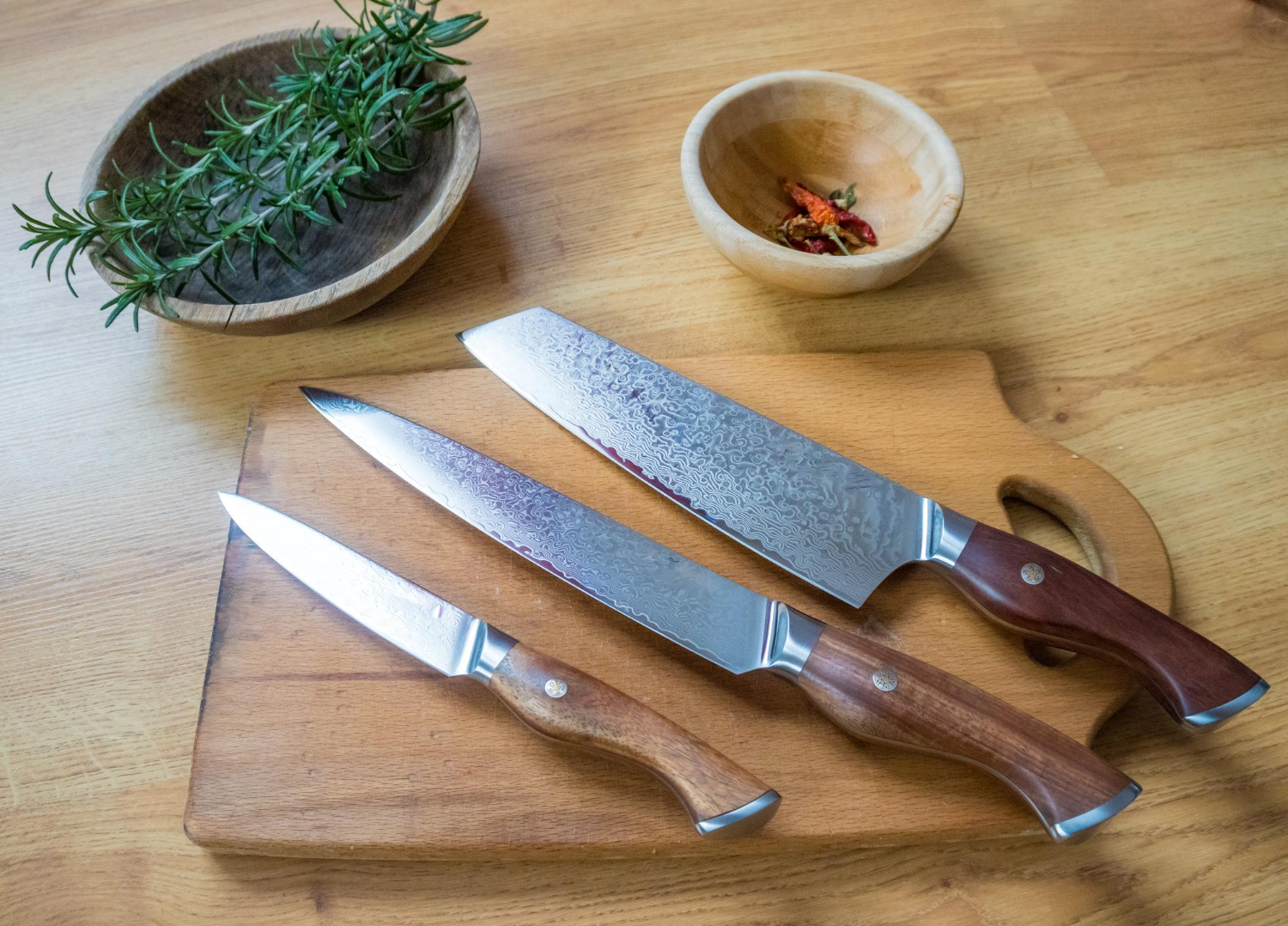
Honing straightens an edge that has folded over from use and removes almost no metal; sharpening removes metal to create a new edge.
A blade that seems dull is frequently only bent. The honing-sharpening distinction is the one most commonly misunderstood.
8. The Board Is Part of the System
A hard surface damages an edge on every stroke, and a softer one absorbs the impact, which means the board determines how often a knife needs attention.
It is the least considered variable in any kitchen. Board hardness is the factor that steadily decides edge life.
9. Specialised Blades Exist Because General Ones Fail
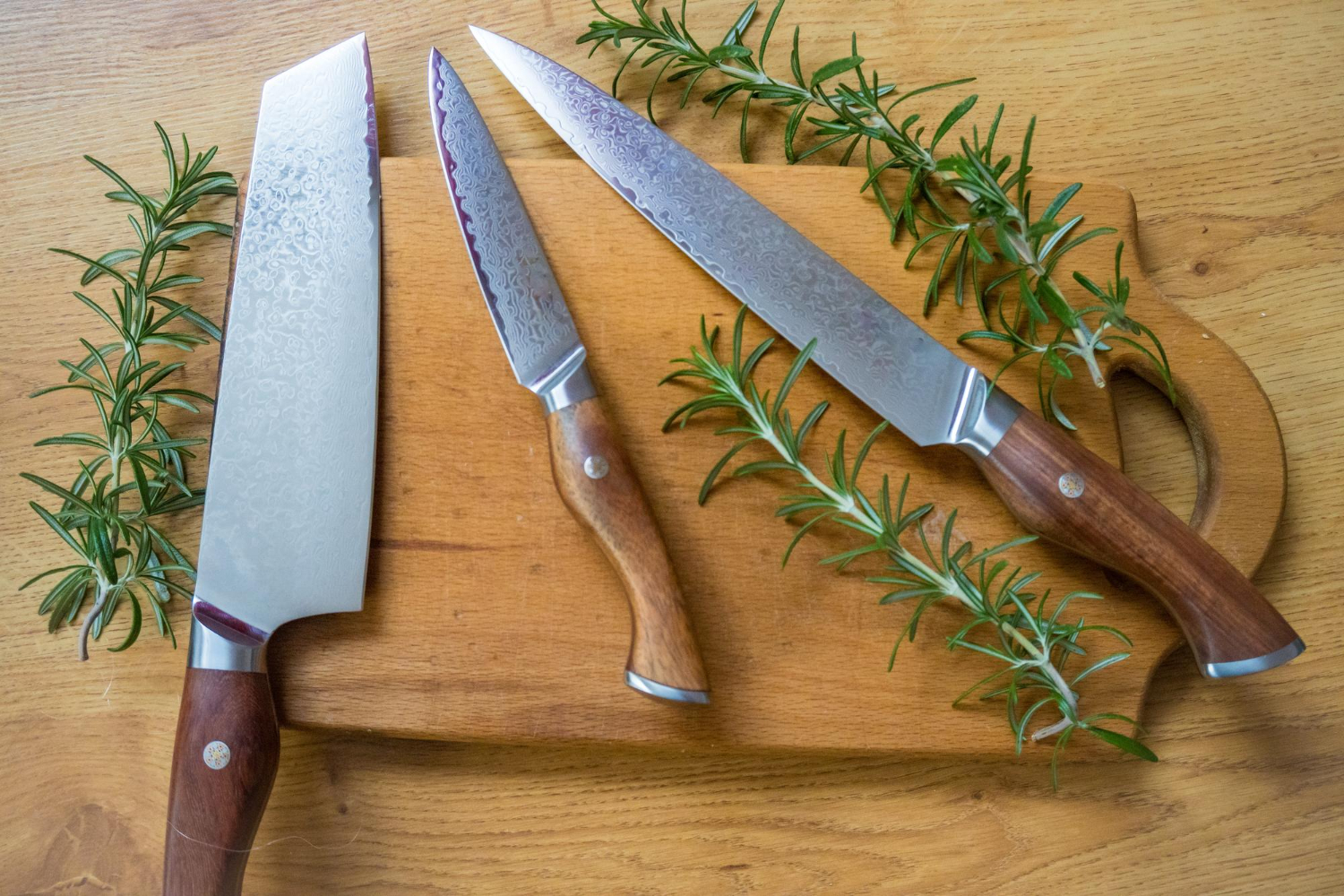
Every specialised knife exists because a general-purpose blade does that particular job badly – bread crushes, fish tears, bone chips an edge, soft cheese sticks.
Each is a fix for a specific failure. Specialised blades are the tools that document what the general one cannot do.
10. Serrations Are for Things With a Skin
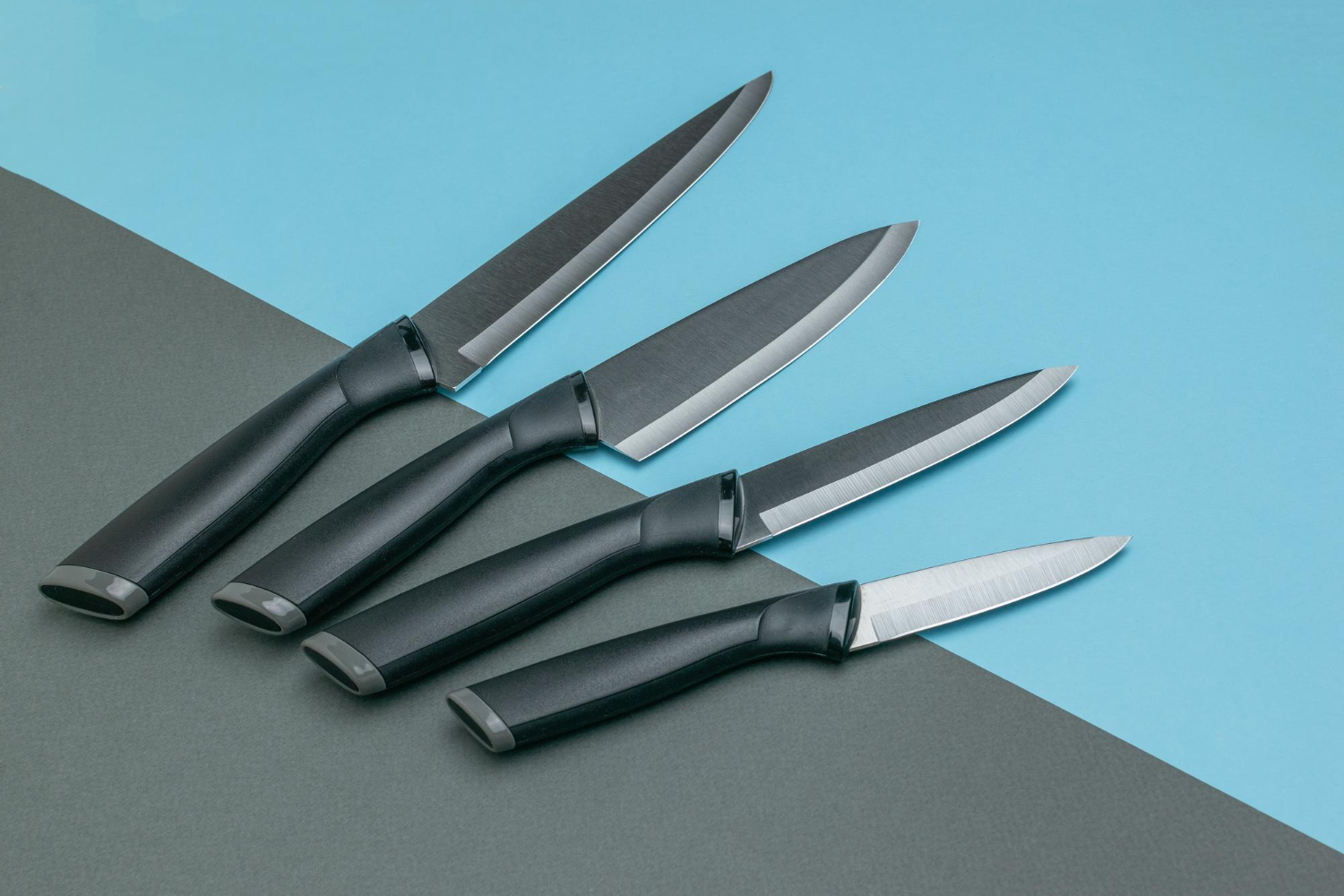
A serrated edge concentrates force onto the points, which lets it break through a tough surface without the pressure that would crush what is underneath.
It is essential for bread and for tomatoes and useless for most other things. Serration is the feature designed for a resistant exterior.
11. Length Is About Reach and Leverage
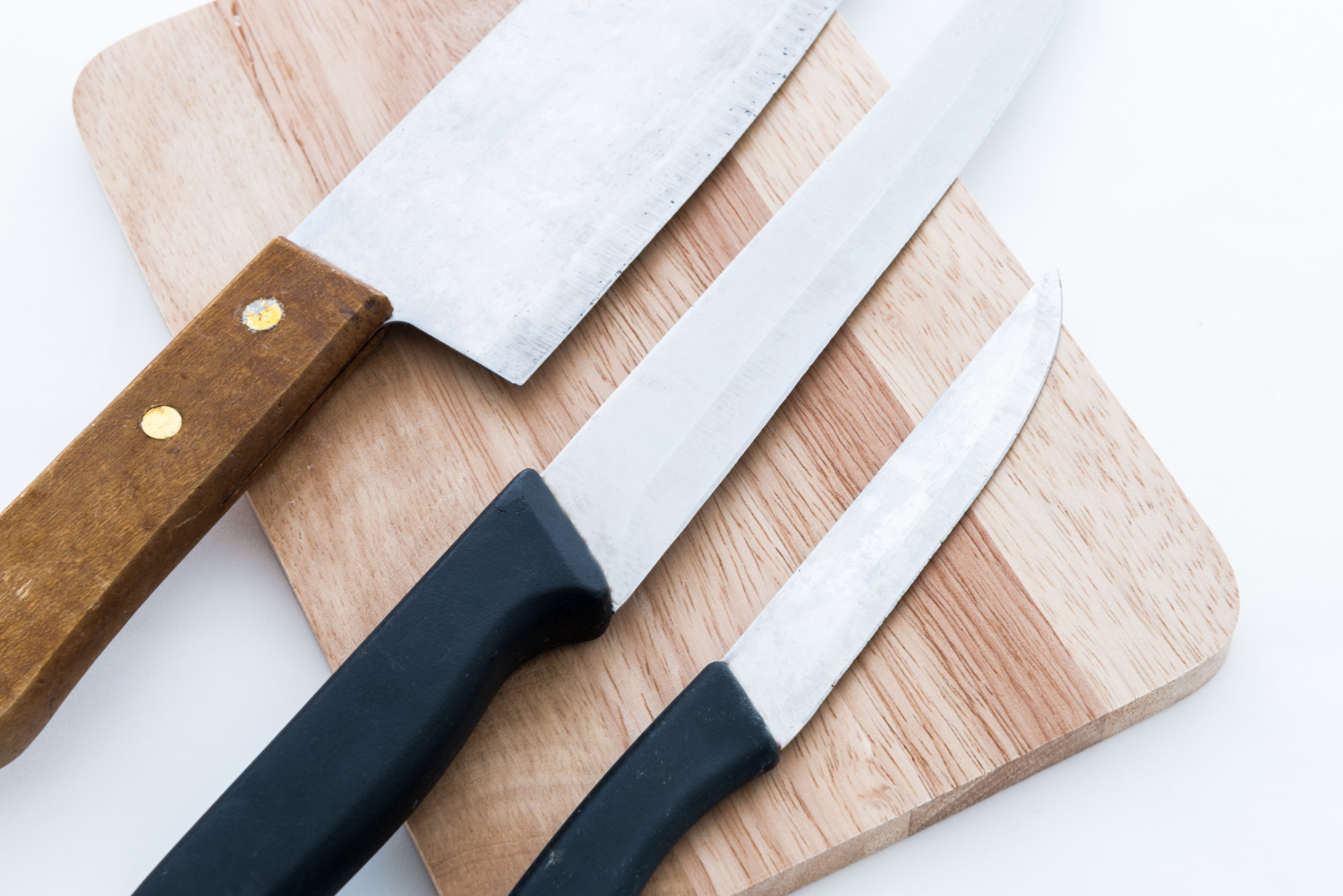
A longer blade reaches through larger material in one stroke and offers more leverage; a shorter one is manoeuvrable and works close to the hand.
Most people use a blade longer than necessary or shorter than useful. Blade length is the dimension chosen by the size of what is being cut.
12. Holes and Dimples Reduce Sticking
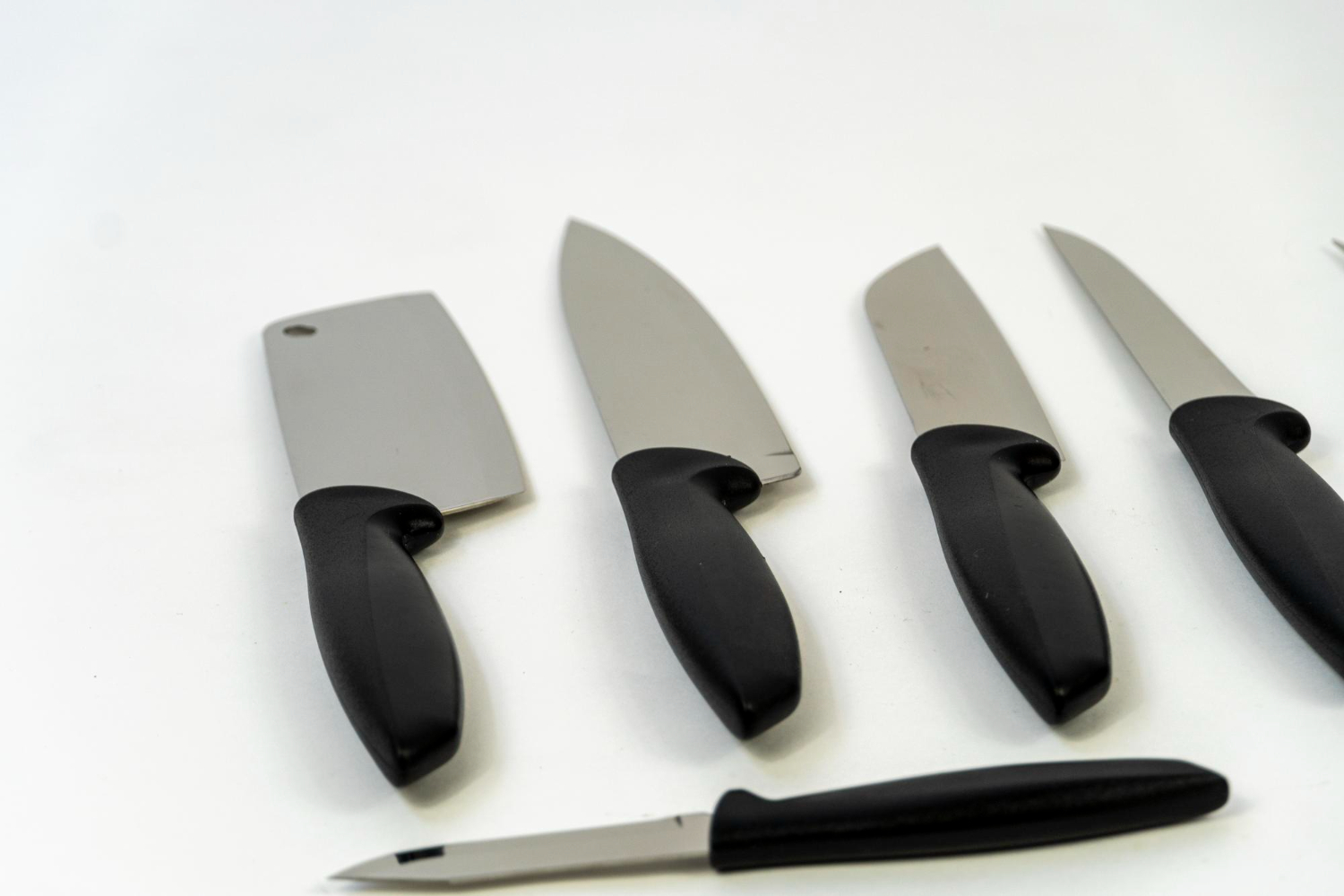
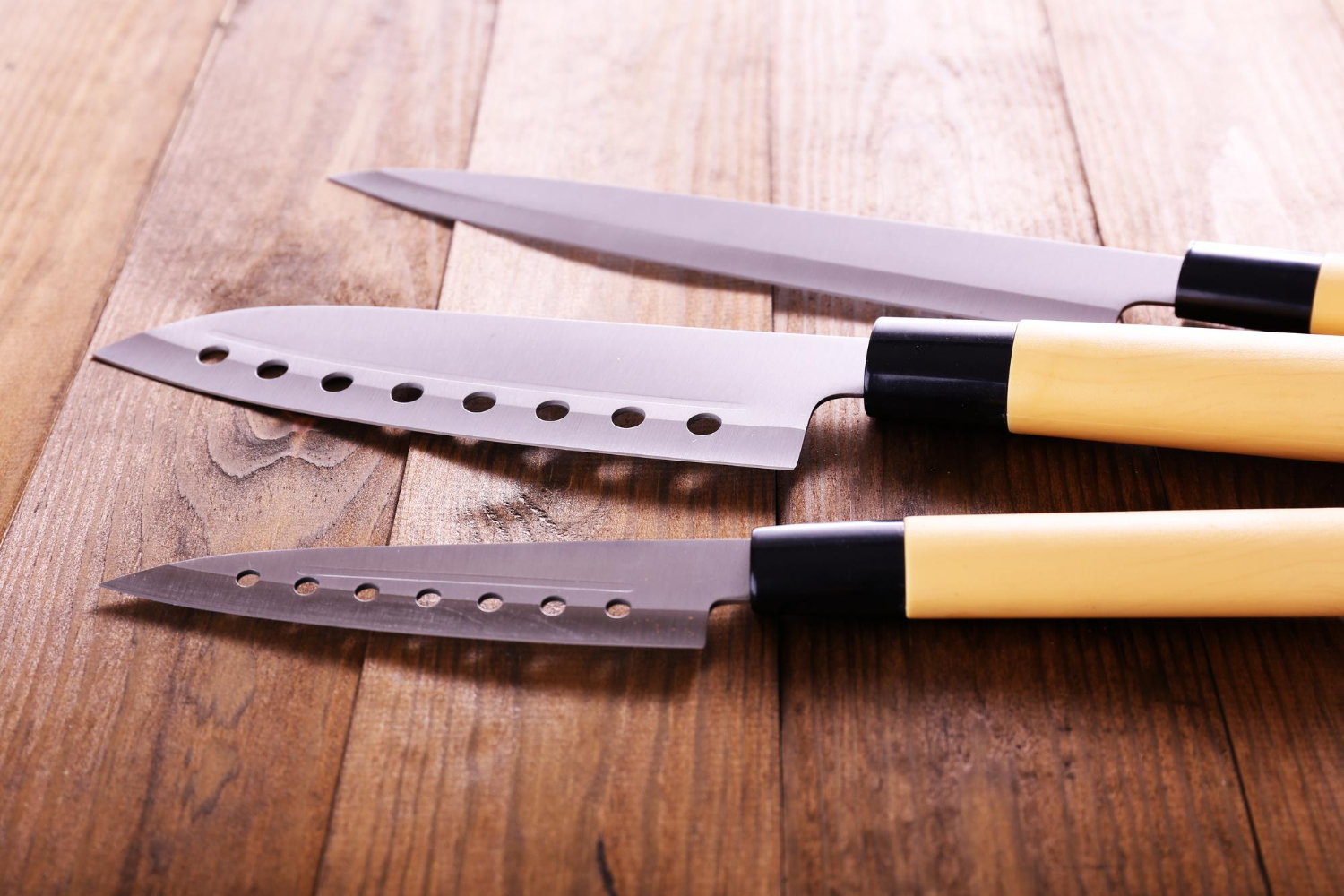
Indentations along a blade create small air pockets that break the suction between the steel and a wet slice, so material releases rather than clinging.
They do nothing for sharpness. Dimpled blades are the design that solves a release problem rather than a cutting one.
13. Handle Shape Determines Control
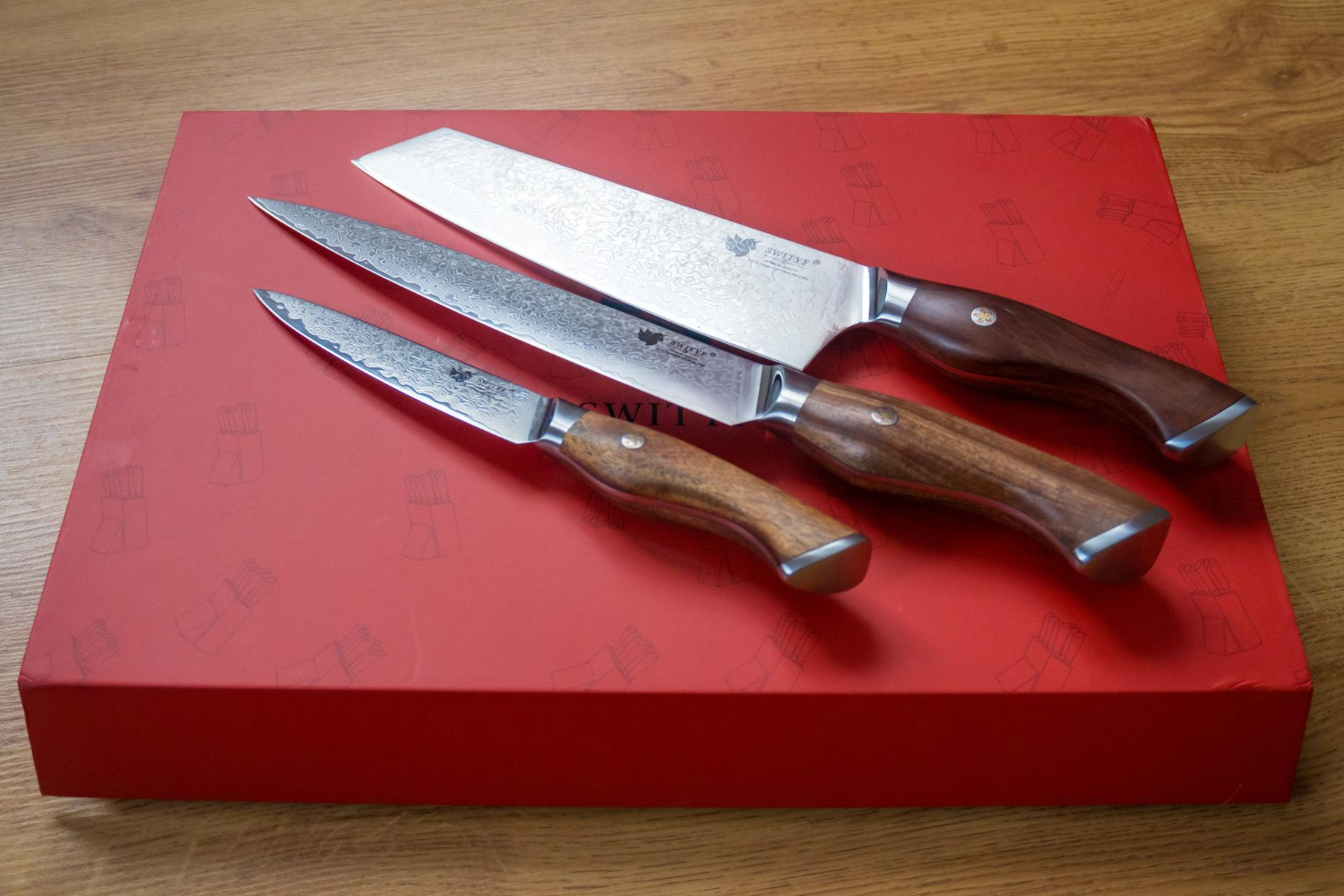
Where the hand sits relative to the edge, and how the weight balances, changes how precisely the blade can be directed and how tiring it is to use.
A well-balanced blade feels lighter than it is. Handle and balance are the components that have nothing to do with the steel.
14. Some Tools Are Not Knives at All
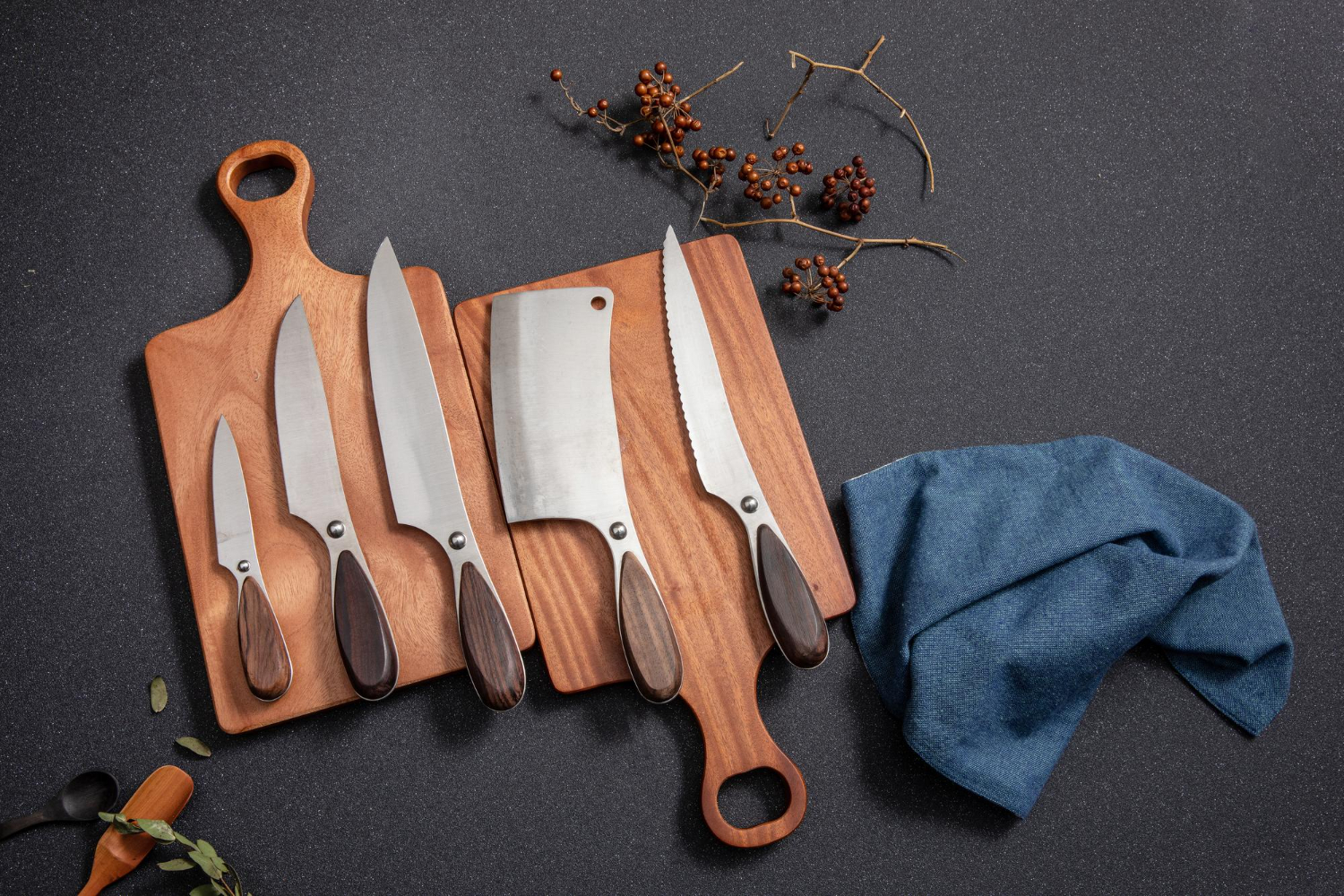
Peelers, mandolins, scrapers, mezzalunas and shears solve cutting problems with geometry that a knife cannot replicate, generally by fixing the depth or the angle.
They exist because holding a variable constant is easier than being consistent. Fixed-geometry tools are the ones that remove the skill requirement.
15. Traditional Kitchens Had Single-Purpose Tools
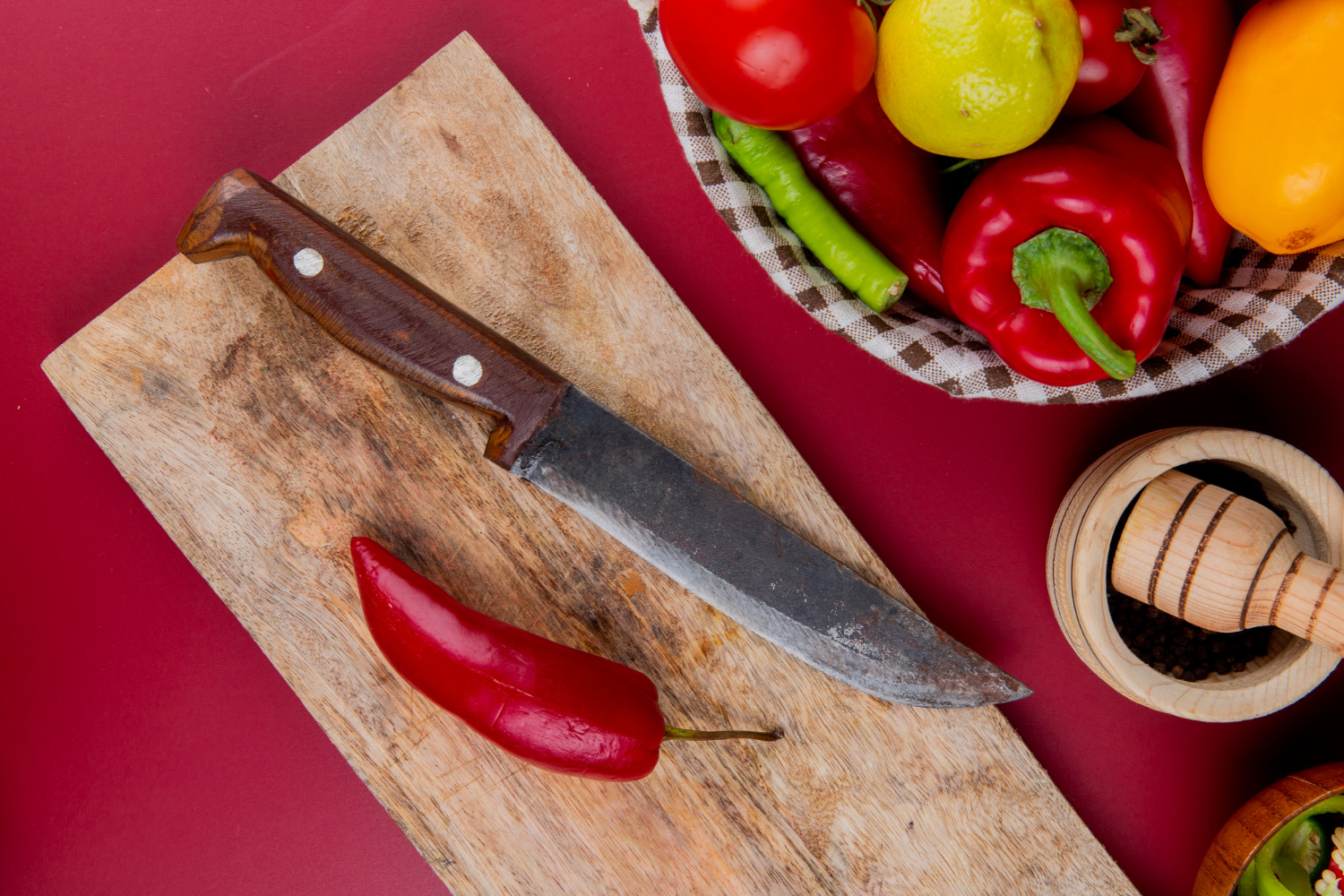
A great many old kitchen implements do exactly one thing, because that thing was done daily and a dedicated tool was worth the drawer space.
As tasks became occasional, the specialised tools disappeared. Single-purpose tools are the objects that record what households used to do every day.
Force, Concentrated Into a Line
Every feature here – the curve, the thickness, the weight, the bevel, the serration – is an adjustment to how force reaches the material, and each is a solution to something specific that a plain blade does badly.
The thing worth carrying away is that most frustration with a blade is a mismatch rather than a failure. Something sticking, tearing, crushing or wedging is generally the wrong geometry for that material – and the enormous variety of shapes that exist is a record of everybody who ran into that problem and made something to fix it.
Like our content? Follow us for more.