Almost every quirk of cooking with pulses follows from one fact: they are dried on purpose, so everything you do is a negotiation about putting water back. Here are fifteen.
1. They Were Adopted Everywhere Independently
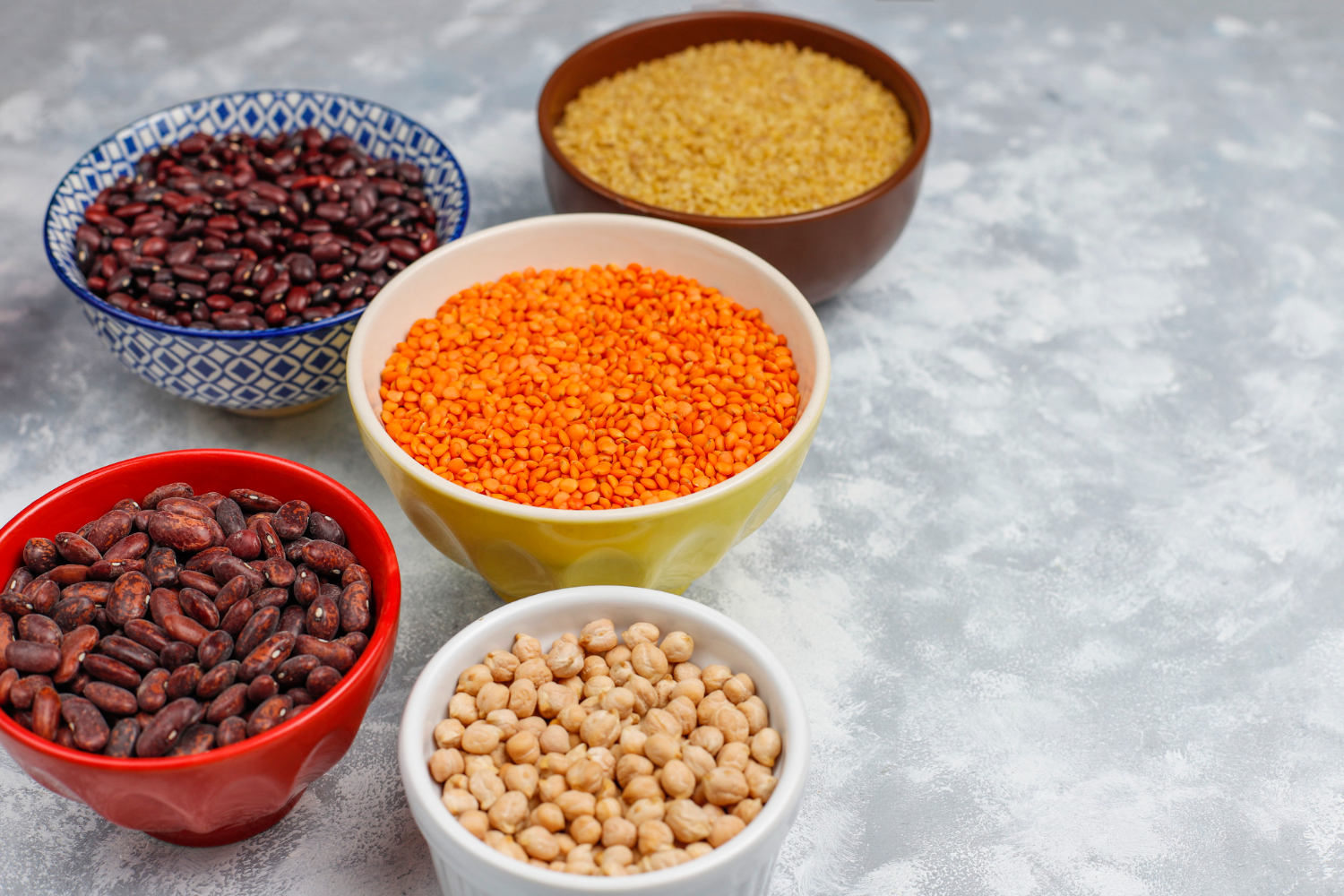
Every centre where agriculture developed domesticated a pulse alongside its grain, in regions with no contact with one another.
That is not coincidence; it is the same problem solved the same way. Independent adoption is the pulse fact that says most about why they mattered.
Like our content? Follow us for more.
2. The Age of the Bean Matters More Than the Recipe
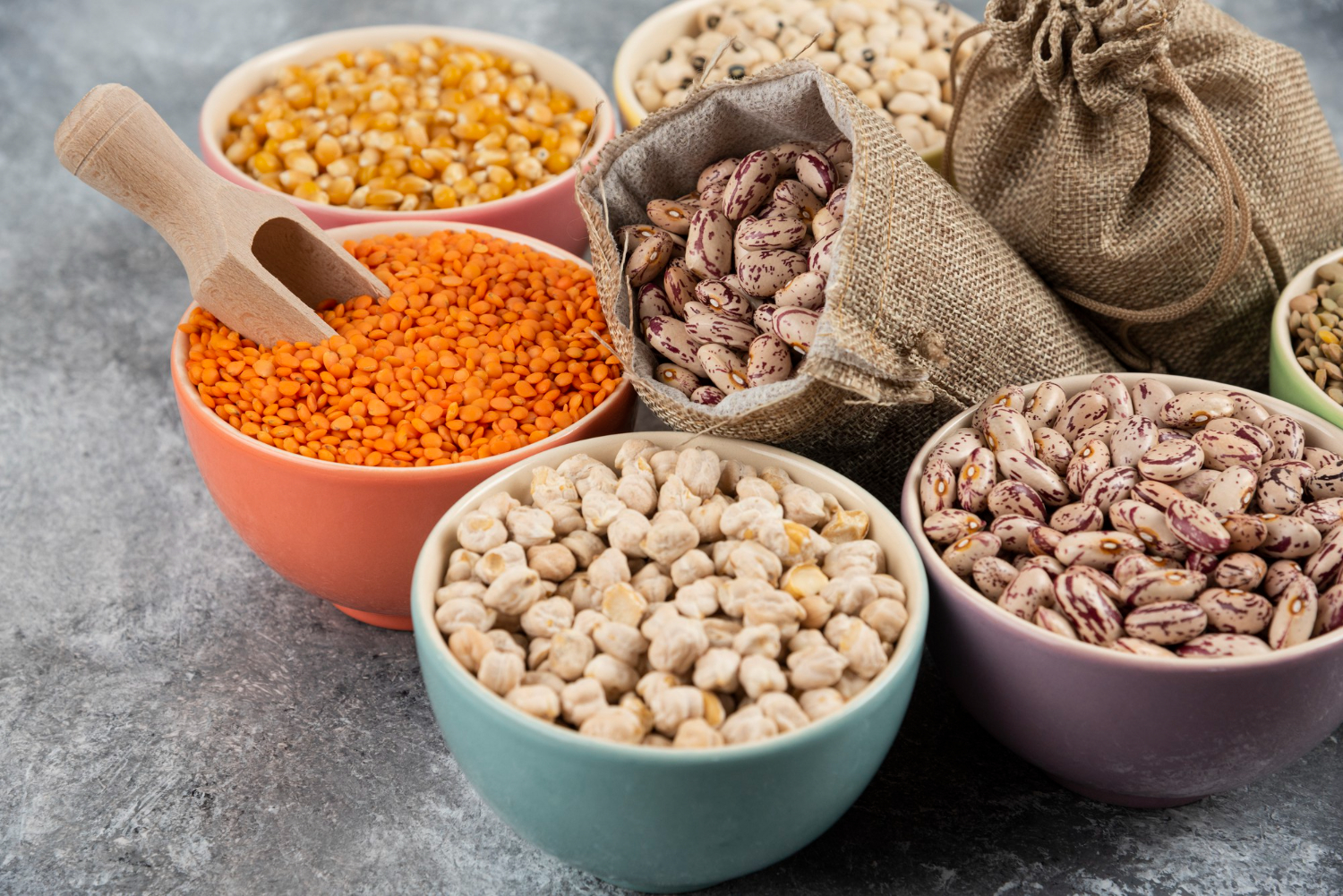
Pulses that have been stored a long time take substantially longer to soften, and there is no way to tell how old a dried bean is by looking at it.
This is why identical recipes produce wildly different results. Bean age is the pulse variable that explains almost every timing failure.
3. Some Hold Their Shape and Some Collapse
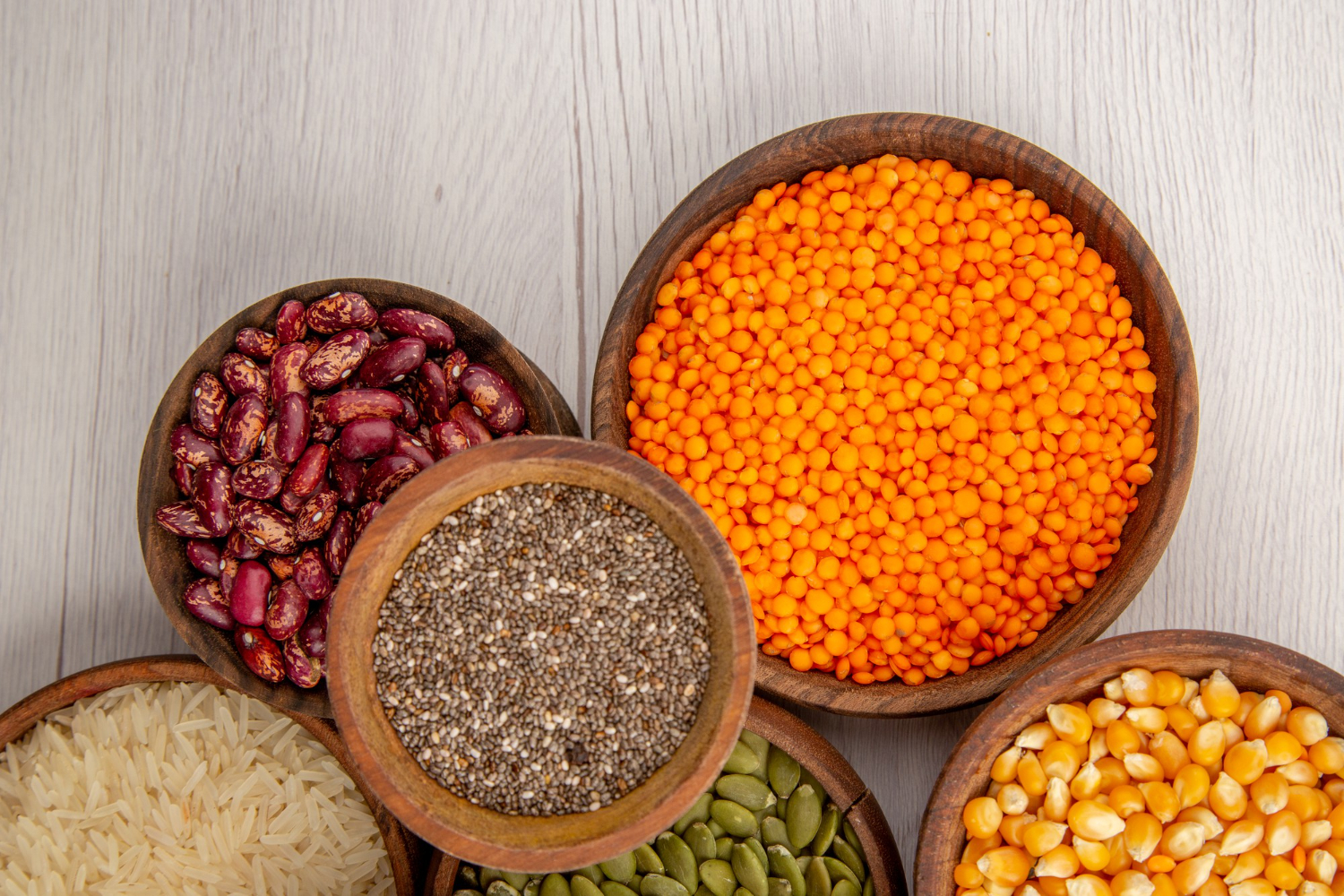
Varieties differ enormously in whether they stay intact or break down into a purée, and that single property determines which dishes they suit.
Using a collapsing variety in a dish that needs whole beans cannot be corrected. Shape retention is the pulse property that decides the dish.
4. The Cooking Liquid Is an Ingredient
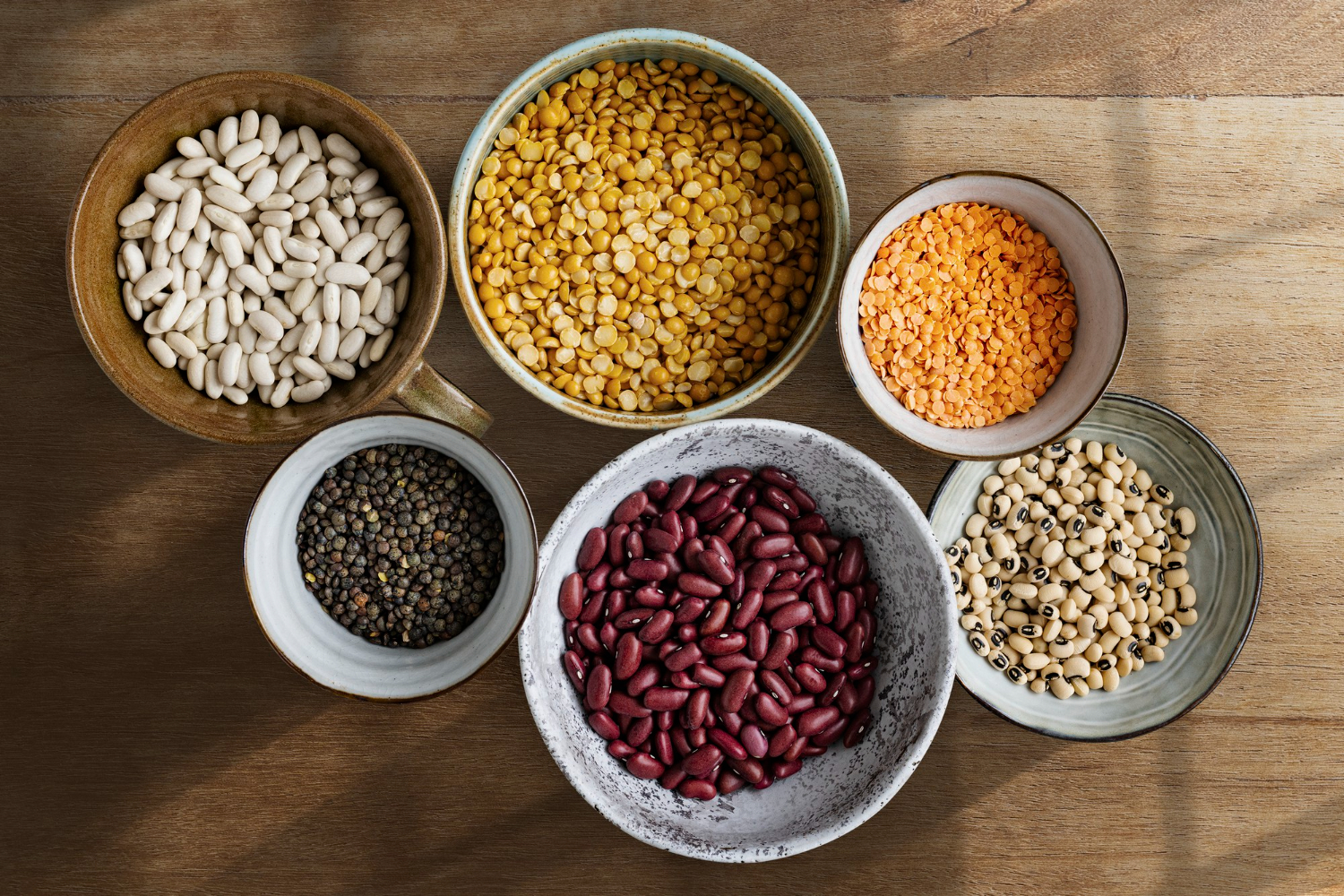
The water pulses cook in acquires body, starch and flavour, and several traditions treat it as a valuable component rather than something to discard.
Throwing it away removes a substantial part of what was produced. The cooking liquid is the pulse by-product that is not a by-product.
5. Acid Slows Everything Down
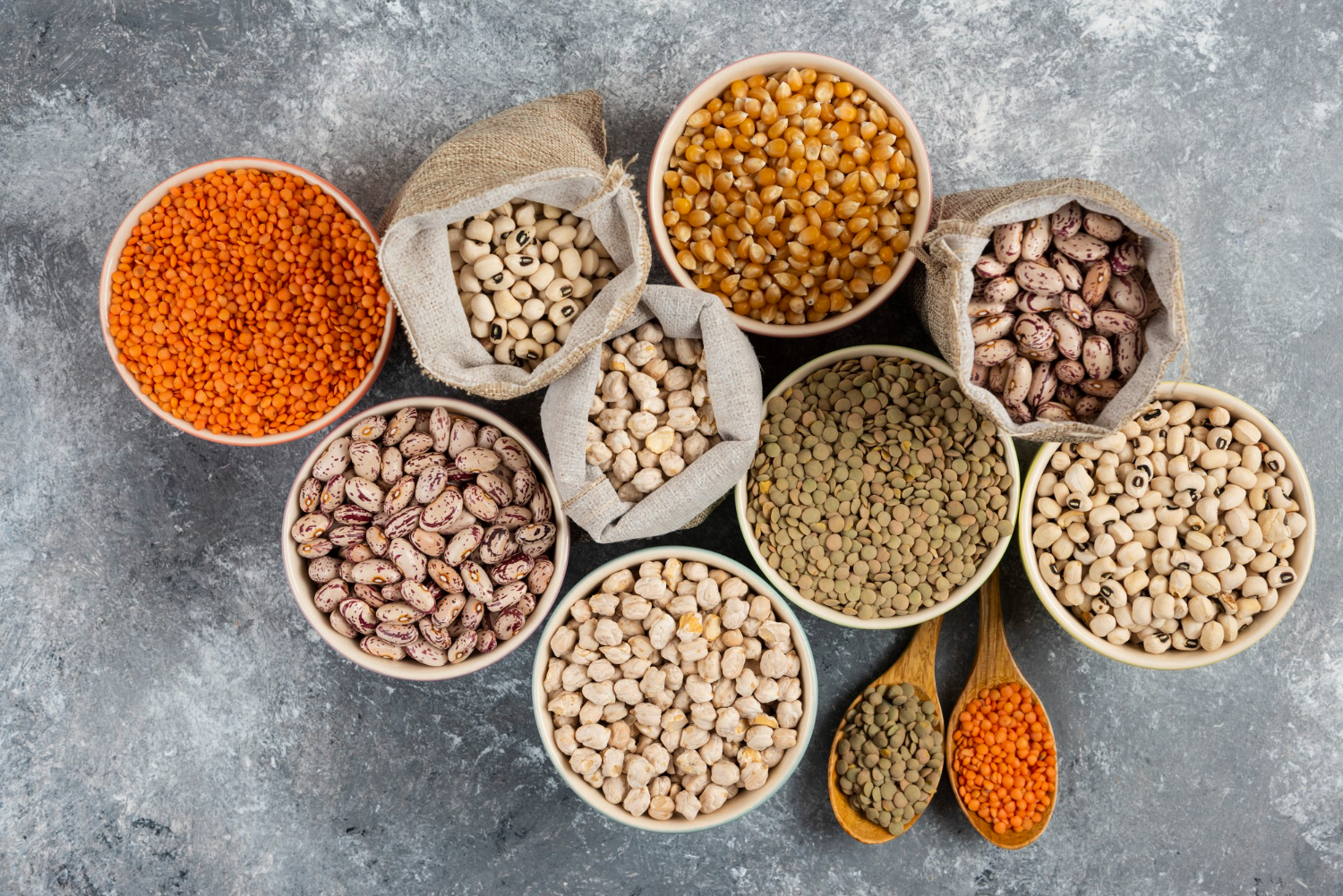
Adding acidic ingredients early makes pulses take substantially longer to soften, which is why the order of assembly matters in a way it does not for most cooking.
The same applies to some minerals in hard water. Acid timing is the pulse rule that catches out experienced cooks.
6. Split Is a Different Ingredient
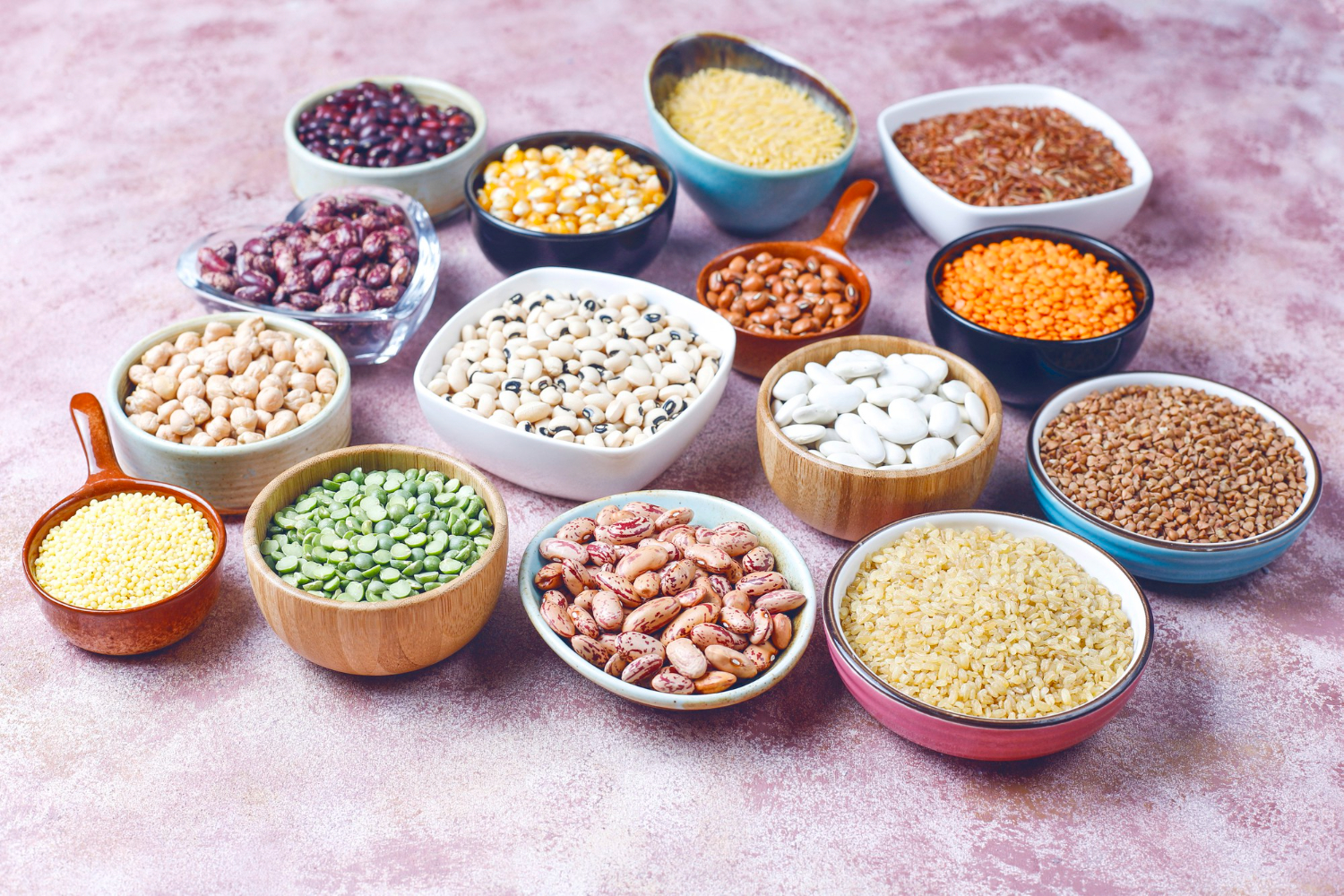
Splitting a pulse removes the skin and halves the seed, so it cooks much faster and breaks down far more readily than the whole version.
It is not a shortcut to the same dish; it produces a different one. Split pulses are the version that behaves like a separate ingredient.
7. Ground Into Flour, They Behave Unlike Grain
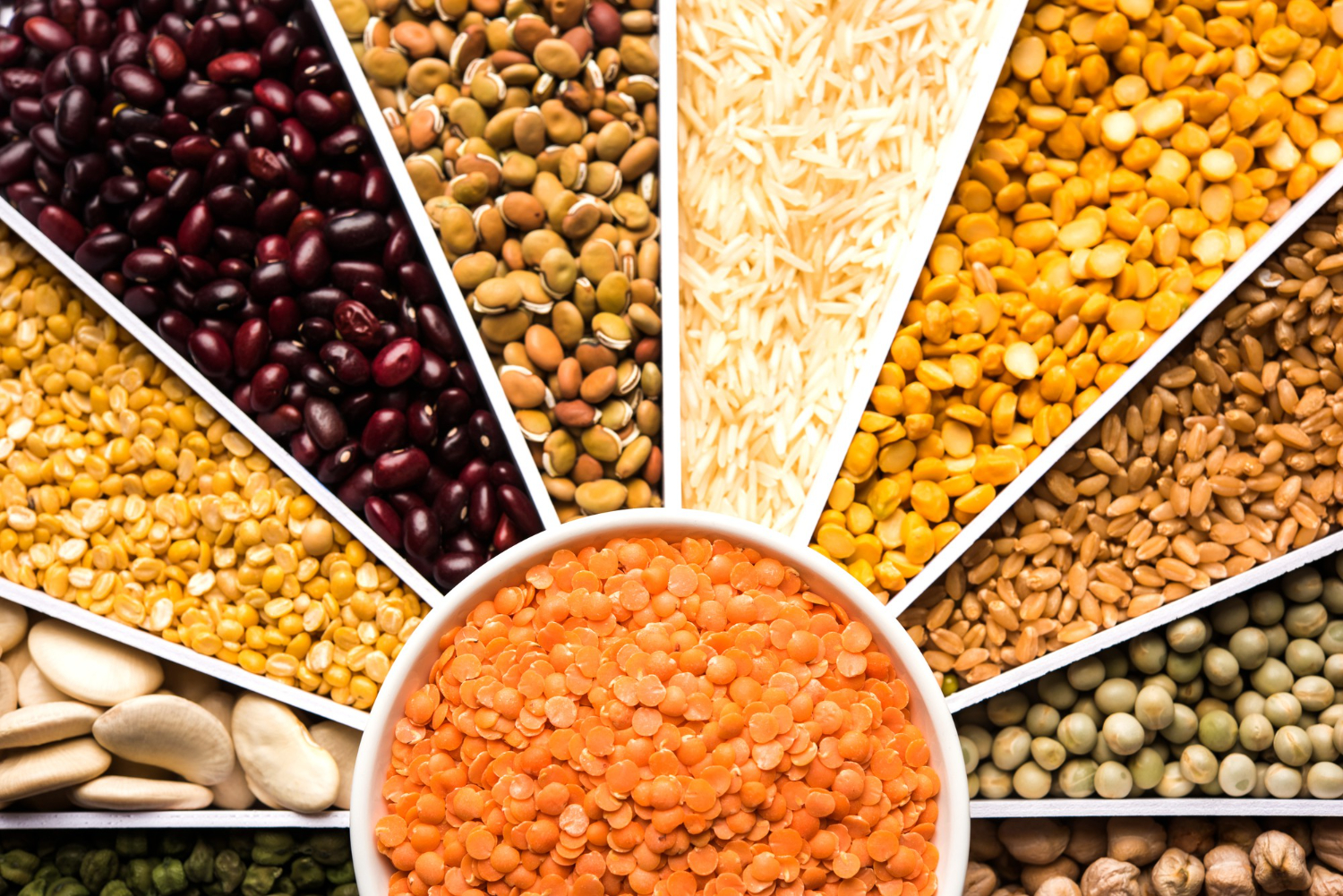
Pulse flours contain no gluten and much more protein, so they thicken, bind and set rather than stretching, and produce batters and doughs with entirely different behaviour.
Several cuisines use them for exactly that reason. Pulse flour is the form that does something grain flour cannot.
8. Fermented, They Become Something Else Entirely
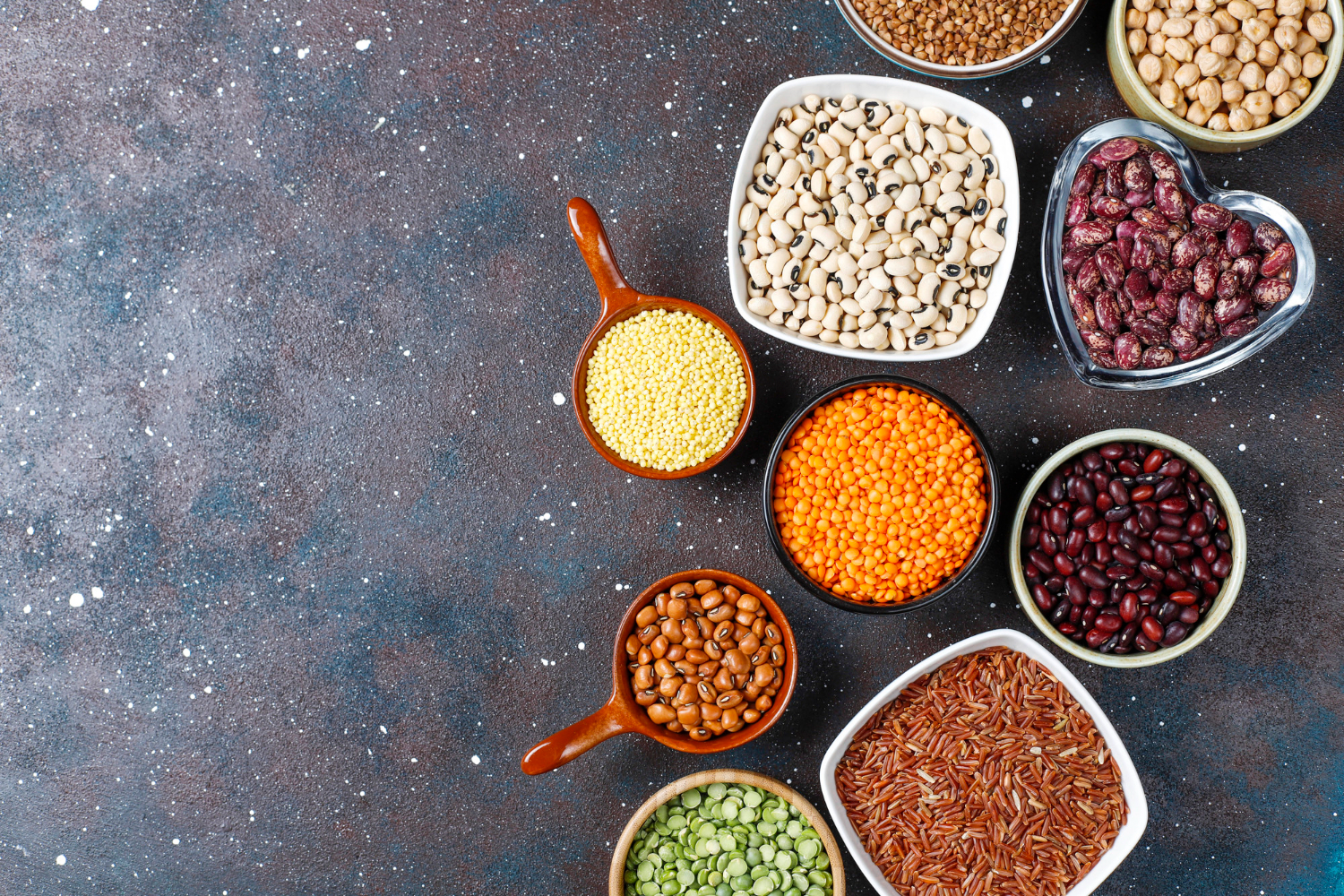
A number of traditions ferment pulses into pastes, cakes and sauces, transforming the flavour completely and producing ingredients used in tiny quantities.
The finished product bears no resemblance to the bean. Fermented pulses are the form furthest from the raw ingredient.
9. Sprouted, They Are a Vegetable
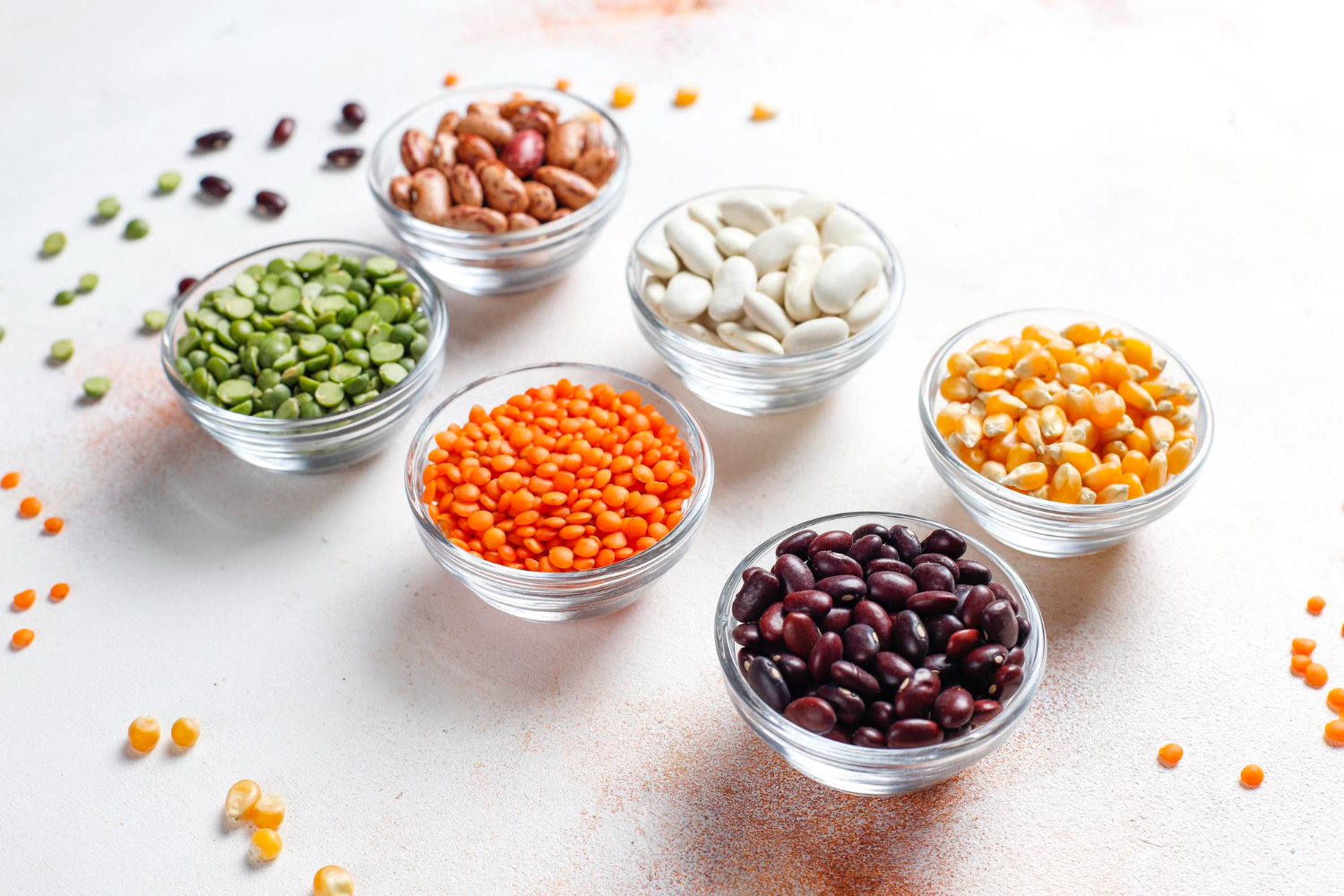
Allowed to germinate, a pulse changes character and is used as fresh produce rather than as a stored staple.
It is the same seed at a different point in its life. Sprouted pulses are the form where the ingredient has restarted.
10. The Fixed Pairings
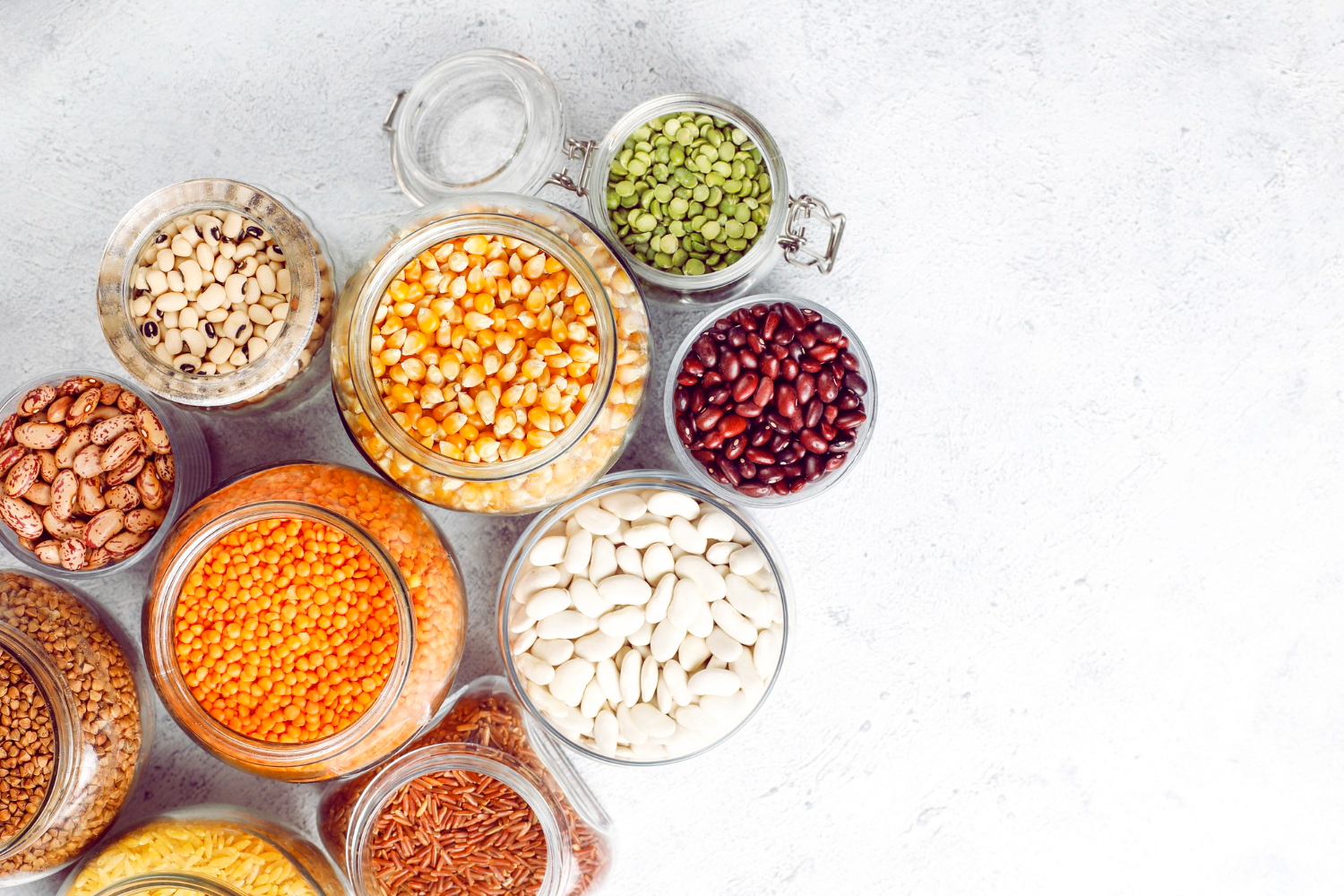
Several cuisines pair one specific pulse with one specific grain in a combination that is effectively fixed, and substituting either is noticed immediately.
Those pairings are old and regionally precise. Fixed pulse-and-grain pairings are the combinations that define whole cuisines.
11. Cooked Whole, They Need Space
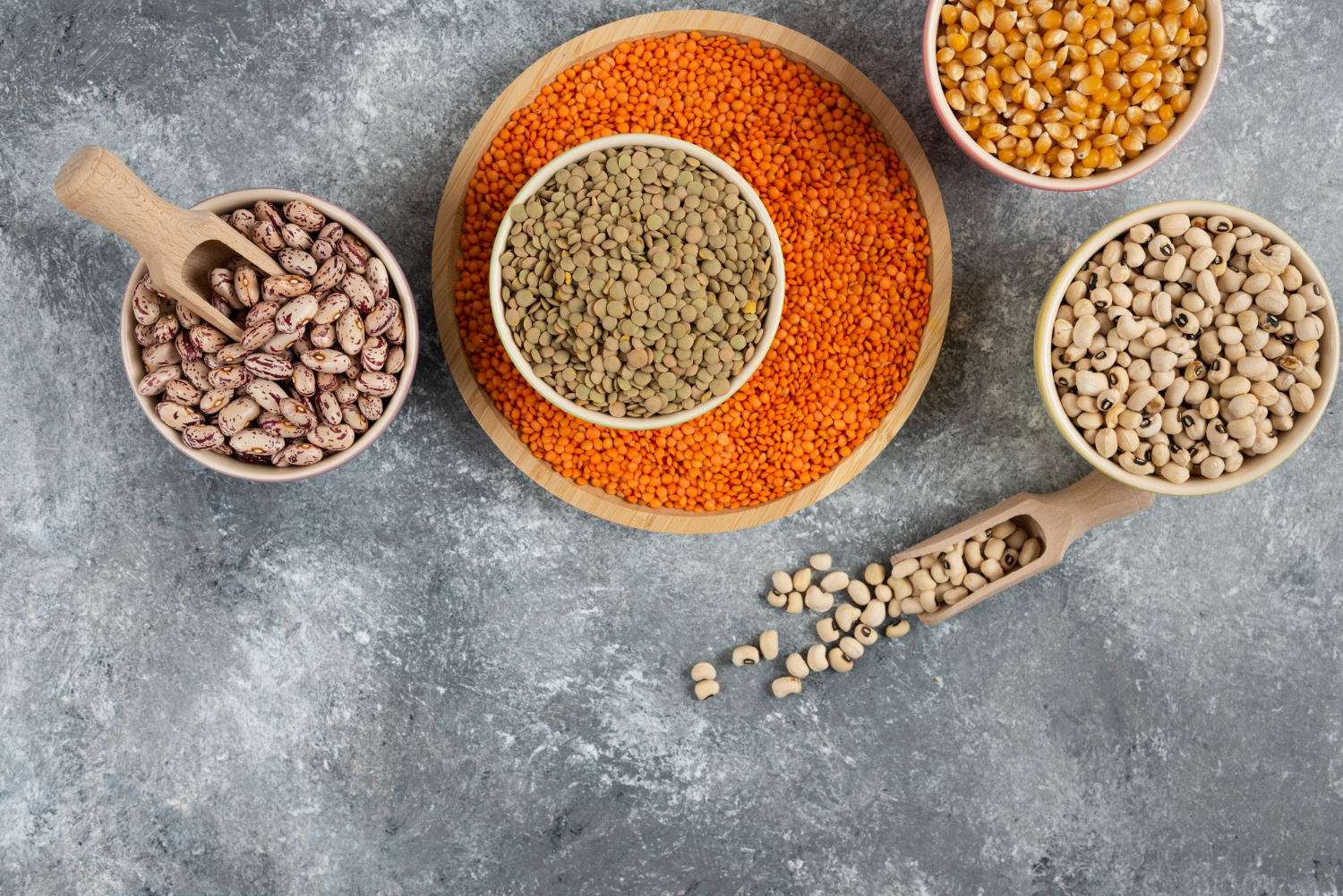
Pulses expand substantially as they rehydrate, and a pan that looked generously sized at the start frequently is not by the end.
Everyone makes this mistake once. Expansion is the pulse property that surprises people in the pan rather than on the plate.
12. The Skins Come Off by Themselves
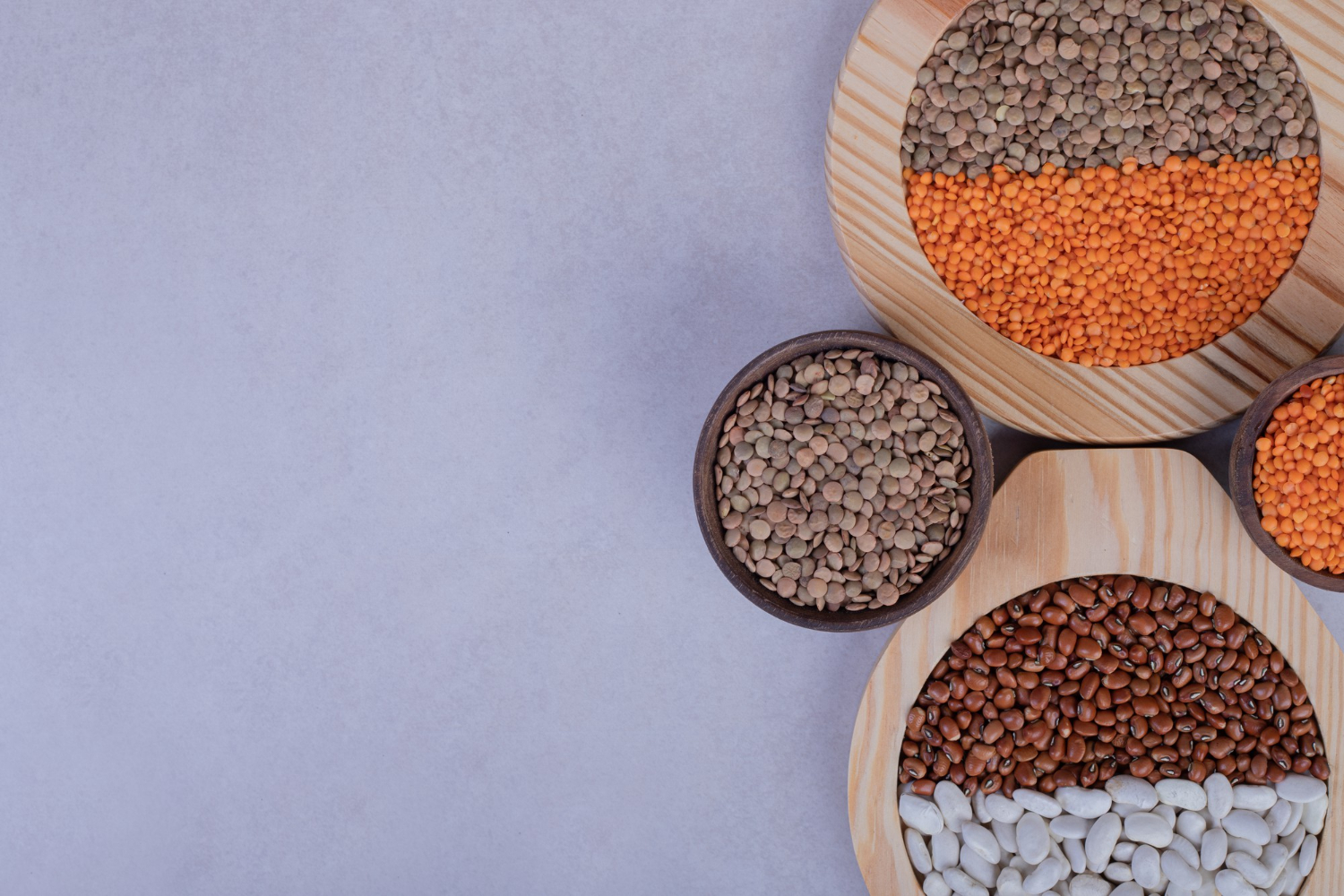
With sufficient cooking, skins separate and float, and traditions differ on whether to remove them, leave them or deliberately cook until they disappear.
Each choice produces a noticeably different texture. Skin handling is the pulse decision made silently in every kitchen.
14. They Take Flavour Rather Than Giving It
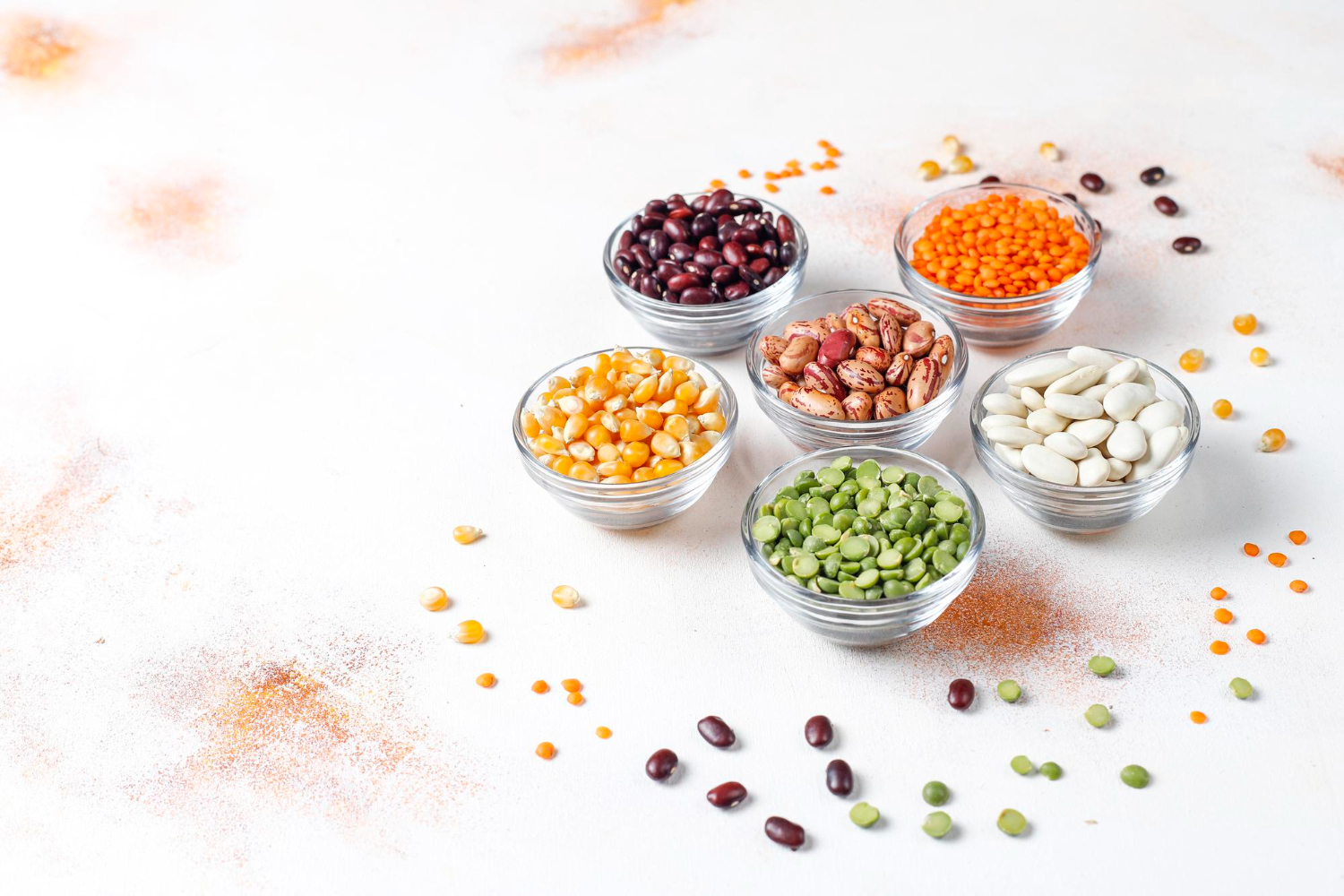
Most pulses are mild, which is a feature – they carry whatever they are cooked with, which is why the same bean appears in cuisines that taste nothing alike.
The seasoning is the dish and the pulse is the medium. Flavour absorption is the pulse property that made them universal.
15. They Improve Overnight
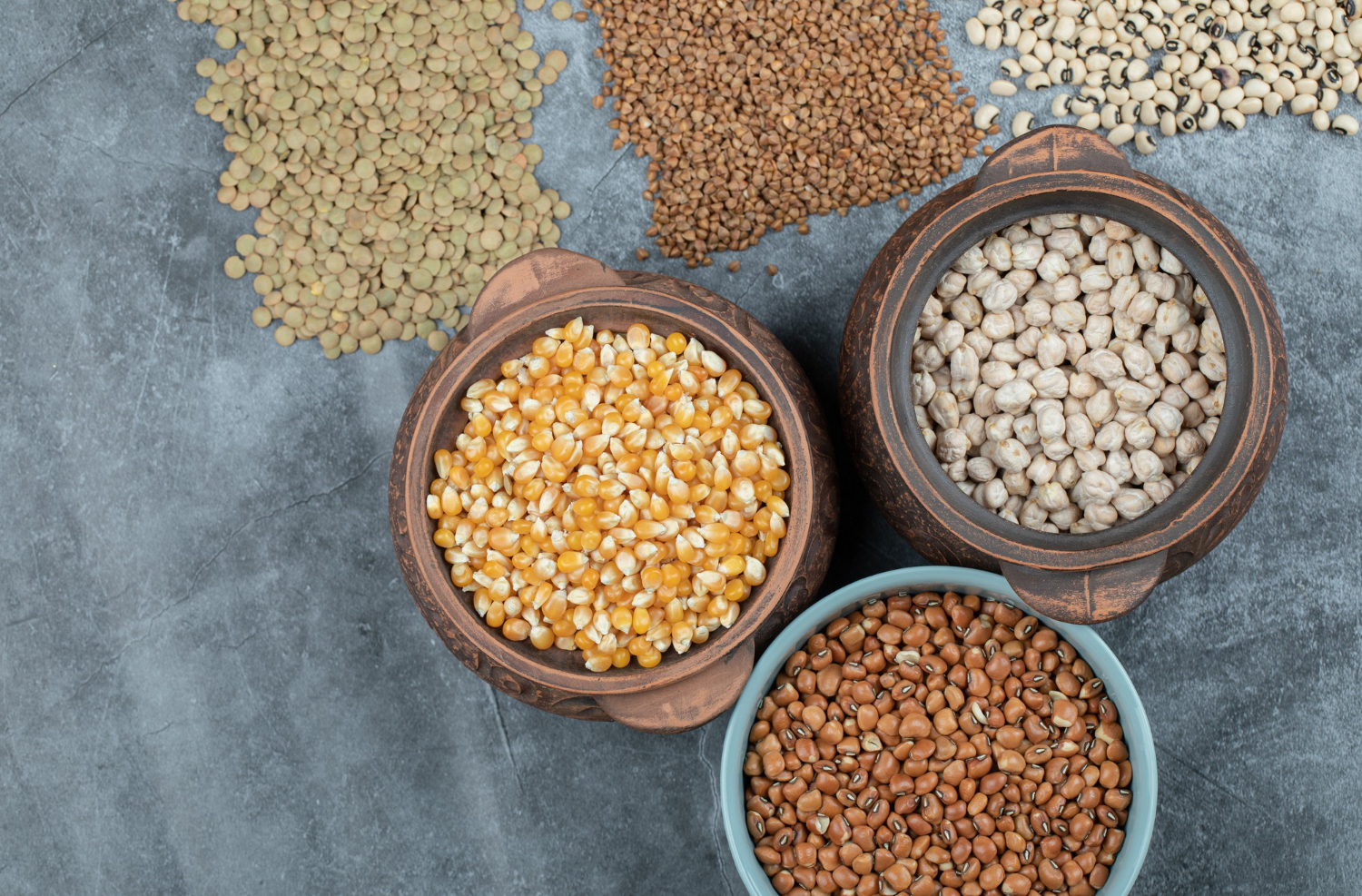
A pulse dish is generally better the following day, because the pulses continue absorbing the surrounding liquid after the heat is off.
This is one of the few foods where the reheated version is truly preferred. Overnight improvement is the pulse characteristic that rewards making too much.
Water, Time and a Very Old Storage Technology
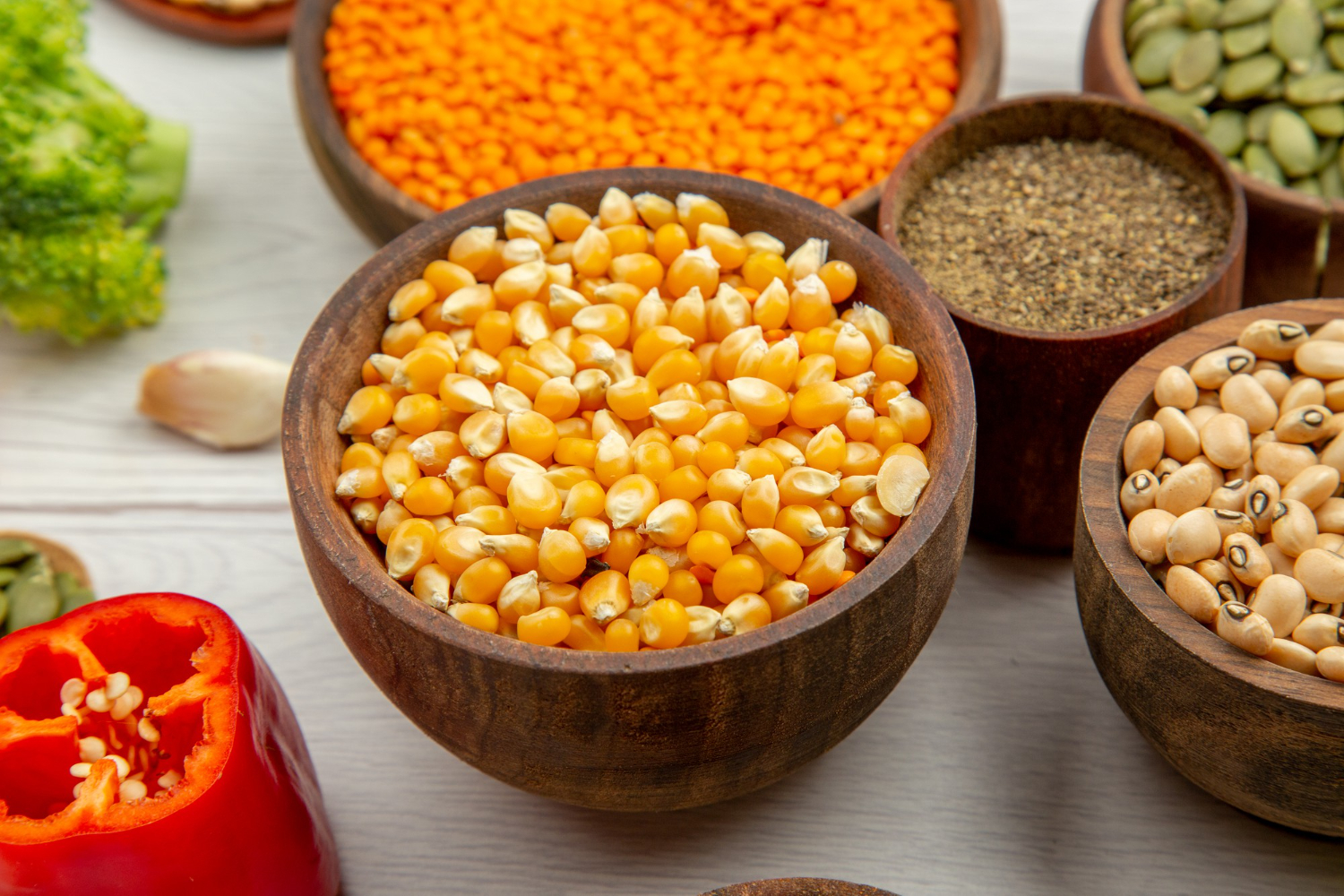
The through-line is that a pulse is a seed deliberately dried for storage, so every technique is a way of managing rehydration – how fast, how far, and what goes into the water while it happens.
Two points are worth carrying away. Timing failures are almost always about the age of the beans rather than the recipe, and the liquid they cooked in is part of what you made rather than something to pour down the sink. Everything else on this list is a variation on those two facts.
Like our content? Follow us for more.