What makes a single tree worth a journey is usually one of four things: extreme age, extreme size, an extraordinary shape, or standing somewhere nothing should. Here are sixteen.
1. The Giant Sequoias of California, USA
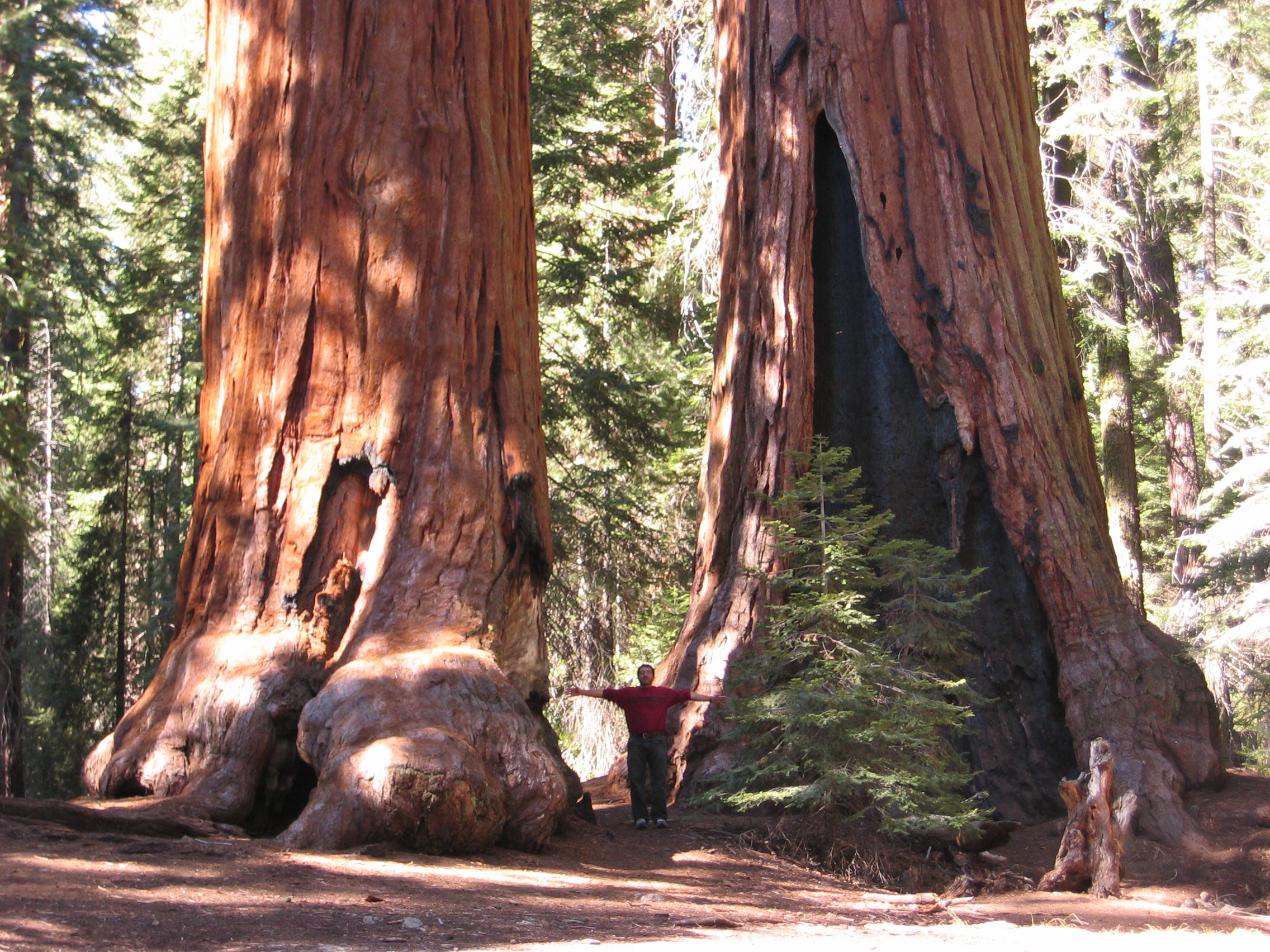
The largest trees on Earth by volume, with individual specimens so vast that visitors reliably fail to photograph them adequately.
The scale only registers when a person stands at the base for comparison. The giant sequoias are the trees that defeat every camera pointed at them.
Like our content? Follow us for more.
2. The Chapel Oak of Allouville, France
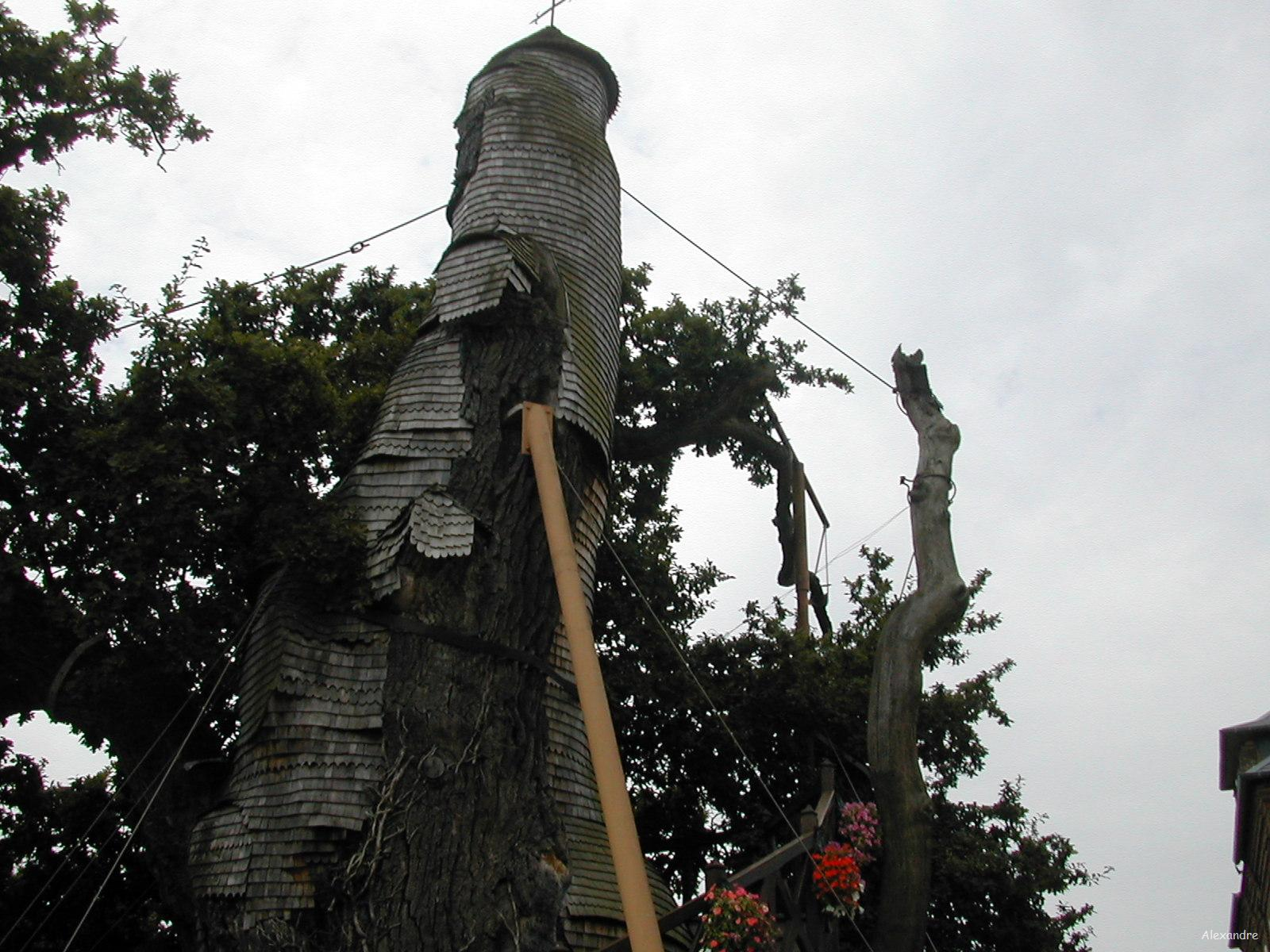
An oak so old and so hollow that two small chapels were built inside its trunk in the seventeenth century, reached by a staircase spiralling around the outside.
The tree is now heavily supported and partly clad, and it is still alive. The Chapel Oak is the tree with rooms inside it.
3. The Tree of Hippocrates, Kos, Greece
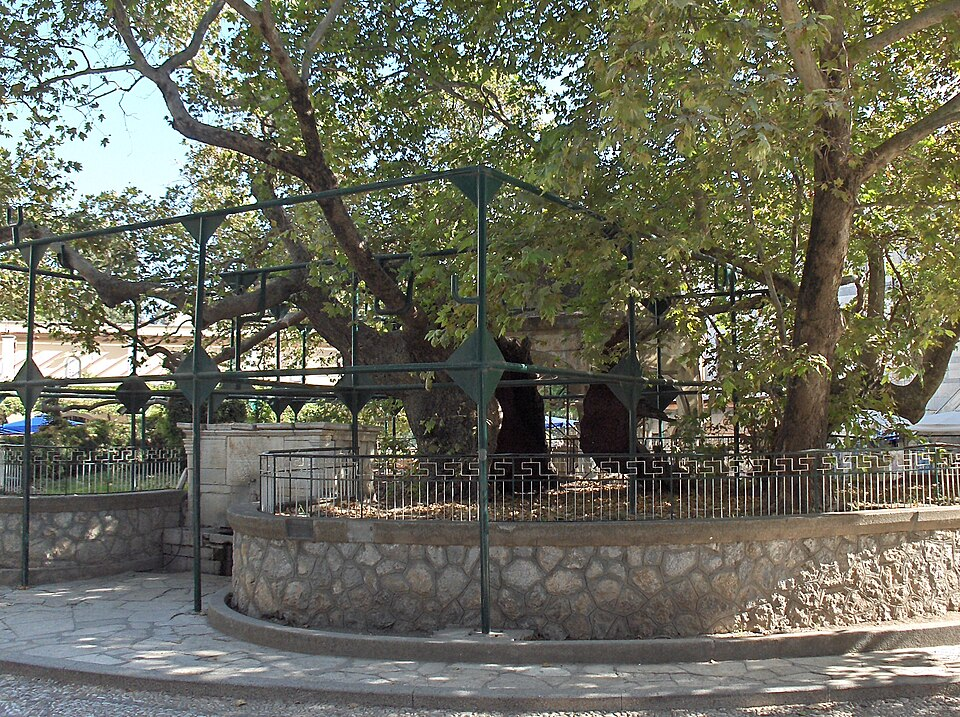
A vast plane tree beside a harbour, propped on scaffolding, traditionally said to be where an ancient physician taught his students beneath the branches.
The present tree is nowhere near old enough for the story to be literally true, and is generally understood to be a descendant of a much earlier one on the site. The Kos plane is the tree whose legend outran its actual age by a considerable margin.
4. The Baobabs of Madagascar
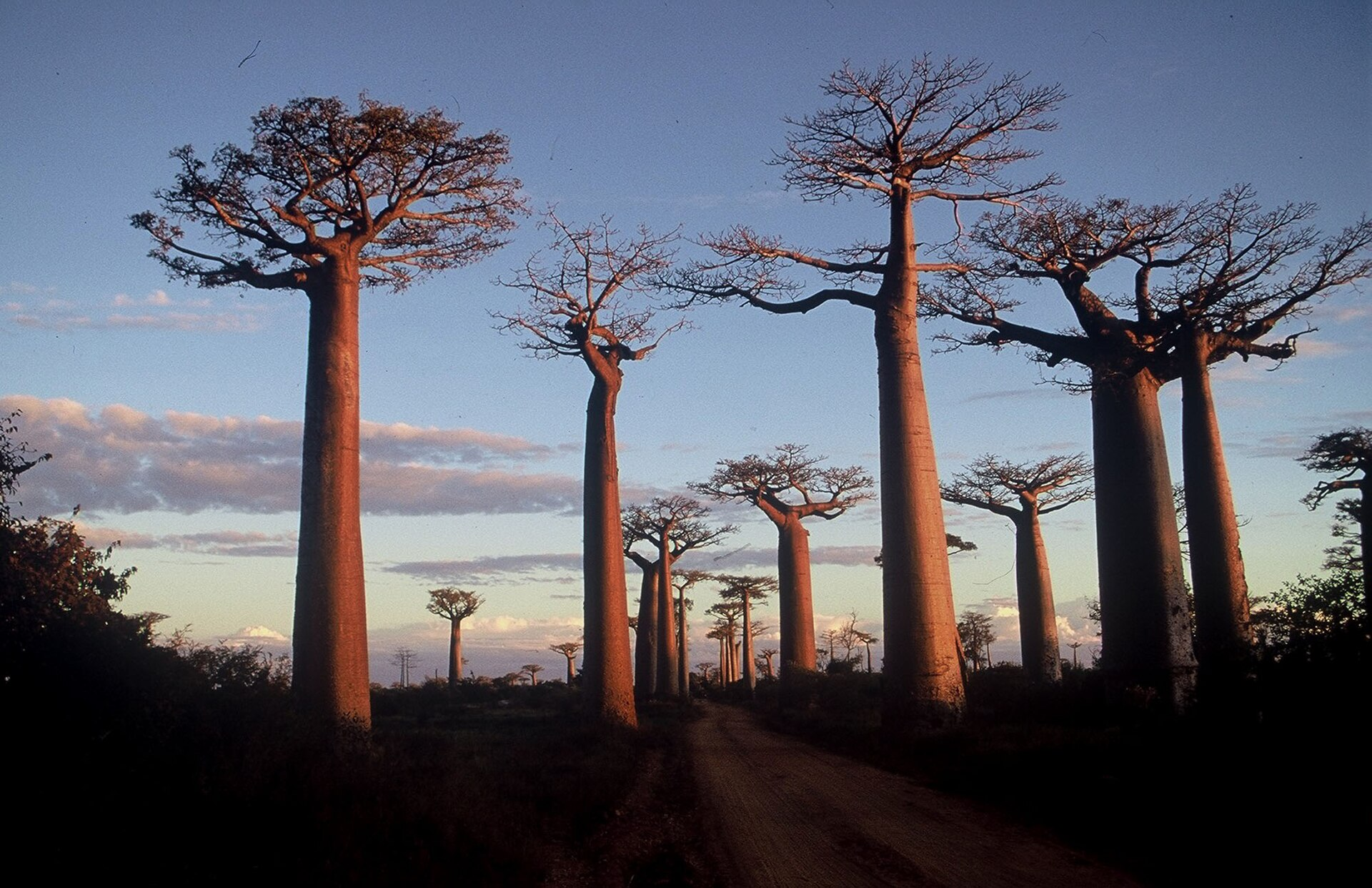
Enormously thick-trunked trees standing in rows along a road, survivors of a forest that is no longer there.
Their shape stores water and their silhouettes are unmistakable. The Madagascan baobabs are the trees standing where the forest around them has gone.
5. The Dragon Blood Trees of Socotra, Yemen
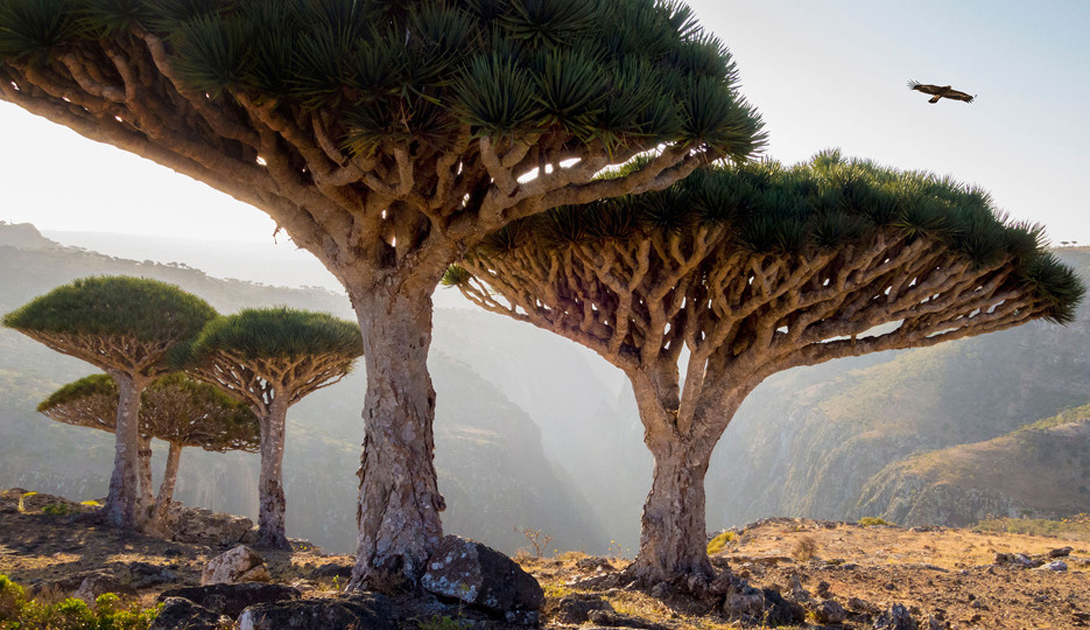
Umbrella-shaped trees producing a red resin, growing on an isolated island with a great many species found nowhere else.
Access to the island is limited and conditions vary; travel advice should be checked carefully before considering any visit. The dragon blood trees are the ones growing on an island that evolved separately.
6. The Angel Oak, South Carolina, USA
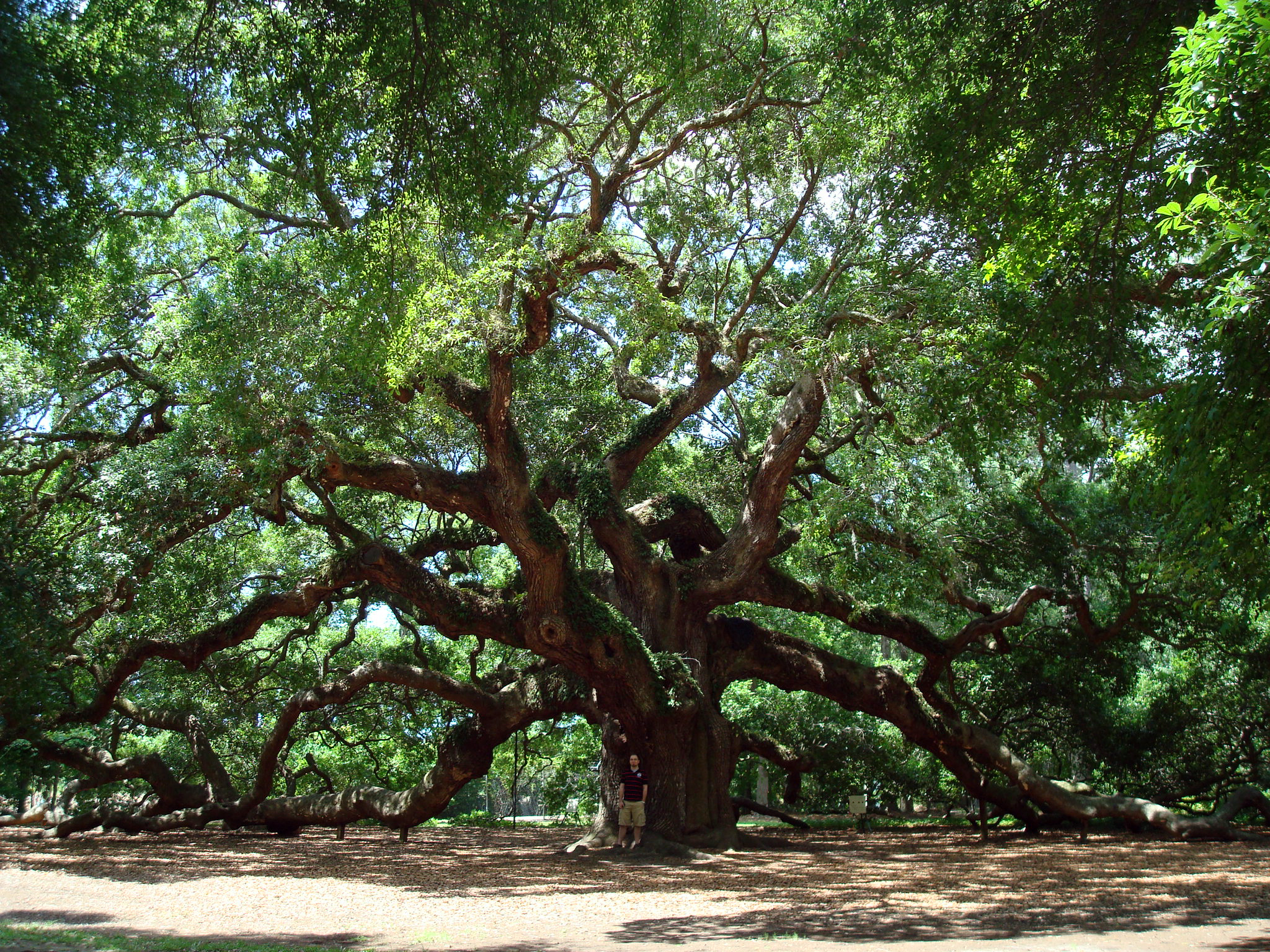
A live oak with enormous horizontal limbs that rest on and re-enter the ground, spreading far wider than the tree is tall.
It is protected within a small park and is the reason anyone visits. The Angel Oak is the tree whose branches behave like separate trunks.
7. Old Tjikko, Sweden
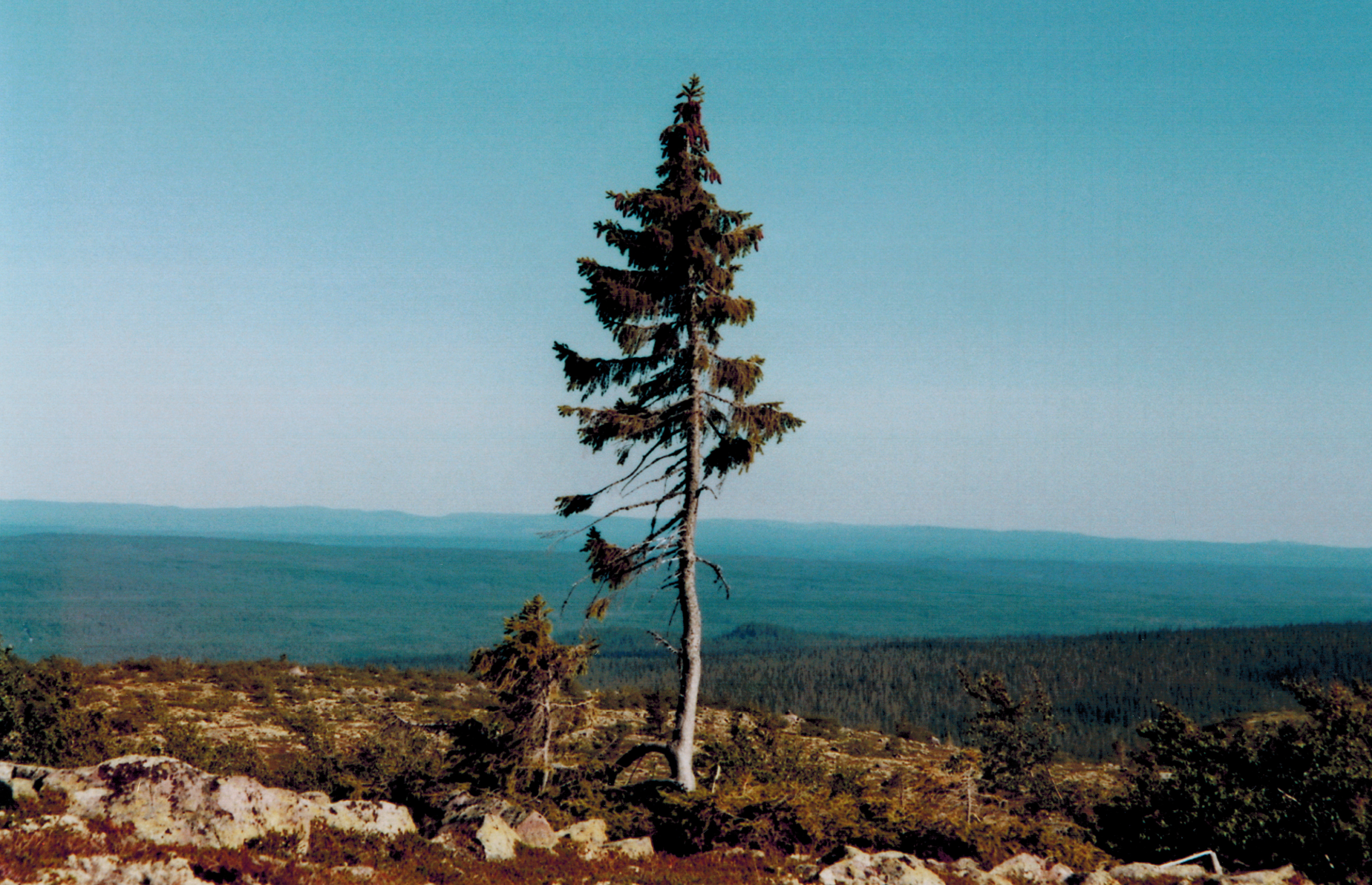
A wind-stunted spruce on a mountainside whose visible trunk is comparatively young, but whose root system has been dated to many thousands of years, regenerating new stems as old ones die.
It raises a real question about what counts as the age of a tree. Old Tjikko is the tree whose roots are ancient and whose trunk is not.
8. The Tule Tree, Oaxaca, Mexico
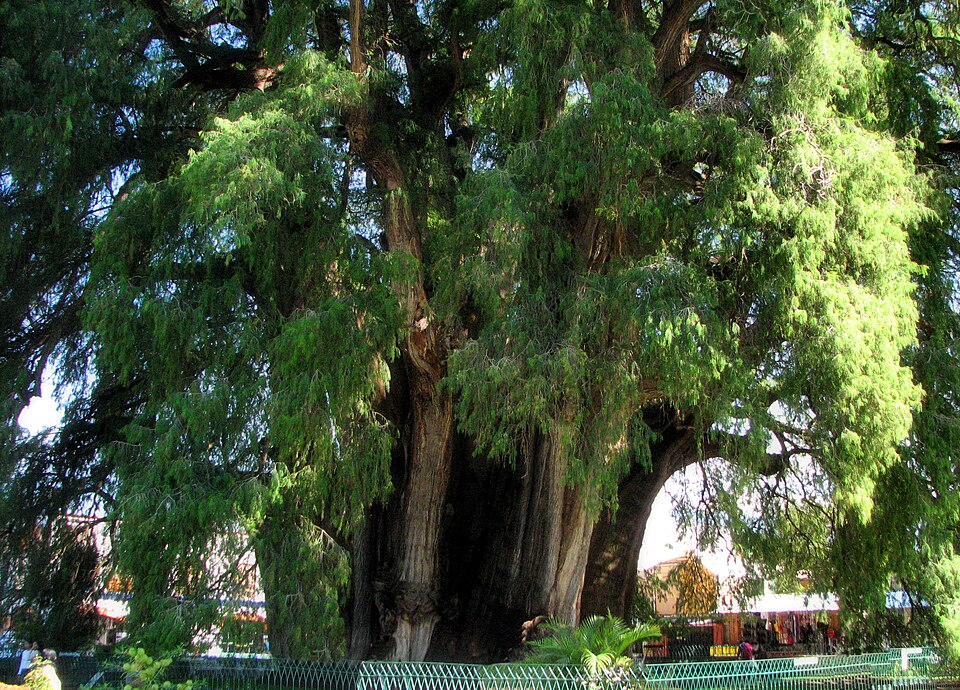
A cypress with the stoutest trunk of any tree in the world, standing beside a church in a small town.
Its girth is so great that it was long debated whether it was one tree or several fused together; genetic testing indicated one. The Tule tree is the tree people argued was actually a crowd.
9. The Major Oak, England
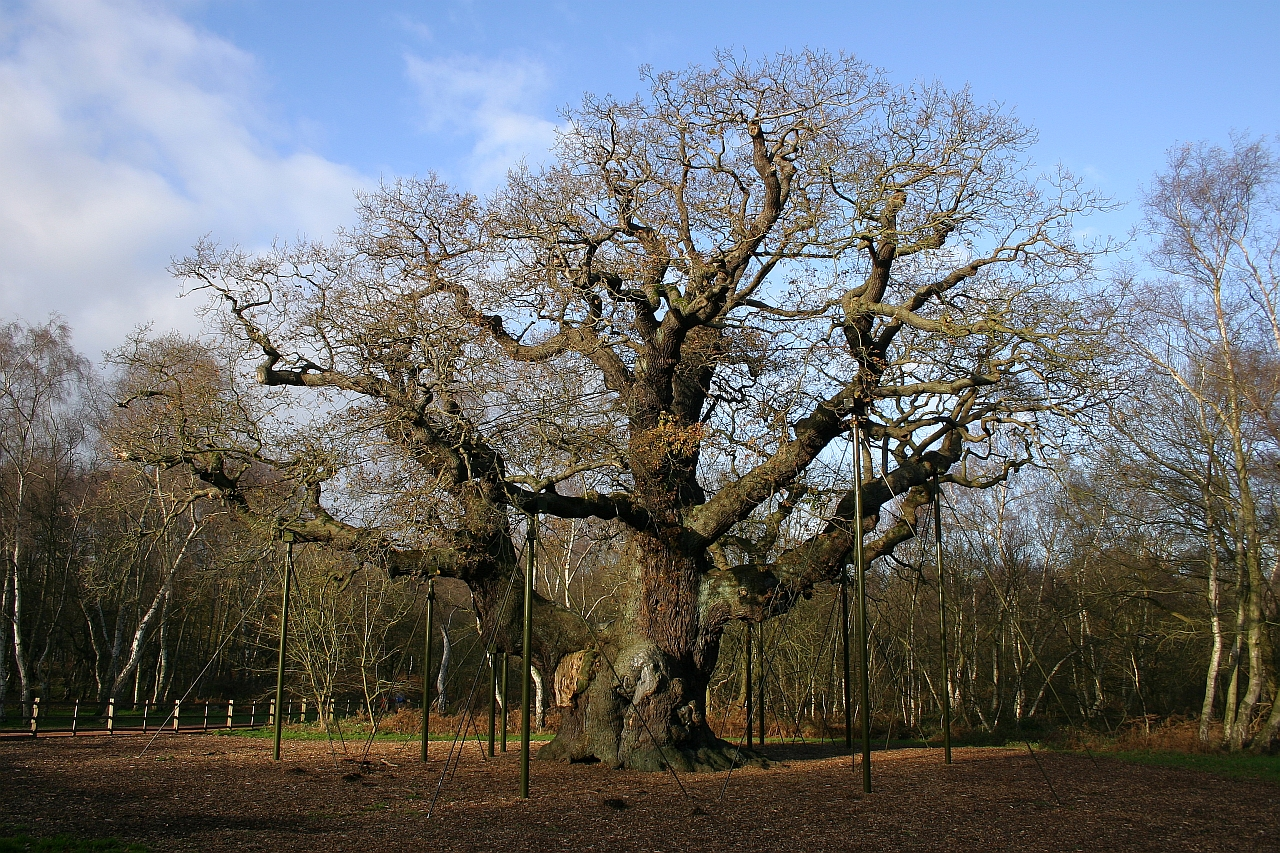
An ancient oak in a former royal forest, propped with supports, associated by tradition with a legendary outlaw.
The legend is decorative and the tree is truly old. The Major Oak is the tree whose fame rests on a story it almost certainly has nothing to do with.
10. The Cedars of Lebanon
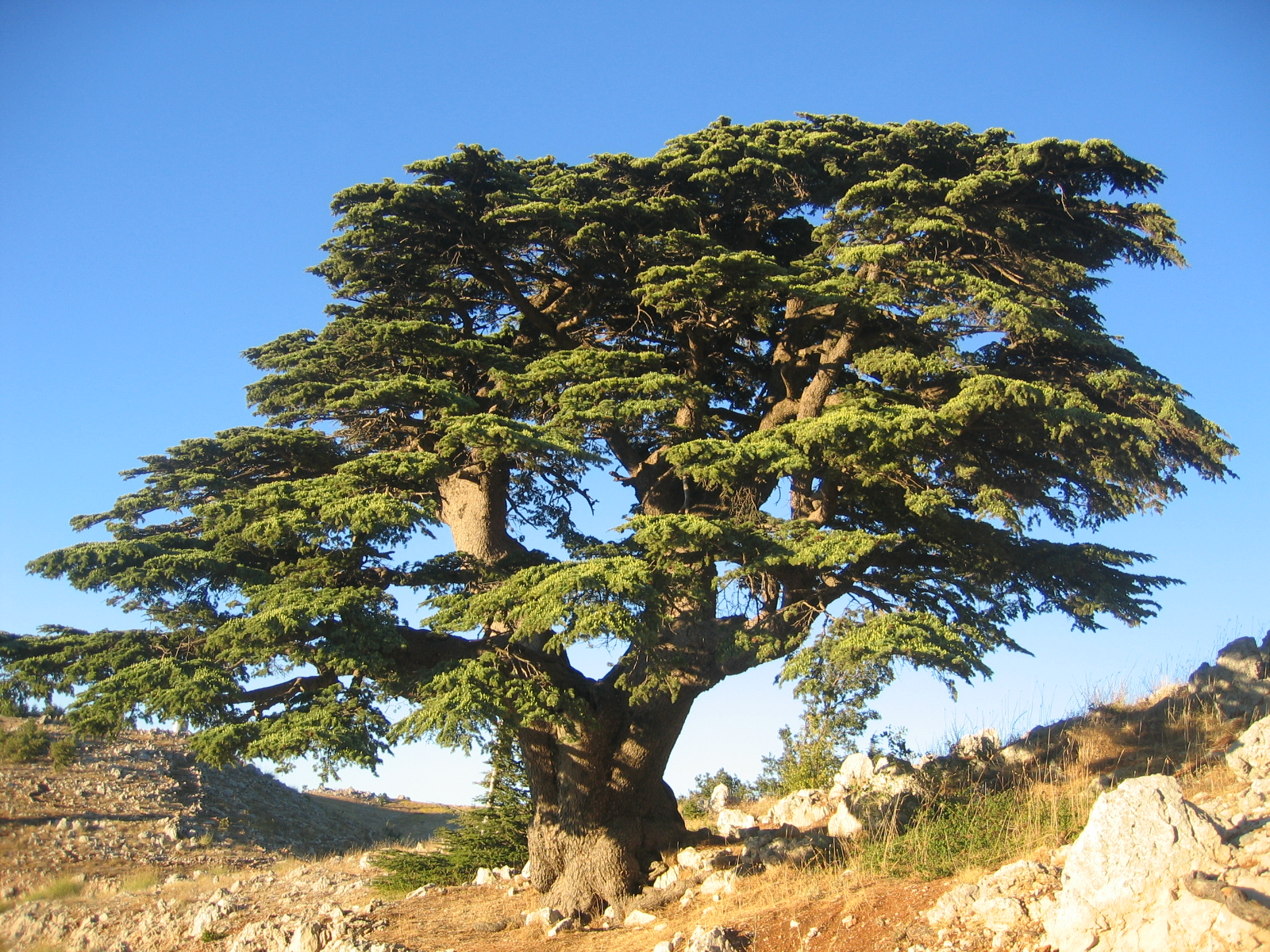
Ancient groves of a tree that appears on a national flag, surviving in mountain remnants of forests referenced in some of the oldest written texts.
The surviving stands are small and protected. The Lebanese cedars are the trees that outlived the civilisations that wrote about them.
11. The Wollemi Pines, Australia
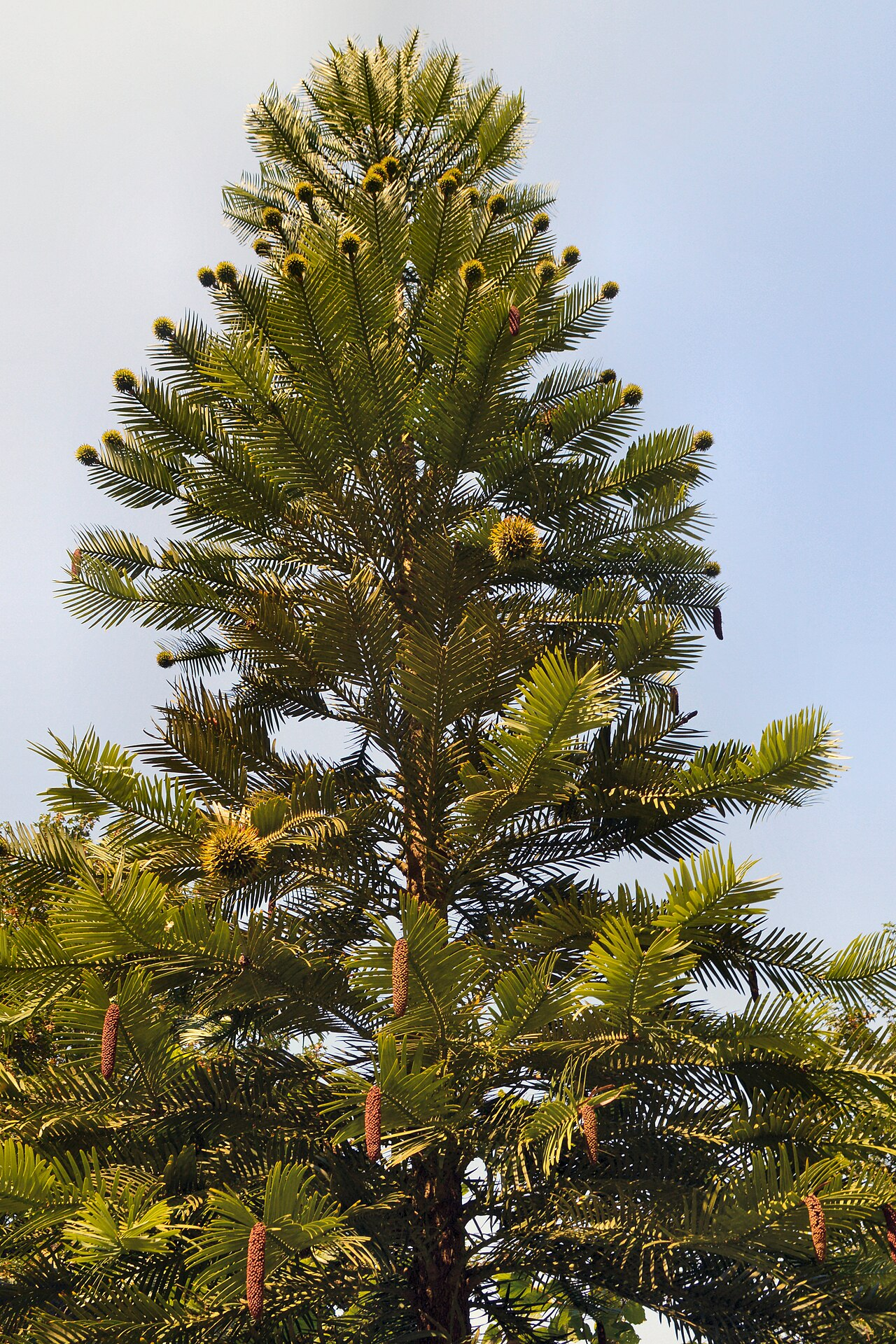
A species known only from fossils until a handful of living specimens were found in a canyon in the 1990s, with the location kept secret.
Cultivated specimens are now widely distributed as an insurance policy. The Wollemi pines are the trees that were extinct until somebody walked into the wrong gorge.
12. The Tree of Ténéré Site, Niger
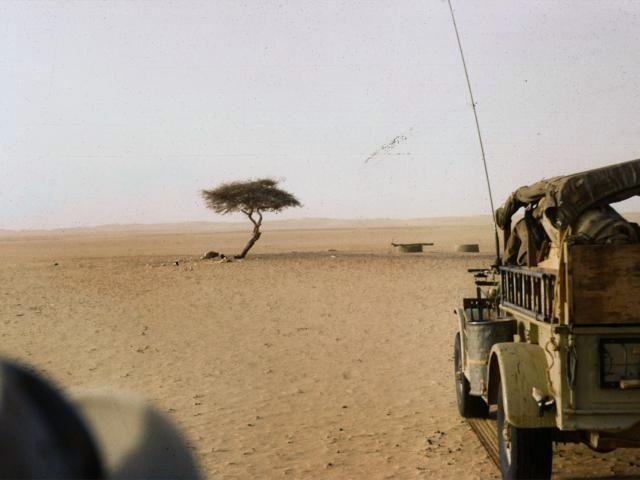
For a long time the most isolated tree on Earth, standing alone in the Sahara hundreds of kilometres from any other, until it was lost; a metal sculpture now marks the spot.
The site is remote and travel to the region requires careful checking of current advice. The Ténéré site marks where the loneliest tree in the world once stood.
14. The Banyans of India and Southeast Asia
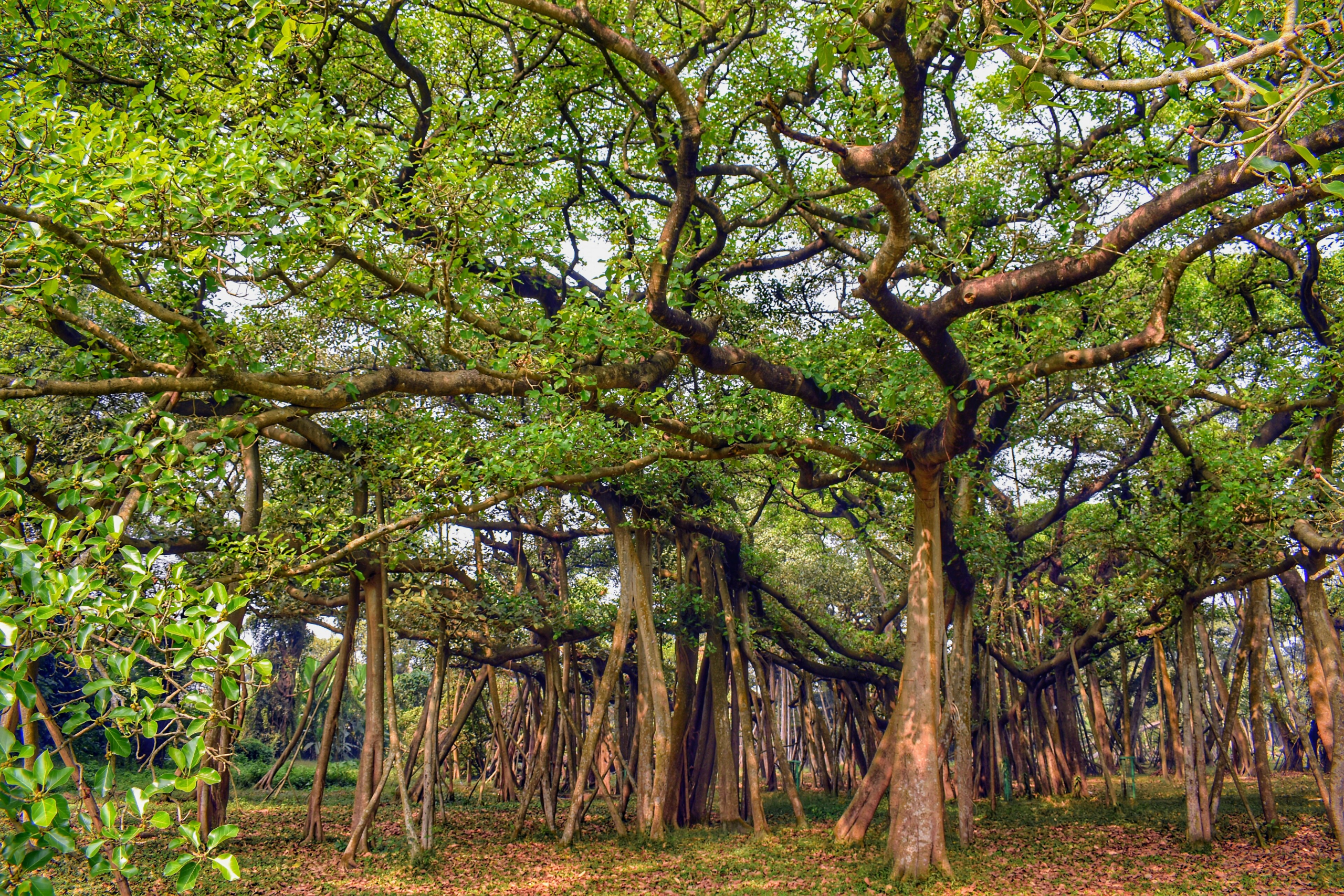
Individual banyans spread by dropping aerial roots that thicken into new trunks, so a single tree can cover an area comparable to a small field.
Where one tree ends becomes a real question. The great banyans are the trees that turn into a wood without stopping being one tree.
15. The Oldest Olive Trees of the Mediterranean
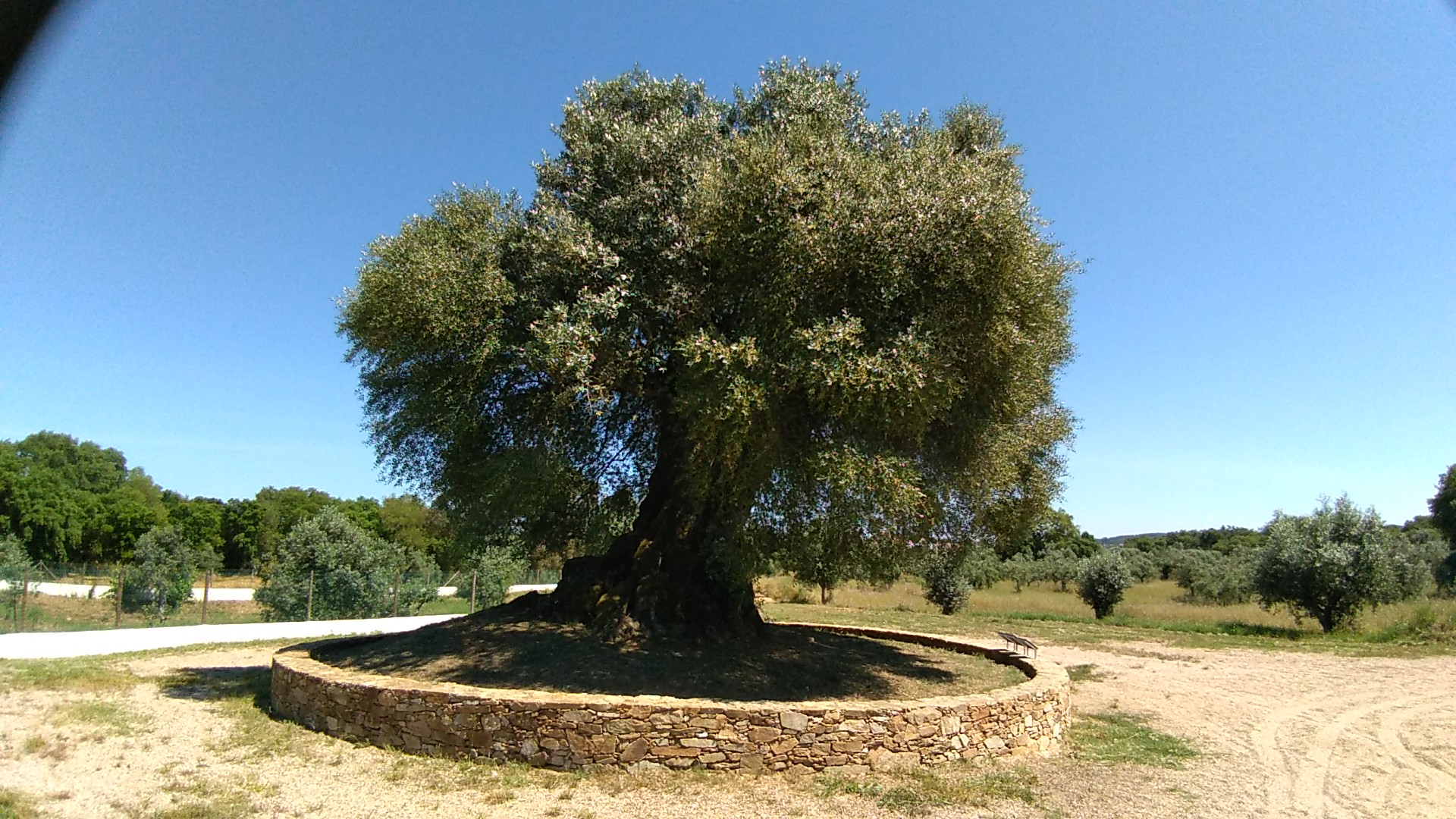
Several olives around the Mediterranean are claimed to be well over a thousand years old, with hollow gnarled trunks and, in many cases, still producing fruit.
Dating them precisely is difficult because the heartwood is gone. The ancient olives are the trees still working after a millennium.
16. The Lone Cypress and the Solitary Coastal Trees
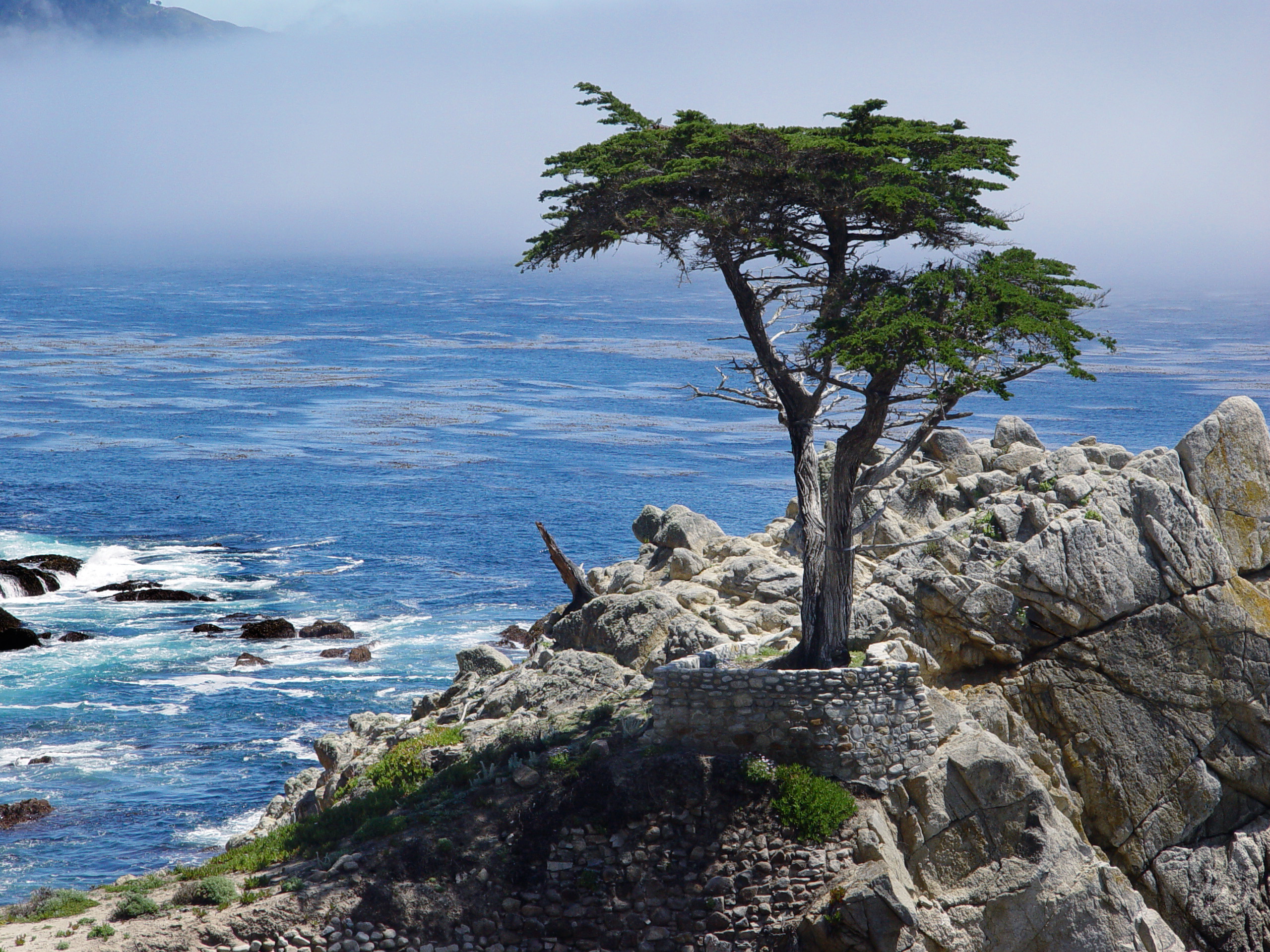
Individual wind-shaped trees on exposed coastlines and clifftops become landmarks purely through isolation and silhouette.
They are frequently the most photographed object for many miles. The solitary coastal trees are the ones famous for standing by themselves.
One Tree, Worth the Journey
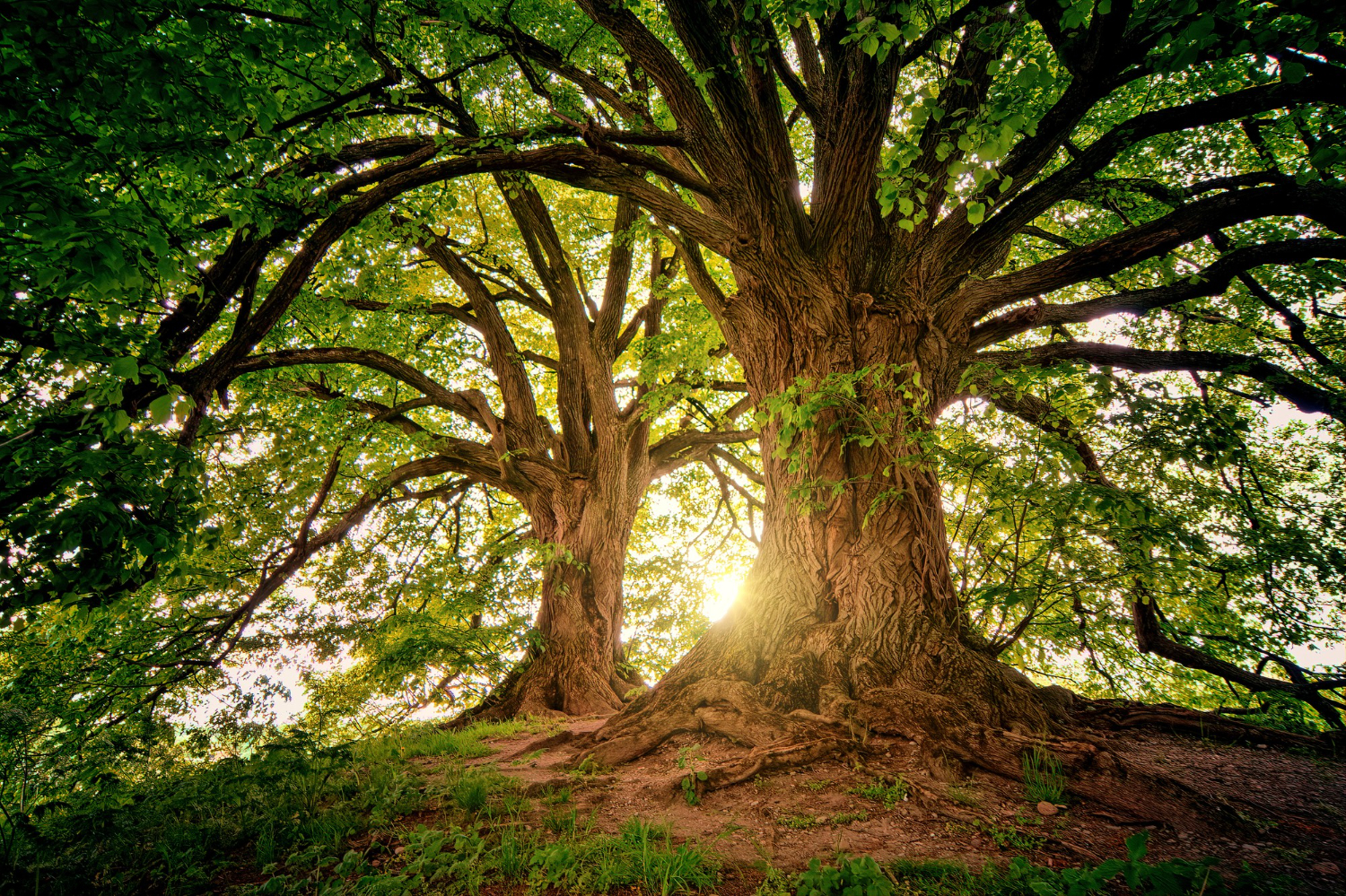
The trees people travel for are almost never the healthiest or most typical specimens. They are the extremes – the oldest, the largest, the strangest, or the last one left standing.
Practical notes: several of the most remarkable individuals are deliberately unmarked or unpublished to protect them, and that decision should be respected rather than treated as a challenge. Where trees are accessible, stay on the paths – soil compaction around the roots is one of the main ways visitors damage old trees without touching them – and check current access, which changes with conservation work and, for the remoter entries here, with travel advice.
Like our content? Follow us for more.