

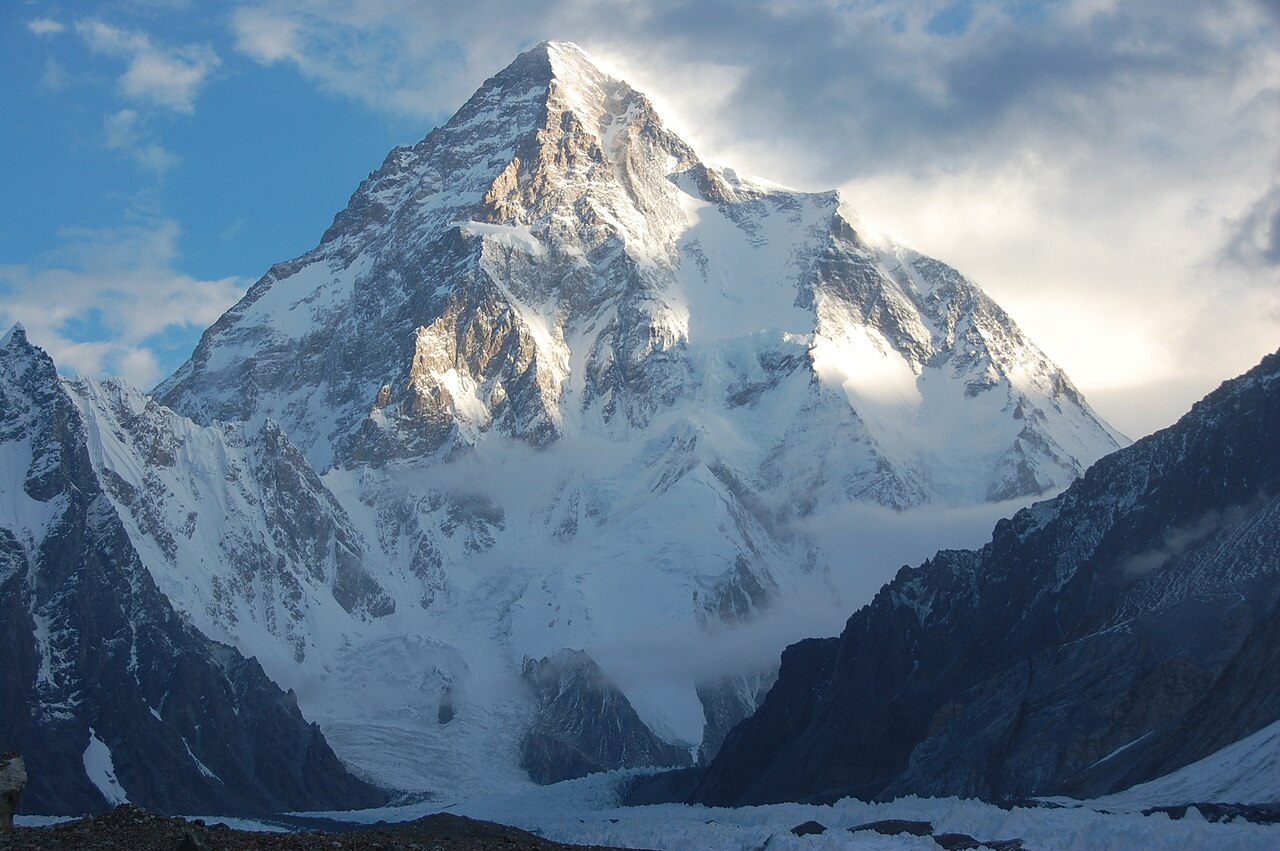
K2 towers over the Karakoram range on the border of Pakistan and China, a near-perfect pyramid of rock and ice that has haunted the imaginations of mountaineers for more than a century. Though it stands slightly shorter than Everest, K2 is widely regarded as a far greater and deadlier challenge, and its first ascent, achieved on July 31, 1954, was one of the crowning triumphs of exploration. Here are fourteen astonishing facts about this legendary and dangerous peak.
1. It’s the Second-Highest Mountain on Earth
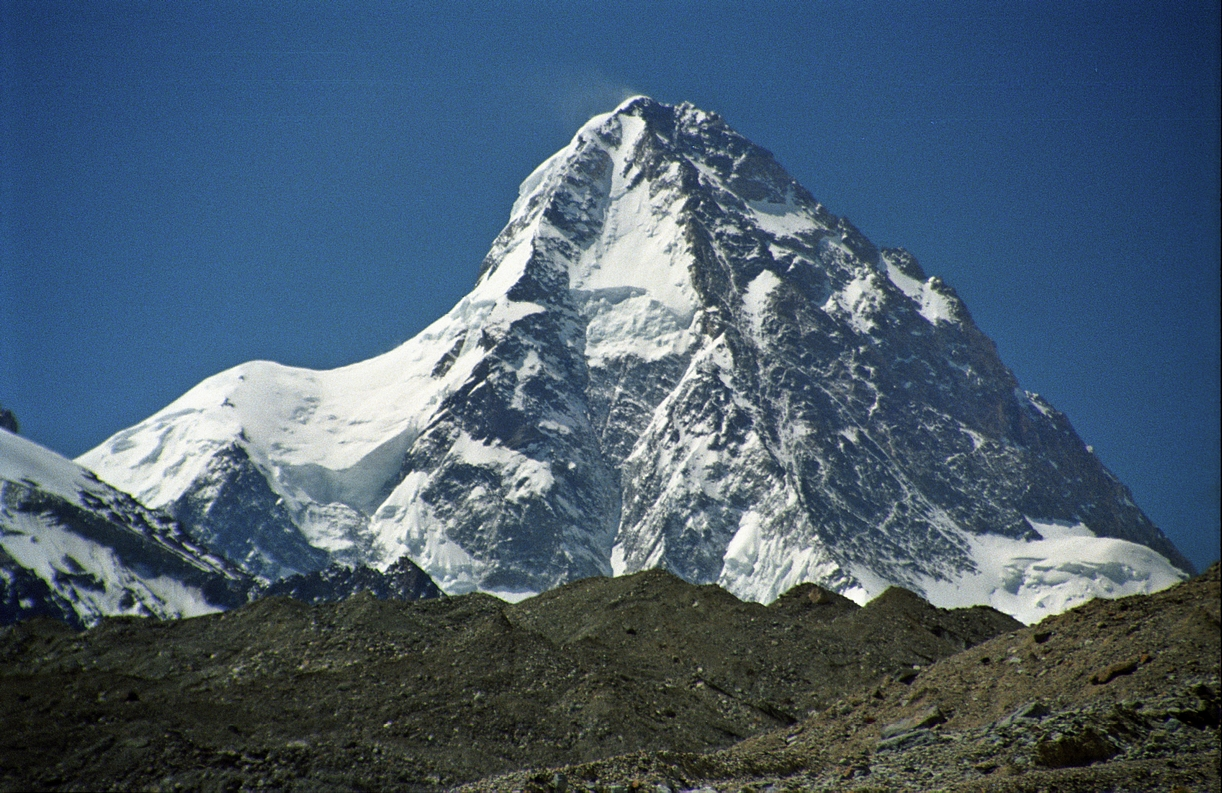
Only Everest stands taller.
K2 rises to a staggering height of over 28,000 feet, making it the second-highest mountain in the world, surpassed only by Mount Everest. Located in the Karakoram range, it falls just a few hundred feet short of Everest’s record height. That it’s the second-highest mountain on Earth is only the beginning of what makes K2 remarkable, because despite being shorter than Everest, it presents a challenge that most climbers consider substantially more difficult and dangerous.
Like our content? Follow us for more.
2. It’s Far Deadlier Than Everest
A brutal fatality rate haunts the mountain.
While Everest is taller, K2 is significantly more lethal, with a much higher proportion of climbers dying in the attempt relative to those who reach the top. Its steep terrain, technical difficulty, and violent weather make every ascent a gamble with death. That K2 is far deadlier than Everest has cemented its status as the ultimate test in high-altitude mountaineering, a peak that demands the utmost from anyone who dares to challenge it and punishes mistakes with terrible severity.
3. Its Nickname Is “the Savage Mountain”
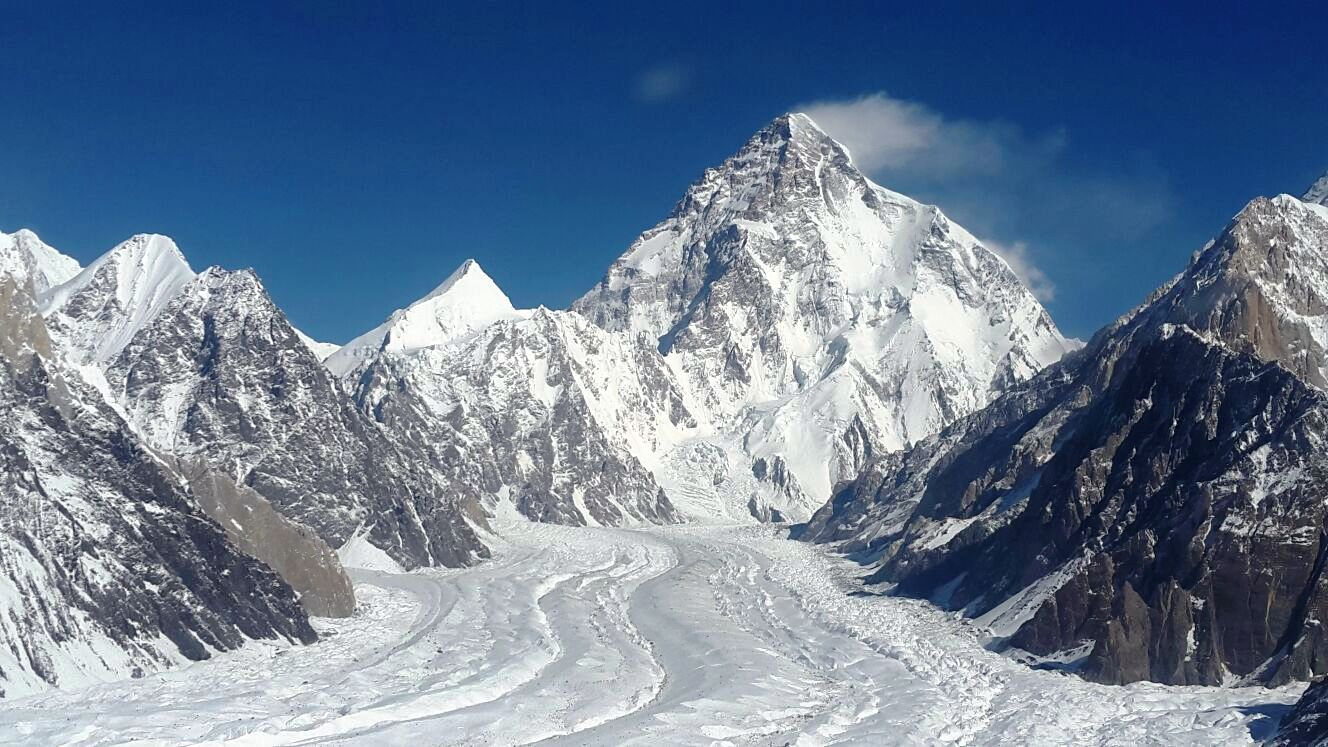
The name captures its brutal character.
K2 has earned the ominous nickname “the Savage Mountain,” a title that reflects its extreme difficulty, unpredictable weather, and deadly reputation. The name arose from the mountain’s history of defeating and killing those who attempt it. That its nickname is “the Savage Mountain” tells you everything about how climbers regard this peak, a mountain so hostile and unforgiving that it stands apart even among the giant Himalayan and Karakoram summits as a symbol of pure, savage challenge.
4. Its Name Comes From a Survey Notebook
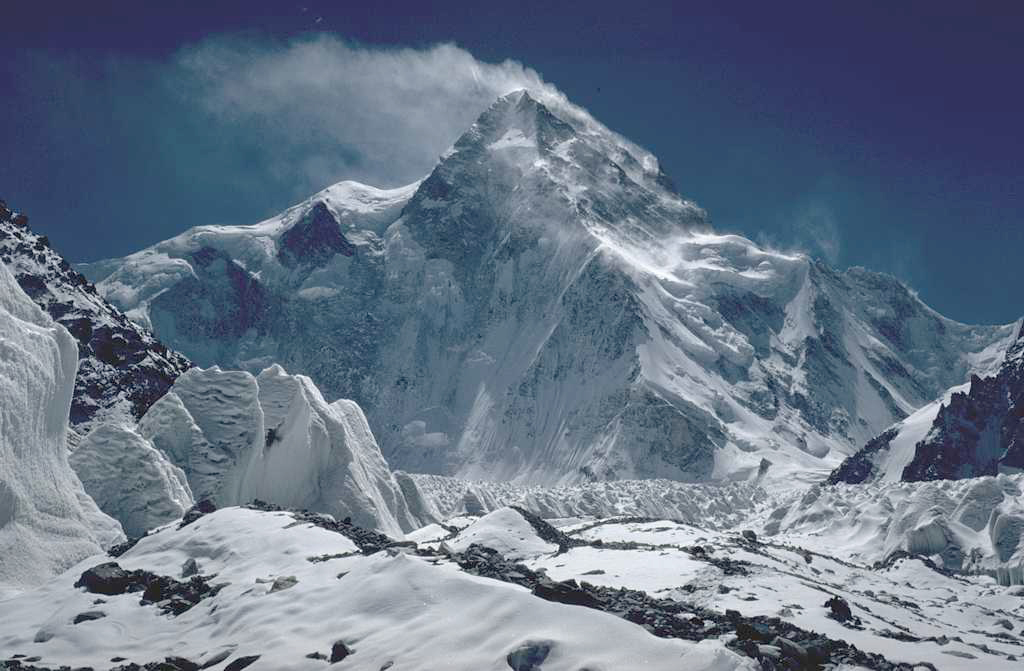
There was never a “K1” that stuck.
Unlike most famous mountains, K2’s name comes not from mythology or local tradition but from a nineteenth-century survey, when the peak was simply recorded as the second mountain measured in the Karakoram range, hence “K2.” The stark, functional name stuck. That its name comes from a survey notebook gives K2 an oddly modern, almost clinical identity, though the mountain also has local names, and the plain designation “K2” has come to perfectly suit its austere and forbidding nature.
5. It Was First Climbed on July 31, 1954
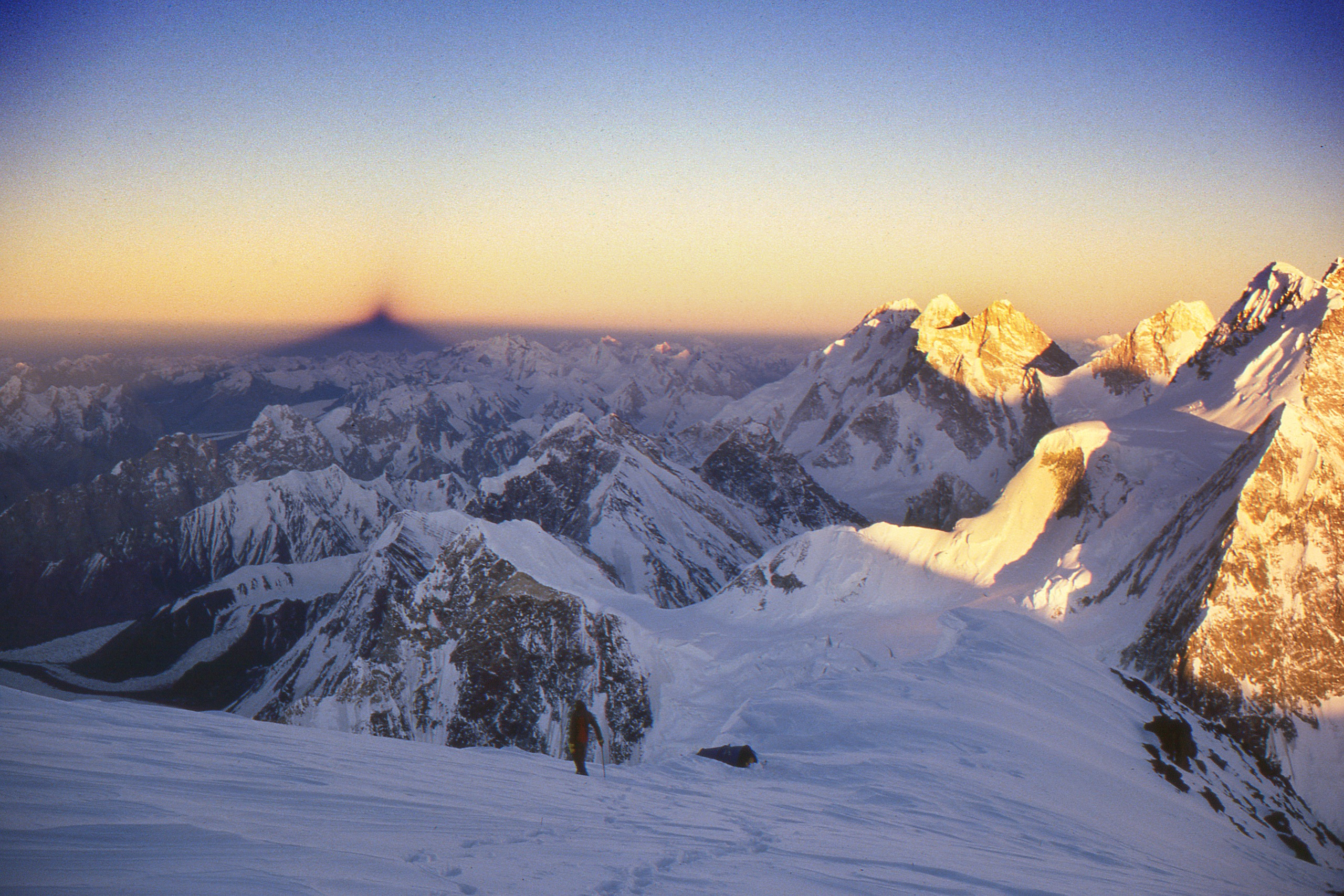
Two Italians finally conquered it.
After decades of failed attempts, K2 was finally climbed for the first time on July 31, 1954, by two Italian mountaineers, Achille Compagnoni and Lino Lacedelli, as part of a large national expedition. Their achievement electrified the world. That it was first climbed on July 31, 1954, marked the conquest of one of the last great unclimbed prizes in mountaineering, a triumph that came only after the mountain had turned back every previous expedition that dared to challenge it.
6. It Took Over 50 Years of Attempts to Summit
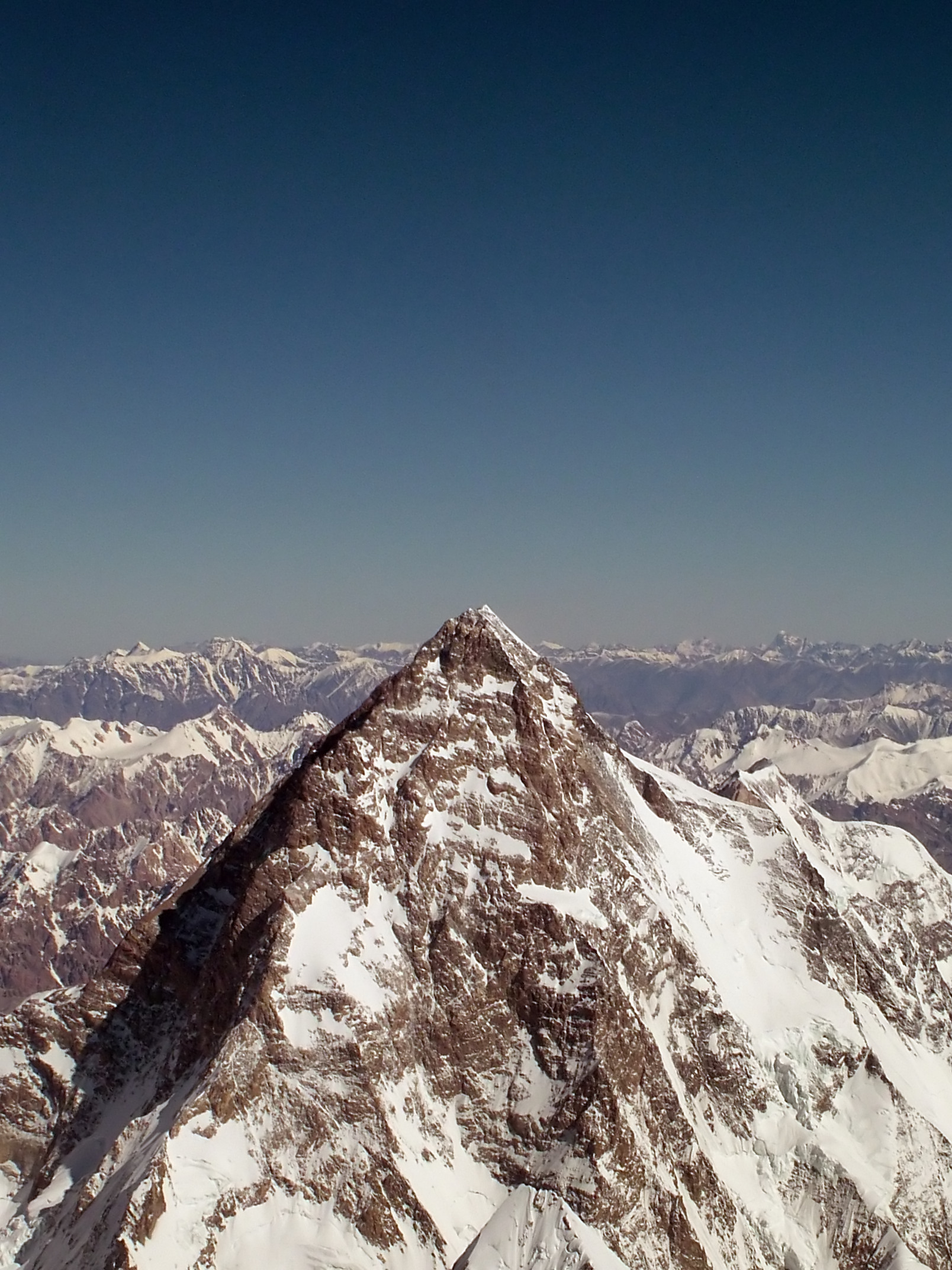
Many tried and failed before 1954.
The first serious attempts to climb K2 date back to the very end of the nineteenth century, meaning it took more than half a century of expeditions, failures, and tragedies before the summit was finally reached in 1954. The mountain resisted the efforts of the world’s best climbers for generations. That it took over 50 years of attempts to summit underscores just how formidable K2 is, a peak that guarded its summit against all comers far longer than most of the world’s other great mountains.
7. The Second Ascent Didn’t Happen for 23 Years
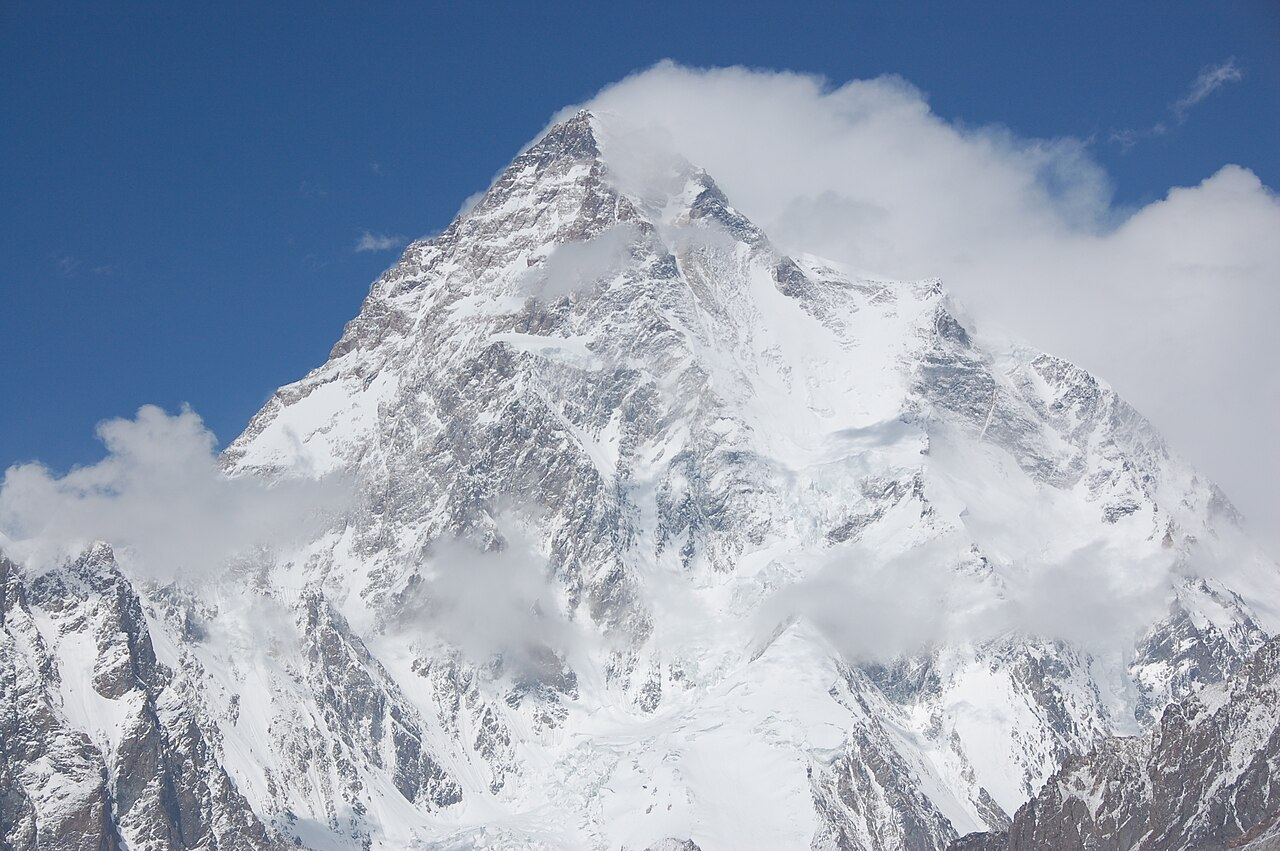
The mountain stayed unconquered for decades more.
So difficult and dangerous is K2 that after the first ascent in 1954, no one managed to climb it again for another twenty-three years, until 1977. This enormous gap speaks to the mountain’s extreme challenge and the rarity of the conditions and skill needed to conquer it. That the second ascent didn’t happen for 23 years is a striking measure of K2’s difficulty, a mountain so severe that even after it had been climbed once, it remained beyond reach for more than two decades.
8. It Has Never Been Successfully Climbed in Winter Until Recently
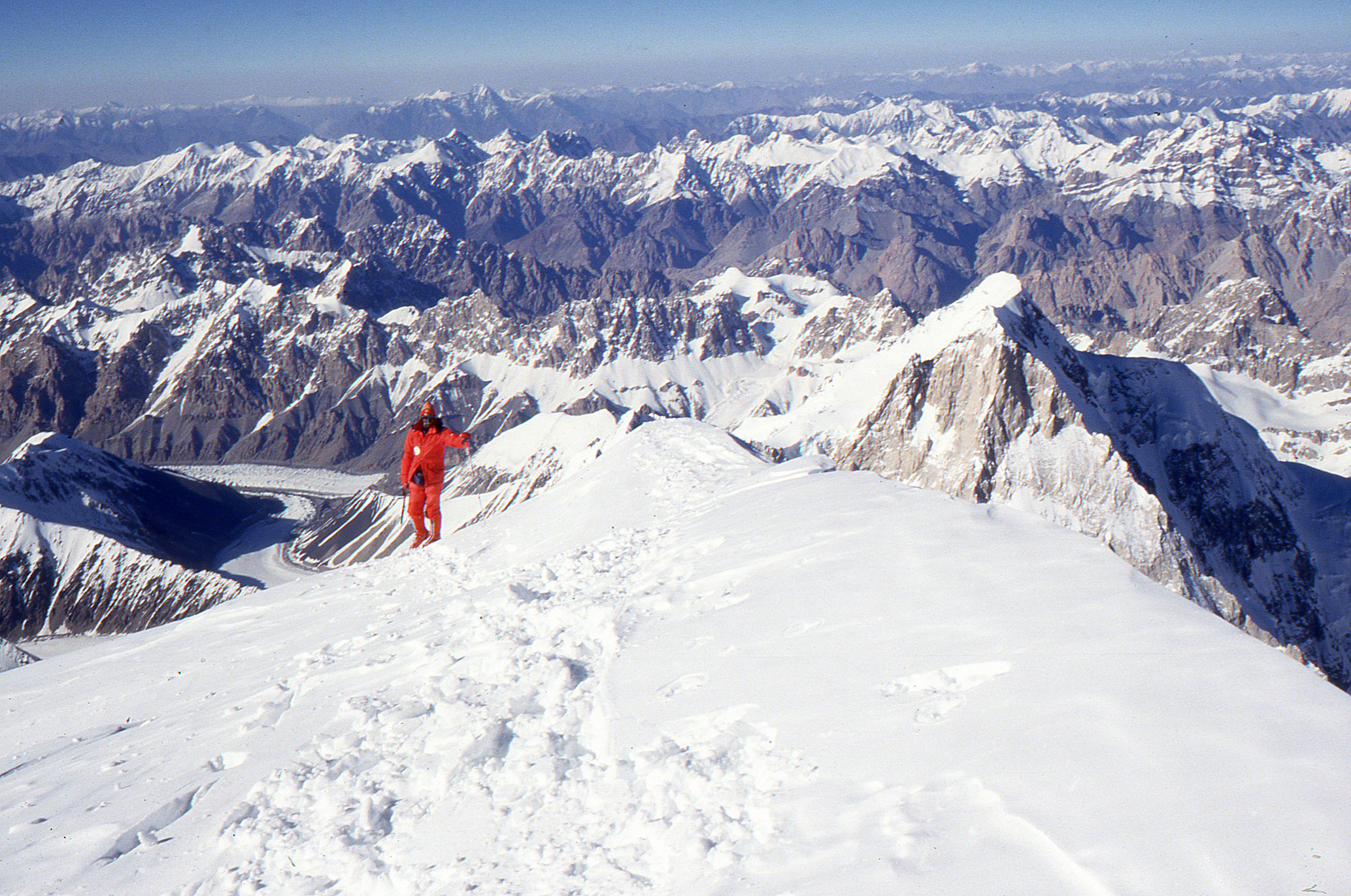
Winter K2 was the last great prize.
For decades, a winter ascent of K2 was considered one of mountaineering’s last great unclaimed challenges, as the mountain’s already brutal conditions become almost unimaginably severe in the depths of winter. It was finally achieved for the first time in early 2021 by a team of climbers from Nepal. That it had never been successfully climbed in winter until recently highlights K2’s extraordinary difficulty, the winter summit standing for years as a prize so daunting that it resisted attempt after attempt.
9. The “Bottleneck” Is One of Climbing’s Most Feared Spots
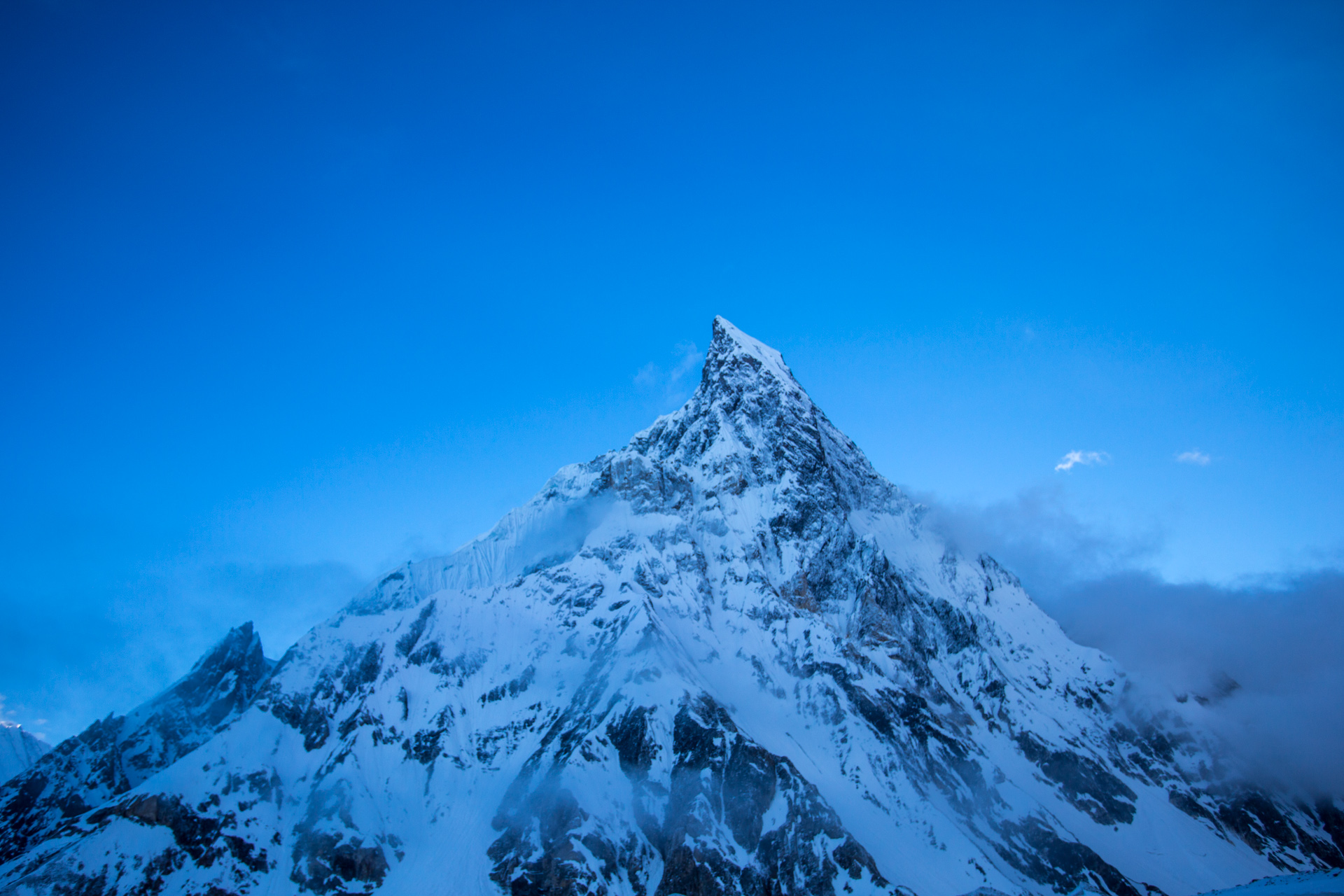
A deadly gully beneath hanging ice.
Near the top of K2 lies a treacherous, steep gully known as the “Bottleneck,” which climbers must pass beneath an enormous, unstable wall of overhanging ice, or serac, that can collapse without warning. It’s one of the most dangerous sections on any mountain. That the “Bottleneck” is one of climbing’s most feared spots is well known among mountaineers, a place where climbers are exposed to sudden, deadly ice falls and where some of K2’s worst tragedies have occurred.
10. Bad Weather Can Trap Climbers for Days
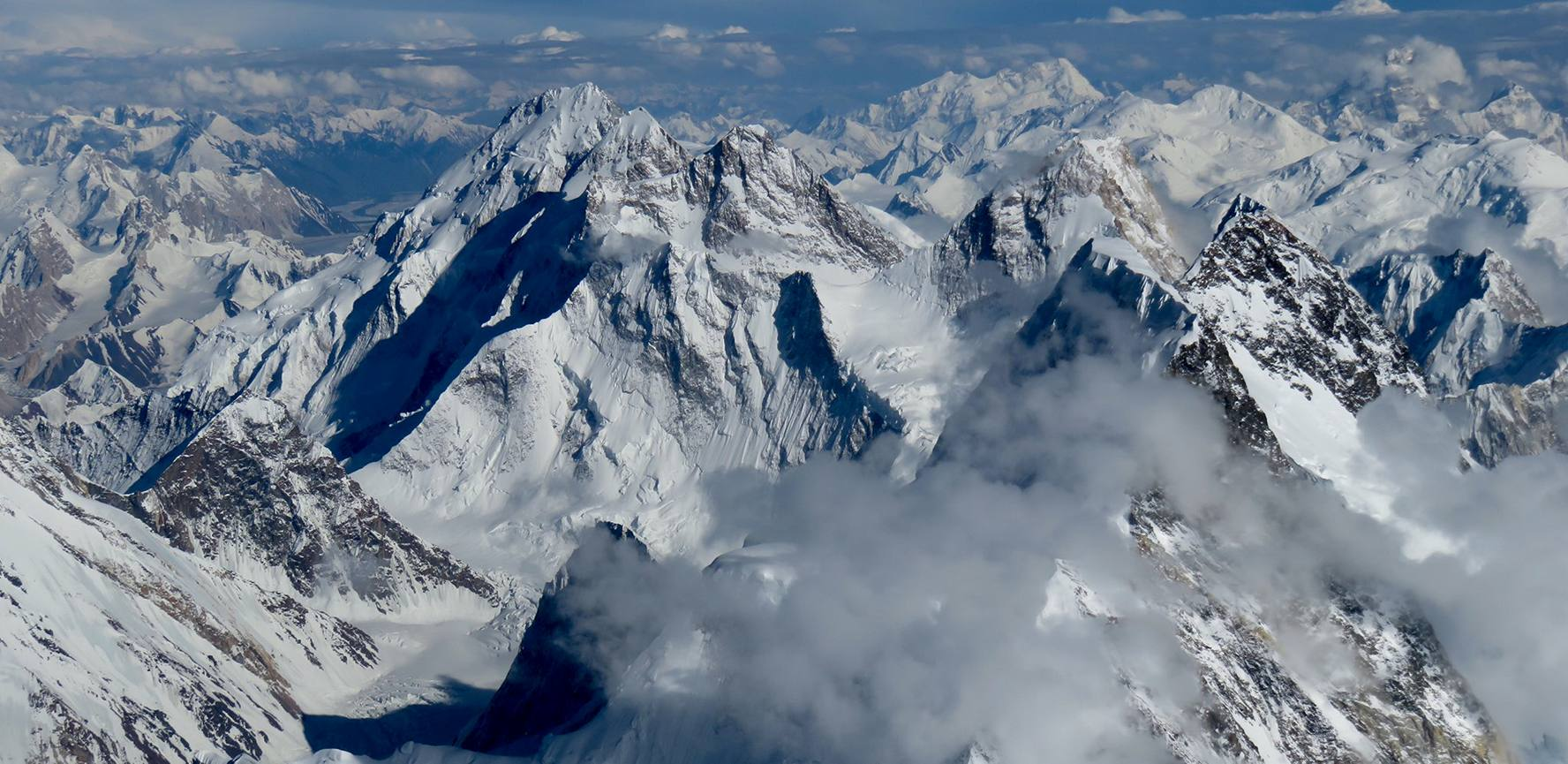
Storms arrive with terrifying speed.
K2 is notorious for its sudden, violent storms, which can descend on the mountain with little warning and trap climbers high on its slopes for days in life-threatening conditions. The unpredictable weather is one of the mountain’s deadliest features. That bad weather can trap climbers for days adds an element of terrible danger to every expedition, as those caught high on K2 when a storm hits may find themselves stranded in the death zone, running out of oxygen, food, and time.
11. It Sits in the “Death Zone” for the Final Stretch
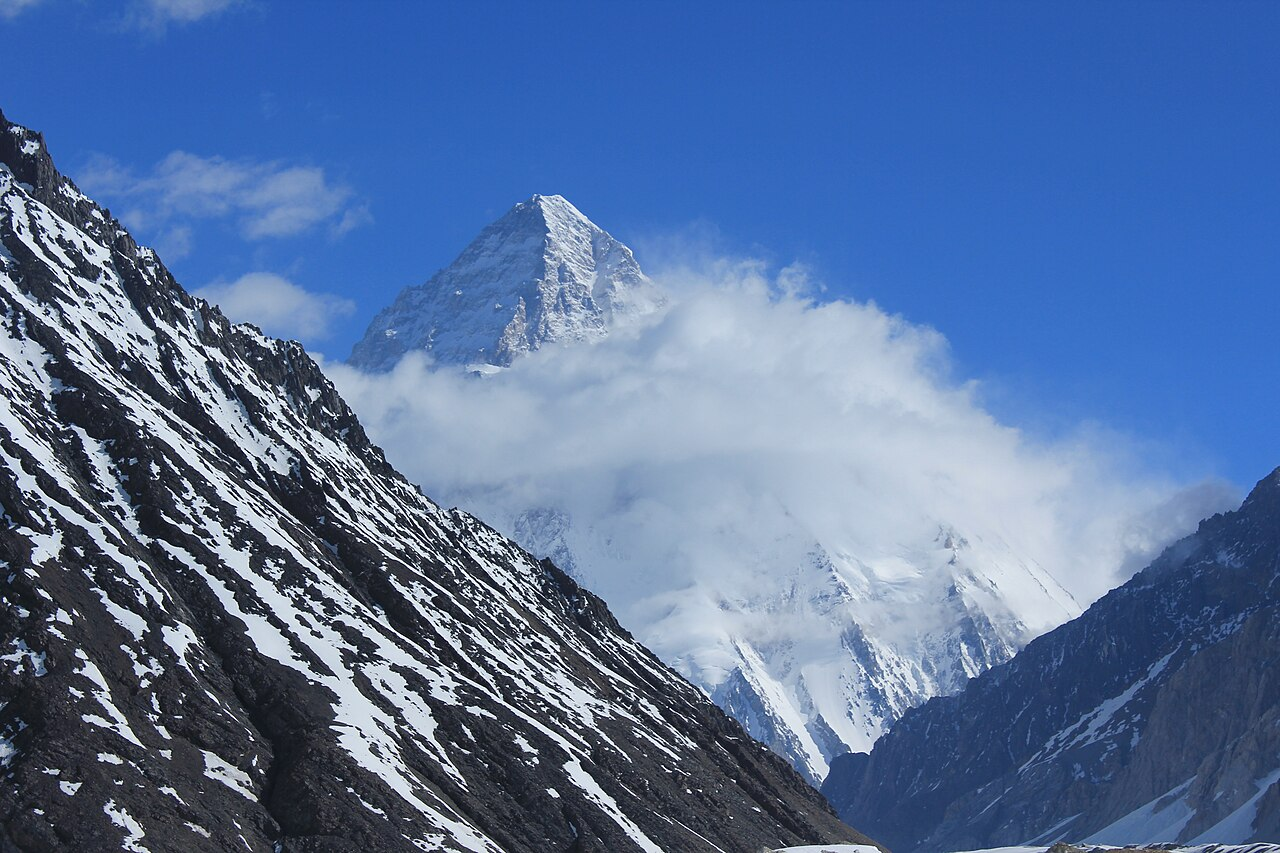
Above 8,000 meters, the body starts to die.
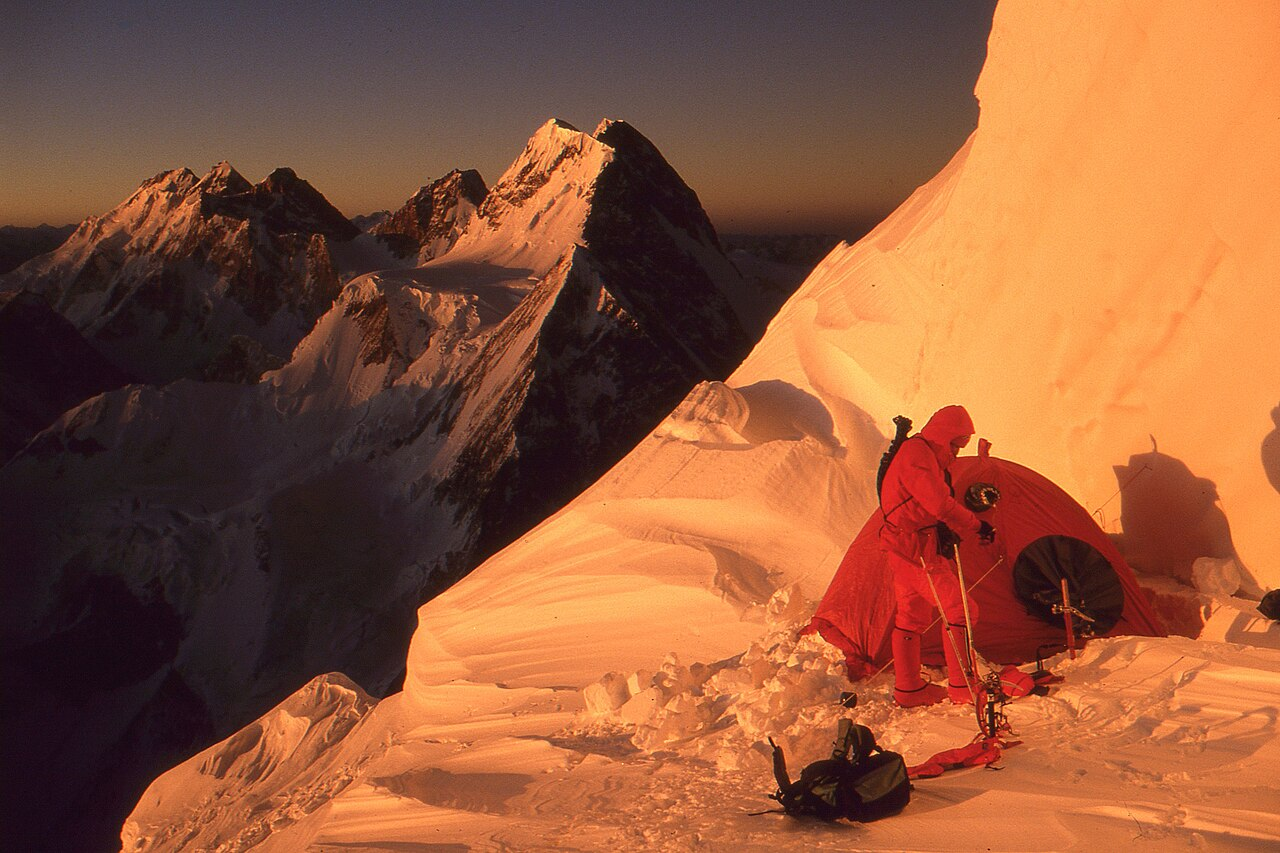
The upper reaches of K2 lie within what mountaineers call the “death zone,” the extreme altitude above roughly 26,000 feet where there is so little oxygen that the human body cannot survive for long and begins to deteriorate. Climbers can only spend limited time there. That it sits in the “death zone” for the final stretch means that summit attempts on K2 are a race against the body’s own decline, with climbers pushing through oxygen-starved air where thinking, moving, and simply surviving become desperately difficult.
12. Pakistani Porters Are Essential to Every Expedition
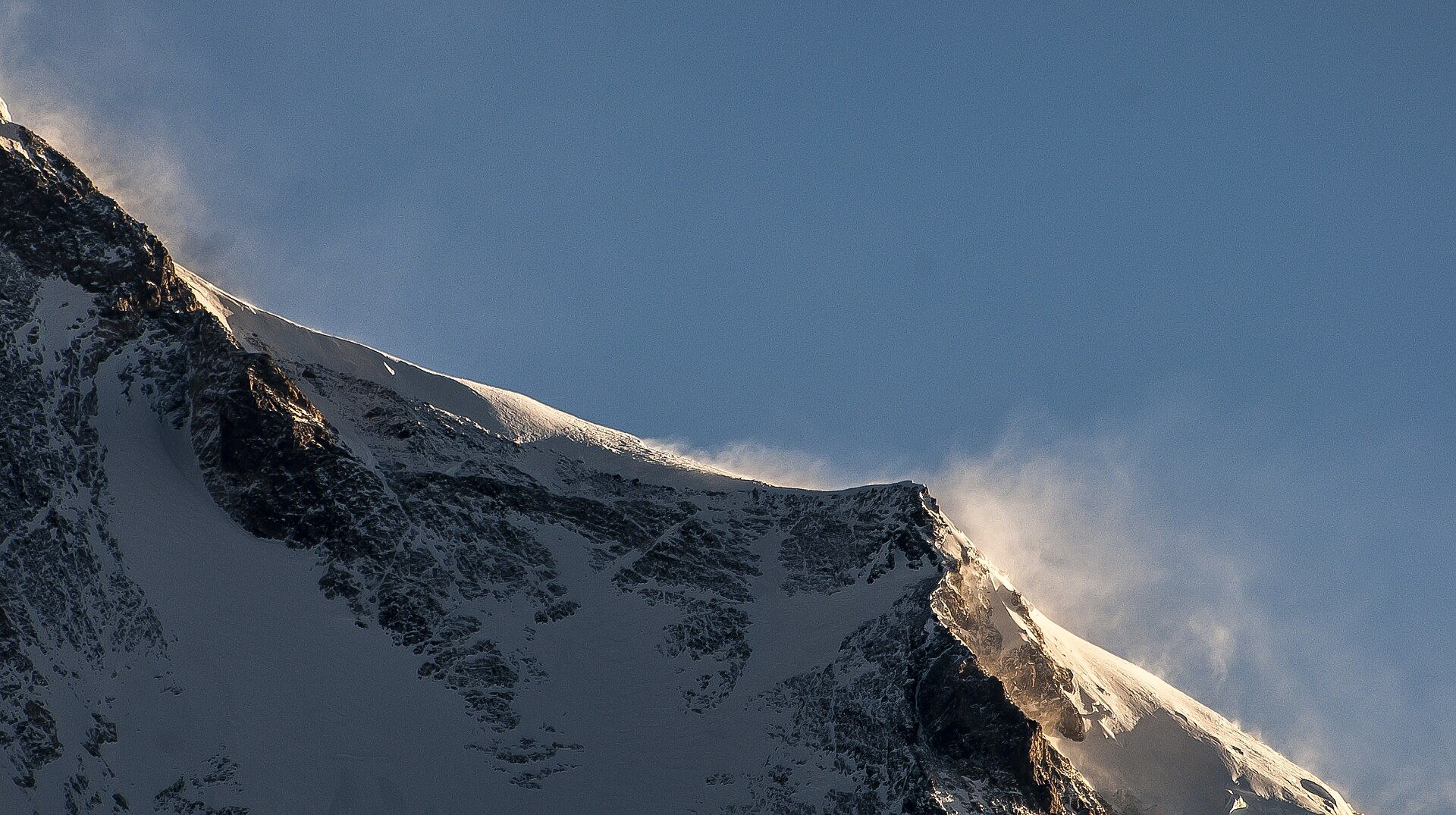
Local strength makes the climbs possible.
Expeditions to K2 depend heavily on local Pakistani porters, including the renowned high-altitude porters of the region, who carry enormous loads of equipment and supplies across dangerous terrain and whose contributions have been vital to the mountain’s climbing history. Their labor and skill are indispensable. That Pakistani porters are essential to every expedition is an important and often underappreciated truth about K2, as the mountain’s famous ascents have always been built on the strength, knowledge, and courage of these local climbers and porters.
14. Its Summit Offers a View Across the Karakoram
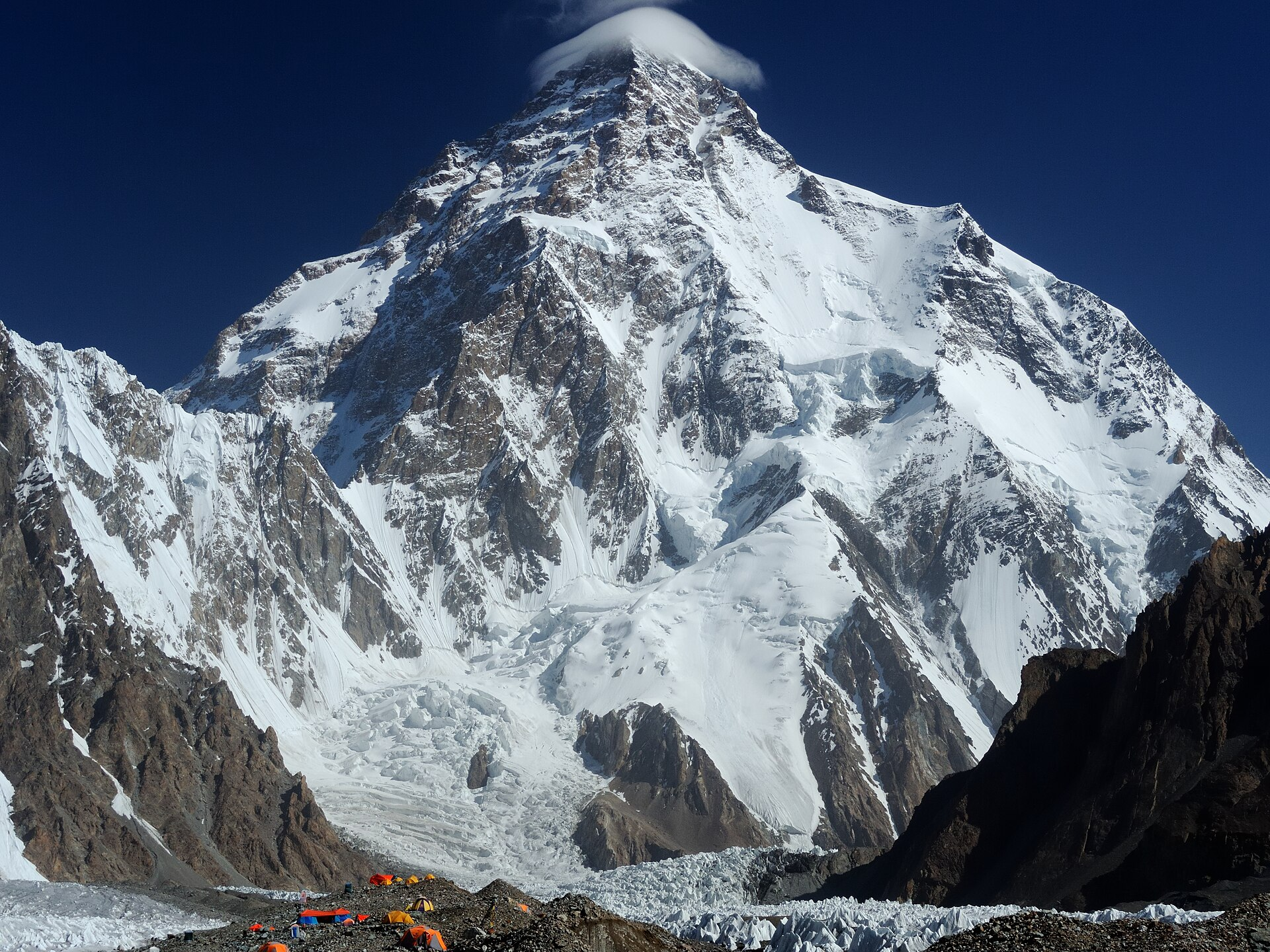
A breathtaking panorama few will ever see.
From the summit of K2, the fortunate few who reach it are rewarded with a staggering view across the Karakoram range, a sea of jagged, ice-clad peaks stretching to the horizon in one of the most spectacular mountain landscapes on Earth. It’s a sight almost no one will ever witness in person. That its summit offers a view across the Karakoram is one of the rare rewards for those who survive the ascent, a breathtaking panorama earned through some of the most dangerous climbing anywhere on the planet.
15. It Remains the Ultimate Test in Mountaineering
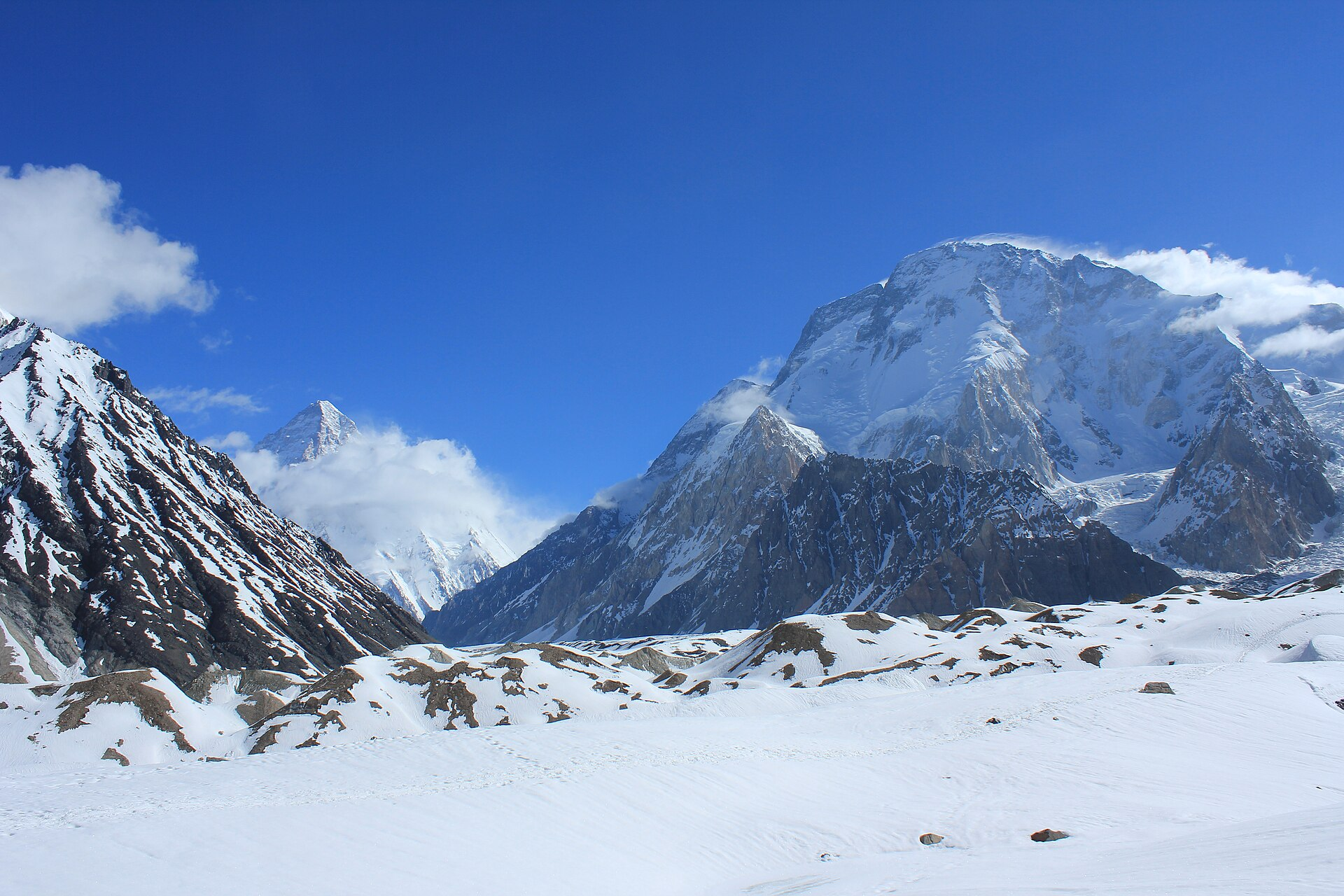
The mountaineer’s mountain, feared and revered.
For all these reasons, K2 remains the ultimate test in mountaineering, a peak that even the world’s most accomplished climbers approach with profound respect and no small amount of fear. To summit K2 is to accomplish one of the hardest feats in all of adventure. That it remains the ultimate test in mountaineering ensures K2’s place in the imagination as the mountaineer’s mountain, more revered and feared among serious climbers than even the taller Everest.
The Mountain That Commands Respect
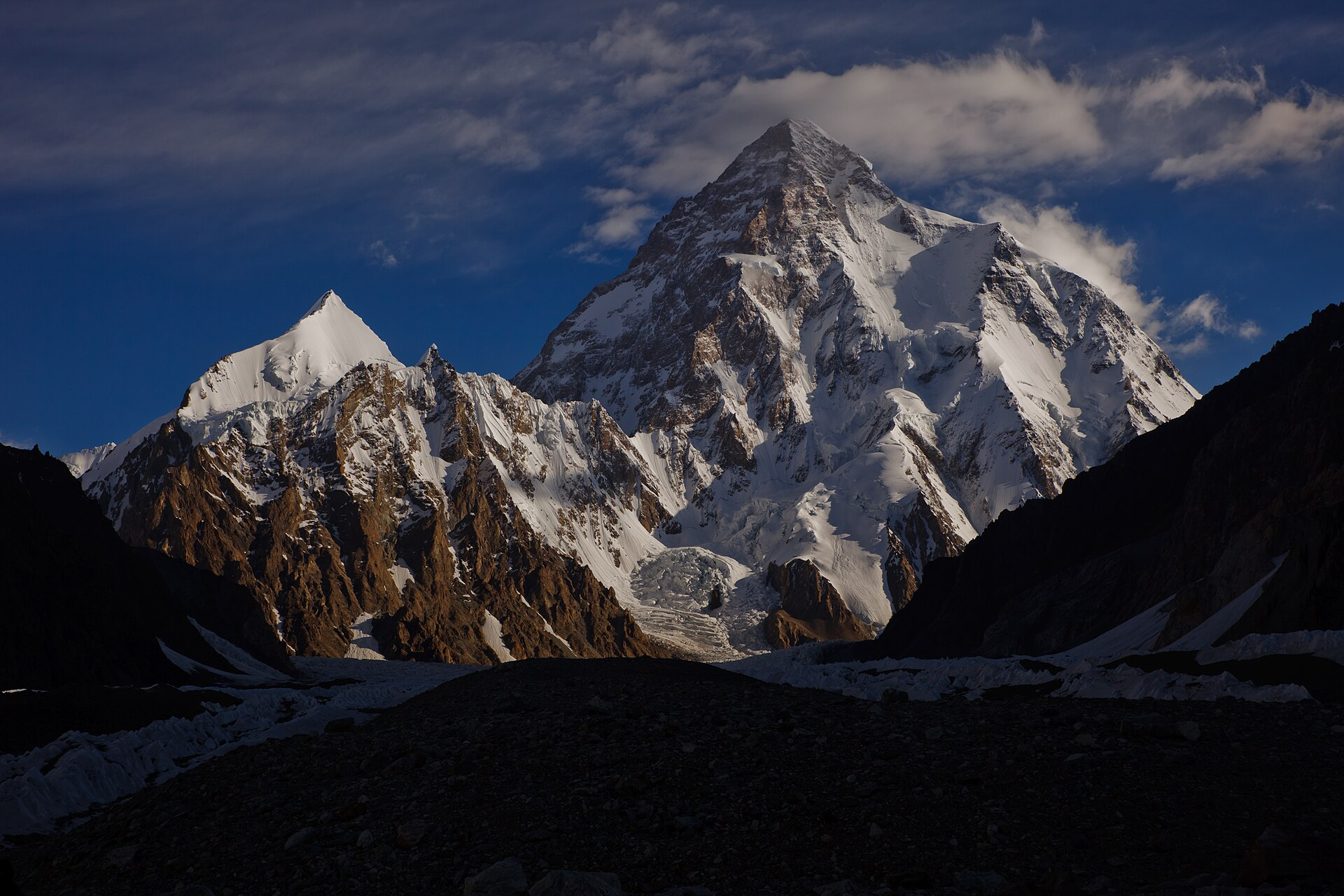
Together, these facts paint a portrait of a mountain unlike any other, a peak whose beauty is matched only by its danger.
Seventy years after its first ascent, K2 continues to stand as the supreme challenge in mountaineering, a savage and magnificent giant that has claimed many lives and humbled the greatest climbers in the world. Its story, from the decades of failed attempts to that historic day in 1954 and beyond, is a testament to human courage and to the enduring power of the world’s wildest places to inspire, to challenge, and to command our deepest respect.
Like our content? Follow us for more.
