

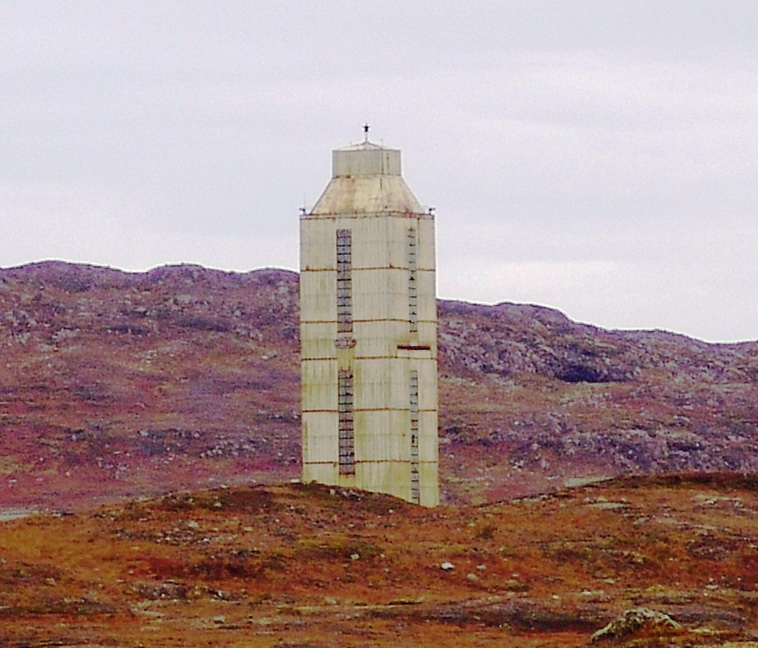
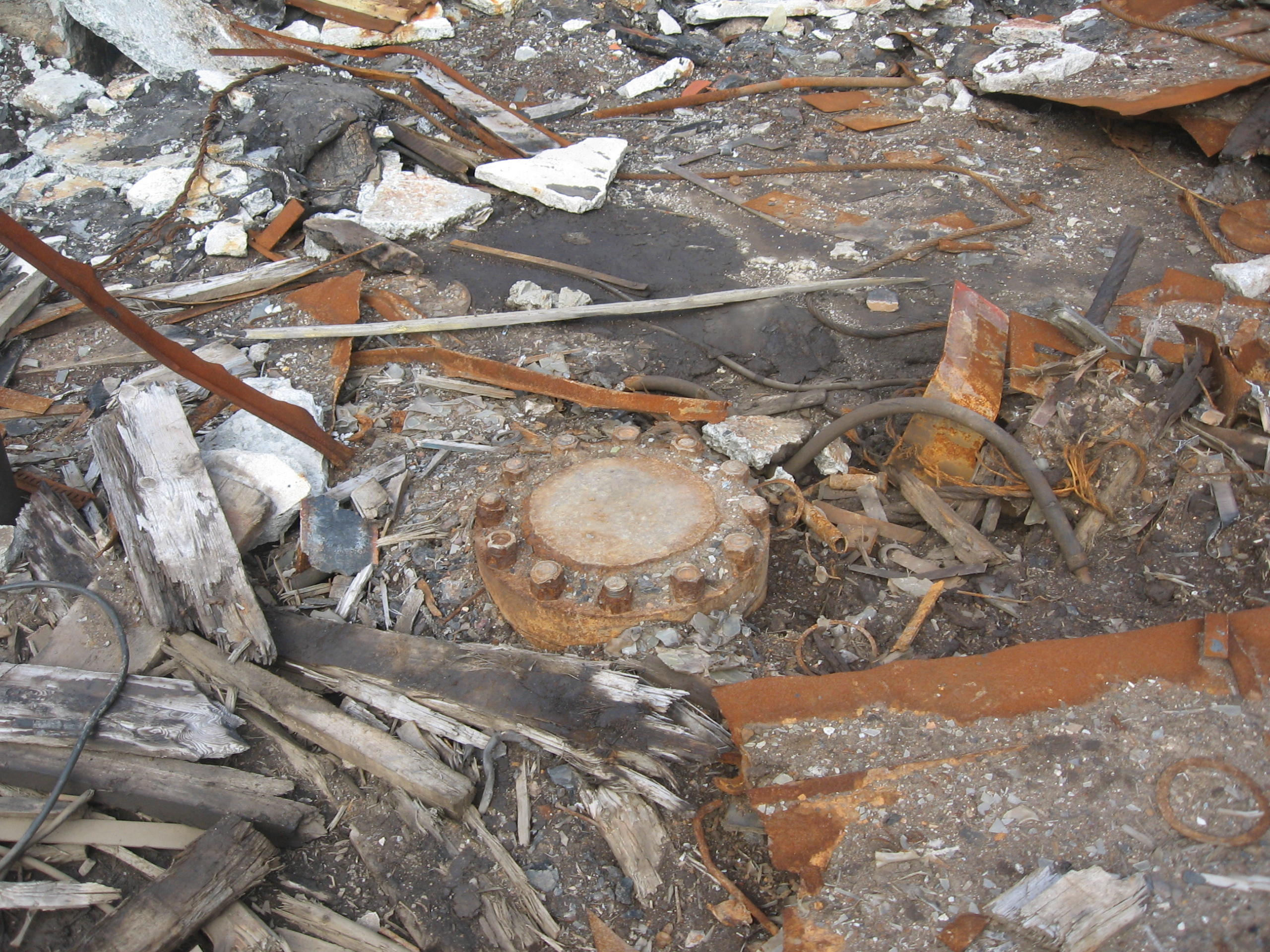
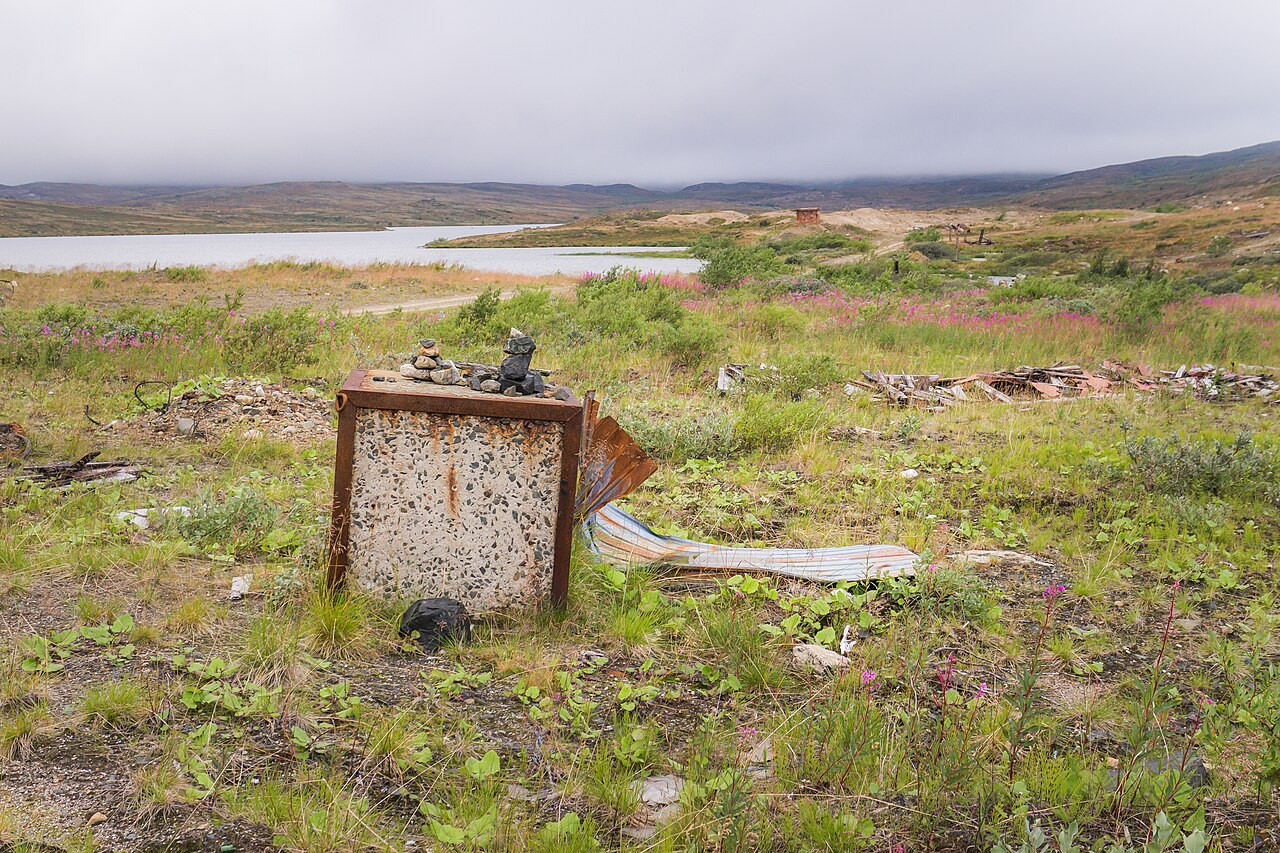
On a remote, windswept stretch of Arctic tundra in the far north of Russia, near the border with Norway, there sits a rusted metal cap bolted over a hole in the ground. It is unremarkable to look at, easy to mistake for an abandoned piece of industrial junk. But that modest steel cap seals off one of the most extraordinary things human beings have ever built: the Kola Superdeep Borehole, the deepest hole ever drilled into the planet, plunging more than twelve kilometers straight down into the Earth’s crust.
The borehole was the product of a remarkable Cold War scientific ambition. Just as the United States and the Soviet Union raced to reach outer space, they also, less famously, competed to probe inner space — to drill as deep as possible into the Earth itself and learn what lay beneath our feet. Over roughly two decades of painstaking effort, Soviet scientists pushed the Kola borehole deeper and deeper, setting a record for the deepest artificial point on Earth that still stands today. Along the way, they made truly surprising discoveries, battled brutal conditions far underground, and eventually gave rise to one of the most enduring urban legends of the modern age. Here is the true story of humanity’s deepest hole.
The Race to the Center
The Kola Superdeep Borehole was born of the Cold War’s competitive spirit. In the 1960s, both superpowers were interested in drilling deep into the Earth to study the planet’s structure directly, rather than relying only on indirect measurements. The ultimate prize was to drill all the way through the Earth’s crust and reach the mantle, the vast layer beneath, which no one had ever sampled. The United States had attempted such a project and abandoned it, and the Soviets took up the challenge with determination.
Drilling on the Kola Peninsula began in 1970. The goal was audacious: to bore many kilometers straight down through some of the oldest rock on the planet, seeking to reach depths never before attained. The project was a serious scientific endeavor, staffed by geologists and equipped with specially designed drilling rigs built to withstand the immense challenges of drilling deeper than anyone ever had. It was slow, painstaking work. The drilling proceeded meter by meter, year by year, as the borehole crept steadily downward into the crust. This was not a quick operation but a decades-long marathon of engineering and persistence, a sustained national effort to penetrate the Earth further than human beings had ever managed.
Like our content? Follow us for more.
The Deepest Hole Ever Made
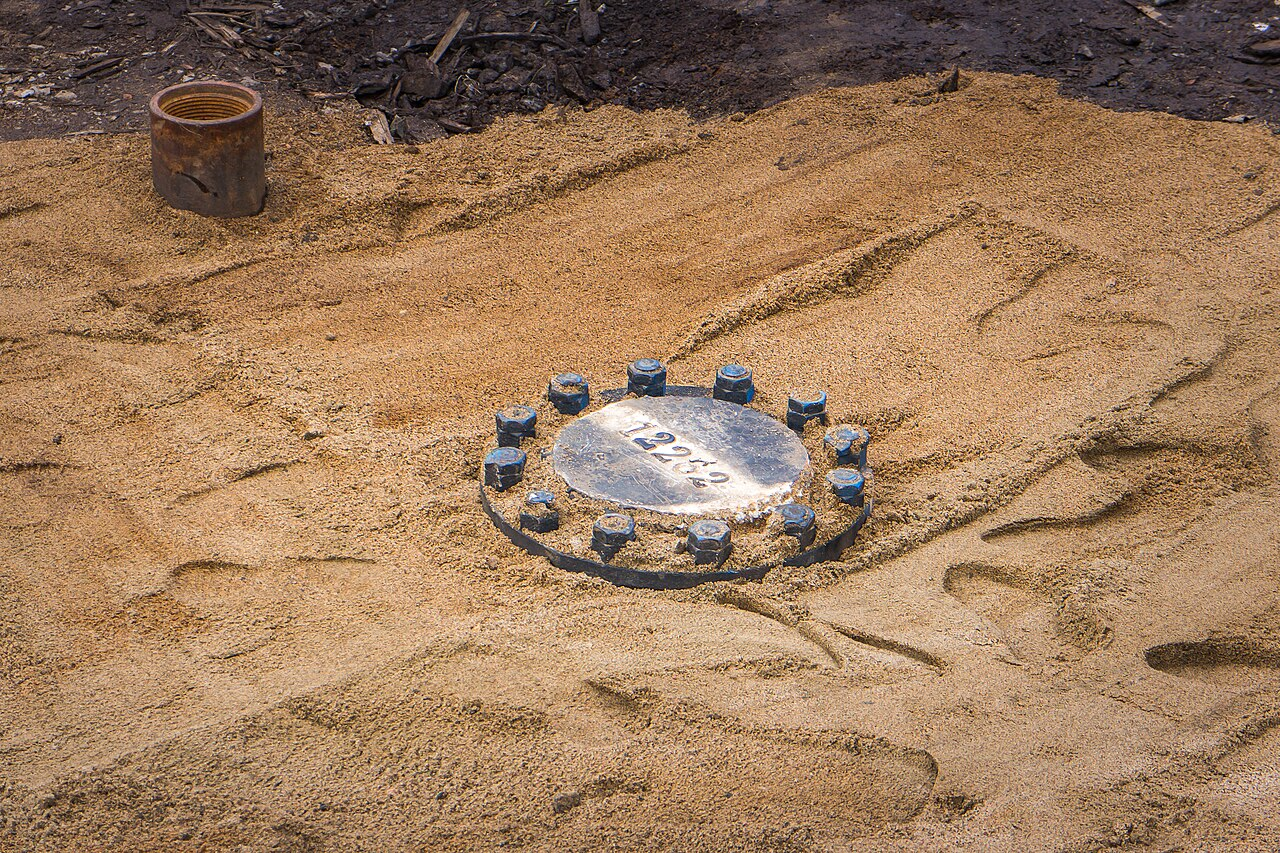
By 1979, the Kola borehole had already become the deepest human-made hole in history, surpassing the previous record. But the Soviets kept going. The drilling continued through the 1980s, pushing ever deeper, and in 1989 the main branch of the borehole reached its record depth: about 12,262 meters, or roughly 40,230 feet — more than 7.5 miles straight down into the Earth.
The numbers are difficult to fully grasp. The hole is deeper than the deepest part of the ocean, the Mariana Trench, and deeper than Mount Everest is tall. And yet, for all that staggering depth, the borehole is astonishingly narrow — only about nine inches in diameter, barely wide enough to fit a dinner plate. At the bottom, the drill was passing through rock that is more than two and a half billion years old, dating back to some of the earliest chapters of Earth’s history. To this day, the Kola Superdeep Borehole remains the deepest point that humans have ever reached beneath the surface of the planet. And yet, humbling as it is to consider, even this record-shattering hole penetrated only a tiny fraction of the way through the Earth’s crust, let alone toward the center — a reminder of just how little of our own planet we have ever physically touched.
What They Found Down There
The scientific results of the Kola project were fascinating and, in several cases, really unexpected, forcing scientists to revise their understanding of the Earth’s crust. The direct observations from deep underground repeatedly surprised the researchers, revealing that the planet beneath our feet is stranger than the models had predicted.
One major surprise concerned the structure of the rock. Based on indirect seismic measurements, scientists had expected to find a particular transition, a boundary where one type of rock gave way to another, at a certain depth. But when the drill reached that depth, no such transition existed; instead of the expected change from granite to basalt, they found fractured, altered granite continuing far deeper than anticipated. Even more startling was the discovery of water. Deep down, far below where anyone expected to find it, the scientists encountered liquid water, apparently squeezed out of the minerals in the rock under immense pressure and unable to escape to the surface. They also found microscopic fossils of ancient single-celled organisms at remarkable depths, evidence of life preserved in rock kilometers below the surface. And they discovered that the temperature increased with depth far faster than they had predicted, which would ultimately prove to be the project’s undoing. Each of these findings was a small revolution, a piece of direct evidence about the deep Earth that no amount of surface study could have provided.
The Real Reason They Stopped
The Kola borehole never reached its ultimate goal of the mantle, and the reason it stopped is both mundane and remarkable. As the drill went deeper, the temperature of the rock rose much more steeply than the scientists had anticipated. At the bottom of the hole, temperatures reached around 180 degrees Celsius, or roughly 356 degrees Fahrenheit — far hotter than the models had predicted for that depth.
This extreme heat created insurmountable problems. At such temperatures, the rock behaved less like solid stone and more like plastic, becoming soft and flowing in ways that made drilling extraordinarily difficult and tended to close the hole back up. The heat also pushed the drilling equipment beyond its limits. The Soviets pressed on for a while, hoping to reach their deeper goals, but they were never able to drill significantly past the depth reached in 1989. The combination of the unexpected heat, the misbehaving rock, and the failing equipment made further progress essentially impossible. On top of the technical challenges, the collapse of the Soviet Union and the resulting loss of funding sealed the project’s fate. Drilling efforts wound down, the site was eventually shut down and the hole capped, and the once-busy research station was abandoned. It wasn’t demons or hidden horrors that stopped the deepest hole in history — it was the simple, astonishing fact that the deep Earth is hotter and stranger than anyone had guessed.
The “Well to Hell” Legend
No account of the Kola Superdeep Borehole would be complete without its most famous piece of folklore. In the years after the project, a persistent urban legend spread around the world claiming that the Soviet drillers had broken through into a vast, hot cavern deep underground, lowered a microphone, and recorded the tormented screams of countless souls — that they had, in effect, drilled into Hell itself, and had sealed the borehole in terror at what they found.
The story, often called the “Well to Hell” legend, is entirely a hoax. It appears to have originated and spread through various retellings, gaining lurid details with each version, and it captured the public imagination precisely because the real project — a mysterious super-deep hole drilled by secretive Soviet scientists in a remote Arctic wasteland — provided such fertile ground for a spooky tale. But there were no screams, no hidden hellish cavern, and no terrified sealing of the well. The scientists lowered instruments and heard only the natural sounds of the Earth. The truth of the Kola borehole needs no supernatural embellishment: the story of human beings drilling deeper than anyone ever had, and discovering a hot, wet, ancient world of rock that defied their expectations, is remarkable enough on its own. Still, the “Well to Hell” legend endures as a testament to how a honestly mysterious real place can grow a mythology all its own.
A Monument Beneath a Rusty Cap
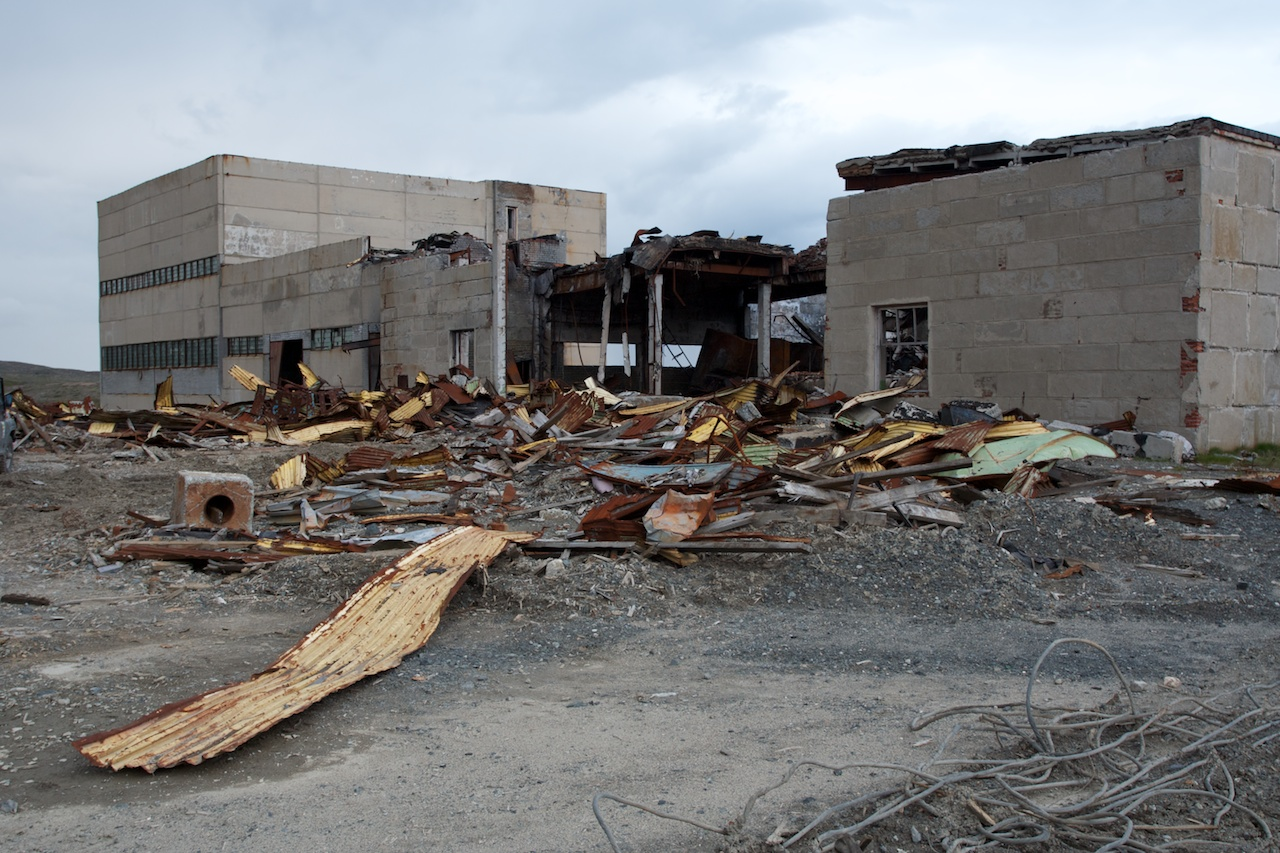
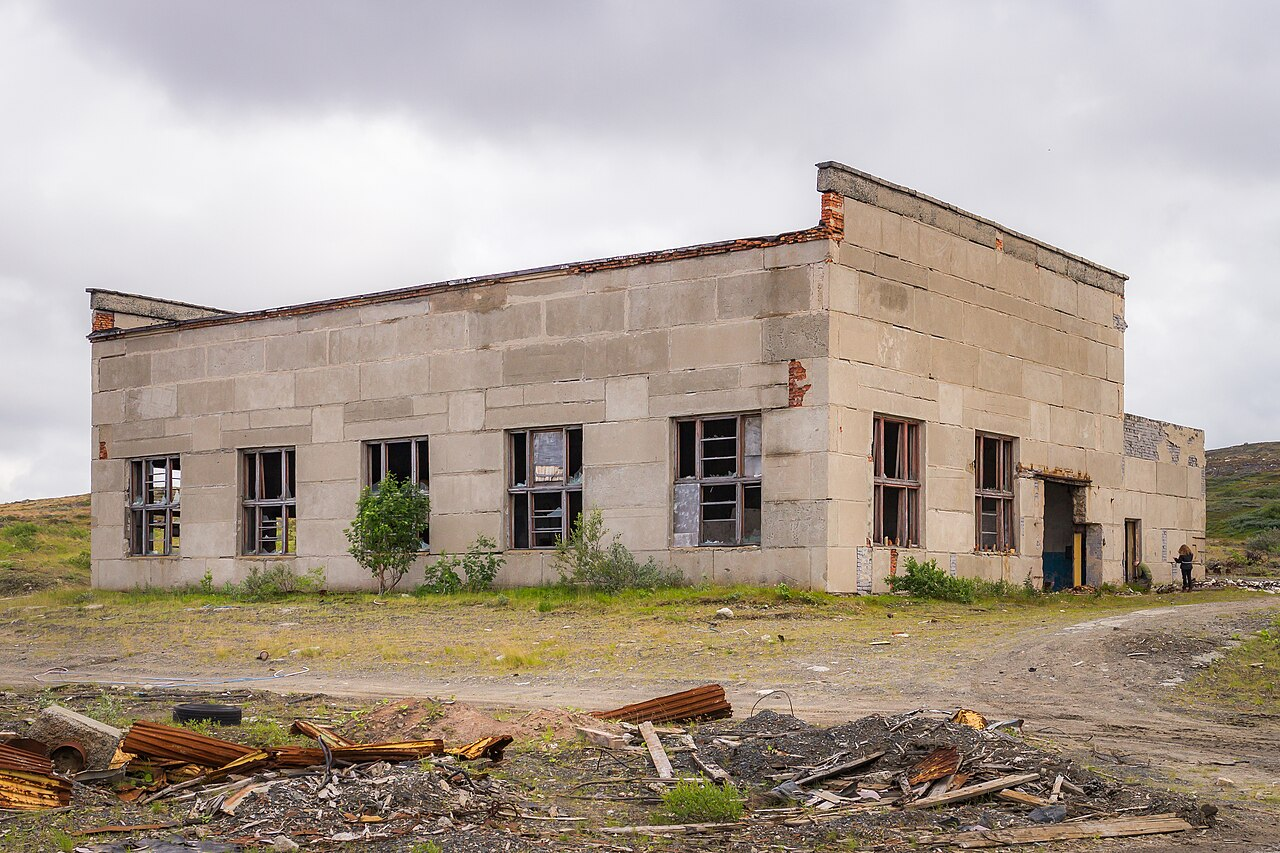
Today, the Kola Superdeep Borehole is silent and abandoned, its record-setting depth sealed beneath that unremarkable rusted metal cap amid the ruins of the research facility that once buzzed with scientific activity. Other deep holes have been drilled elsewhere in the world since, and some oil wells have surpassed it in total length by veering sideways, but none has gone deeper straight down. The Kola borehole retains its title as the deepest point humans have ever reached into the Earth, a record that has stood for decades and may stand for a long time to come.
The story of the borehole is, in the end, a story about human curiosity and its limits. It represents an extraordinary feat of ambition and engineering — the deepest that our species has ever managed to reach into our own planet — and simultaneously a humbling reminder of how vast and inaccessible the Earth beneath us plainly remains. After twenty years and more than twelve kilometers of drilling, the scientists had barely scratched the surface, and the mantle remained as far out of reach as ever. That modest steel cap in the Arctic tundra seals not just a hole but a whole chapter of scientific daring, and beneath it lies the deepest evidence of humanity’s timeless urge to know what lies beyond the edge of the known, even when the answer is stranger than the legends we invent.
Like our content? Follow us for more.
