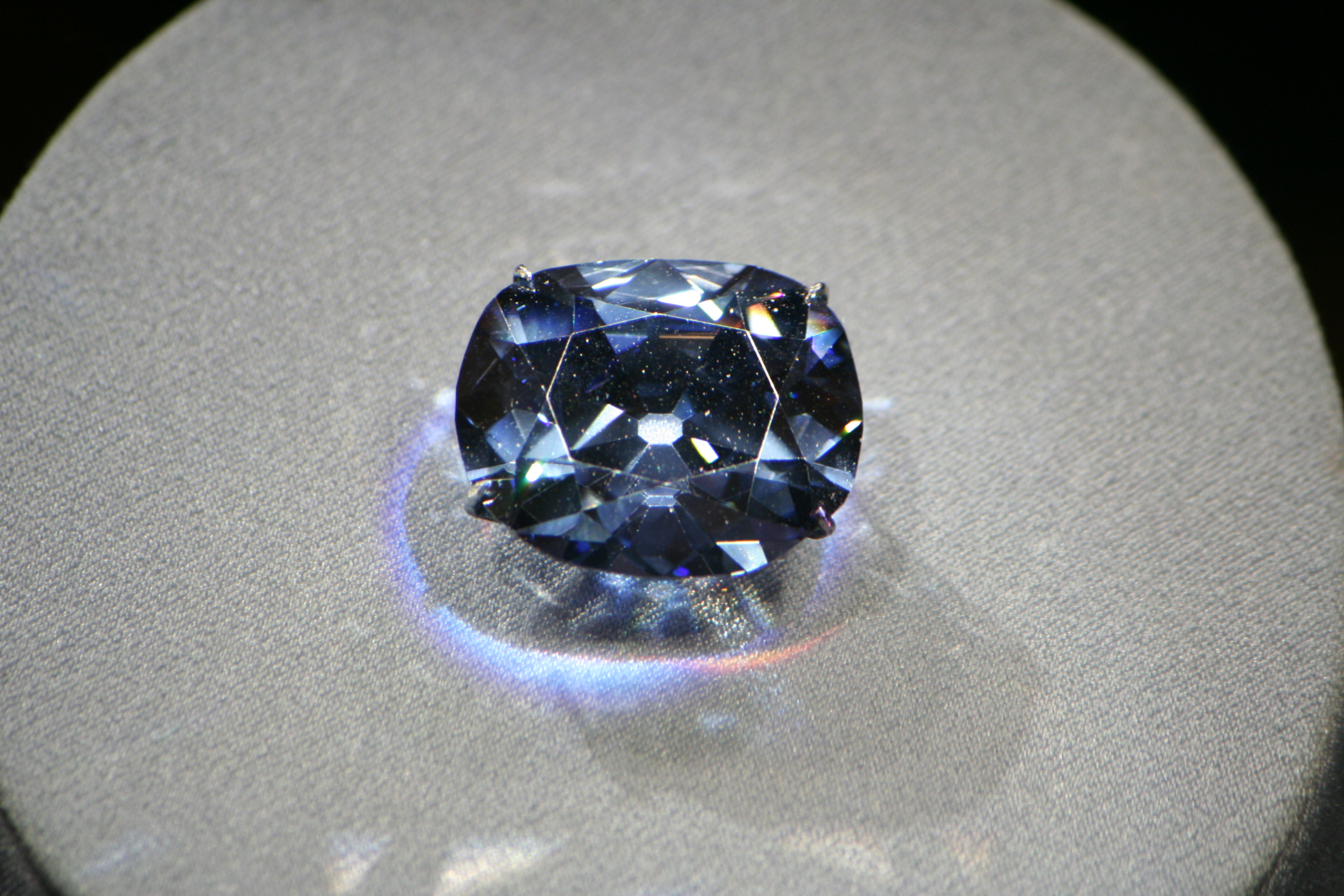
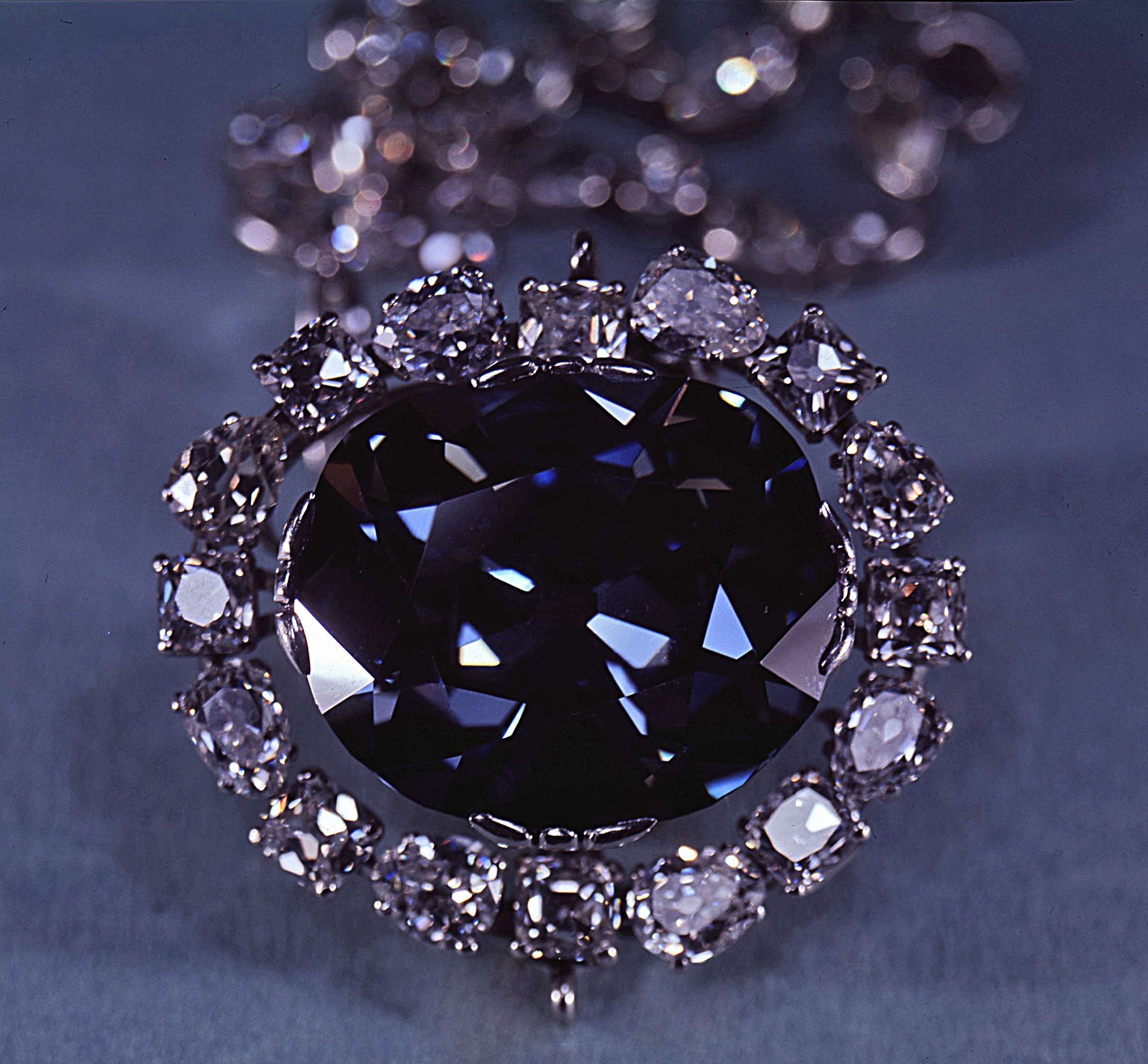
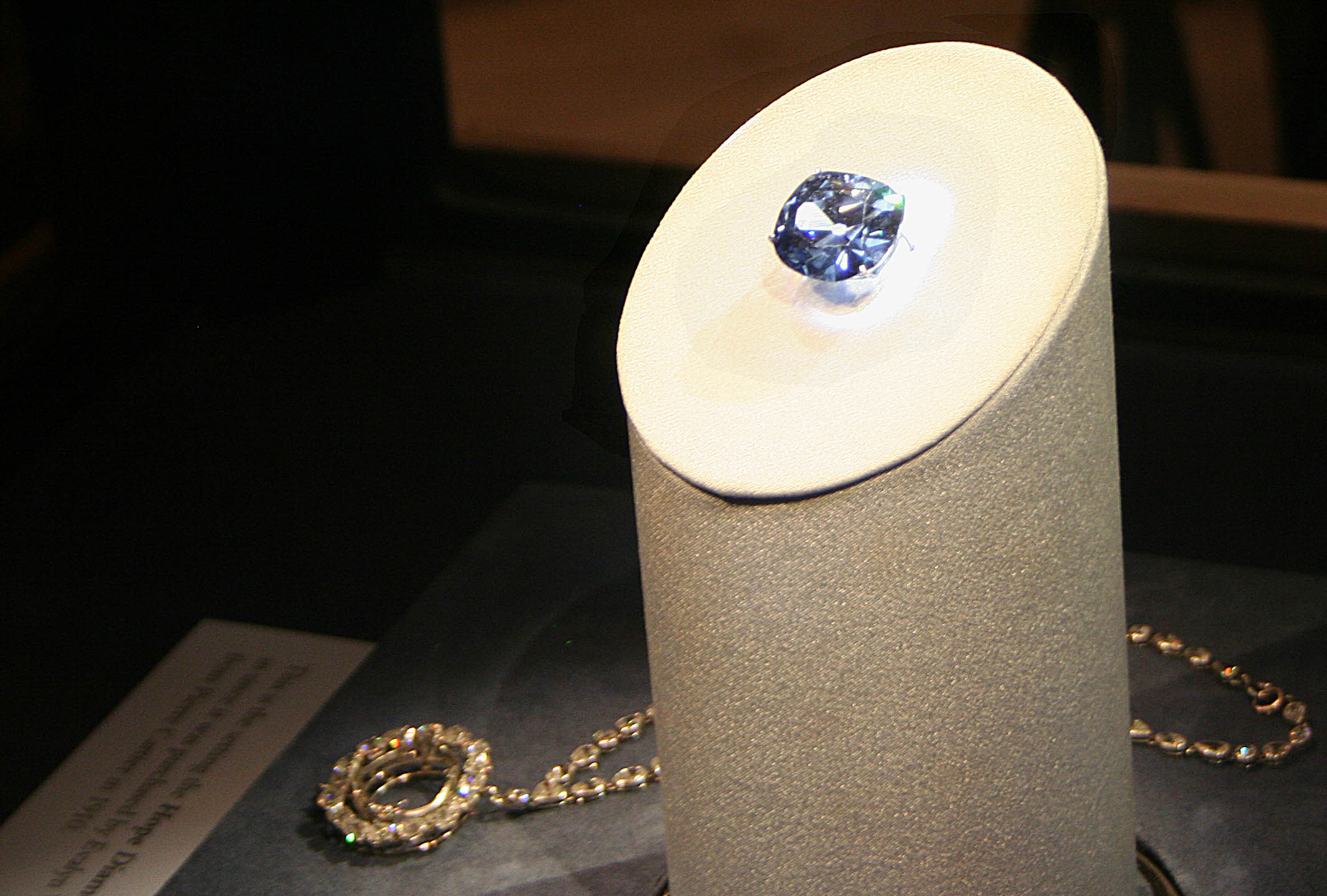
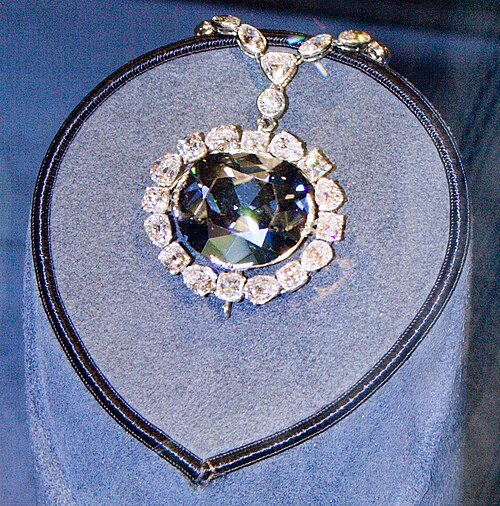
It is perhaps the most famous jewel in the world, a deep steely-blue diamond of extraordinary size and beauty that sits behind thick glass in a museum in Washington, D.C., where it has been admired by well over a hundred million visitors. But the Hope Diamond is famous not only for its stunning appearance and its enormous value; it’s famous, above all, for its curse. According to legend, this magnificent blue stone brings terrible misfortune to those who possess it, and its long history is studded with tales of ruined fortunes, broken lives, madness, and violent death said to have befallen its owners.
The story of the Hope Diamond is a truly captivating one, weaving through centuries and across continents, touching kings and queens, thieves and jewelers, heiresses and museums. It’s a tale of a gem that traveled from an Indian mine into the crown jewels of France, vanished in the chaos of revolution, resurfaced transformed in London, and eventually found its final home as the crown jewel of one of the world’s great museums. And running alongside that real history is the legend of the curse, a spooky, dramatic story that has captivated the public for over a century. But how much of the curse is true, and how much is myth? The real answer is where the story gets really interesting. Here is the remarkable history of the Hope Diamond, and the truth behind its infamous curse.
From an Indian Mine to a King’s Crown
The Hope Diamond began its journey deep in the earth of India, in the fabled diamond mines of the Golconda region, source of many of history’s most legendary gems. In the seventeenth century, a French gem merchant and traveler named Jean-Baptiste Tavernier acquired a large, rough blue diamond of remarkable size during his travels in India, and he carried the extraordinary stone back to France.
There, Tavernier sold the great blue diamond to King Louis XIV, the famous “Sun King,” and the gem entered the royal collection of France. Louis XIV had the stone recut into a refined, brilliant jewel that came to be known as the “French Blue,” or the Blue Diamond of the Crown, and it was set into an elaborate ornament worthy of a king. For generations, the French Blue remained among the crown jewels of France, passing down through the royal line and worn on grand occasions by French royalty. This was the beginning of the diamond’s association with power, wealth, and royalty, and, as later legend would have it, the beginning of a trail of misfortune. From a mine in India to the court of the most powerful monarch in Europe, the blue diamond had begun a journey that would carry it through some of the most dramatic events in history.
Like our content? Follow us for more.
Revolution, Theft, and Disappearance
The French Blue’s time among the crown jewels came to a dramatic end with the upheaval of the French Revolution. The most famous royal owners associated with the diamond were King Louis XVI and his queen, Marie Antoinette, whose reign ended in catastrophe as the revolution swept away the French monarchy. Both the king and queen would ultimately meet their deaths by guillotine during the revolution’s most violent phase, a fate that later curse legends would eagerly attribute to the influence of the fabled blue diamond.
Amid the chaos of the revolution, the crown jewels of France were turned over to the new government, and then, during a period of looting of the royal storehouse, the French Blue was stolen. The magnificent diamond vanished, disappearing from the historical record for years. Its whereabouts during this period remain something of a mystery, part of the gap in the gem’s story between its life as a French crown jewel and its later reappearance. When a large blue diamond did resurface, in London some years later, it had been recut into a smaller stone, its appearance altered, very likely a deliberate effort to disguise the identity of the notorious stolen French Blue. This recut stone was the diamond we now know as the Hope Diamond, and it was about to acquire the name it bears to this day, along with the beginnings of its dark reputation.
How It Got Its Name
The diamond’s modern name comes from a later chapter in its journey, after it had surfaced in England as a recut stone. The gem came into the possession of a wealthy British collector from the Hope family, and it was from this family that the great blue diamond took the name by which it has been known ever since: the Hope Diamond. The gem passed through the hands of members of the Hope family over time, becoming a celebrated and coveted jewel in Britain.
From there, the Hope Diamond continued its travels through a series of owners across the following decades, changing hands among the wealthy and the fashionable, its fame and its price growing along the way. It crossed the Atlantic and became associated with prominent American owners, and it was during this era, particularly around the turn of the twentieth century, that the legend of the curse honestly took hold and blossomed into the elaborate story we know today. The diamond was by now not just a beautiful and valuable gem but a real celebrity object, its every change of ownership followed with fascination, and its supposed curse an irresistible part of its allure. The name “Hope,” ironically suggesting optimism, had become attached to a stone increasingly famous for bringing anything but.
The Legend of the Curse
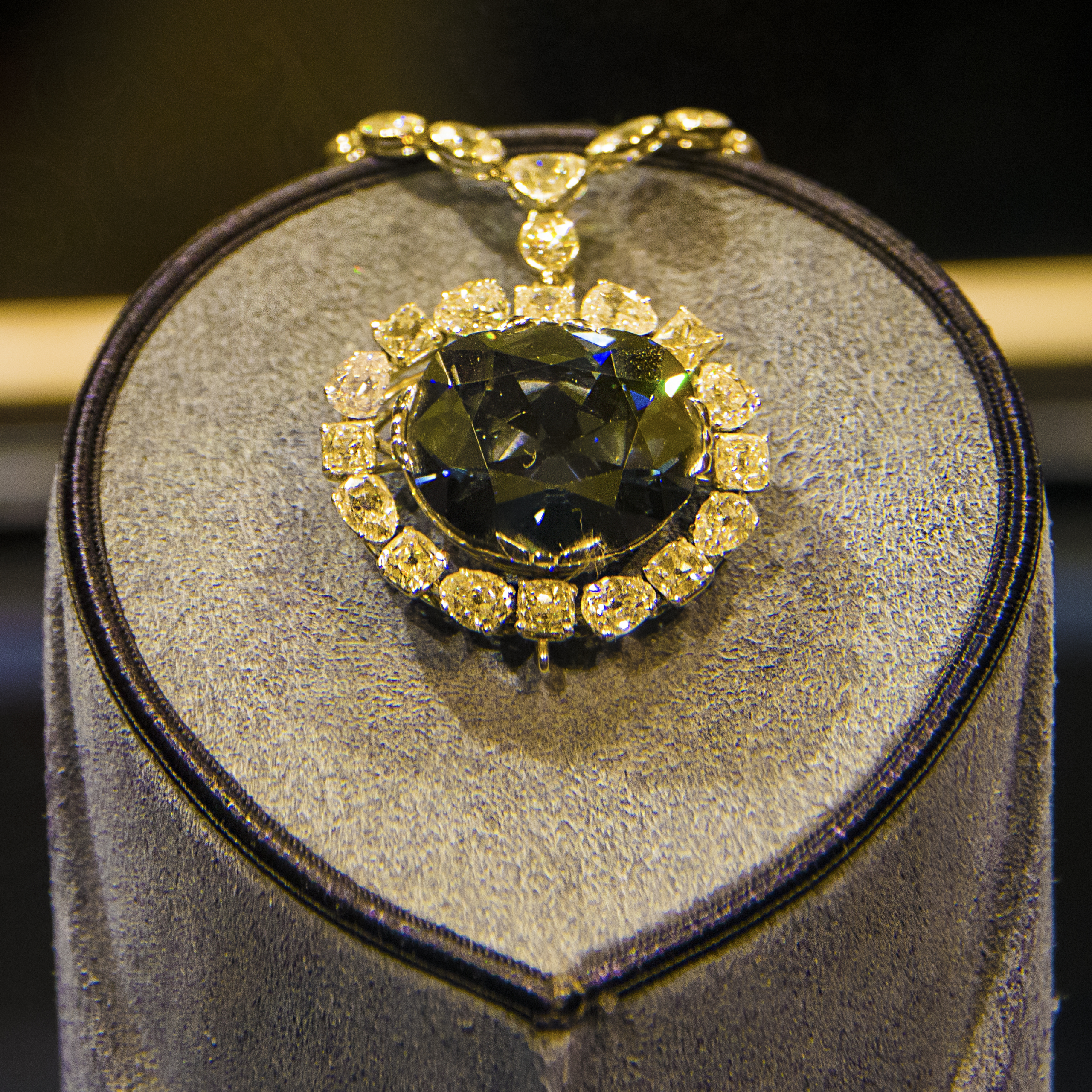
The curse of the Hope Diamond is one of the most famous curse legends in the world, and over the years it grew into an extraordinary catalog of doom. According to the legend, misfortune and tragedy struck nearly everyone who owned or wore the diamond, in a grim litany that captured the public imagination. The tales held that the stone’s ill fortune reached all the way back to its origins and followed it through the centuries.
The stories attached all manner of catastrophe to the gem’s owners: violent deaths, suicides, financial ruin, madness, failed marriages, and freak accidents. The guillotining of Louis XVI and Marie Antoinette was woven into the legend as evidence of the curse’s power. Later owners were said to have suffered bankruptcies, family tragedies, and untimely ends, each misfortune added to the diamond’s growing reputation as a bringer of doom. The legend became so elaborate and so widely repeated that the Hope Diamond became synonymous with the very idea of a cursed object, the archetype against which all other supposedly cursed treasures are measured. It’s a wonderfully spooky story, the kind of tale that makes a beautiful object even more mesmerizing by cloaking it in danger and death. But as with so many great legends, the truth behind the curse is rather different from the story.
The Truth Behind the Curse
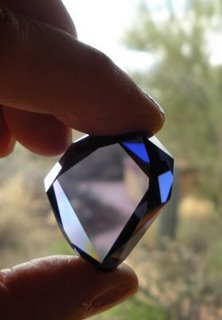
Here is where the real history reasserts itself over the myth: the curse of the Hope Diamond is, by all serious accounts, largely a fabrication, a piece of storytelling embroidered and exaggerated for effect. Historians and researchers who have examined the diamond’s history have found that many of the dramatic tales of cursed owners are simply not true, or are wild exaggerations of ordinary misfortunes, or involve people who never actually owned the diamond at all.
Crucially, much of the curse legend appears to have been deliberately invented and promoted, particularly around the turn of the twentieth century, as a marketing device. A dramatic curse made the diamond more famous, more mysterious, and more valuable, and those with an interest in selling or publicizing the stone had every reason to encourage the spooky stories. The deaths of Louis XVI and Marie Antoinette, held up as prime evidence of the curse, were of course the result of the French Revolution and its politics, which claimed countless lives that had nothing to do with any diamond. Other “cursed” misfortunes turn out to be coincidences, inventions, or the ordinary tragedies that befall people over the course of long lives. In short, there’s no evidence that the Hope Diamond has brought any supernatural misfortune to anyone; the curse is a compelling story rather than a real phenomenon. The real intrigue of the diamond lies not in a magical curse but in its extraordinary real history and the clever way a legend was built around it to make an already dazzling gem irresistible.
The Jewel Finds a Home
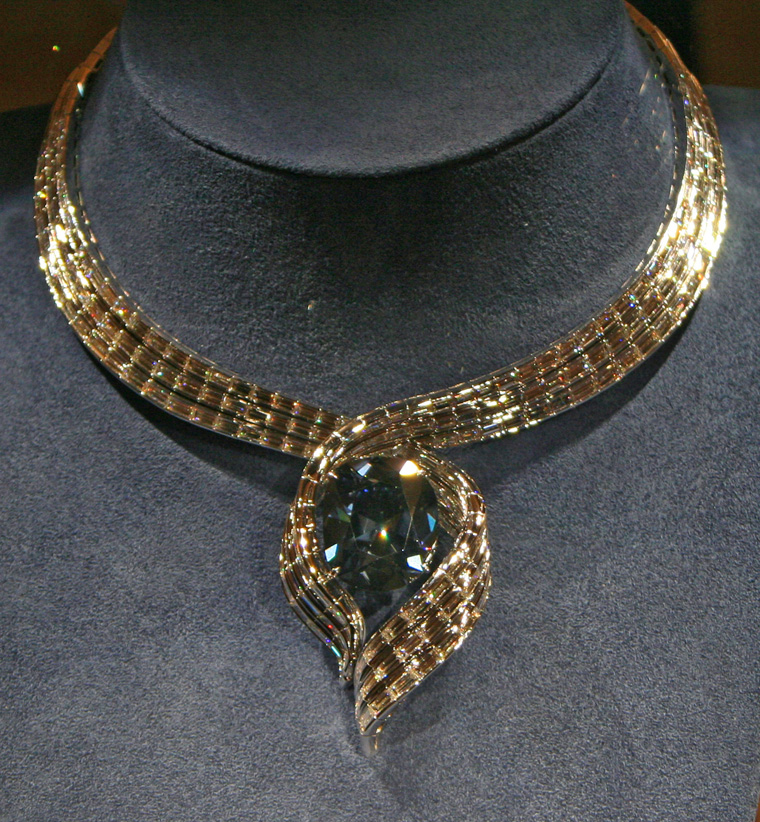
The final chapter of the Hope Diamond’s long journey brought it to rest in a place where anyone can see it. In the twentieth century, the diamond eventually came into the hands of a famous jeweler, and in 1958, it was donated to the Smithsonian Institution in Washington, D.C. In a detail that delightfully undercuts the whole legend of the deadly curse, the priceless gem was reportedly sent to the museum through the mail, arriving in a simple wrapped package, its journey to its final home about as undramatic as could be.
Since then, the Hope Diamond has been the crown jewel of the Smithsonian’s National Museum of Natural History, one of the most popular museum attractions in the world, drawing enormous crowds who come to gaze at its deep blue brilliance. The stone even displays a curious property: after exposure to ultraviolet light, it glows with an eerie red phosphorescence, a striking natural feature that, one imagines, does nothing to dampen its cursed reputation among those inclined to believe. Safe behind its glass, admired by millions, the Hope Diamond has now spent decades as a beloved public treasure rather than a private possession, and no curse has troubled the museum that houses it. Its story, from the mines of India to a display case in Washington, is a real epic of history, beauty, and human fascination.
A Gem Wrapped in Story
The Hope Diamond endures as far more than a spectacular blue stone; it’s a vessel for one of the great stories in the history of precious objects, a tale that blends real history and invented legend into something irresistible. Its journey across centuries and continents, through royal courts and revolutions and museums, is remarkable enough on its own, and the curse that grew up around it only adds to its mystique, even though the curse itself is a myth.
Perhaps that’s the real lesson of the Hope Diamond: that human beings are drawn to stories, and that we love to wrap our most beautiful and valuable things in tales of danger and drama. The curse made the diamond more famous, more talked about, and more fascinating than its beauty alone ever could. And so today, when visitors line up to see the great blue gem glowing behind its glass, they come not just to admire a rare and stunning diamond but to stand in the presence of a legend. The Hope Diamond is proof that the stories we tell about an object can become as precious and enduring as the object itself, and that sometimes the truth behind a famous curse is even more captivating than the curse was ever meant to be.
Like our content? Follow us for more.