

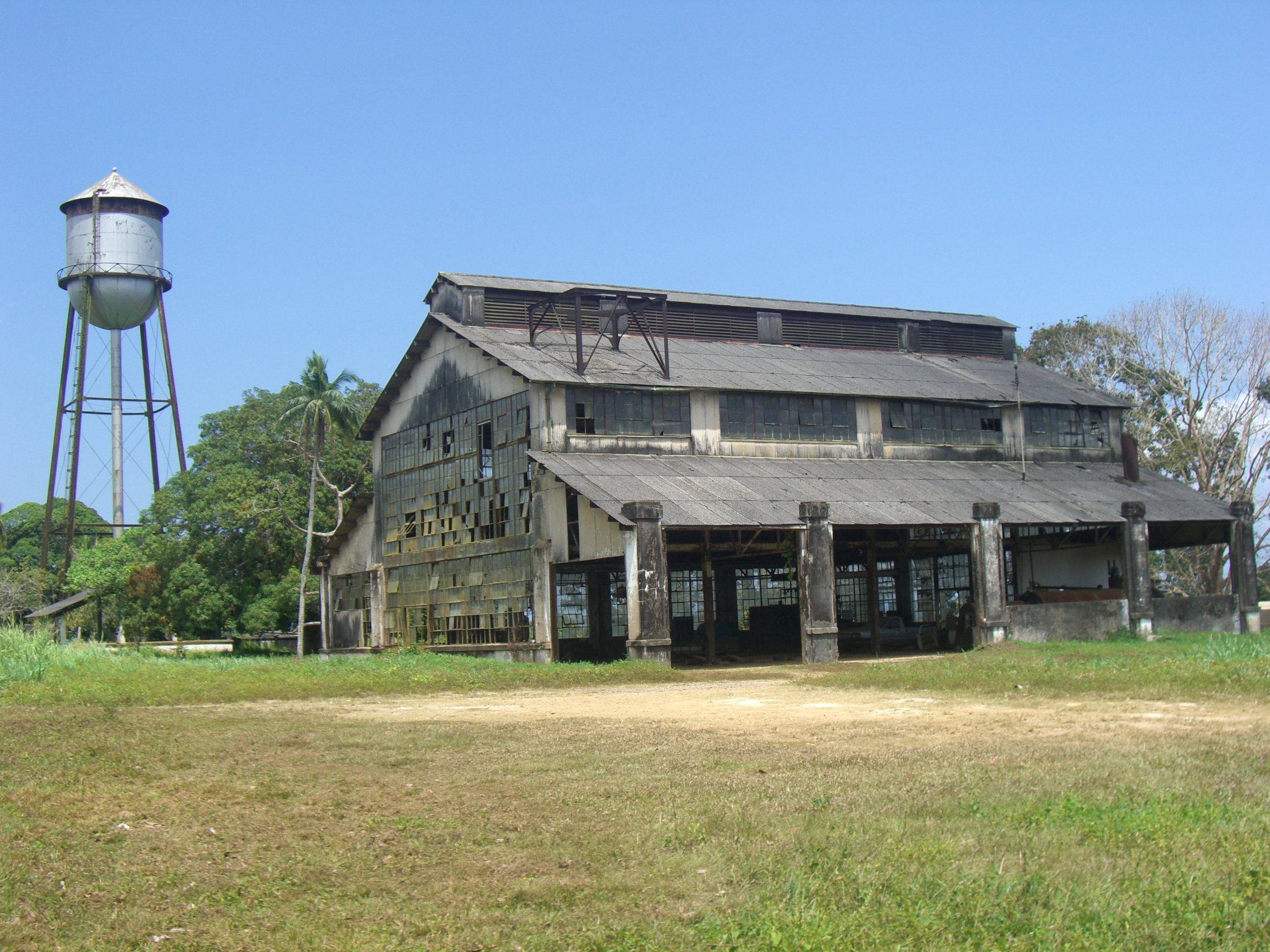
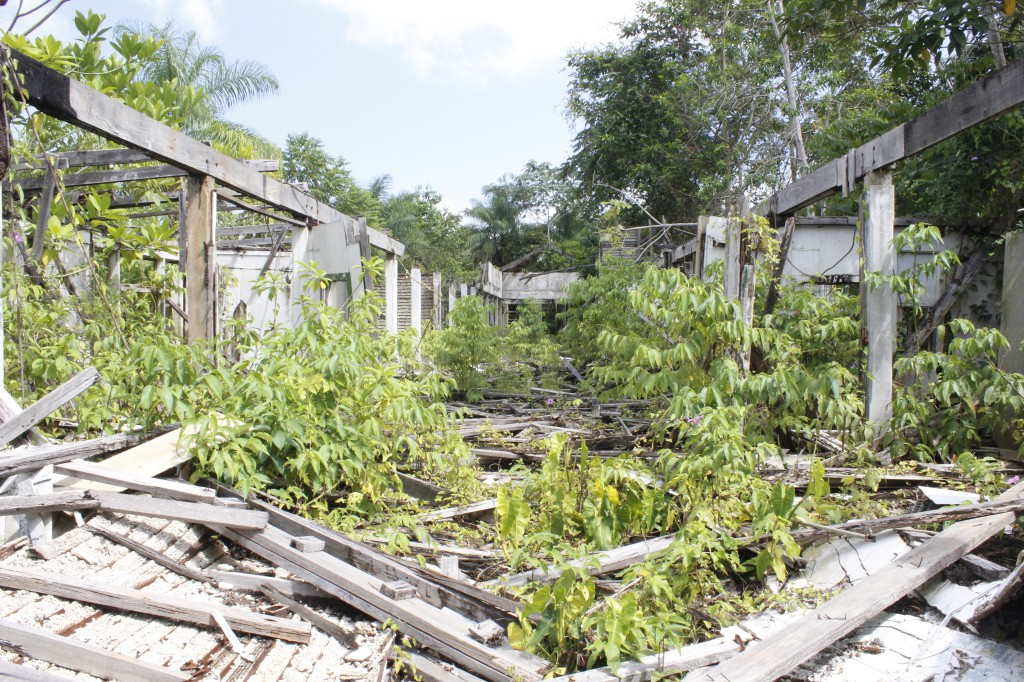
Deep in the Brazilian Amazon, on the banks of a tributary of the great river, there stands a ghost town unlike any other. Its ruins include an American-style water tower, the crumbling shells of factory buildings, rows of decaying clapboard houses that would look at home in the American Midwest, and even the remnants of a golf course, all being slowly reclaimed by the relentless jungle. This is Fordlândia, the astonishing failed dream of automobile magnate Henry Ford, who in the late 1920s set out to build a piece of America in the middle of the rainforest — and created one of the most fascinating fiascos in industrial history.
Ford’s plan was audacious to the point of madness: to carve a modern, orderly, all-American company town out of the untamed Amazon, both to secure his own private supply of rubber and to prove that his vision of wholesome, disciplined American life could flourish anywhere. He poured a fortune into the project. And it collapsed almost completely, defeated by biology, culture, geography, and Ford’s own stubborn refusal to listen to those who knew better. Here is the strange, cautionary tale of Fordlândia, the jungle utopia that never was.
Why Ford Wanted a Jungle
To understand Fordlândia, you have to understand rubber. In the early twentieth century, rubber was an essential material for the booming automobile industry — tires, hoses, gaskets, and countless other parts depended on it — and Henry Ford’s massive car-manufacturing operation consumed enormous quantities of it. The problem was that the global rubber supply was largely controlled by British and Dutch colonial plantations in Southeast Asia, which meant Ford was dependent on a supply chain he didn’t control and prices he didn’t set.
Ford, a fiercely independent industrialist who prized controlling every step of his production, found this dependence intolerable. So he hatched a plan to create his own rubber supply, and he looked to the Amazon rainforest — the native home of the rubber tree — as the ideal place to do it. In the late 1920s, he negotiated a deal with the Brazilian government that granted him an enormous concession of land, some two and a half million acres, roughly the size of a small U.S. state, along a river in the Amazon basin, in exchange for a share of the eventual profits. On paper, it seemed to make sense: grow rubber in the very region where rubber trees came from, on land he controlled, and free himself from the foreign rubber monopoly forever. In reality, it was the beginning of a very expensive disaster.
Like our content? Follow us for more.
Building America in the Amazon
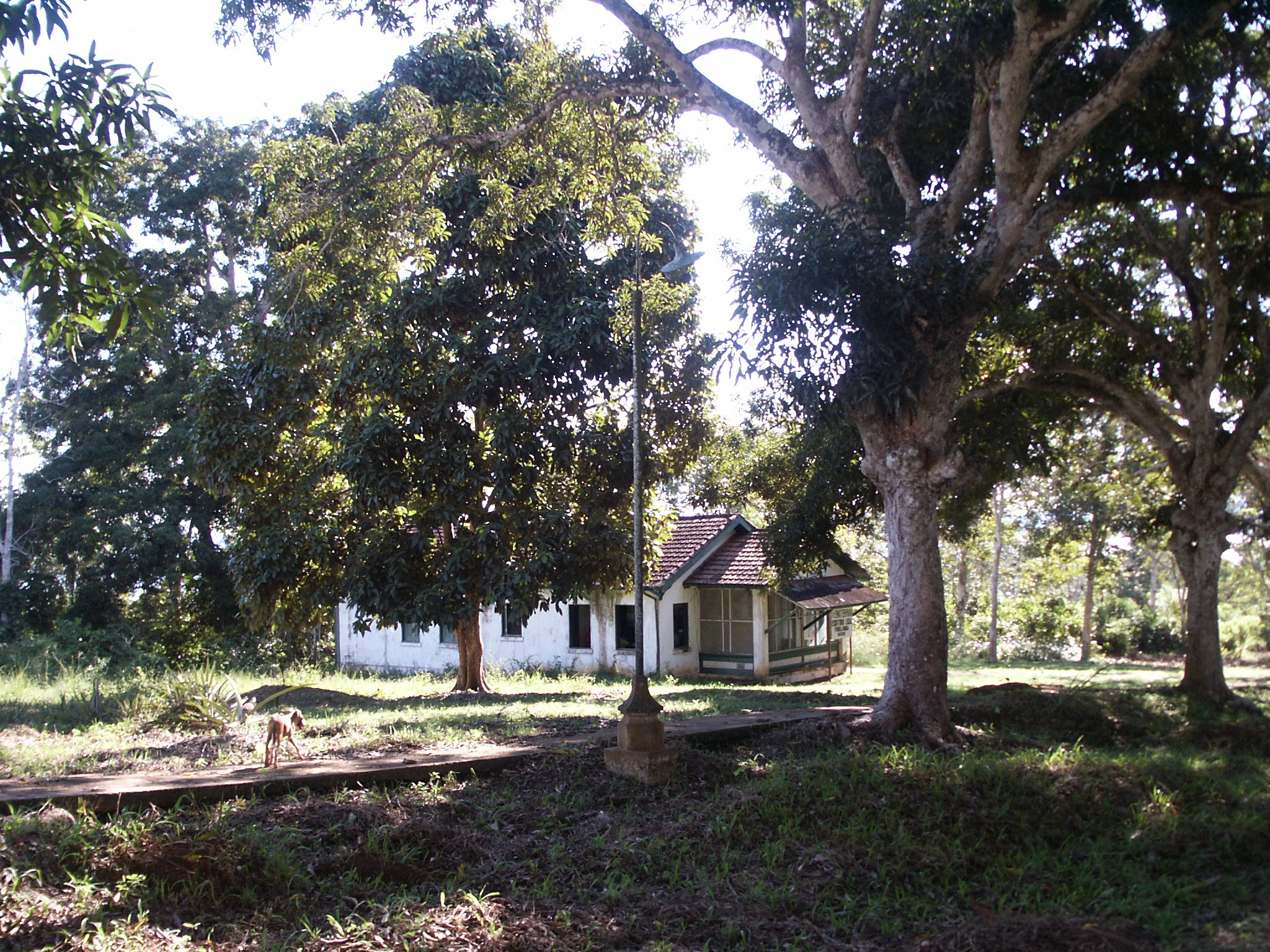
Ford did not simply establish a plantation; he set out to build an entire town, a fully realized slice of idealized small-town America transplanted into the rainforest. He named it Fordlândia, and he equipped it with everything his vision of proper American life required. Prefabricated materials and equipment were shipped in, and workers built rows of neat American-style houses, a modern hospital, a school, a library, and a power plant.
The town’s amenities were remarkable for their setting. Fordlândia had a swimming pool, a golf course, tennis courts, a hotel, and shops. There were sidewalks and manicured lawns and all the trappings of a tidy Midwestern community, incongruously plopped down in the middle of the Amazon jungle. Ford also imposed his personal values on the town, which reflected his well-known ideas about wholesome living. Alcohol was prohibited within Fordlândia. Workers were expected to conform to American customs and routines, from the food they ate in the cafeteria to the hours they kept and the wholesome leisure activities, like square dancing and poetry readings, that Ford favored. It was less a business venture than a social experiment: an attempt to build not just a rubber plantation but an entire ordered, sober, American way of life in one of the most remote and wild places on Earth. And the mismatch between that vision and the reality of the Amazon would prove fatal to the whole enterprise.
Everything That Could Go Wrong
Fordlândia failed in almost every way it could, and the failures began early and multiplied. The most fundamental problem was the rubber itself. Ford, famously contemptuous of experts, launched the project without proper expertise in tropical agriculture. His managers planted the rubber trees close together in dense, orderly rows, the way crops are grown on efficient plantations elsewhere.
But the Amazon is where rubber trees evolved, and that turned out to be exactly the problem. In their native rainforest, wild rubber trees grow far apart, scattered among other vegetation, a natural spacing that protects them from the pests and diseases, especially a devastating leaf blight, that thrive when the trees are crowded together. Packed into dense plantation rows, Fordlândia’s rubber trees became a feast for blight and insects, and they sickened and failed. The agricultural heart of the entire project simply would not grow. On top of this biological catastrophe came human and cultural conflict. The local Brazilian workers chafed under the imposition of rigid American customs, the unfamiliar food, the regimented schedules, and the ban on alcohol. Tensions boiled over into unrest, including a notable riot in which angry workers rebelled against the cafeteria system and the town’s regimentation, chasing managers into the jungle until order was restored. The climate, the isolation, tropical diseases, and the sheer difficulty of imposing Ford’s rigid vision on a place and people so different from what he imagined all compounded the disaster. Fordlândia was fighting the jungle, the biology of its own crop, and the culture of its own workforce, all at once, and it was losing on every front.
The Slow Collapse
Ford, undeterred by the failures at the original site, eventually relocated the main rubber-growing operation to a second nearby location in an attempt to do better. But the fundamental problems, particularly the leaf blight that ravaged the densely planted trees, were never truly overcome, and the dream of a productive rubber empire in the Amazon never materialized. Year after year, Ford poured money into the venture, and year after year, it failed to produce rubber in any commercially meaningful quantity.
The wider world, meanwhile, was moving on in ways that made the whole project pointless. The development of synthetic rubber reduced the need for natural rubber, and shifts in the global rubber market further undercut the rationale for Ford’s expensive jungle plantations. By the mid-1940s, after Ford had sunk a fortune into the venture over roughly two decades, the writing was on the wall. Famously, it’s said that essentially none of the rubber from Ford’s Amazon operations ever made it into a Ford vehicle. In 1945, Ford’s grandson, Henry Ford II, who had taken over the company, cut the losses and sold the land and the towns back to the Brazilian government for a small fraction of what had been spent. Henry Ford himself, remarkably, never once visited the jungle town that bore his name. The great experiment was over, an almost total loss.
The Ghost Town Today
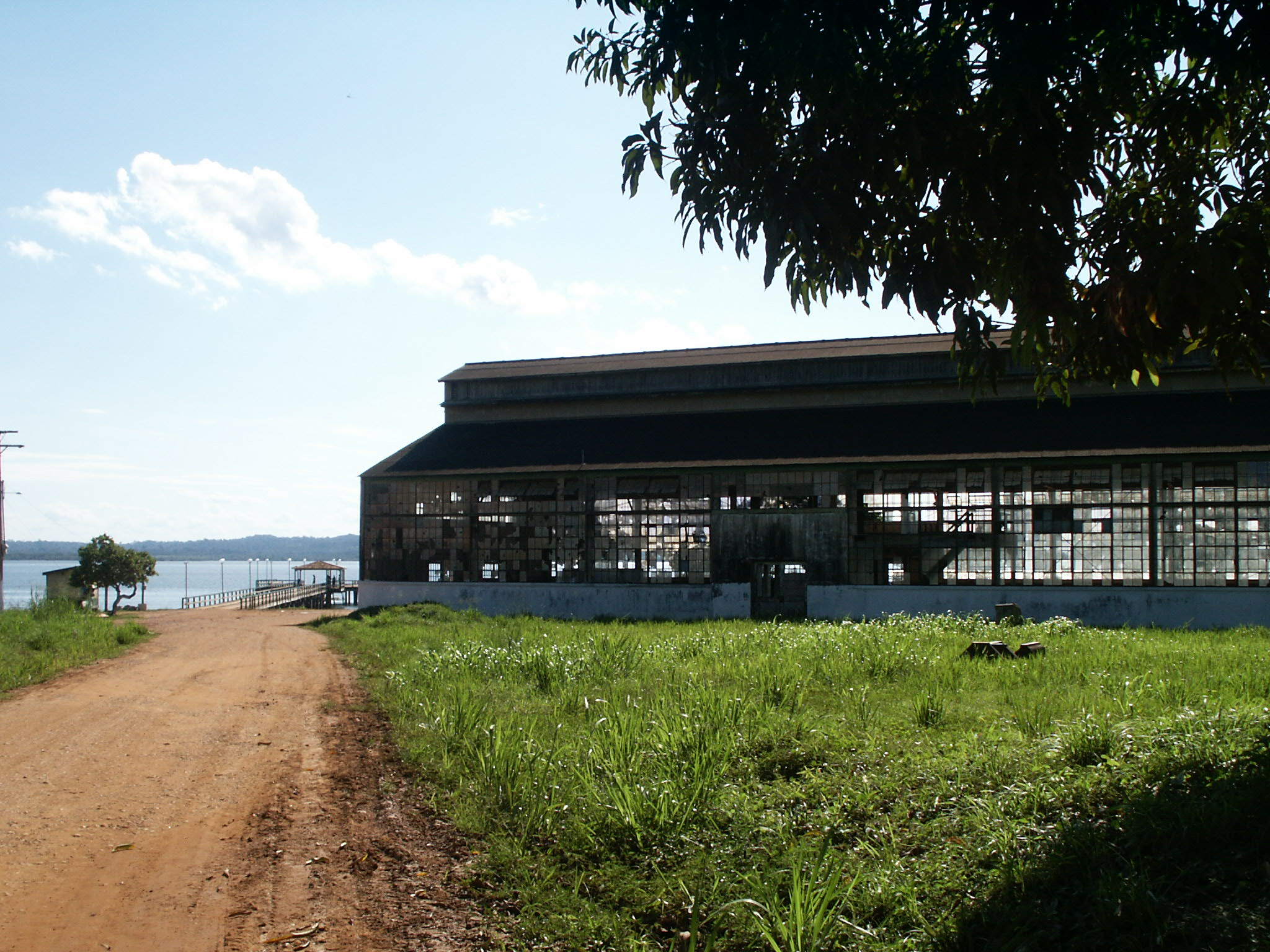
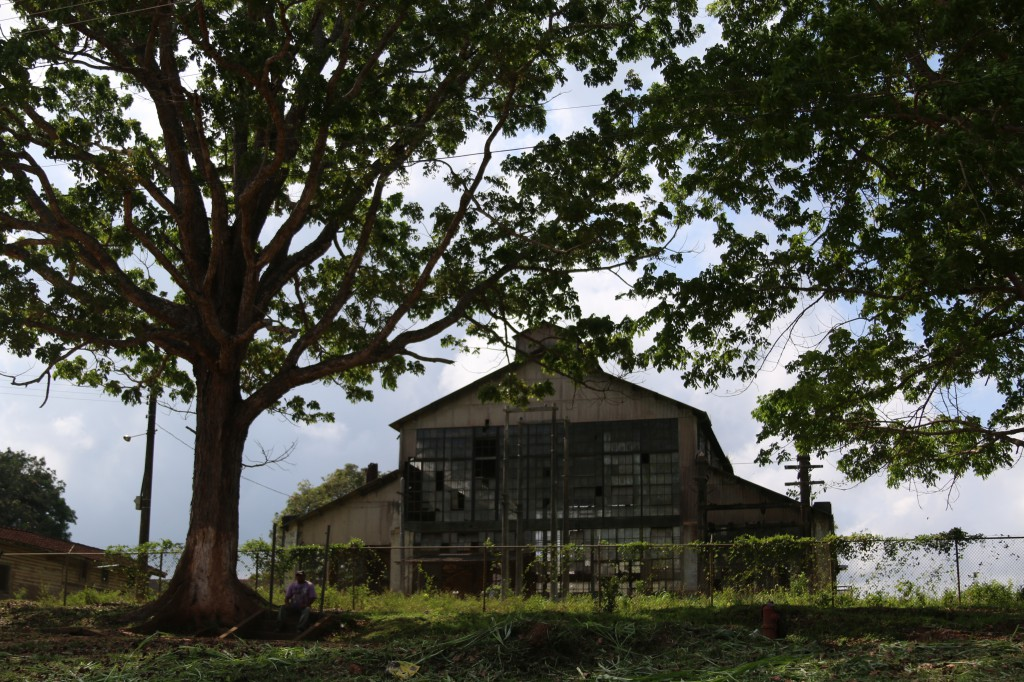
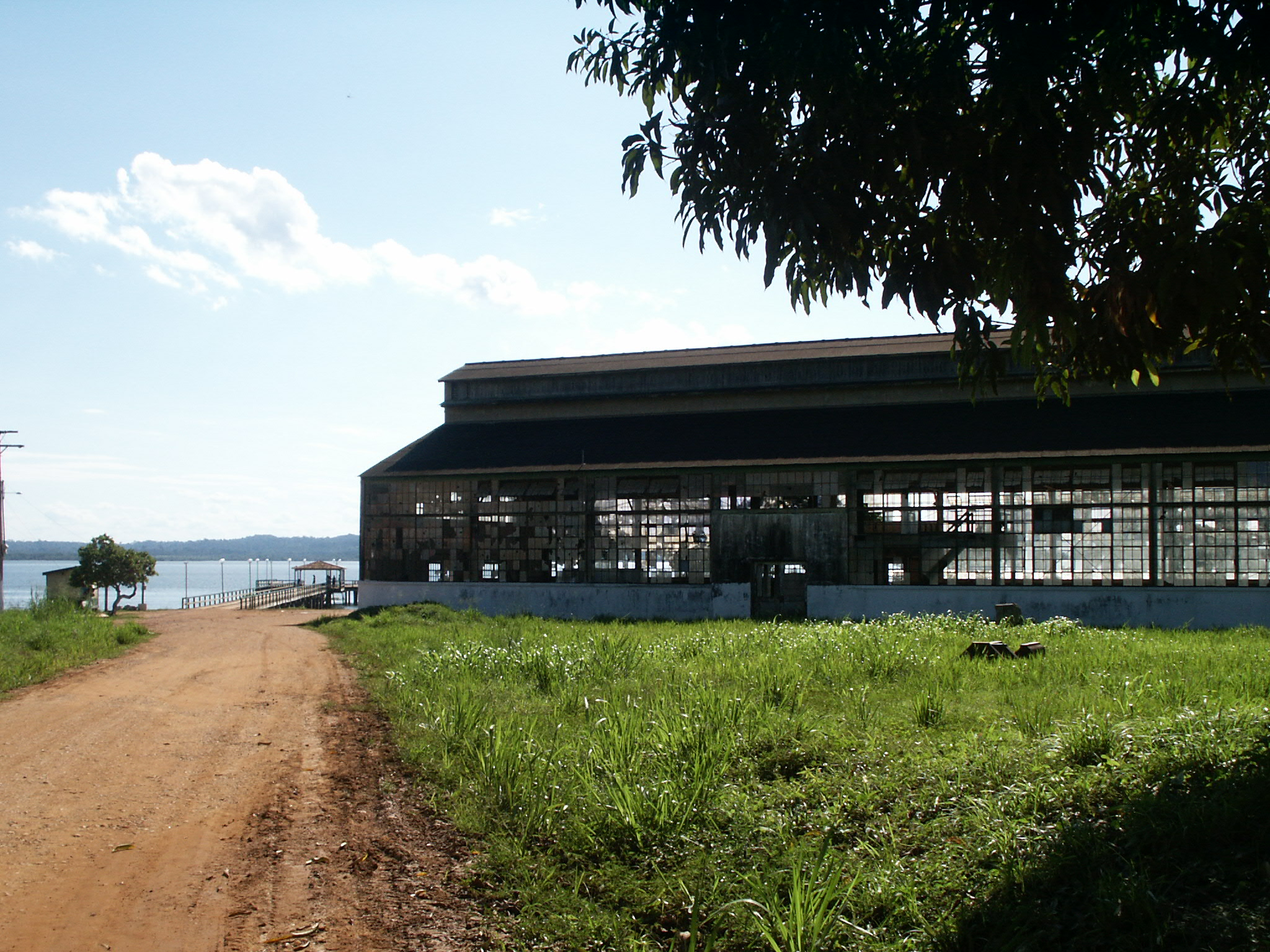
What remains of Fordlândia today is a haunting, half-ruined monument to ambition and folly. The town was never fully abandoned — a small community has continued to live in and around the site over the years — but the grand structures Ford built have largely fallen into decay, their American forms slowly being swallowed by the encroaching rainforest. Visitors who make the difficult journey to this remote spot find a surreal landscape: the rusting water tower still standing, the derelict factory buildings, the old hospital, the crumbling houses, and the incongruous relics of a Midwestern American town moldering in the tropical heat.
Fordlândia has become a destination for the adventurous and the curious, a place that draws those fascinated by industrial history, abandoned places, and cautionary tales of hubris. It’s an eerie and thought-provoking place to walk through, this jungle graveyard of one man’s outsized dream, where the ambition of one of history’s most powerful industrialists lies rusting in the rainforest. The town stands as a lasting lesson about the limits of money and willpower when they collide with the realities of nature and human culture. Henry Ford could revolutionize manufacturing and reshape the modern world, but he could not bend the Amazon to his will, and Fordlândia remains, nearly a century later, the beautiful, melancholy ruin of the day he tried.
The Lesson in the Ruins
Fordlândia endures as one of history’s most vivid parables of overreach. Here was a man of almost limitless resources and boundless confidence, who believed he could impose order, efficiency, and his own cultural ideals on any place he chose, and who discovered, at enormous cost, that some things resist even the will of the world’s richest men. The rubber trees would not grow where he crowded them; the workers would not live as he dictated; the jungle would not become the Midwest.
The story resonates because it captures something timeless about the danger of arrogance and the wisdom of respecting expertise, local knowledge, and the natural world. Ford’s contempt for experts, his conviction that his way was the only way, and his refusal to adapt his vision to the realities of the Amazon doomed the project as surely as the leaf blight did. And so today, deep in the Brazilian rainforest, the ruins of Fordlândia stand as a quiet, powerful reminder that ambition unchecked by humility can build a whole town in the jungle, and then watch it crumble back into the trees. It is a ghost of a dream, and one of the most extraordinary and instructive failures of the industrial age.
Like our content? Follow us for more.
