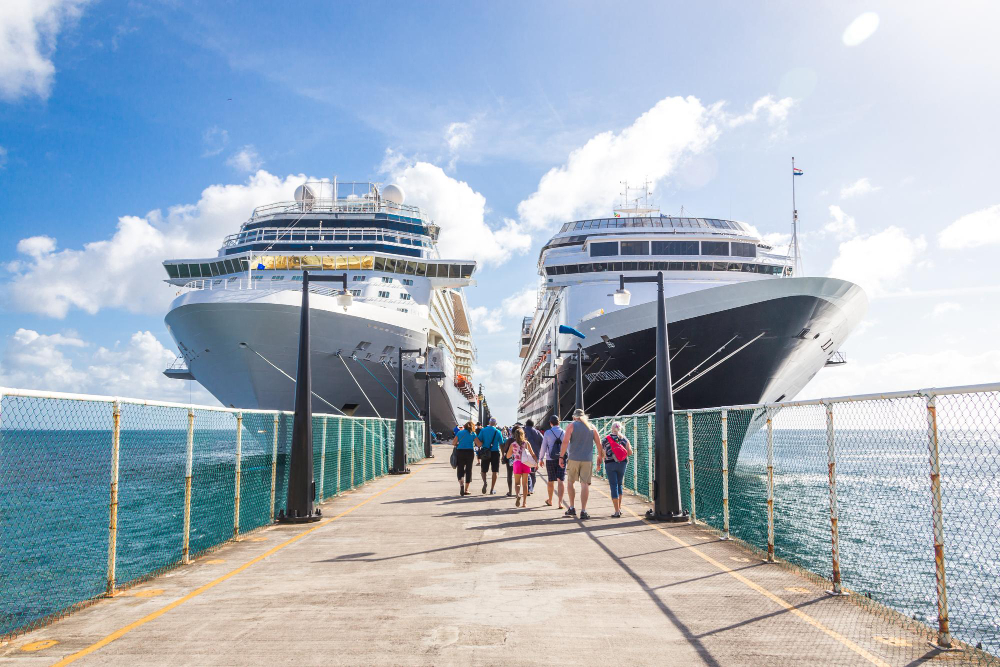
Being denied boarding at the pier is the worst outcome in cruising, because there is almost never a remedy. The ship sails on a schedule set by port slots and pilot bookings, the manifest closes before the lines are let go, and there is no later flight to catch.
Almost all of it is avoidable, and almost all of it is documentation. The list below is weighted accordingly: passports, names, visas and deadlines rather than anything exotic. Policies differ between lines and change frequently, so every item here is a prompt to check your own line’s current documentation rather than a statement of what any particular ship will do on any particular day. Here are sixteen reasons passengers are refused, in rough order of how often it happens.
1. A passport that expires too soon, even though it is still valid
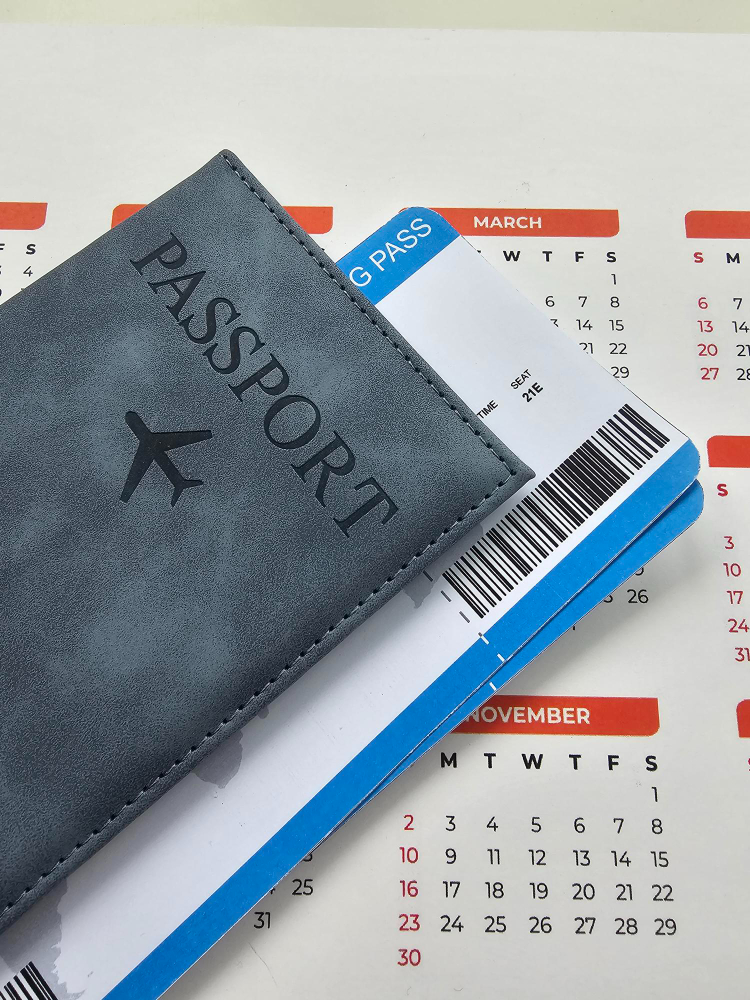
A passport valid on the day you sail is not necessarily enough. Many countries require at least six months of validity beyond your arrival date, and because a cruise visits several countries, the strictest rule on the itinerary is the one that applies to you.
The line checks this at the pier because it carries the cost if a country refuses you entry. If your passport expires four months after the sailing date and one port requires six, you can be turned away with a valid document in your hand.
Check the expiry date against every country on the itinerary, not against the sailing date. The six-month rule is the common one but it is not universal, and the line’s own documentation page is the place to confirm it.
Like our content? Follow us for more.
2. A name on the booking that does not match the name in the passport
Middle names, maiden names, hyphenations, suffixes and the difference between a legal name and the one everybody uses are the most common documentation problem in cruising. The manifest is submitted to governments in advance and it has to match.
A mismatch can be fixed in advance, sometimes for a fee, and cannot reliably be fixed at the terminal. Recently married passengers travelling on a new married name with a passport in the old one are the classic case.
Book in the exact name printed on the passport, including middle names if the passport shows them. If anything has changed since booking, contact the line in writing well before sailing.
3. No visa for a country the ship only stops at for a day

Visa requirements apply to the ports, not to the ship. Several popular itineraries include countries that require a visa obtained in advance even for a single day ashore, and some require one even if you intend to stay aboard.
Whether a cruise passenger needs one varies by country, by nationality and by whether the ship is a scheduled call, and the rules change. The line will deny boarding if an onward port would refuse the whole ship on your account.
Read the line’s itinerary documentation country by country. Do not assume that a short call means no visa, and do not assume staying on board exempts you, because for some countries it does not.
4. Birth certificate documentation on a sailing that does not qualify for it
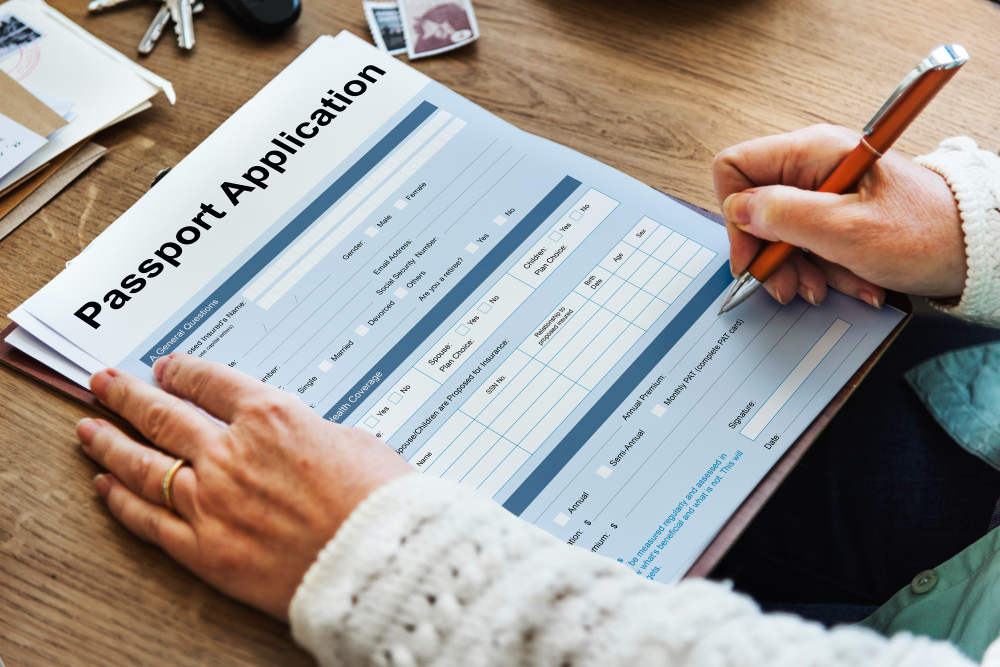
United States citizens on a closed-loop cruise, one that begins and ends at the same American port, may generally travel on a birth certificate and government photo identification rather than a passport. This is the single most misunderstood rule in cruising.
It does not apply to a one-way sailing, to a cruise beginning or ending abroad, or to several itineraries that include particular countries. Passengers arrive with the wrong documents for the wrong sailing and are refused.
If you are relying on anything other than a passport, confirm in writing that your specific sailing qualifies. A passport removes the question entirely and is worth the cost for this reason alone.
5. A passport that is damaged

Water damage, a detached cover, a torn page, a bent chip or heavy wear can all cause a document to be treated as invalid. Border officers and lines apply this strictly because a damaged chip cannot be read electronically.
A passport that has been through a washing machine looks usable to its owner and is routinely refused. There is no appeal at the terminal and no same-day remedy.
Look at your passport properly before you travel, including the chip page under a light, and replace it if there is damage. A document that was accepted on a previous trip may still be refused on this one.
6. Not enough blank pages left in the book
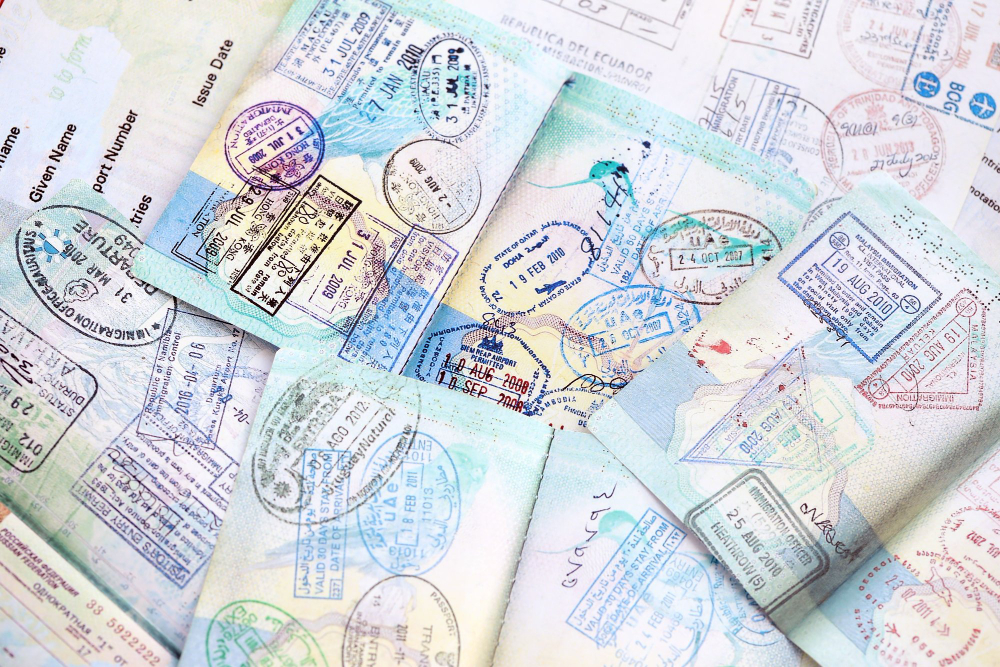
Some countries require one or two completely blank pages for entry and exit stamps, and amendment or endorsement pages do not count. A passport with plenty of validity can be full in practical terms.
On a multi-country cruise this accumulates fast, and a passenger who is two pages short at the start of the itinerary will be short at the end of it. The line checks because the refusal risk sits with the ship.
Count your genuinely blank visa pages before booking a stamp-heavy itinerary, and renew early if you are close. The United States no longer adds pages to an existing passport.
7. Being further along in a pregnancy than the line permits

Cruise lines set a limit, and across the industry it is commonly the start of the twenty-fourth week of pregnancy at any point during the voyage. The reason is that a ship’s medical centre is not equipped for a delivery or for neonatal care and may be days from a hospital.
The limit is enforced at the pier and the line may require a letter from a physician confirming the stage and fitness to travel. Passengers who will cross the threshold mid-voyage are refused at embarkation.
Check the specific line’s policy, because the exact cut-off and the documentation required vary, and arrange the letter well in advance. This is a medical and safety limit rather than an administrative one.
8. Travelling with a baby below the minimum age

Lines set a minimum infant age, commonly six months, and raise it to twelve months on longer ocean crossings and remote itineraries where the ship is far from medical facilities for extended periods.
The reasoning is the same as for the pregnancy limit and it is applied the same way, at the terminal, without discretion. The booking system does not always catch it, so families arrive having been sold a cruise they cannot take.
Confirm the infant minimum for your specific ship and itinerary at the time of booking, and get the confirmation in writing. A transatlantic or South Pacific sailing will have a higher threshold than a Caribbean week.
9. Arriving after the terminal has closed

Check-in closes well before the ship sails, typically between sixty and ninety minutes before departure and sometimes earlier, because the manifest has to be closed and submitted to the authorities before the lines are let go.
This is not a soft deadline. Passengers who watch the ship still alongside while being told they cannot board are seeing the paperwork cut-off rather than the departure time, and it is the most frequent single cause of a missed cruise.
Fly in the day before. The single most useful piece of cruise advice there is, and the reason for it is that a same-day flight delay has no remedy once the manifest closes.
10. Not having completed online check-in and the health declaration
Most lines now require check-in, document upload, photograph and a health questionnaire to be completed online within a defined window before sailing. Arriving with none of it done can mean being held back or refused.
Terminal staff can sometimes process a passenger manually and often cannot, particularly at a busy turnaround where several thousand people are embarking in a few hours. The window itself closes, typically a day or two out.
Complete it as soon as it opens. Note the closing time, because a passenger who intended to do it at the airport can find the window shut.
11. Showing symptoms of illness at the terminal

Lines screen at embarkation and may deny boarding to a passenger reporting or showing signs of gastrointestinal or respiratory illness, under the public health programme that governs ships calling at American ports.
The purpose is to keep an outbreak off a vessel carrying several thousand people in shared space, and the line has clear authority to refuse. Denial on these grounds is usually compensated or rebooked under the line’s own policy.
Declare honestly on the health questionnaire. Concealing an illness to get aboard risks being confined to a cabin for the voyage, which is a far worse outcome than a rebooking.
12. A medical condition or equipment the line was not told about

Passengers who need supplemental oxygen, dialysis, a mobility scooter of a particular size, or other equipment and support must notify the line in advance, and some requirements need a physician’s letter confirming fitness to travel.
Without prior notification the line may be unable to accommodate the equipment safely, and cabin door widths, turning space and electrical capacity are physical constraints rather than policy choices. Boarding can be refused on that basis.
Use the line’s accessibility department early, in writing, and get written confirmation of what has been approved. Scooter dimensions in particular are specified exactly and are checked.
13. A criminal record that bars entry to a country on the itinerary
Several countries, Canada and Australia among them, can refuse entry over convictions that an American traveller may consider long settled, including driving offences. A line that expects a refusal at a port may decline boarding.
There are also itinerary-specific restrictions affecting people on certain registries, which some destinations apply and which the line is obliged to observe. This is a destination rule rather than a cruise rule.
Anybody with a record on an itinerary including these countries should check entry eligibility well in advance, because the remedies, where they exist, take months rather than weeks.
14. Taking a child abroad without the other parent’s documented consent

A number of countries require evidence of consent when a minor travels with one parent, a grandparent or another adult, and some require a notarised letter. Cruise lines ask for it because a port may.
The requirement catches divorced and separated parents, grandparents taking grandchildren, and school groups. Rules differ by destination and the line applies the strictest on the itinerary.
Carry a notarised consent letter from the non-travelling parent along with the child’s documents, and check each country’s specific requirement. This is one of the few items here where more paperwork than you need is clearly the right call.
15. The embarkation country’s own entry authorisation missing

If the cruise begins in a country other than your own, you need that country’s entry permission before you can reach the ship. For Americans sailing from Europe, the United Kingdom and the European Union have each introduced advance authorisation systems.
These are separate from any visa and are easy to overlook because the cruise documentation focuses on the ports rather than on getting to the pier. Requirements and start dates have shifted repeatedly.
Check the embarkation country’s current entry requirements close to the sailing date as well as at booking, because this is the area of travel rules that has changed most in the past few years.
16. A card declined, or a balance unpaid

Boarding requires a valid payment method registered for onboard charges, and a card that fails authorisation at check-in has to be replaced before you can board. An unpaid fare balance stops boarding outright.
Prepaid and debit cards are accepted by some lines and not others, and holds placed on a debit card can tie up substantially more than expected. Travellers whose bank blocks an unexpected foreign authorisation are a common case.
Tell your bank you are travelling, bring a second card, and settle the fare well ahead of the final payment date rather than on it.
What the pattern actually is

Read the list through and the shape is clear. Two items are medical limits, one is a payment problem, one is illness screening, and all the rest are documents or deadlines. Nothing here is about what you packed.
That is useful, because it means the entire problem is solvable at a kitchen table weeks in advance. Pull out every passport in the party and check the expiry against the longest requirement on the itinerary. Check that the name on the booking matches the name in the book, letter for letter. Read the line’s page for every country on the route. Complete the online check-in the day it opens. Book a flight that arrives the day before. Those five actions remove more than three quarters of the reasons on this list, and they cost nothing but an evening.
The one item worth a second look is the closed-loop birth certificate rule, because it is the one people get wrong while believing they have it right. It is genuinely a rule, it genuinely permits travel without a passport on qualifying sailings, and it does not cover nearly as many itineraries as passengers assume.
If there is any doubt, travel on a passport. It is the only document that answers every question on this list at once.
Like our content? Follow us for more.