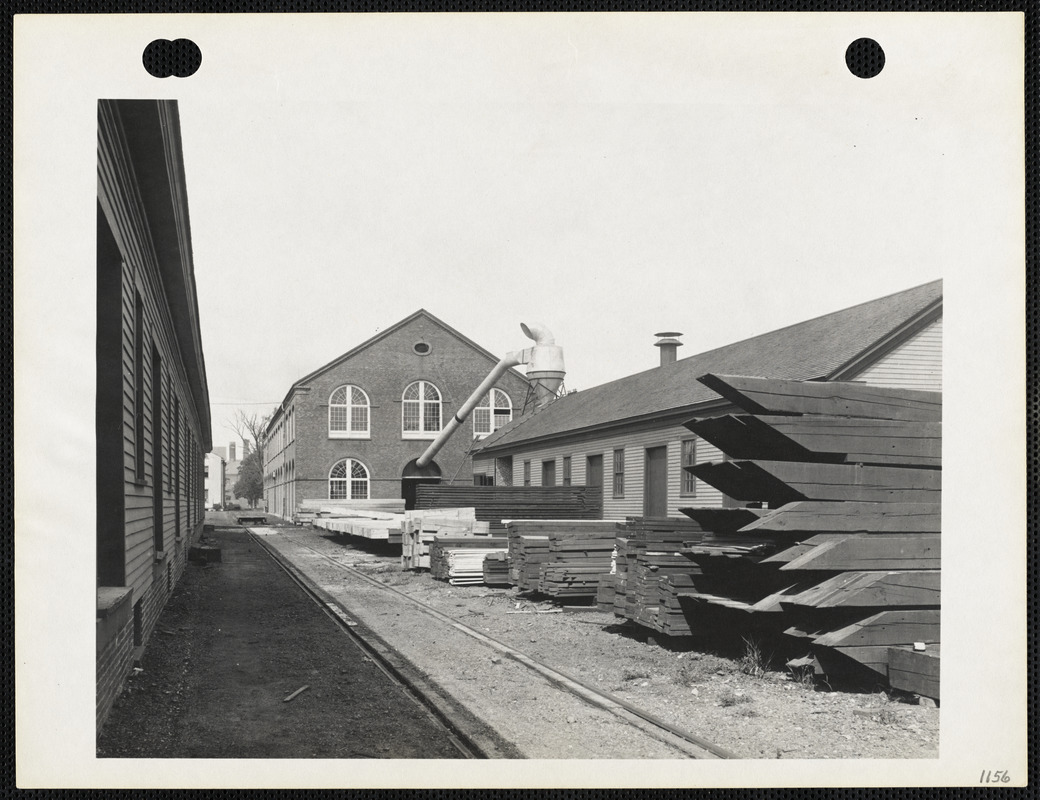
The lumber yard is the most under-described workplace of the period, partly because it looks like a shop and was actually a chemical distributor with a sawmill attached. It sold wood, and alongside the wood it sold wood preservatives, paint, solvents, pesticides and asbestos building products, to anybody who walked in, with no training required at either end of the transaction.
It also cut, stacked, loaded, delivered and burned, which is four separate hazard categories before anything on the shelves is considered. Almost every item below was closed off by a specific American rule with a date, and the striking thing when they are lined up is how much of it was about telling somebody what they were handling. Here are sixteen things that yard did, and what each of them ran into.
1. Sold creosote-treated timber across the counter to anybody
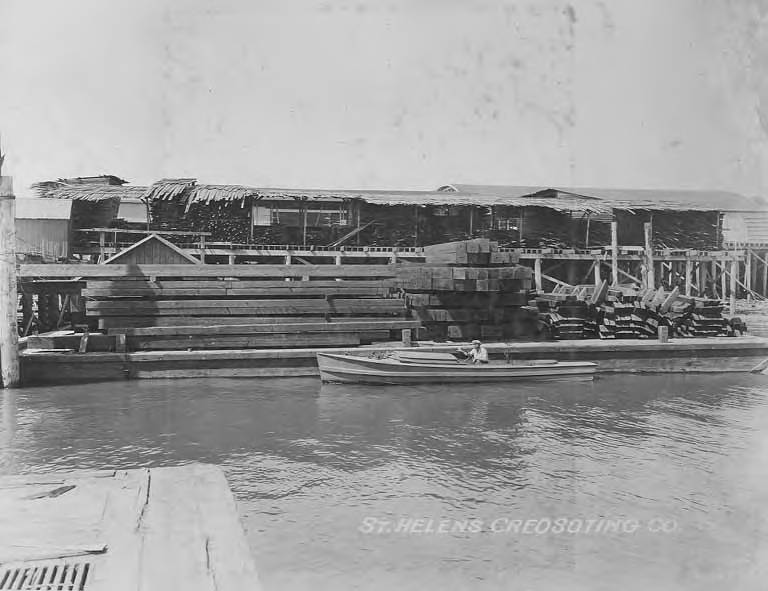
Fence posts, railway ties, barn timber and garden lumber came treated with creosote, and the yard sold it to farmers and householders by the piece, along with drums of the stuff for brushing on at home.
Creosote is now a restricted-use pesticide in the United States. It cannot be sold to or applied by the general public, its remaining uses are industrial and require a certified applicator, and treated wood carries use restrictions that exclude residential interiors and anywhere food is prepared.
The yard staff handling it had the heaviest exposure and no protection. Creosote-treated ties sold for garden retaining walls and raised beds are still turning up in American yards sixty years later, which is the practical reason the use restrictions exist.
Like our content? Follow us for more.
2. And pentachlorophenol-treated lumber beside it
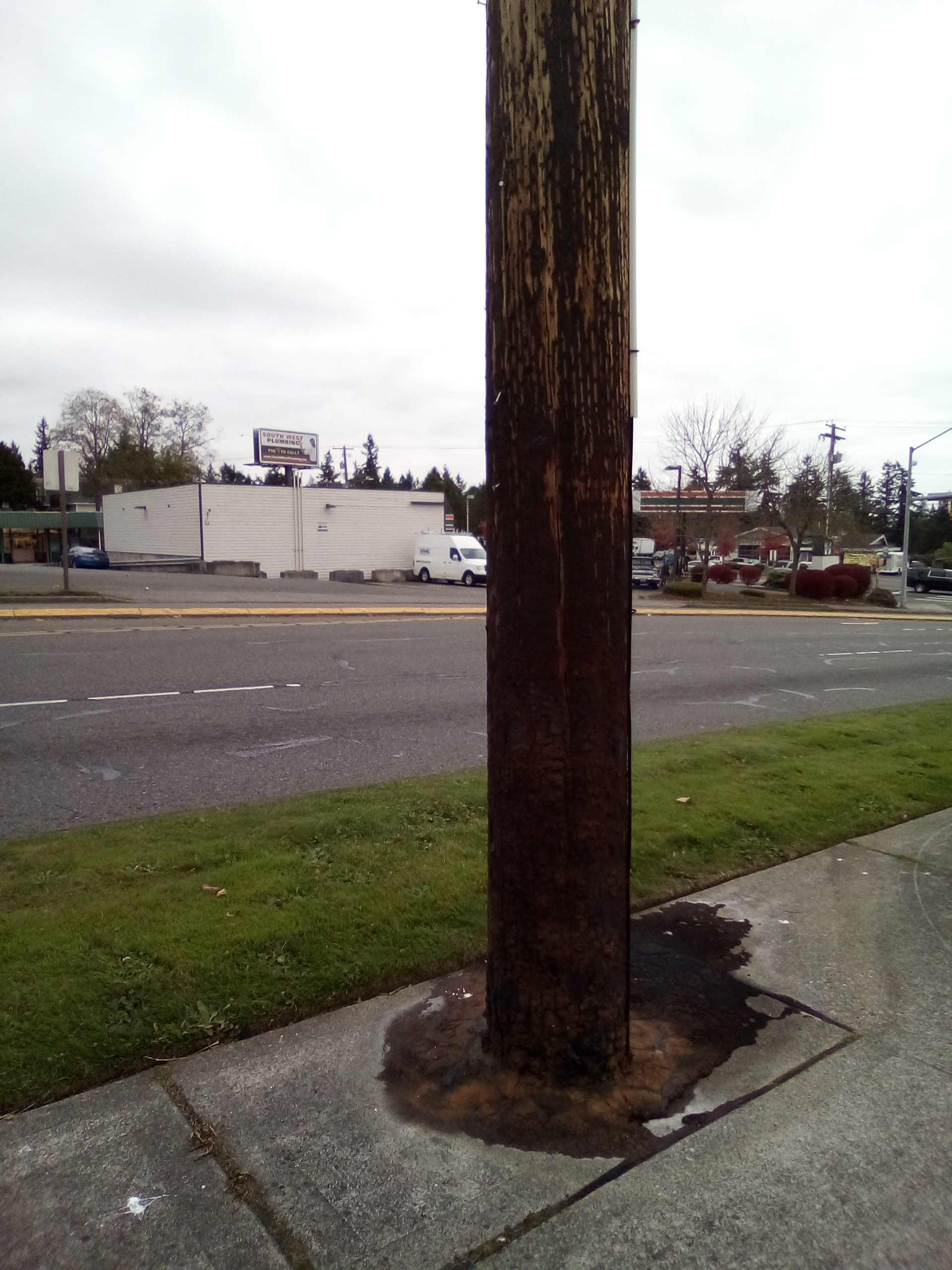
The other standard wood preservative of the period was pentachlorophenol, used on utility poles, farm buildings and sill plates, and sold in solution for site application. It was effective, cheap and in very wide use.
Its registrations in the United States have been progressively cancelled, with the remaining industrial uses ending in the past few years, and it was never suitable for the residential applications it was routinely used in. Contaminants formed during its manufacture were a significant part of the eventual case against it.
The product that took over residential treated lumber was a copper and arsenic formulation, which dominated American decks, fences and playground equipment for thirty years and was itself voluntarily withdrawn from residential use at the end of 2003. The category has now been through two complete substitutions.
3. Sold lead-based paint for the inside of houses
The paint shelf carried lead-pigmented house paint for interior use, and it was the premium product: durable, opaque, washable and the best white available. It was recommended for woodwork, which is the surface a child touches.
The Consumer Product Safety Commission banned lead above a very low threshold in residential paint in 1978, following research on low-level exposure in children and effects on development that earlier work, focused on acute poisoning, had not been looking for.
Several European countries had restricted lead in interior paint in the 1920s. The American market did not follow for another fifty years, and the paint is still in tens of millions of older houses, which is why the renovation rules for pre-1978 housing exist.
4. Sold asbestos-cement siding and roofing by the sheet
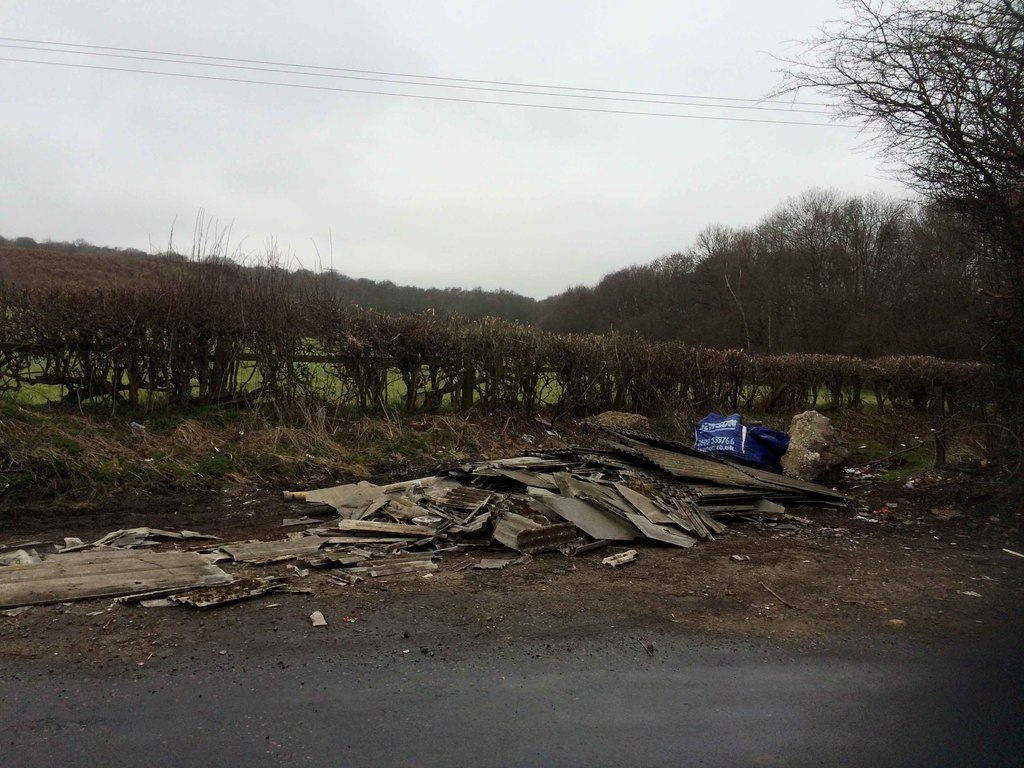
Corrugated and flat asbestos-cement sheet was a yard staple: cheap, fireproof, rot-proof and sold for roofs, siding, barn walls and shed construction. The yard cut it to size on request with a circular saw.
That last detail is the problem. Asbestos bound in a cement matrix is comparatively stable; a powered saw through it produces exactly the respirable dust the material is dangerous as. American rules now govern asbestos work specifically, requiring wet methods or enclosure and prohibiting the dry power-cutting that a 1965 yard did as a service.
The sheets are still on American barns and sheds in very large numbers. Current guidance is to leave intact sheeting alone and never to cut, drill, sand or power-wash it, which is advice directed at exactly the people who bought it from a yard like this.
5. And asbestos joint compound and textured coatings

The interior finishing products on the same shelf included asbestos-containing joint compound for taping drywall seams and textured coatings for ceilings. Both were applied wet and then sanded smooth, by hand, indoors.
The Consumer Product Safety Commission acted against asbestos in consumer patching compounds in the late 1970s. The sanding step is what made these worse than the siding: a product designed to be abraded after application puts the fibre into the air of an occupied room.
This is the clearest case in the whole yard of the difference between a material and its use. The same mineral, bound in cement and left alone, is a manageable problem. Bound in joint compound and sanded by a man standing in it, it is not.
6. Decanted solvents from a drum into the customer’s own can
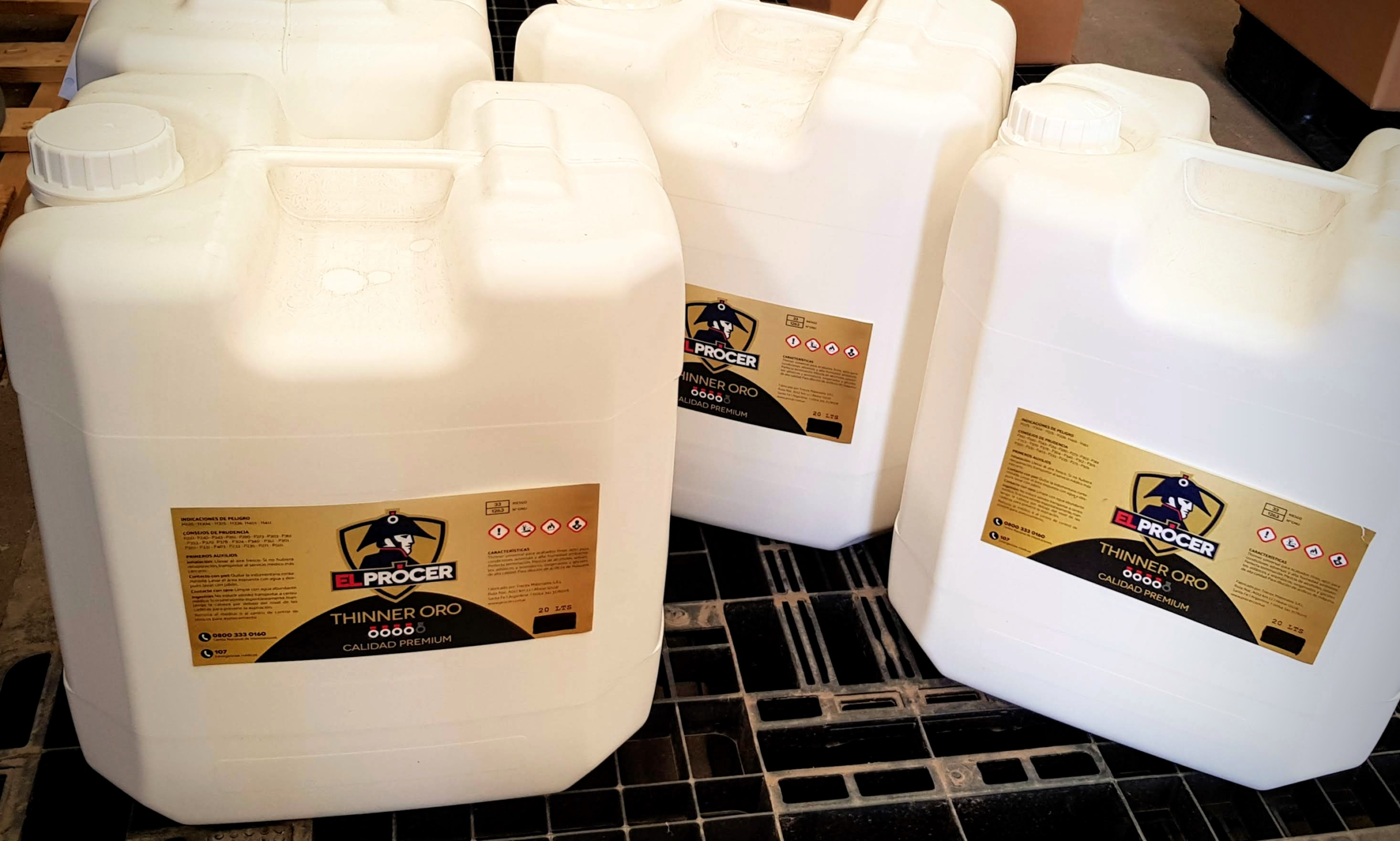
Paint thinner, lacquer thinner, mineral spirits and stronger solvents were sold loose. The customer brought a can, the yardman filled it from a drum with a hand pump, and it went home with no label on it at all.
American hazard labelling has required cautionary statements on hazardous household products since the Federal Hazardous Substances Act of 1960, and the label must travel with the product, which an unlabelled customer-supplied can defeats entirely. Several of the specific solvents sold this way have since been restricted or withdrawn from consumer products.
The unlabelled can in a basement is the lasting consequence. A clear liquid in an old coffee tin with no indication of what it is or what it does was a standard fixture of American workshops and is the direct product of selling by decant.
7. Sold pesticides over the counter, next to the paint
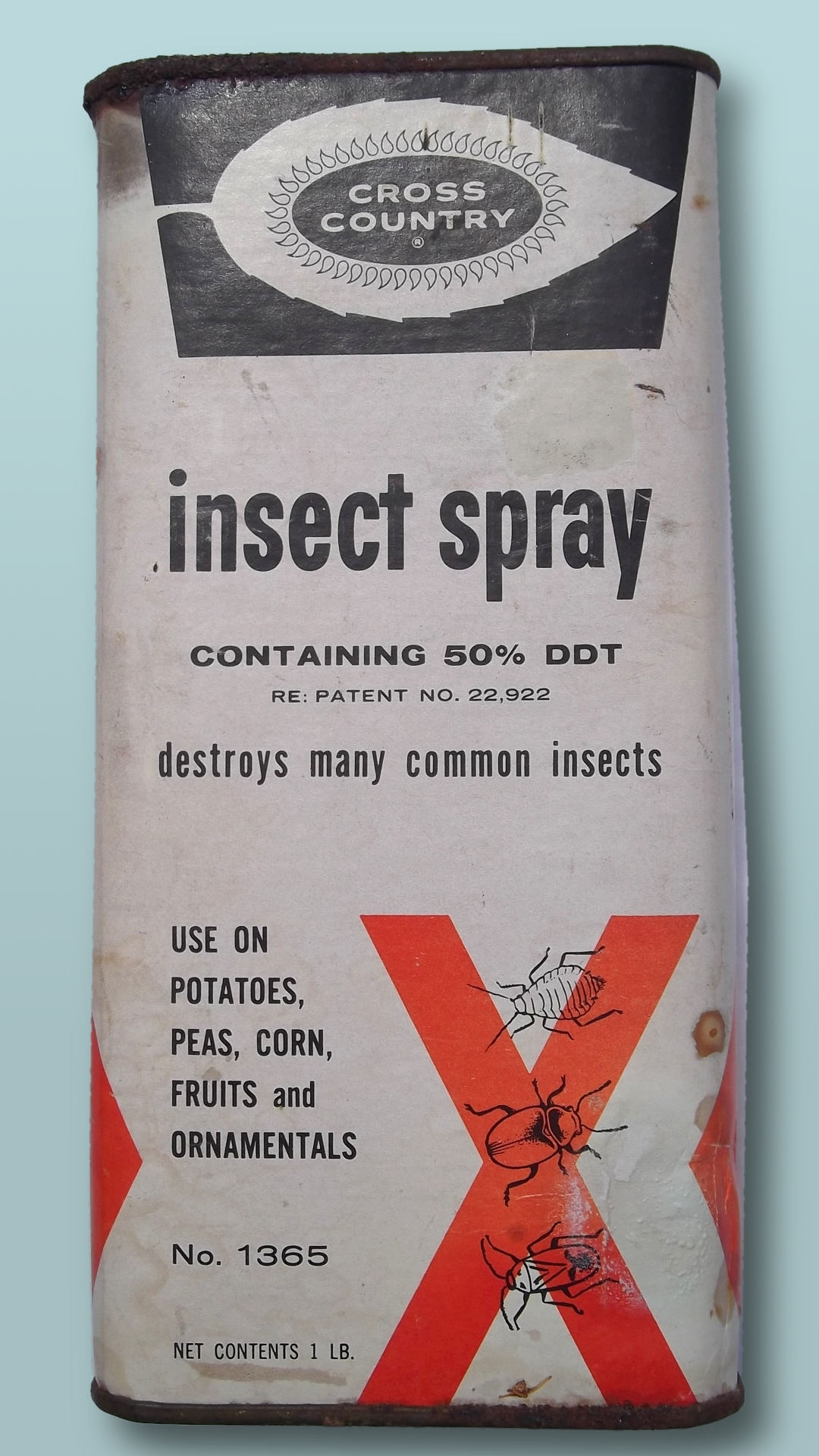
The yard was also the farm and garden supply, and the shelf carried the insecticides and herbicides of the period, including the persistent organochlorines, sold in quantity to anybody who wanted them with no training and no record.
DDT’s major American agricultural uses were cancelled by the Environmental Protection Agency in 1972, chlordane and heptachlor termite uses followed in 1988, and the restricted-use category now limits a defined list of products to certified applicators with record-keeping requirements.
The farm trade is where the volume was. A yard like this was a significant point of distribution for compounds that were later found to persist and accumulate, and the people measuring the heaviest occupational exposures were the staff handling the bags.
8. Ran a cutting shed with no guard on the saw
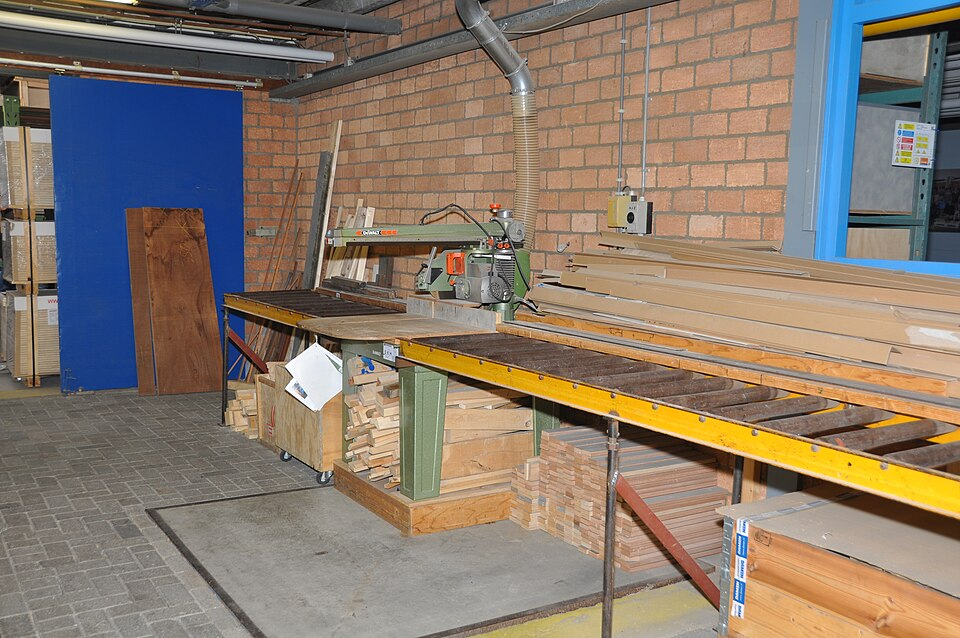
Yards cut to order, and the machine was commonly a radial arm saw or a large table saw in an open shed, with the blade exposed, no riving knife, no crown guard, no anti-kickback device and the operator’s hands feeding stock by eye.
American machine guarding requirements cover points of operation and require guarding of saw blades, with specific provisions for the machines used in this trade. A saw set up the 1965 way would be shut down on sight.
The radial arm saw in particular has effectively left the American market for a reason connected to this: its geometry makes it prone to climbing toward the operator, and the sliding compound mitre saw that replaced it is a safer tool doing most of the same work.
9. With no dust collection of any kind
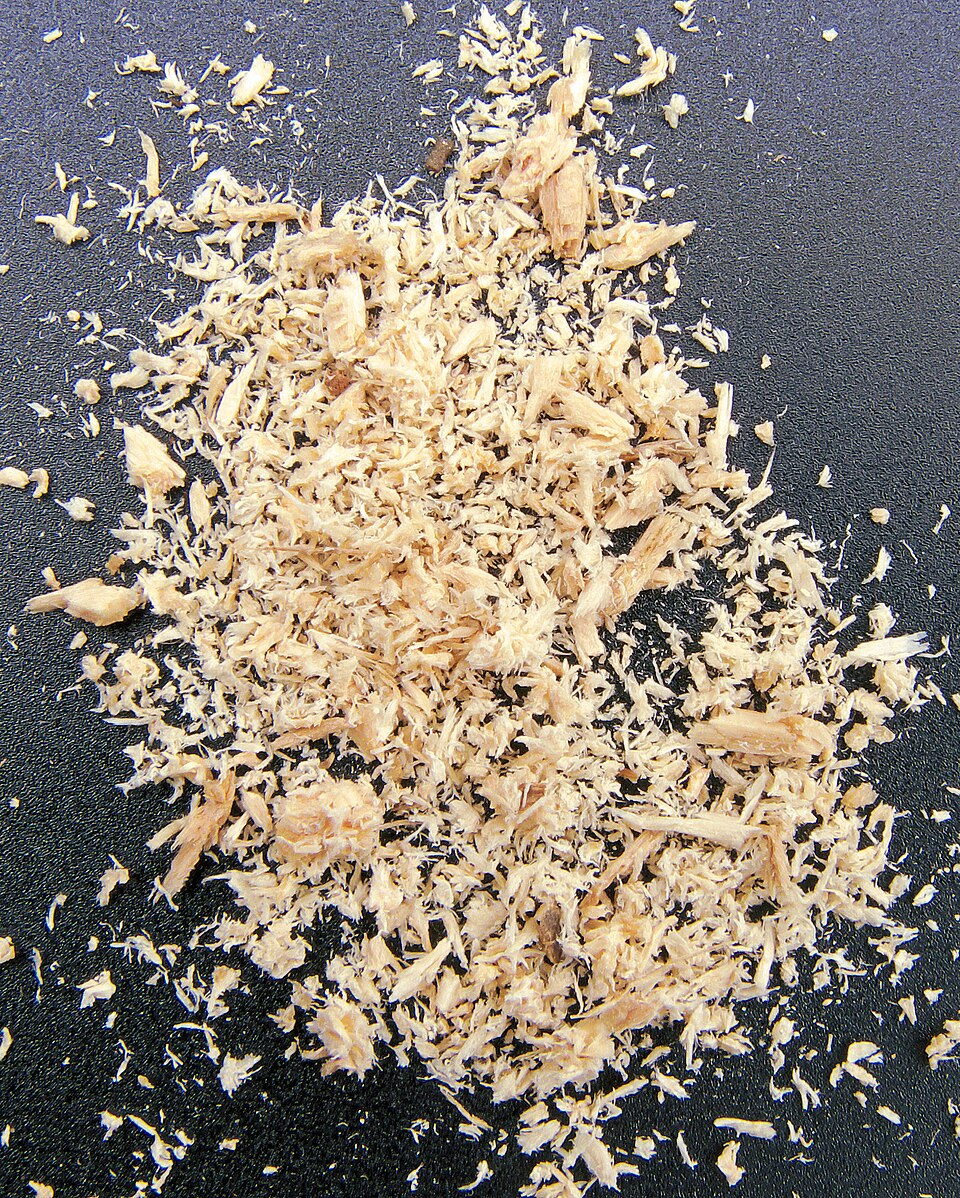
The shed had sawdust on the floor, in the air and on everybody. Dust was swept up and sometimes blown down with an air line, and nobody wore anything over their face.
Wood dust is now recognised as a carcinogen, with hardwood dust the clearest case, and American workplaces are subject to exposure limits requiring collection at the machine, ventilation and respiratory protection where needed. Dry sweeping and air-line blowdown both make the exposure worse rather than better.
The smell of a cutting shed is one of the most powerful sense memories anybody has of a lumber yard, and what people are remembering is an airborne concentration of a recognised carcinogen. Both halves of that sentence are true.
10. In noise nobody was protected against
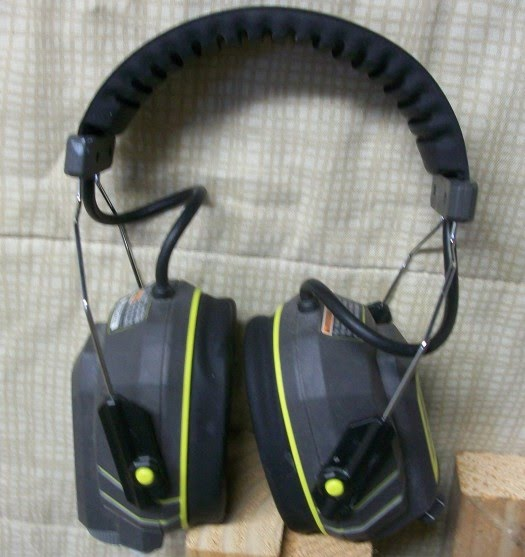
A yard runs saws, planers, forklifts and delivery trucks, and the cutting shed in particular is loud enough to cause permanent hearing loss over a working life. Hearing protection was not issued, not required and not worn.
American hearing conservation requirements set a measured action level with monitoring, provision of protection and audiometric testing. Occupational hearing loss is among the most commonly recorded industrial conditions in the country.
This is the cheapest item on the list to have fixed and the one that affected the most people. Ear defenders cost almost nothing and were absent because nothing required them, which is the recurring answer across every workplace in this series.
11. Ran forklifts with no overhead guard and no trained operator
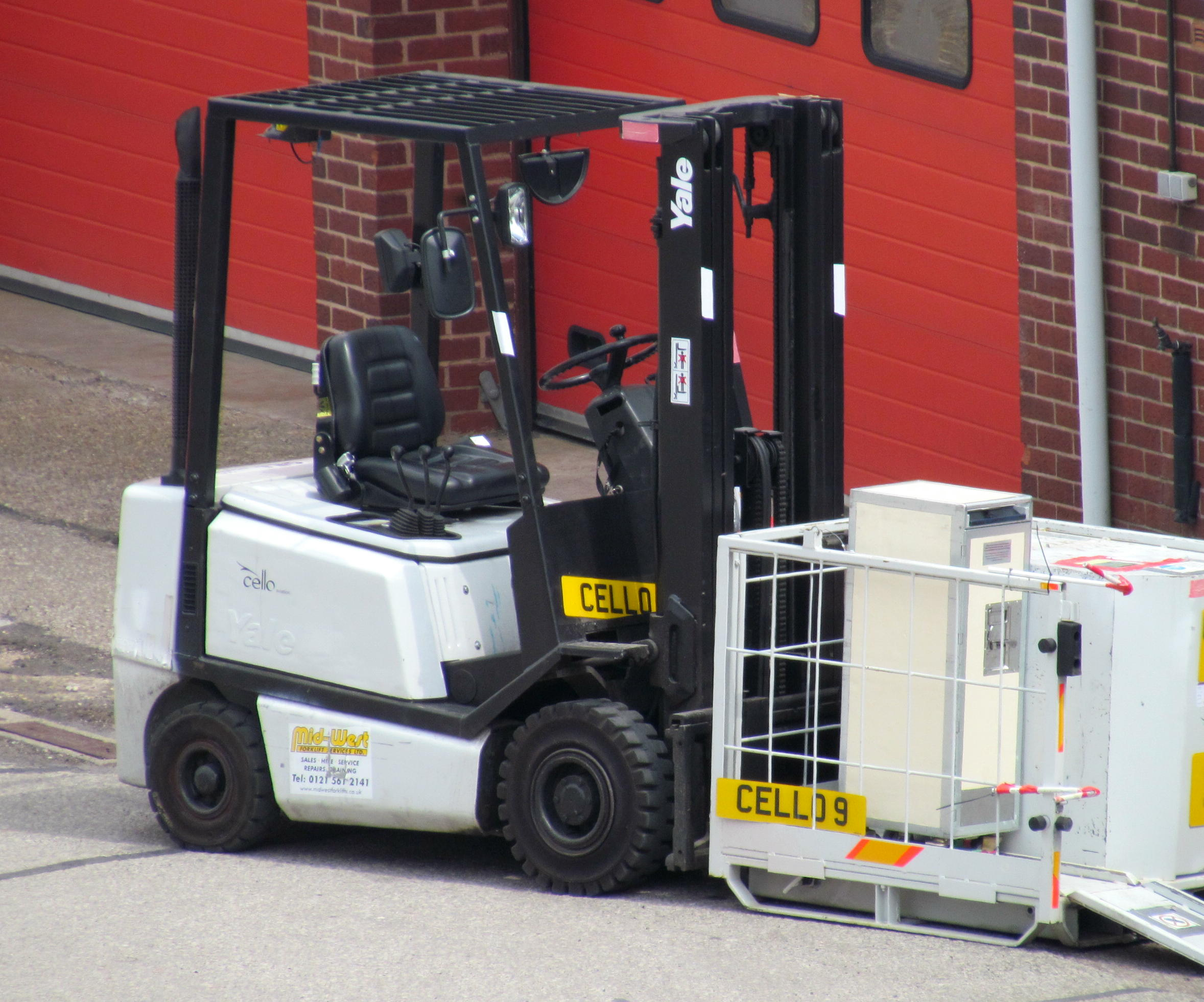
Yard forklifts were operated by whoever was available. There was no certification, no formal training, frequently no overhead falling-object guard, no seat restraint and no reversing discipline in a yard shared with customers on foot.
American rules now require documented operator training and evaluation for powered industrial trucks, with a formal certification requirement in force since 1999, together with equipment standards covering guards and restraints and traffic separation in the workplace.
The pedestrian question is the one that matters most in a retail yard. A 1965 lumber yard had customers walking between stacks while loaded trucks manoeuvred, with no marked routes and no separation, which is the arrangement every modern yard is laid out to prevent.
12. Roped the load on and waved the truck off
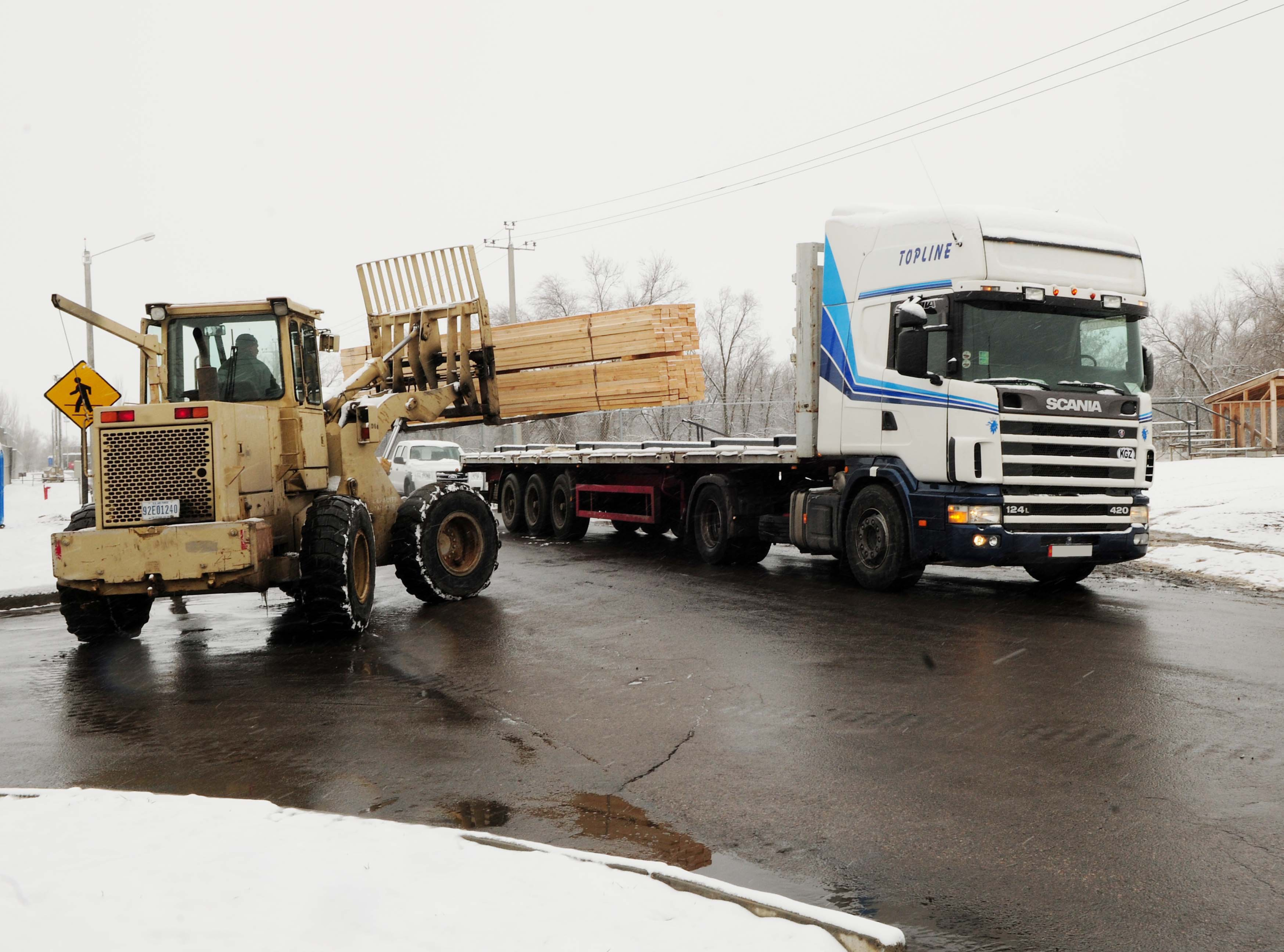
Deliveries went out on flatbeds with the load secured by rope, and long material overhung the back with a rag tied to the end of it. Securing was a matter of the driver’s judgement and the rope he had.
American load securement regulations now specify minimum numbers of tie-downs by length and weight, working load limits for every device, headerboard and blocking requirements, and specific rules for lumber. Rope is not an acceptable tie-down for this kind of load.
Lost loads are the reason. A bundle of long timber coming off a flatbed on a highway is one of the most dangerous things in road freight, and the rules were written in response to the pattern rather than to any single event.
13. Stacked lumber in piles nobody had engineered
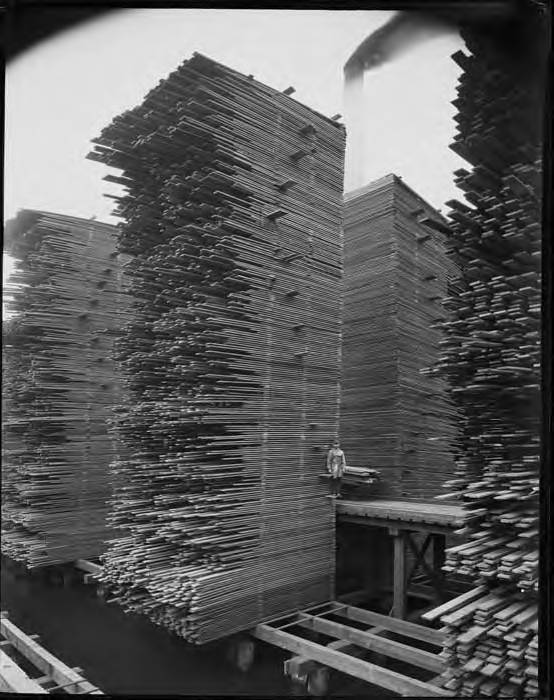
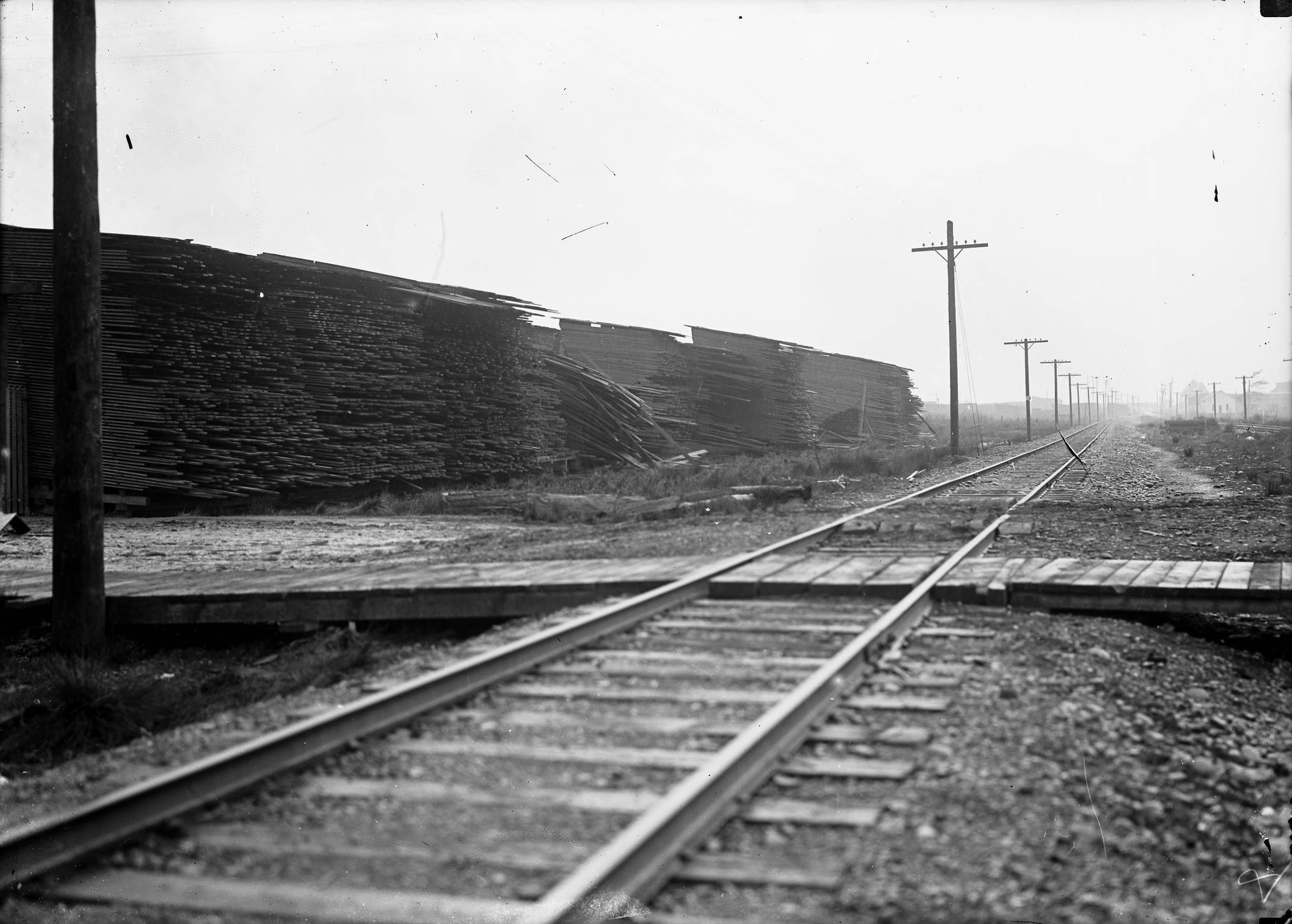
Material was stacked high by eye, between uprights that may or may not have been adequate, on ground that may or may not have been level, with customers and staff walking between the stacks.
Storage and stacking are addressed in American workplace rules, with height limits, stability requirements, racking that is designed and inspected rather than improvised, and restrictions on working beneath stacked material.
A collapsing stack is the hazard a yard worker from that era will mention first, ahead of the saw, and the modern answer is engineered racking rather than skill. The skill was real and it was being asked to do a job that a steel frame does better.
14. Quietly changed what a two-by-four actually measured
A two-by-four has never measured two inches by four, because it is planed down from the rough-sawn dimension. What is less known is that the finished size was reduced again in the mid-1960s under the American lumber standard, so a modern piece is thinner than one from before the change.
The standard is voluntary and industry-administered, and grade stamping now identifies the grade, the species group, the mill and the moisture condition, which is the information a builder needs and which was far less consistently available before.
This is on the list because it is the only item here that is purely commercial and because it causes genuine problems in renovation. Matching new framing to old in an American house built before the change requires packing out, and a great many people discover this halfway through a job.
15. Burned the scrap in a pile at the back
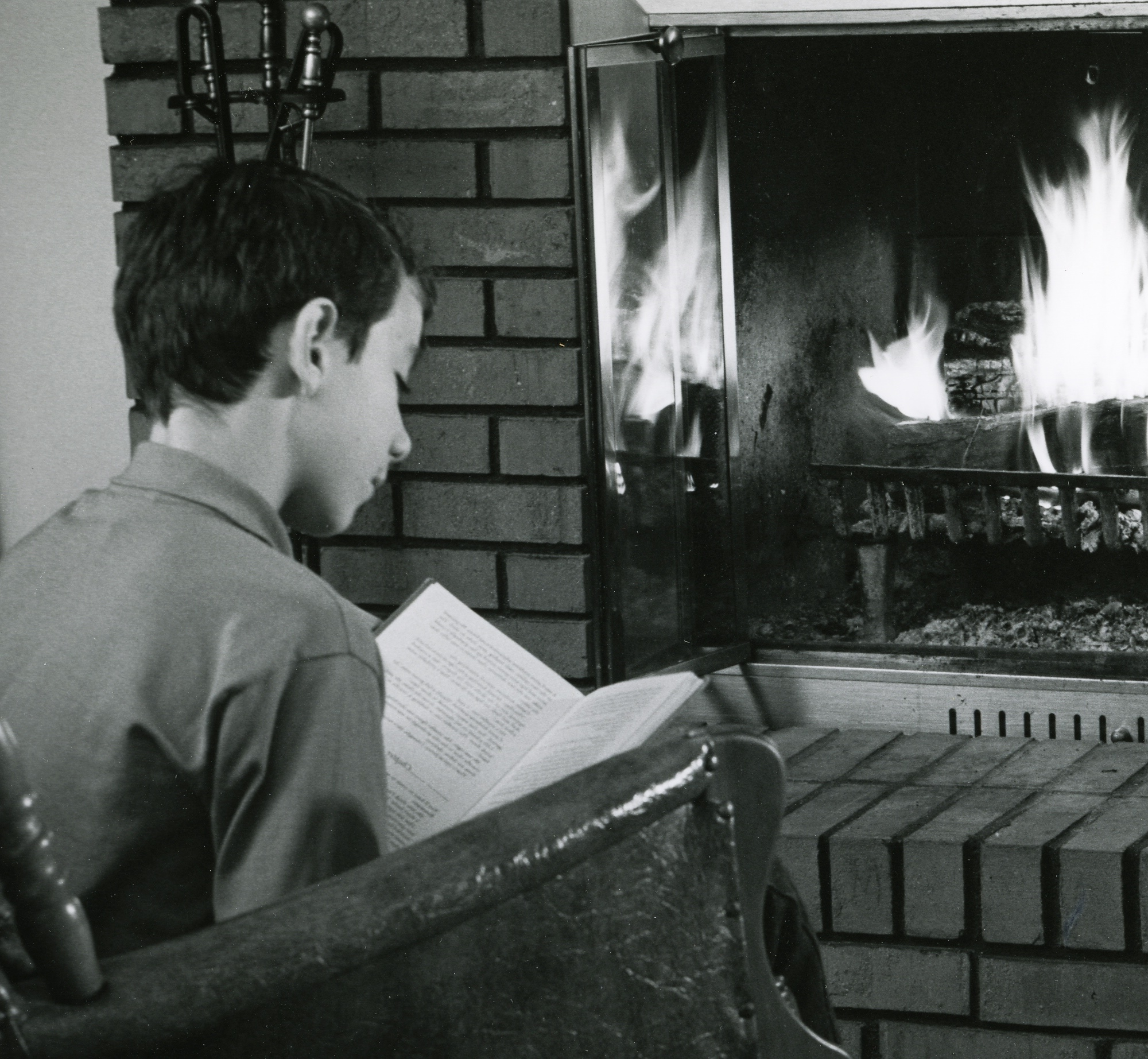
Offcuts, broken pallets, packaging and treated-timber ends were burned on site in an open pile, which is what everybody did with waste wood and which disposed of it for nothing.
Open burning is now prohibited or permitted only under narrow conditions across most American jurisdictions, and burning treated or painted wood specifically is prohibited, because combustion of preservative-treated timber releases the preservative and its combustion products into the air and concentrates them in the ash.
That last point is the serious one and it was not understood. A yard burning creosote and pentachlorophenol-treated offcuts was producing exactly the exposure the treatment chemicals were later restricted for, in an uncontrolled fire, next to the place people worked.
16. Had nothing written down about any of it
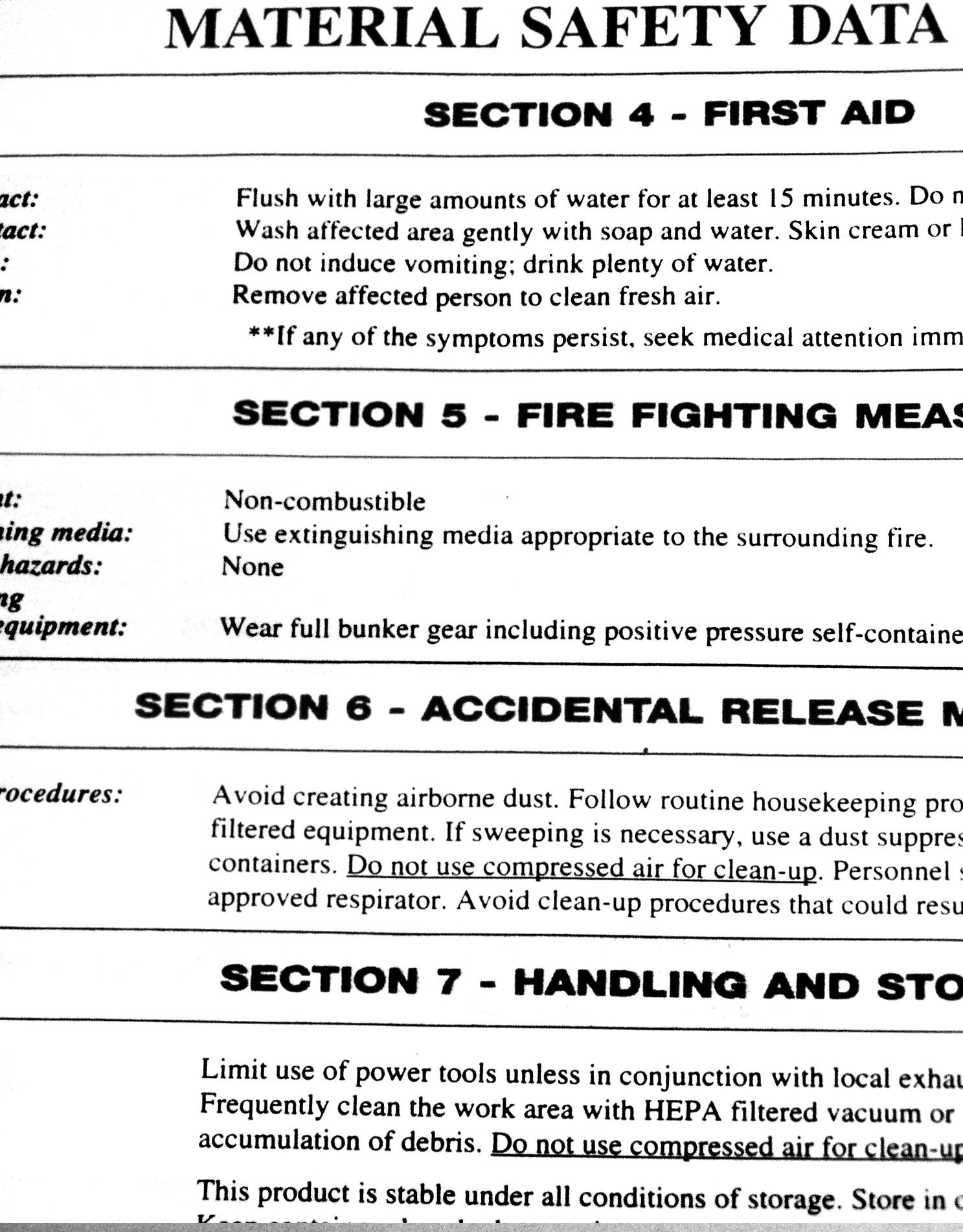
There were no safety data sheets, no hazard communication programme, no exposure monitoring, no training records and no written procedure for anything above. The yard ran on what the men knew and what the owner thought reasonable.
The Occupational Safety and Health Act was passed in 1970 and the hazard communication standard requiring that workers be told what they are handling followed in the 1980s. The pesticide and preservative products on the shelves now carry labels that are themselves legally enforceable instructions.
That is the honest summary of the yard. The men selling creosote, cutting asbestos sheet, decanting solvent and stacking treated timber were competent at all of it, and nobody had told them what any of it was.
Two substitutions and a label
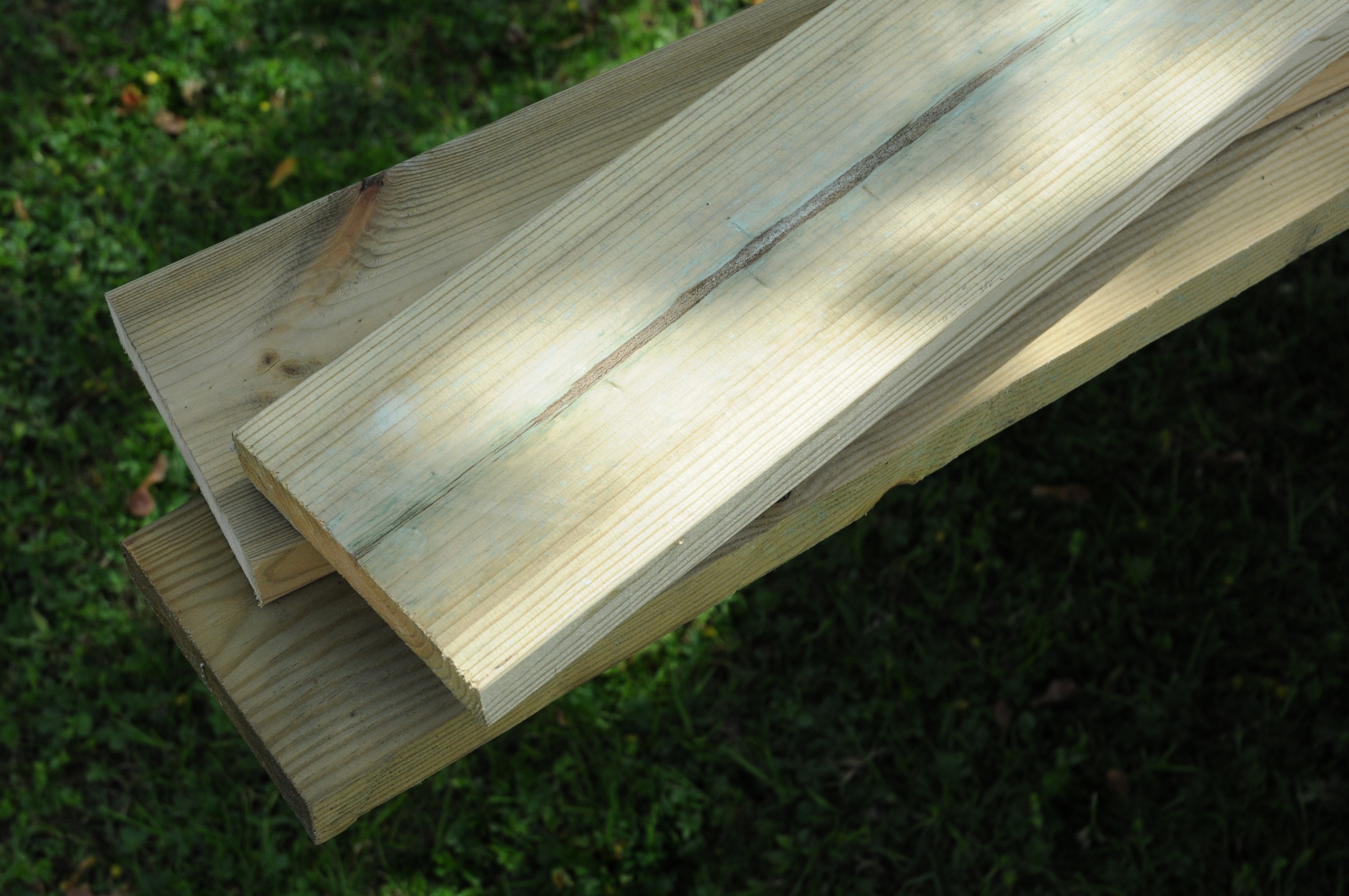
The preservative story is the one to take away, because it has now run a complete cycle twice. Creosote and pentachlorophenol were the 1965 standards, both were restricted out of consumer hands, the copper and arsenic formulation that replaced them dominated American residential lumber for thirty years and was withdrawn from that use at the end of 2003, and the current generation of copper-based treatments is the third answer to the same question.
That pattern should make anybody cautious about the current one, and it is also a reasonable argument that the process works. Each substitution was made on the evidence available, each was adopted at enormous scale, and each was reconsidered when better evidence arrived. The yard of 1965 was not selling anything it had been told was dangerous. It was selling the best available answer, which is what the yard down the road is doing now.
The thing a visitor would notice first in a modern yard is the paint on the floor: marked pedestrian routes, hatched exclusion zones around the racking, and a separate counter rather than customers walking among the stacks and the trucks. That is the forklift rule and the stacking rule made visible.
The thing they would not notice is the paperwork, and that is where most of this list actually went. The yard did not stop selling chemicals. It started having to say what they were.
Like our content? Follow us for more.