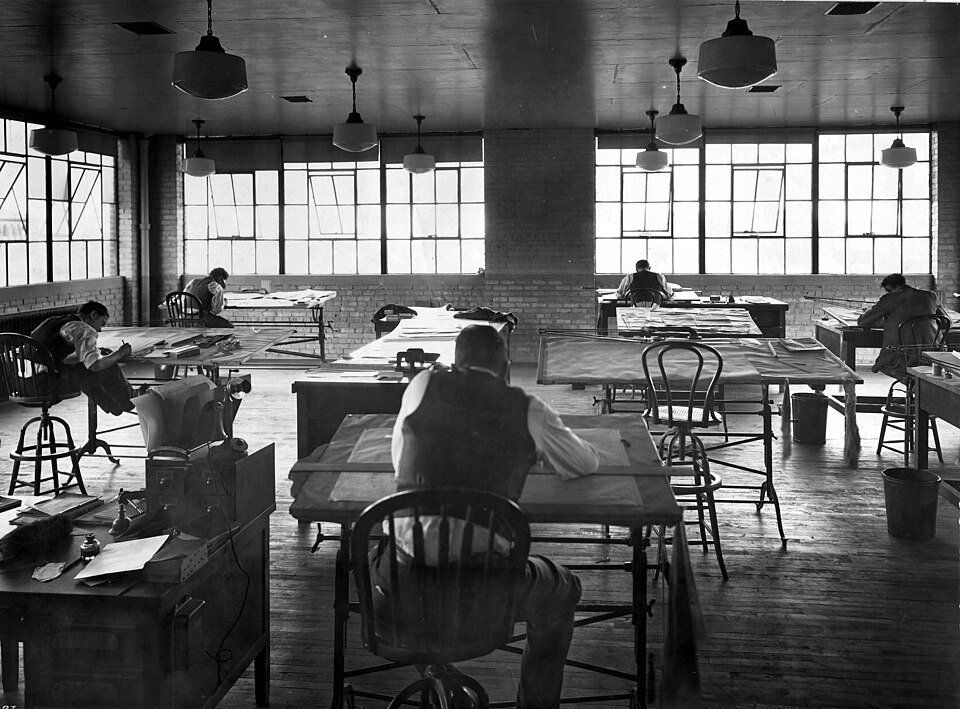
The drafting room produced the drawings American industry was built from, and it is the most completely vanished workplace in this series: not reformed, not reduced, but replaced wholesale by a screen. The boards, the instruments, the print machine, the tracing and the job classifications all went inside about fifteen years.
What was in the room while it existed was a set of solvent and chemical processes with one set of windows, and an employment structure that put a large number of skilled women in a separate grade. Here are fourteen things that room did, and what each of them ran into.
1. The ammonia whiteprint machine, vented straight into the room
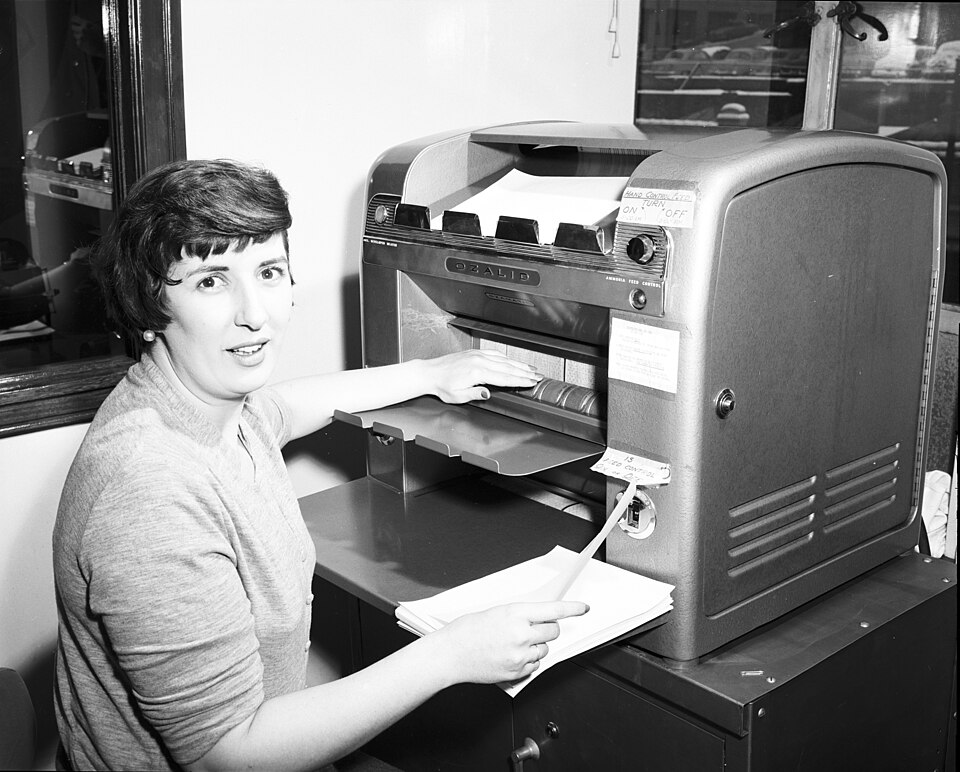
Drawings were reproduced on a diazo whiteprint machine, which developed the copy in ammonia vapour. The machine stood in the corner of the drafting room, the vapour came out of it, and the smell was the smell of the trade.
Ammonia is a severe respiratory and eye irritant and American occupational exposure limits apply to it. Machines of this kind required ducted extraction to outside and scrubber cartridges, and the technology was displaced entirely by large-format photocopying and then by plotters.
Everybody who worked in a drafting room remembers the smell and a good number remember the headaches and the streaming eyes. Those were the acute effects and they were treated as a feature of the job rather than as a measurement anybody was taking.
Like our content? Follow us for more.
2. The older blueprint process, and the chemistry it used
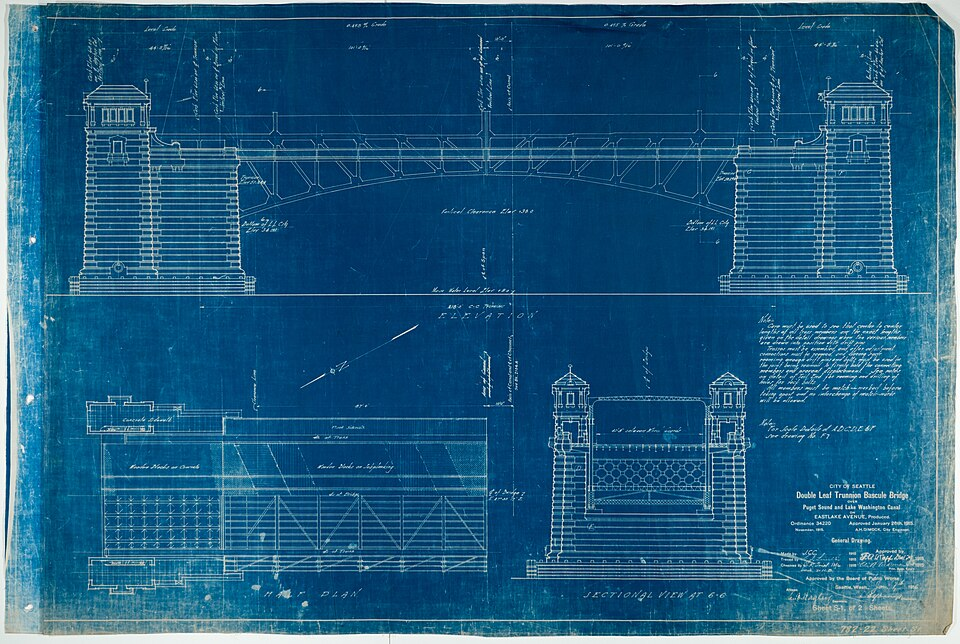
Before the whiteprint machine the drawing was reproduced as a true blueprint, by a photochemical process using iron compounds including a ferricyanide. The prints were washed in trays in a back room and hung to dry.
The ferricyanide used in that process carries one absolute handling rule, printed on every container that has ever held it: it must never be combined with acid, which releases a highly toxic gas. In a print room containing acidic rinses, that is not theoretical.
Nothing further is described here, deliberately. The process is obsolete and the prints survive in archives, where the distinctive white-on-blue line is the reason the word blueprint attached itself permanently to a thing that has not been blue since the 1950s.
3. A spirit duplicator and a thermal copier on the same floor
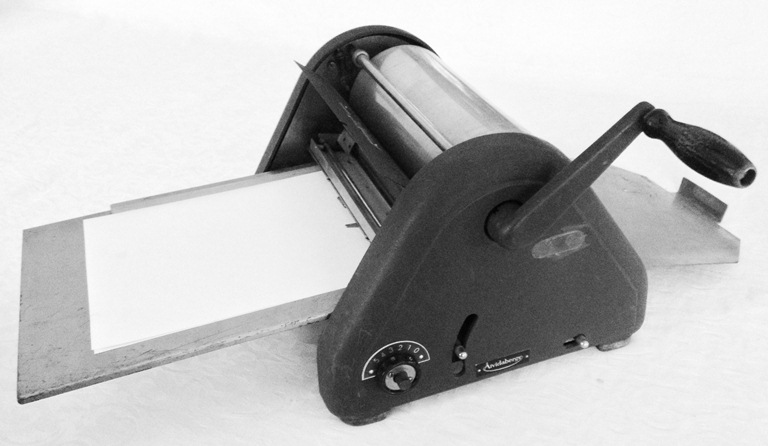
The drafting room shared its building with the duplicating equipment: the spirit duplicator with its solvent fluid, the thermal copier with its coated paper, and later the first office photocopiers with their own chemistry.
The spirit duplicator’s fluid and the thermal paper coatings were both subsequently reformulated or abandoned, and modern reprographics equipment is required to be sited with ventilation and to meet emission standards. The person operating any of it in 1965 was usually the most junior in the room.
The clerical side of this period’s office is covered separately in this series. What belongs here is that a drafting room in 1965 contained three separate solvent processes and one set of windows.
4. Rubber cement and spray fixative, used at the board
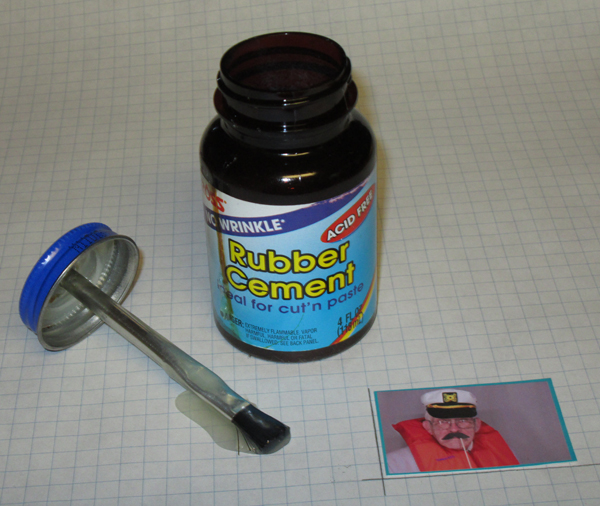
Paste-up was part of the work: rubber cement for mounting, spray fixative for pencil drawings, aerosol adhesives and correction products, all used at the drawing board in an open room with no local extraction.
The solvents in these products — aromatic and chlorinated hydrocarbons in various combinations — are subject to occupational exposure limits, and American consumer and professional formulations have been substantially changed, with several specific compounds restricted or withdrawn and water-based alternatives now standard for most uses.
Spray fixative is the worst of them because the aerosol delivers the solvent directly to the breathing zone of the person holding it, and it was used over a large drawing, repeatedly, in the middle of a room full of other people.
5. The electric eraser, and the dust it threw
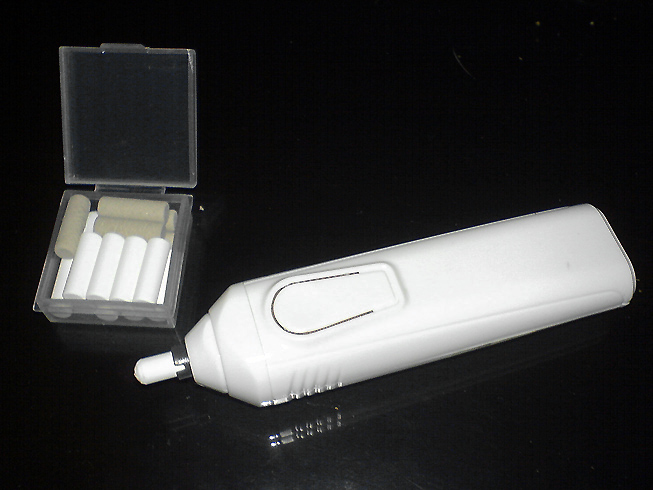
The electric eraser was a motorised cylinder of eraser material held against the drawing, and it produced a continuous spray of fine rubber and graphite crumb at the point of use, directly in front of the draughtsman’s face.
Nothing specifically prohibits it and nothing has replaced it, because the computer removed the task. The general requirement is dust control at the source, and the drafting room’s answer was a brush and a lungful.
Erasing was a far larger part of the job than people realise. A revision to a large drawing meant hours of erasing, and the dust from it settled on every surface in the room and was swept up dry at the end of the week.
6. Blew the erasings off the drawing, by mouth or with an air line
The standard technique for clearing a drawing was to blow it clear. A draughtsman blew the crumbs off with his own breath, or where a compressed air line existed, used that.
American rules limit compressed air used for cleaning to a low nozzle pressure with chip guarding and eye protection and prohibit use on a person. Blowing by mouth puts the draughtsman’s face directly over the dust at the moment it becomes airborne.
A drafting brush existed, cost very little, was supplied with most drawing sets and was used by some people. Blowing was faster, which is why it was nearly universal.
7. Sharpened graphite leads continuously over an open pointer
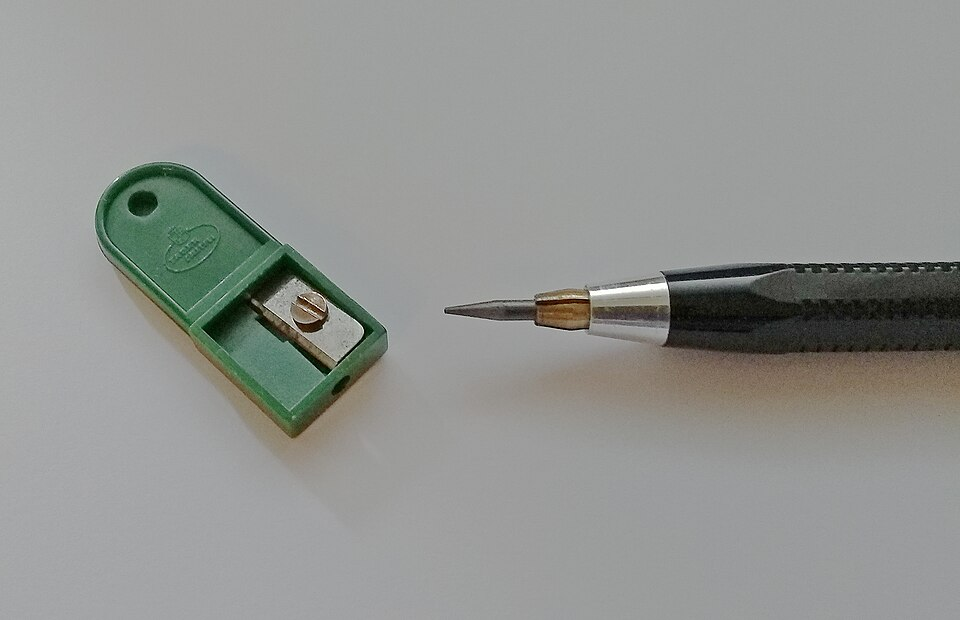
A draughtsman sharpened leads constantly, in a sandpaper block or a rotary lead pointer, producing graphite dust that collected in the pointer and across the board. Fingers were black and were wiped on a cloth or on clothing.
Graphite is not a significant toxic hazard and this item earns its place for a narrower reason: the dust transferred to hands, to the drawing, to food and to faces throughout the day, in a room that also contained ammonia, solvents and eraser crumb.
The honest point is about accumulation rather than about graphite. Nothing in the room was individually alarming and nobody was measuring the combination, which is the recurring situation in every workplace in this series.
8. Smoked at the board
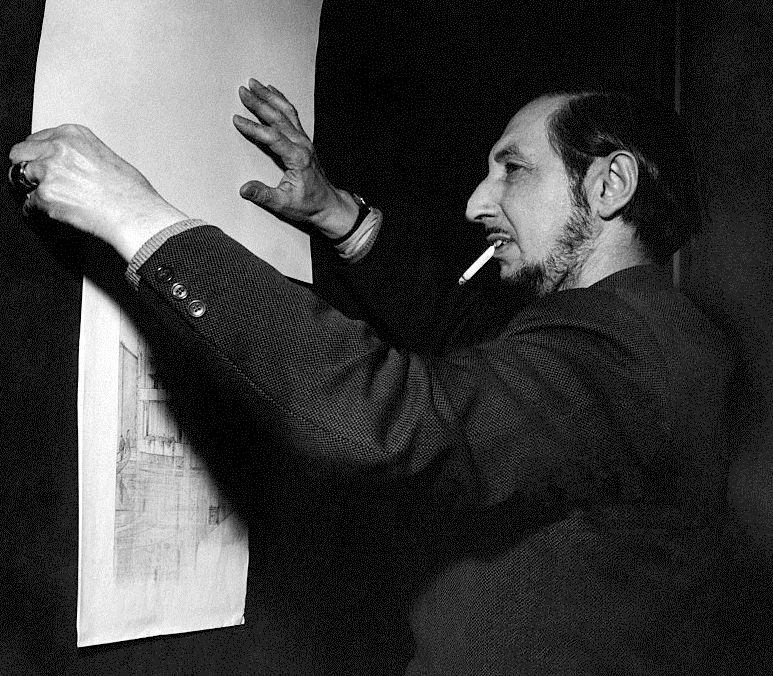
Draughtsmen smoked while working, with an ashtray on the board or on the stool beside it, in a room containing solvent adhesives, aerosol fixative, spirit duplicating fluid and a great deal of paper.
Smoking is prohibited in American workplaces across the great majority of states and municipalities, and smoking where flammable solvents are handled is separately addressed by fire codes. The combination of aerosol propellant and a lit cigarette is the specific concern.
The domestic side of American smoking in this period is covered separately in this series. What belongs here is the fire question and the fact that the room’s ventilation had to deal with tobacco smoke on top of everything else.
9. Spent eight hours at a board that did not adjust
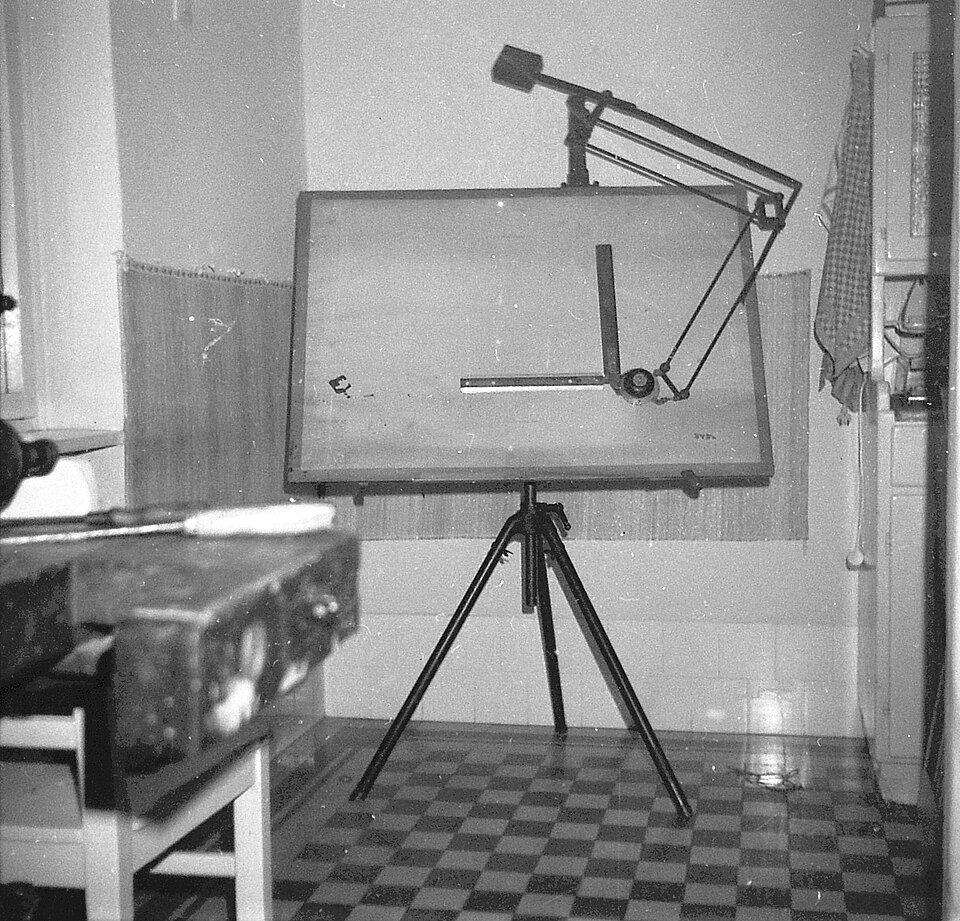
The drawing board was a fixed slab at a fixed angle on a fixed stand, worked at standing, perching on a high stool, or leaning forward across it, for a full shift, with the drawing reached across rather than moved.
American workplace guidance on musculoskeletal risk addresses workstation adjustability, reach, posture and task variation, and modern drafting stations where they survive are fully adjustable in height and angle. Repetitive strain in the hand and wrist from drawing instruments was a recognised trade complaint.
The reaching is the part that did the damage. A large drawing requires the draughtsman to extend across it repeatedly at the limit of reach, which is the posture ergonomics guidance is written against, and the board did not move.
10. Worked under glare, with no task lighting standard
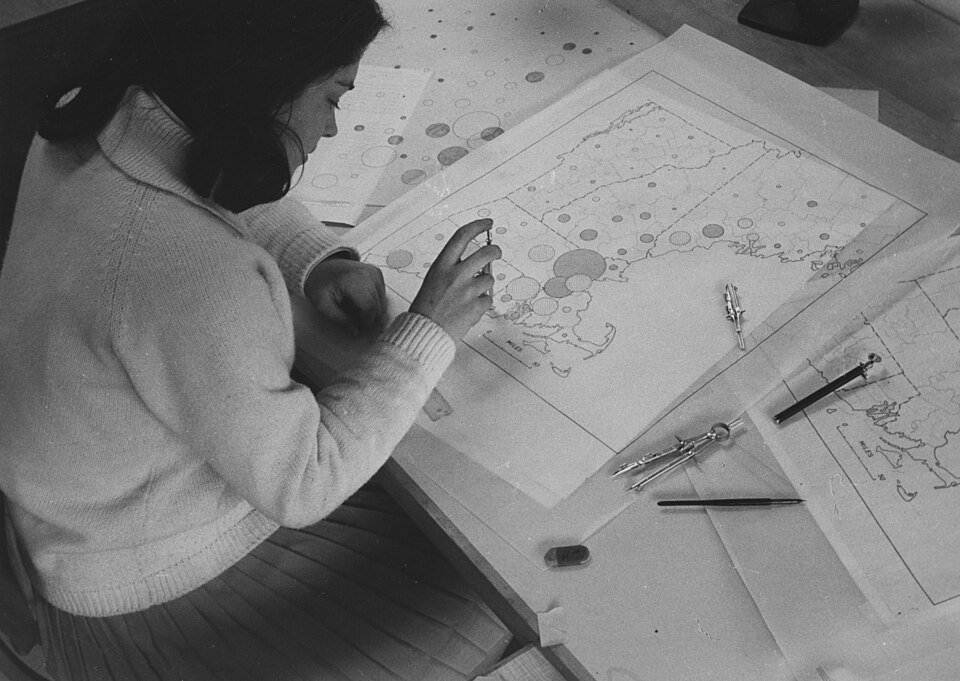
Lighting was overhead fluorescent, flat and bright, with no task lighting and no control of reflection off a white drawing surface. Drafting rooms were lit for brightness rather than for seeing fine lines.
American lighting guidance for detailed visual work specifies task illuminance, contrast and glare control, and the drafting board’s white surface under a bright overhead source is close to the worst case for reflected glare.
Eye strain was the universal complaint of the trade and it was treated as inevitable. It was not; it was a lighting design problem, and the solution — a task lamp and a reduction in overhead glare — cost almost nothing.
11. Employed women as tracers, on a separate and lower grade
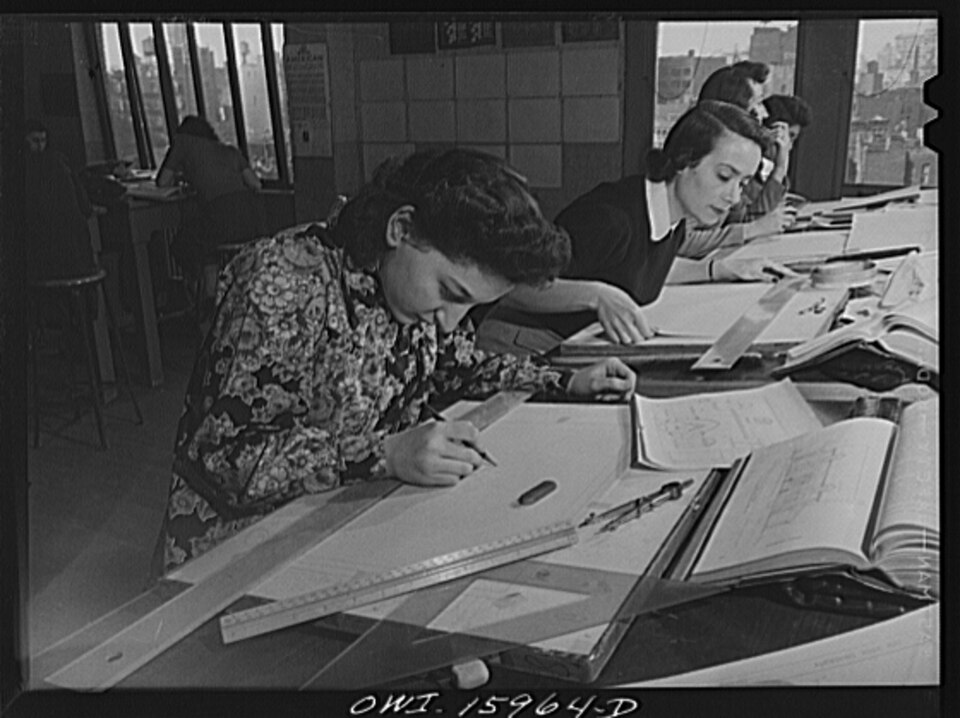
Drafting rooms employed women in substantial numbers, overwhelmingly in a distinct job classification — tracer, or detailer — which involved inking and copying a draughtsman’s pencil drawing onto linen or film, at a lower grade and lower pay, with no route into design work.
Title VII of the Civil Rights Act of 1964 took effect in 1965 and prohibited employment discrimination on the basis of sex, and the Equal Pay Act of 1963 prohibited unequal pay for substantially equal work in the same establishment. The durable mechanism was the classification rather than the rate, which placed comparable work outside the comparison the act required.
The tracers’ work was skilled and is visible on every drawing of the period, because the inked line is theirs. A great many American engineering drawings were drawn by one person and made by another, and the archives credit the first.
12. Had no eye protection anywhere in the room
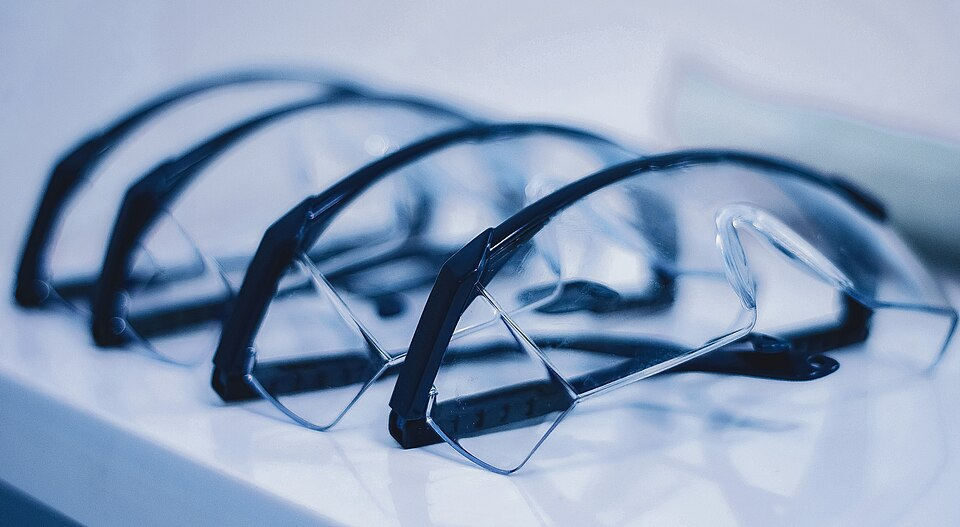
There was no eye protection at the board, at the eraser, at the print machine or at the trays. Ammonia vapour, solvent aerosol, rubber dust and chemical rinses were all handled with nothing over the eyes.
Eye protection is required under American rules wherever there is a reasonable probability of injury from chemical splash, vapour or flying particles, and the print room and the aerosol work both qualify.
Ammonia is the one that matters most here, because the eye is the most sensitive tissue exposed to it and the drafting room’s exposure was continuous rather than incidental. The streaming eyes everybody remembers were the symptom.
13. Worked on polyester film with its own solvents
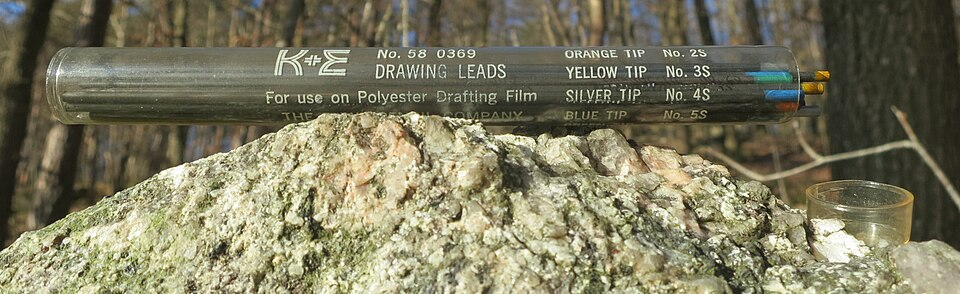
Polyester drafting film displaced linen and tracing paper for important work, and it required its own materials: specific inks, specific solvents for erasing and correction, and cleaning agents to prepare the surface.
Those solvents are subject to occupational exposure limits, several have been restricted or withdrawn from consumer and professional products, and the whole system became irrelevant when drawings stopped being physical objects.
The film is the reason a great many American drawings from the late 1960s onward survive in better condition than the linen ones. It is dimensionally stable and it does not rot, which was the point, and it brought a new set of chemistry with it.
14. Had nothing written down about any of the chemicals
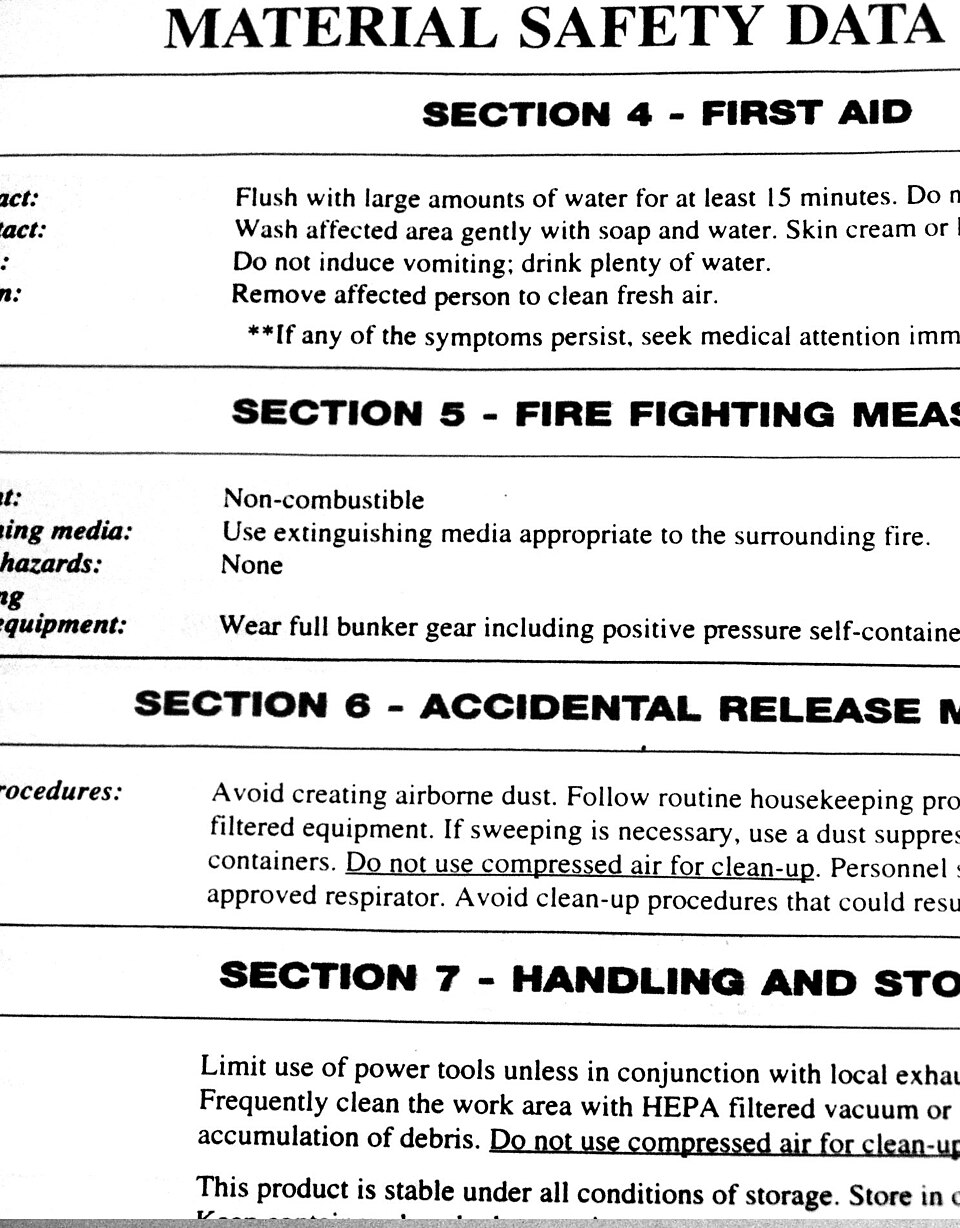
No safety data sheets, no hazard communication programme, no exposure monitoring, no ventilation specification and no written procedure for the print machine, the trays, the aerosols or the solvents.
The Occupational Safety and Health Act was passed in 1970 and the hazard communication standard requiring that workers be told what they are handling followed in the 1980s. Both postdate every practice in this file.
That is the honest summary. A room full of highly skilled technical people, producing the drawings that American industry was built from, and not one piece of paper telling any of them what was coming out of the machine in the corner.
The screen ended it before the rules arrived
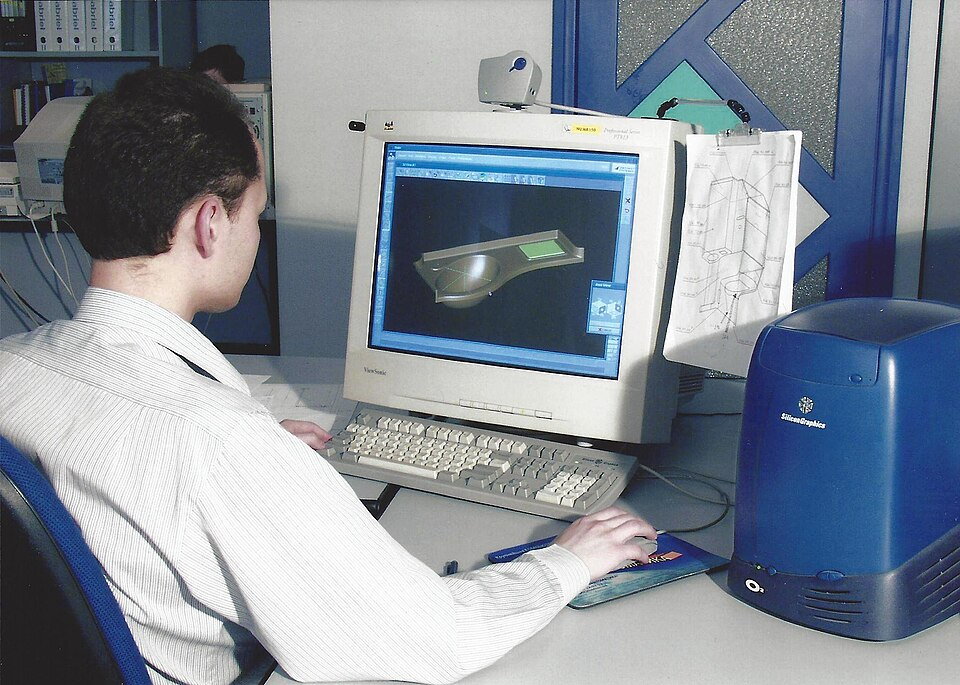
The drafting room is unusual in this series because almost nothing on this list was fixed. It was abandoned. The ammonia machine, the print trays, the aerosol fixative, the electric eraser, the fixed board and the polyester film all disappeared not because anybody regulated them but because computer-aided design made the entire apparatus unnecessary within a generation.
That means the occupational rules that would have governed this room — hazard communication, exposure limits, local extraction, eye protection, ergonomics — mostly arrived after the room had gone. The men and women who spent careers in it worked the whole time in the gap: after the hazards were knowable and before anybody was required to tell them, and then the job itself ended.
The tracers are the part of this worth remembering properly. A very large number of American engineering drawings were drawn in pencil by one person and inked onto film or linen by another, and the second person was almost always a woman on a lower grade with no route upward. The line on the drawing is hers.
The smell is the other thing. Everybody who was in one of those rooms remembers the ammonia, and what they are remembering is an exposure nobody measured.
Like our content? Follow us for more.