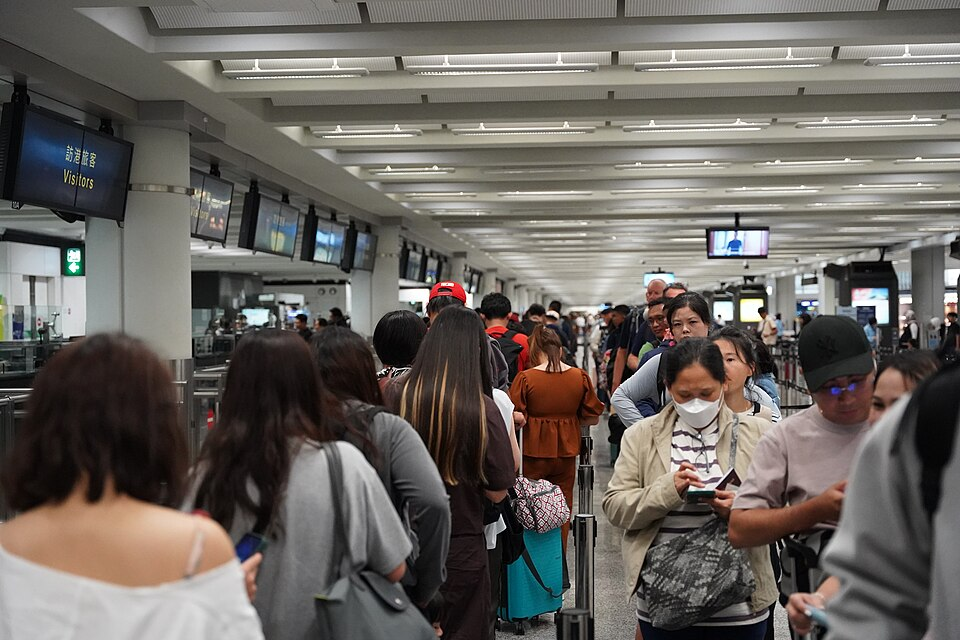
The thing most travellers get wrong about borders is the structure. A visa is permission to request entry; the decision is made on arrival, by a person, and the burden of satisfying them that you qualify is yours. Nothing about holding the right documents reverses that.
Which is why the common refusals are so mundane. Not a forged passport or a criminal record, but an unbooked return flight, an inability to show funds, no address for the first night, a miscounted ninety days, or an honest answer to a question about working that fell outside the category. Rules and powers differ enormously by country and change, so each item here is a prompt to check the destination’s own immigration authority rather than a statement about any particular frontier. Here are sixteen reasons travellers are turned back, and what to carry instead.
1. No onward or return ticket
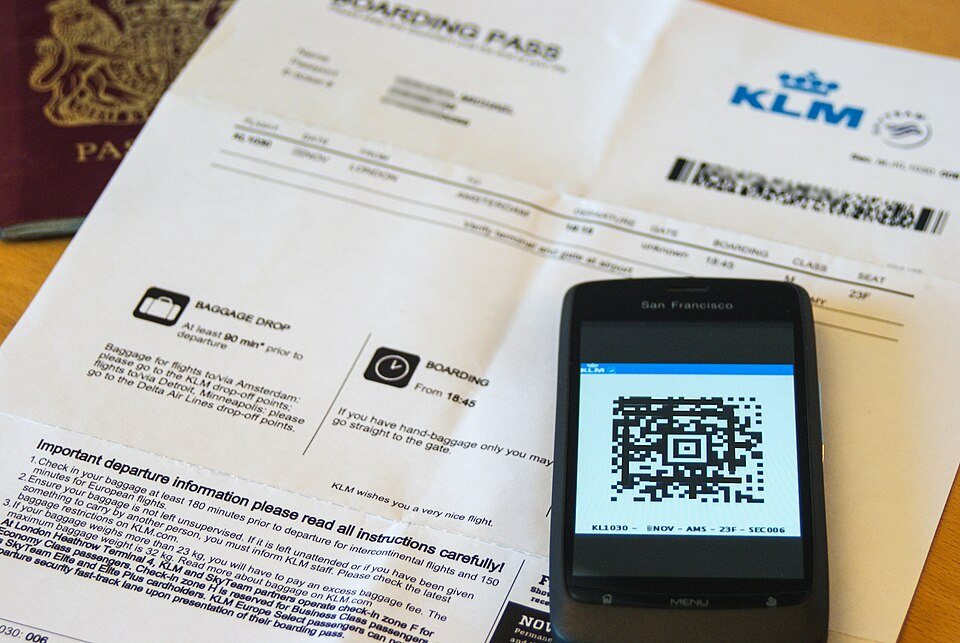
A visitor entering on a tourist basis is expected to be able to show that they intend to leave, and the standard evidence is a booked onward or return ticket. Many countries make it a formal condition of admission.
An officer who cannot see a departure has an applicant who, on the face of it, may be intending to stay, and the burden of satisfying them sits with the traveller rather than the other way round. Airlines also check it at the departure gate under carrier liability, so the refusal can happen before you fly.
Book the return before you travel, keep it accessible on your phone and printed, and if you genuinely intend an open-ended trip be ready to show an onward ticket out of the region. A refundable onward booking is a legitimate and widely used answer.
Like our content? Follow us for more.
2. Not being able to show you can support yourself
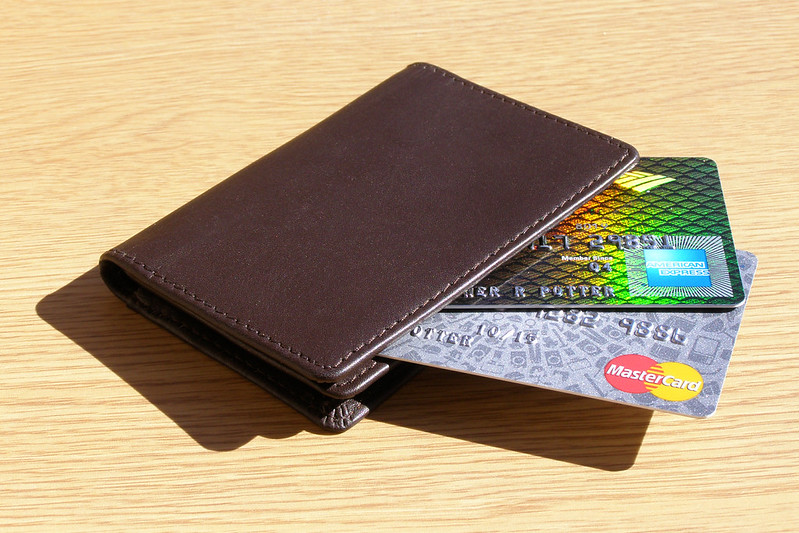
Most countries’ immigration rules require a visitor to have sufficient means for the length of the visit, and several publish an indicative daily figure. Officers can and do ask to see evidence.
Acceptable evidence is usually a combination of cards, a recent statement and a booked and paid itinerary. An applicant with no cards, no cash and no bookings, arriving for three weeks, has a problem regardless of how much money exists in an account they cannot demonstrate access to.
Travel with at least two working cards on different networks, have a statement or a banking app you can open without a data connection, and keep the accommodation confirmations together. The requirement is to be able to show it, not to prove wealth.
3. No proof of where you are staying

Hotel confirmations, a rental booking or an invitation letter with the host’s address are standard supporting evidence, and a number of countries require the address of your stay to be stated on arrival.
An applicant who says they will find somewhere is describing an intention rather than a plan, and in combination with any other weakness it is the point at which an interview becomes a refusal. Where you are staying with friends or family, the officer may want the host’s details and may telephone them.
Have the first few nights booked even on an open itinerary, carry the confirmations, and if you are staying privately bring the host’s full name, address and telephone number and tell them you have done so.
4. Miscounting the Schengen ninety-day rule
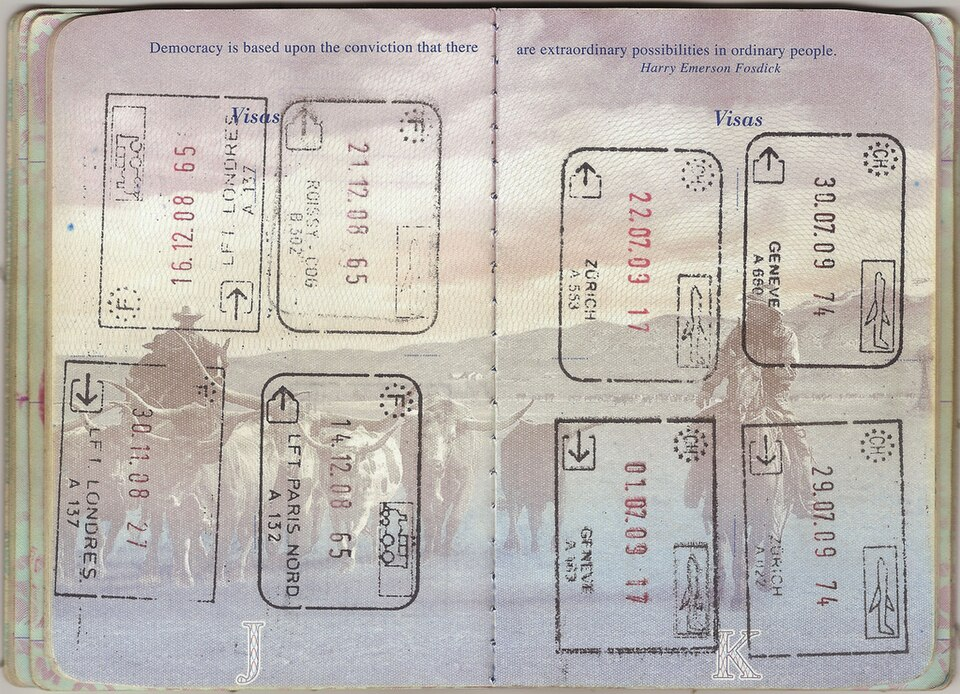
The Schengen area permits short stays of up to ninety days in any rolling one-hundred-and-eighty-day period across the whole area rather than per country, and the count is backwards-looking from the date of entry.
It is genuinely difficult to calculate by hand and the official online calculator exists because of how often people get it wrong. Days are counted including the day of arrival and the day of departure, time in any member state counts toward the same total, and an overstay of even a few days produces a refusal and frequently a recorded ban.
Use the official calculator before booking, not after, and recount if your plans change. The introduction of automated entry and exit recording across the area has removed the margin that used to exist when counting depended on legible stamps.
5. A previous overstay on the record
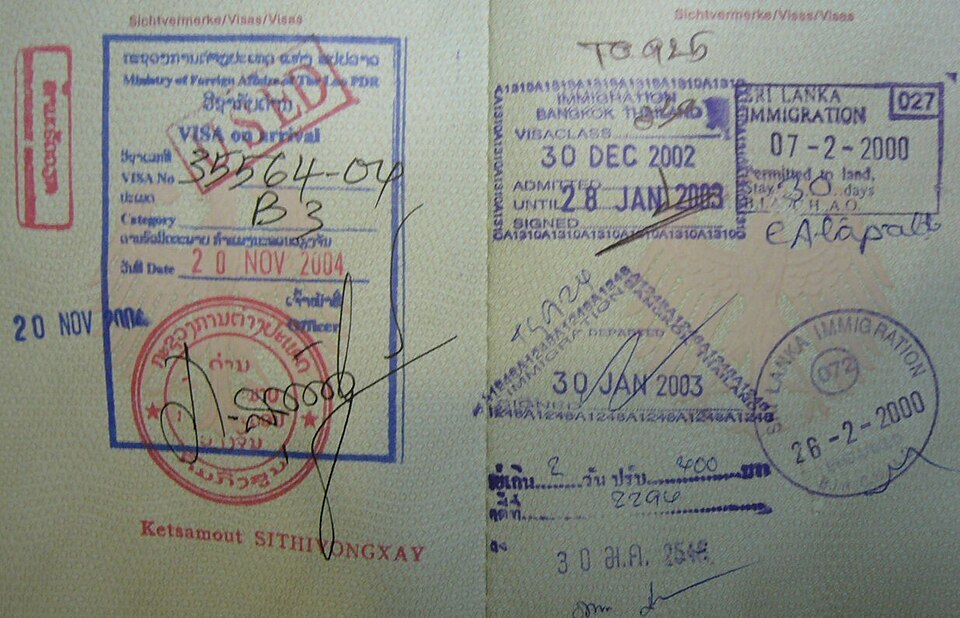
An earlier overstay, even a short one, even decades ago, even in a different country within the same bloc, is recorded and is visible to the officer in front of you. So is a previous removal or deportation.
The consequence ranges from additional questioning to a formal ban with a stated duration. The important point is that the traveller frequently does not know the record exists, because a short overstay that nobody commented on at the time may still have been logged.
If you have ever overstayed anywhere, find out what was recorded before you book, through the country’s own immigration authority rather than through a forum. Where a ban applies there may be a waiver route, and it takes months rather than days.
6. A previous refusal on the record
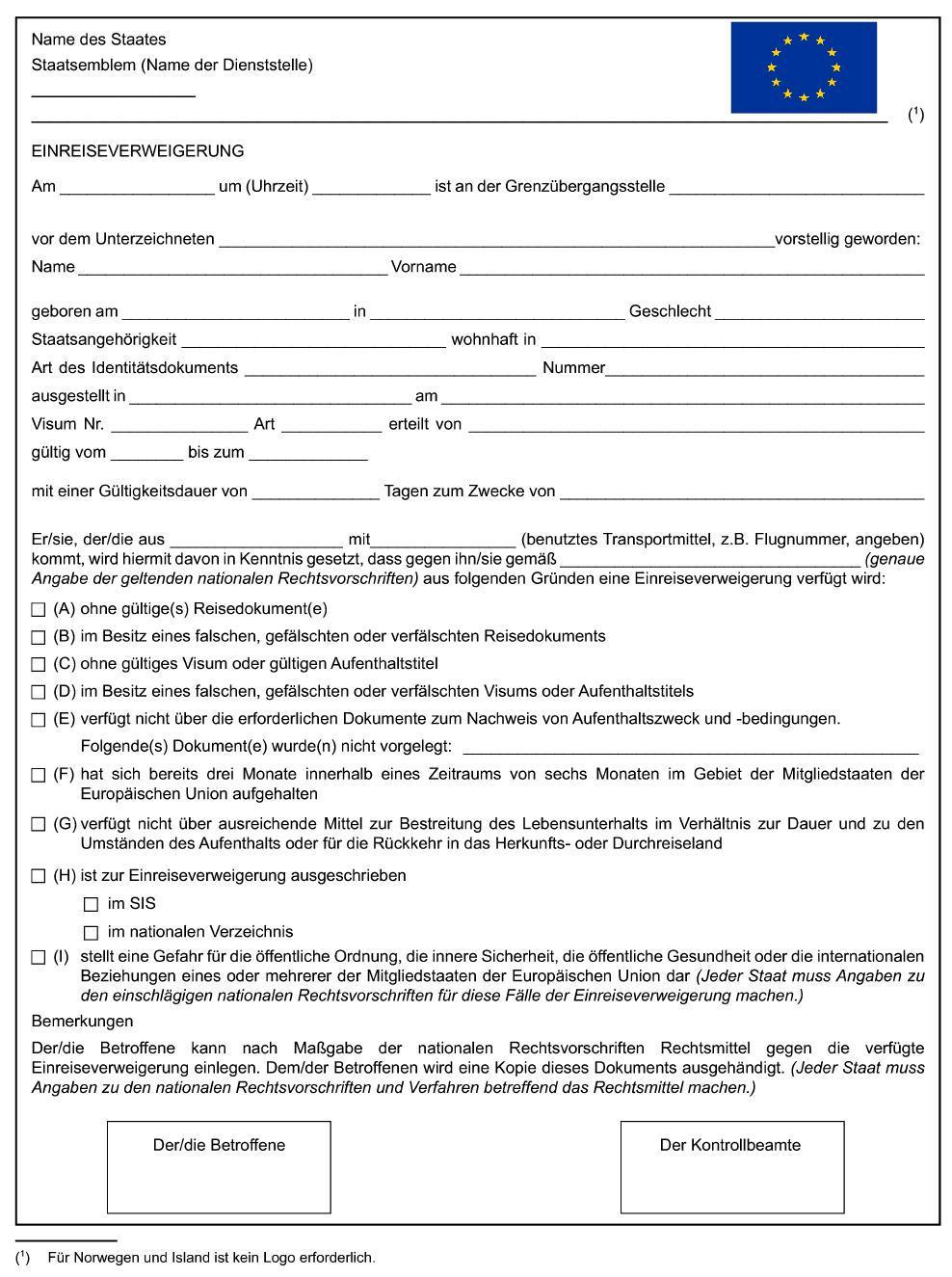
A refusal of entry, or a refused visa application, is recorded and must be disclosed on subsequent applications where the form asks. Concealing it is a far more serious problem than the original refusal.
Officers are not primarily assessing the old refusal; they are assessing whether you are being straightforward now. An undisclosed previous refusal discovered during an interview converts a borderline case into a certain one.
Disclose it, keep the paperwork, and be able to explain briefly and factually what happened and what has changed. A previous refusal is survivable and a false declaration generally is not.
7. A purpose of visit that does not match what you said
The grounds of admission are specific. A tourist entry permits tourism, and the officer is assessing whether the stated purpose matches the evidence — the bookings, the luggage, the length of stay, the answers.
Inconsistency is what triggers the problem rather than any single answer. A two-week tourist visit with a three-month return ticket, a suitcase of product samples, or an answer that drifts between holiday and business across the interview, all produce the same escalation.
Know what your entry permits before you arrive and describe your trip in those terms accurately. If the real purpose is business, a conference, a job interview or unpaid work, find out which entry category covers it, because several countries treat these differently.
8. Working remotely on a tourist entry

This is the grey area that has caught up with a large number of people. Working for a foreign employer from a laptop while on a tourist entry is permitted by some countries, prohibited by others, and unaddressed in the rules of many.
Where it is prohibited, admitting it at the border is a refusal, and the admission is usually volunteered rather than extracted, because the traveller does not realise it is a problem. A number of countries now offer specific remote-work or digital-nomad permits precisely because the tourist category does not cover it.
Check the destination’s position before you travel, and where a specific permit exists, use it. If you are entering as a tourist, your trip is tourism, and bringing a laptop to keep up with email is not the same proposition as describing yourself as working from the country for two months.
9. Carrying goods that look commercial
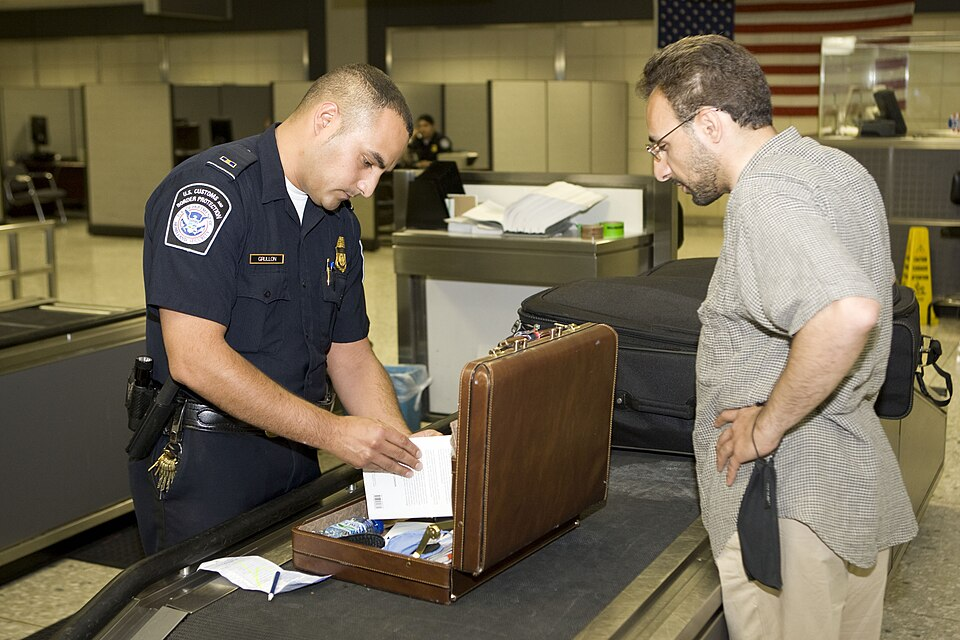
Quantities of merchandise, product samples, promotional material, tools of a trade or anything consistent with selling rather than visiting will be read as evidence of commercial purpose, and the customs and immigration questions run together.
The outcome can be a refusal on purpose-of-visit grounds, a customs liability, or both. Professional equipment is a particular trap: a photographer, a musician or a tradesperson arriving with their kit may need a specific entry category or a temporary importation document.
If you are travelling with professional equipment, research the correct entry route and the temporary admission procedure for the kit, which in many countries is a formal document obtained in advance. Keep quantities of anything saleable to plainly personal levels.
10. A device or online search that contradicts your story

Border officers in a number of countries have the power to inspect phones and laptops, and to look at messages, photographs, employment-related material and social media. The powers and the thresholds differ enormously between countries.
The practical risk is not that something incriminating is found but that something inconsistent is. A message about a job, an advertisement for a service you are providing, or a post describing a longer stay than you have declared will be put to you, and the inconsistency is the problem.
Travel with your story straight and your declaration accurate, because that removes the whole category of risk. Know the destination’s search powers before you go and understand what you are obliged to provide; if the matter is sensitive, take advice before travelling rather than at the desk.
11. A dual national entering on the wrong passport
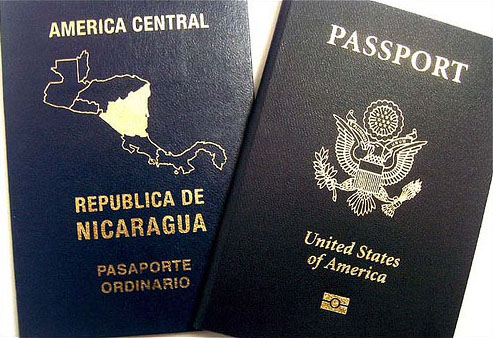
Some countries require their own citizens to enter and leave on that country’s passport, and a dual national presenting an American passport instead can be refused or held up, particularly where military service, tax or exit permission obligations attach to citizenship.
The complication is that the obligation may exist whether or not the traveller thinks of themselves as a citizen, including by descent, and entering on the local passport can activate duties that the traveller did not know applied.
If you hold or may be entitled to another nationality, establish the destination’s rules and your own status before travelling, through that country’s consulate. This is one of the few items on this list where the right advice is genuinely to ask a professional.
12. A visa in hand but the supporting document missing
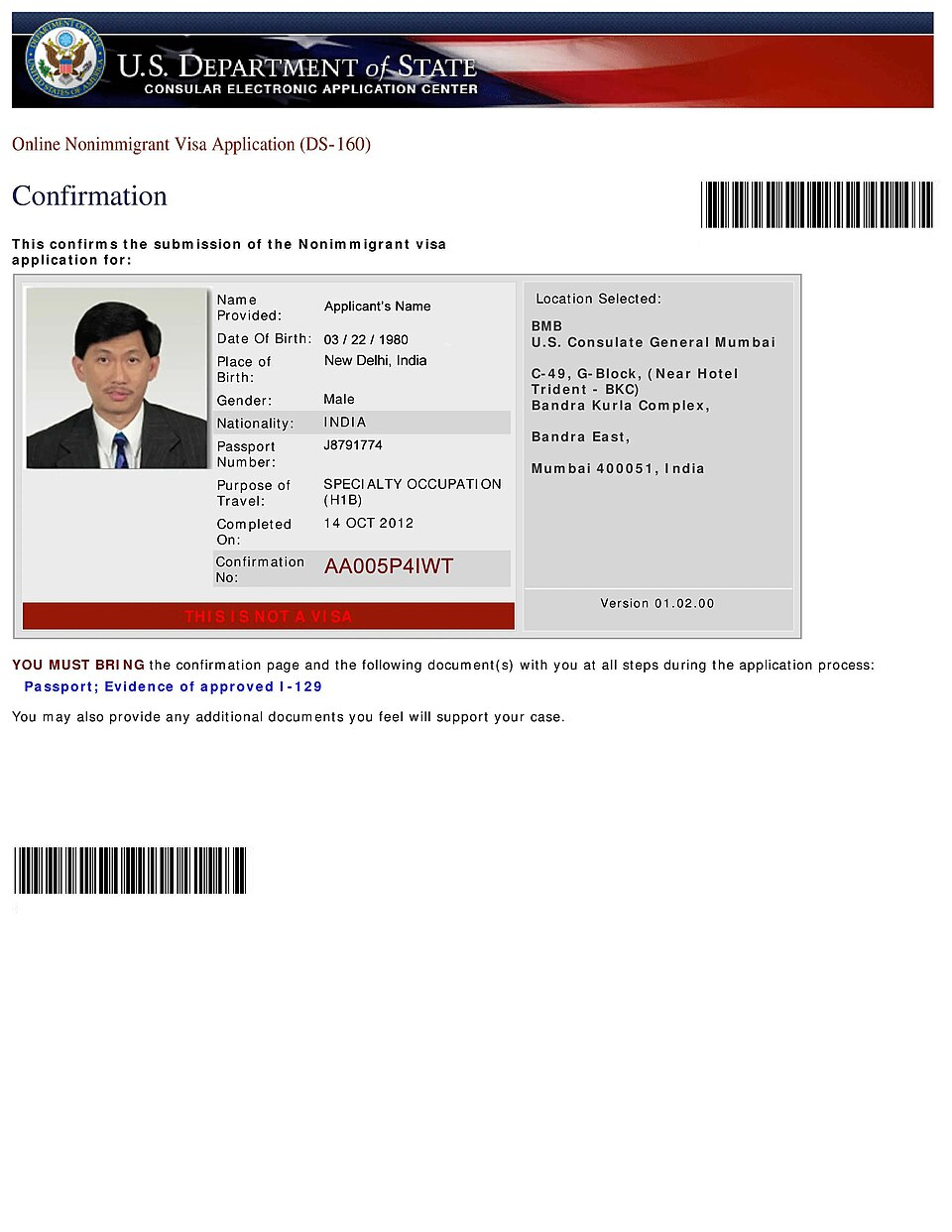
Many visas are conditional on something being presented on arrival: the invitation letter, the sponsor’s documentation, the enrolment confirmation, the employment contract, the insurance certificate specified in the visa conditions.
Holding the visa is not the same as satisfying its conditions, and an applicant who has left the supporting paperwork at home has a visa the officer cannot act on. This is a common and avoidable refusal because the traveller reasonably believes the visa settled the question.
Read the visa’s own conditions and carry every document named in them, in paper as well as on a phone. If a specific insurance policy or financial threshold is a condition, carry the certificate rather than a reference to it.
13. No yellow fever certificate where one is required
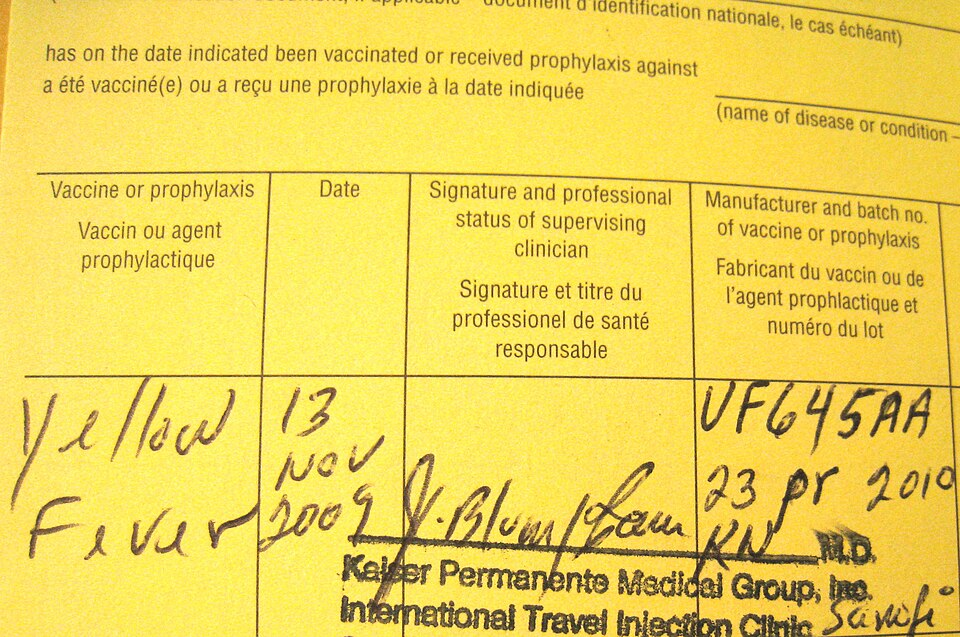
A number of countries require an international certificate of vaccination against yellow fever for entry, either generally or when arriving from or transiting a country with transmission risk. It is a document requirement rather than a health recommendation.
Arriving without it where it is required can mean refusal, quarantine or vaccination at the border. The requirement depends on your full routing rather than only your origin, which catches travellers who transited through a listed country without leaving the airport.
Check the requirement for every country on your itinerary including transit points, well in advance, because the certificate becomes valid only after a waiting period from administration and cannot be obtained usefully at short notice.
14. A one-way ticket with no explanation
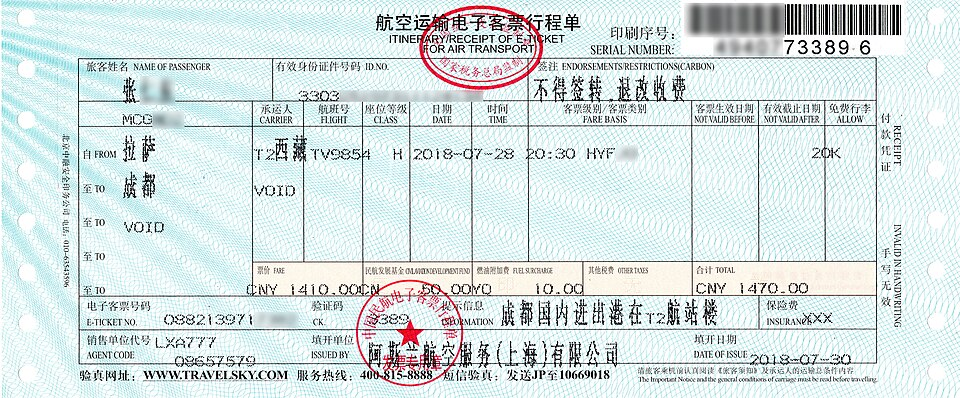
A one-way ticket is not itself a bar to entry and it is one of the strongest triggers for secondary questioning, because the obvious reading is an intention to remain.
Travellers with entirely legitimate reasons — relocating under a visa, joining a vessel, continuing overland, travelling to a wedding and returning from a different country — are routinely questioned about it, and the ones who struggle are those who cannot evidence the plan.
If you are travelling one way, carry the evidence of what happens next: the visa, the employment documentation, the onward booking from another country, the overland itinerary. The document that answers the question is more useful than the explanation.
15. Answering the work question honestly when the answer is no
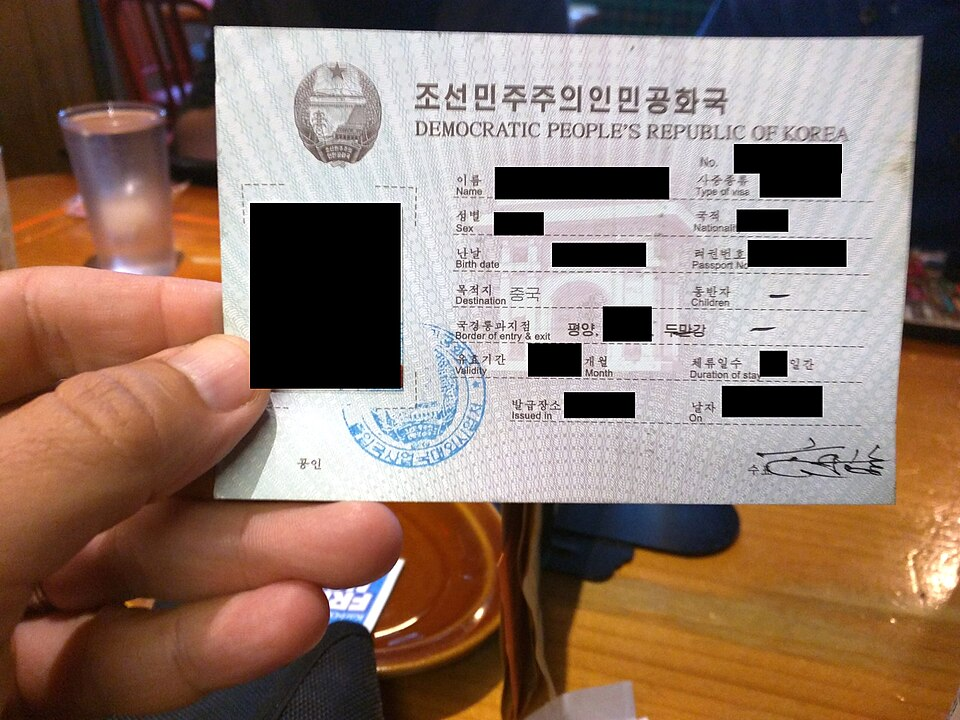
Officers ask directly whether you intend to work, study or remain, and an honest answer that falls outside your entry category is a refusal. People say more than they need to, out of politeness, nervousness or a wish to be helpful.
The point is not to be evasive, which is worse. It is that the correct response is an accurate description of the trip you are actually taking, and if the trip you are actually taking includes activity your entry does not permit, the problem is the entry category rather than the answer.
Work out before you travel which category covers everything you intend to do, and then answer the questions plainly. Never misrepresent anything, and never volunteer speculation about what you might do if things go well.
16. Arriving at a land border that does not issue what you assumed
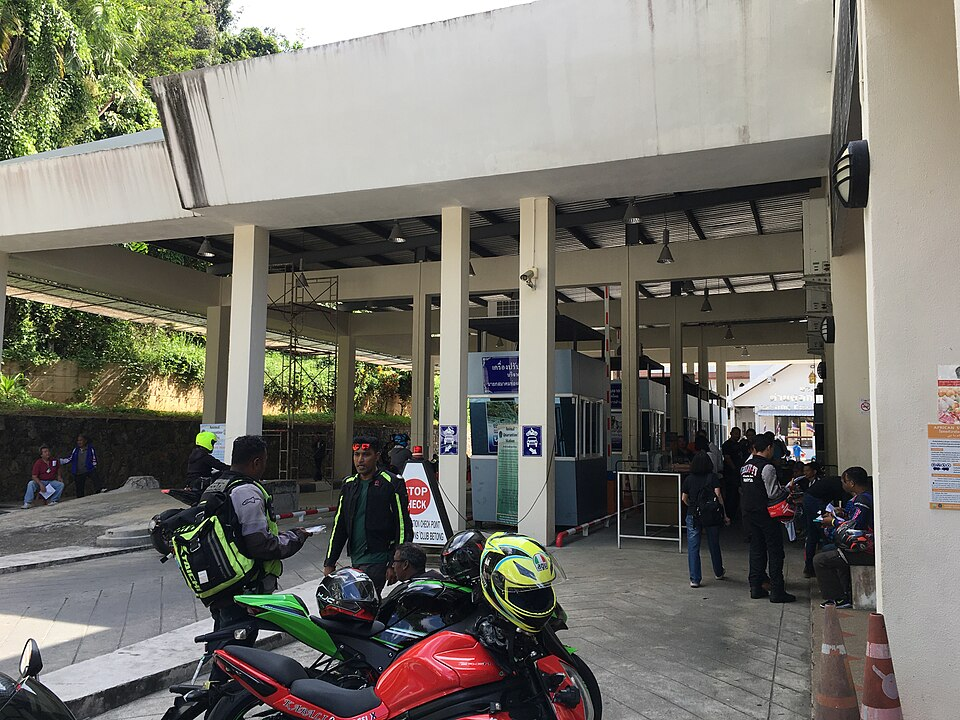
Visa-on-arrival and electronic entry arrangements are frequently limited to specified airports and seaports, and a land crossing on the same frontier may not issue them at all. Opening hours, vehicle restrictions and nationality-specific rules also vary by crossing.
A traveller turned back at a land border is in a materially worse position than one refused at an airport, because there is no airline to return them, often no onward transport, and sometimes no town within reach.
Confirm that your specific crossing issues your specific entry type, check the hours, and have a plan for being turned back that does not depend on finding a bus. Where a frontier has one crossing that works and three that do not, that is the kind of detail only the destination’s own immigration site reliably carries.
Carry the evidence, not the explanation
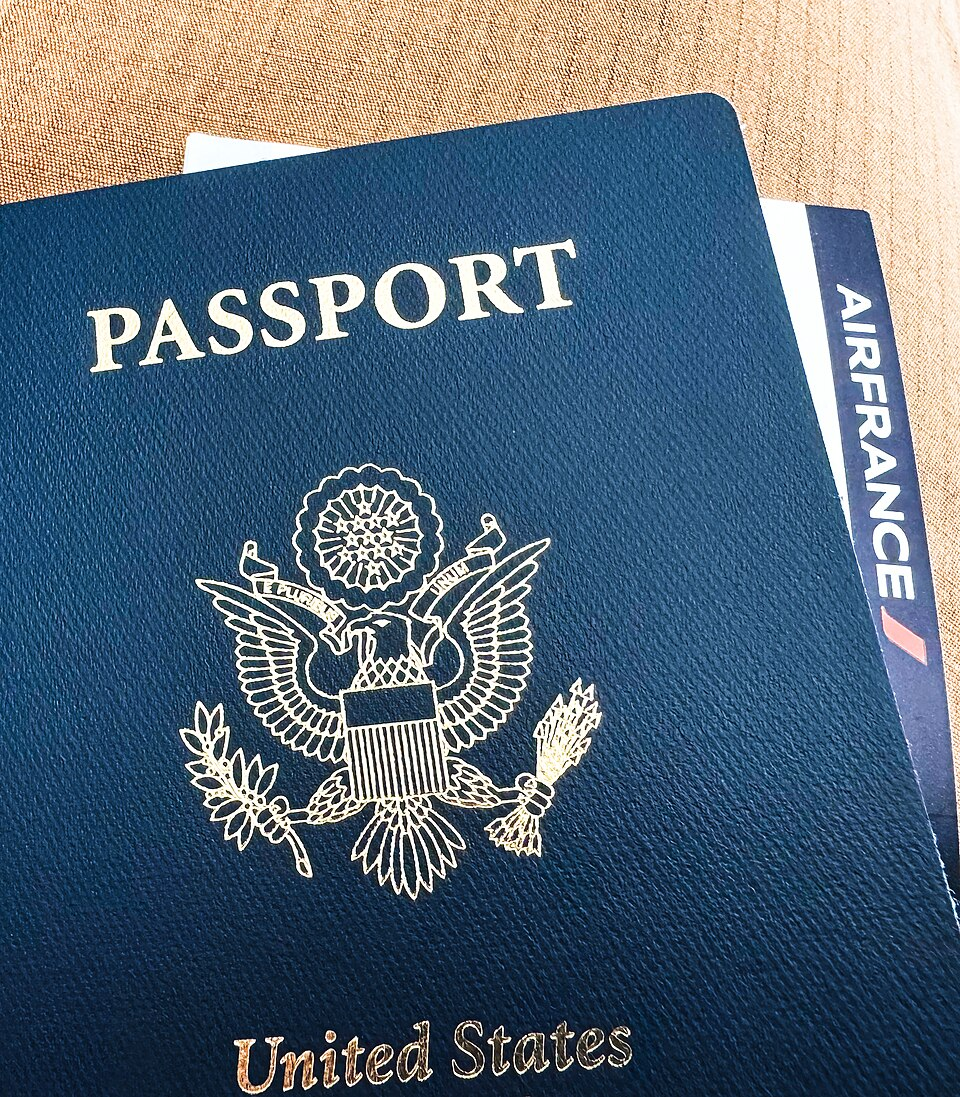
Read the list and almost every item resolves the same way. The officer is not assessing your character; they are assessing whether the documents and the answers describe a coherent, lawful, temporary visit. Every one of the common refusals is a gap in that picture rather than a finding against you.
So the preparation is a folder, not an argument. The return or onward ticket. The first nights booked. Two working cards and a statement you can open offline. Every document named in the visa’s own conditions. The yellow fever certificate if the routing requires one. The host’s address and phone number. The evidence of what happens next if you are travelling one way. And a clear, accurate, short description of the trip that matches all of it. Travellers who get into difficulty at borders are very rarely people with something to hide; they are people who could not show something they had.
Two items deserve separate attention because they are the ones people walk into without any sense of risk. Remote work on a tourist entry, because a great many people now do it, a number of countries prohibit it, and the admission is almost always volunteered. And the Schengen ninety-day count, because it is genuinely hard arithmetic and automated entry and exit recording has removed the slack that used to absorb mistakes.
Everything else on this list is a document you could have brought.
Like our content? Follow us for more.