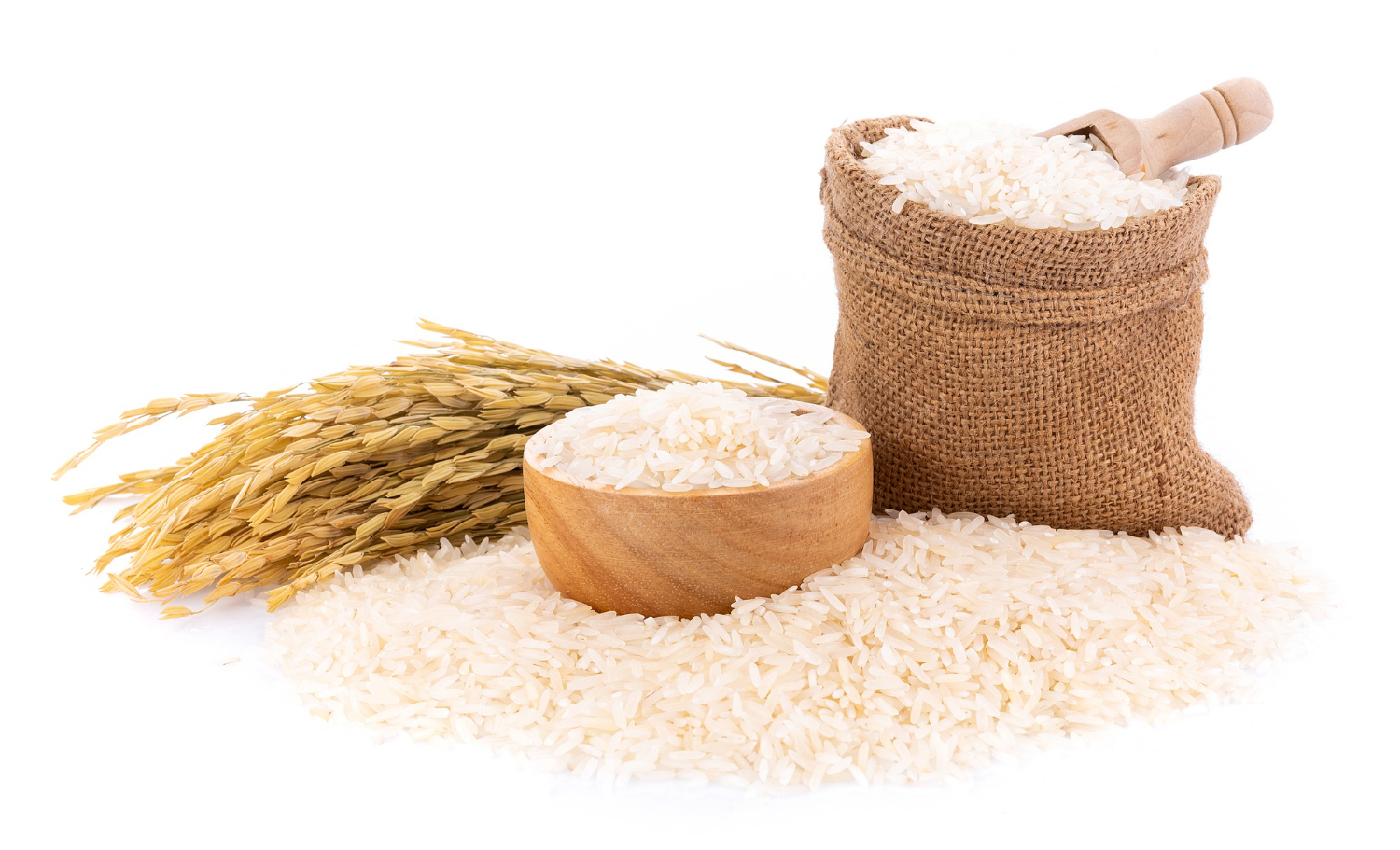
Rice is the most widely eaten staple on the planet, and the interesting thing is how differently it gets treated. Some traditions want every grain separate, some want it deliberately sticky, and some prize the layer that catches and crisps at the bottom of the pot. Here are fifteen worth cooking.
1. Risotto — Italy
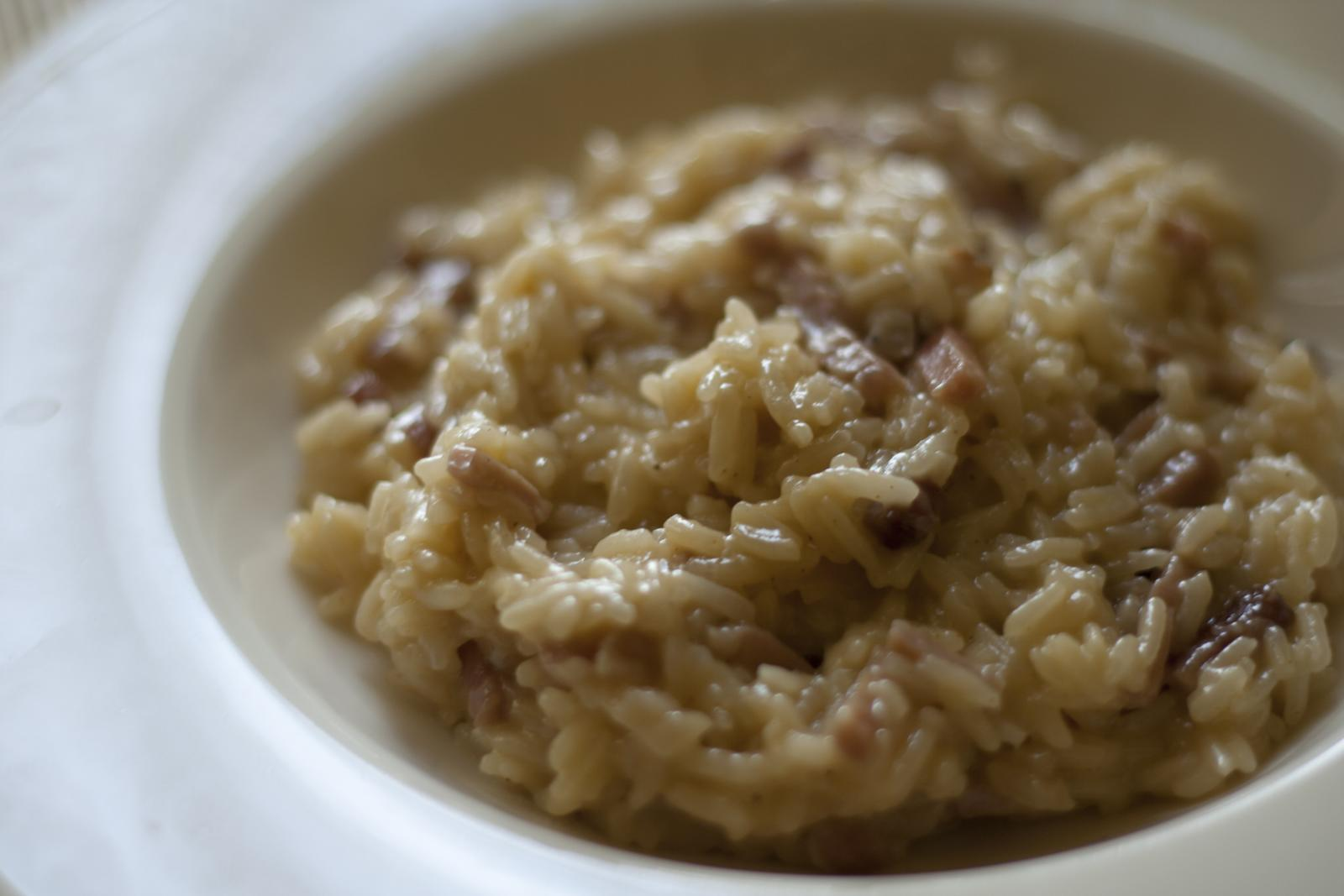
Short-grain rice cooked slowly with stock added a ladle at a time, stirred until the starch releases and the whole thing turns creamy. No cream is involved.
The texture is the entire achievement: loose enough to spread slowly on the plate, with grains still firm at the centre. It is finished off the heat with butter and cheese. Risotto is the rice dish that teaches you what starch actually does.
Like our content? Follow us for more.
2. Biryani — South Asia
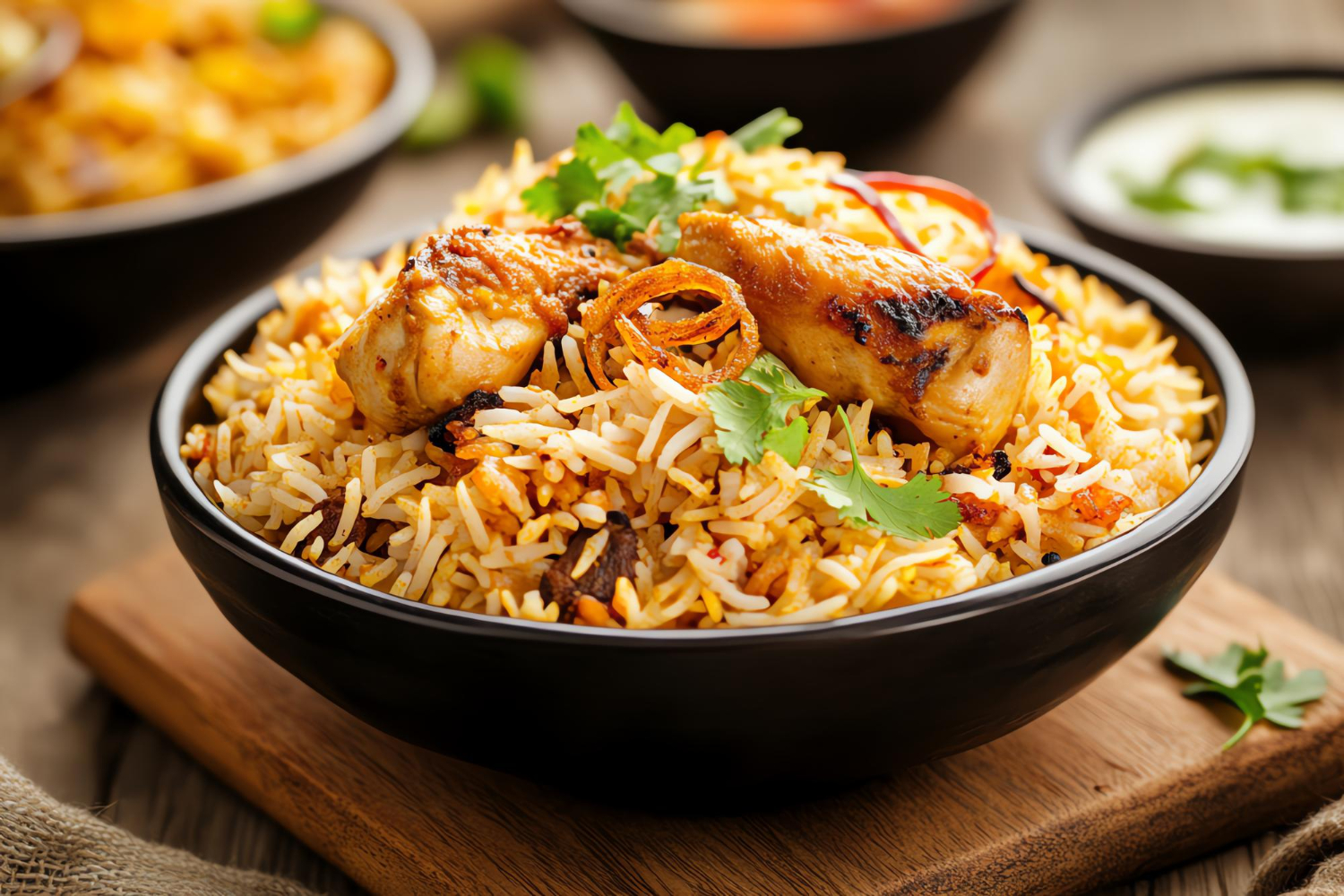
Rice and marinated meat cooked in layers, sealed and steamed together so the aromatics permeate everything. Saffron, whole spices and fried onion are standard.
Regional versions differ enormously across the subcontinent, and people hold firm views about which is authoritative. The seal on the pot is what makes it work. Biryani is the rice dish where the cooking vessel does as much as the cook.
3. Arroz Rojo — Mexico
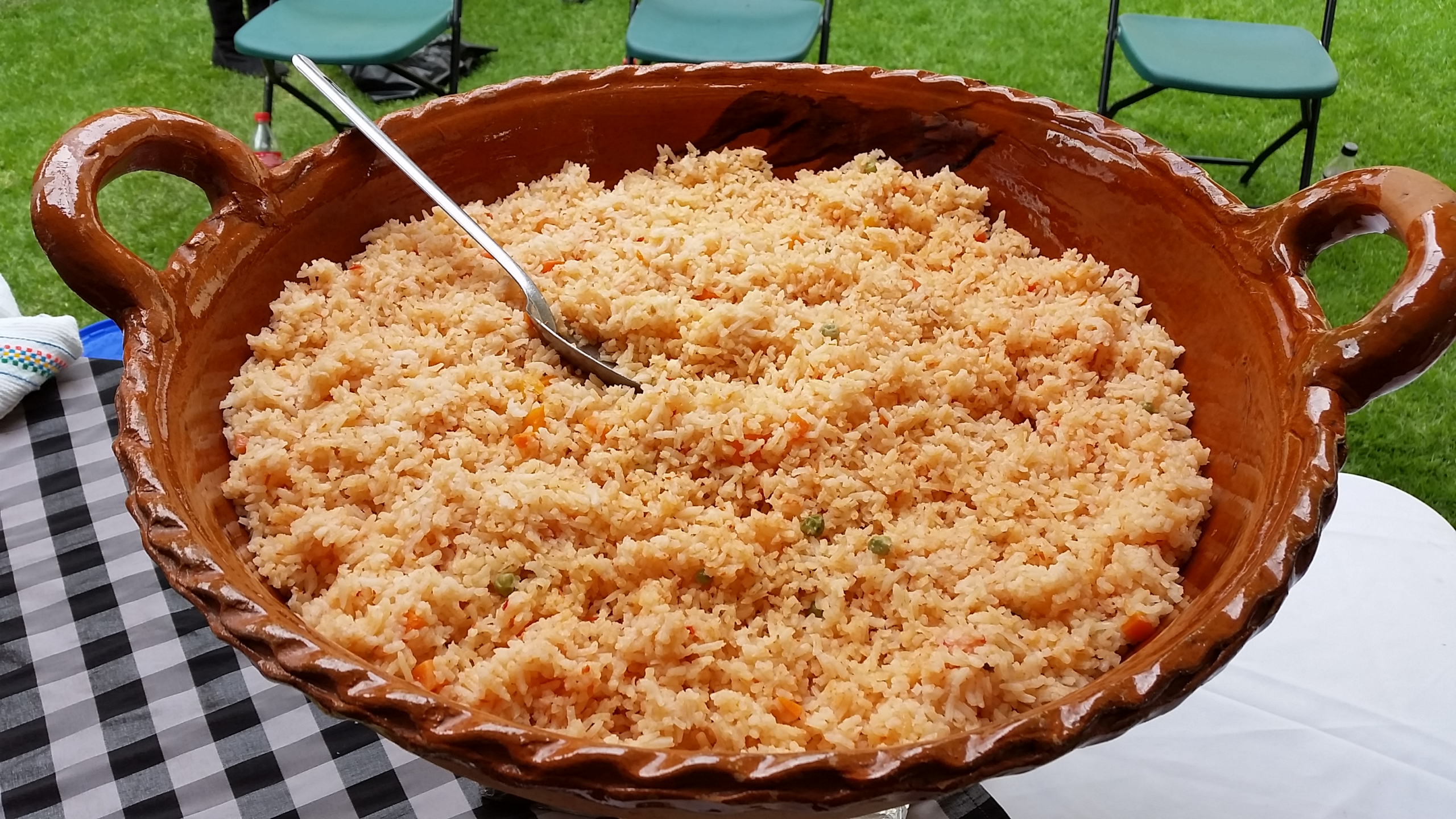
Rice toasted in oil until it turns opaque, then simmered in a tomato, garlic and onion broth until the liquid is absorbed and the grains stay separate.
Toasting first is the step people skip and the one that decides the texture; done properly the grains are distinct rather than soft. It sits alongside almost everything. Arroz rojo is the rice dish that anchors a Mexican table without ever being the headline.
4. Risi e Bisi — Venice
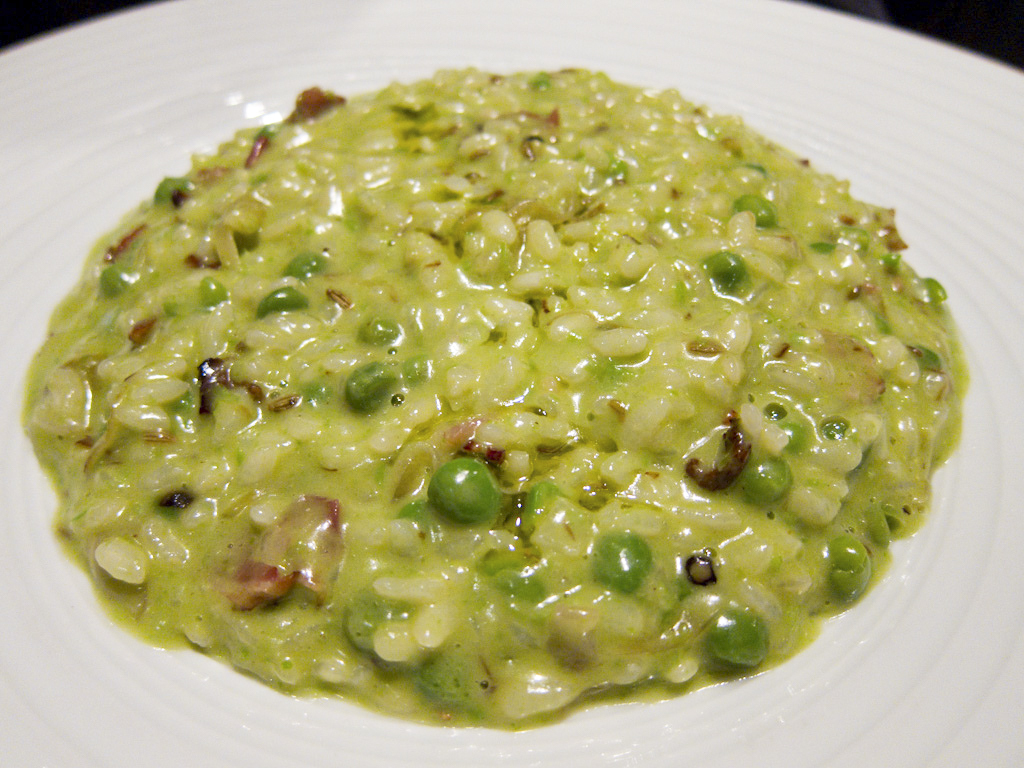
Rice and peas cooked together into something between a risotto and a thick soup, loose enough to eat with a spoon. It is a spring dish tied to the pea harvest.
The pea pods are often simmered separately to make the cooking liquid, which is the step that gives it depth rather than just sweetness. Rice and vegetable are treated as equals. Risi e bisi is the rice dish that refuses to decide whether it is a soup.
5. Zongzi — China
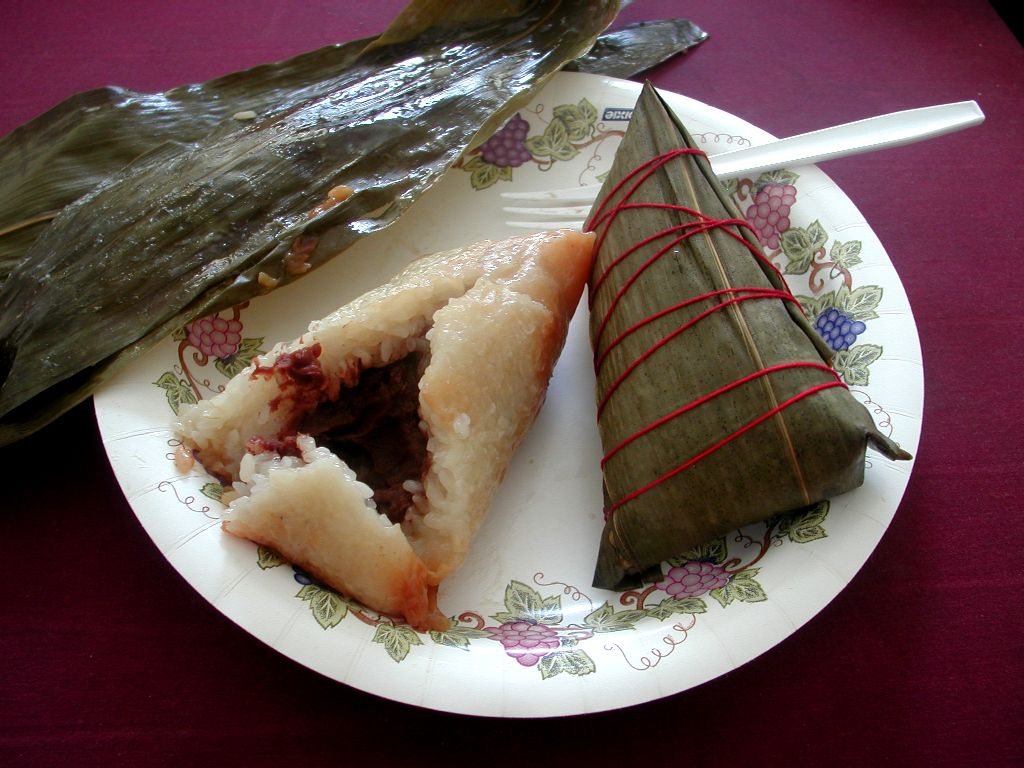
Glutinous rice wrapped in bamboo leaves around a filling, tied with twine and boiled or steamed for hours. The leaves perfume the rice as it cooks.
Fillings split along regional lines — savoury pork and salted egg yolk in the south, sweeter versions with red bean in the north — and the wrapping technique takes practice to get watertight. Zongzi is the rice dish where the packaging is an ingredient.
6. Pilav — Turkey and Central Asia
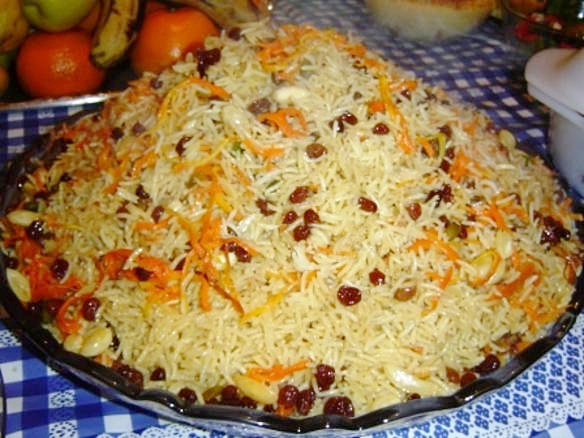
Rice sautéed in butter or oil before liquid is added, then steamed so the grains finish separate, glossy and distinct. Restraint is the discipline.
Versions run from plain buttery rice to elaborate preparations with lamb, carrot, chickpeas or nuts, and the technique spread widely along old trade routes. A cloth under the lid absorbs steam. Pilav is the rice dish built on getting every grain to stand apart.
7. Arroz con Pollo — Latin America and Spain
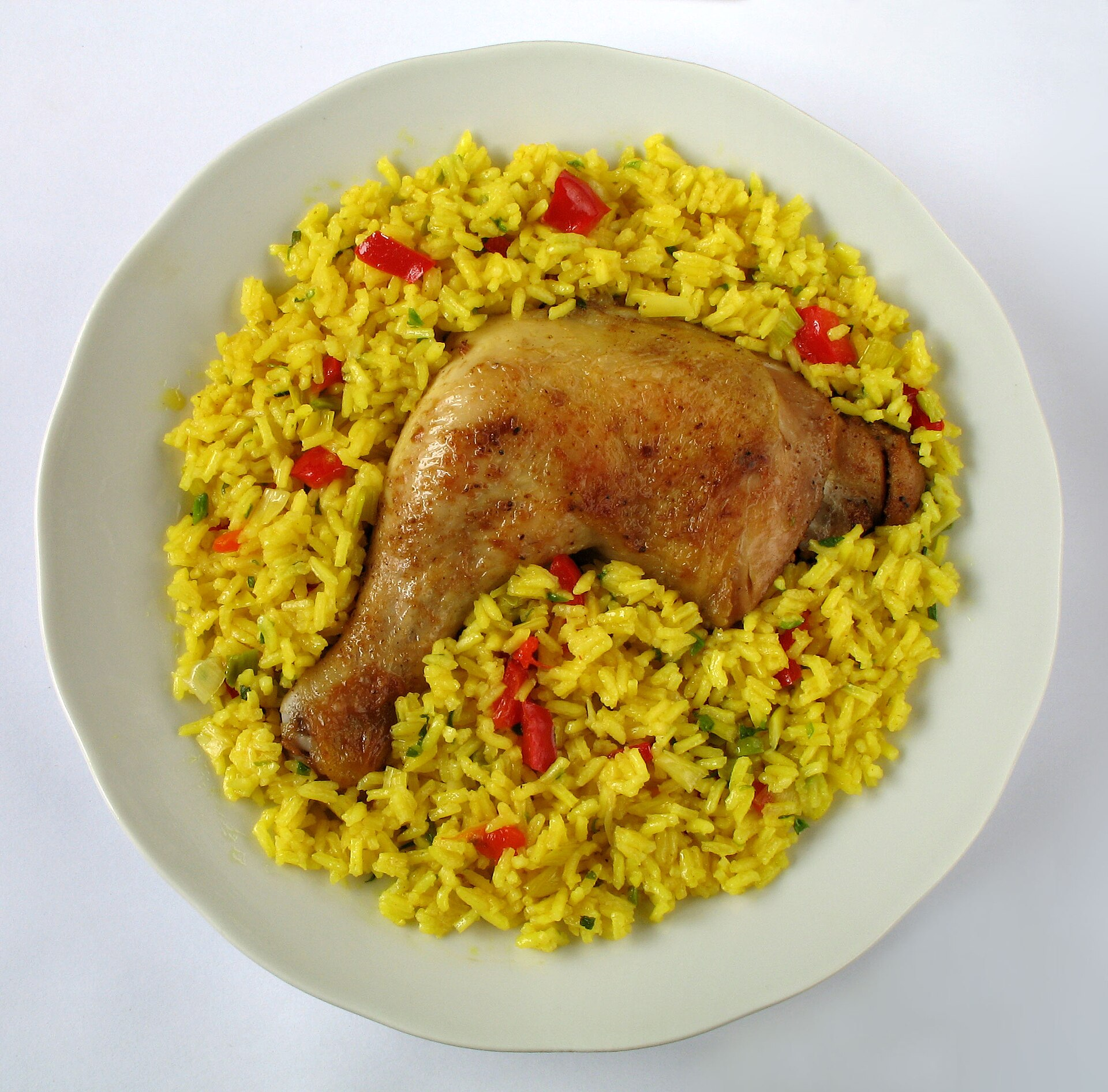
Rice cooked with chicken, sofrito, peppers and often a colouring agent such as annatto or saffron, so the grains absorb everything as they cook.
Versions vary widely across the Caribbean and Latin America, and it is firmly weeknight family cooking rather than restaurant food. One pot, minimal fuss. Arroz con pollo is the rice dish that anchors dinner across an enormous swathe of the world.
8. Onigiri — Japan
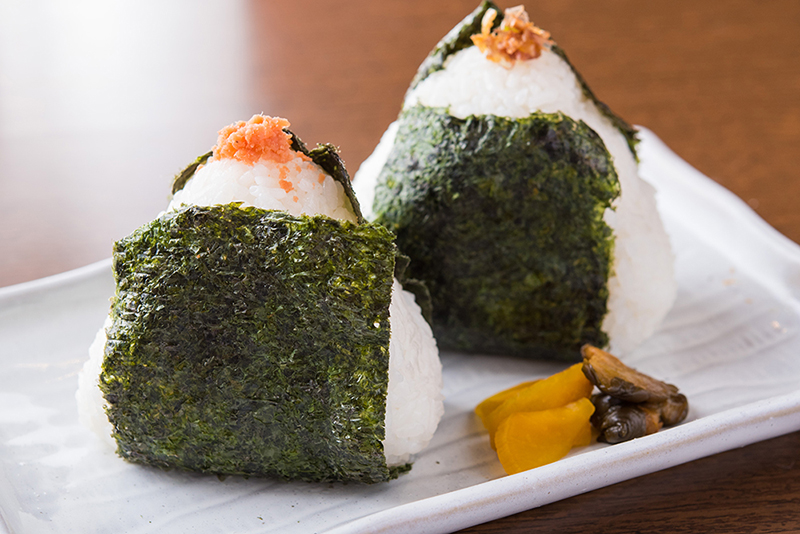
Rice pressed into triangles or rounds, usually with a small filling at the centre and a strip of seaweed wrapped around the base. It is portable food.
The rice must be the right stickiness to hold together, and the fillings run from pickled plum to grilled salmon to seasoned cod roe. Simplicity is the point. Onigiri is the rice dish designed to be eaten with one hand, anywhere.
9. Nasi Goreng — Indonesia
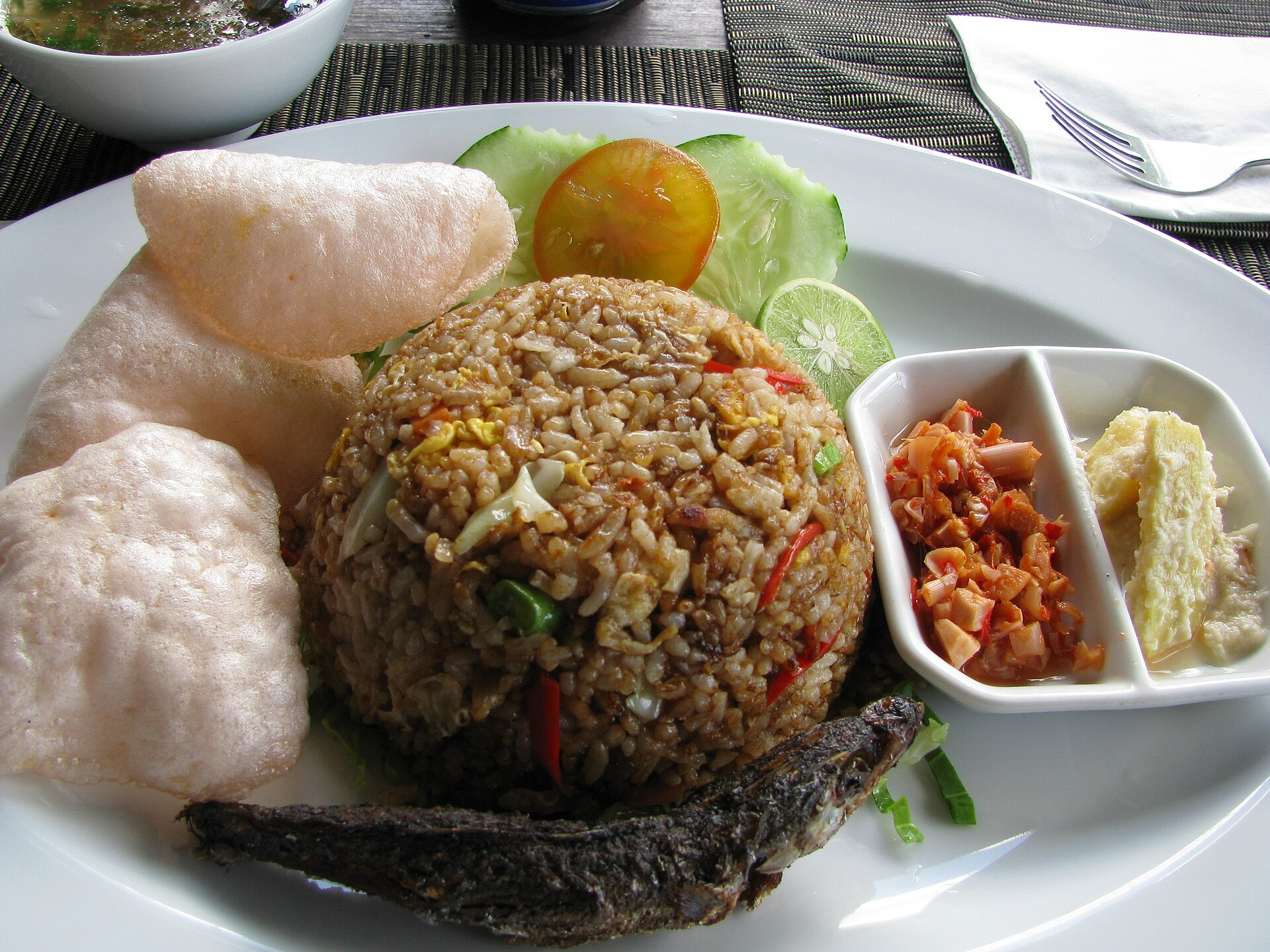
Fried rice with sweet soy sauce, shallot, garlic and chilli, typically topped with a fried egg and served with prawn crackers and pickles.
Day-old rice works best because it is drier and fries into separate grains rather than clumping. The sweet soy is what distinguishes it. Nasi goreng is the rice dish that turns yesterday’s leftovers into the best meal of the week.
10. Persian Tahdig — Iran
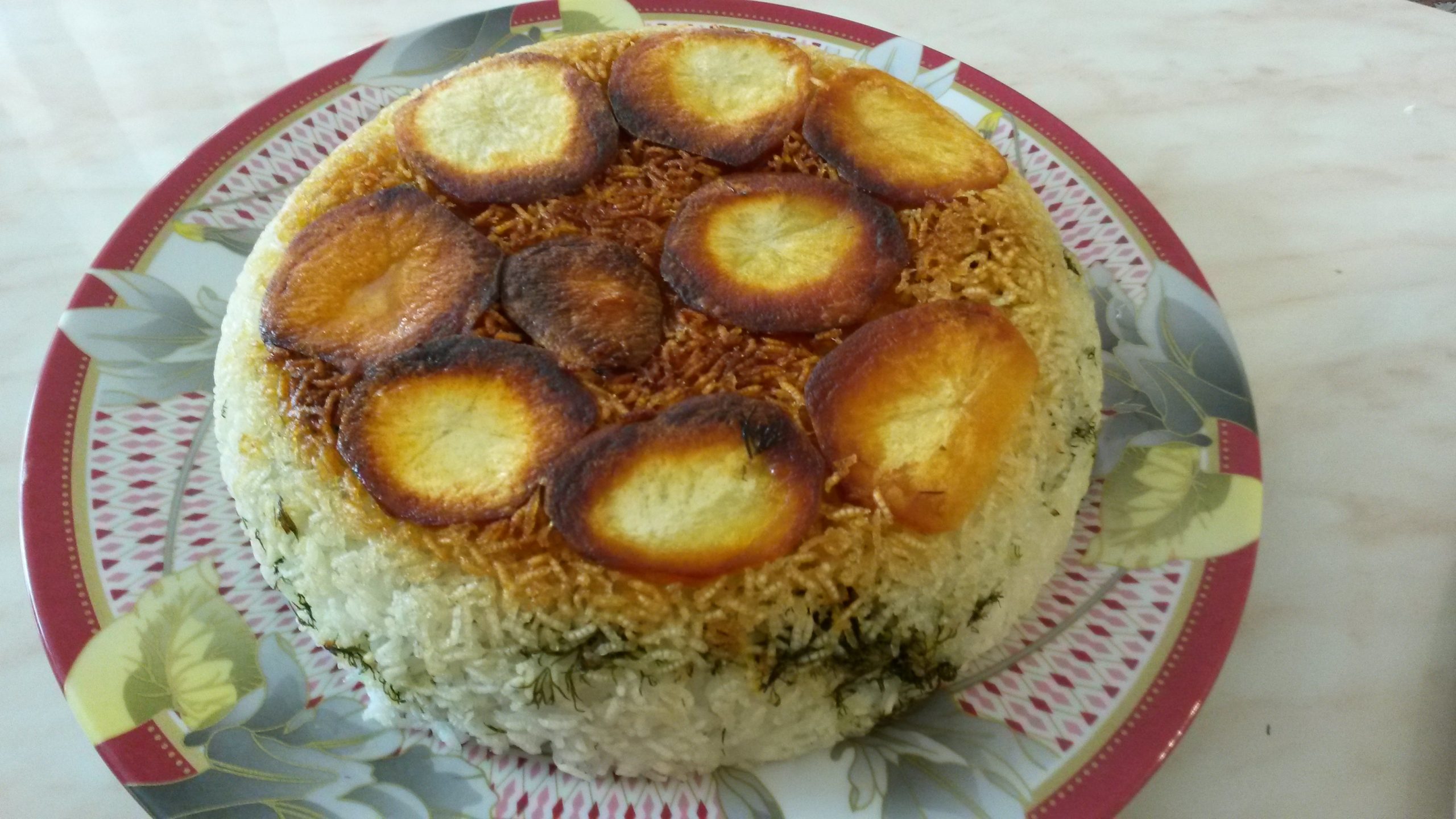
Rice parboiled, then steamed under a cloth-wrapped lid so the layer against the pan forms a golden, crackling crust that is turned out and served on top.
The crust is the whole ambition, and achieving it evenly without burning takes real practice. Potato or flatbread is sometimes laid down first. Tahdig is the rice dish where the burnt-looking bit is the reason everyone came.
11. Arancini — Sicily
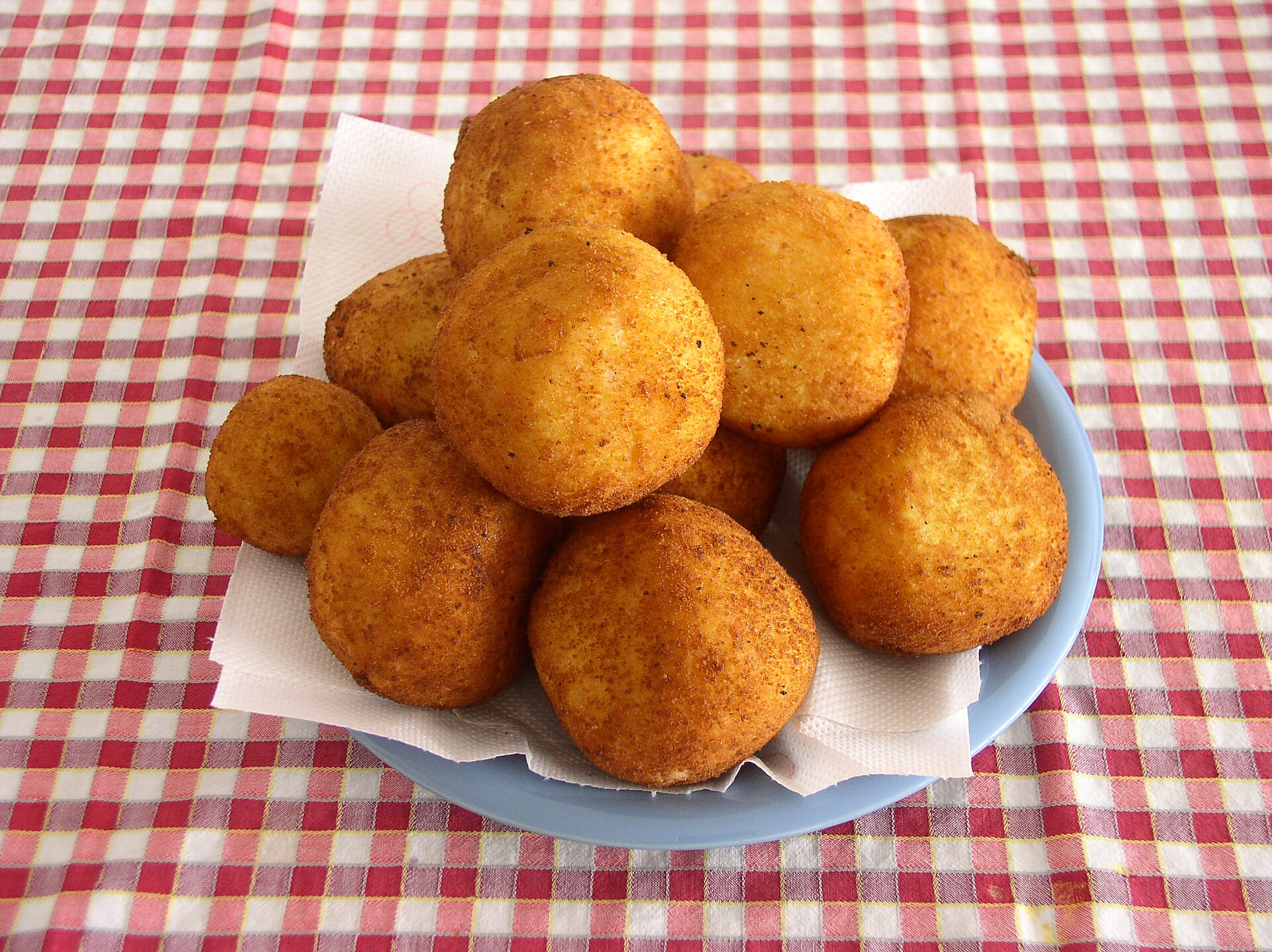
Balls of cooked risotto rice, filled with ragù or cheese, coated in breadcrumbs and fried until crisp. They began as a way to use leftovers.
The contrast between the crunchy shell and the soft interior is the appeal, and the filling should be a surprise rather than an afterthought. They travel well. Arancini is the rice dish that proves leftovers can outclass the original.
12. Kedgeree — Britain and South Asia
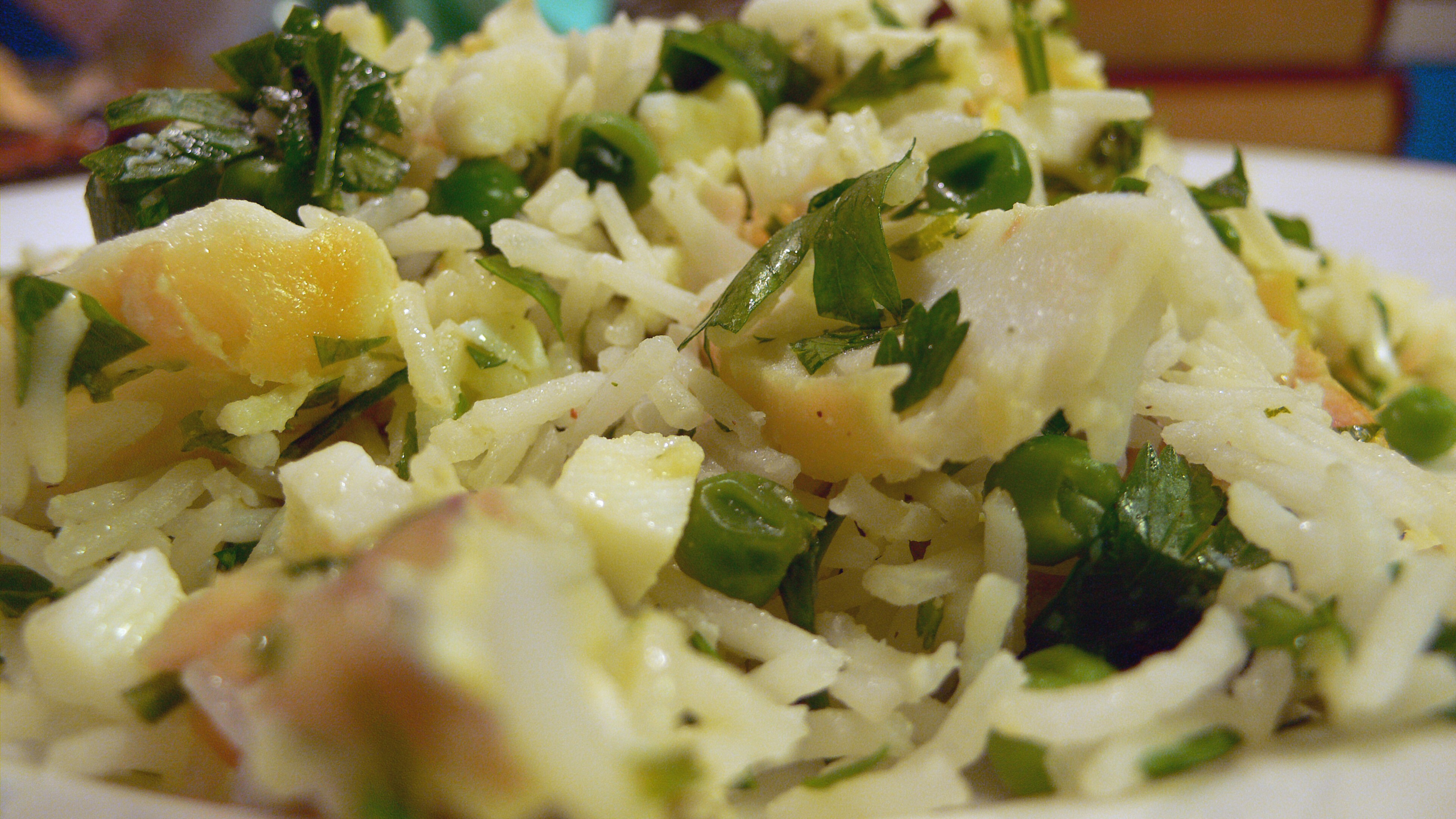
Smoked fish, rice, boiled egg and mild curry spices, served warm, historically at breakfast. Its origins sit at the meeting point of two cuisines.
It descends from a South Asian rice-and-lentil dish that was adapted during the colonial era and returned to Britain as a breakfast staple. Both traditions persist. Kedgeree is the rice dish with a truly complicated passport.
14. Dolma and Stuffed Vegetables — Eastern Mediterranean and Middle East
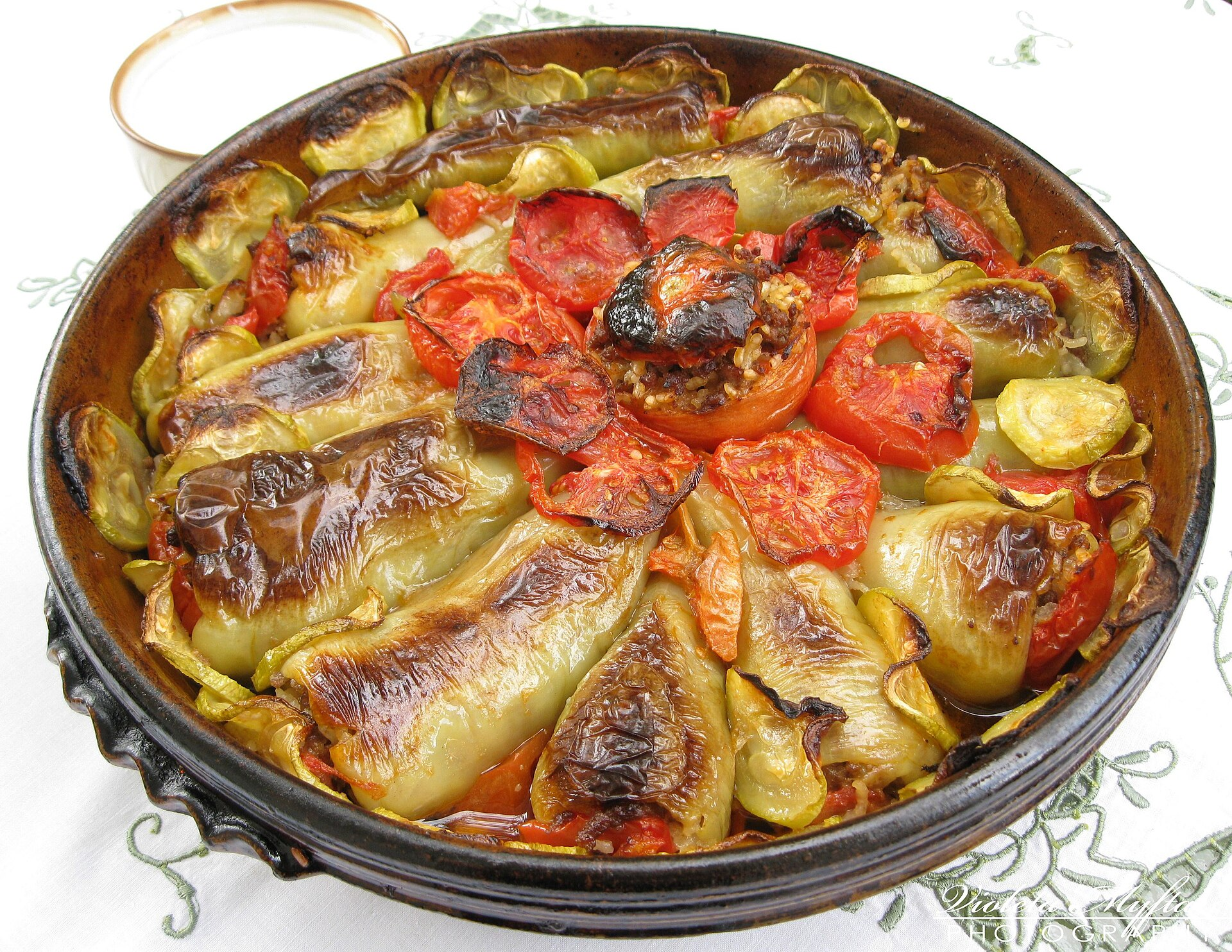
Vine leaves, peppers or tomatoes filled with seasoned rice, sometimes with meat, then slowly cooked in a covered pot with lemon and oil.
The rice absorbs everything around it as it steams inside the wrapping, and the dish is usually made in quantity and eaten over several days. Patience is required. These are the rice dishes where the rice is the filling rather than the base.
15. Hainanese Chicken Rice — Singapore and Malaysia
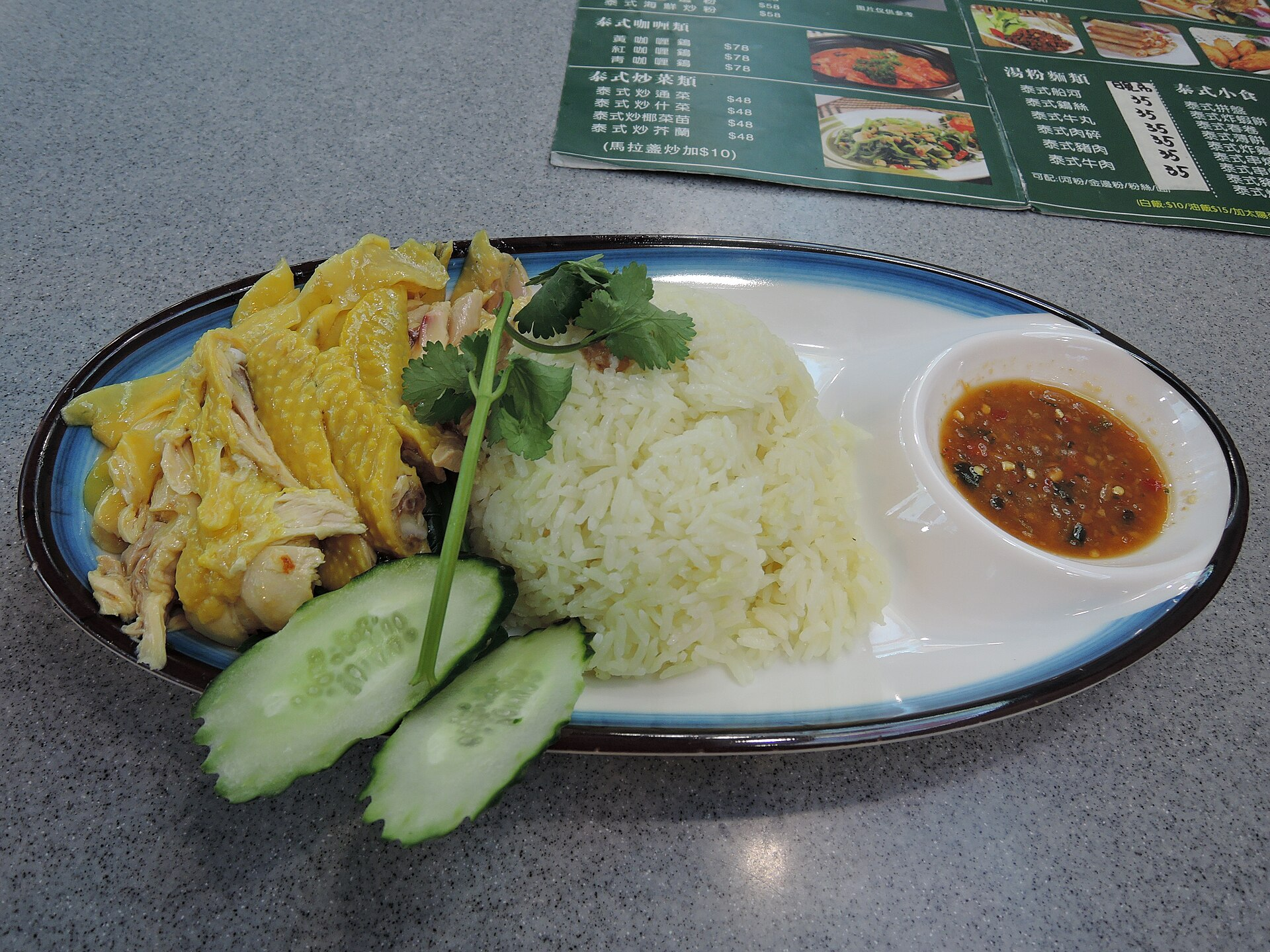
Poached chicken served with rice cooked in the resulting stock, alongside chilli sauce, ginger and soy. The rice is the star, not the chicken.
Cooking the grains in chicken fat and stock makes them glossy and deeply savoury, which is why people order it for the rice. Simple to describe, hard to perfect. Hainanese chicken rice is the rice dish where a plain-looking plate hides an enormous amount of technique.
16. Rice Pudding — Nearly Everywhere
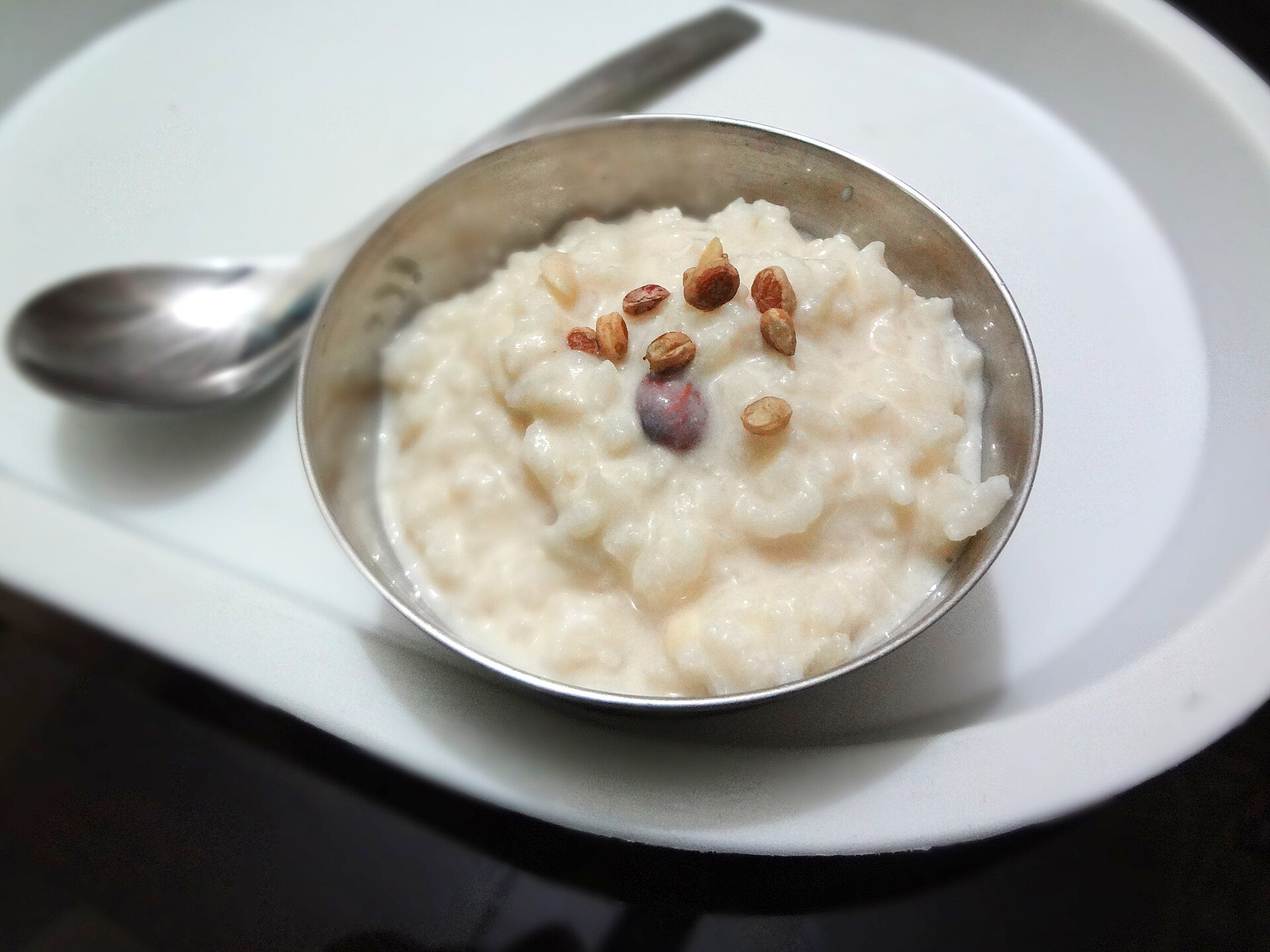
Rice simmered slowly in milk with sugar and a flavouring — cinnamon, cardamom, vanilla, citrus peel — until thick. Almost every rice-eating culture has a version.
Some are baked with a skin on top, some are stirred on the stove, some are served cold. The variations track the spice routes rather neatly. Rice pudding is the rice dish that shows up independently in more cuisines than almost anything else.
One Grain, Fifteen Traditions
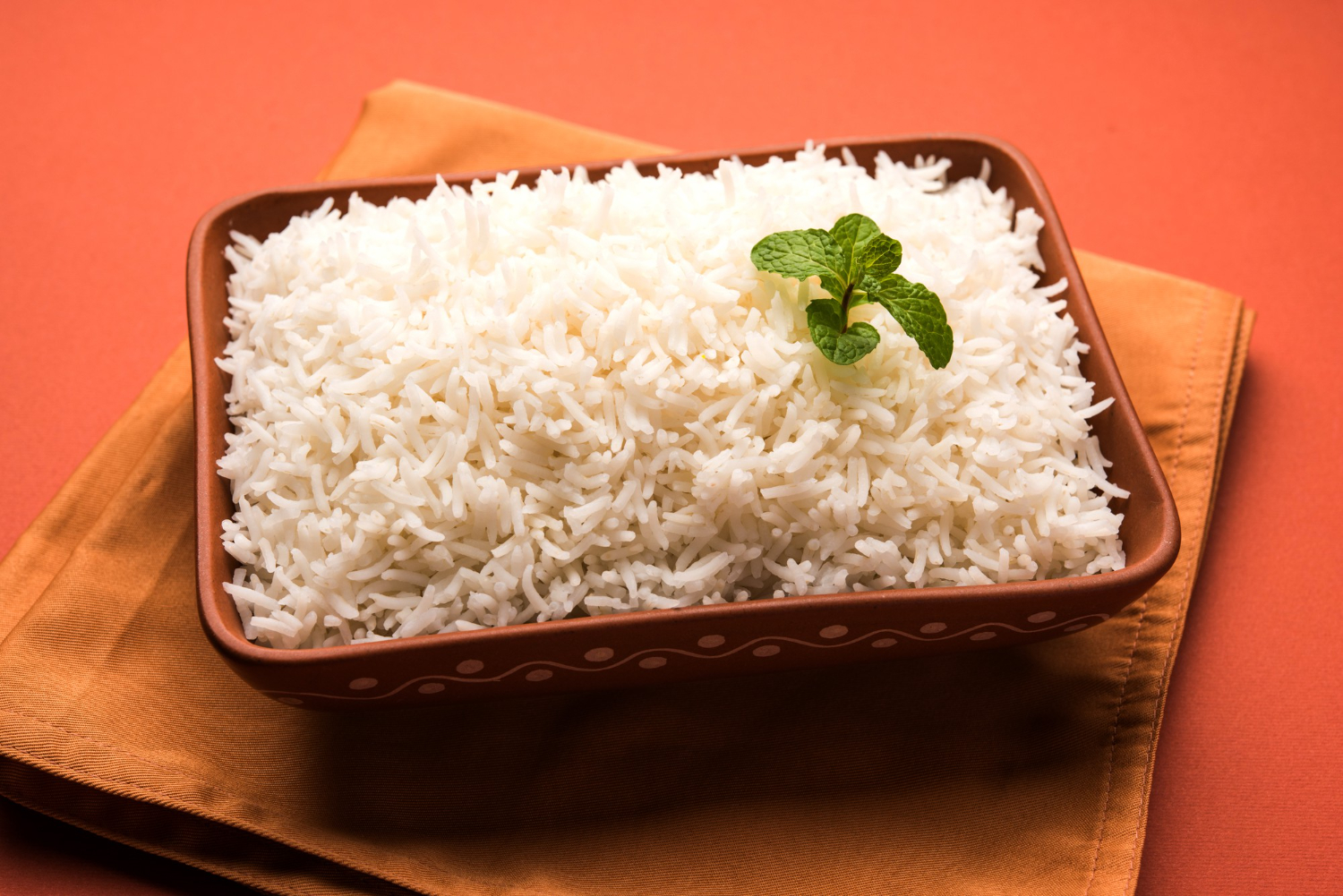
What links these is a staple treated with enough attention to become the centrepiece rather than the accompaniment: stirred for creaminess, left alone for crust, dried for frying or broken down entirely.
Rice is cheap, keeps indefinitely, and is probably already in your cupboard, which makes this the least demanding list to start working through. Pick the technique furthest from how you normally cook it — crust, porridge, or slow-stirred — and go from there.
Like our content? Follow us for more.