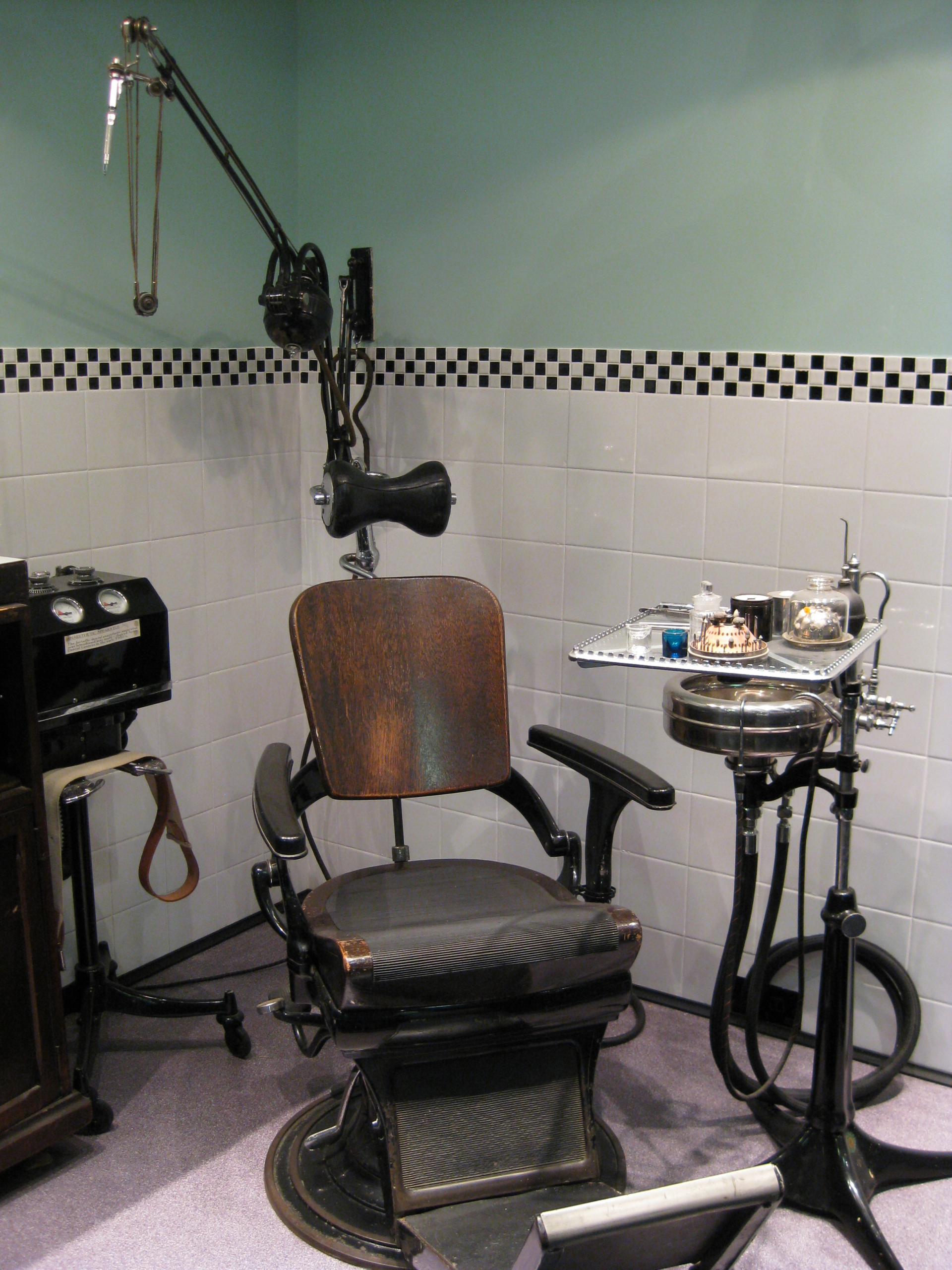
The dental surgery changed more than almost any workplace in this series and the change was concentrated into about fifteen years. Essentially everything a modern American dental practice does to control infection, radiation, mercury and sedation was introduced between the mid-1980s and the mid-2000s, which means the surgery your parents went to as children was operating on an entirely different set of assumptions.
Almost none of those changes were about competence. The 1960 dentist was skilled, careful and working to the standard of the day. What he lacked was the ability to demonstrate anything: that the instruments were sterile, that the dose was as low as it could be, that the gas was being carried away, that the patient was oxygenated. Here are sixteen things that surgery did, and what each of them ran into.
1. Worked bare-handed, with nothing over his face
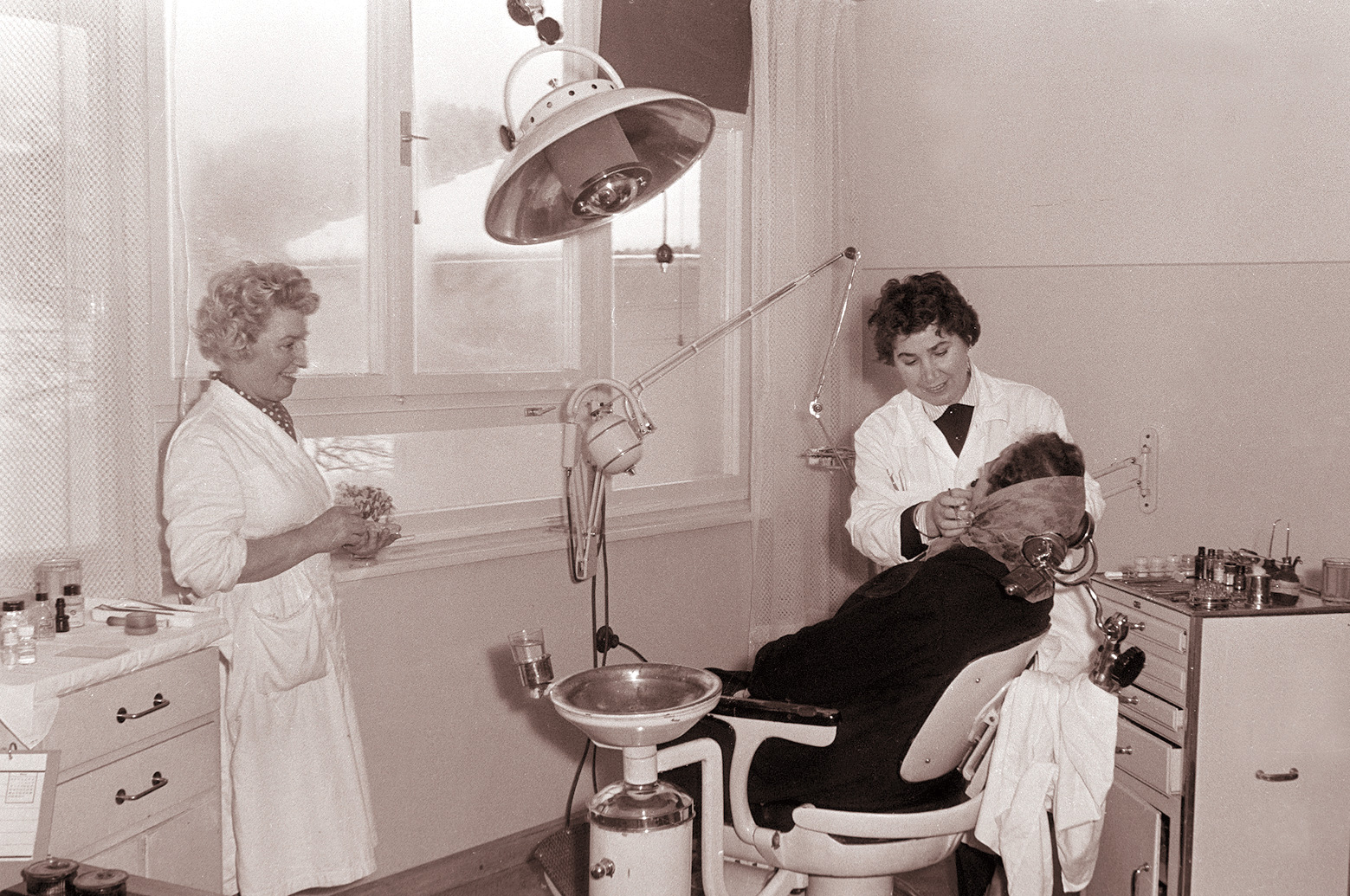
The 1960 dentist worked without gloves and usually without a mask. Hands went into one mouth, were washed or wiped, and went into the next. Gloves existed and were used for surgery, not for routine dentistry, where they were considered unnecessary and clumsy.
Universal precautions were adopted in American practice in the second half of the 1980s and the occupational bloodborne pathogens standard was issued in 1991. Gloves, mask and eye protection for every patient contact are now baseline, changed between patients, and the requirement is enforced.
The change arrived because of a disease that had not been identified in 1960, which is the fair framing. A 1960 dentist was not ignoring a known risk; the risk had not been characterised, and the profession adopted the precautions quickly once it had been.
Like our content? Follow us for more.
2. Cold-sterilised the instruments in a tray of solution
Instruments were wiped and placed in a tray of chemical disinfectant between patients, left for whatever time the schedule allowed, and taken out again. Some practices had a dry-heat oven or a boiler; a great many had a tray.
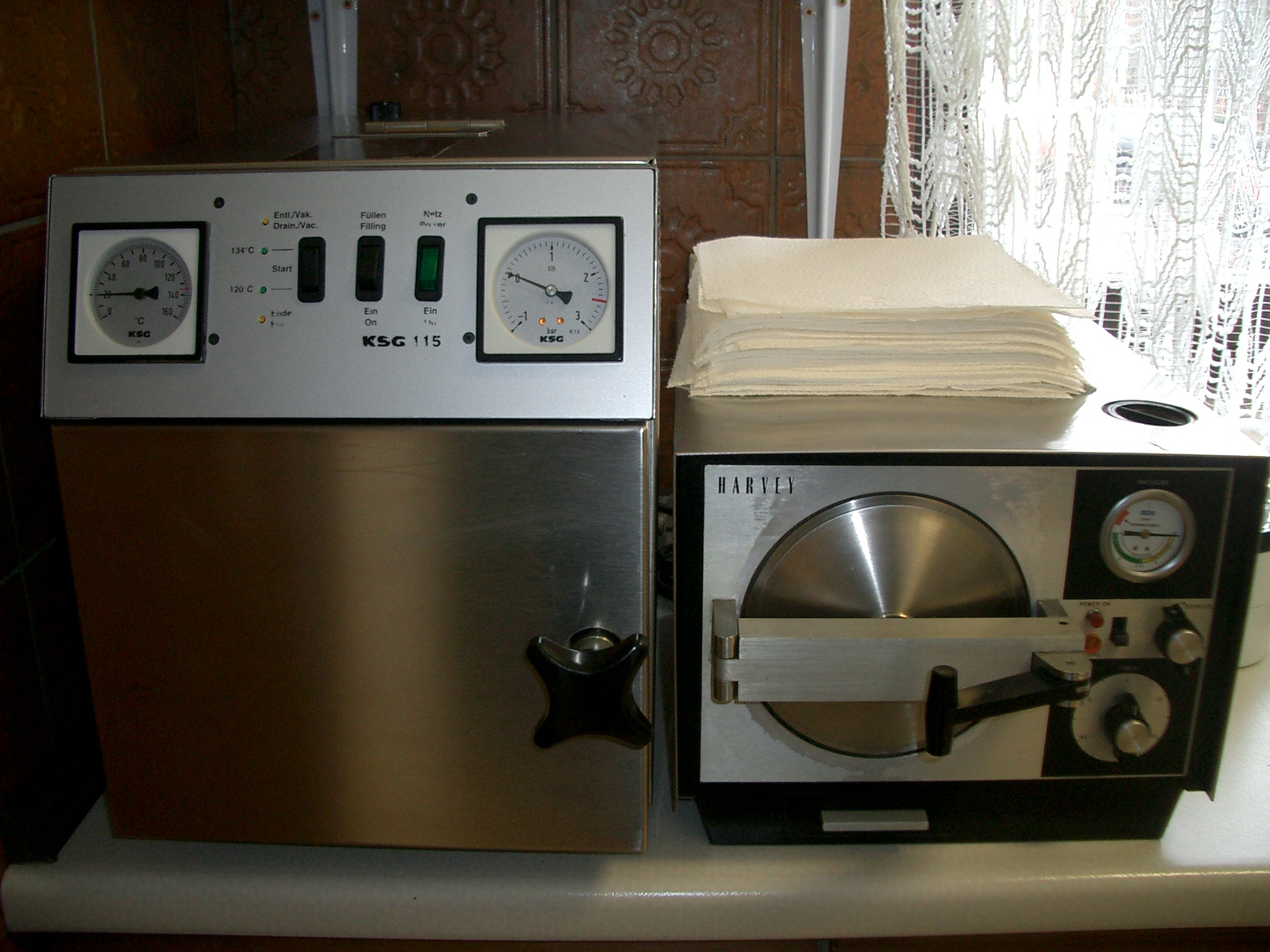
American infection control requires heat sterilisation — an autoclave or equivalent — for all instruments that penetrate or contact mucosa, with packaging, cycle monitoring and regular biological spore testing to prove the machine is actually working. Chemical immersion is not an acceptable substitute.
The spore test is the part that matters most and had no 1960 equivalent. An autoclave that is loaded wrongly or has failed looks exactly like one that is working, which is why the modern requirement is not to own the machine but to demonstrate weekly that it kills.
3. Used a handpiece that could not be sterilised at all
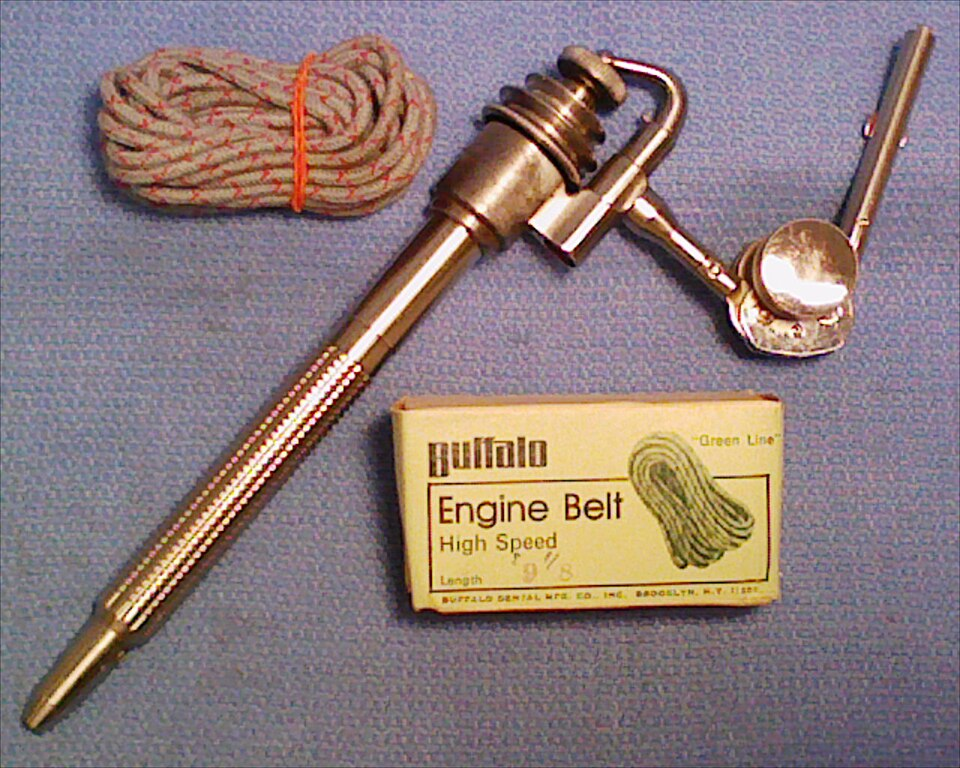
The drill handpiece passed between patients with an external wipe, because the early designs could not survive heat sterilisation. Internal surfaces, which draw back and expel air and water, were never addressed.
American guidance from the early 1990s required heat sterilisation of handpieces between patients, and manufacturers redesigned them to tolerate it. Anti-retraction valves were added to address the suck-back of material into the internal waterlines.
This is the clearest case in dentistry of a device being redesigned because the procedure could not be. The old handpiece was unsterilisable by construction, and the industry’s answer was to build a new one rather than to argue about wiping.
4. Resharpened the needles and used them again
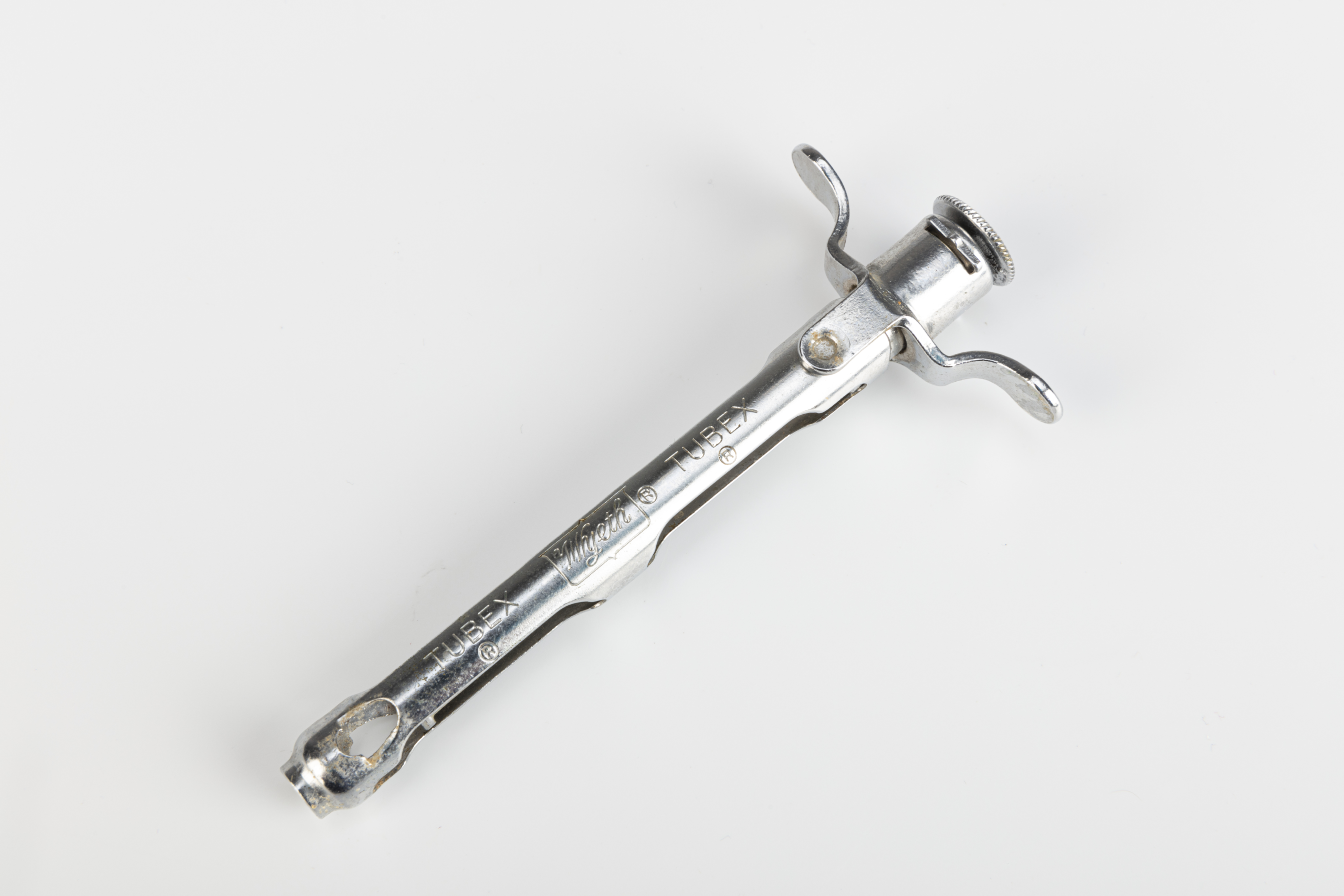
Hypodermic needles were reused. They were cleaned, resharpened on a stone when they went blunt, resterilised as best the practice could manage, and used on the next patient.
Single-use disposable needles are universal in American dentistry and anything else is unthinkable. The change came with cheap disposables through the 1960s and 1970s, well before the infection control framework that would later have required it.
The resharpening is the detail that most reliably shocks a modern dental professional. It was a recognised skill, it was done carefully, and it was performed on the single item in the surgery most certain to have been inside somebody’s bloodstream.
5. Had nowhere particular to put a used sharp
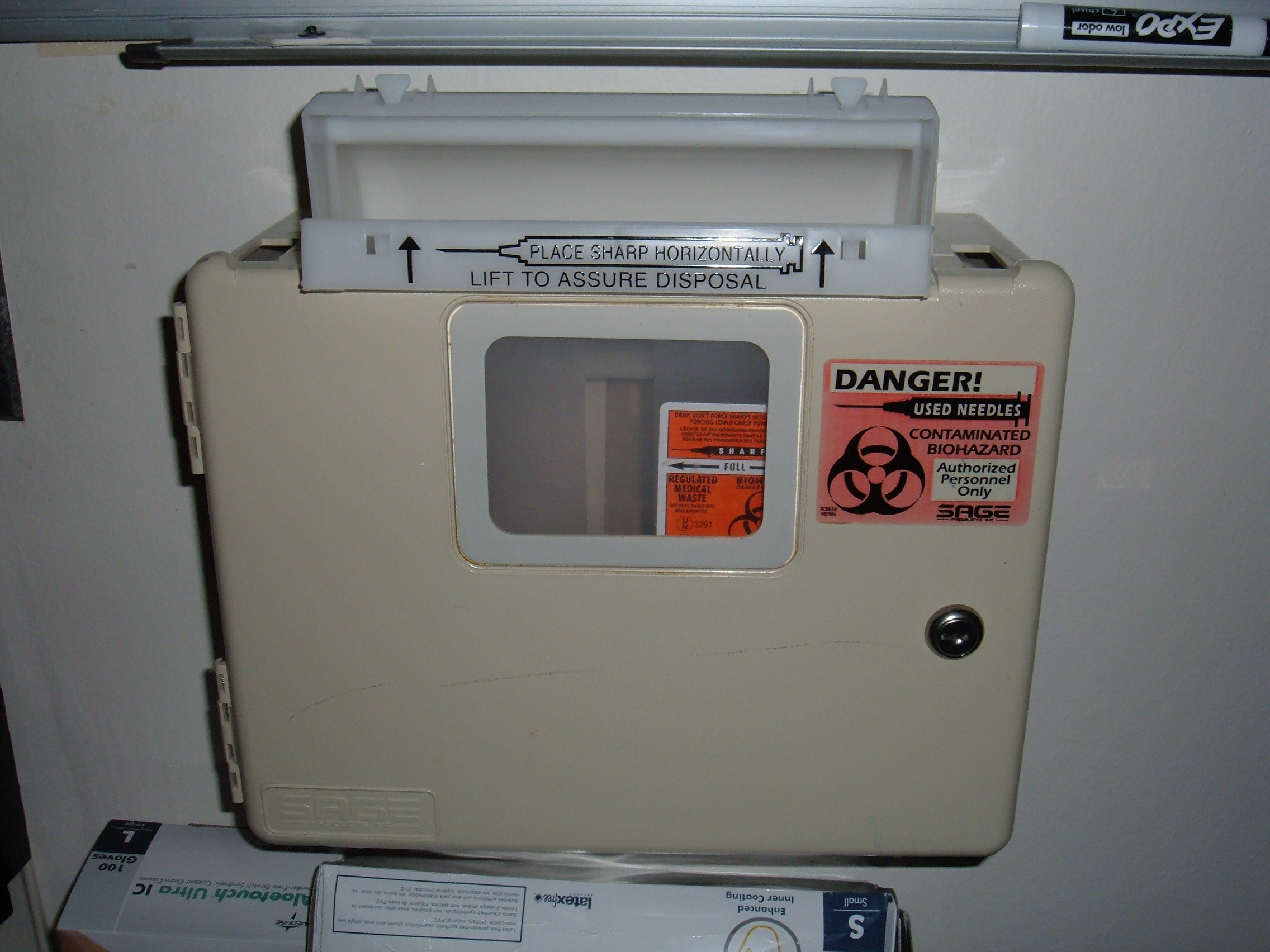
Needles, blades and broken instruments went into the ordinary waste, or into a jar, or into whatever container was nearest. There was no defined system and no separate stream.
American rules now require rigid, puncture-resistant, labelled sharps containers at the point of use, with regulated medical waste tracked to disposal, and needle recapping is restricted to specified techniques or devices.
The person this protects most is not the patient but the staff member emptying the bin, which is a recurring pattern across this whole list. Several of the modern requirements in a dental surgery are occupational rather than clinical in origin.
6. Mixed mercury amalgam by hand and squeezed it in a cloth
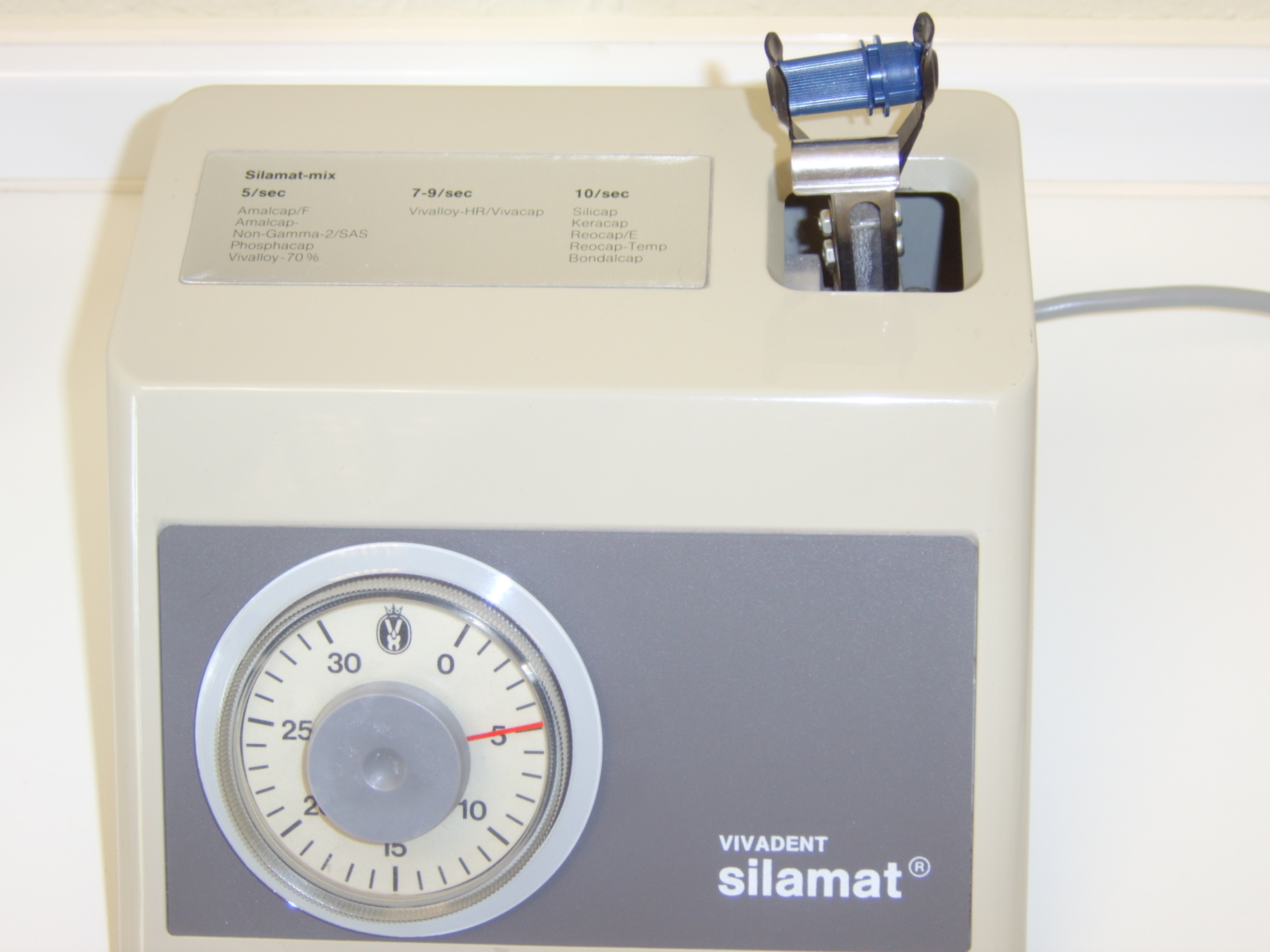
Amalgam was made in the surgery: liquid mercury and alloy powder combined in a mortar or a mechanical mixer, then the excess mercury squeezed out through a cloth by hand before the mix was packed into the tooth.
Pre-capsulated amalgam, in which the mercury and alloy are sealed in a single-use capsule mixed mechanically, is the only form now used in American practice. Mercury hygiene guidance covers spill response, ventilation, storage and the prohibition of exactly the hand-squeezing described above.
The dentist and the assistant were the exposed parties, repeatedly, for whole careers, and surveys of mercury levels in dental personnel were among the findings that drove the change. The patient’s exposure from a set filling was never the main issue; the surgery air was.
7. Rinsed the amalgam waste straight down the drain
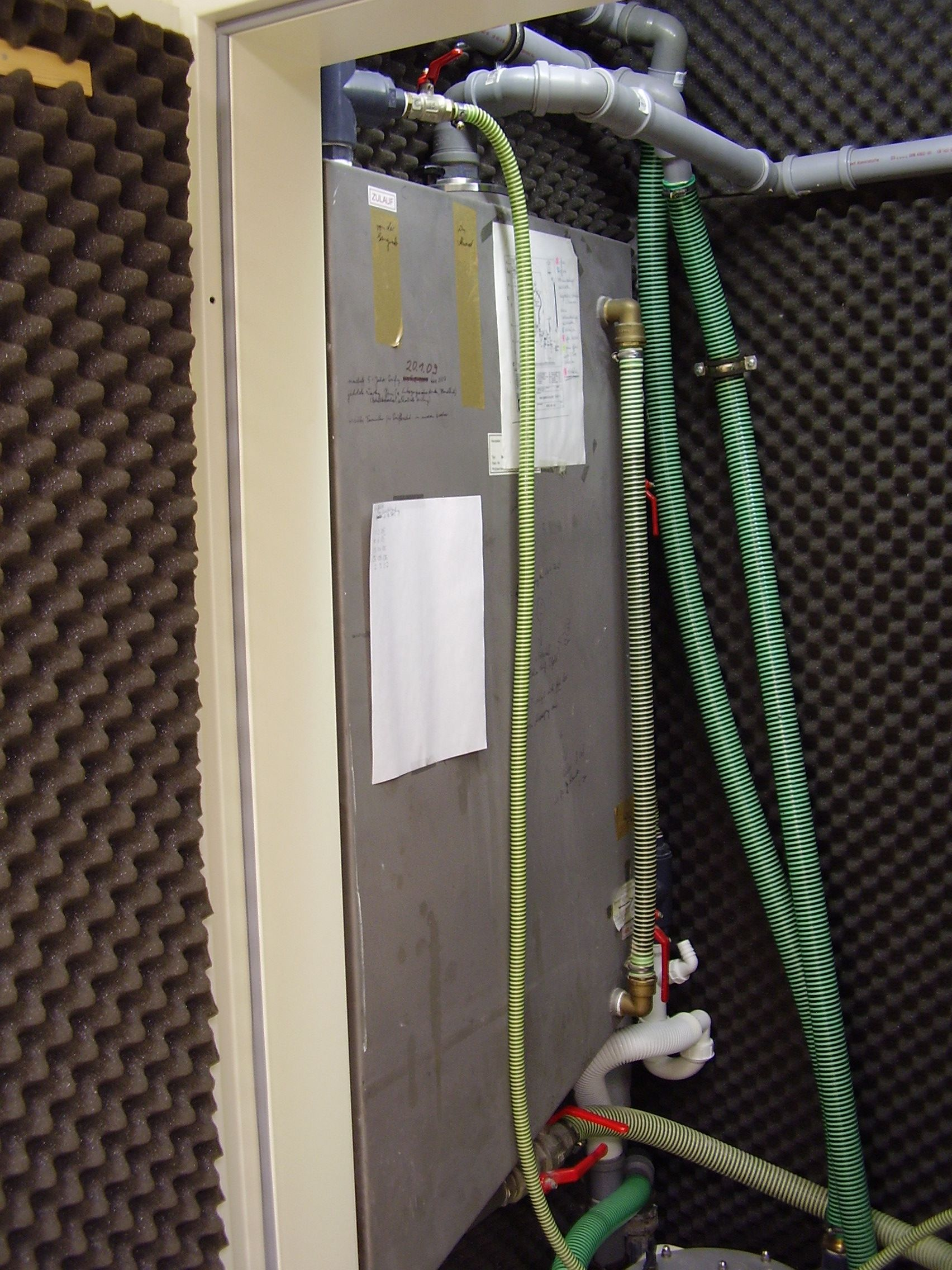
Excess amalgam, the scrapings from a cavity preparation and the contents of the spittoon trap went into the sink and into the sewer, which is where everything in a surgery went.
The Environmental Protection Agency issued a rule in 2017 requiring American dental practices that place or remove amalgam to install an amalgam separator meeting a specified removal efficiency, with record-keeping and a one-off compliance report. Dental offices had been identified as the largest contributor of mercury to municipal wastewater treatment plants.
That is an unusually specific and recent regulation and it is worth knowing why it exists: mercury entering a treatment works concentrates in sludge, which is then applied to land or incinerated, and the dental sector was the single largest source.
8. Took radiographs with no lead apron and no collimation
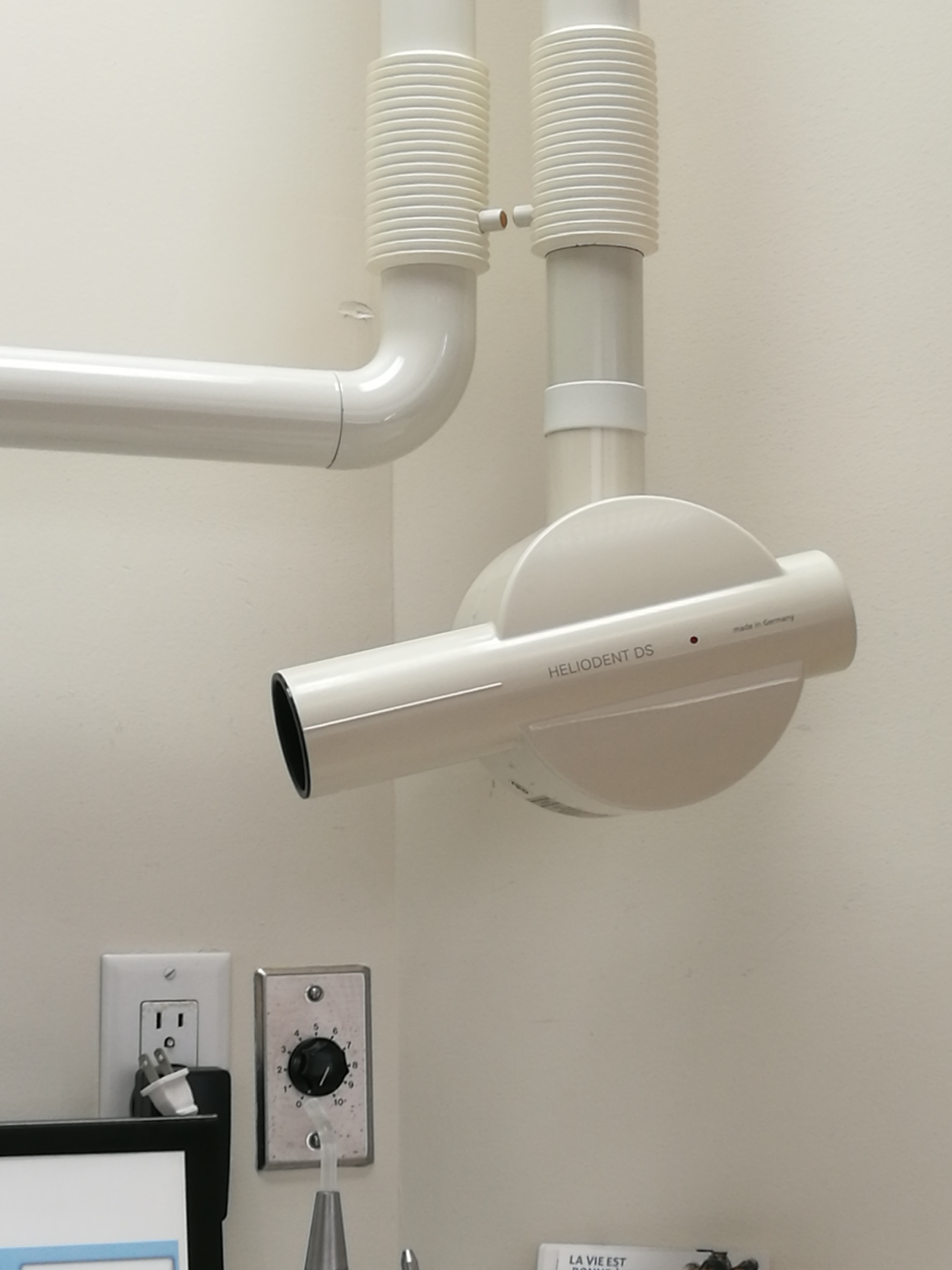
The X-ray machine stood in the corner and the beam was wide, the exposures were long by modern standards, there was frequently no thyroid collar and often no apron, and the dentist operated the machine from beside it rather than behind anything.
American radiation protection in dentistry now requires rectangular collimation or equivalent beam limitation, the fastest available image receptors, a thyroid collar for children and apron use per guidance, exposure settings matched to the patient, and the operator standing outside the primary beam at a specified distance or behind a barrier.
The reduction in dose from a 1960 full-mouth series to a modern digital one is very large, and it comes from four separate changes stacked together: the beam, the receptor, the settings and the operator’s position.
9. Had somebody hold the film in place with a finger
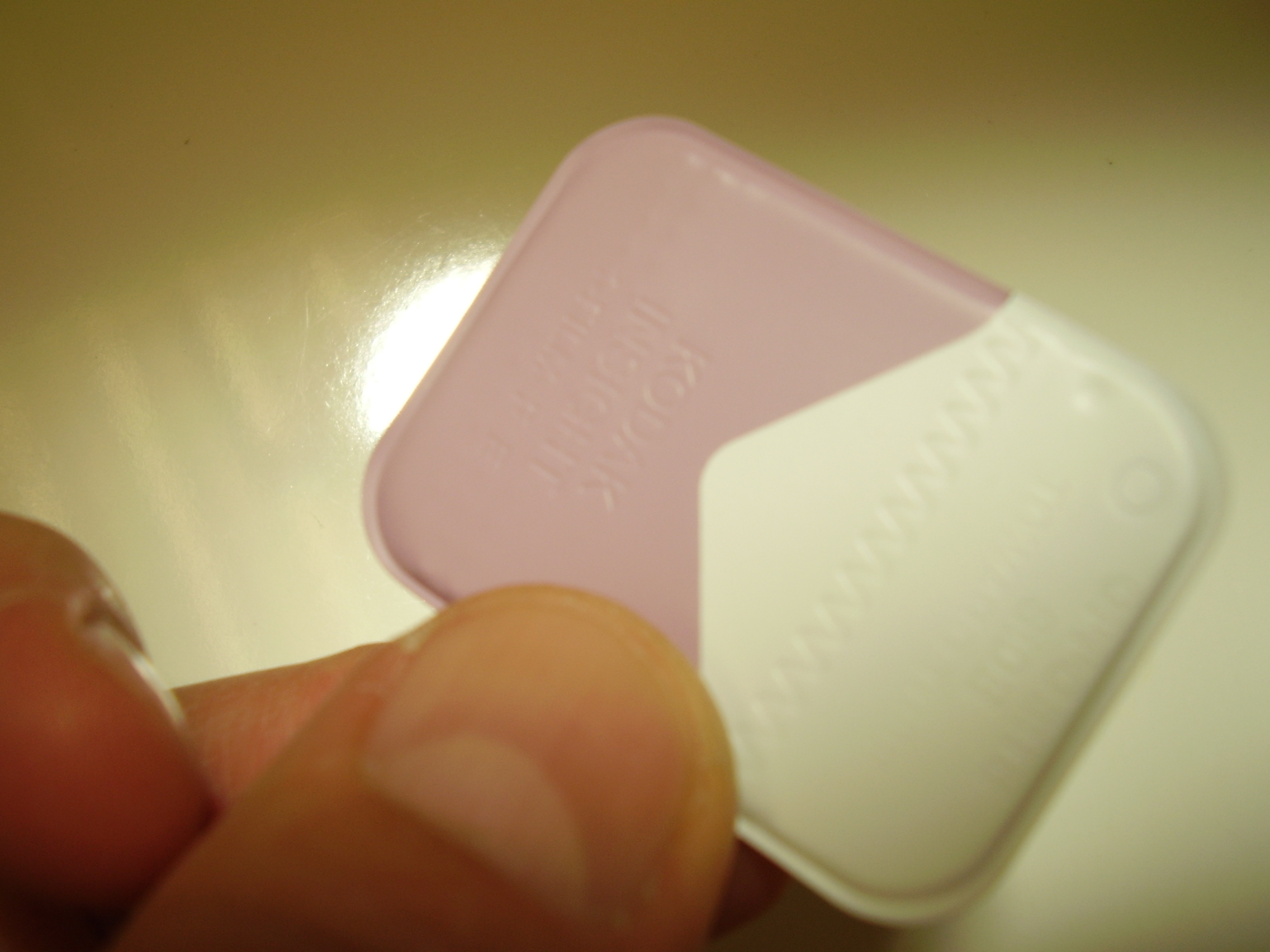
Film packets were held against the teeth by the patient’s own finger, or by the dentist’s, or by the assistant’s, because the holders were awkward and this was faster.
Film and sensor holders with alignment devices are standard, and having anybody hold a receptor in the beam is contrary to American radiation protection guidance. Where a patient genuinely cannot cooperate, the patient holds it rather than a staff member, and never the same staff member repeatedly.
That last distinction is the whole of the principle. A patient receiving one exposure is in a completely different position from an assistant who holds films for twenty patients a day, and the 1960 arrangement put the cumulative dose on the person who was there every day.
10. Had no radiation badge on anybody in the building
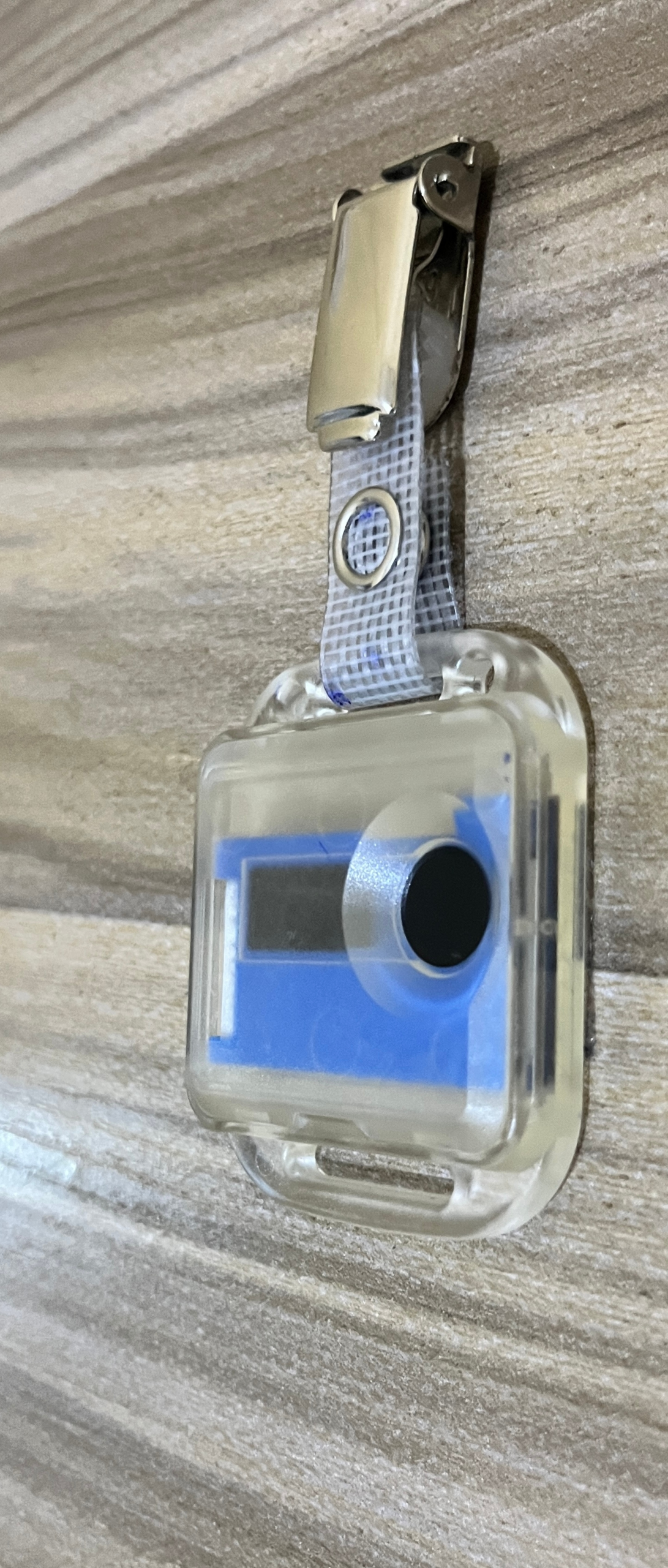
Personal dosimetry — the badge that records a worker’s accumulated exposure — was not in use in most American dental practices, so nobody knew what the staff were receiving.
Occupational dose monitoring, dose limits and record-keeping are now standard where required, equipment is registered and periodically inspected, and the practice has to be able to demonstrate compliance rather than assert it.
The pattern here is identical to the autoclave. The protection is not the badge and not the machine; it is the record, which is the thing that makes a problem visible before it has been going on for ten years.
11. Gave nitrous oxide with nothing to carry the waste gas away
Inhalation sedation was given through a nasal mask and the exhaled gas went into the room. The dentist and the assistant breathed it for the length of every appointment, several times a day, for a career.
American practice requires scavenging systems that capture exhaled gas at the mask, adequate room ventilation, periodic equipment leak testing and exposure monitoring. Occupational exposure recommendations for nitrous oxide exist specifically because of this.
The evidence that drove it came from studies of dental and operating room personnel rather than from patients. It is the clearest example in this list of an occupational exposure being discovered in the people delivering the treatment.
12. Gave general anaesthesia in the chair with no monitoring
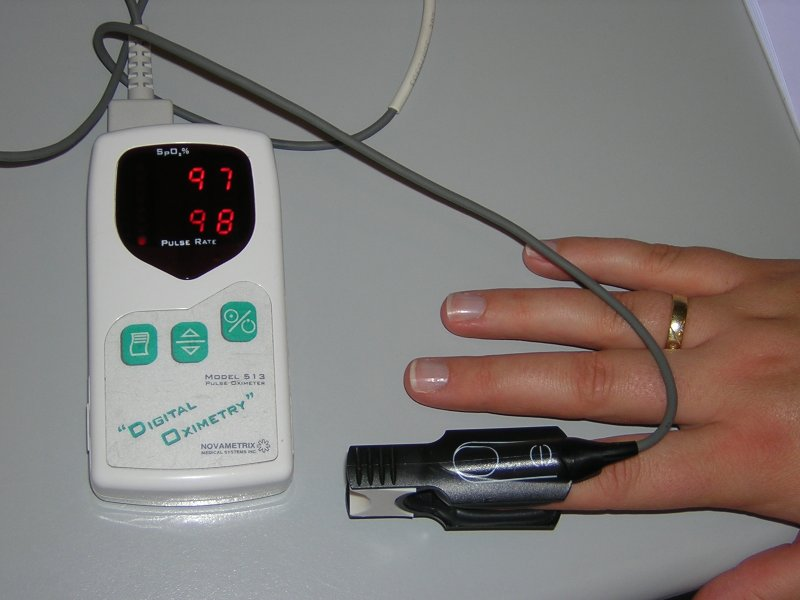
Dental general anaesthesia was administered in ordinary practices, by the dentist or by a visiting anaesthetist, with the patient in the dental chair, assessed by observation: colour, breathing, pulse felt at the wrist.
The pulse oximeter, which continuously measures blood oxygen saturation non-invasively, entered widespread clinical use in the 1980s and transformed the monitoring of sedation and anaesthesia everywhere. American dental sedation and anaesthesia are now governed by state permit systems with training requirements, monitoring standards, staffing ratios, emergency equipment and reporting.
The distinction worth drawing is between what was known and what could be measured. A 1960 practitioner watching a patient’s colour was doing the best available thing. The oximeter made a quantity visible that had previously only been inferred, and the whole regulatory structure followed from that.
13. Held children down in the chair
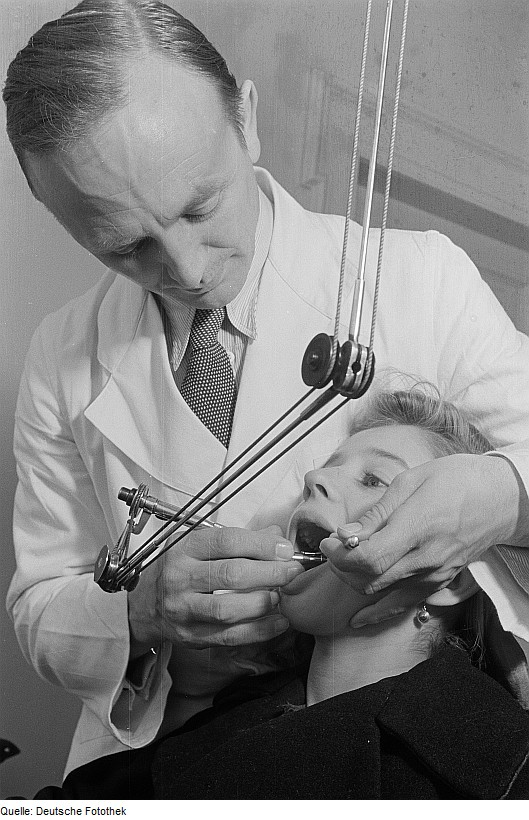
Physical restraint of an uncooperative child — by an assistant, by a parent, by a strap, or by the practitioner’s forearm — was an ordinary technique, and so was the practice of excluding the parent from the room.
American paediatric dentistry now operates within a framework of behaviour guidance in which protective stabilisation requires specific justification, informed consent and documentation, parental presence is generally encouraged rather than excluded, and the alternatives — graded exposure, sedation under permit, referral — are the expected first options.
Nothing here is described and nothing needs to be. The point is structural: the 1960 arrangement had no consent requirement, no documentation, no alternative pathway and no parent in the room, and the modern framework supplies all four.
14. Smoked in the surgery
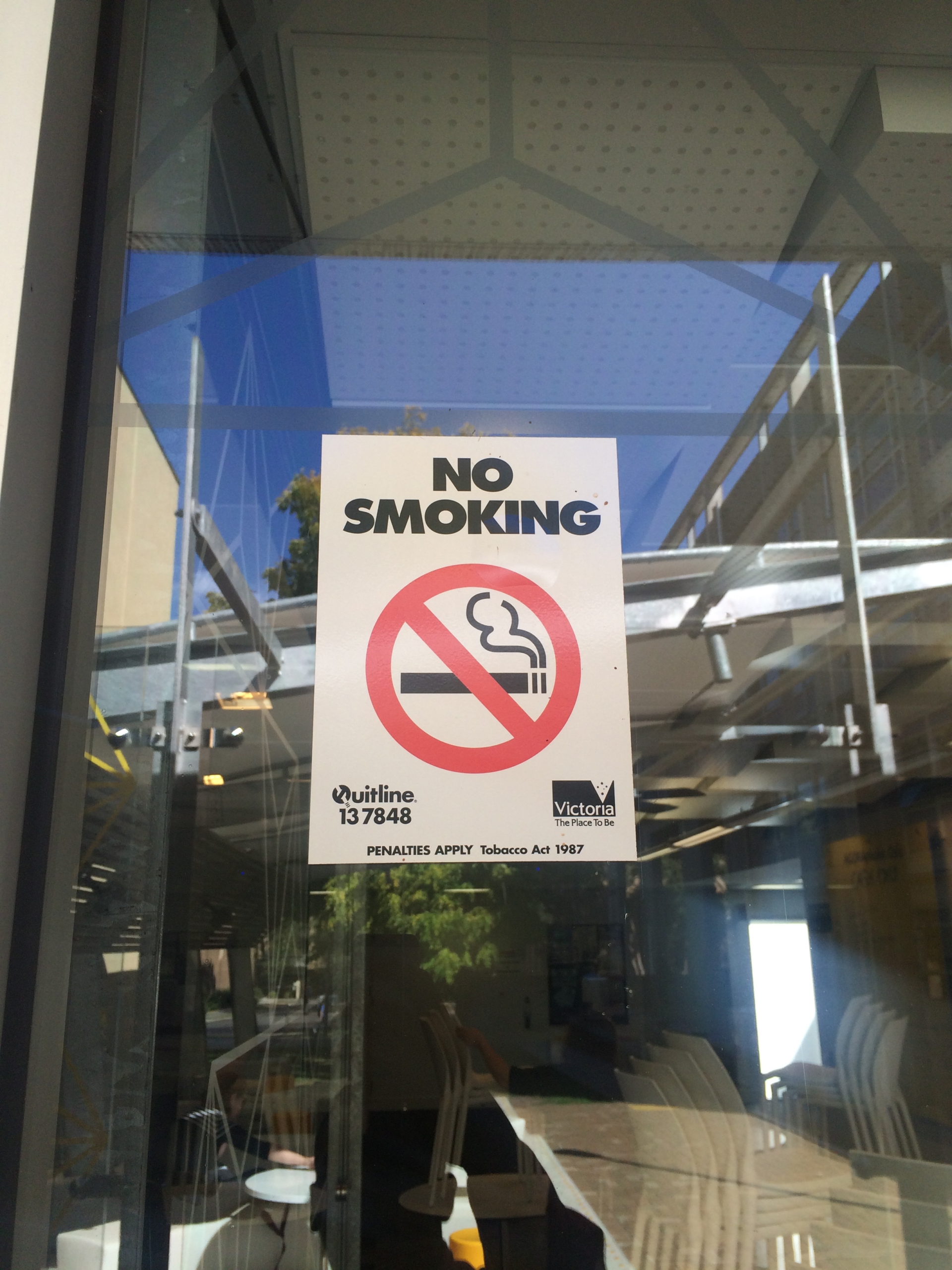
The dentist smoked, the staff smoked, there were ashtrays in the waiting room and frequently in the operatory, and the practice was unremarkable in a building full of patients with respiratory and oral disease.
Smoking is prohibited in American healthcare settings and workplaces across the great majority of states and municipalities, and dental practices are now a principal site of tobacco cessation advice, which is close to the opposite of the 1960 position.
The domestic side of American smoking in this period is covered separately in this series. The point here is the oral health one: the profession with the clearest daily view of what tobacco does to a mouth was among the slower ones to stop.
15. Cleared healthy teeth as a matter of routine
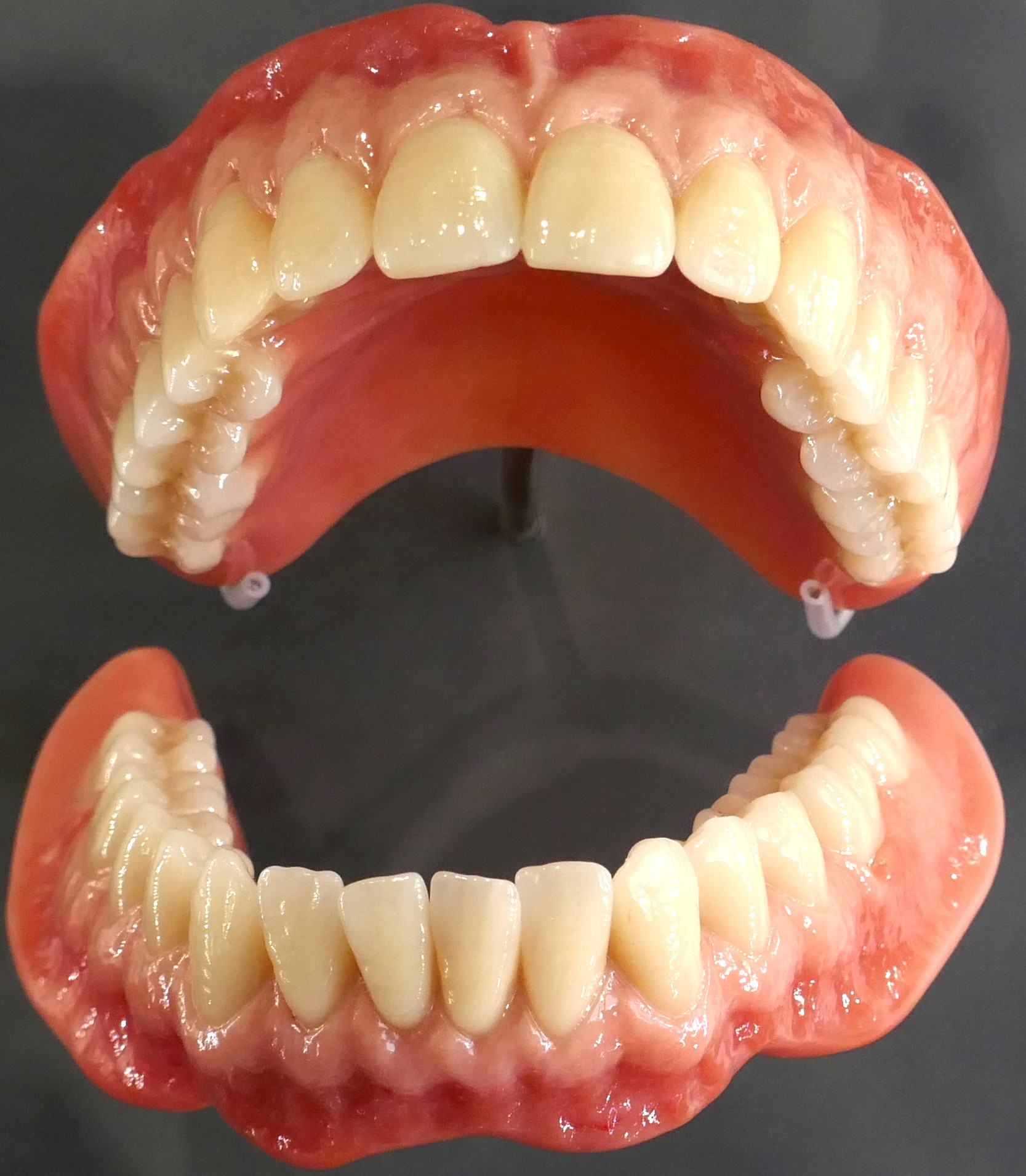
Full-mouth extraction of sound teeth, on the reasoning that dentures were cheaper, more hygienic and less trouble over a lifetime, was performed on young adults. It was more common in some countries than in the United States and it was performed here.
Modern American practice is built on the opposite premise: preservation, minimal intervention, prevention and restoration, with extraction of a healthy tooth requiring specific justification. The shift rests on fluoride, on adhesive restorative materials and on the understanding that an edentulous jaw resorbs progressively and permanently.
That last point is the finding that ended the practice. Removing teeth does not stabilise a mouth, it starts a different and irreversible process in the bone, and the full clearance that was offered as a permanent solution turned out to be the beginning of a long problem.
16. Offered staff no vaccination against anything
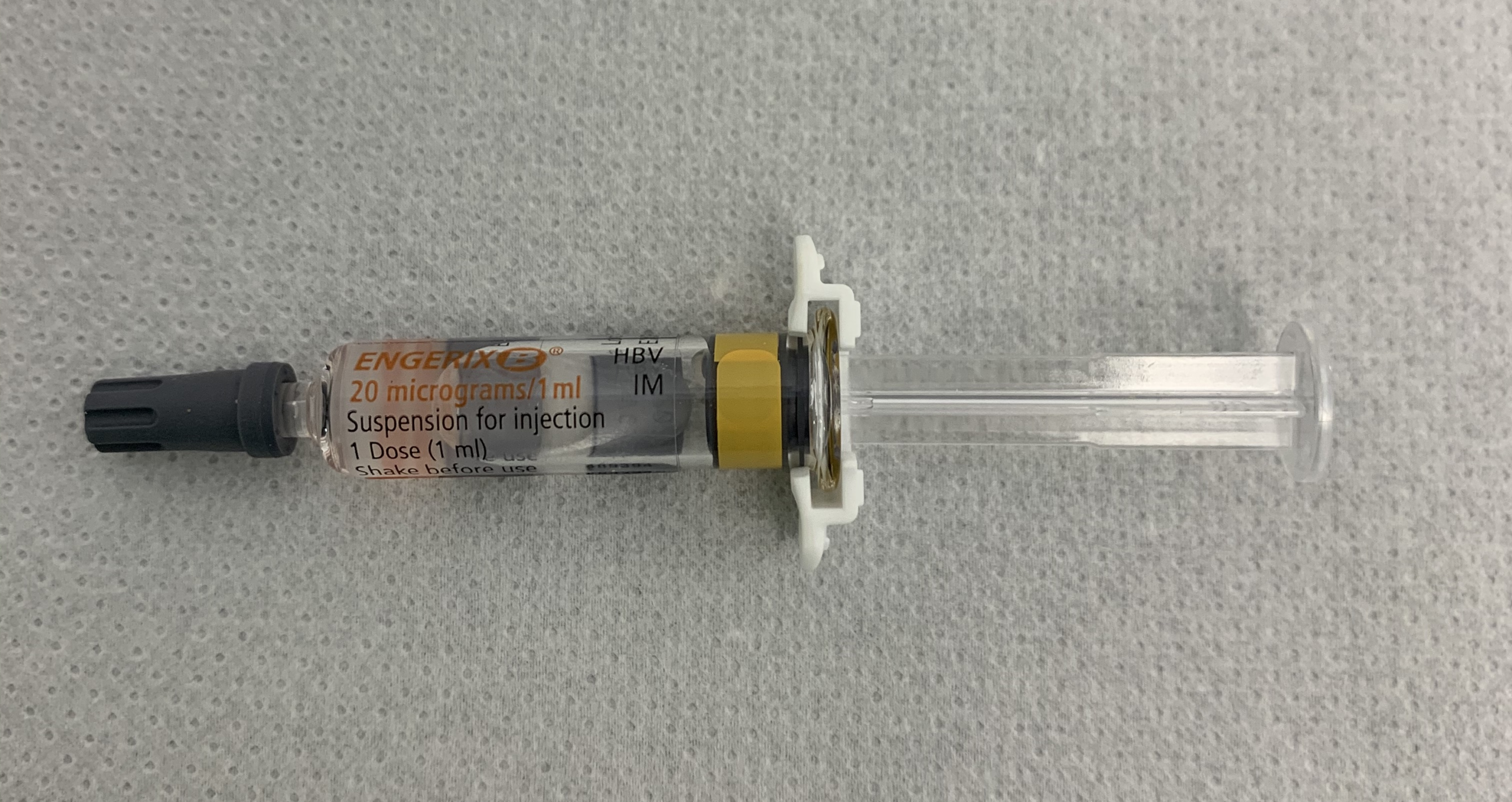
Dental staff were exposed to blood and saliva constantly with no immunisation available against the bloodborne virus that most affected them, because the vaccine did not exist.
A hepatitis B vaccine became available in the early 1980s, and the American occupational bloodborne pathogens standard requires employers to offer it to exposed workers at no cost, along with training, exposure control planning and post-exposure follow-up.
This is the item that best captures why 1960 looks the way it does. The staff were at genuine occupational risk, the profession knew they were, and the two things that fixed it — a vaccine and a glove — were a decade and three decades away respectively.
Prove it, rather than mean it
Six of the sixteen items follow one pattern and it is the defining pattern of modern clinical practice. The autoclave spore test, the radiation badge, the equipment inspection, the sedation permit, the pulse oximeter, the amalgam separator record: in every case the 1960 practice had the intention and no way to establish the result, and the modern requirement is not to do the right thing but to be able to show that you did.
The other pattern is occupational. The gloves, the sharps container, the mercury capsule, the nitrous scavenging, the dosimetry badge, the hepatitis B vaccine: every one of those protects the staff first and the patient second, and several of them were driven by findings in dental personnel rather than in patients. The people most endangered by a 1960 dental surgery were the three people who worked in it, and the modern surgery was rebuilt substantially around them.
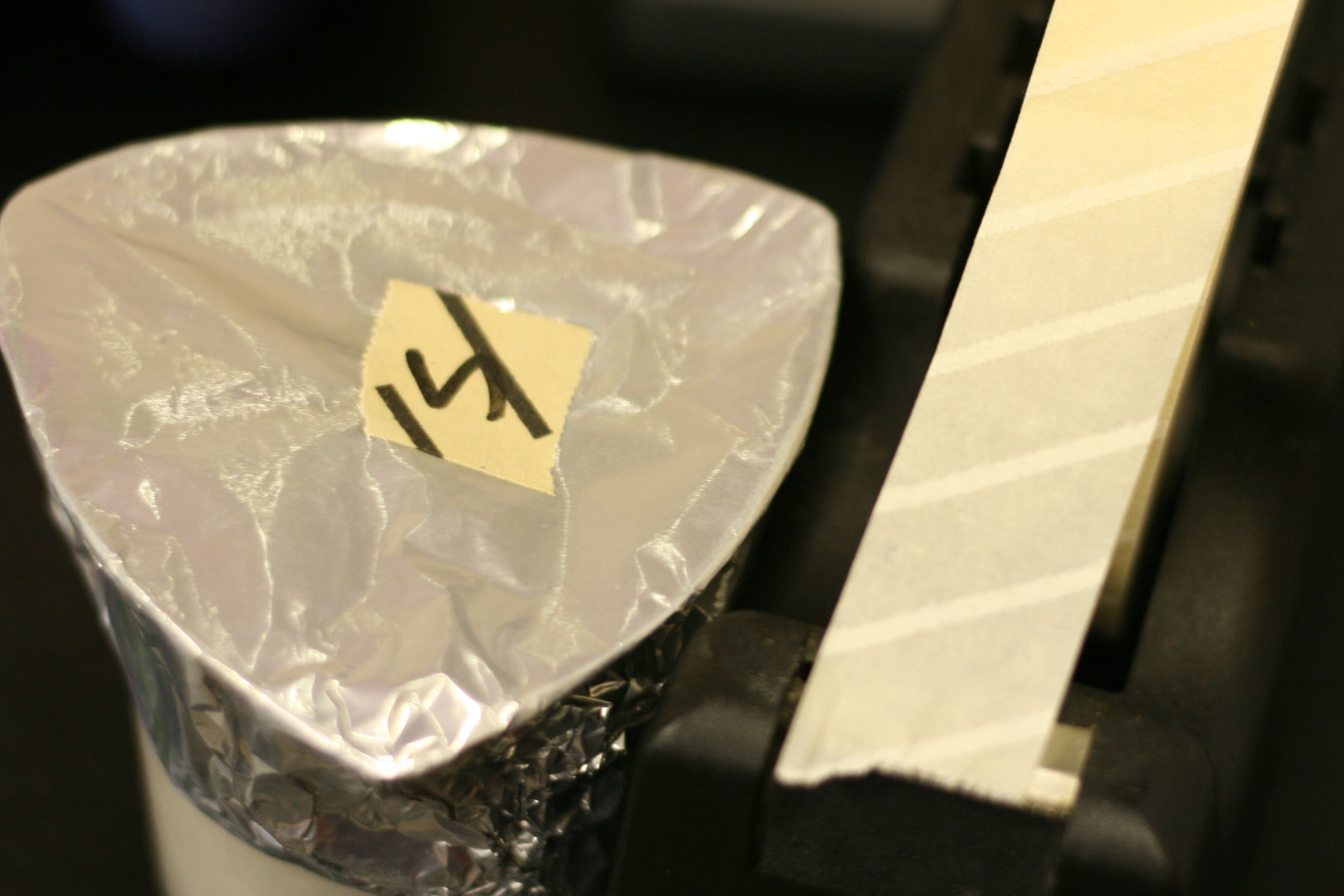
The single most telling object in a modern surgery is the small strip of tape on the wrapped instrument pouch that changes colour when the autoclave has run. It costs almost nothing and it is the whole difference between 1960 and now: not better intentions, but a cheap physical proof that the machine did what it was supposed to.
The 1960 tray of disinfectant looked just as clean and could prove nothing at all.
Like our content? Follow us for more.