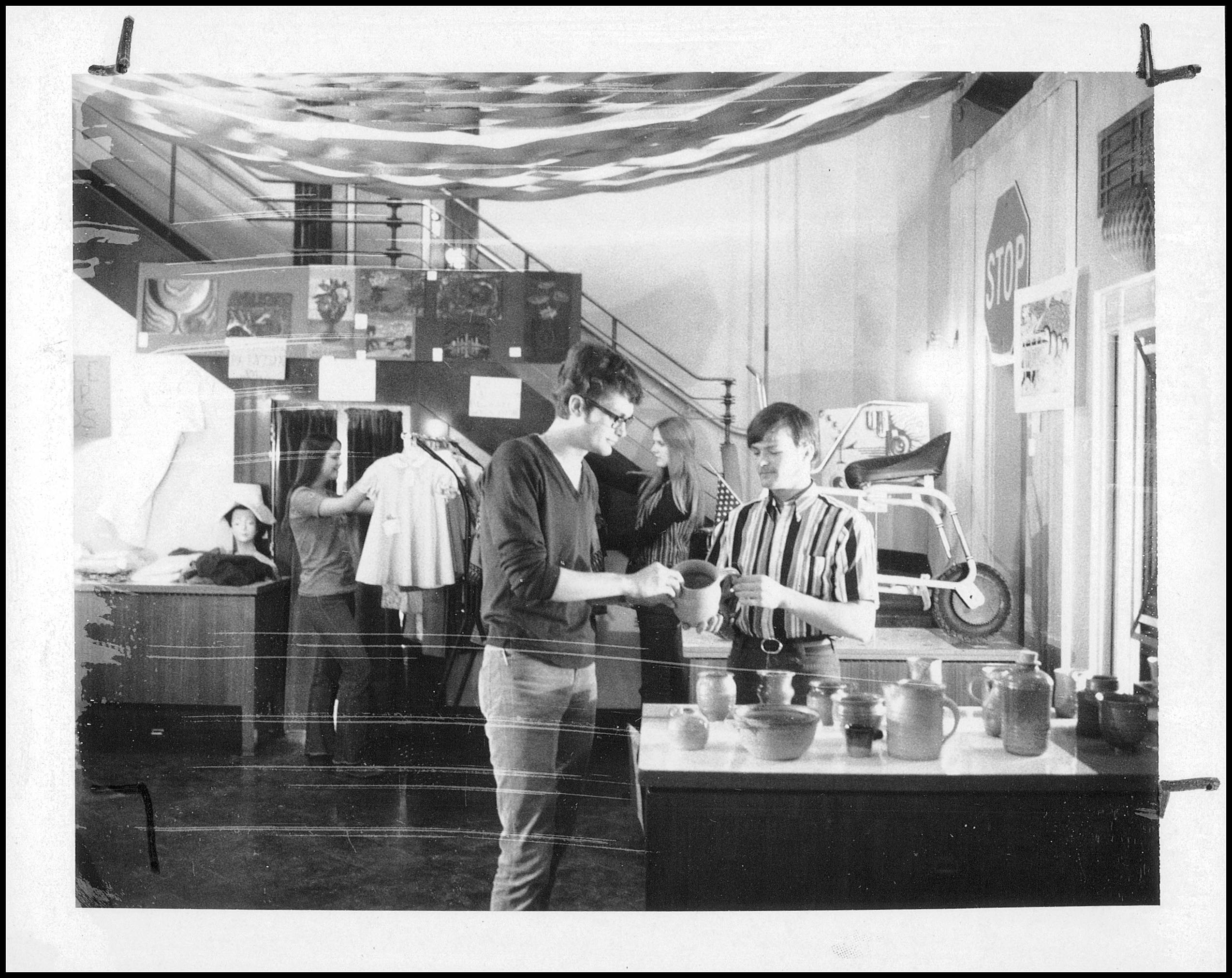
In 1974 the school store was a hatch in a corridor wall that opened for ten minutes before the bell and again at break, and was shut and locked the rest of the day.
It was staffed by pupils who took the cash, gave change and counted the float into a ledger. The profit went to the student council, who argued about how to spend it. It had a monopoly on every item teachers required you to own. And it was the only place in your life where you could spend your own money, alone, with nobody watching.
Here are sixteen things every American kid bought at the school store in 1974, and what became of each one.
1. It Was a Window in a Wall, Not a Shop
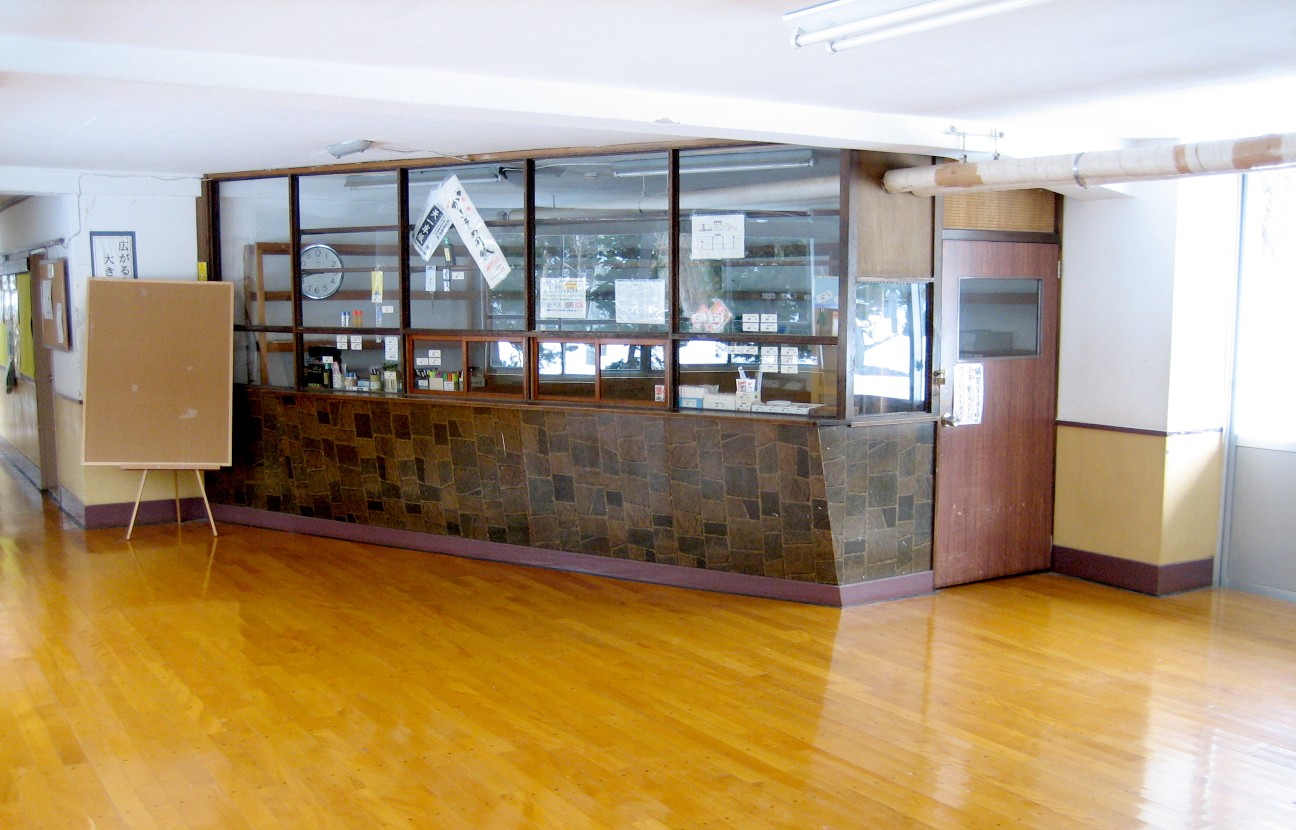
The school store was rarely a room. It was a hatch, a counter built into a corridor wall, a converted closet with a roller shutter, or a table wheeled out at set times – with the stock behind it and the customer in the hallway.
Replaced by vending machines, online supply ordering and in many schools by nothing at all. The physical arrangement was deliberate: a serving hatch can be opened and closed in seconds by one person and locked completely the rest of the time.
That design is why the store felt like an event rather than a facility. A shop you can walk into whenever you like is background; a shutter that goes up for ten minutes creates a queue, and the queue was half the experience. Everybody in it knew exactly how long they had.
Like our content? Follow us for more.
2. It Opened for Ten Minutes and You Had to Be There
Trading hours were short and fixed – before the first bell, at morning break, sometimes briefly at lunch – and they were enforced absolutely, because the staff were students who had their own lessons to get to.
Continuous access through machines or no access at all. The narrow window meant forgetting something was a real problem: if you discovered at the start of second period that you had no pencil, you were without one until break.
The scarcity shaped behaviour in a way that is hard to imagine now. Children planned their purchases, saved for them across days, and queued early for stock they knew was limited. A store open for a cumulative half-hour a day creates an urgency that an always-available supply cupboard never could.
3. Other Students Ran It, Handled the Money and Kept the Books
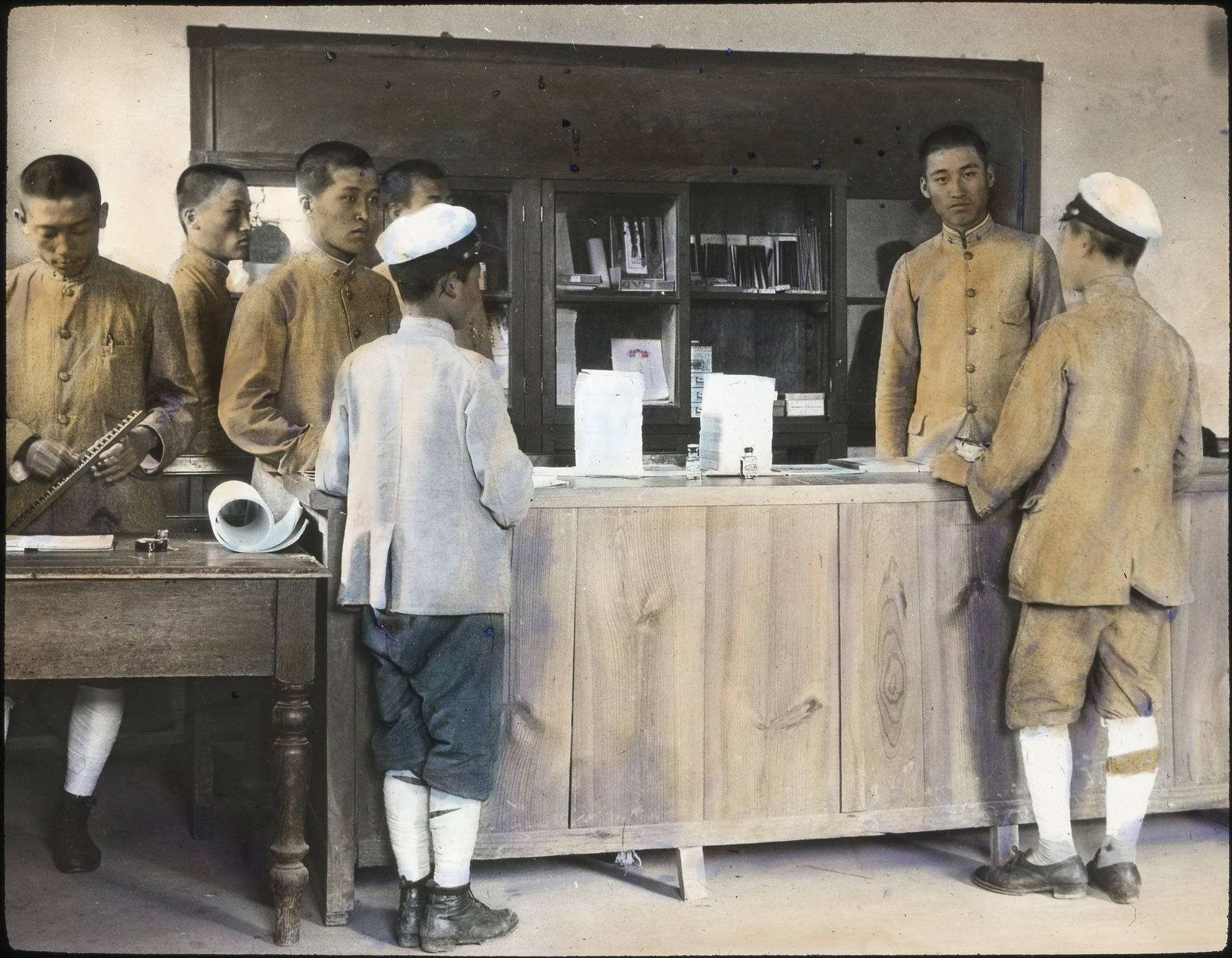
The store was staffed by pupils – serving, taking cash, giving change, restocking, counting the float at the end and recording takings in a ledger, usually under the loose supervision of a teacher who had other things to do.
Financial controls now require an audit trail, reconciliation and an accountable adult, so pupil-handled cash operations have largely gone. Those students were running a small retail business with real inventory and real money.
As a piece of practical education it was unusually good, which is the argument for it. The people who worked the store learned stock control, change-giving under pressure, queue management and the discomfort of refusing credit to a friend – and a surprising number of them cite it as the first time they understood how a business actually works.
4. The Profit Went to the Student Council and Was Argued Over
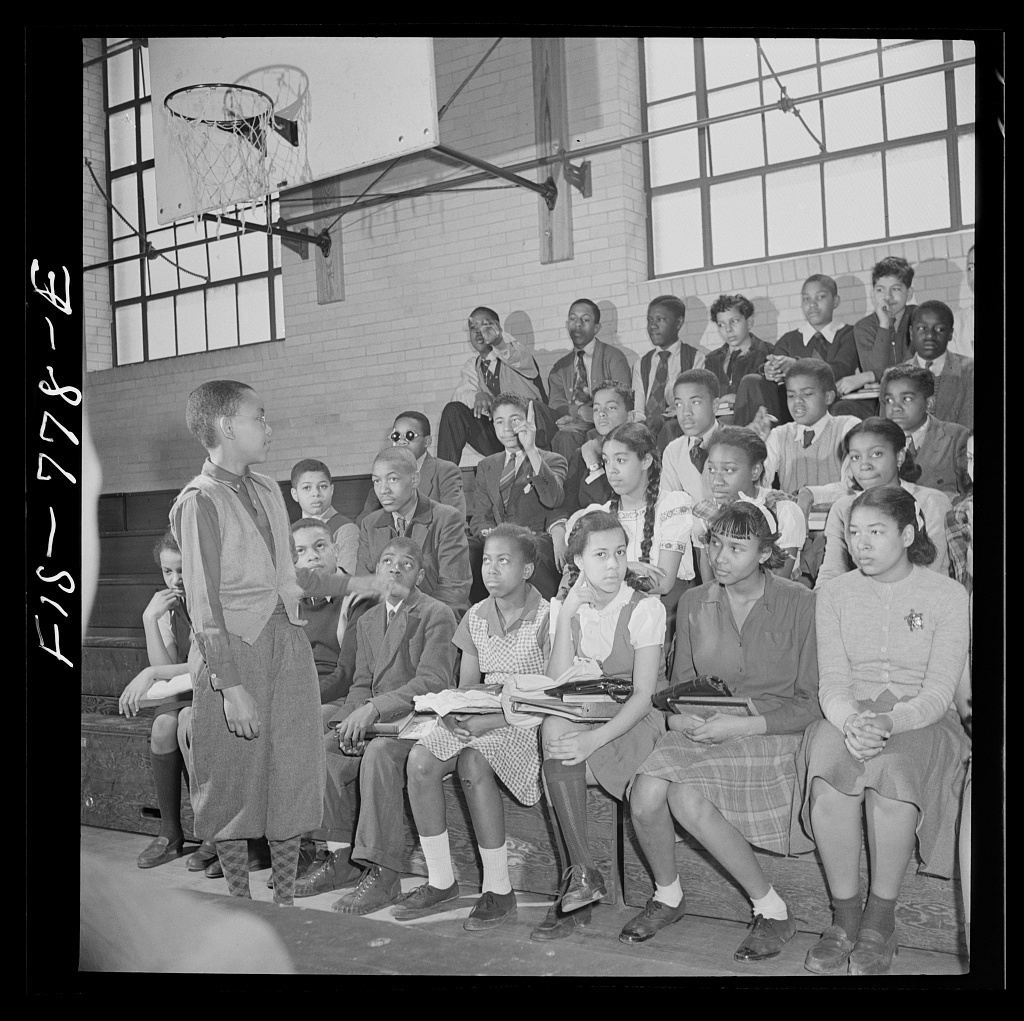
Takings funded student activities – the dance, the yearbook, the trip subsidy, equipment, a donation – and the allocation was decided by the student council, in meetings, with votes.
Where equivalents exist the money is handled through school accounts. The store was one of very few sources of money that students genuinely controlled, which is why the arguments about spending it were taken so seriously.
It is worth noticing what that produced. A group of teenagers with a real budget, derived from revenue they had generated, deciding collectively how to spend it, with their decisions visible to everybody affected – that is a far better civics lesson than any lesson about civics, and it happened as a side effect of selling pencils.
5. It Had a Monopoly on the Things You Were Required to Own
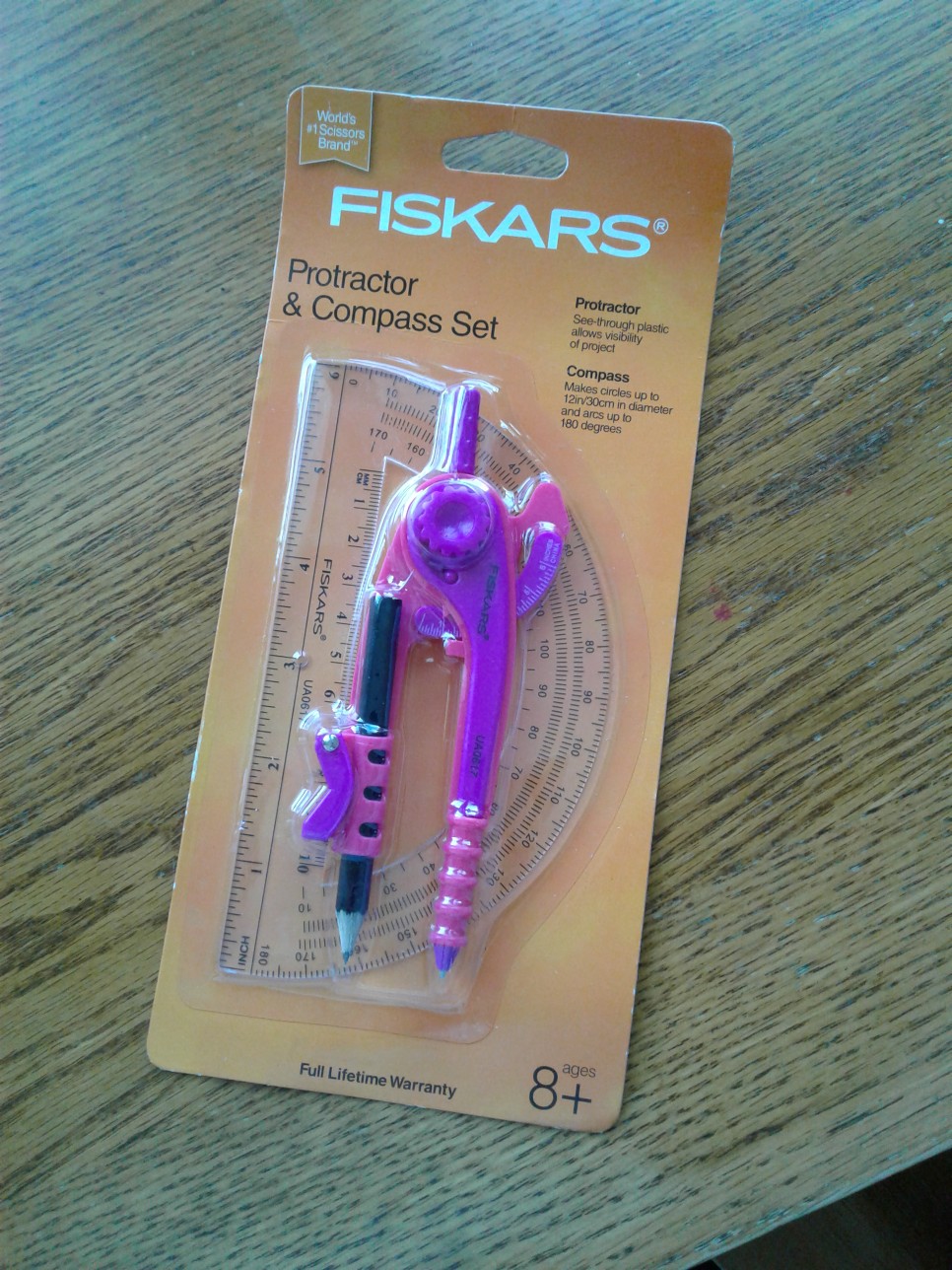
The store stocked exactly what teachers demanded: the specified pencil, the particular size of ruled paper, the protractor, the compass, the ruler with the right markings, the folder in the right colour.
Supply lists sent to families before term, bought at a retailer or supplied by the school. The monopoly was not accidental – the store stocked what the school required and the school required what the store stocked.
Which gave it a commercial position that no ordinary shop enjoys. A child told on Monday that they must have a protractor by Tuesday had one place to get one, at a price nobody was comparing, and the margin on that was the foundation of the whole operation. No business school would call it anything other than what it was.
6. Pencils Were the Volume Business
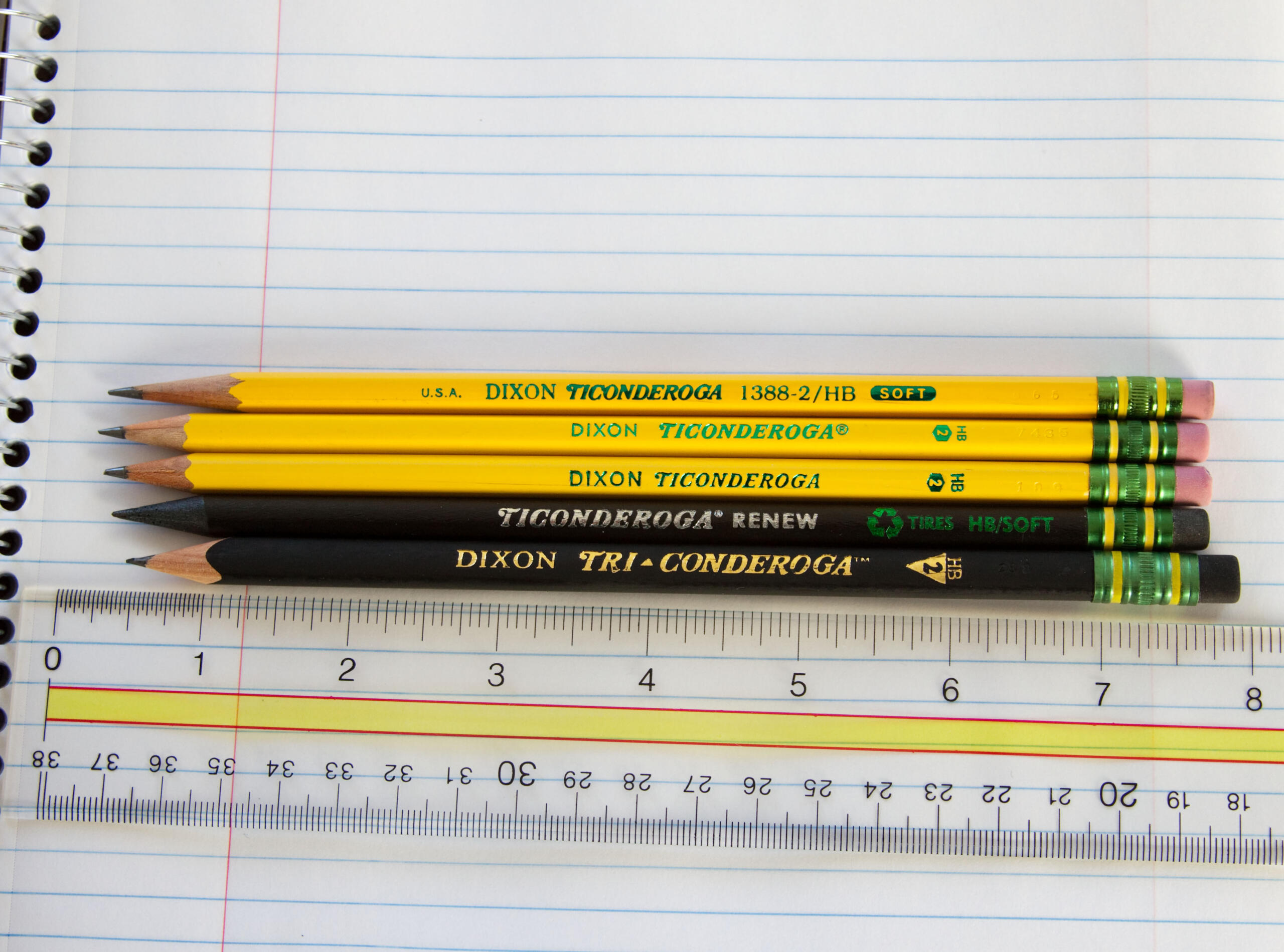
The single largest category by units was the plain pencil, sold individually for a small coin, bought constantly because pencils are lost, broken, borrowed and worn down faster than any other school item.
Bought in packs from a retailer or supplied by the school. Selling pencils singly rather than in packets is the key to the economics: a child with one coin buys one pencil, and does so again two days later.
The single-unit sale is the whole model and it is the same reason sweets were sold loose. A packet of twelve is a purchase a parent makes; one pencil is a purchase a child makes with their own money, on their own authority, and the store existed to serve the second kind of transaction.
7. Erasers Were the Aspirational Purchase
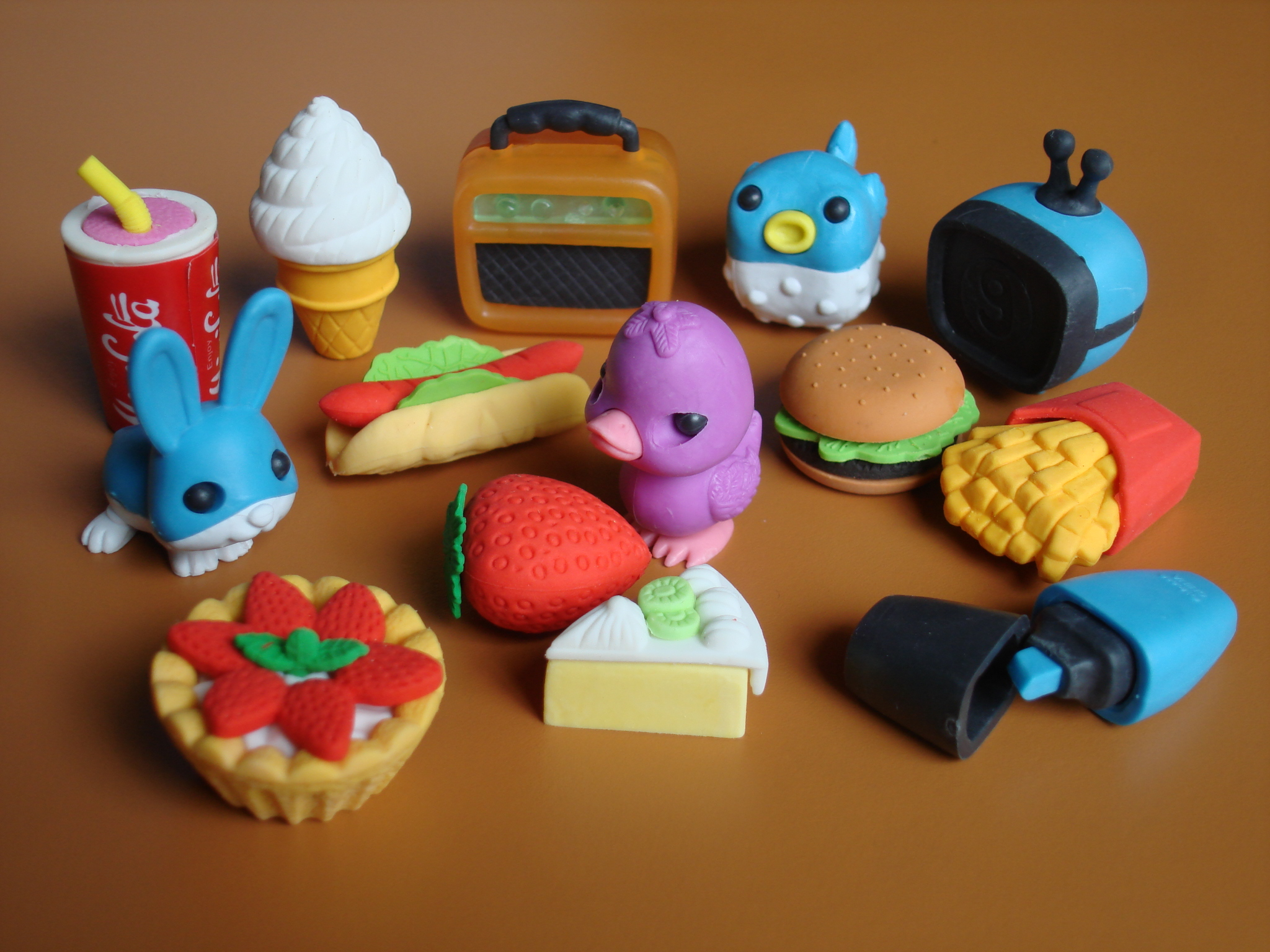
Beyond the plain block there was a hierarchy: the coloured eraser, the one shaped like something, the one in a plastic sleeve, the double-ended pencil-and-ink type, and at the top the ones that cost noticeably more than a pencil.
Still sold everywhere, with the novelty market larger than ever. Erasers were the first genuinely discretionary purchase available to a child at school – nobody needed a better eraser, which is precisely what made buying one feel significant.
That is the category that reveals what the store really was. Pencils were necessity. Erasers were choice, status and self-expression bought for a few cents, displayed on a desk, compared with other people’s and occasionally stolen. A novelty eraser is a luxury good scaled to a nine-year-old’s economy, and it worked exactly as luxury goods do.
8. The Scented Eraser Was a Genuine Phenomenon
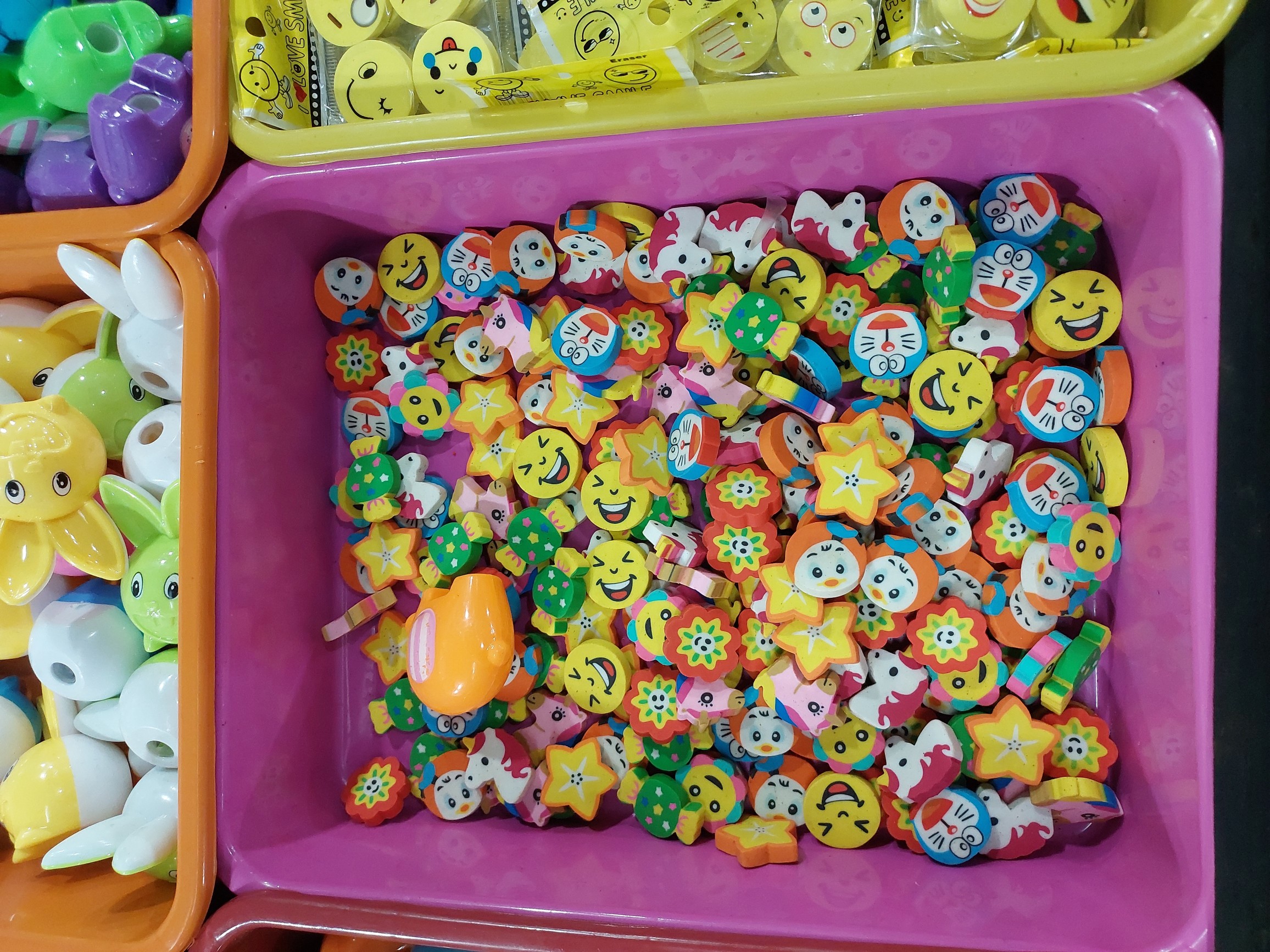
Erasers perfumed to smell of strawberry, grape, chocolate or bubblegum arrived and became an obsession – collected, traded, compared, sniffed repeatedly, and ruined by being sniffed until the scent went.
Still manufactured and still popular. The scent faded with handling and exposure, which built obsolescence into the product and meant a collection needed replacing – a mechanism nobody involved would have described in those terms and which drove repeat purchase relentlessly.
They were also the first trading currency a lot of children encountered. A scented eraser had an agreed relative value, could be swapped for other items at rates everybody understood, and was carried in a pencil case as a holding rather than as a tool – which makes a classroom in 1974 a functioning barter economy running on perfumed rubber.
9. Paper Was Sold by the Sheet
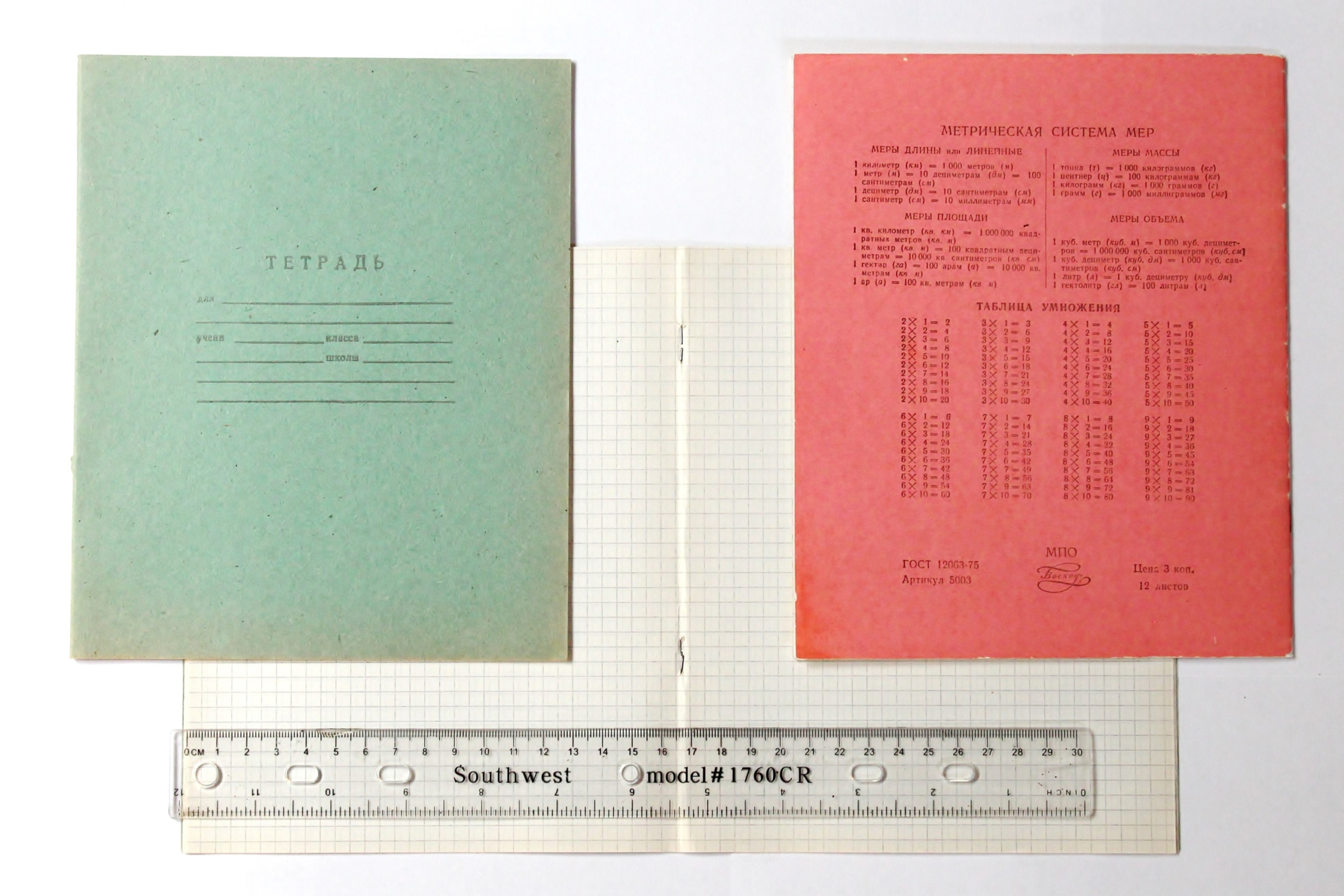
Ruled paper, graph paper and tracing paper were sold individually or in small counts, because a child who needed three sheets for an assignment bought three sheets.
Supplied by the school or bought in reams by families. Selling paper singly only works where the seller is on site, has no overheads and is dealing with customers who have a few coins and an immediate need.
It also quietly solved a real equity problem. A child whose household could not provide a full pad could still turn up with the right paper for the lesson, bought that morning for small change, without anybody having to notice – which is one of the more useful things the store did and one that nobody advertised.
10. It Sold the Gym Uniform and You Had No Alternative

The regulation shorts, shirt and in many cases a bag, each in the required colour with the school name printed on, were sold through the store and nowhere else.
Supplied through approved suppliers or online stores, with the same single-source problem and the same complaints about it. A required item available from one seller at one price is a captive market regardless of who is running it.
The cost of this fell unevenly and visibly. A family required to buy a named uniform item at a set price, on a date, from a single source, with no second-hand route unless the school ran one, is facing a non-negotiable expense – and in a school where some pupils had the current kit and some had a sibling’s faded one, the difference was on display in every lesson.
11. It Sold School Pennants, Decals and Bumper Stickers
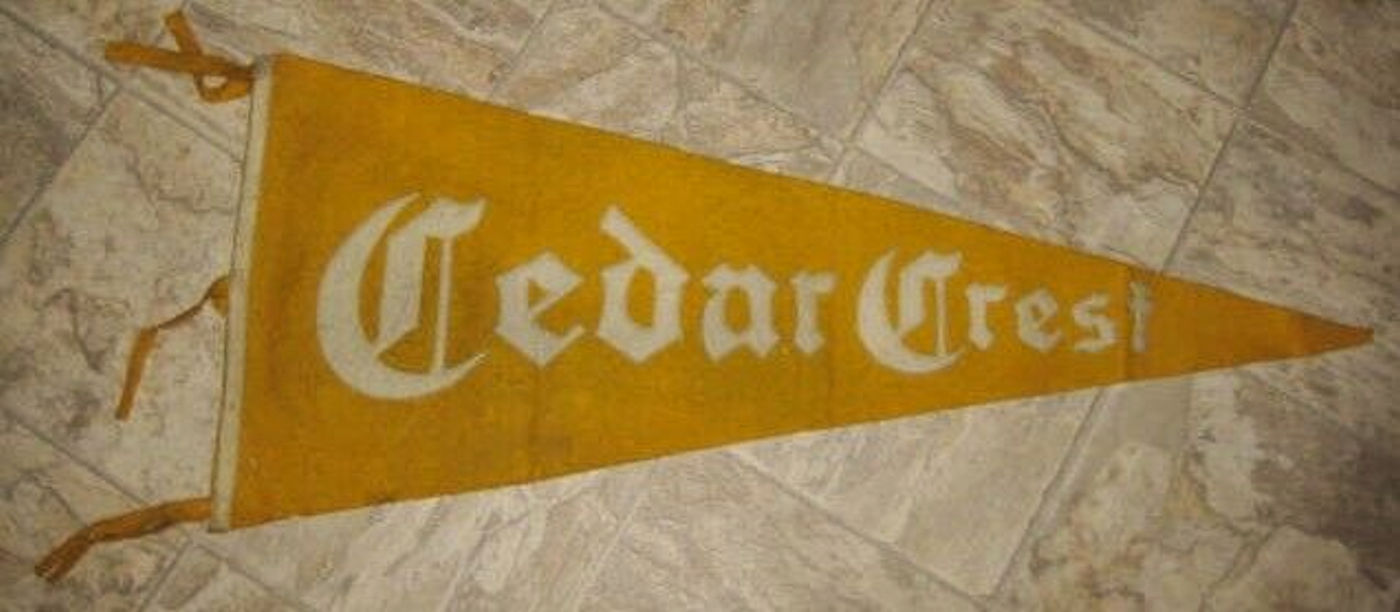
Alongside the supplies sat the identity merchandise: the felt pennant for a bedroom wall, the window decal, the bumper sticker, the pencil with the school name, the keyring, the notebook with the mascot on it.
A substantial branded merchandise business, sold online and in retail, far larger than the old store’s rack. The pennant was the significant one – a felt triangle on a bedroom wall was how a child displayed allegiance in a room.
This is the part of the stock that survives in houses. Supplies were consumed, uniforms wore out and erasers lost their smell, but the pennant went on a wall and then into a box and then into an attic, which is why a loft clearance turns up a school pennant from 1974 far more often than anything else the store ever sold.
12. Prices Were in Cents and the Margins Were Real
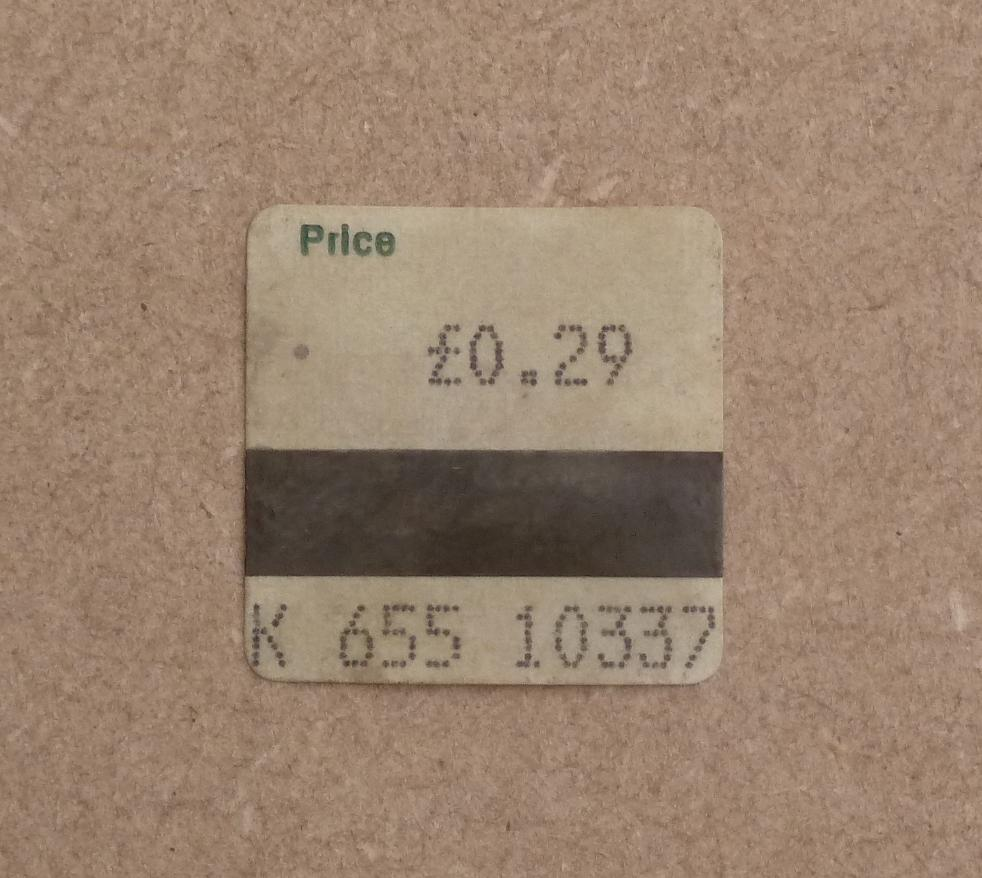
Items were priced in small coins, with a printed or hand-written list on the wall, and the mark-up on stationery bought wholesale and sold singly was substantial.
Equivalent operations run on school accounting with the margin disclosed. The store was profitable precisely because of the format: wholesale purchase, single-unit retail, no rent, no wages, a captive market and short hours that concentrated demand.
Whether that was exploitative or admirable depends on where the profit went, and in almost every case it went back to the pupils in the form of activities they used. A business taking money from children and spending it on things for those children is a closed loop, which is a reasonable defence – and it was still a monopoly selling compulsory items at an unexamined price.
13. There Was an Informal Credit System and It Was Enforced Socially
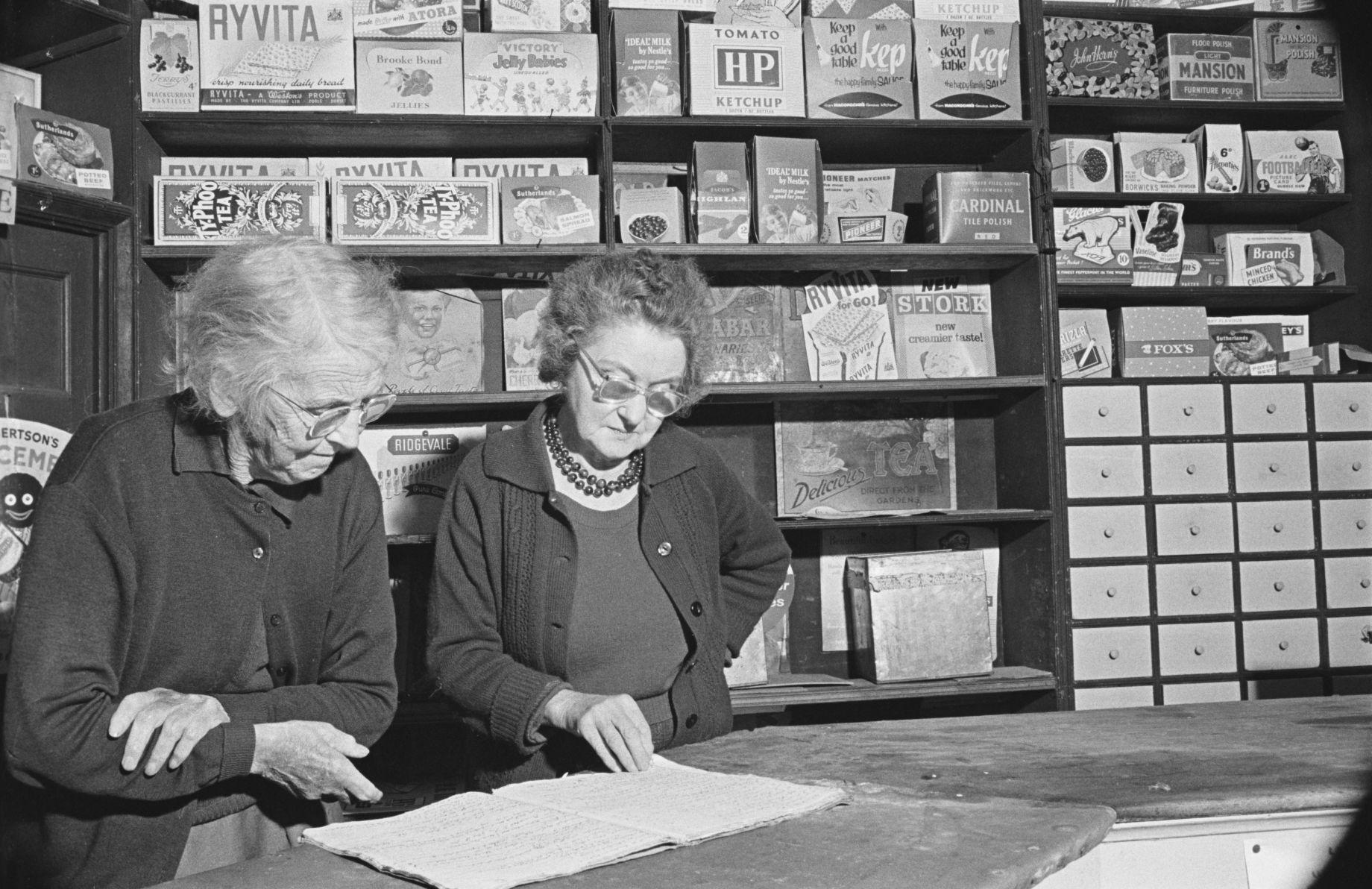
A pupil without money was frequently served anyway, with the amount noted on a scrap of paper or in the back of the ledger, to be settled later – a tab run by student clerks with no authority to collect.
Impossible under any modern financial control. The debts were enforced entirely by social pressure: everybody knew who owed, and the clerk was a classmate who would mention it.
It worked remarkably well and for an obvious reason. In a closed community where the creditor sits two rows away and will be there every day for years, default has a real cost, which is the same mechanism that made village shop credit work for centuries. It also meant a child who could not pay was publicly in debt to another child, which is less charming.
14. Lost Property Was Sold Back to You
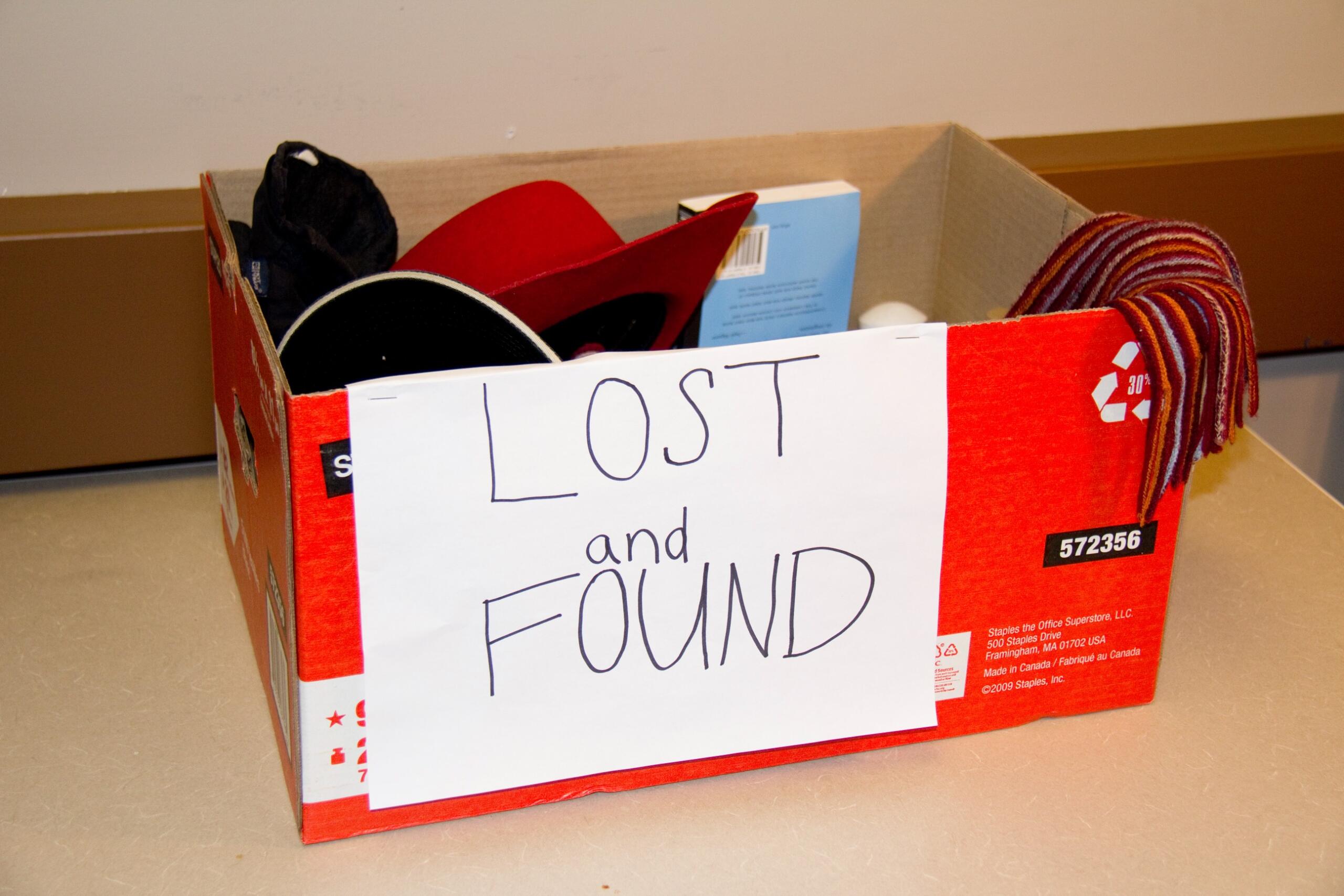
Unclaimed items – pens, rulers, sets of compasses, calculators once they appeared – were periodically absorbed into the store’s stock and sold, sometimes to the person who had lost them.
Lost property is now held, logged and returned or disposed of under policy. Selling unclaimed goods was an entirely ordinary practice and was regarded as a sensible way of clearing a drawer and funding the dance.
The obvious objection was never raised at the time, as far as anybody remembers, and there is something very of-its-period about that: a school selling a child their own lost ruler back to them for a nickel, and nobody involved thinking that required a second look.
15. It Was the Only Place You Could Spend Money Alone, in School, in Private
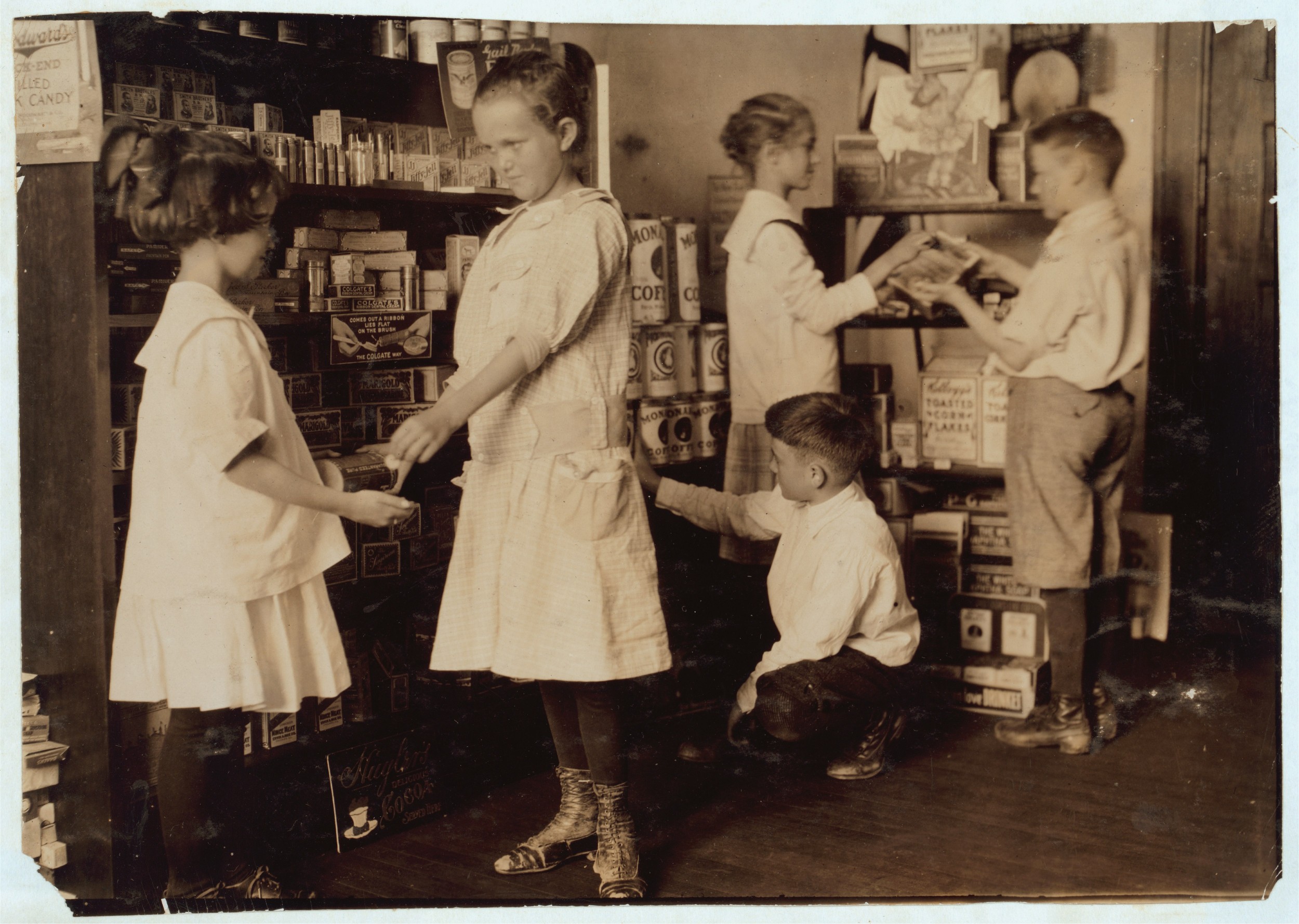
The store transaction was unmediated. A child walked up with their own money, chose, paid and left, with no parent present, no permission required and no adult making the decision.
Cashless systems route purchases through a parent-funded account with a visible transaction history, which is better in several ways and removes this one entirely. In 1974 nobody knew what you bought.
That privacy mattered more than it sounds. Choosing to spend a week’s coins on a scented eraser rather than on something useful is a decision, and making it unobserved – and sometimes regretting it unobserved – is how children learn what money is. A purchase a parent can see on an app is a different kind of transaction.
16. Then the Supply List and the Vending Machine Replaced It
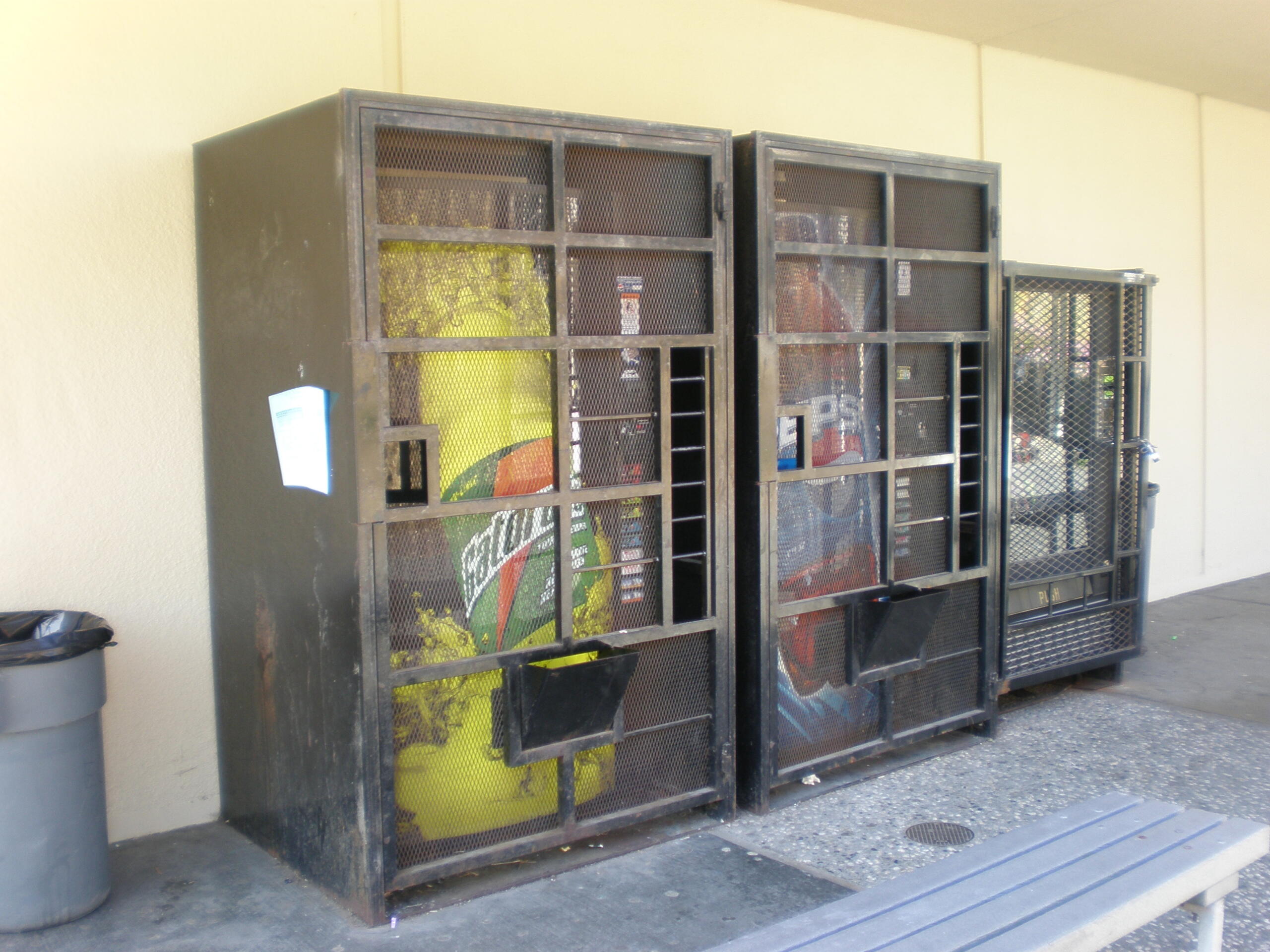
The model depended on short hours, pupil labour, cash, a captive market and a school willing to let students run a business in a corridor.
Supply lists moved buying to families before term, retailers and online sellers undercut the stationery margin, vending machines handled the impulse purchases without staffing, and financial controls ended pupil cash handling. Branded merchandise moved to a school’s online shop.
Each replacement is more efficient and together they removed the thing itself. The transactions still happen – families still buy pencils and pennants – but they happen before term, online, with a parent, at a competitive price. What has gone is the ten minutes at a hatch with four coins and a decision to make, which was never the point of the store and was the whole point of it.
It Was a Monopoly Run by Children, and It Worked
Set out plainly, the school store was a commercial operation with advantages no real business could dream of.
It had a captive market inside a building nobody could leave. It sold compulsory items – the specified protractor, the regulation gym shorts – that customers were required by the institution to own. It faced no competitor on site and the customers had no transport to reach one. It paid no rent, no rates and no wages. It bought wholesale and sold in single units at a substantial mark-up. And it opened for a cumulative half-hour a day, which concentrated all its demand into a queue.
Any one of those would be a significant commercial advantage. Together they describe something that could not fail.
And it was staffed and largely managed by teenagers, who handled the cash, kept the ledger, controlled the stock and ran an informal credit book enforced entirely by the fact that the debtor sat two rows away in geography.
The defence of the arrangement is strong and it rests on one point: the profit went back to the pupils. The dance, the yearbook, the trip subsidy, the equipment – all funded by money taken from the same children, decided on by their elected representatives, and spent on things they used. It was a closed loop, and a closed loop is not extraction.
The criticism is also fair. It was a monopoly charging an unexamined price for items pupils were ordered to buy, and the burden of that fell hardest on the families with least. A required uniform item at a set price from a single seller is a real expense, and a corridor in which some children had the current kit and others had a sibling’s faded one made the difference visible every day.
Both things are true, and the modern replacement – supply lists, online ordering, competitive pricing, proper accounting – fixed the second without preserving the first. Families pay less and pupils control nothing.
Which is the trade, and it is not obvious it was the wrong one. It is only worth saying out loud that the thing that was dismantled was, among other things, the only business most of those children would ever help to run.
If you went to school in the 1970s, you can probably still picture the price list on the wall.
And there is a felt pennant in somebody’s attic that was bought at a hatch for pocket change.
Like our content? Follow us for more.