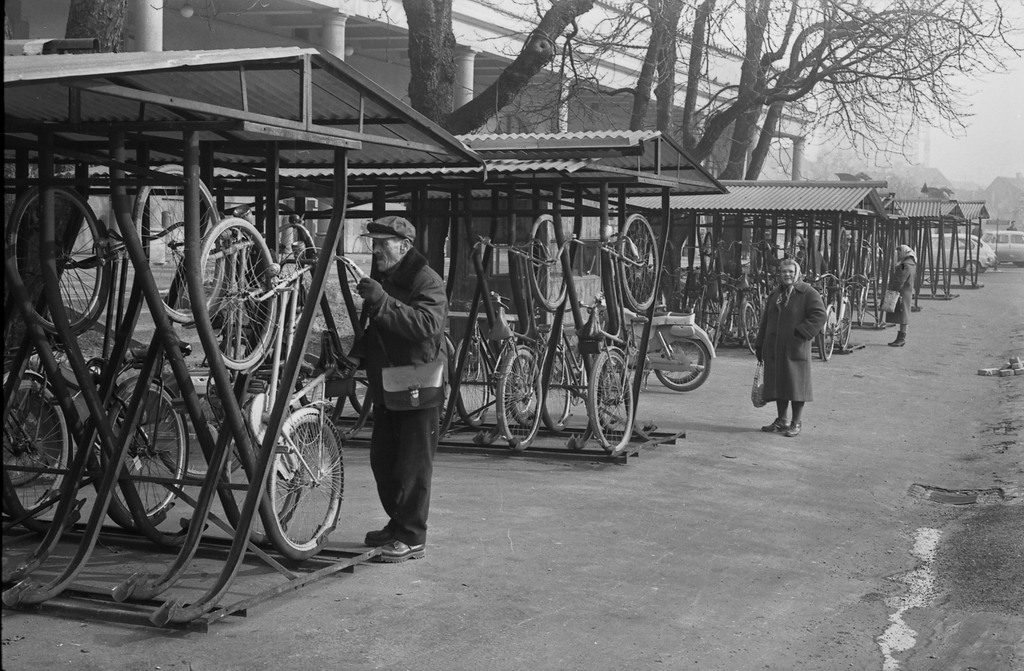
The cycle shelter held a very large number of bicycles and was also the one place on a school site that nobody could see into. Here are sixteen things about it.
1. It was a lean-to with a corrugated roof and a lot of bicycles
The standard 1968 provision was an open-sided shelter against a wall or a fence, with a corrugated or asbestos-cement roof, a concrete floor and metal racks or a rail along the back.
It was cheap, it was adequate and it was built in enormous numbers, because a very high proportion of secondary pupils cycled to school and the bicycles had to go somewhere.
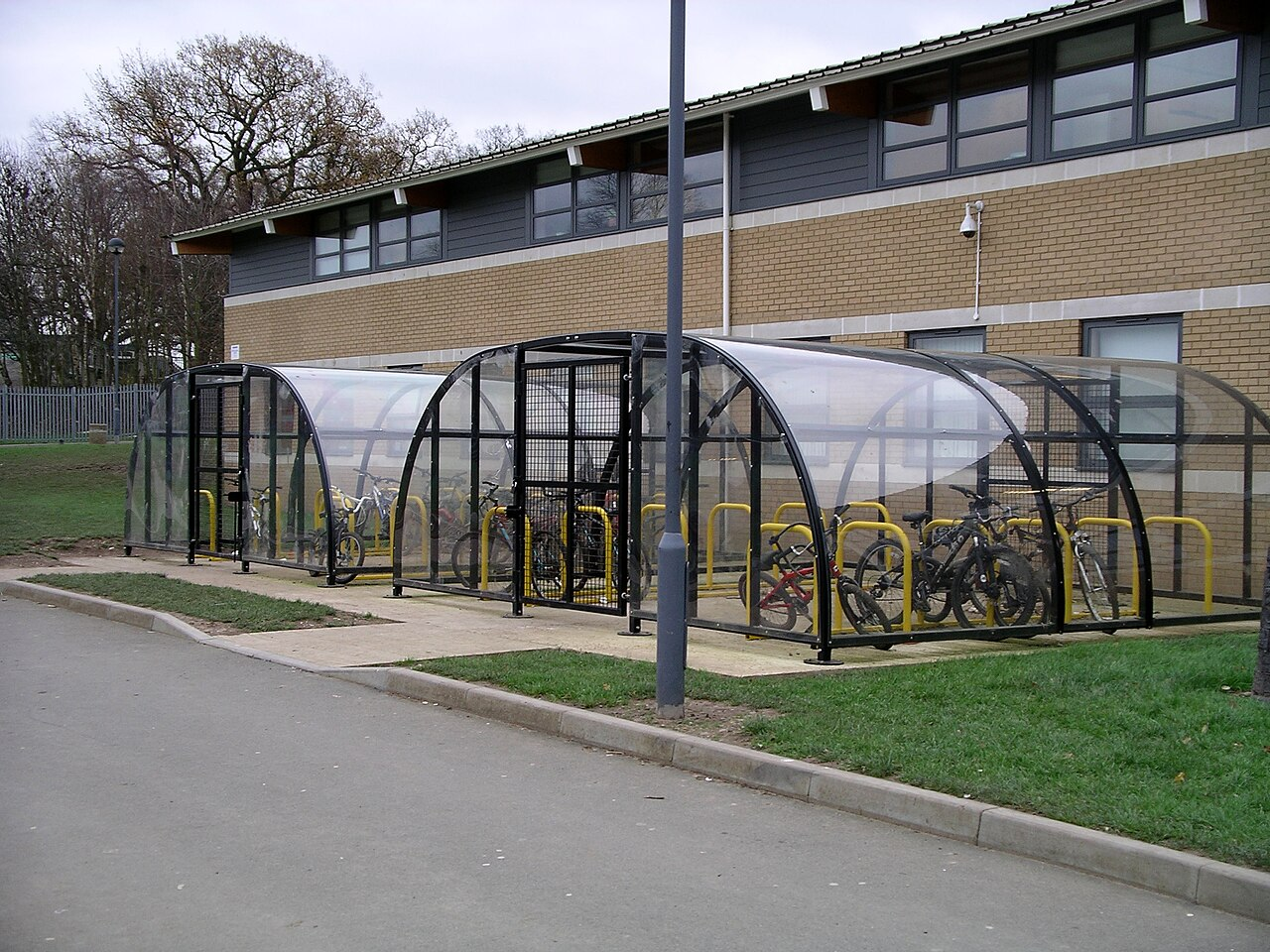
Modern provision is a secure compound: enclosed, locked or access-controlled, overlooked, lit, roofed to a standard, with stands designed to let a frame be locked rather than only a wheel. The upgrade is driven by theft and by the fact that bicycles are now worth stealing.
Like our content? Follow us for more.
2. The racks held the front wheel and that was the whole design
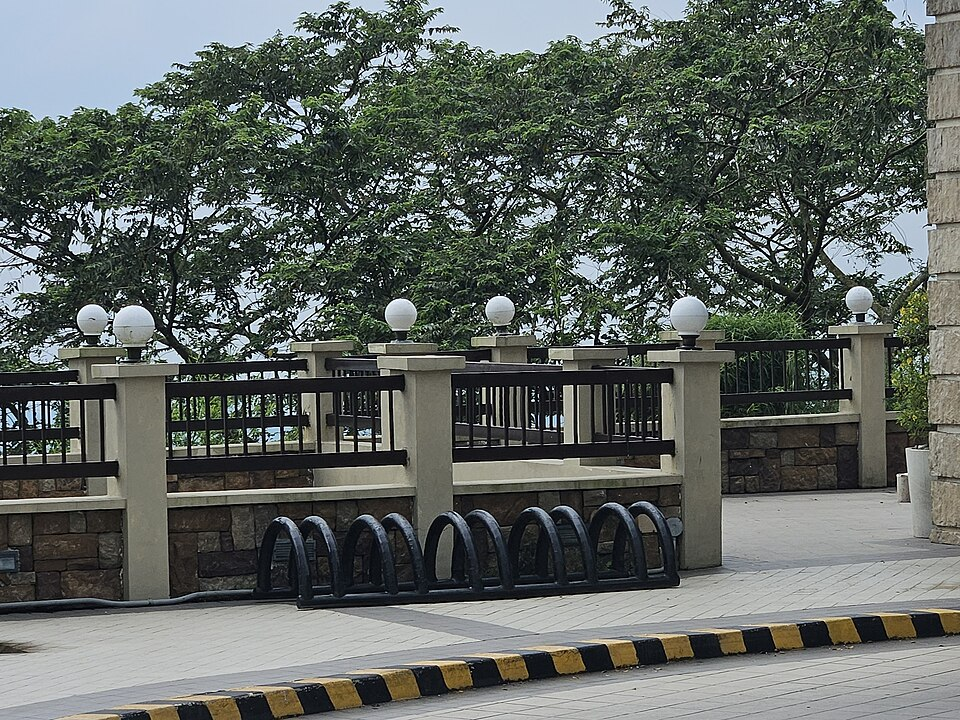
The characteristic rack was a row of slots that gripped a front wheel, holding the bicycle upright with no provision for locking the frame to anything.
That design is now understood to be actively bad: it supports the wheel rather than the frame, it damages wheels, and it offers nothing to lock to, so a lock had to go through a wheel and a rack at best.
Current cycle parking standards specify stands that allow the frame and a wheel to be locked to a fixed object, with spacing, surface and shelter requirements. The wheel-slot rack is one of the few pieces of 1968 infrastructure that is criticised in modern design guidance by name.
3. Almost nobody locked anything
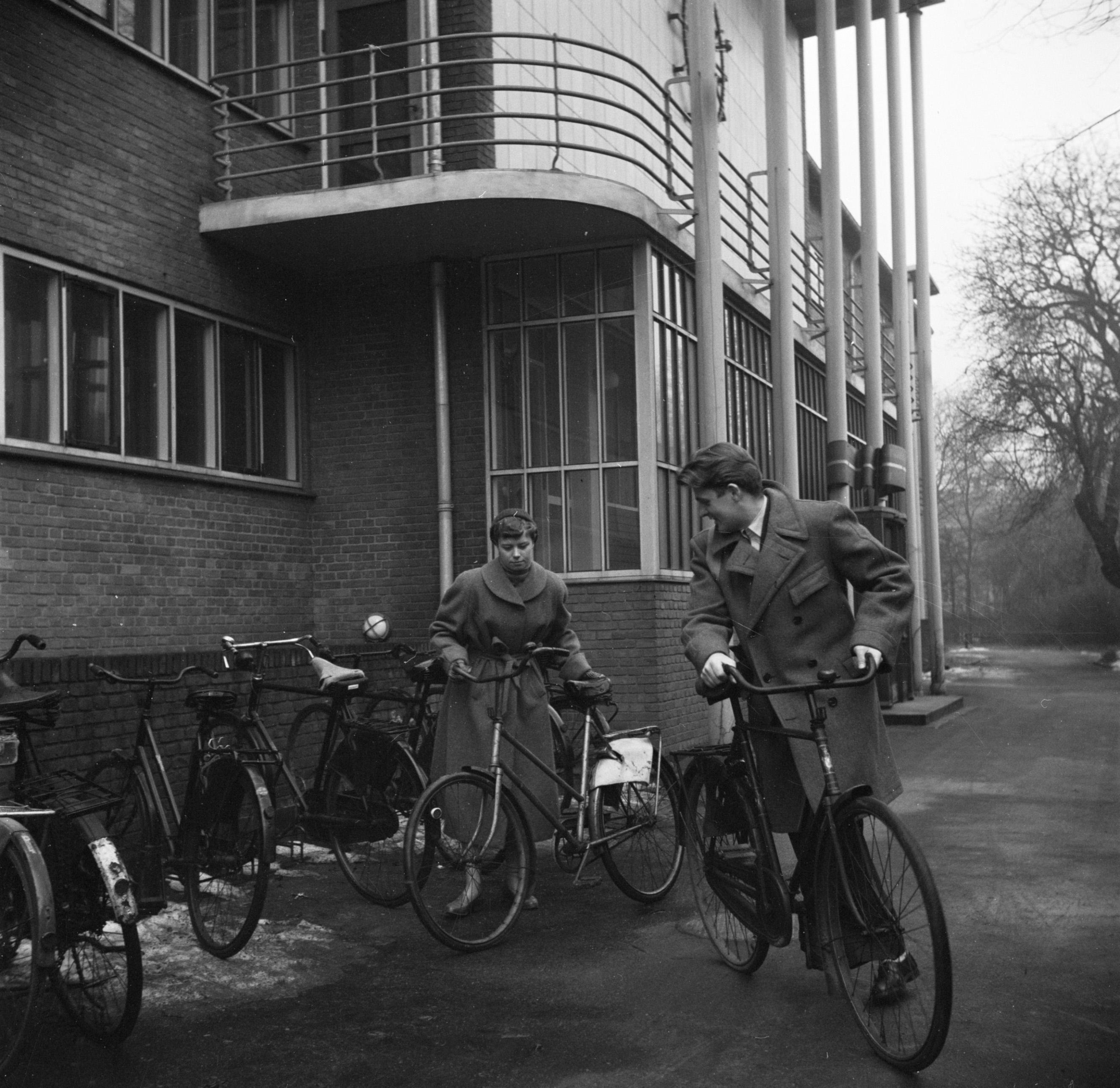
A great many pupils left a bicycle in the shelter for the whole school day without locking it, because bicycles were not worth much, everybody knew whose was whose, and a stolen bicycle in a small town was a conspicuous object.
That is a straightforward reflection of value and of social density rather than of anybody’s innocence. When a thing is cheap and recognisable, it does not get taken.
Bicycle theft from schools is now a recognised problem addressed with secure compounds, registration schemes, marking, access control and in many cases cameras, because a modern bicycle is a genuinely valuable item and a shelter full of them is a target.
4. A very large proportion of pupils arrived by bicycle
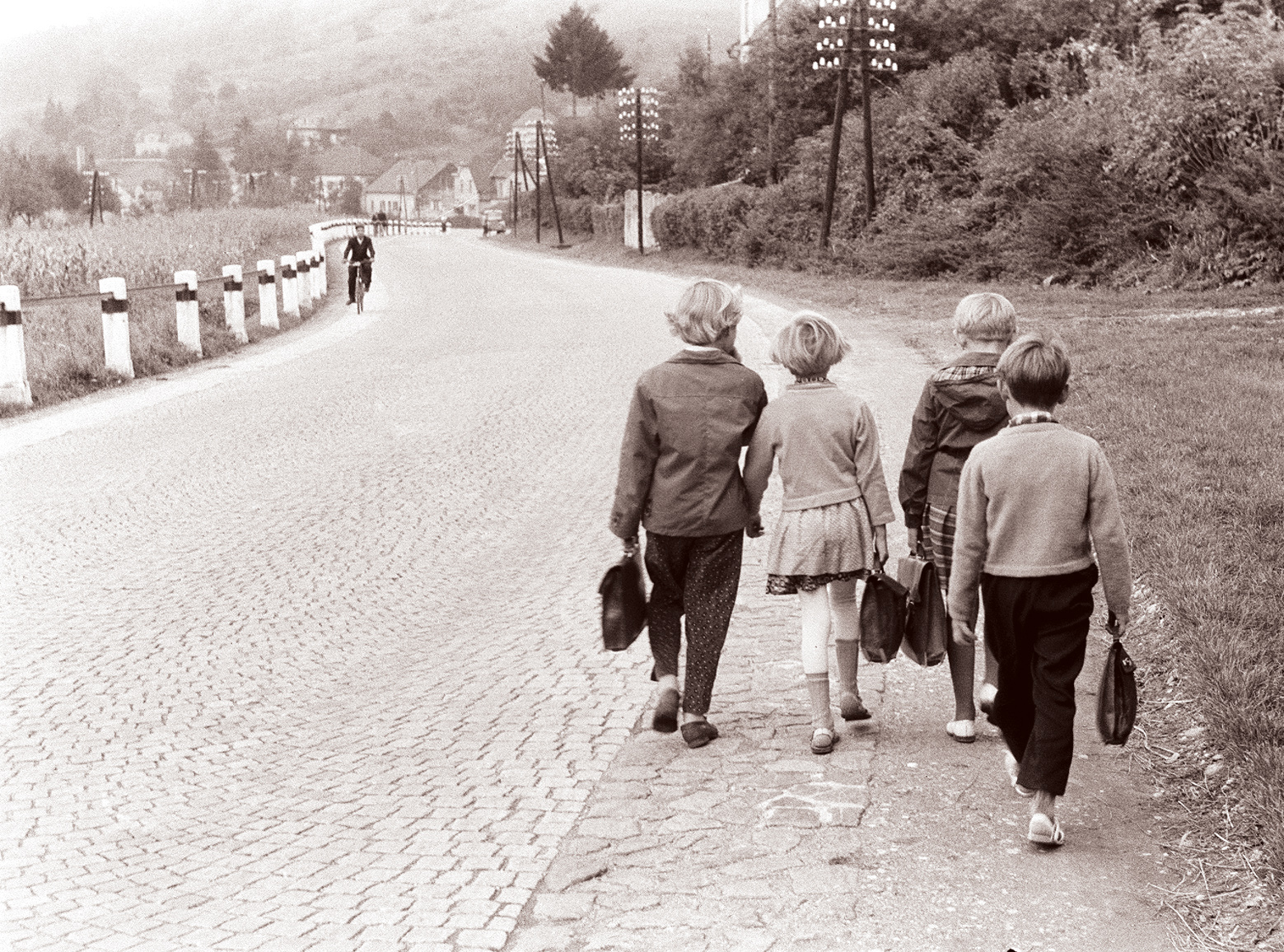
The size of a 1968 cycle shelter is the evidence. Schools built provision for dozens or hundreds of bicycles because that is how pupils got to school, in all weather, from distances that would now be considered a car journey.
That has changed more than almost anything else about the school day. Cycling to school declined sharply across the following decades, displaced by car travel, and the reasons — traffic volume, parental concern, distance to school as catchments changed, and the simple fact that a parent driving is quicker — are well documented and mutually reinforcing.
The decline is now treated as a problem rather than a trend, with active travel policy, school travel plans, cycle training, infrastructure around schools and in some places restrictions on driving at the gate. Provision is being rebuilt, from a much lower base.
5. The shelter was out of sight, and that is why it mattered
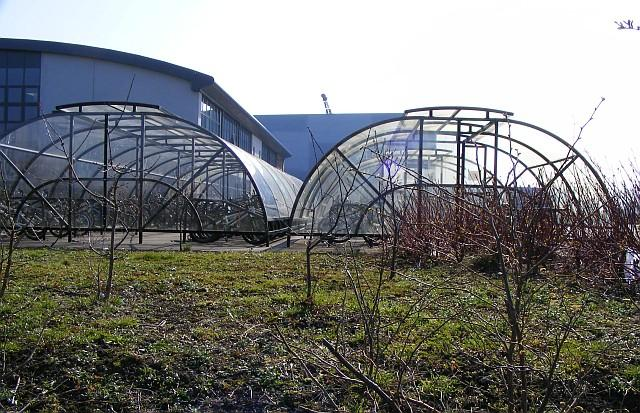
A cycle shelter was put where it did not take up useful space: against a boundary, behind a building, at the edge of the yard. It was therefore the part of the site least visible from a classroom window or a staffroom.
That gave it a social function entirely unrelated to bicycles. It was where pupils went to be unobserved, and every school had one place like it.
Modern site design works directly against this. Cycle compounds are sited to be overlooked, boundaries and blind corners are designed out, and supervision at break is planned around sight lines across the whole site. A school with nowhere unobserved is the explicit objective.
6. The phrase that attached to it is doing a lot of work and nothing is described here
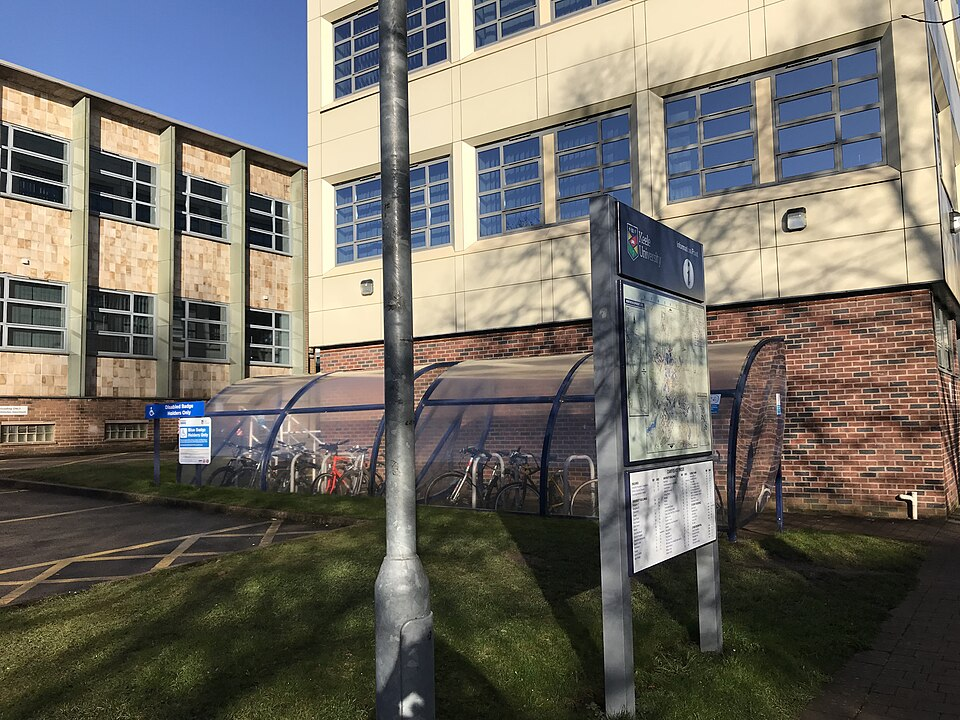
The expression about what happens behind the bike sheds became a durable euphemism, and it is attached to this piece of school infrastructure permanently.
This file is about the shelter. It describes nothing that the phrase stands in for, recounts nothing, and treats the euphemism solely as evidence of the one thing that is actually relevant to the subject: that every school had a location where pupils were out of adult sight, and that this was understood by everybody including the staff.
That is why the modern position is what it is. Supervision at break and lunch is now planned, staffed to a rota, and designed around visibility, and the removal of unobserved space on a school site is a deliberate safeguarding objective rather than an accident of layout.
7. Pupils smoked there and schools knew
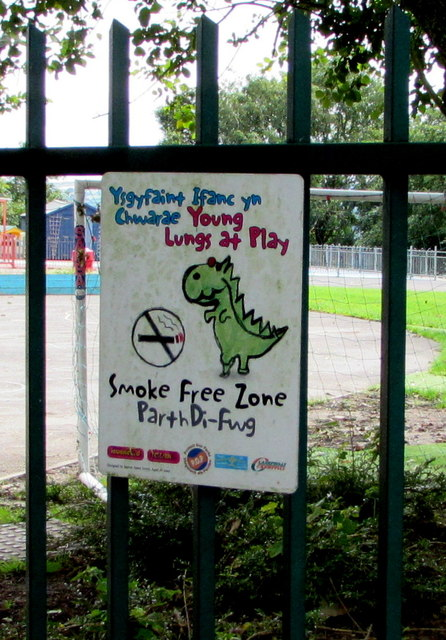
Smoking by pupils, at school, in a place out of sight, was a general feature of the period, and the response varied from vigorous enforcement to resigned containment.
It is worth being plain rather than nostalgic about it. Smoking rates among young people in the 1960s were very high, the harms were by then established, and the arrangement amounted to an institution tolerating a location for it.
School sites are now comprehensively smoke-free and vape-free by law in most jurisdictions, with policies covering pupils, staff and visitors, and with provision for support rather than only sanction. This file names no product, describes no practice and gives no health information.
8. Wet clothing arrived with the bicycles
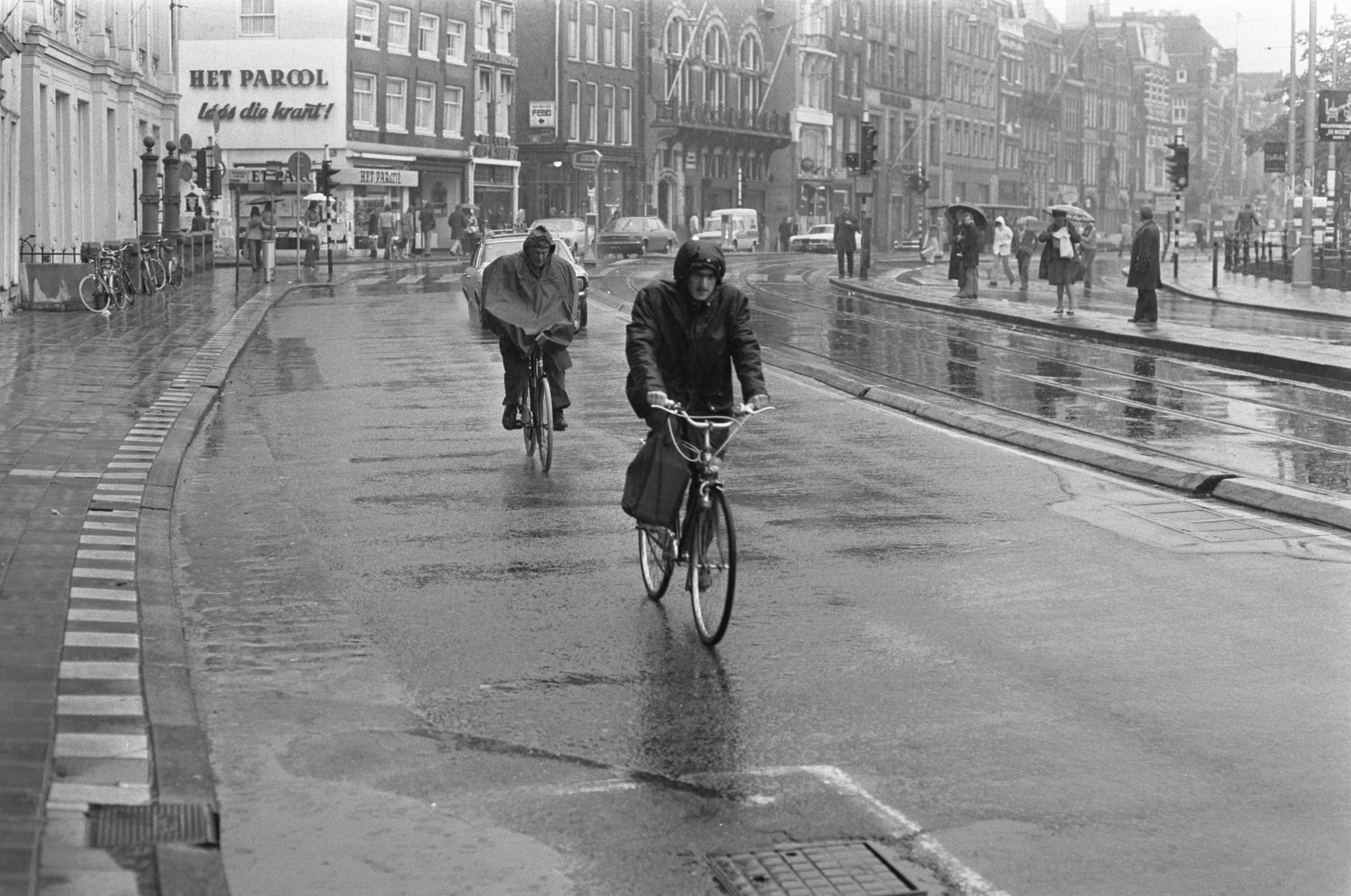
A school where a hundred children cycle in has a hundred sets of wet outer clothing on a wet morning, and the cycle shelter was where it all began.
That put real pressure on cloakrooms and radiators, and it is one of the reasons the smell of drying clothes is such a universal memory of the period, in schools where there was no better arrangement than a peg.
Modern provision for active travel includes drying space, lockers and in some newer buildings changing facilities, because a school that wants pupils to cycle has to deal with the consequences of weather. It is a small and frequently overlooked part of why active travel plans succeed or fail.
9. Nothing was lit
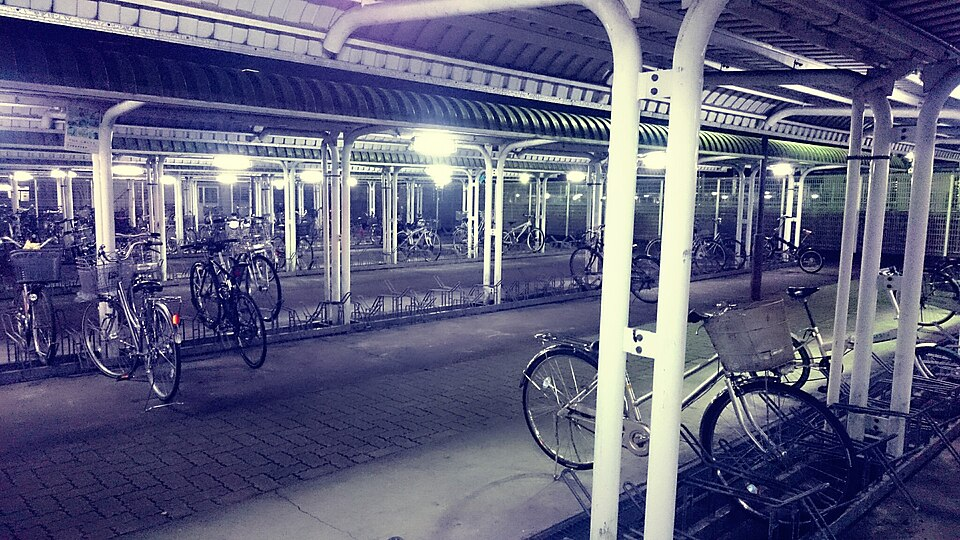
A shelter at the edge of a site had no lighting, which mattered in winter when pupils collected bicycles in the dark and when the area was unsupervised and unlit at the same time.
Schools dealt with that by not thinking about it, and pupils dealt with it by hurrying.
Lighting of cycle parking, routes across the site and the area immediately outside the gate is now part of school site design and of active travel assessment, both for safety and because an unlit compound is where bicycles are taken from.
10. The roof material is now a regulated issue in its own right
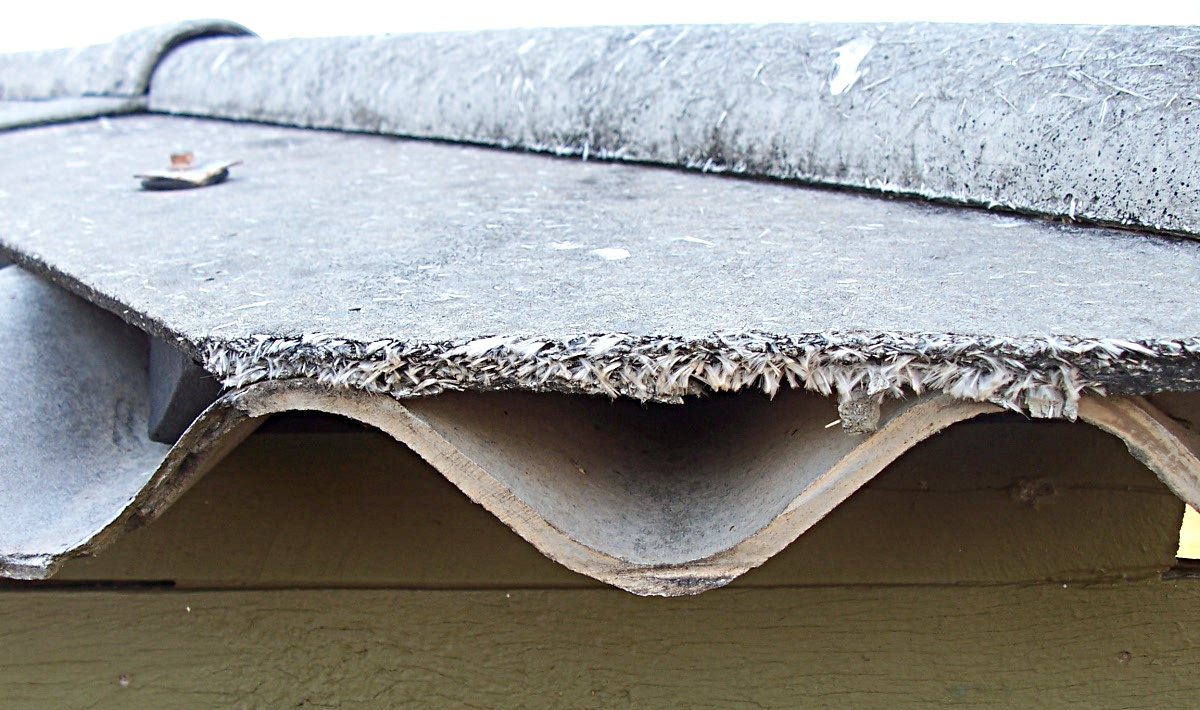
A great many shelters of the period were roofed with corrugated asbestos cement, which was cheap, durable, fire-resistant and completely standard for the purpose.
Asbestos in any building and structure is now governed by a comprehensive regime: identification and a register, management plans, licensed removal for most work, air monitoring, mandatory training for anybody whose work may disturb it, and controlled disposal.
This file names no disease, no exposure figure and no condition, and anybody who believes asbestos may be present in a school structure should contact the duty holder for the building and a licensed surveyor rather than touching, cleaning, drilling or removing anything. That boundary is deliberate and absolute.
11. Bicycles were heavy, hand-me-down and individually recognisable
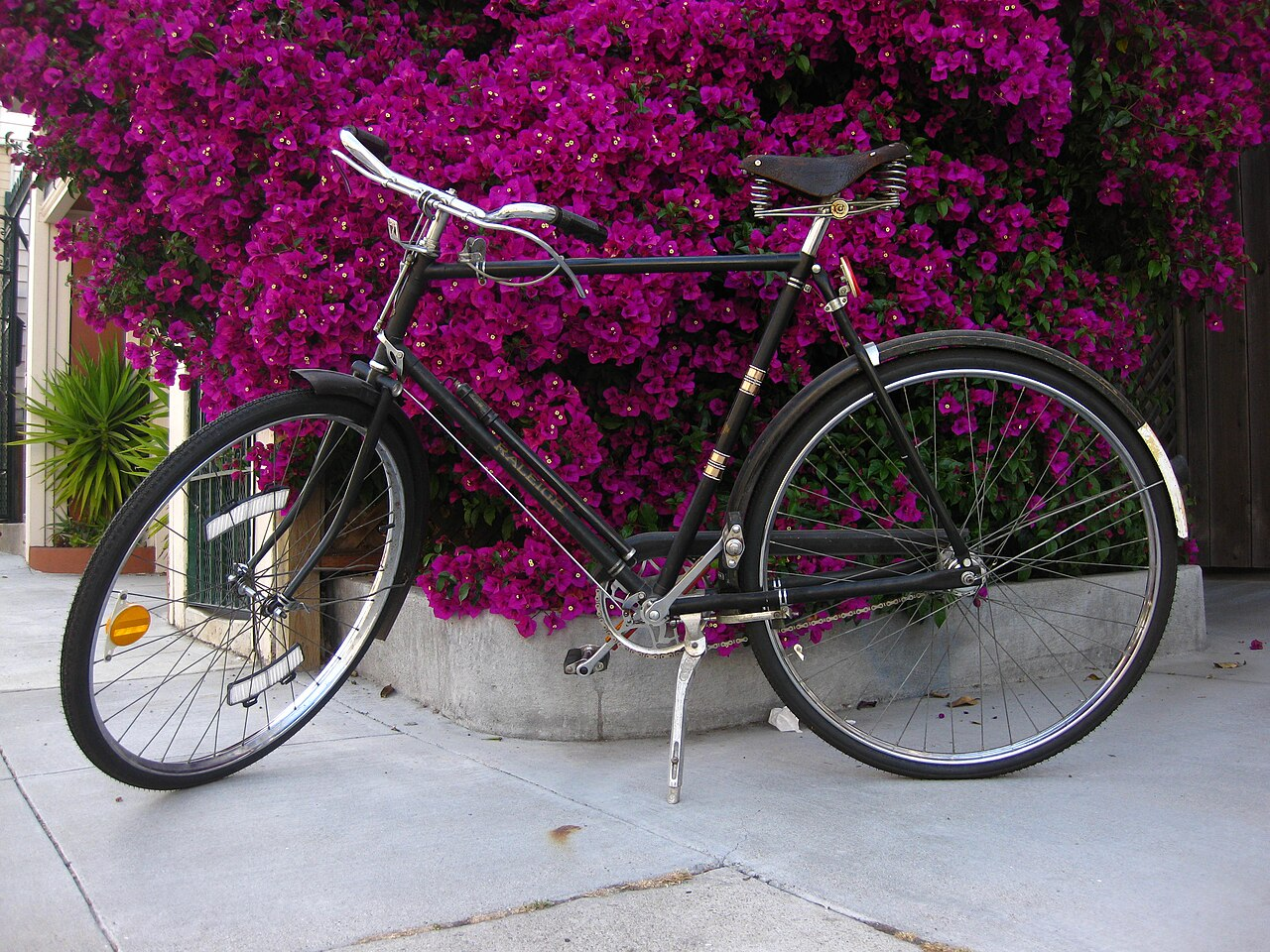
A 1968 pupil’s bicycle was usually steel, frequently second-hand, repaired at home, and identifiable at fifty yards by its owner’s whole year group.
That recognisability is why the shelter worked socially: a bicycle was a known object belonging to a known person, and an unfamiliar one in the rack was noticed.
Modern bicycles are lighter, newer, more similar to one another and far more valuable, which removes the social identification and replaces it with locks, marking schemes and registration databases. The shed worked on recognition and the compound works on security.
12. It was also where bicycles were repaired at lunchtime
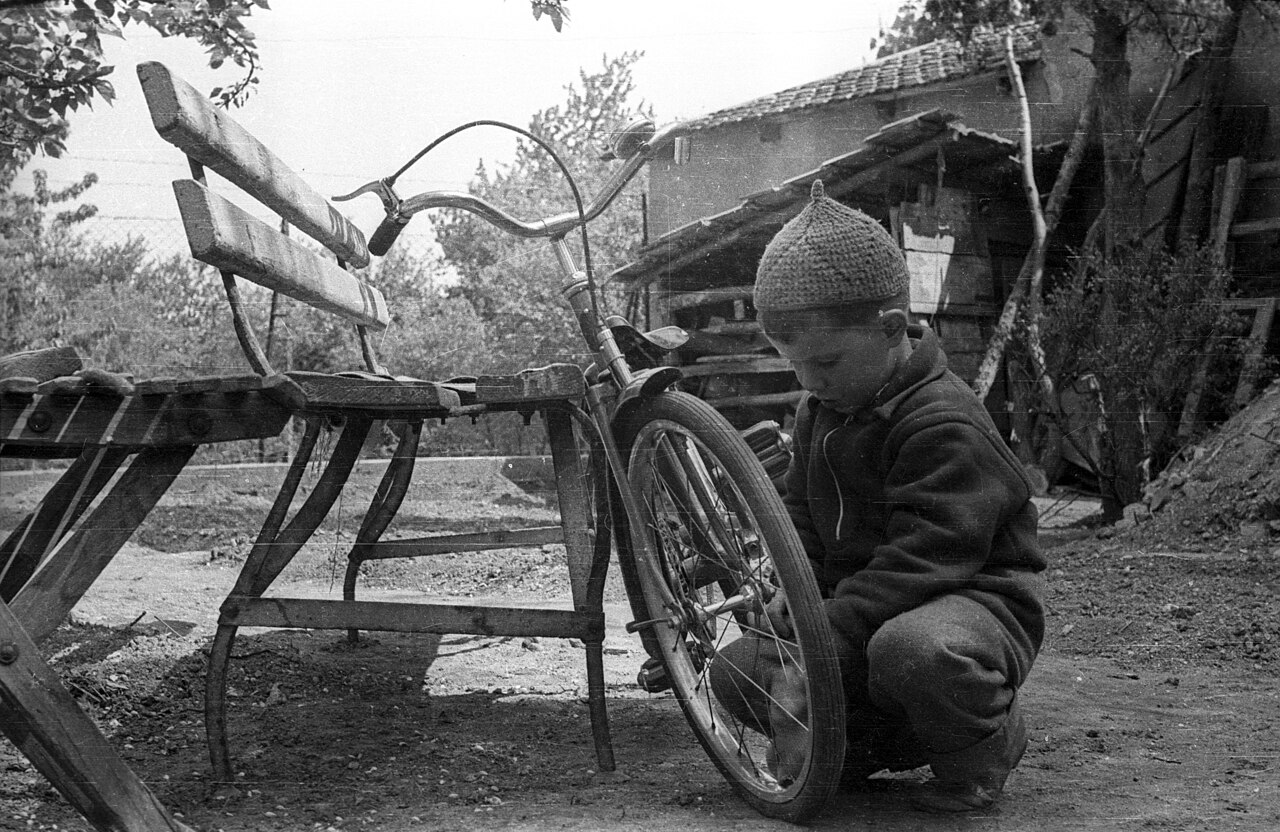
Punctures were mended, chains refitted and brakes adjusted in the shelter during breaks, by pupils, with whatever tools somebody had, because a bicycle that failed on the way in had to work on the way home.
That produced a practical competence that was widespread and is now much less so, and it happened in the shelter because that is where the bicycle was.
Some schools now run bicycle maintenance clubs and sessions with proper tools and instruction, which teaches it better than a lunchtime bodge did. This file describes no repair and gives no technique.
13. The shelter was frequently the first thing removed
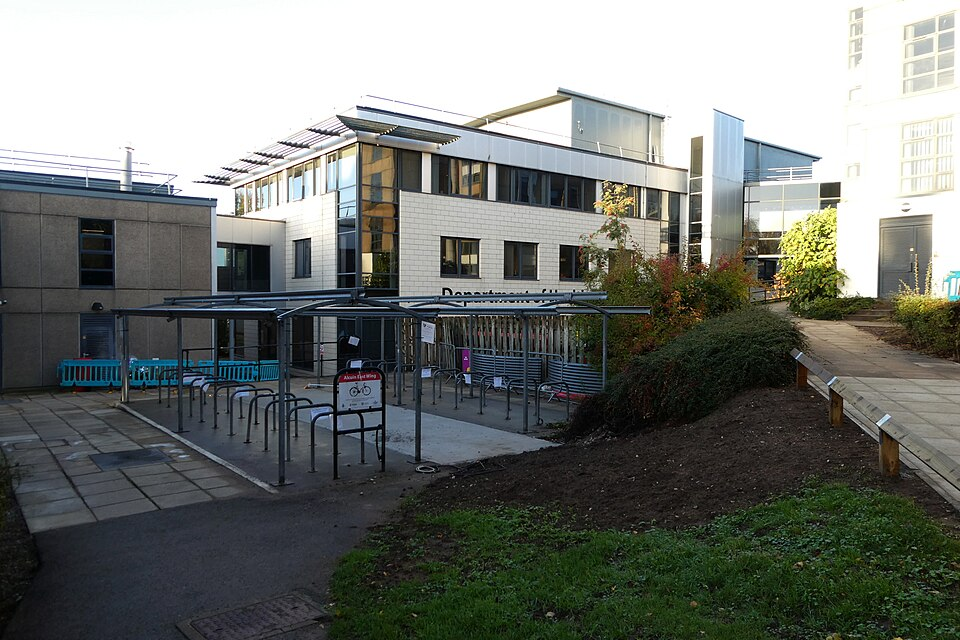
As cycling to school declined, shelters stood empty, and an empty structure at the edge of a site is a maintenance liability with no function. A great many were demolished, fenced off or converted to storage.
That created a one-way ratchet. A school with no cycle parking makes cycling harder, which reduces cycling further, which confirms the decision to remove the parking.
Reversing it requires capital spending on new compliant provision, which is why active travel programmes fund cycle parking directly. The shelter was cheap to build in 1968 and is expensive to replace in a way that meets current standards.
14. Scooters and the modern mix have changed what the compound holds
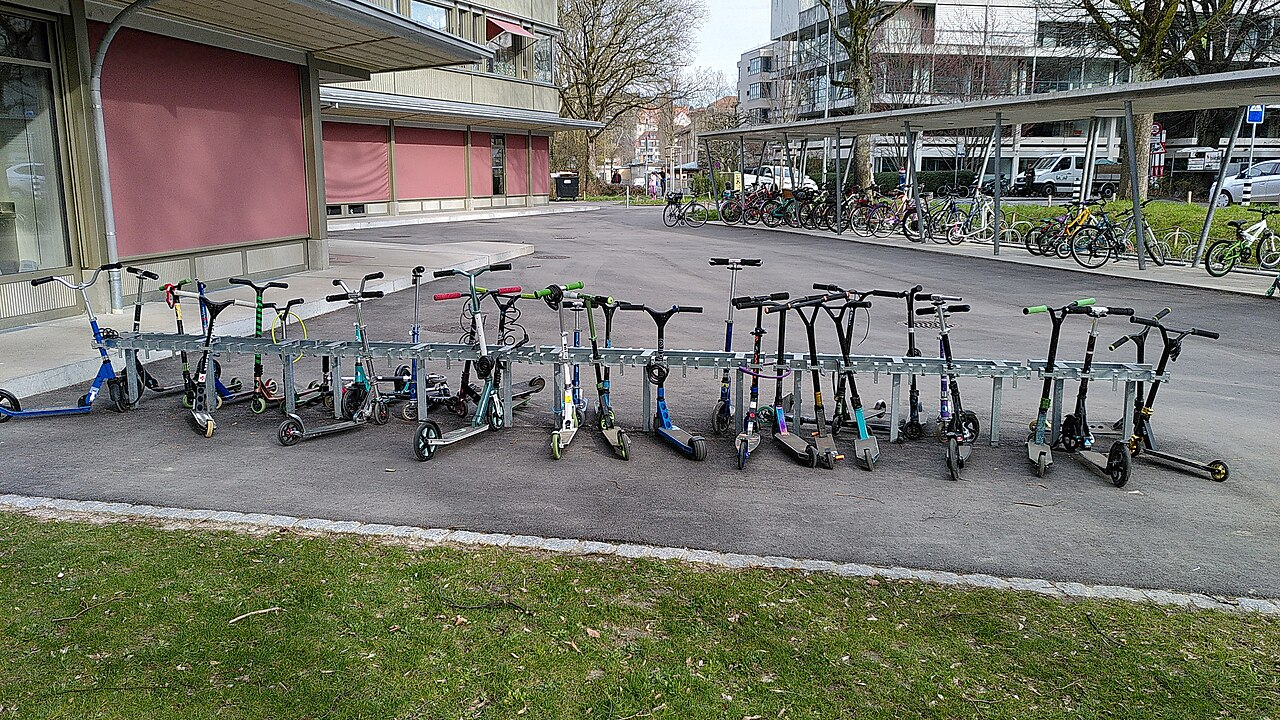
Current provision has to accommodate bicycles of several sizes, scooters, in some places electrically assisted bicycles with charging questions attached, and the storage requirements of each.
That is a more complicated design problem than a row of wheel slots, and it has produced a genuine specialism in school travel infrastructure.
The principle is the same as 1968: pupils arrive under their own power and the vehicles have to go somewhere. The difference is that the somewhere is now designed, standardised, secure and overlooked rather than being a lean-to against the boundary fence.
15. It was the one piece of school property pupils felt ownership of
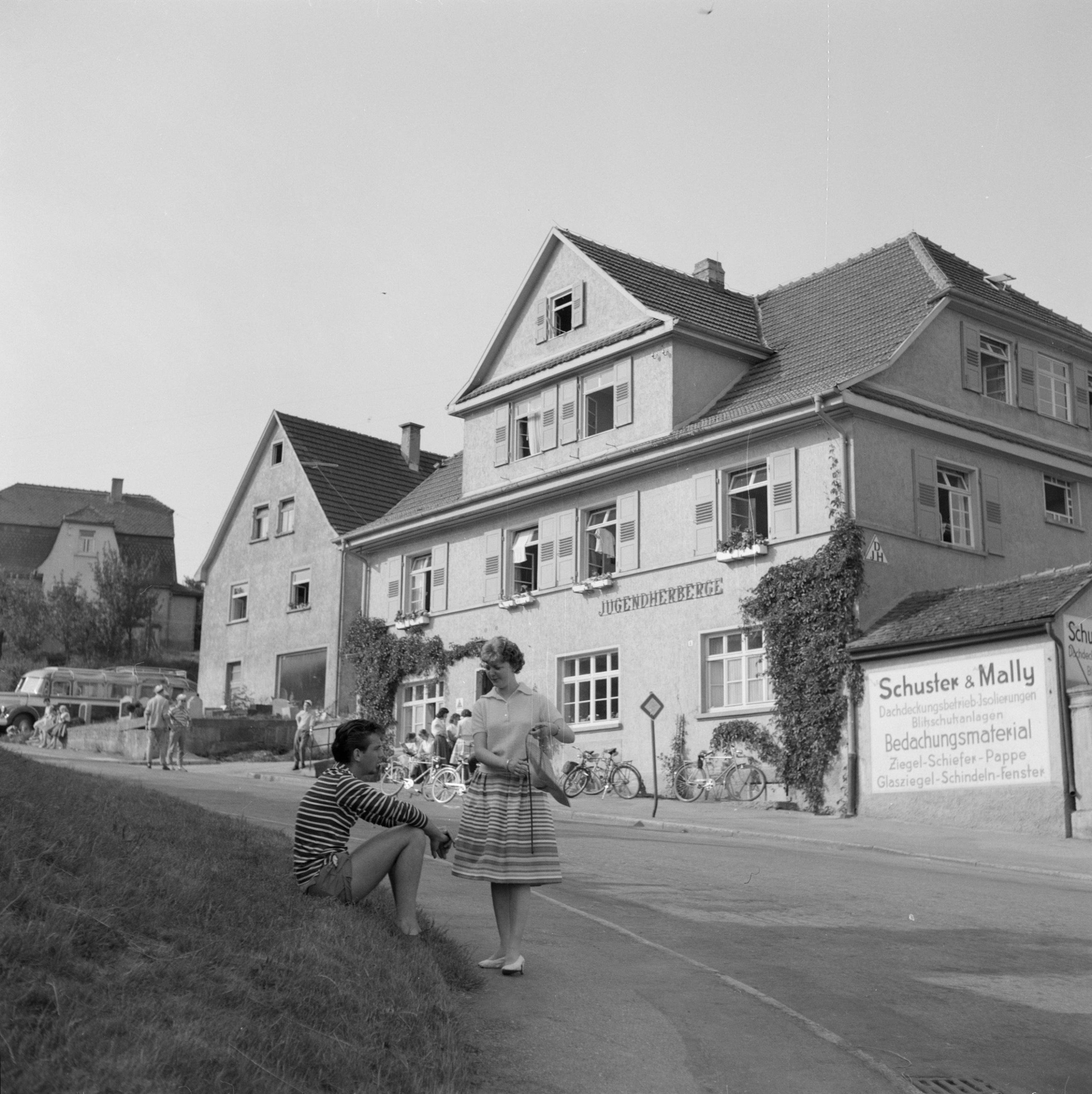
The shelter was not supervised, not taught in, not inspected and not decorated by the school, which made it the closest thing on the site to pupil territory, and pupils treated it accordingly.
That is the same observation as the school locker in this series: young people allocated no space in an institution will take the least supervised corner of it and make it theirs.
Modern schools generally recognise this and provide for it deliberately, with social spaces, common rooms for older pupils and seating designed for groups, in locations that are both pleasant and visible. Providing the territory openly is a better answer than leaving a gap at the edge of the site and hoping.
16. What the shelter actually tells you
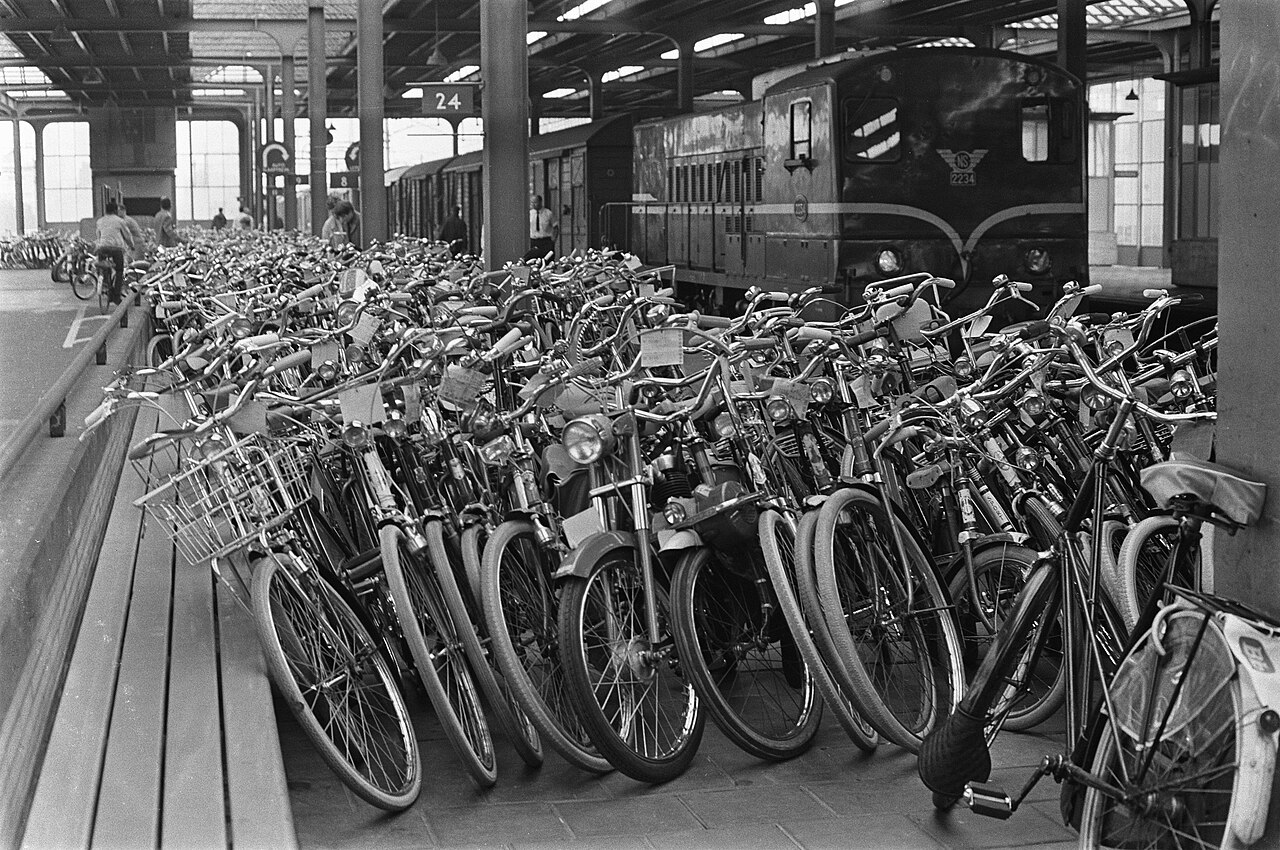
Count the racks on an old school site and you have a reliable measure of how children travelled in 1968. A shelter for two hundred bicycles at a school where nobody now cycles is a piece of physical evidence about a change in the ordinary conduct of life.
That is the most useful thing about it. The social folklore is better known and the infrastructure is better evidence.
The honest summary: the 1968 cycle shelter was an open lean-to with a corrugated or asbestos-cement roof and racks that gripped a front wheel and offered nothing to lock a frame to, built in enormous numbers because a very high proportion of pupils cycled, mostly left without locks because bicycles were cheap and recognisable, sited where it took up no useful space and was therefore unobserved, used for repairs at lunchtime and for everything the folklore attaches to it; modern provision is a secure, lit, overlooked, access-controlled compound with frame-locking stands, and the removal of unobserved space on a school site is now a deliberate objective rather than an accident of layout.
Unobserved space is now designed out
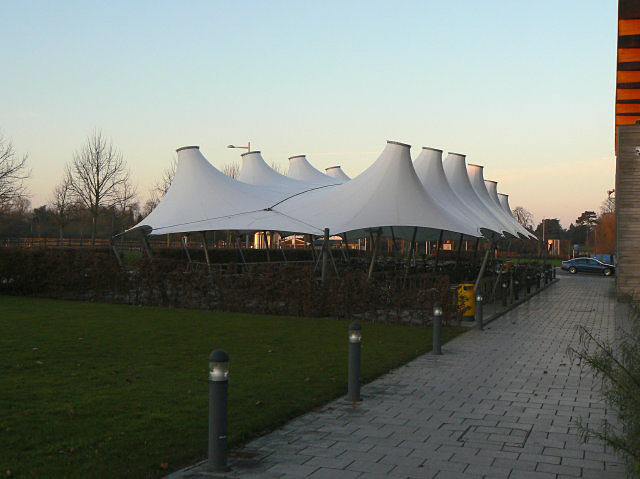
Two unrelated facts made this structure what it was. Pupils cycled in very large numbers, so schools built parking for dozens or hundreds of bicycles. And the parking went where it took up no useful space, which meant against a boundary, behind a building, out of sight of every classroom window. Modern provision reverses both: a secure, lit, access-controlled compound with frame-locking stands, sited deliberately to be overlooked, because bicycles are now worth stealing and because the removal of unobserved space on a school site is an explicit safeguarding objective rather than a by-product of where the budget put the shelter.
Count the racks on an old school site and you have a measure of how children travelled in 1968. A shelter built for two hundred bicycles at a school where almost nobody now cycles is physical evidence of a change in ordinary life.
Like our content? Follow us for more.