

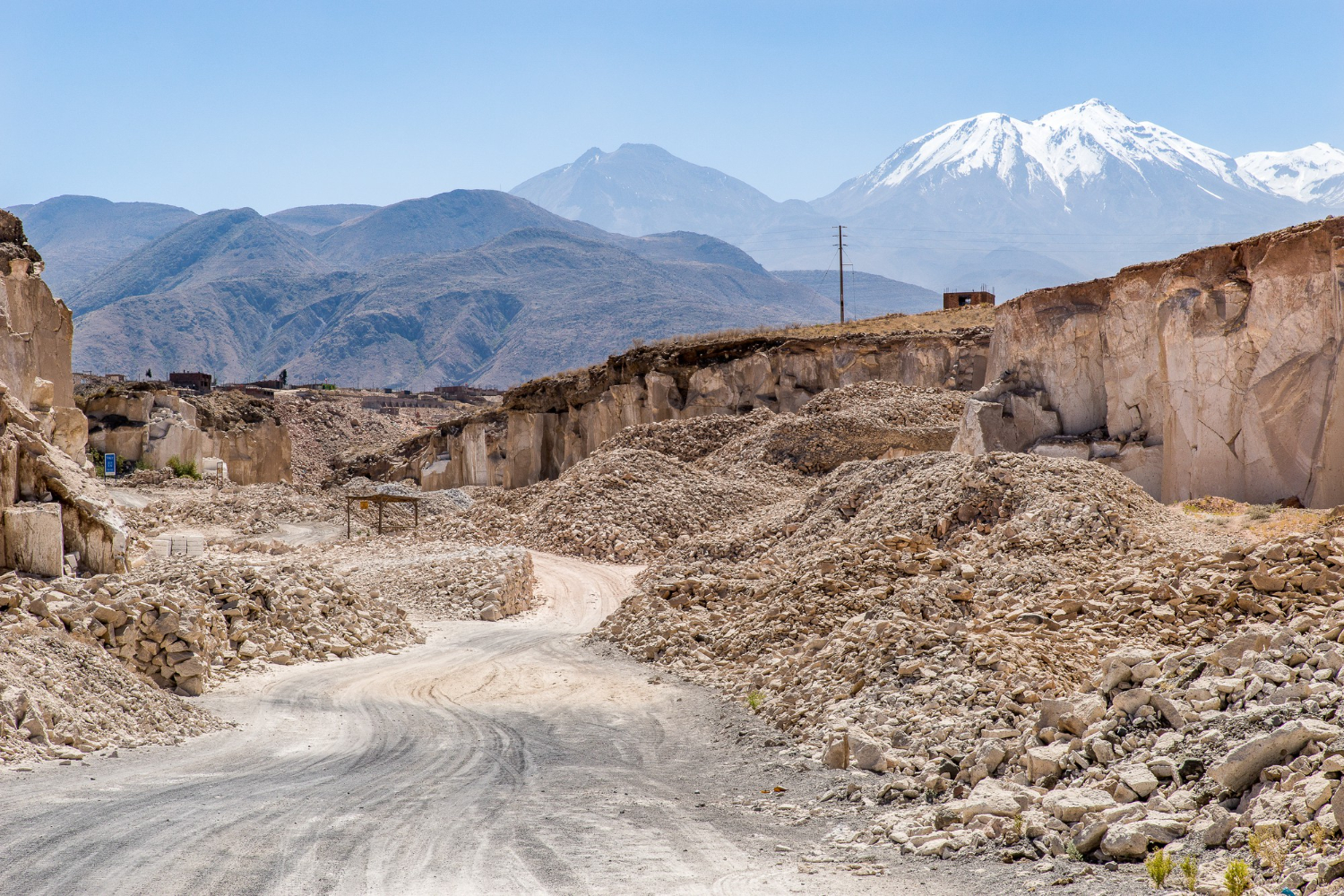
A quarry is a negative space that explains a positive one. The buildings, the walls, the roofs and the roads of an area all came from the ground somewhere in it. Here are seventeen things the hole records.
1. The Buildings Around It Are Made of It
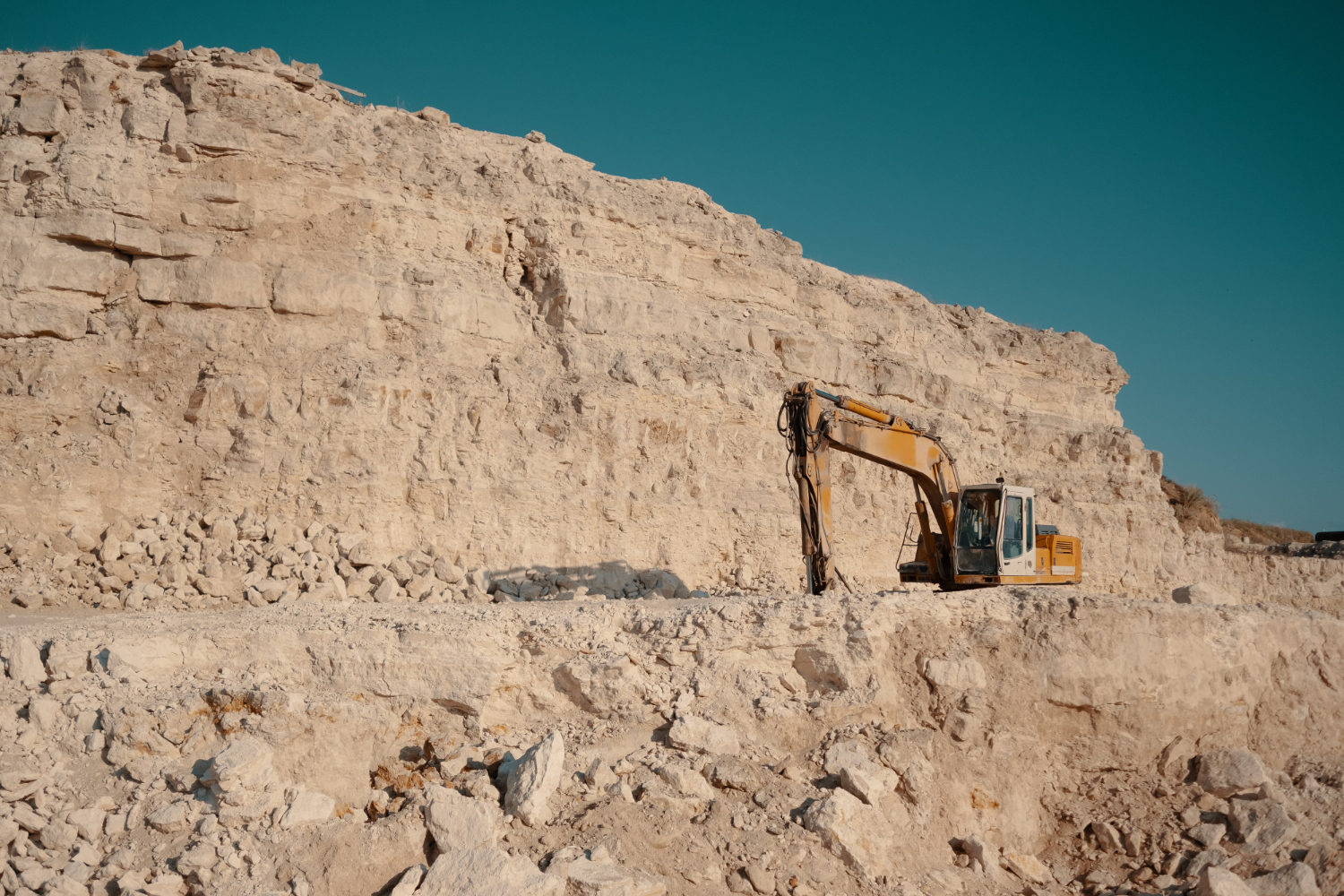
Before cheap transport, stone was used close to where it was cut, so the vernacular architecture of a region is a direct expression of what the local quarry produced.
Change the geology and the buildings change with it. Local stone is the reason regions look different from one another.
Like our content? Follow us for more.
2. The Face Is a Cross-Section
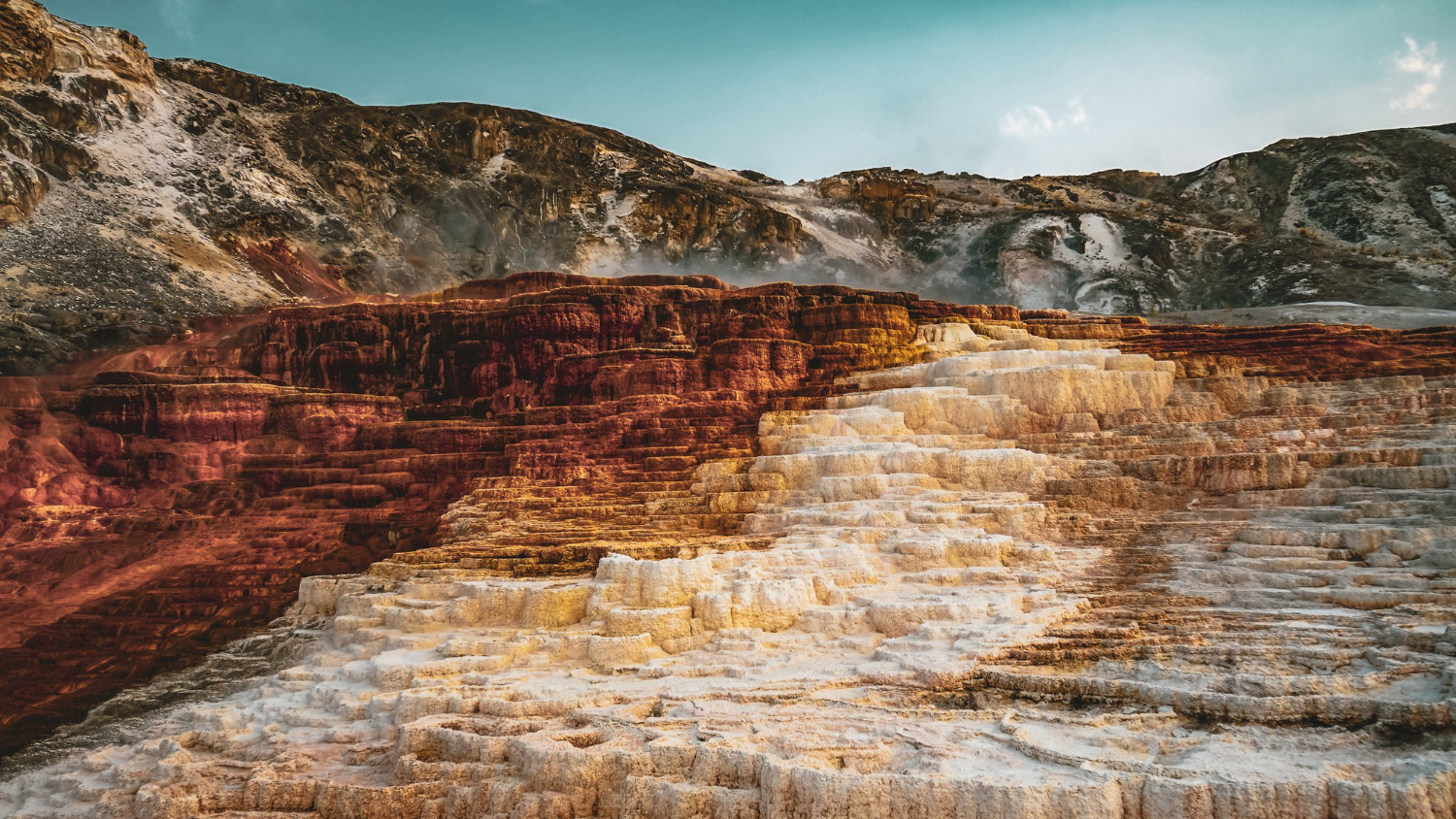
A quarry wall exposes a vertical sequence of rock that would otherwise be entirely underground, showing layers, folds, faults and fossils in order.
It is a diagram of what is beneath the whole area. The exposed face is the geology lesson the extraction left behind.
3. The Marks Date the Working
Wedge slots, hand-drilled holes, saw kerfs and blast scars are each characteristic of a period and a method, so the face records when and how it was worked.
Different sections may show different techniques. Tool marks are the evidence that puts a date on the hole.
4. The Water Arrived When the Pumps Stopped
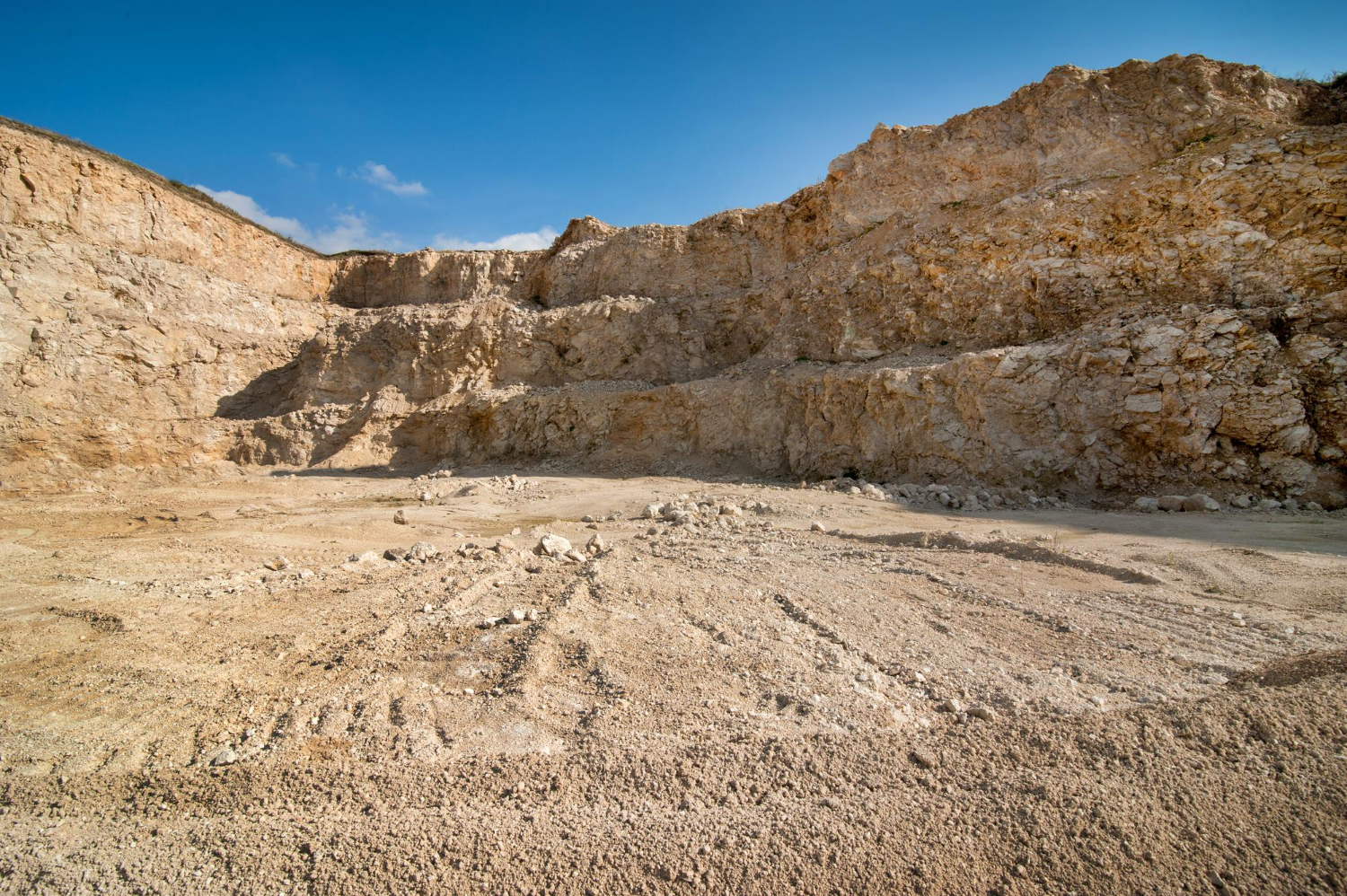
Quarries worked below the water table required continuous pumping, and the moment extraction ended the pumping ended and the pit filled.
A flooded quarry is a stopped machine rather than a natural lake. Standing water is the sign that the working went deeper than the water table.
5. And That Water Is Deeper and Colder Than It Looks
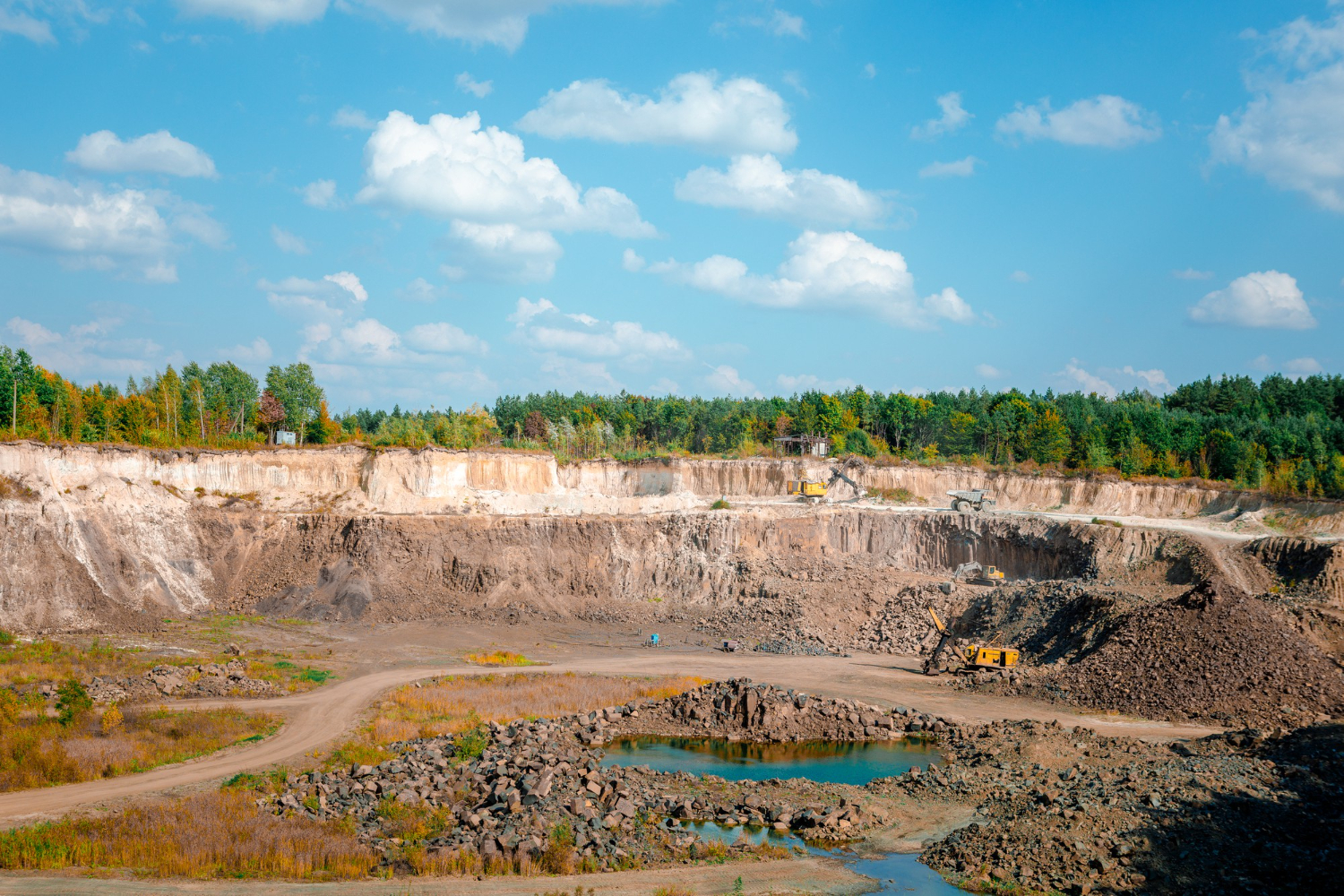
Quarry pools are steep-sided, unusually deep for their surface area, and remain very cold below the top layer because nothing circulates.
The surface tells you nothing about what is below it. Deceptive water is the most dangerous feature of any disused quarry.
6. Some Went Underground
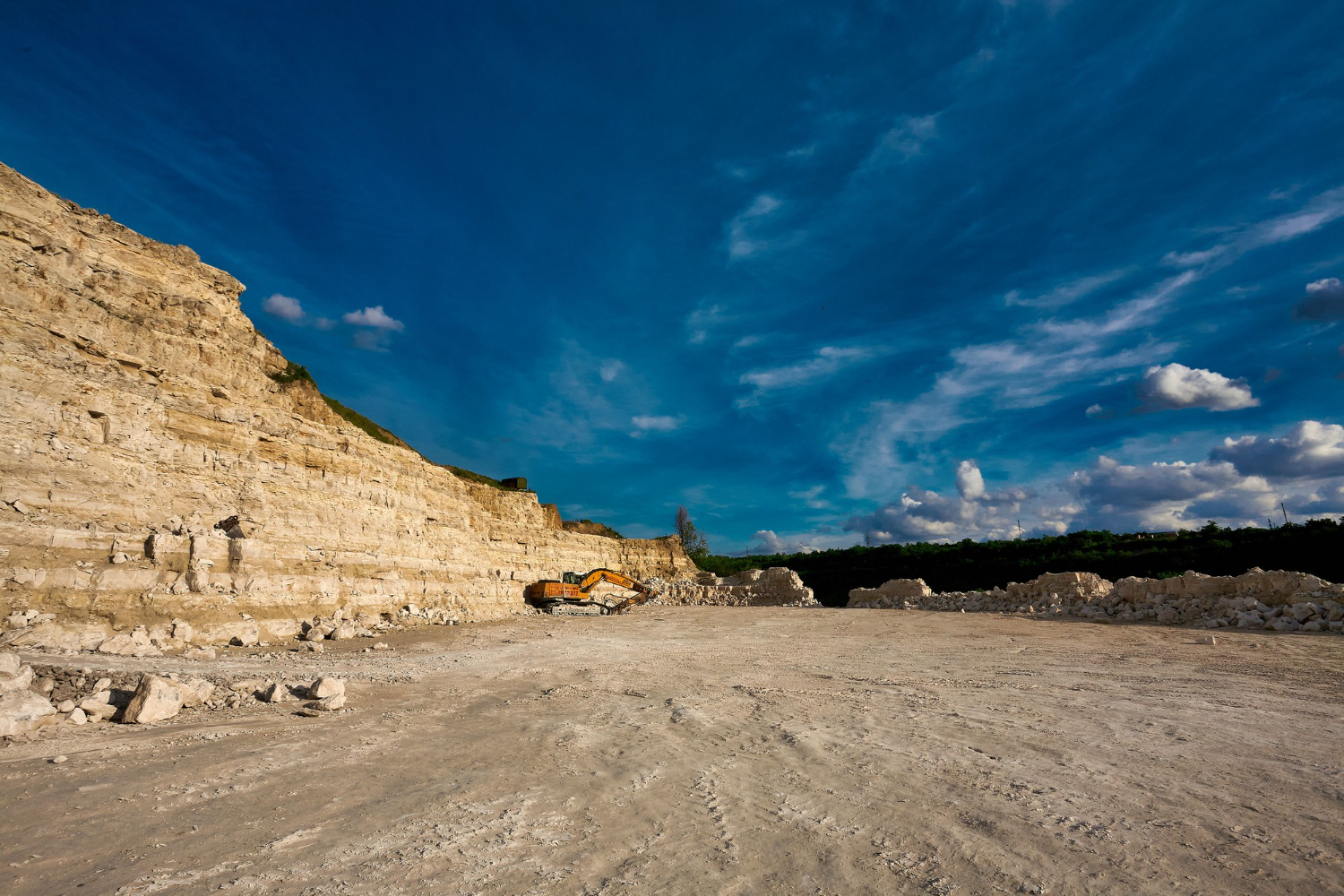
Where the good stone lay under poor overburden, extraction went in horizontally rather than down, producing chambers with pillars left in place to hold the roof.
The pillars are unquarried stone rather than construction. Underground workings are the quarries with a ceiling.
7. Slate Splits the Other Way
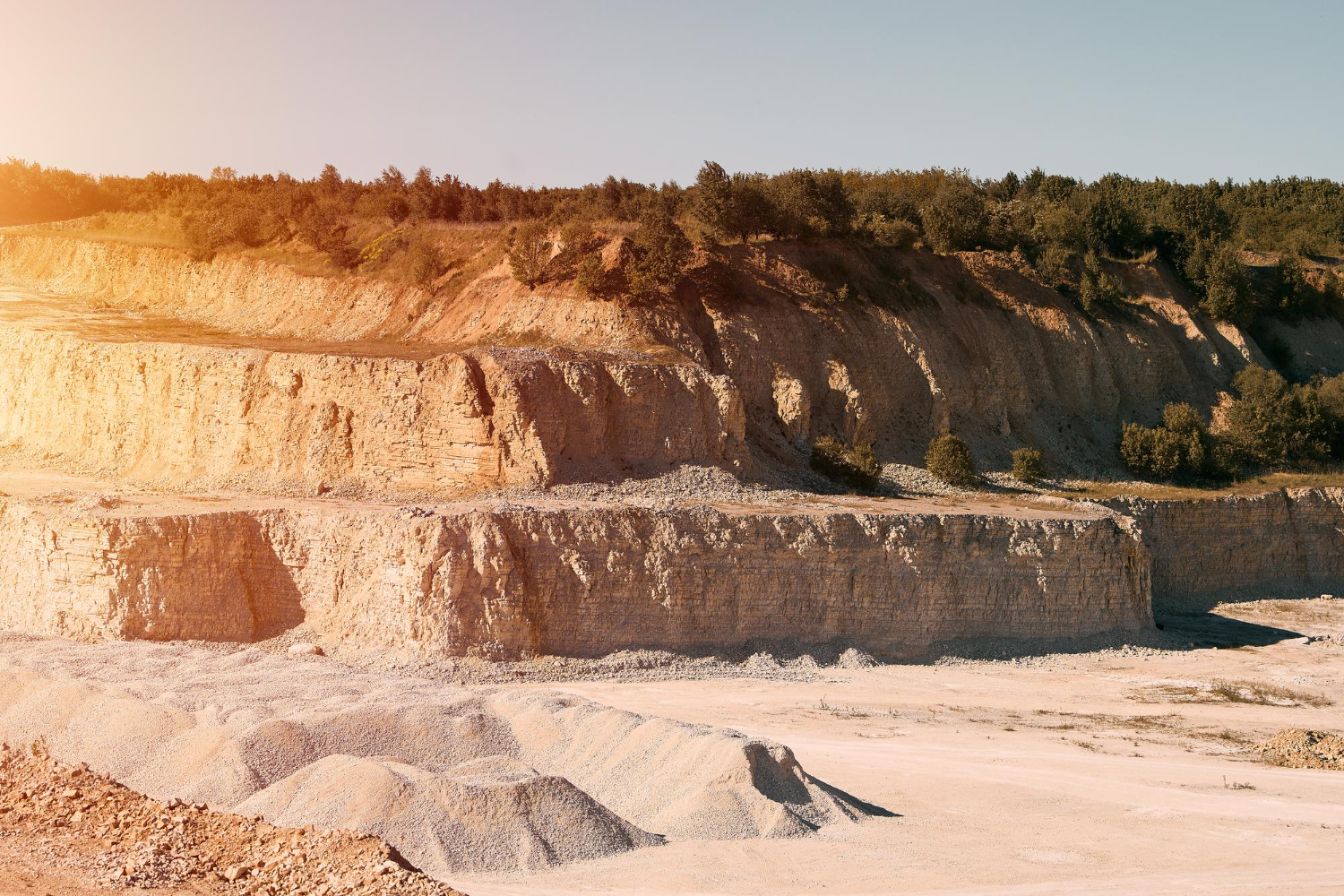
Slate cleaves along a plane created by pressure rather than along its original bedding, which determines entirely how it is extracted and worked.
That property is why it makes roofing and why nothing else does it as well. Cleavage is the geology that created an entire industry.
8. The Waste Is Bigger Than the Product
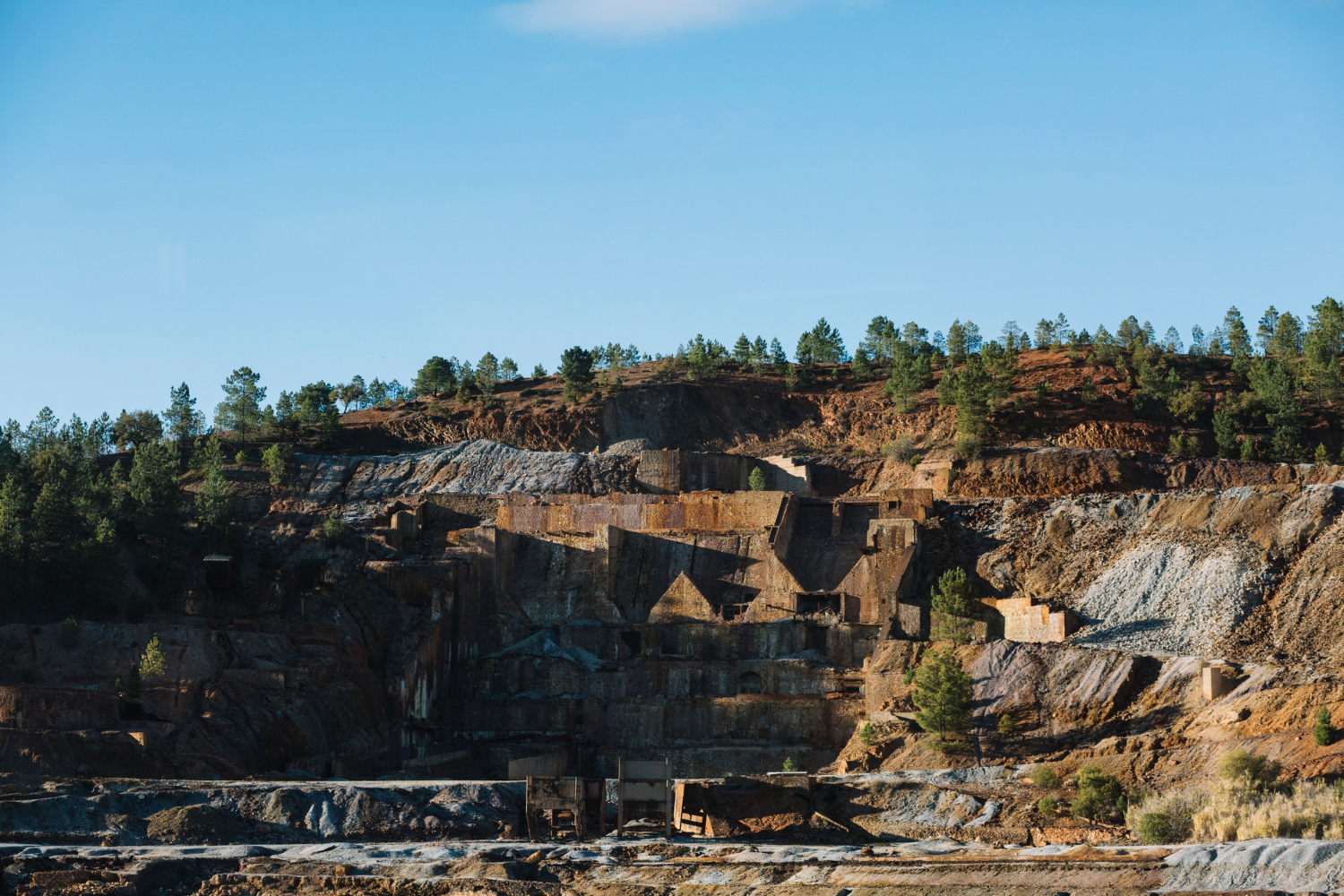
In some stone, particularly slate, the great majority of what is extracted is unusable, so the spoil heaps vastly exceed the volume of material that ever left.
The tips are frequently the largest surviving feature. Spoil volume is the statistic that surprises everybody.
9. The Spoil Heaps Are Now the Landscape
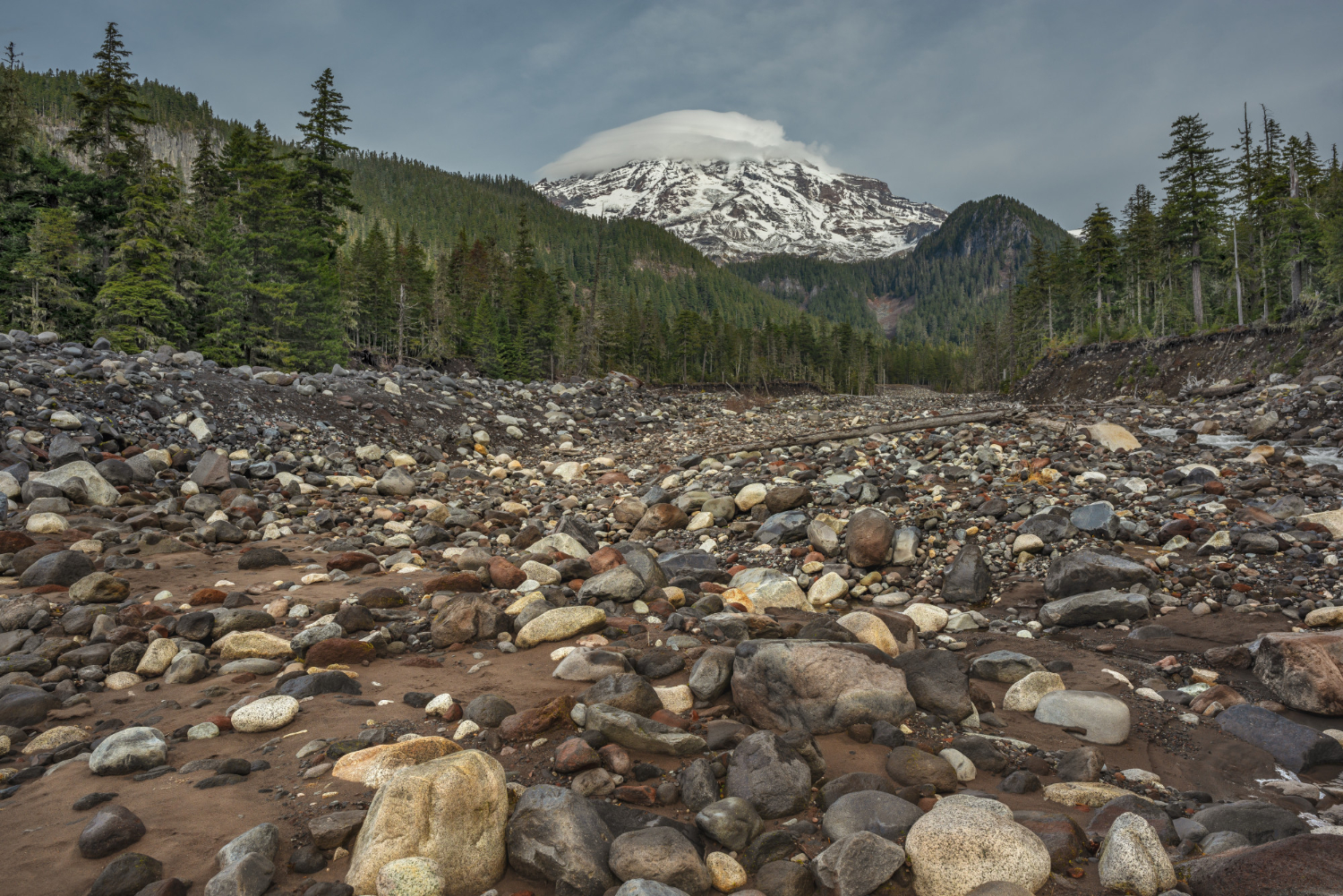
Waste tips have weathered, colonised and settled into forms that read as hills, and in some regions they define the skyline entirely.
People assume they are natural. Reworked spoil is the terrain that was manufactured as a by-product.
10. The Tramways Became Paths
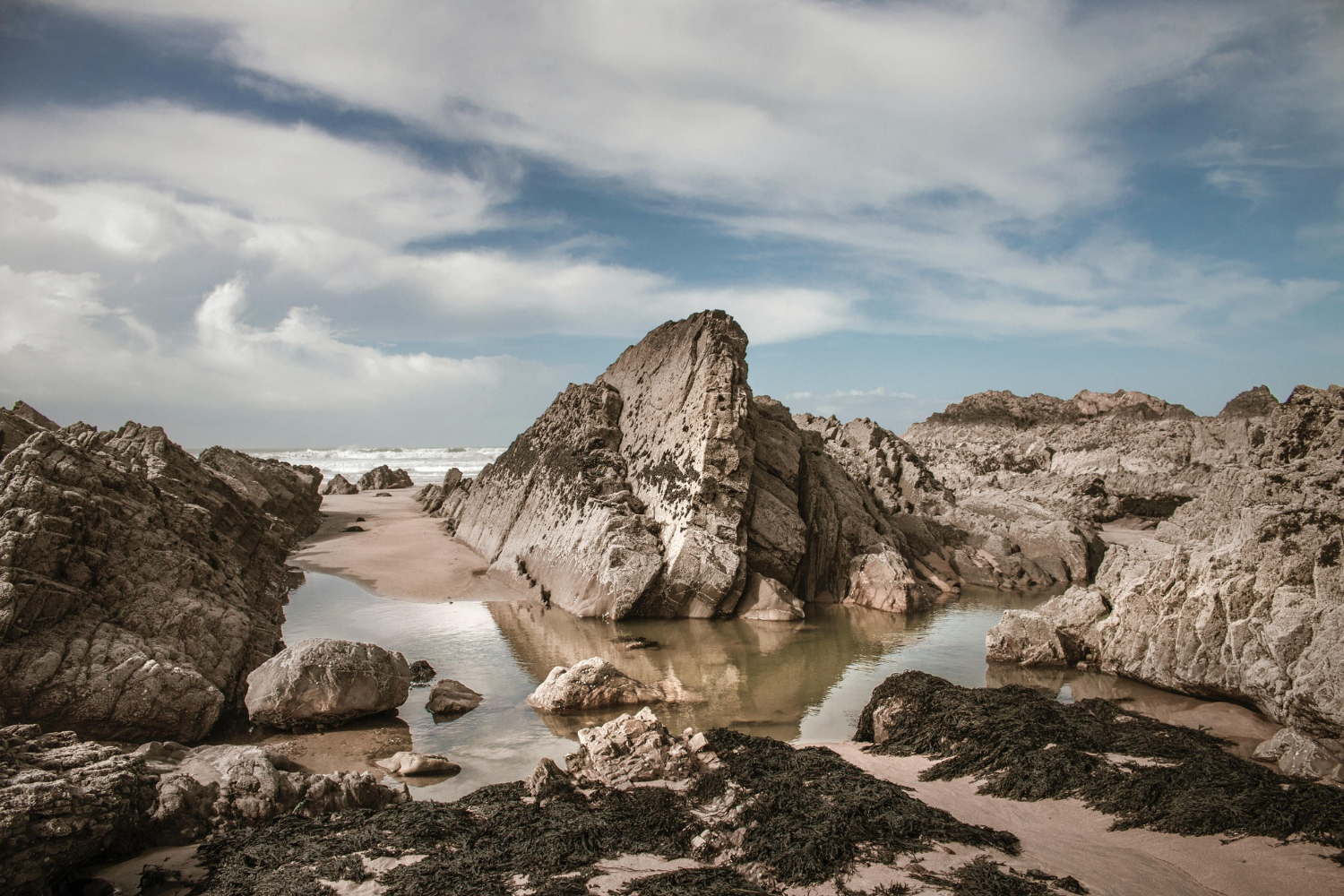
Moving stone required tracks, inclines and haulage systems, and their embankments, cuttings and gradients survive as walking routes long after the rails have gone.
A suspiciously level path in steep country is generally one. Old tramways are the infrastructure that outlived the industry.
11. The Incline Tells You the Method
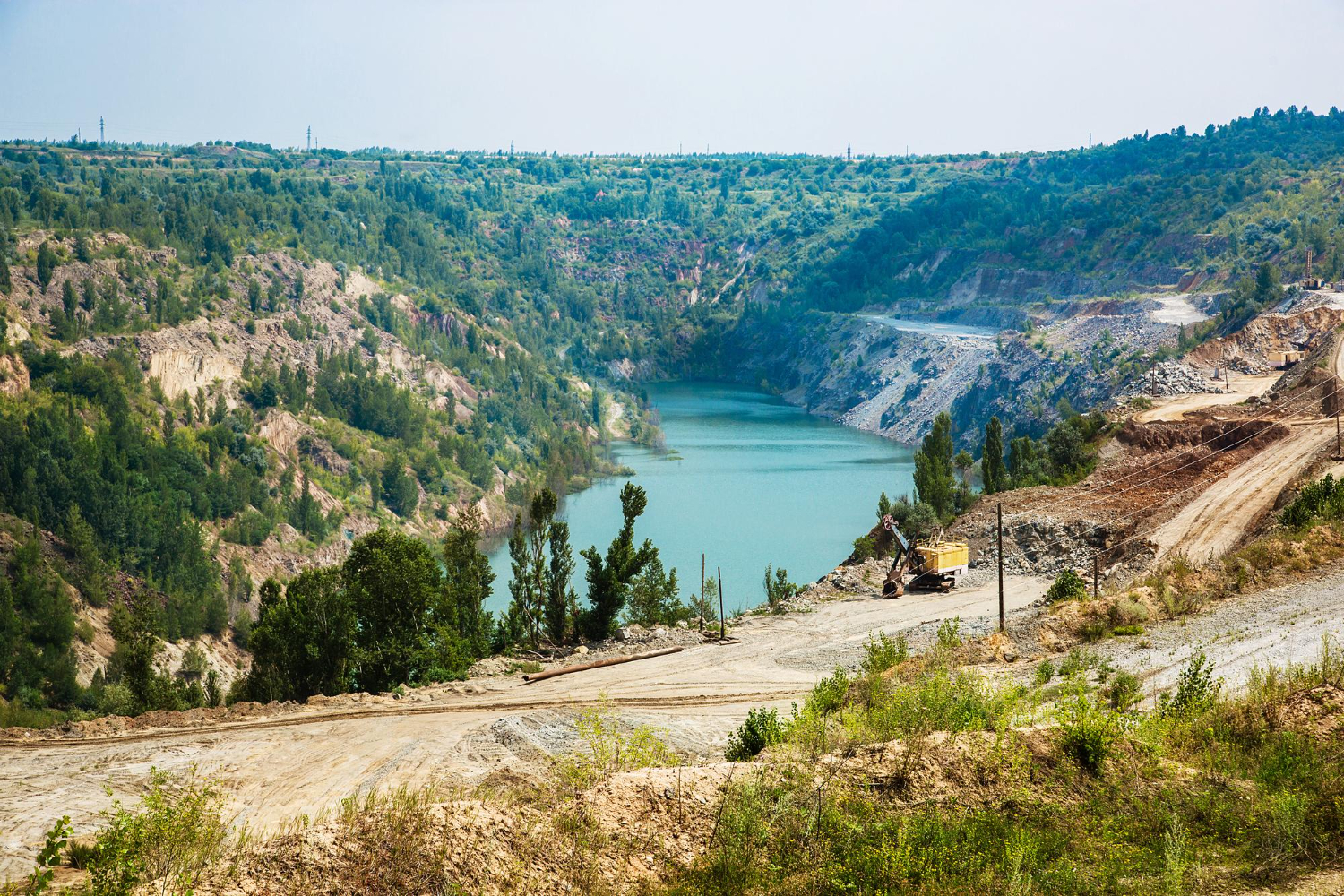
Steep straight lines running down a hillside indicate that loaded wagons were lowered under gravity while raising empty ones on the same rope.
It required no power at all. The self-acting incline is the engineering that ran on weight alone.
12. Some Supplied One Building
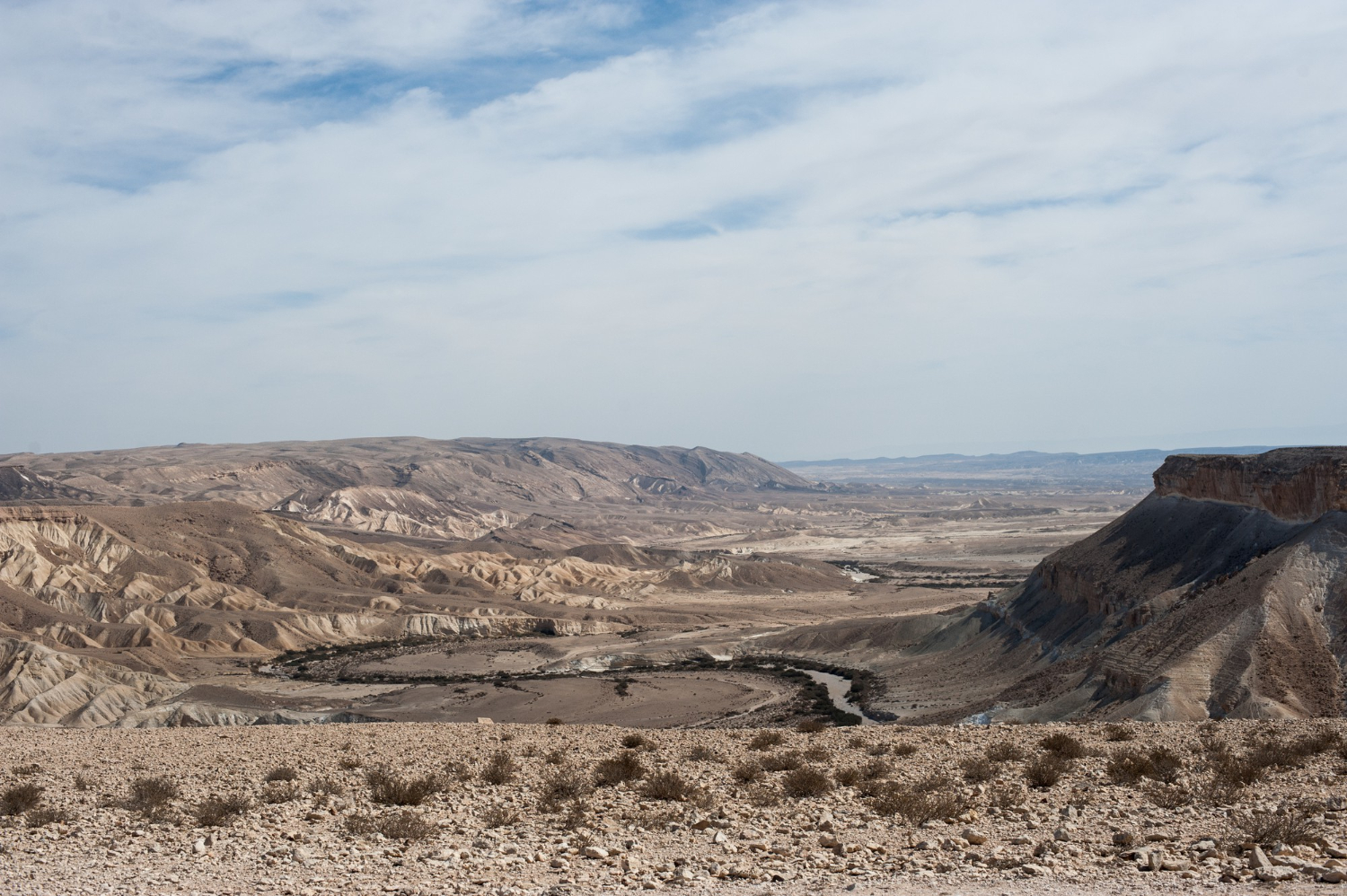
A number of quarries were opened specifically to supply a single major structure and closed when it was finished, which dates them precisely.
The building and the hole are the same project. Single-purpose quarries are the ones with a start and an end date.
13. Nature Moved In Because the Ground Was Ruined
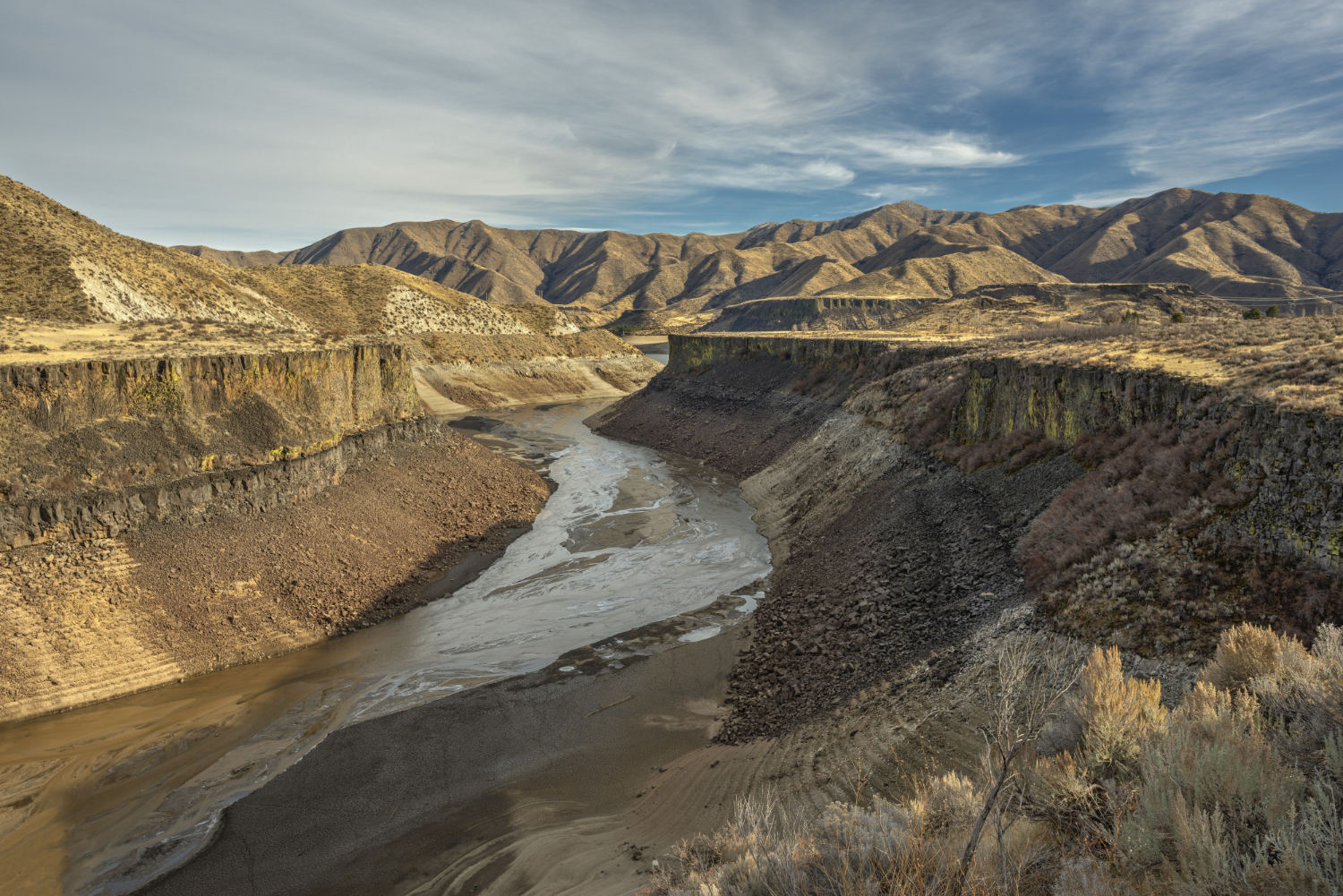
Bare rock, thin soil, ponds and disturbed ground suit species that struggle in fertile managed landscapes, so abandoned quarries frequently support more of interest than the farmland around them.
The value is a consequence of the damage. Quarry ecology is the outcome nobody intended.
14. The Faces Are Still Moving
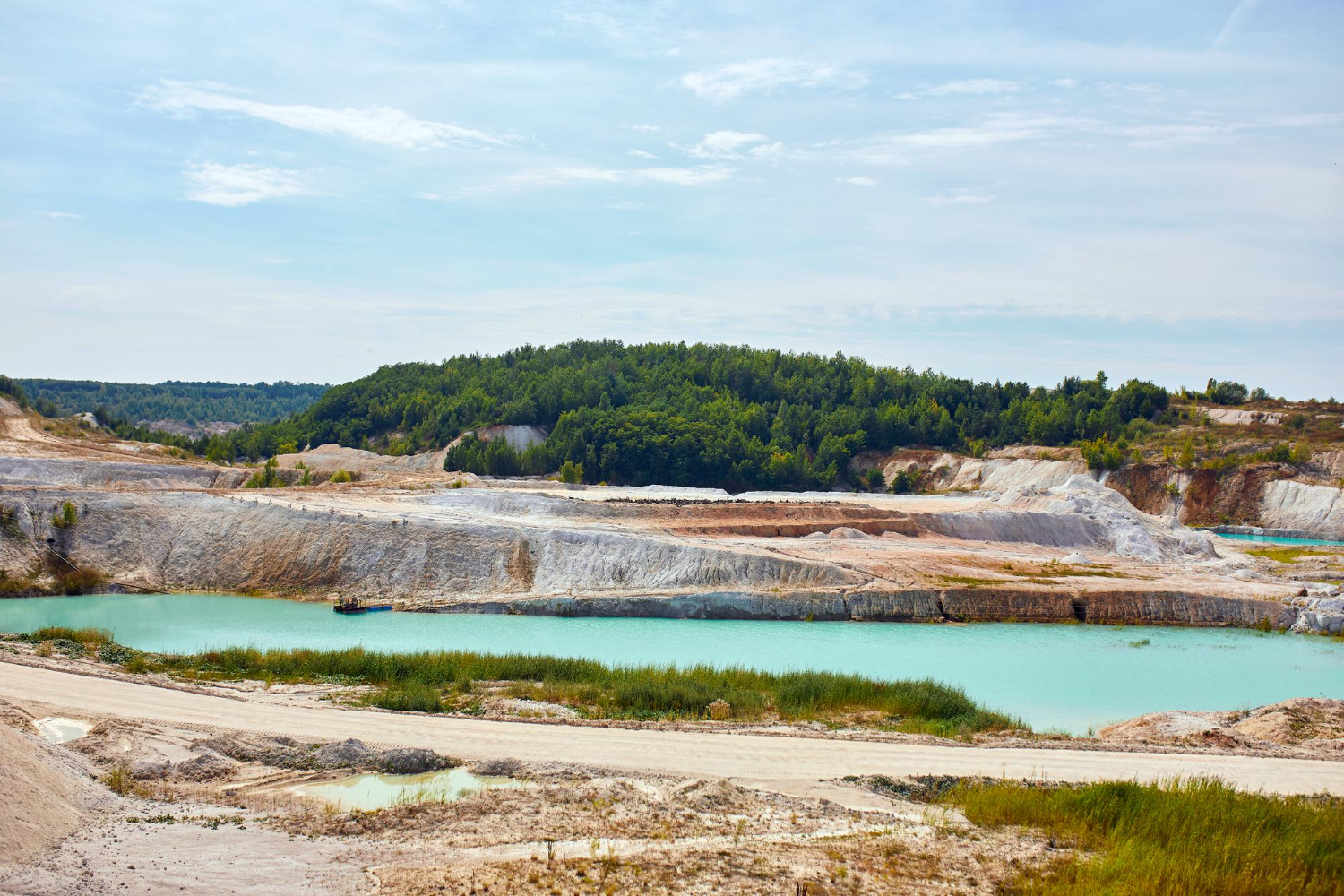
An abandoned quarry face continues to weather, freeze, crack and shed material, so the shape is not stable and the ground below it is receiving rock.
Nothing is holding it. Ongoing rockfall is the reason a quarry is not a ruin in the way a building is.
15. The Name Frequently Survives
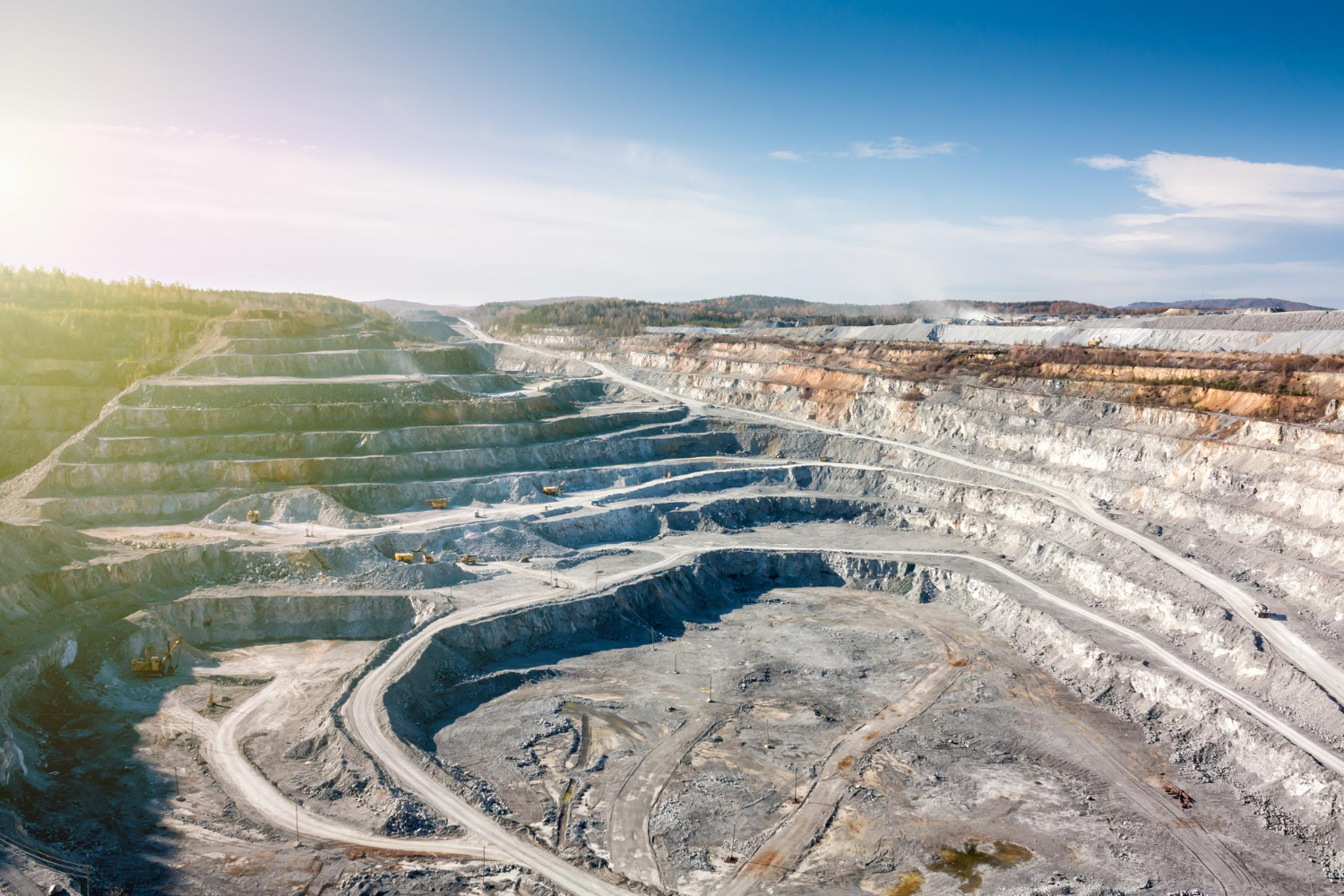
Field names, lane names and house names across a region preserve the memory of extraction long after the hole has been filled, planted or built over.
A name containing a reference to stone or pits is generally telling the truth. Surviving names are the record that outlasts the excavation.
16. The Filled-In Ones Are Invisible
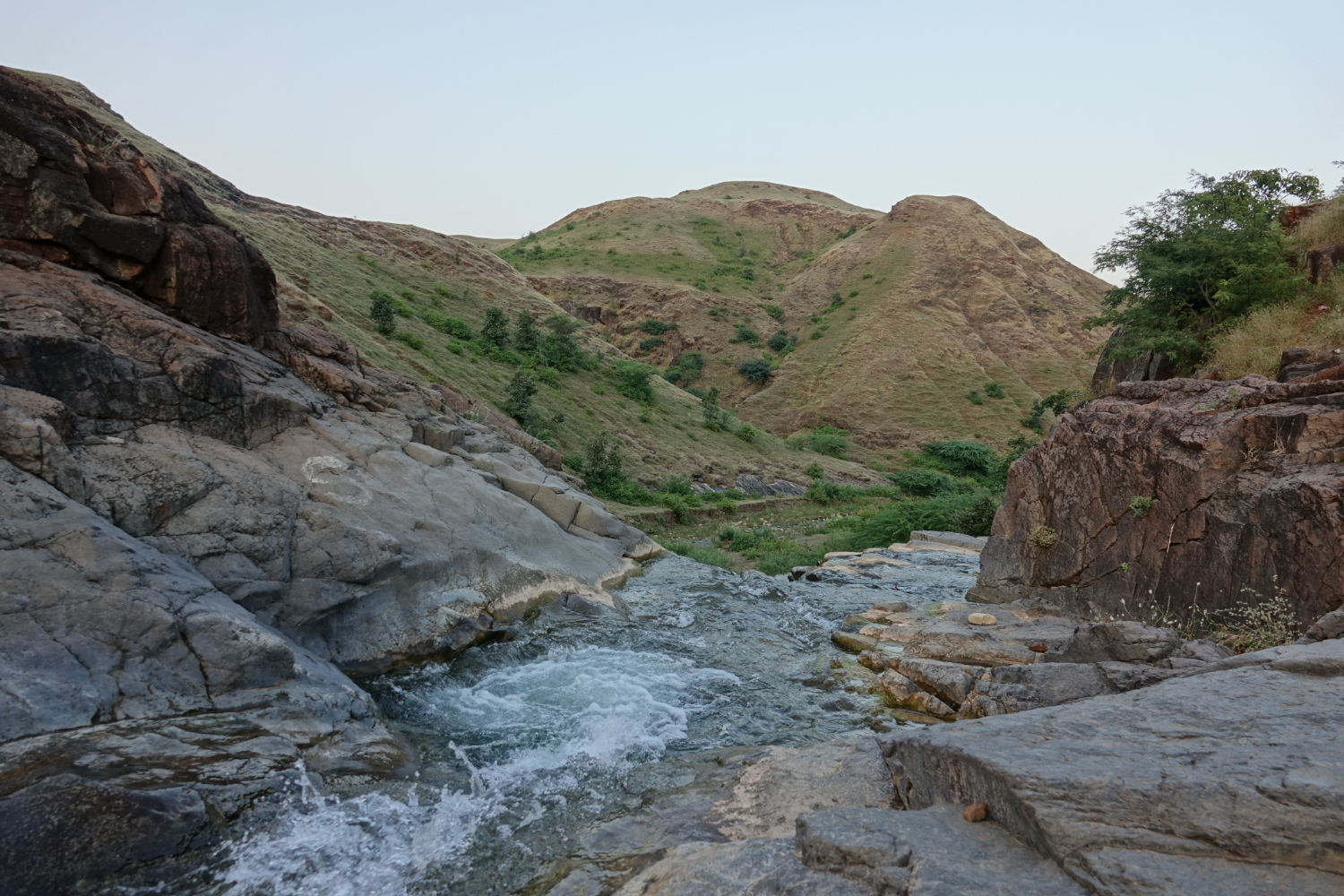
A great many quarries were backfilled and returned to use, leaving no surface trace beyond a slight depression, a change in vegetation or an anomaly in a field boundary.
They are detectable and not obvious. Backfilled workings are the quarries you walk over without noticing.
17. It Explains Why the Village Is There
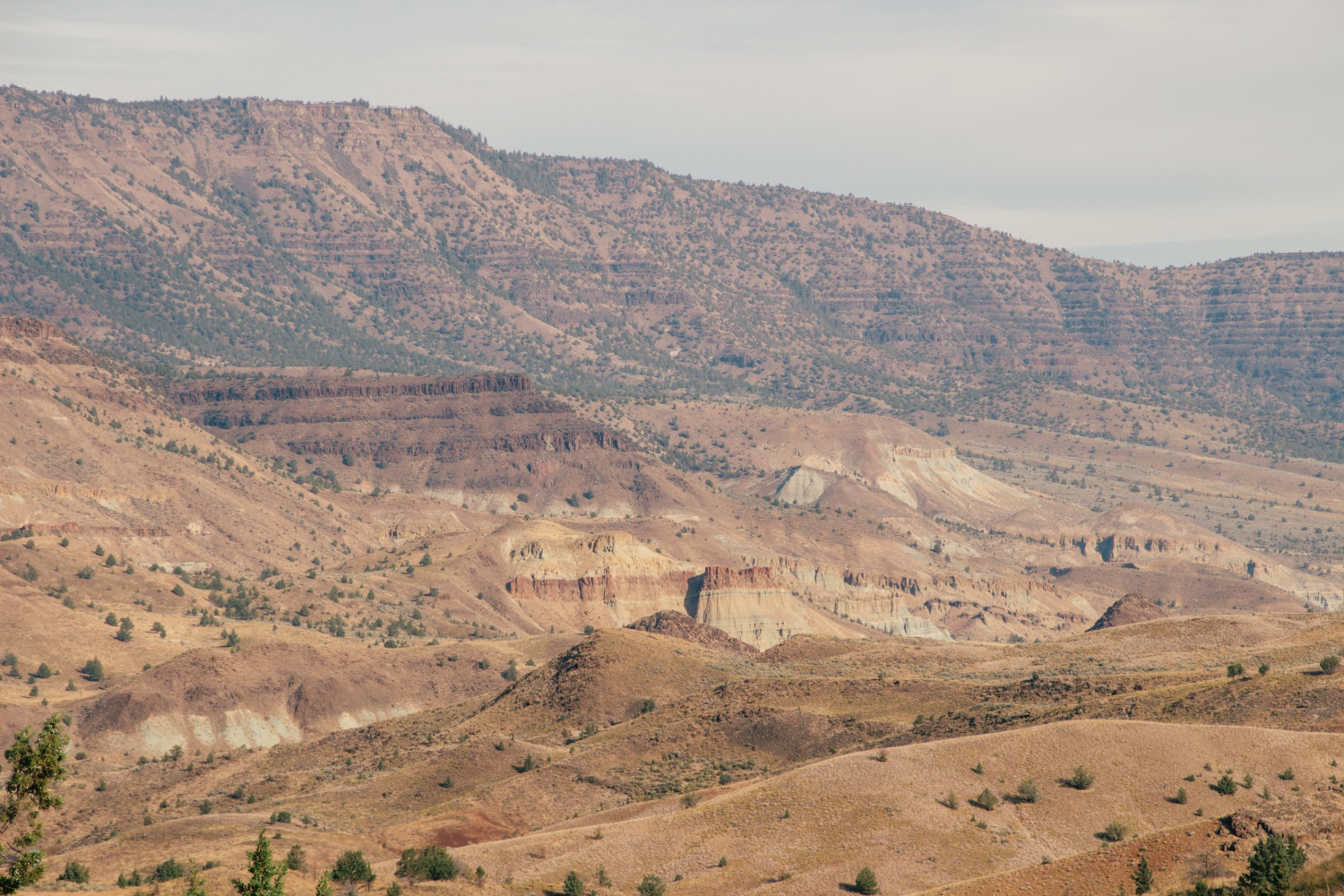
Extraction required labour, and labour required housing, so settlements frequently exist because of a quarry rather than the quarry existing near a settlement.
The order is the reverse of what it looks like. Quarry settlements are the villages whose reason for existing has closed.
A Hole That Explains the Buildings
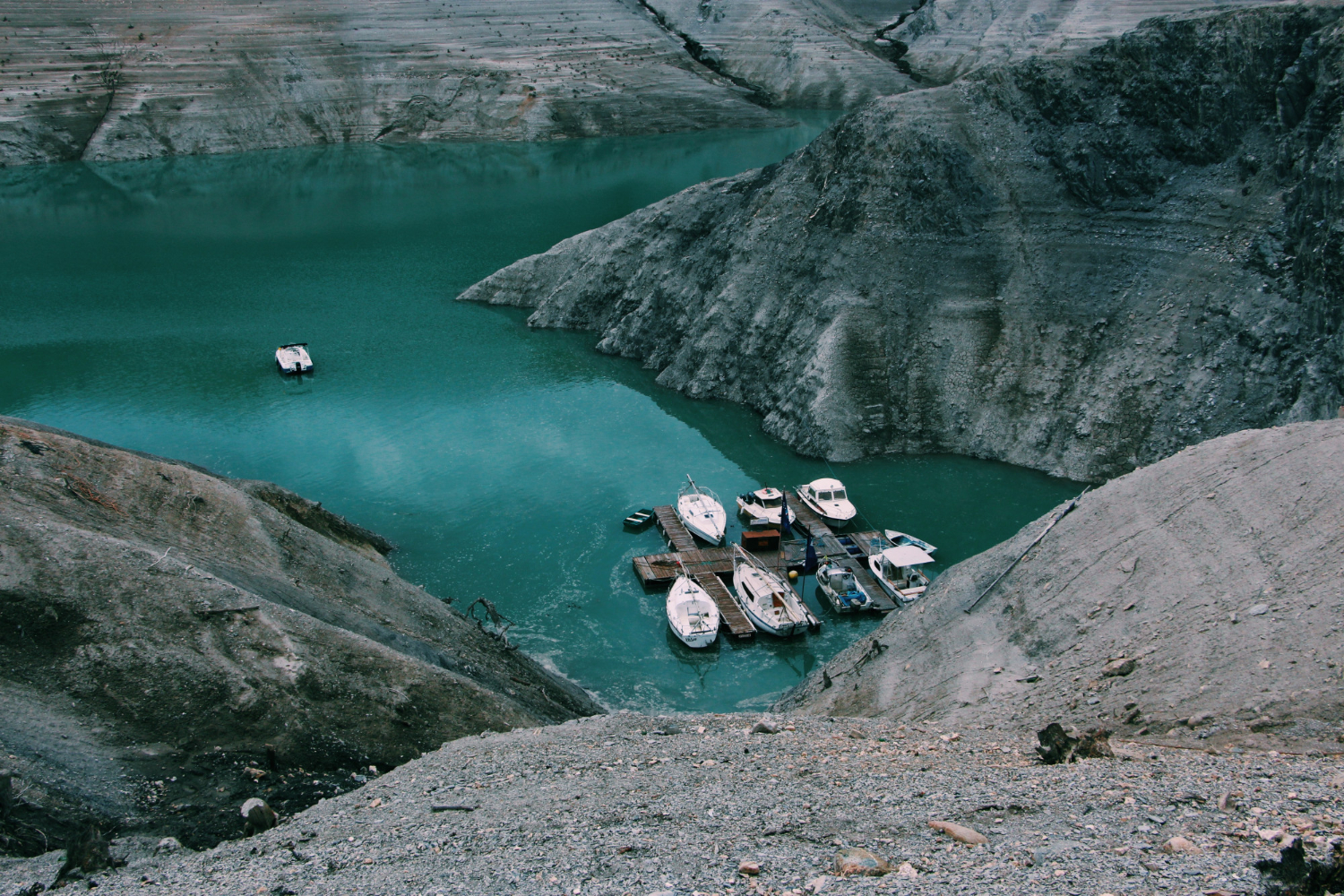
Local stone, exposed geology, tool marks, spoil, tramways and place names – a disused quarry is a document about the architecture, the industry and frequently the existence of everything around it.
A necessary caution, and the only sensible one: disused quarries are truly hazardous. Faces are unstable and shed rock without warning, the water is far deeper and colder than the surface suggests, submerged ledges and machinery are common, and steep sides make getting out extremely difficult. Almost all of them are private and fenced for exactly these reasons. Read them from the outside.
Like our content? Follow us for more.
