

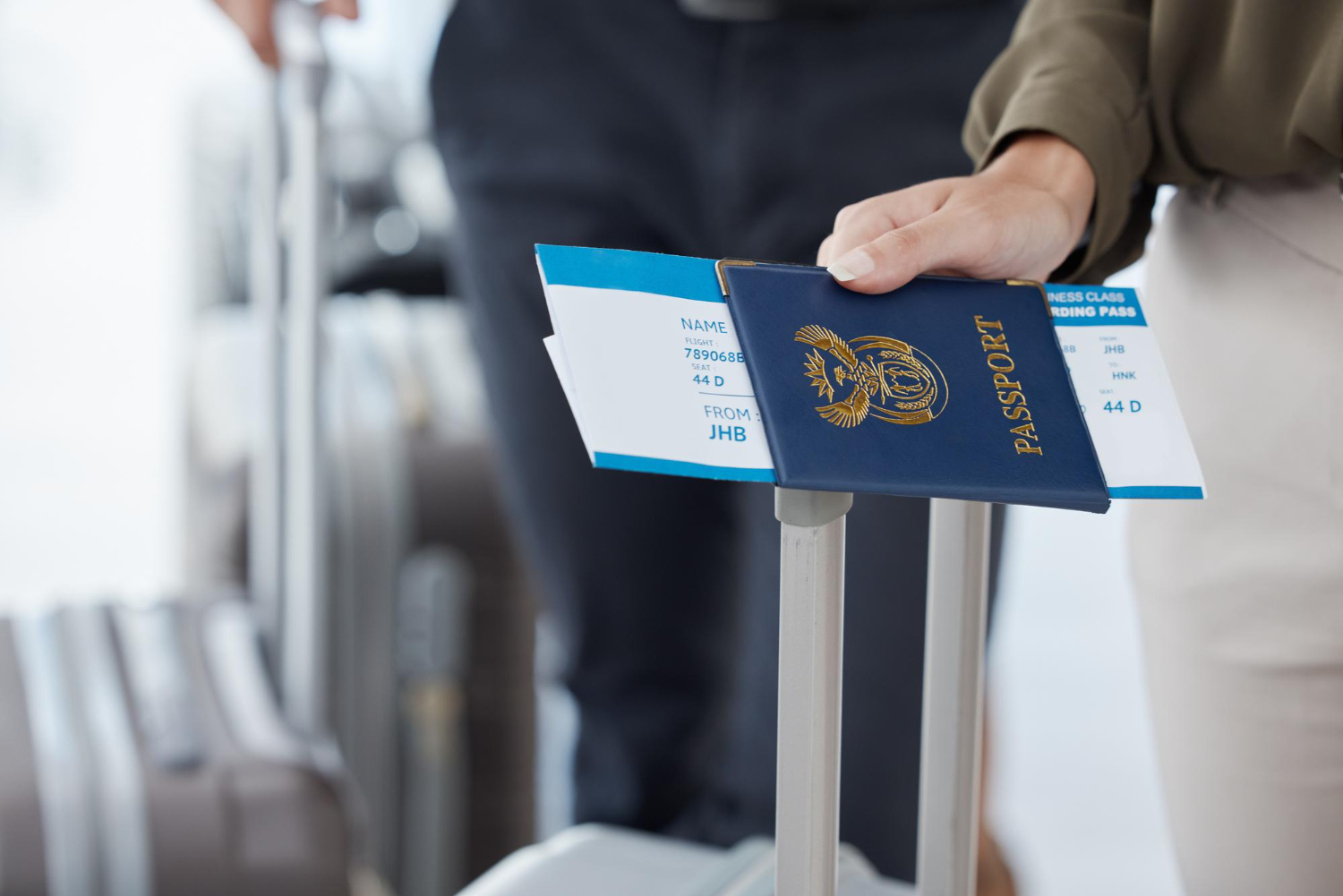
The Transportation Security Administration confiscated approximately 28 million items from carry-on bags in 2024, according to the agency’s annual reports. Most travelers expect to lose the obvious things — full-size water bottles, large knives, pepper spray, lighters with refills. The actual top categories of confiscated items in 2025 are more surprising, and they cost American travelers far more in lost souvenirs and gifts than the headline-grabbing weapons stories suggest. Snow globes. Power banks above a wattage limit most fliers have never heard of. Wrapped Christmas gifts that get unwrapped in front of the security line. CBD products in states where they are legal at the state level but contested federally. The TSA-confiscated bin at the average major U.S. airport fills up multiple times per shift during peak holiday travel, and the agency does not return any item. Each confiscation is a permanent loss to the traveler, with no appeal process and no refund. Here are eight categories of carry-on items that quietly trip up American travelers in 2026 — and the specific TSA rules behind each one, drawn from the agency’s own published guidance.
1. Snow Globes Larger Than 3.4 Ounces
A snow globe is one of the most-confiscated souvenirs at major U.S. airports, particularly during the December holiday travel period when many travelers buy them as gifts. The TSA’s official guidance classifies snow globes as containing liquid, which means they fall under the 3-1-1 rule — no liquid container over 3.4 ounces in carry-on. A standard souvenir snow globe contains roughly 8 to 16 ounces of liquid. The rule applies regardless of how the liquid is contained or whether the globe is sealed. Travelers can pack snow globes of any size in checked baggage. The only carry-on exception is a miniature globe small enough to fit comfortably in a quart-size resealable bag with all the traveler’s other liquids combined — and even that exception is at the screening officer’s discretion. The 3.4-ounce maximum is a U.S.-specific TSA rule that does not apply in most European or Asian airports, which is why returning U.S. travelers frequently bring back snow globes that were perfectly fine in Frankfurt or Tokyo and lose them at JFK on arrival or at the connecting flight.
2. Power Banks Above 100 Watt-Hours
Lithium-ion portable battery chargers are mandatory carry-on items — the FAA prohibits them in checked baggage because of fire risk. The rule has a separate watt-hour limit that most travelers ignore. Power banks above 100 watt-hours require airline approval before boarding, and power banks above 160 watt-hours are banned entirely on passenger flights. Most consumer 20,000 mAh power banks rate at around 74 watt-hours, but 50,000 mAh models — increasingly common for laptop charging on long flights — frequently exceed 160 Wh and are confiscated at the gate. The watt-hour rating is usually printed in small text on the back of the device. Travelers should check before flying, particularly for higher-capacity chargers purchased after 2023.
3. Wrapped Christmas Gifts
The TSA explicitly allows wrapped gifts in both carry-on and checked baggage. But the agency reserves the right to unwrap any gift that triggers an X-ray flag during screening, and during December the TSA officially recommends that travelers pack gifts unwrapped until after they arrive at their destination. According to the agency’s 2024 holiday travel guidance, approximately 1 in 8 wrapped gifts in carry-on baggage is opened during the December peak travel period. Toy guns, snow globes, electronics with batteries, and unusually shaped items are the most common triggers. The TSA officer is not required to re-wrap the gift after inspection. Travelers who insist on wrapped gifts arrive at the destination with unwrapped packages.
4. CBD Products in States Where They Are Legal
Cannabidiol products derived from hemp are legal at the federal level under the 2018 Farm Bill if they contain less than 0.3% THC. The TSA’s official position is that the agency does not screen specifically for marijuana or cannabis products, but officers will refer suspected violations to local law enforcement at the airport. The complication is that THC content cannot be visually verified during screening, and CBD products often look identical to marijuana products. Travelers passing through airports in Texas, Oklahoma, Alabama, or other states with strict marijuana laws have reported confiscation and law-enforcement referrals even for state-legal CBD oil. The federal rule and the state enforcement reality do not align in 2026, and the conflict has not been resolved.
5. Magic 8 Balls and Other Liquid Toys
The Mattel Magic 8 Ball, the standard novelty toy that has been on American store shelves since 1950, is classified as a liquid container by the TSA. Each ball contains roughly 4 ounces of dyed alcohol-based liquid that suspends the icosahedron answer-die. According to a TSA blog post from 2018, the Magic 8 Ball is “not permitted in carry-on bags” because the liquid contents exceed 3.4 ounces. The same rule applies to other liquid-filled toys, including liquid hourglasses, lava-style fluid toys, and most snow-globe variants. Travelers carrying these as gifts for children frequently lose them at security. The toys are permitted in checked baggage in any quantity. The 3.4-ounce rule does not bend for novelty items, even when the liquid is non-hazardous.
6. Pre-Filled Helium Balloons
The TSA does not technically prohibit helium balloons. The complication is that pre-filled helium balloons are usually larger than the maximum dimensions for a personal carry-on item, and the helium itself is a compressed gas — which falls under TSA’s compressed gas guidance. Travelers attempting to bring pre-filled birthday or anniversary balloons through security routinely have them confiscated, either due to size constraints or due to security concerns about the helium tank assumed to be inside. Mylar balloons can also trigger metal-detector alerts. Travelers planning to bring balloons to a destination should buy them at the destination or pack deflated balloons and a small handheld inflator. Pre-filled balloons are almost always going to be confiscated.
7. Sunscreen and Bug Repellent Above 3.4 Ounces
Travel-size sunscreen is a routine TSA confiscation. The 3-1-1 rule applies to sunscreen the same as to any other liquid or gel container. Most consumer sunscreen tubes are 4 to 8 ounces, which puts them over the limit. The same rule applies to insect repellent, aloe gel, after-sun lotions, and most consumer-size skincare products. According to the TSA’s checked-vs-carry-on guide, full-size sunscreen is permitted in checked baggage. Travelers heading to beach destinations who pack full-size sunscreen in their carry-on routinely lose it at security. The simplest solution is to purchase travel-size containers (under 3.4 ounces) or buy sunscreen after arrival. Most beach destinations sell it at sharply marked-up prices.
8. Bear Spray and Self-Defense Sprays
Bear spray is a frequent surprise confiscation for travelers heading to or from national parks. The TSA permits one self-defense spray container in checked baggage if it is 4 ounces or less and contains less than 2 percent by mass of tear gas, but bear spray canisters typically exceed those limits. Standard bear spray is 7.9 to 9.2 ounces with a higher concentration of active ingredient — capsaicin and related capsaicinoids at concentrations that the EPA regulates separately from consumer pepper spray. Bear spray is therefore prohibited in both carry-on and checked baggage on commercial flights, regardless of how it is packed. Travelers driving to Yellowstone, Glacier, or Denali and flying home with leftover bear spray lose it at airport security. The Department of the Interior actively encourages park visitors to carry bear spray on the trail, but the TSA prohibition then forces visitors to abandon the canister before flying home. Many national park gateway towns now have donation bins where departing travelers can leave usable bear spray for incoming visitors. The same rule applies to large pepper spray canisters intended for self-defense in non-aviation contexts. Smaller pepper spray containers under 4 ounces with the correct active-ingredient concentration are permitted in checked baggage only — never in carry-on, regardless of size.
Like our content? Follow us for more.

