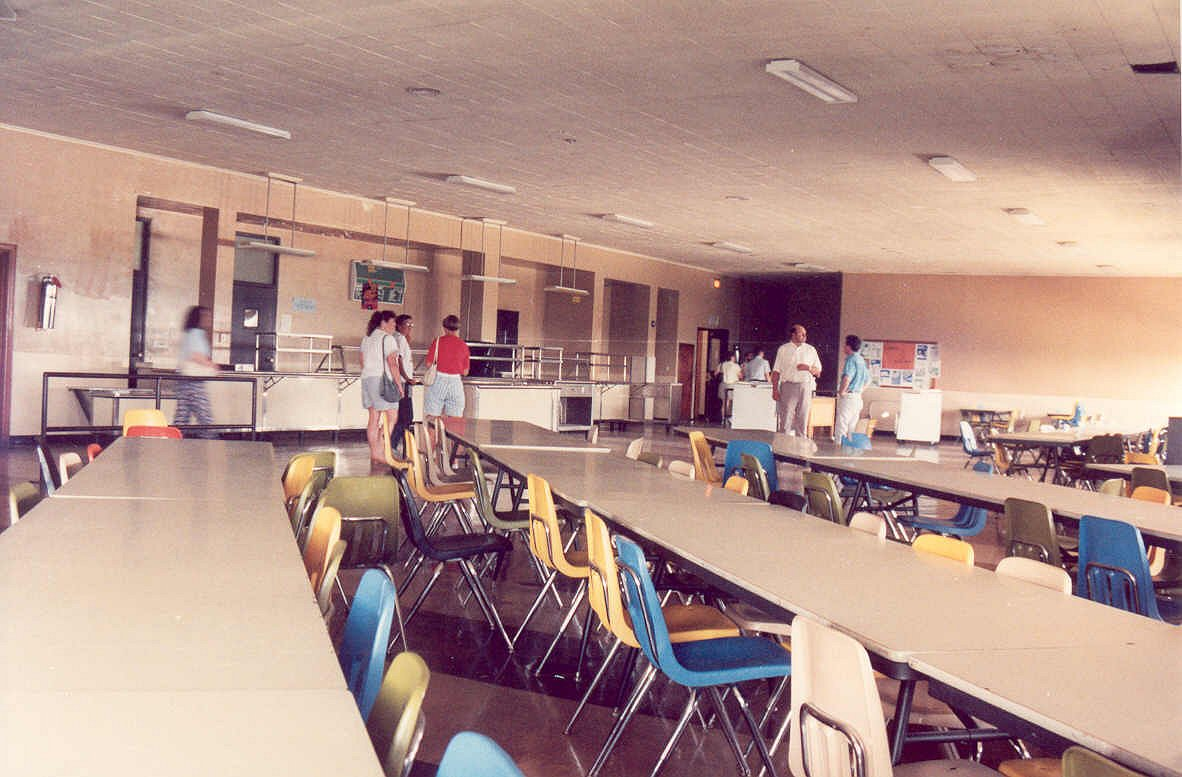
The American school cafeteria of 1975 served foods that would now violate multiple federal nutrition standards — and many of them are explicitly prohibited under the USDA’s National School Lunch Program rules updated under the 2010 Healthy, Hunger-Free Kids Act and subsequent regulations through 2023. Whole milk in 8-ounce cartons. Trans-fat-laden margarine in foil-wrapped pats. Cherry Hi-C drinks. Iceberg-lettuce salads dressed in Russian and Thousand Island dressings. The cafeteria of 1975 was effectively a small institutional fast-food operation, with the major American food manufacturers competing for the federally-reimbursed lunch market. The transformation between 1975 and 2026 has been substantial, with most of the era’s signature cafeteria foods now actively prohibited from K-12 schools. Here are twelve foods that defined the 1975 American school lunch and the specific federal rules that ended each.
1. Whole Milk in 8-Ounce Cartons
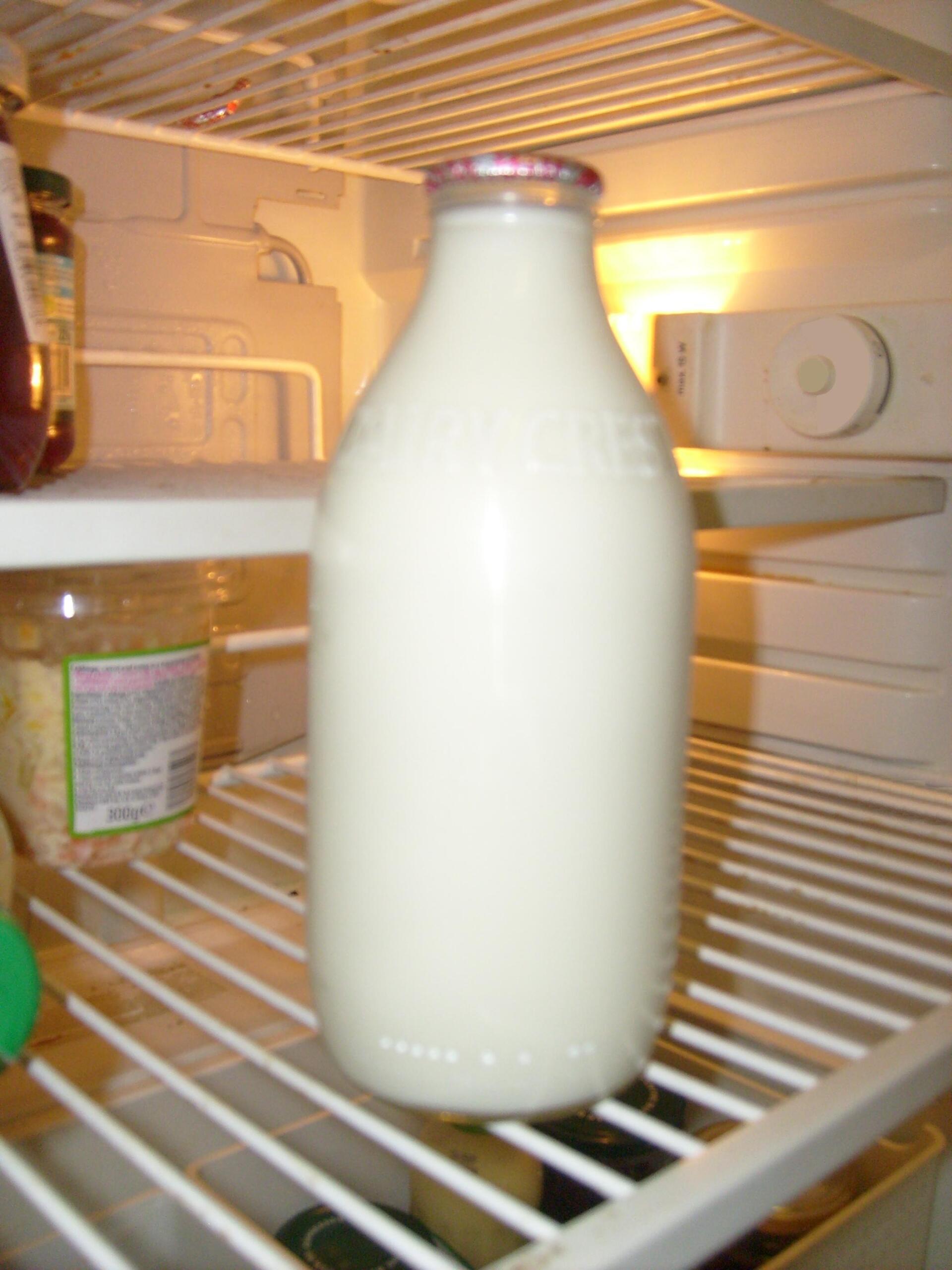
The standard 1975 American school cafeteria served whole milk in 8-ounce paper cartons as the default beverage option. The carton, opened by pulling the spout corner apart, was a defining American school-lunch ritual. Under the Healthy, Hunger-Free Kids Act of 2010, whole milk was effectively eliminated from federally-reimbursed school meals in favor of fat-free or 1 percent low-fat options. Flavored milk was restricted to fat-free formulations in most school districts. The 2023 USDA final rule maintained the low-fat-only requirement. Whole milk is gradually being reintroduced to some districts under a 2024 legislative push, but the standard 1975 8-ounce whole-milk carton remains absent from most American school cafeterias.
Like our content? Follow us for more.
2. Cherry Hi-C and Other Sweetened Fruit Drinks

Hi-C — the artificially-flavored fruit drink that contained approximately 5 percent actual fruit juice — was a standard beverage in American school cafeterias throughout the 1970s and 1980s. The drink came in 6-ounce cardboard cans or 12-ounce cartons. Hi-C and similar artificially-sweetened fruit drinks have been substantially restricted under the federal Smart Snacks in School standards, which limit added sugars in school-served beverages to specific thresholds. Most school districts no longer serve Hi-C in any form. The drink remains commercially available in 2026 but is rarely included in school meal programs. The cultural memory of cracking the seal on a Hi-C can during 1975 lunch period is essentially extinct in current American school cafeterias.
3. Salisbury Steak with Brown Gravy
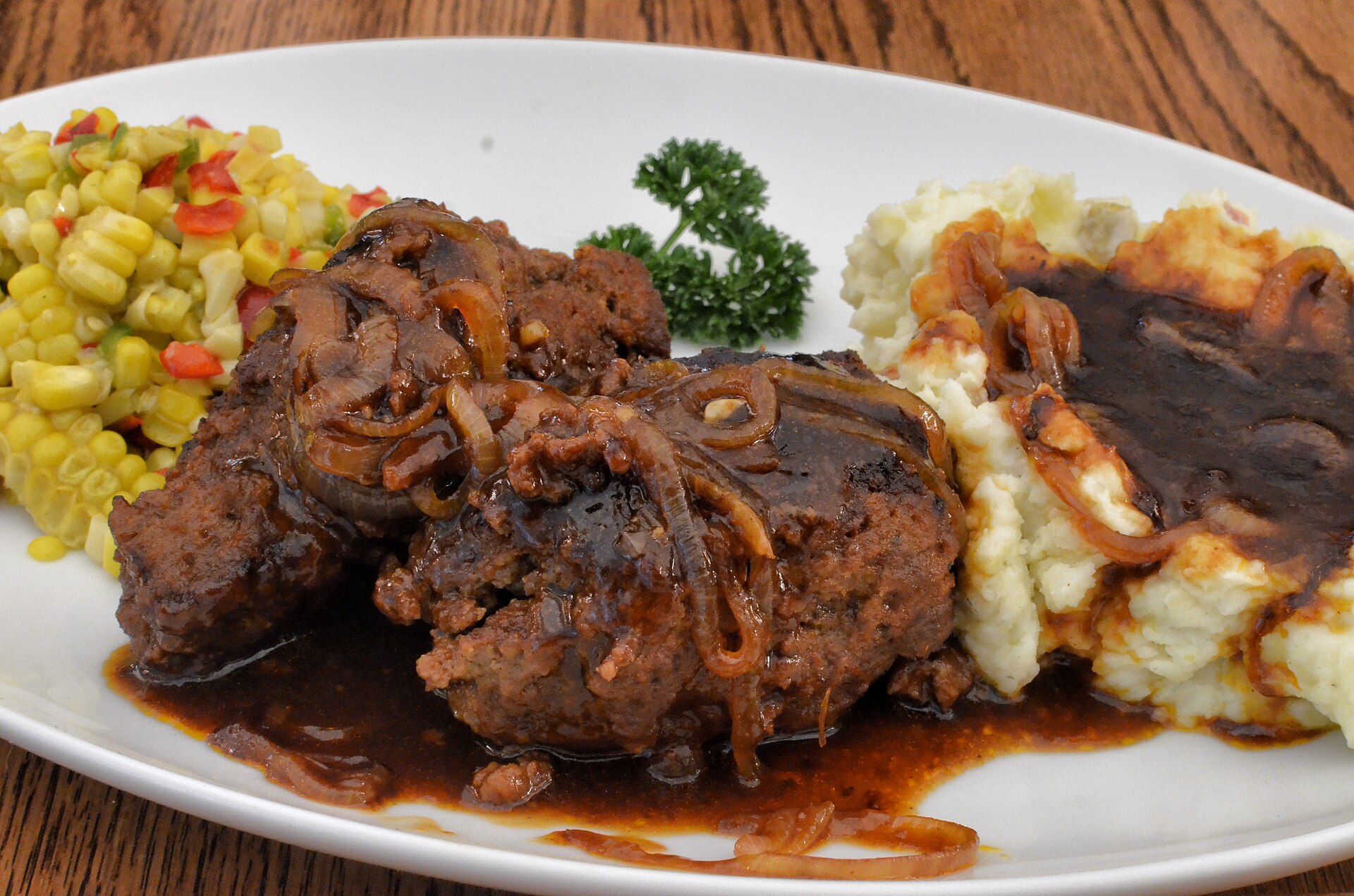
Salisbury steak — the seasoned-ground-beef patty served with brown gravy — was a weekly fixture in American school cafeterias throughout the 1970s. The frozen institutional version, supplied by Hormel and other major manufacturers, contained approximately 14 grams of total fat and 3 to 4 grams of saturated fat per 4-ounce portion. Under the 2010 federal nutrition standards, the dish has been substantially reformulated or eliminated in most districts. The current versions, where served, use lean ground beef, reduced sodium, and limited gravy portion sizes. The thick, mahogany-colored gravy of 1975 — typically made from beef-flavor base, flour, and water — would not meet contemporary sodium requirements and is not served in current school programs.
4. Iceberg Lettuce Salad with Russian or Thousand Island Dressing
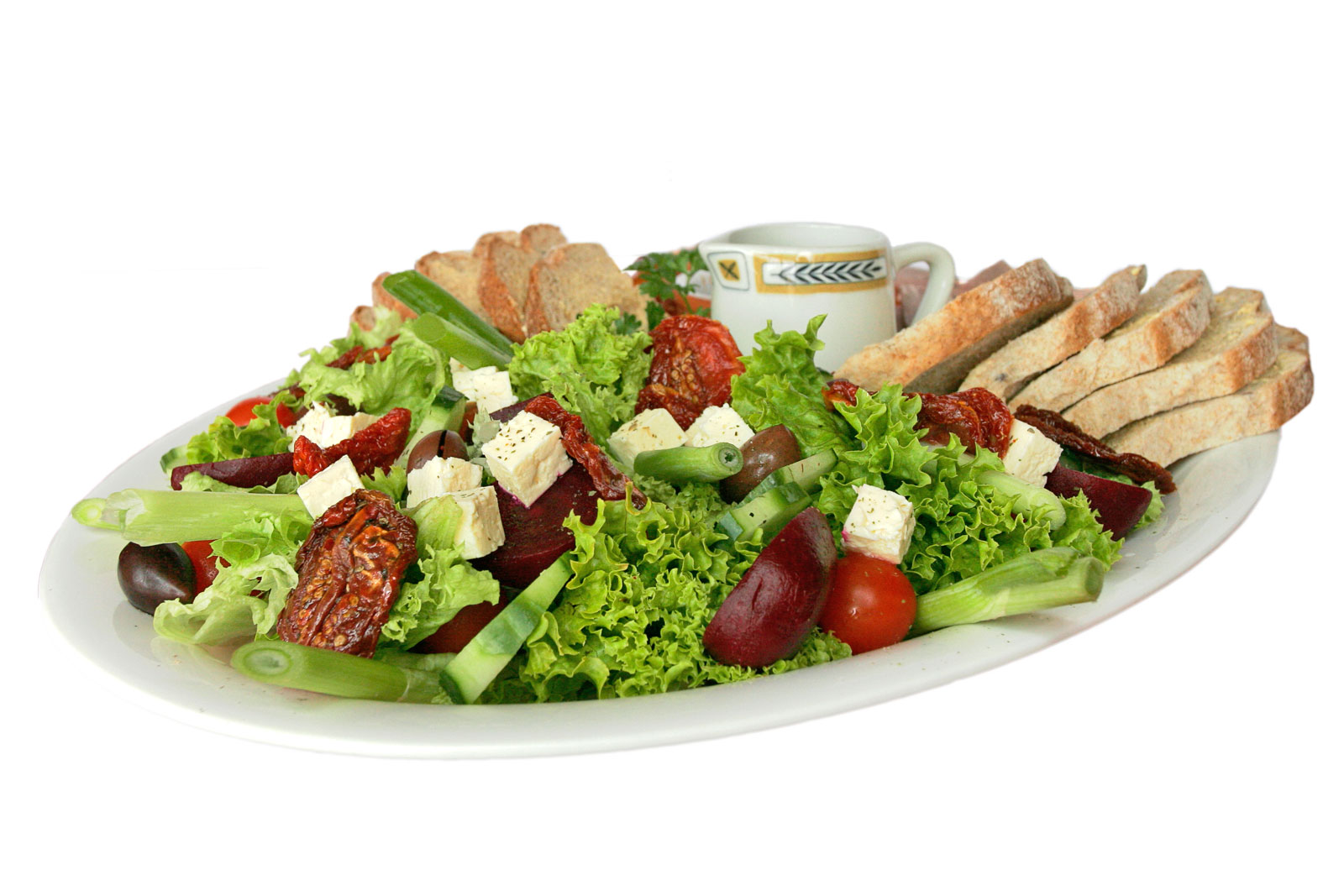
The 1975 American school salad bar offered chopped iceberg lettuce, sliced cucumbers, shredded carrots, and packaged condiment containers of Russian dressing, Thousand Island, French, or ranch. The dressings ran approximately 14 to 18 grams of fat per 2-ounce serving and contained high levels of added sugar and sodium. Current school programs offer salads but with substantial restrictions on dressing — most districts limit dressing to 60 calories per packet and require oil-based vinaigrettes rather than the mayonnaise-and-ketchup-based Russian dressing standard of 1975. The classic Thousand Island dressing of the era is rarely available in current school cafeterias.
5. Chocolate Pudding in Plastic Containers

The single-serving chocolate pudding cup — typically Jell-O brand, packaged in a 3.5-ounce plastic container with a foil pull-tab lid — was a near-universal American school cafeteria dessert in the 1970s. The pudding contained approximately 110 calories, 16 grams of sugar, and 4 grams of fat per serving. Under the Smart Snacks in School federal standards finalized in 2014, individually-packaged sweet desserts are substantially restricted from federally-reimbursed school meal programs. Where puddings are served in 2026, they typically use reduced-sugar formulations and smaller portion sizes. The Jell-O pudding cup of 1975 is no longer a standard cafeteria offering.
6. Tater Tots and Other Deep-Fried Sides

Tater tots — the cylindrical grated-potato product invented by Ore-Ida in 1953 — were a standard American school cafeteria side dish through the 1970s and 1980s. The traditional preparation involved deep-frying at 350 degrees Fahrenheit for 4 to 5 minutes, producing crispy potato pieces with approximately 9 grams of fat per 3-ounce serving. Under the 2010 federal nutrition standards, deep-frying as a preparation method has been substantially restricted in school cafeterias. Where tater tots are served in 2026, they are typically baked rather than fried, producing a substantially different texture and lower fat content. The crispy fried 1975 version is essentially absent from current school programs.
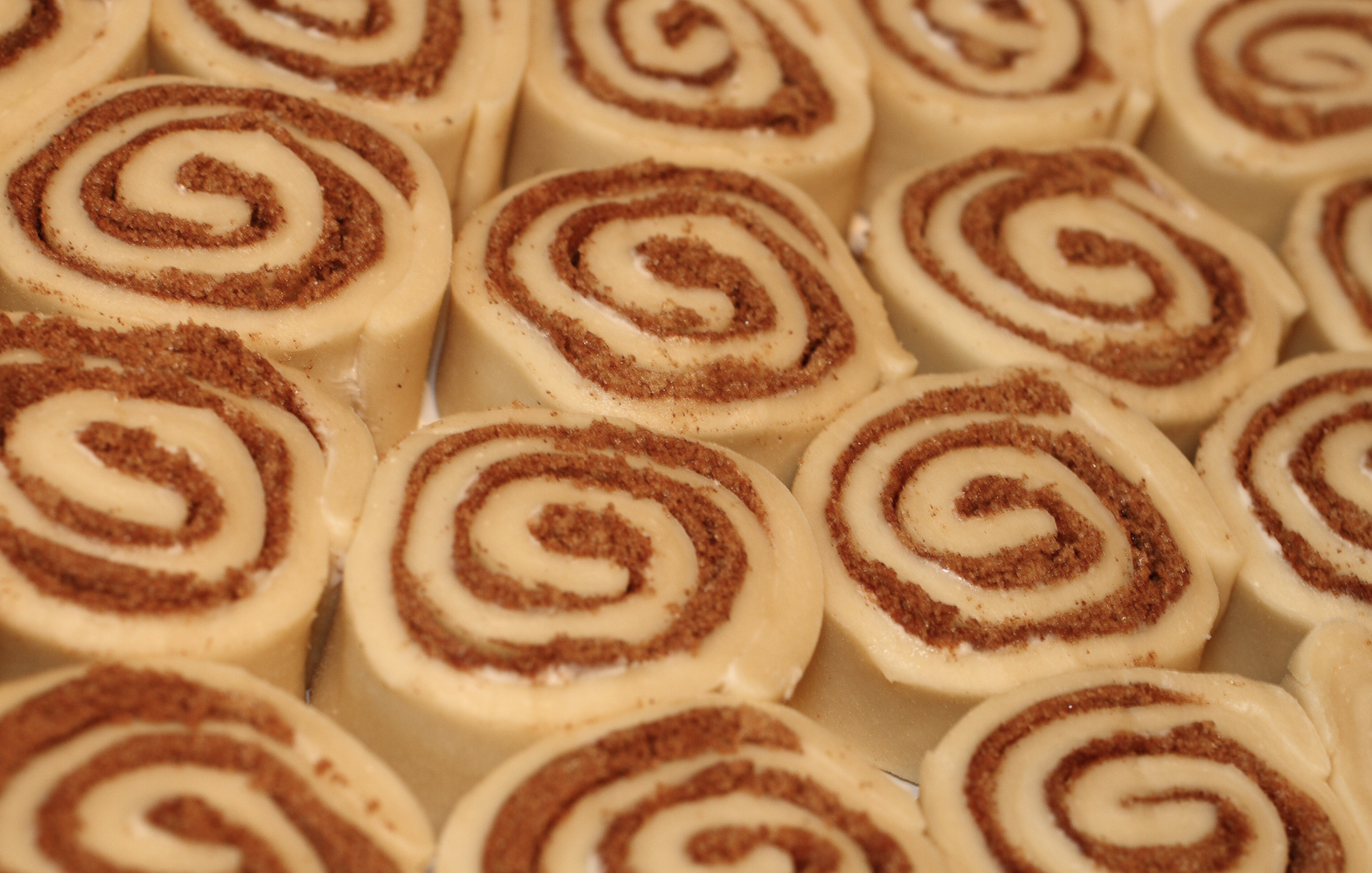
7. Cinnamon Rolls Served as Breakfast
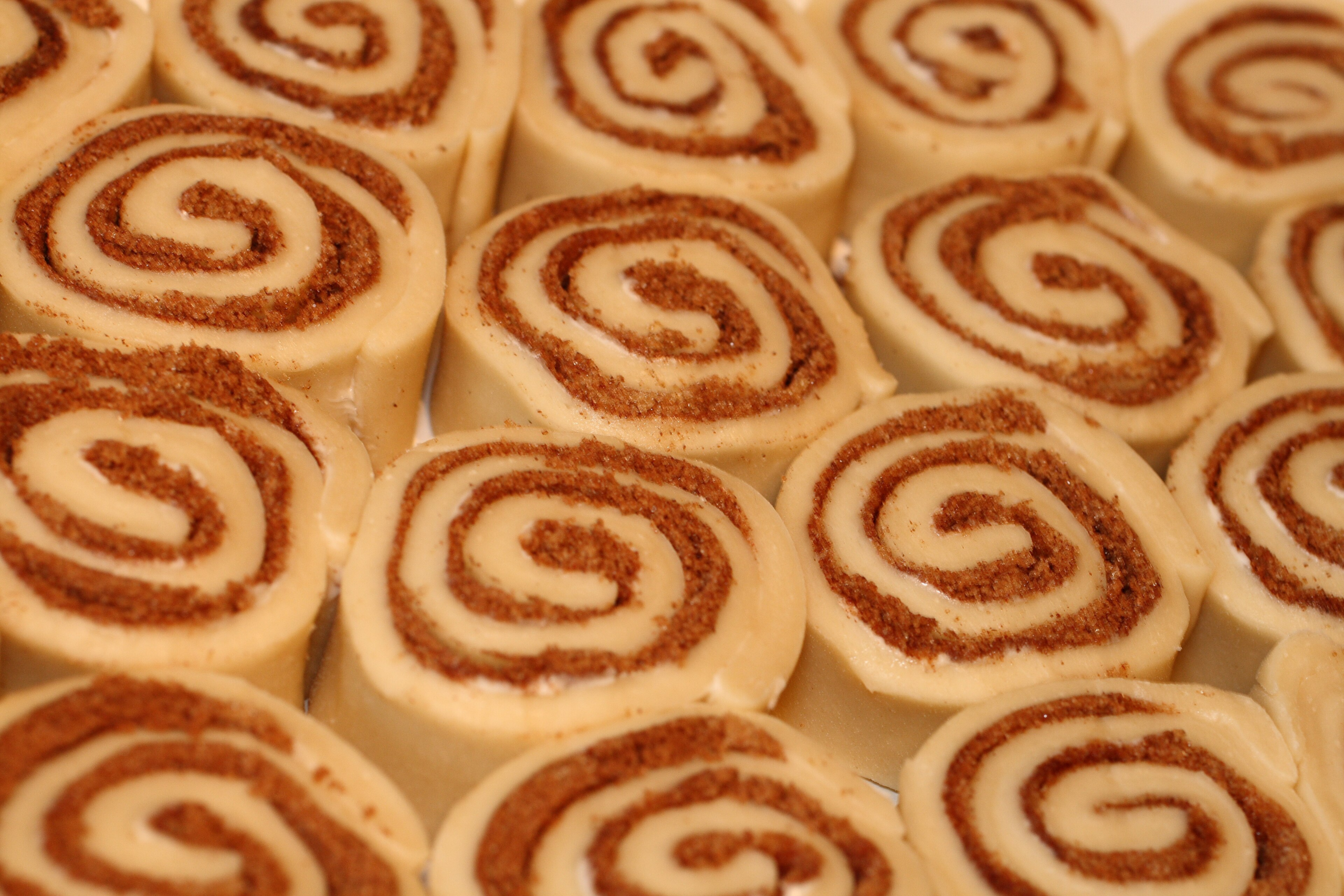
The 1975 American school cafeteria frequently served large cinnamon rolls — approximately 4 inches in diameter, glazed with white frosting, weighing 4 to 5 ounces each — as a standard breakfast option. The rolls contained approximately 350 calories, 18 grams of sugar, and 14 grams of fat. Under current federal nutrition standards for breakfast service, the standard 1975 cinnamon roll exceeds multiple individual nutrient thresholds. Where school breakfasts include sweet breads in 2026, they are typically smaller portions with whole-grain flour, reduced sugar, and no frosting. The large frosted cinnamon roll as a 1975 school-breakfast staple is no longer a standard American cafeteria offering.
8. Fish Sticks with Tartar Sauce
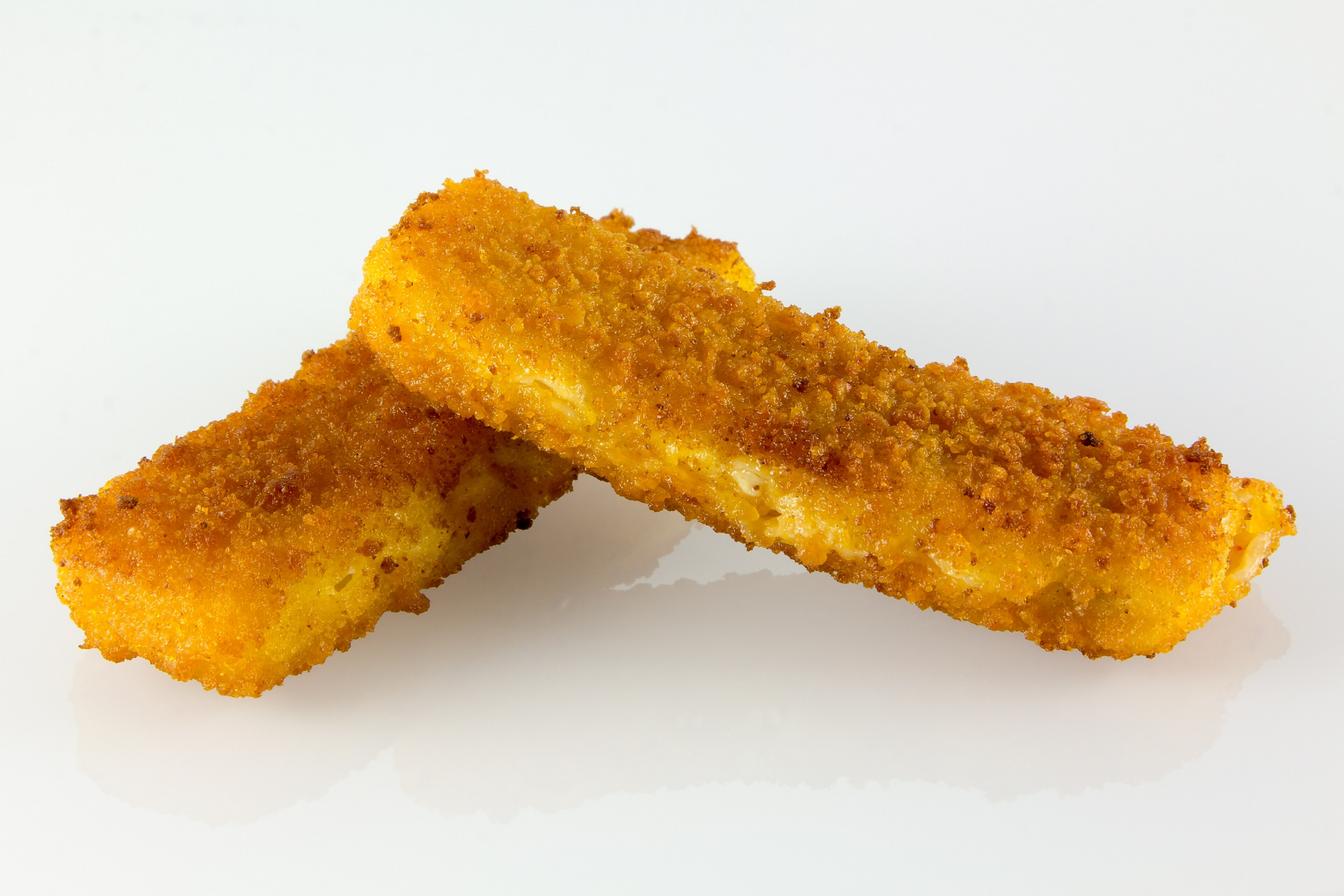
Fish sticks — typically Mrs. Paul’s or Gorton’s brand, breaded and frozen — were a standard Friday menu item in American school cafeterias throughout the 1970s and 1980s. The institutional product contained approximately 200 calories, 11 grams of fat, and 380 milligrams of sodium per 4-stick serving. The tartar sauce — primarily mayonnaise, sweet pickle relish, and lemon juice — added approximately 80 calories per 1-ounce serving. Under current federal nutrition standards, the standard 1975 fish stick exceeds sodium thresholds and the tartar sauce exceeds fat thresholds. Where fish-stick equivalents are served in 2026, they are typically lower-sodium baked formulations served with reduced-fat tartar alternatives.
9. Pizza Slabs on Rectangular Trays
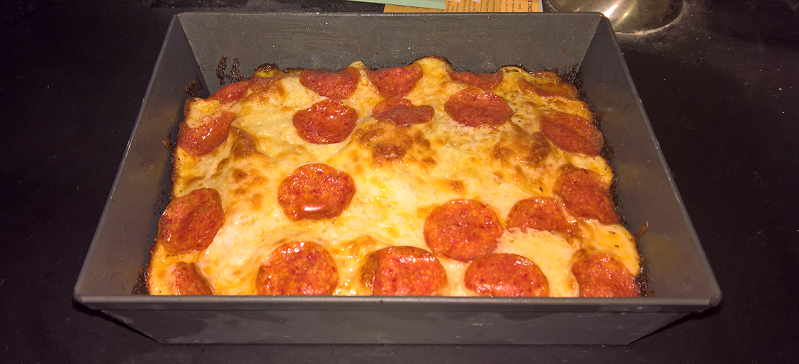
The rectangular school cafeteria pizza — typically a 4-inch by 6-inch slab with sweetened tomato sauce, processed mozzarella, and a thick bread crust — was the most-anticipated school lunch of the 1970s for many American students. The standard 1975 institutional pizza was supplied by Tony’s, Schwan’s, or major regional bakeries. The cheese-and-bread combination contained approximately 320 calories, 12 grams of fat, and 580 milligrams of sodium per serving. Under current federal nutrition standards, this exact product would exceed multiple thresholds. Current school pizzas are reformulated with whole-grain crusts, reduced-sodium sauces, and low-fat cheese — producing a recognizable but substantially different product. The thick-crust, slightly-sweet sauce, processed-cheese American school pizza of 1975 is rare in 2026.
10. Spaghetti with Meat Sauce and Sliced White Bread
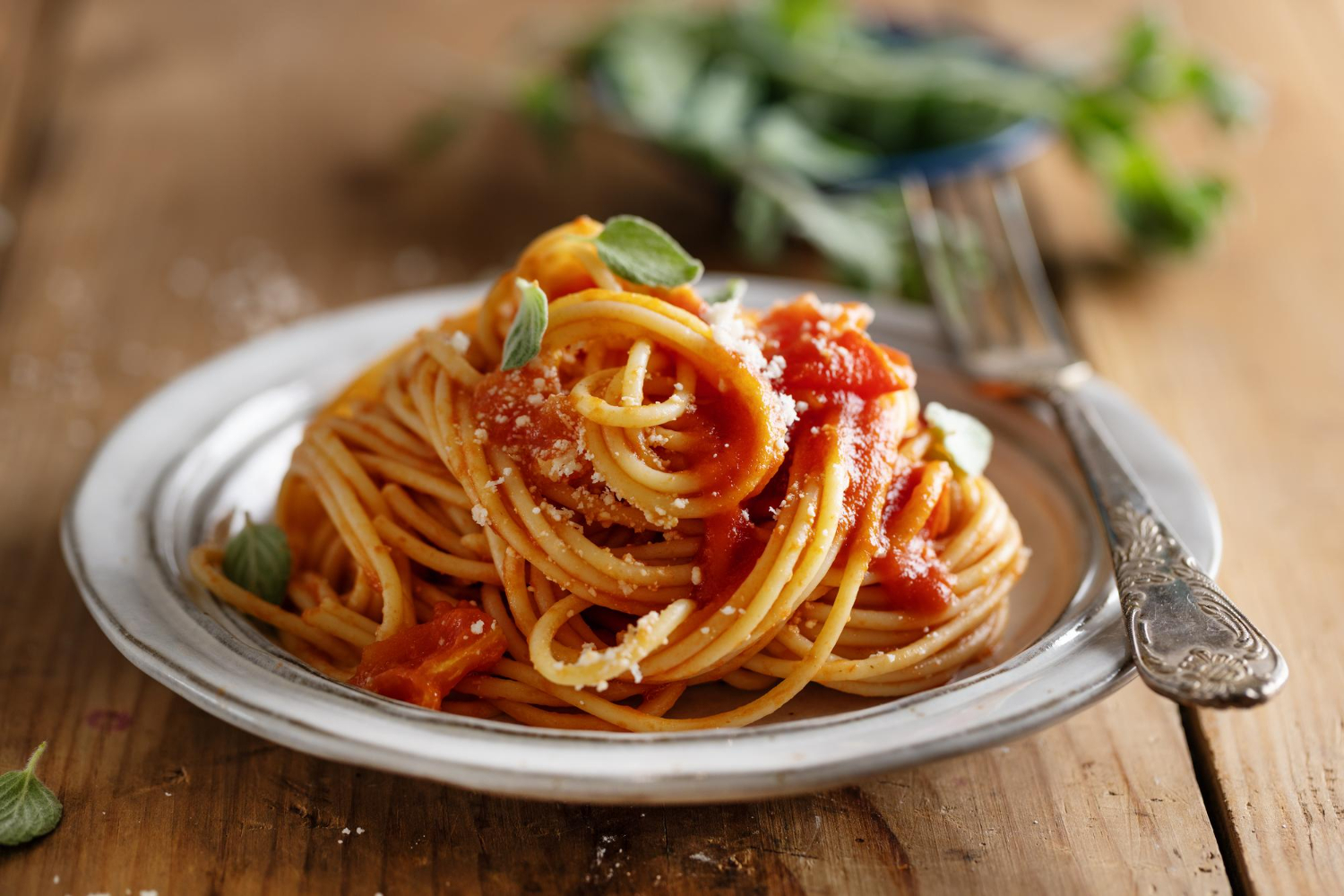
The 1975 American school cafeteria served spaghetti with meat sauce on rectangular plastic trays, accompanied by two slices of white sandwich bread and a pat of margarine. The meat sauce was typically heavy on tomato paste, sweetened, and low in vegetable content. The white bread was supplied by Wonder Bread or regional equivalents. The total meal contained approximately 700 calories, with substantial refined-carbohydrate content and limited vegetable variety. Under current federal nutrition standards, the white bread requirement has been replaced with whole-grain-rich requirements, and the meat sauce typically contains added vegetable content. The exact 1975 plate — spaghetti, bread, margarine pat, sweet sauce — is no longer served in current American school cafeterias.
11. Margarine Pats in Foil Wrappers
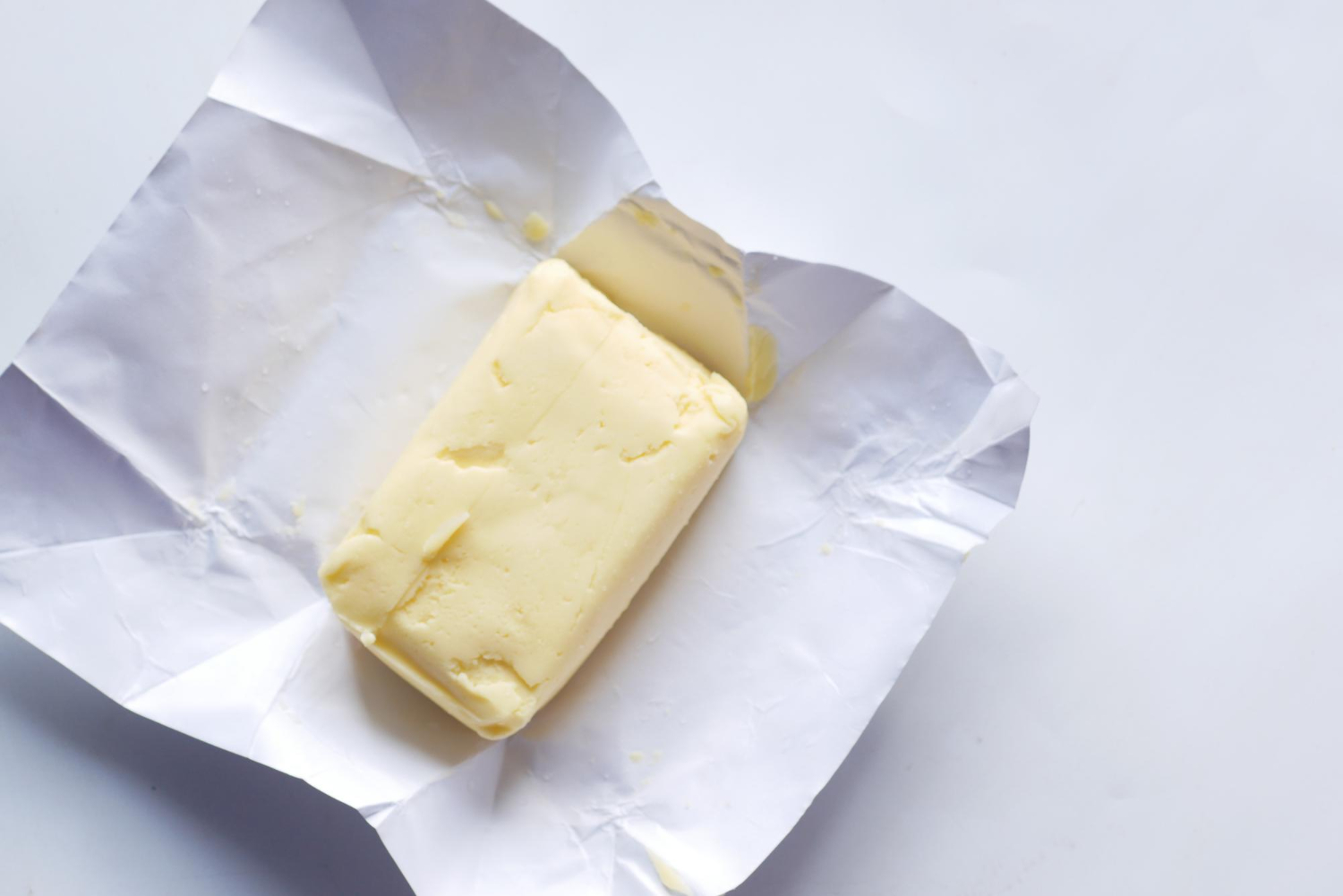
The single-serving margarine pat in a foil wrapper, approximately a half-tablespoon serving, was a standard American school cafeteria condiment in 1975. The margarine of the era contained significant partially-hydrogenated vegetable oils — the trans fats that the FDA effectively banned from American food in 2018. Margarine pats are largely absent from contemporary American school cafeterias both because of the trans-fat issue and because butter and oil alternatives have become standard. The foil-wrapped pat that 1975 American students used to butter their slice of bread is essentially extinct in 2026 school cafeterias.
12. The Half-Pint Chocolate Milk Carton
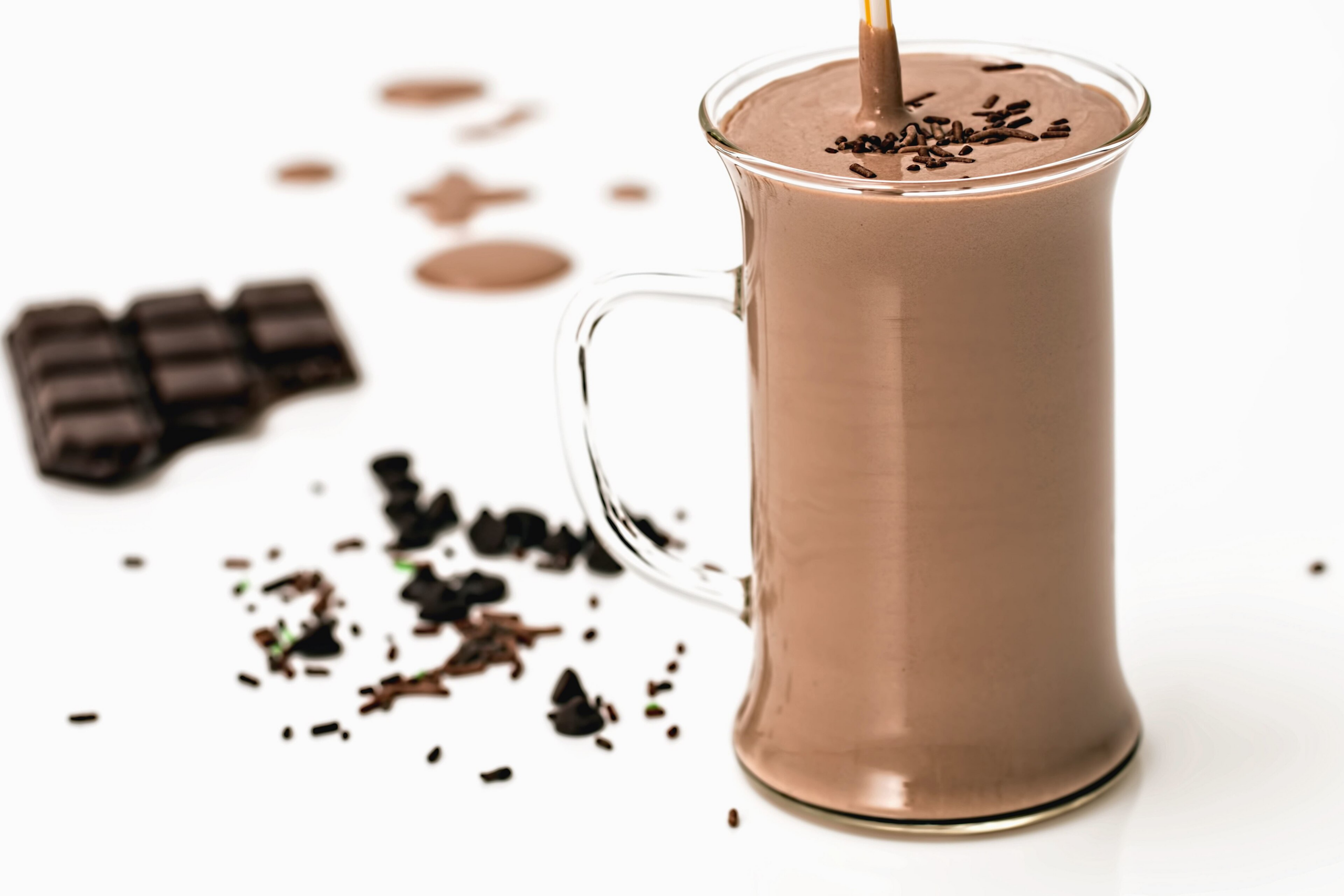
The half-pint (8-ounce) chocolate milk carton — usually Sealtest or regional dairy brand — was the most-selected beverage in American school cafeterias throughout the 1970s. The standard 1975 product was whole-milk chocolate milk containing approximately 25 grams of total sugar and 8 grams of fat per 8-ounce serving. Under the 2010 federal nutrition standards, chocolate milk has been restricted to fat-free formulations with substantially reduced sugar content. The thick, rich, whole-milk chocolate milk of 1975 has been replaced by fat-free reduced-sugar versions that taste meaningfully different. Many American adults who grew up on the 1975 product describe the contemporary school version as essentially a different beverage.
Like our content? Follow us for more.