

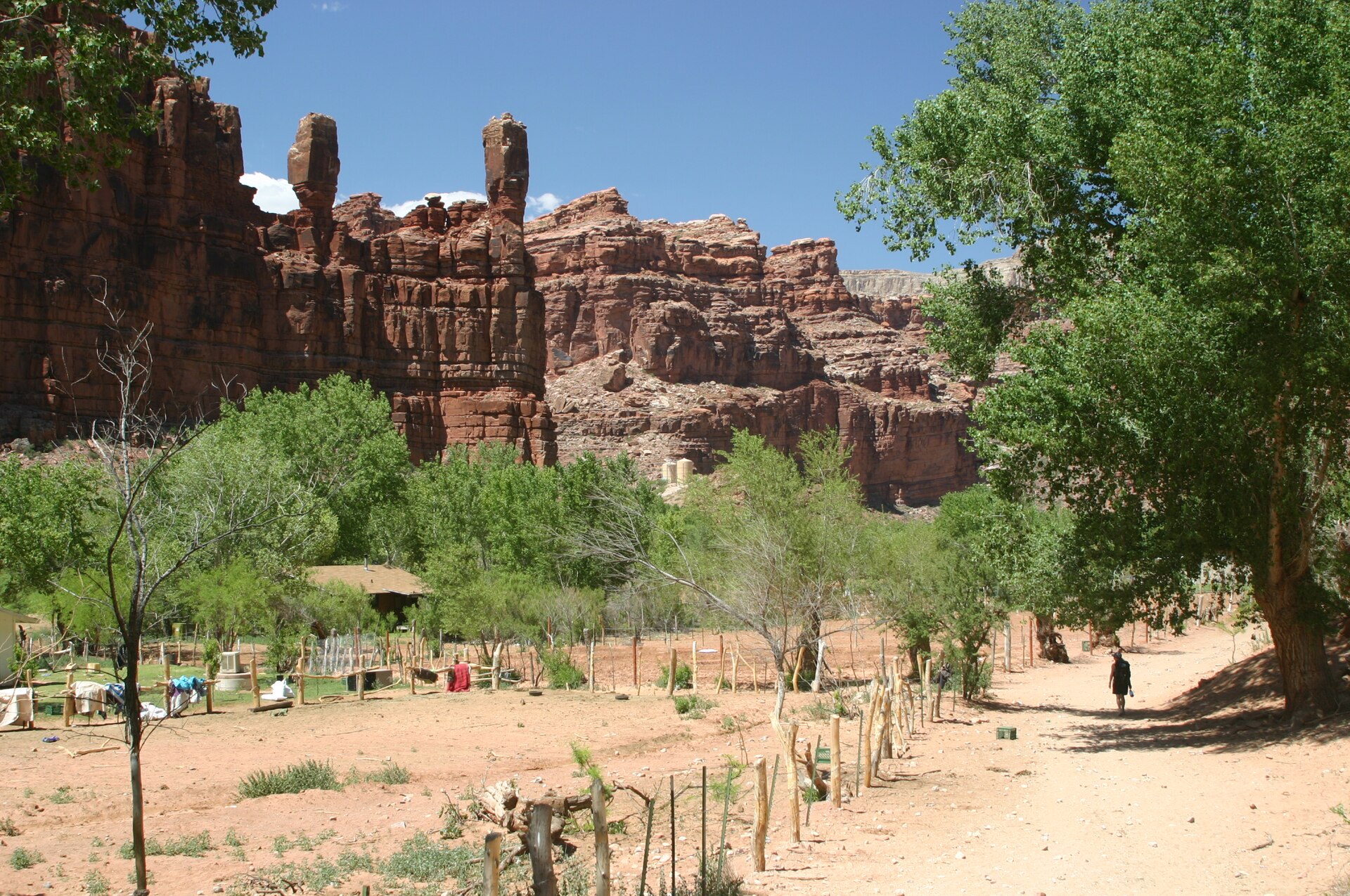
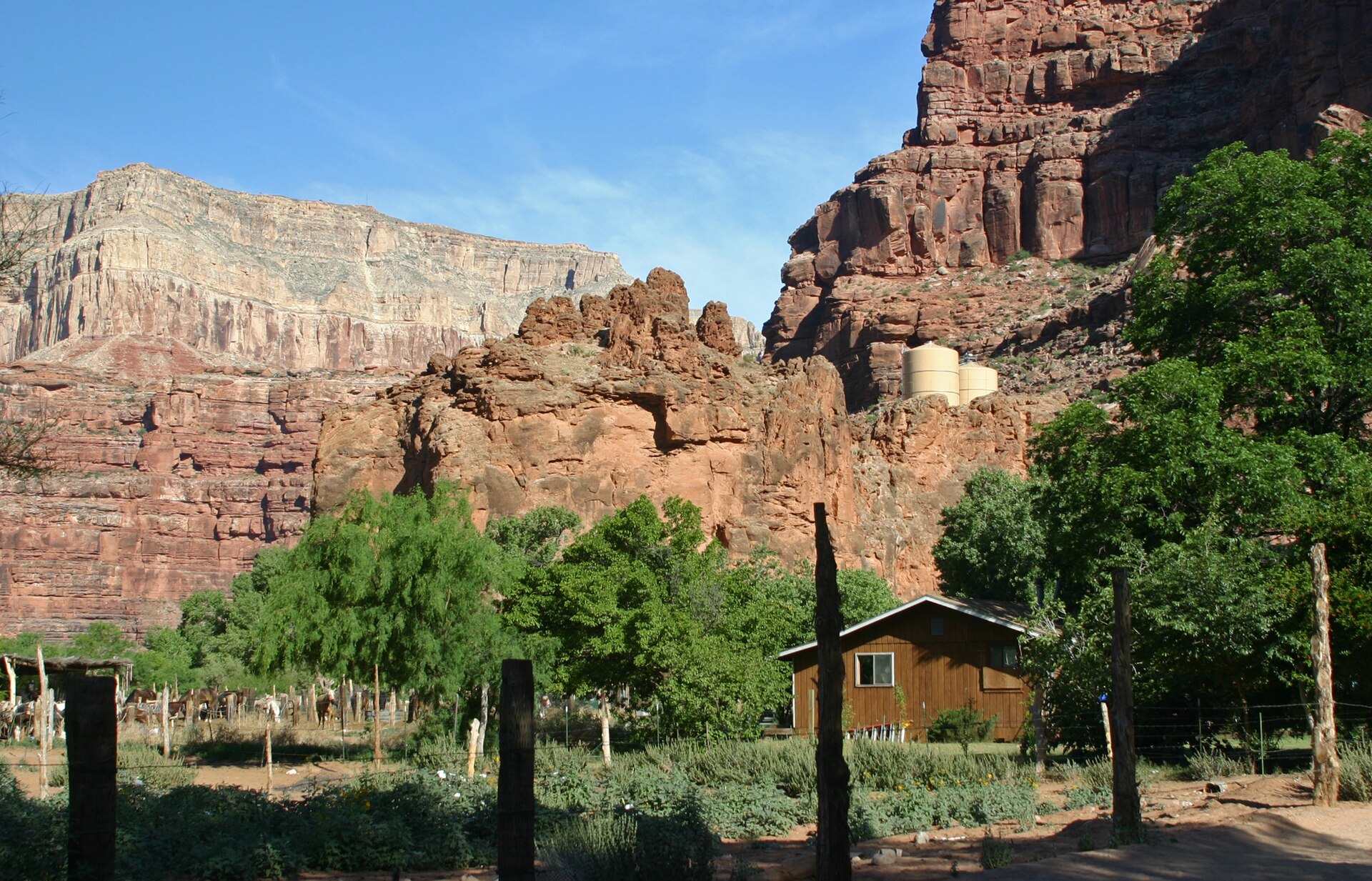
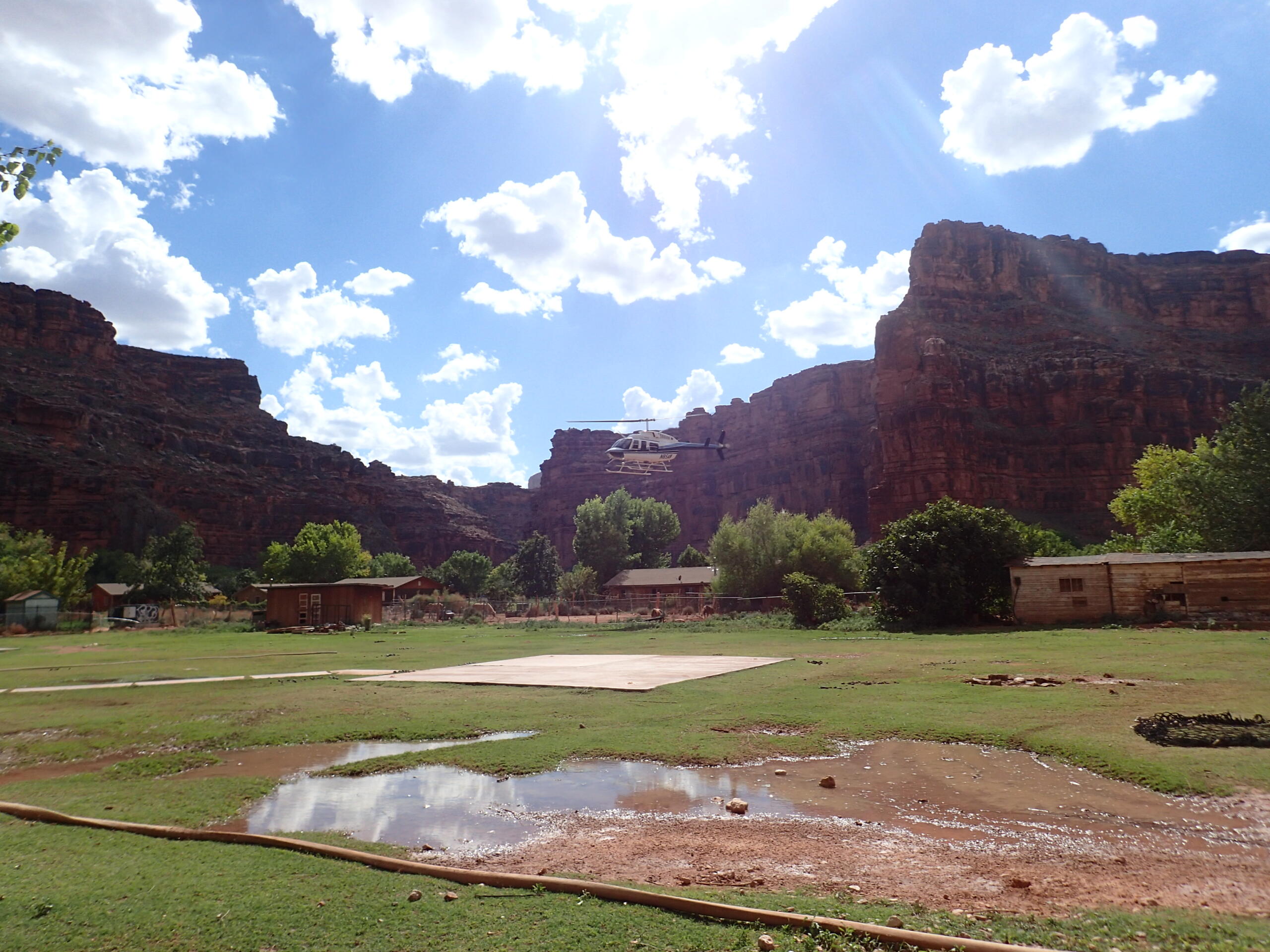
Supai, Arizona — at the bottom of a side canyon of the Grand Canyon, on the Havasupai Indian Reservation — is the most remote community in the contiguous United States. No road reaches it. The approximately 200 to 250 residents of Supai access their village by an 8-mile hike, by horse or mule, or by helicopter. It is the only place in the United States where the U.S. mail is still delivered by mule train. The village has a school, a general store, a small lodge, a café, and a post office, all supplied by pack animals descending the canyon trail. The residents — members of the Havasupai Tribe, whose name means “people of the blue-green water” — have lived in this canyon for over 800 years and have chosen to remain despite the extraordinary isolation. Here is what life is actually like in the most remote town in America, why the residents stay, and what visitors who make the difficult journey actually find.
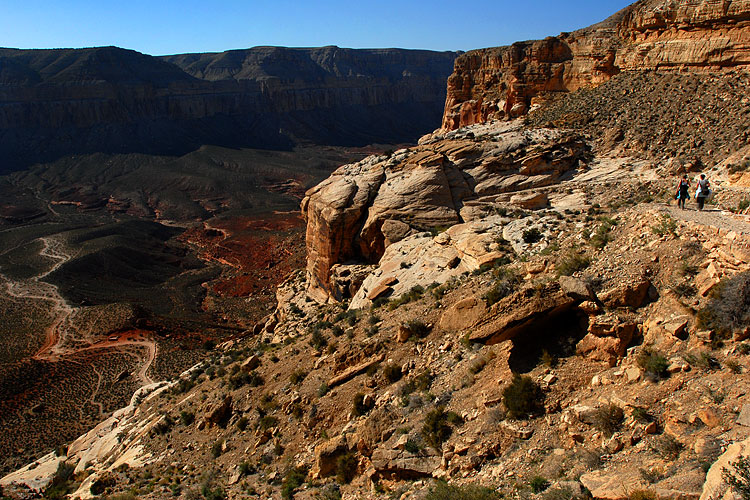
Supai sits at the bottom of Havasu Canyon, a tributary canyon of the Grand Canyon, in northwestern Arizona. The village is approximately 3,000 feet below the canyon rim. The only land access is via an 8-mile trail that descends approximately 2,000 feet from the trailhead at Hualapai Hilltop. The trail is not paved, not maintained as a road, and not accessible to any motor vehicle. The residents and the limited tourism traffic descend on foot, on horseback, or on mules. Supplies — food, mail, construction materials, everything — arrive by mule train or, increasingly, by helicopter. The village has no road connection to the outside world, making it the most genuinely isolated permanent community in the lower 48 states.
The Mule-Train Mail Delivery
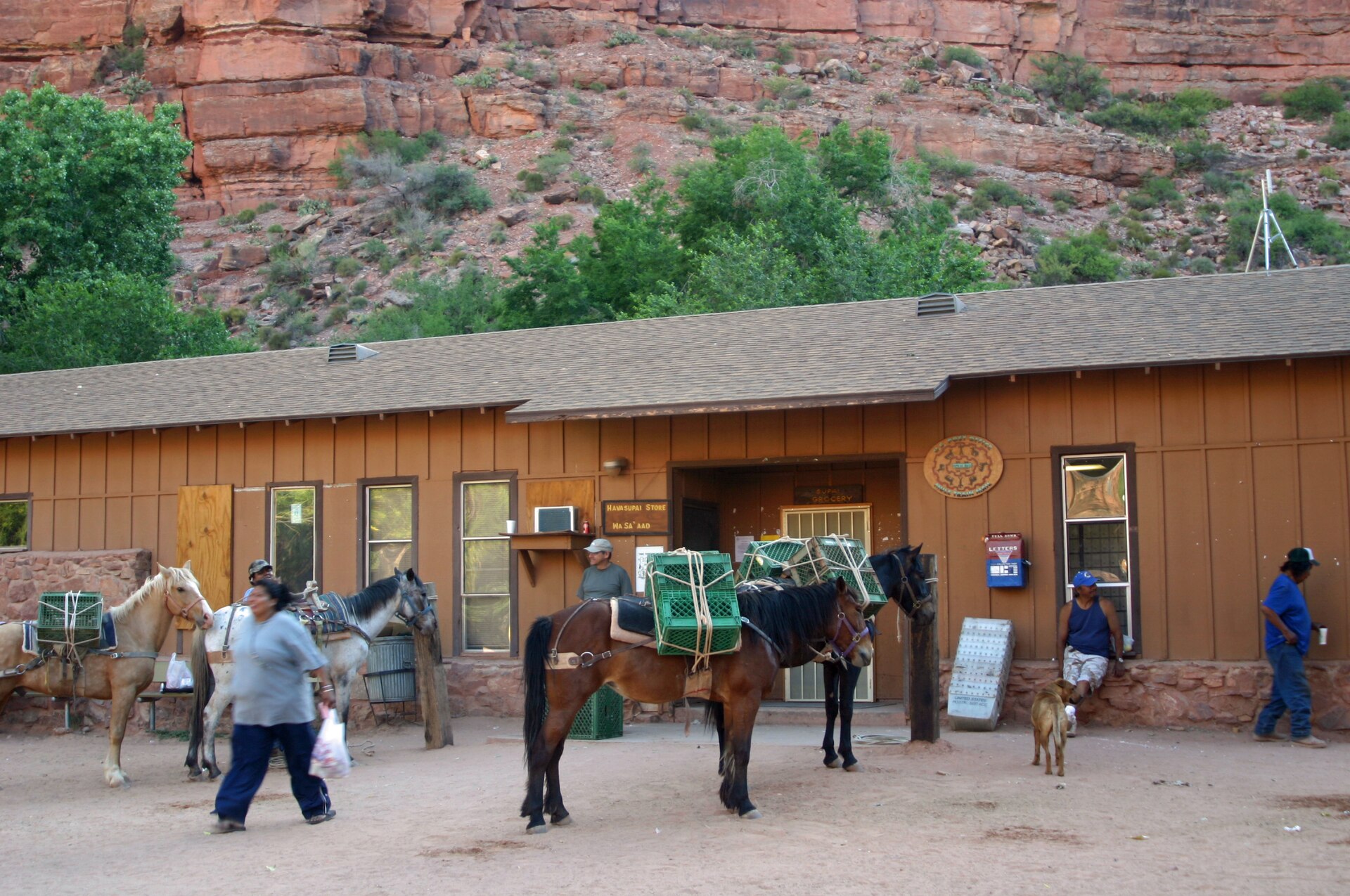
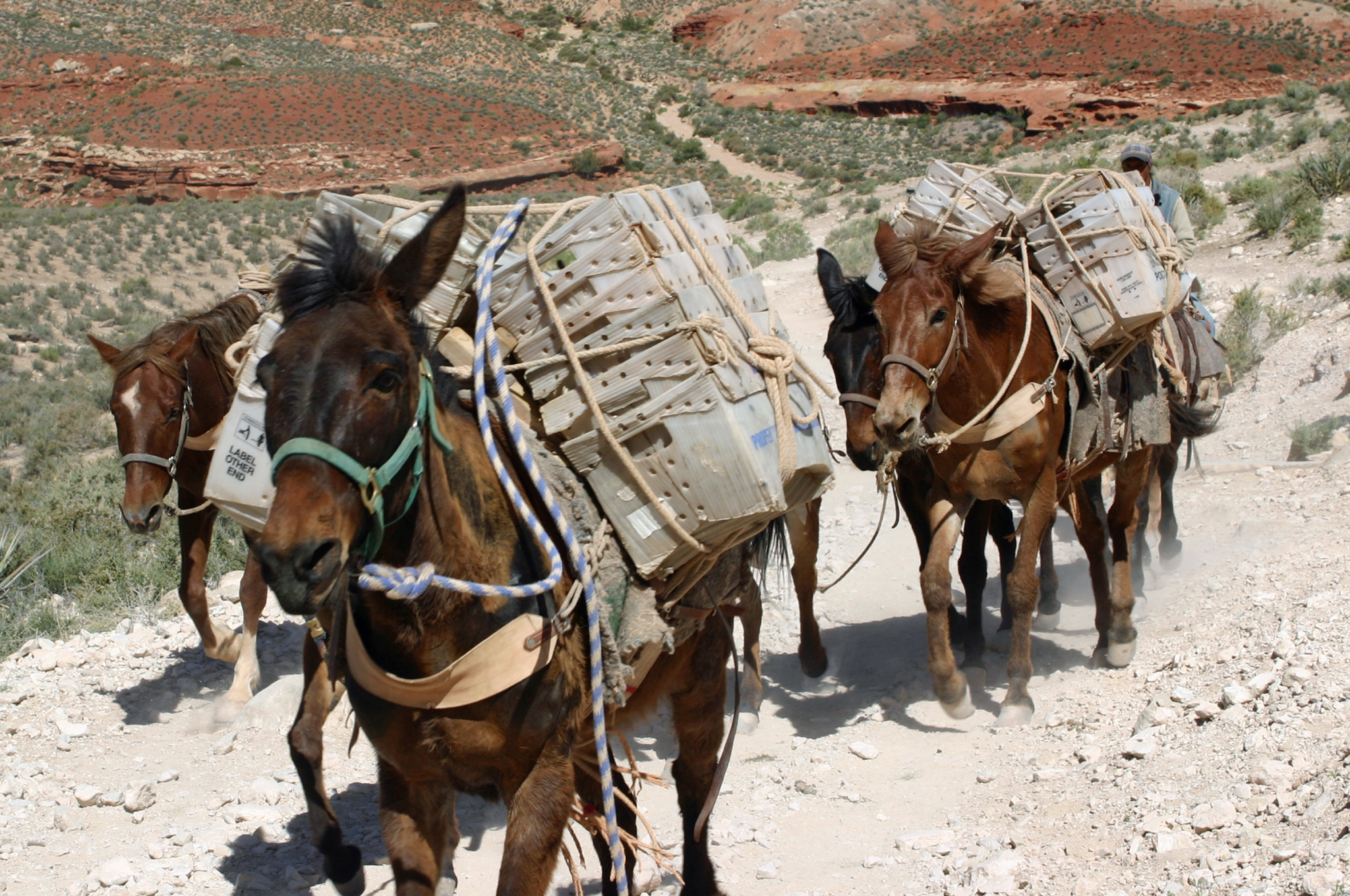
Supai is the last place in the United States where the U.S. Postal Service delivers mail by mule train. The mail mules descend the 8-mile trail daily, carrying letters, packages, and supplies to the village post office. The post office uses a special postmark commemorating the mule-train delivery. The mule trains carry approximately 41,000 pounds of mail and supplies into the canyon weekly during peak periods. The mule-train mail delivery is both a practical necessity and a genuine piece of living American history — a delivery method that has disappeared everywhere else in the country but remains the only feasible option for Supai.
The Havasupai People
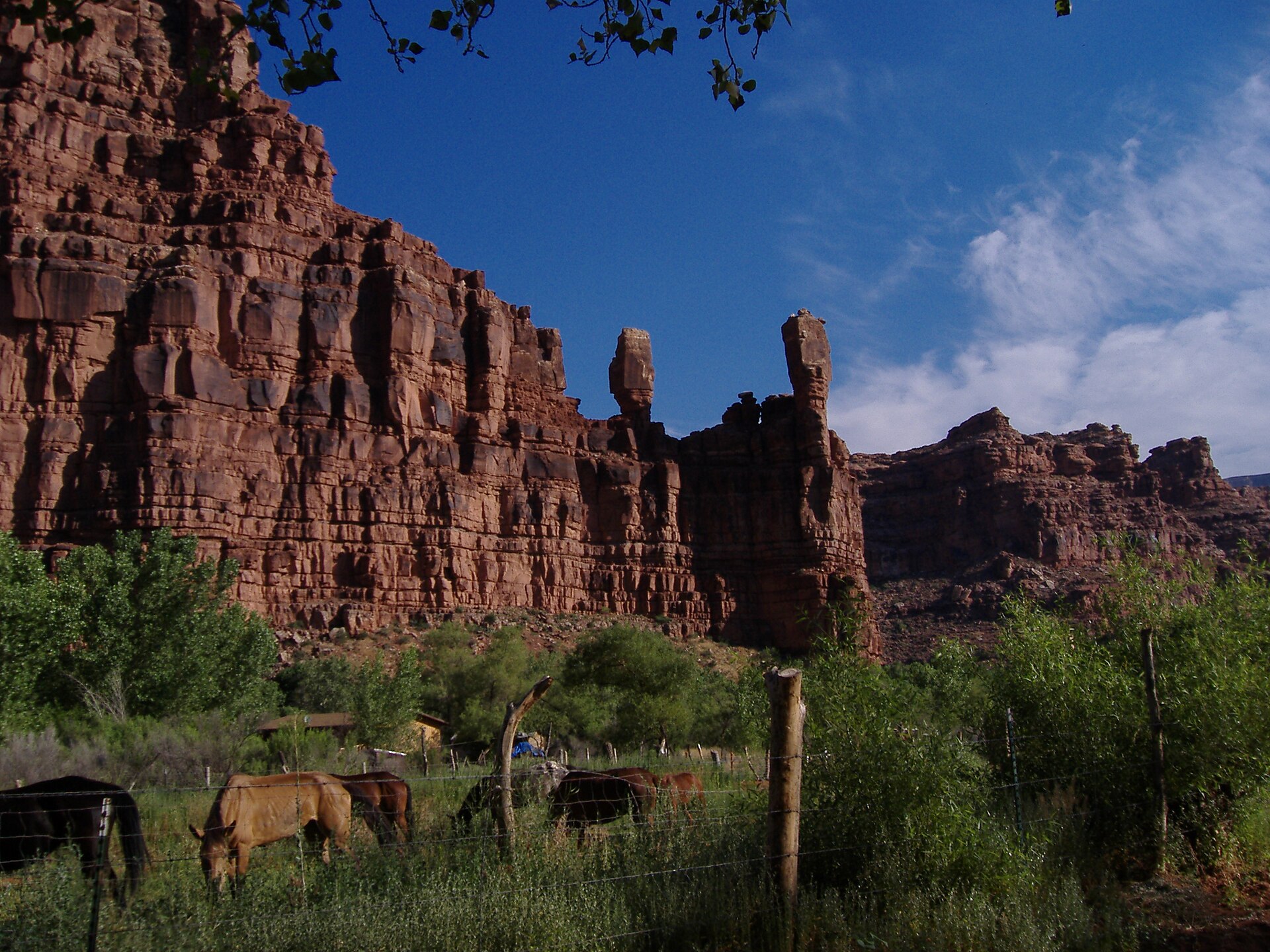
The Havasupai Tribe — federally recognized, with approximately 700 enrolled members of whom roughly 200-250 live in Supai village year-round — has occupied the Havasu Canyon area for at least 800 years, possibly far longer. The tribe’s name means “people of the blue-green water,” referring to the distinctive turquoise waterfalls that the canyon’s mineral-rich water produces. The Havasupai traditionally farmed the canyon floor in summer and hunted the plateau in winter, until the U.S. government confined them to the canyon in the late 19th century. The tribe regained a substantial portion of its traditional plateau land in 1975 through an act of Congress — one of the largest restorations of land to a Native American tribe in the 20th century.
The Blue-Green Waterfalls
Supai’s isolation protects one of the most spectacular natural features in the American Southwest — the series of Havasu Falls and associated waterfalls below the village. The waterfalls produce their distinctive turquoise-blue color from high concentrations of calcium carbonate (travertine) in the spring-fed water. Havasu Falls, Mooney Falls, Beaver Falls, and the other cascades draw the limited tourism that supports the village economy. The falls are accessible only by continuing past the village on foot. The combination of the difficult access and the spectacular destination has made the Havasupai falls one of the most sought-after and difficult-to-reach travel destinations in the United States.
Why the Residents Stay
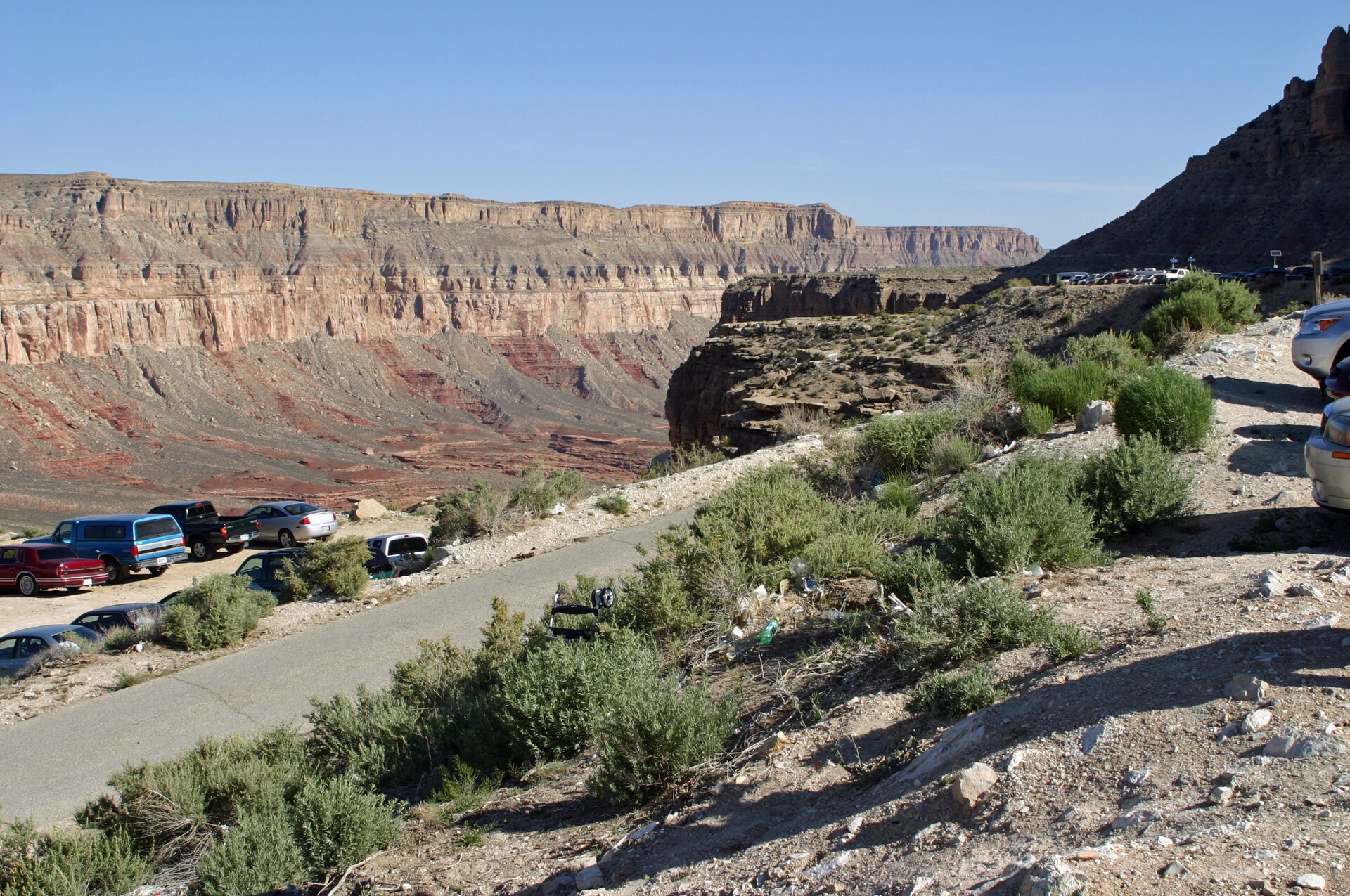
The Havasupai residents who remain in Supai do so for reasons that combine the practical, the cultural, and the spiritual. The canyon is the tribe’s ancestral home — the connection to the specific land spans centuries and is central to Havasupai identity. The isolation, which an outsider might experience as a hardship, is for many residents a protection — a buffer against the pressures and pace of the outside world. The tribe maintains its own governance, school, and community institutions within the canyon. The tourism economy (limited and tightly controlled by the tribe) provides employment. The residents have explicitly chosen, across generations, to maintain their canyon community rather than relocate to the accessible world above. The choice to remain in the most isolated town in America is a deliberate cultural and personal decision rather than a circumstance of being trapped.
What Visitors Actually Experience
Visitors to Supai must obtain permits from the Havasupai Tribe in advance — the permits are limited, sell out rapidly (typically within hours of release each year), and are required for the overnight stays necessary to see the waterfalls. The journey requires the 8-mile hike (or horse/helicopter arrangement), and visitors must be prepared for the canyon environment — extreme summer heat, flash-flood risk, limited services, and the genuine remoteness. The village itself offers a small lodge and a campground further down the canyon near the falls. The tribe tightly controls the visitor numbers to protect both the environment and the community. Visitors who make the journey consistently describe it as one of the most extraordinary travel experiences available in the United States — both for the spectacular waterfalls and for the genuine encounter with a community living in deliberate isolation.
The Flash Flood Risk
The Supai canyon faces a specific and serious natural hazard — flash flooding. The narrow canyon can channel sudden, violent floods during summer monsoon storms, even from rainfall miles away on the plateau. Major floods in 2008, 2010, and subsequent years have damaged the village, the trails, and the waterfalls (the 2008 flood substantially altered the configuration of several falls). The flood risk is a constant element of canyon life and a serious consideration for visitors. The tribe and the National Weather Service monitor flood conditions, and the canyon has been evacuated by helicopter during major flood events. The flood risk is part of what makes life in Supai genuinely challenging.
The Modern Challenges
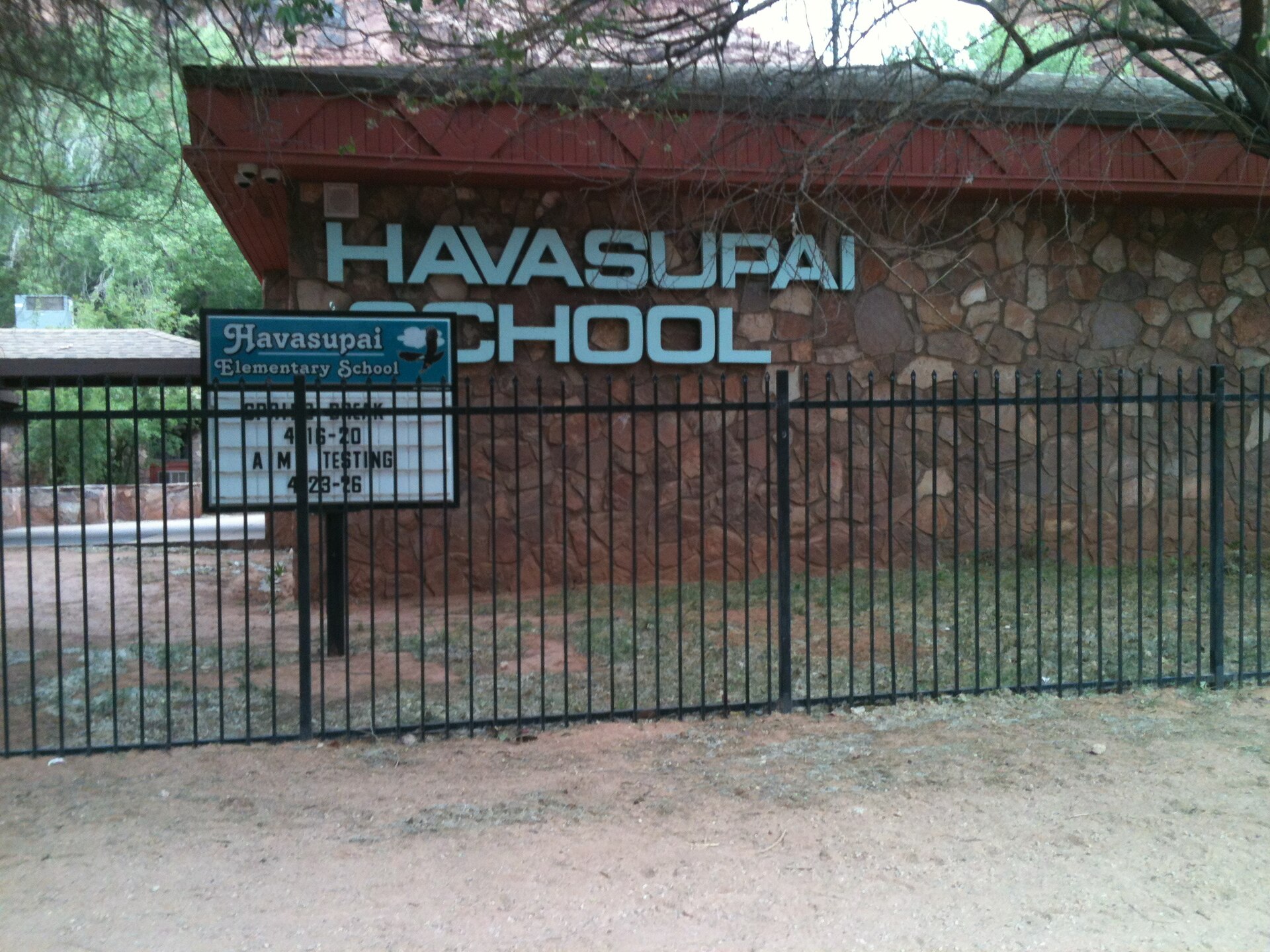
Life in the most remote town in America carries genuine modern challenges. Medical emergencies require helicopter evacuation. The school serves limited grades, requiring older students to leave the canyon for further education. Internet and cellular access is limited. The cost of supplies, all of which must be packed in by mule or flown in by helicopter, is substantially higher than in the accessible world. The tribe faces the ongoing challenges of maintaining a community, an economy, and cultural continuity in extreme isolation. The residents navigate these challenges as the price of maintaining their ancestral canyon home. The choice to live in Supai is not a choice of convenience — it is a choice of identity, heritage, and connection to a specific extraordinary place that the residents have determined is worth the substantial difficulty of reaching and inhabiting.
The story of Supai is, ultimately, a story about what people will choose when they value place and heritage over convenience and connection. In a country defined by mobility, by the interstate highway, by the assumption that everywhere should be reachable by car, Supai stands as the deliberate exception — a community that has chosen, across centuries and generations, to remain in a place that no road will ever reach.
How Supai Compares to Other Remote American Communities
Supai’s isolation is extreme even by the standards of America’s most remote places. Several other communities approach it but none quite matches the specific “no road at all” status. Whittier, Alaska — population approximately 270 — is accessible only through a single one-lane tunnel that closes at night, and most residents live in one building, but it does have a road and a port. Monowi, Nebraska has a population of one. Several Alaskan bush communities are accessible only by plane or boat. Cass, West Virginia and other former company towns are remote but road-connected. What makes Supai unique is the combination of genuine year-round habitation by a substantial community (200-250 people), the complete absence of any road, and the continuous occupation of the site for over 800 years. It is not a ghost town, not a single-person curiosity, and not merely difficult to reach — it is a living community that has chosen permanent residence in a place that can only be reached on foot, by animal, or by air.
Planning a Respectful Visit
Travelers hoping to visit Supai and the Havasupai falls should understand that this is a living tribal community, not a national park, and the visit requires advance planning and respect. Permits are mandatory, limited, and released on a specific schedule each year (typically February 1), selling out within hours. There are no day-use permits — all visitors must commit to an overnight stay. The tribe controls all access, and the permit fees support the community. Visitors should approach the journey as a guest in someone’s home rather than as a tourist at an attraction, follow all tribal rules, respect photography restrictions, support the Havasupai-owned businesses, and recognize that the privilege of visiting one of the most extraordinary places in America comes with the responsibility of treating the community and its land with genuine care.
