
The long-running story of American migration — leave the expensive, cold Northeast and Midwest for the cheap, warm Sun Belt — just got more complicated than it’s been in years. The latest data, drawn from moving-company studies and Census Bureau estimates released in early 2026, reveals a genuinely surprising picture: the states people are still fleeing fastest are the familiar high-cost ones, but the destinations have shifted in unexpected ways. Texas and Florida, the great migration magnets of the past decade, have suddenly cooled. The Midwest is quietly attracting people. And a dramatic drop in immigration has reshuffled which places are actually growing. For anyone thinking about a move — or just curious where their fellow Americans are going — the 2026 data tells a story that breaks the familiar script. Here’s where Americans are leaving, where they’re heading, and what changed.
The data behind these trends comes from two main sources that broadly agree: the moving companies (United Van Lines and U-Haul track the direction of actual moves), and the U.S. Census Bureau (whose Vintage 2025 population estimates were released in January 2026). Together they paint a clear and, in places, genuinely surprising picture of American migration heading into 2026.
The States People Are Still Leaving Fastest

The states losing the most residents to outbound moves remain the familiar high-cost ones. According to United Van Lines’ 2025 National Movers Study, New Jersey topped the outbound list for the eighth consecutive year, with New York and California also leading departures. New Jersey’s outbound share was around 62 percent of its moves, with New York and California both around 58 percent. These states have driven American out-migration for years, pushed by high costs of living, high taxes, and expensive housing. The pattern of people leaving the costly coastal states is the one genuinely durable constant in American migration.
The States Actually Losing Population

Outbound moves are only part of the story — what matters for a state’s actual size is net change including births, deaths, and international immigration. According to Census estimates, five states lost population outright between July 2024 and July 2025: California (down roughly 9,000), Hawaii (down about 2,000), Vermont (about 1,800), West Virginia (1,000 to 2,000), and New Mexico (about 1,000). California’s situation is the most consequential, because the state has lost roughly 230,000 residents per year to other states on a net basis for years, a loss that international immigration had previously offset.
The Biggest Surprise: Texas and Florida Cooled Off
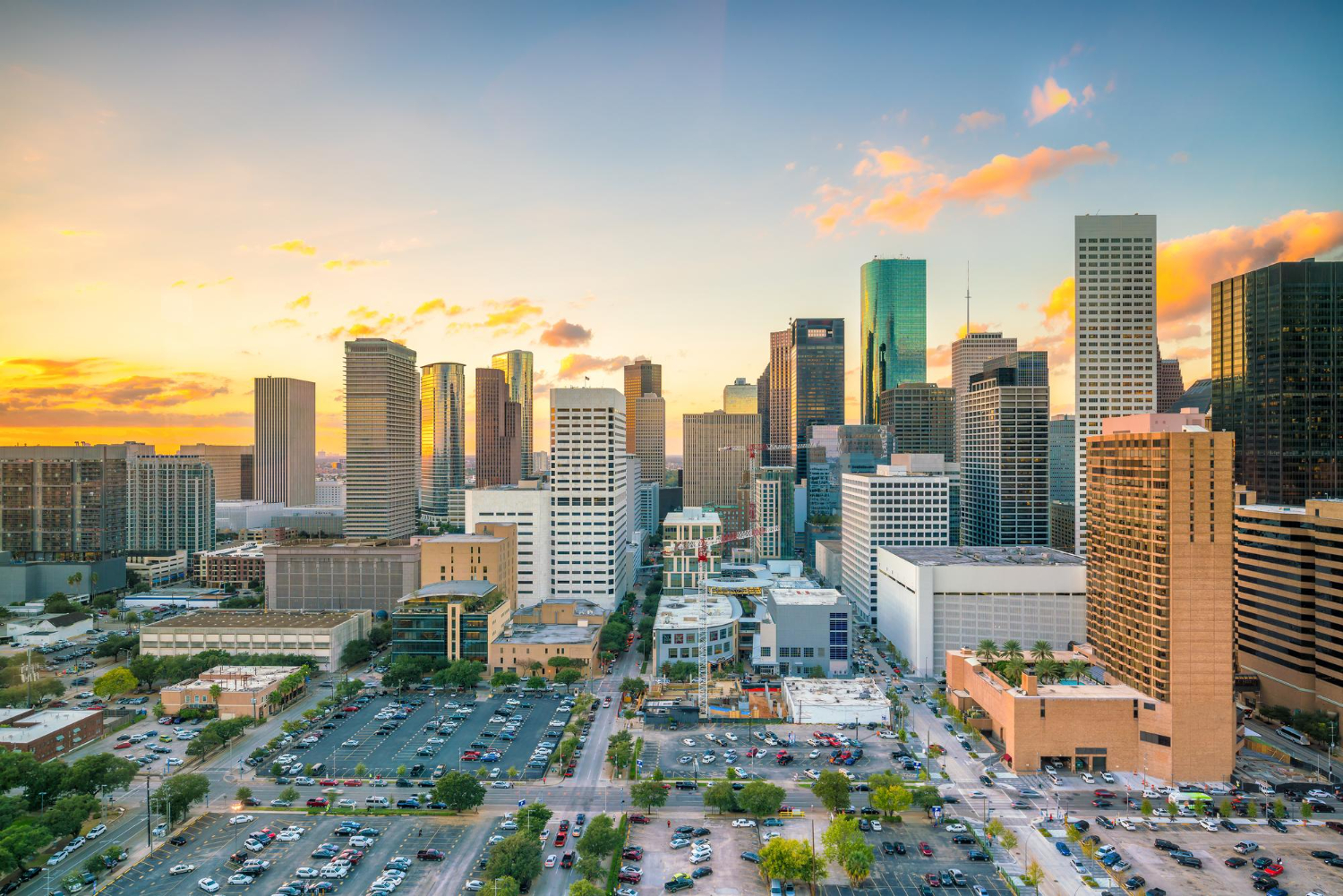
The genuinely shocking development in the 2026 data is what happened to the two great magnets of the past decade. Texas and Florida — the largest migration destinations for years — are now classified as “balanced” by United Van Lines, meaning inbound and outbound moves are roughly equal, a first for both states in recent memory. The Sun Belt boom that defined American migration for over a decade has, by this measure, leveled off in its two biggest beneficiaries. The states people assumed everyone was moving to are no longer the runaway winners they were, a reversal few predicted.
Where People Are Actually Moving Now

The inbound winners include some surprises. According to the United Van Lines study, Oregon topped the inbound list for the first time, jumping from number eight the prior year, with Eugene-Springfield, Oregon ranking as the top inbound metro area, drawing job-seekers to growing tech and health-care fields. New states appearing on the 2025 top inbound list included Nevada, Idaho, and Minnesota. In terms of fastest-growing states overall, the Census Bureau’s Vintage 2025 estimates showed South Carolina growing fastest at 1.5 percent, followed by Idaho at 1.4 percent, North Carolina at 1.3 percent, and Texas at 1.2 percent. The growth has spread beyond the traditional Sun Belt magnets.
The Quiet Midwest Comeback

One of the most unexpected threads in the 2026 data is the Midwest’s emergence as a destination rather than a place people only leave. Illinois, which had ranked as the number two outbound state in 2024, moved to “balanced” status in 2025 — the first time in over a decade. Several large metros that had been bleeding residents improved sharply: Chicago improved by nearly 20,000, and San Francisco and Denver flipped from net-loss to net-gain markets, entering U-Haul’s top 25 growth metros for the first time, along with Philadelphia. The narrative of the Midwest and big coastal cities as places only to flee is breaking down.
The Hidden Driver: The Immigration Drop

The single biggest force reshaping the 2026 picture isn’t where Americans are moving — it’s a dramatic change in immigration. The U.S. added just 1.78 million people between July 2024 and July 2025, roughly half the 3.2 million added the year before, and the primary driver was a 54 percent decline in net international migration, from 2.7 million to 1.3 million. This matters enormously because it exposed which places were growing because Americans chose to move there versus which were growing only because immigrants were arriving. Cities that had masked domestic out-migration with international arrivals suddenly showed their underlying trends, reshuffling the apparent winners and losers.
Why People Are Actually Moving

Behind the geography is the question of motivation, and the data points to a consistent set of drivers. Cost of living and housing affordability remain the dominant push factors out of the expensive coastal states — the price of a home, the tax burden, and the general expense of daily life drive the steady exodus from New Jersey, New York, and California. On the pull side, the rise of Oregon and the continued draw of the Carolinas, Idaho, and similar states reflects a mix of job opportunity (particularly in growing tech and health-care sectors), relative affordability, and quality-of-life considerations. The cooling of Texas and Florida is itself partly a cost story: years of heavy in-migration drove up home prices and, in Florida especially, insurance costs have risen sharply, eroding the affordability advantage that made them magnets in the first place. The emerging pattern suggests Americans are still fundamentally chasing affordability and opportunity, but the specific places that offer them have shifted as the old magnets grew more expensive and new regions became more attractive.
What It Means If You’re Thinking About Moving
For anyone weighing a move, the 2026 data carries a few practical lessons. First, the conventional wisdom that “everyone is moving to Texas and Florida” is now outdated — both have cooled, and their cost and insurance pressures have risen, so they no longer offer the clear bargain advantage they once did. Second, the emerging destinations — Oregon, the Carolinas, Idaho, Nevada, and a quietly recovering Midwest — suggest that opportunity and value are spreading to a wider range of places, including some that were written off as decline stories a few years ago. Third, the durable lesson remains that the high-cost coastal states (New Jersey, New York, California) continue to push residents out, so if cost of living is the priority, the direction of the exodus still points away from them. The broader takeaway is that American migration in 2026 is more fluid and less predictable than the simple Sun-Belt narrative of the past decade. The map of where Americans are going is being redrawn, and the surprising winners — a recovering Midwest, an ascendant Pacific Northwest, a spreading Southeast — suggest the next decade of American movement may look quite different from the last. For now, the safest summary is that people are still leaving the expensive coasts, but where they land is no longer the foregone conclusion it used to be. The decade-long certainty that the answer was always Texas or Florida has given way to a genuinely open map, and for anyone planning their own move, that means the smart approach is to look past the headlines of the 2010s and evaluate the emerging destinations on their current merits — cost, jobs, housing, and lifestyle — rather than assuming the old migration wisdom still holds.