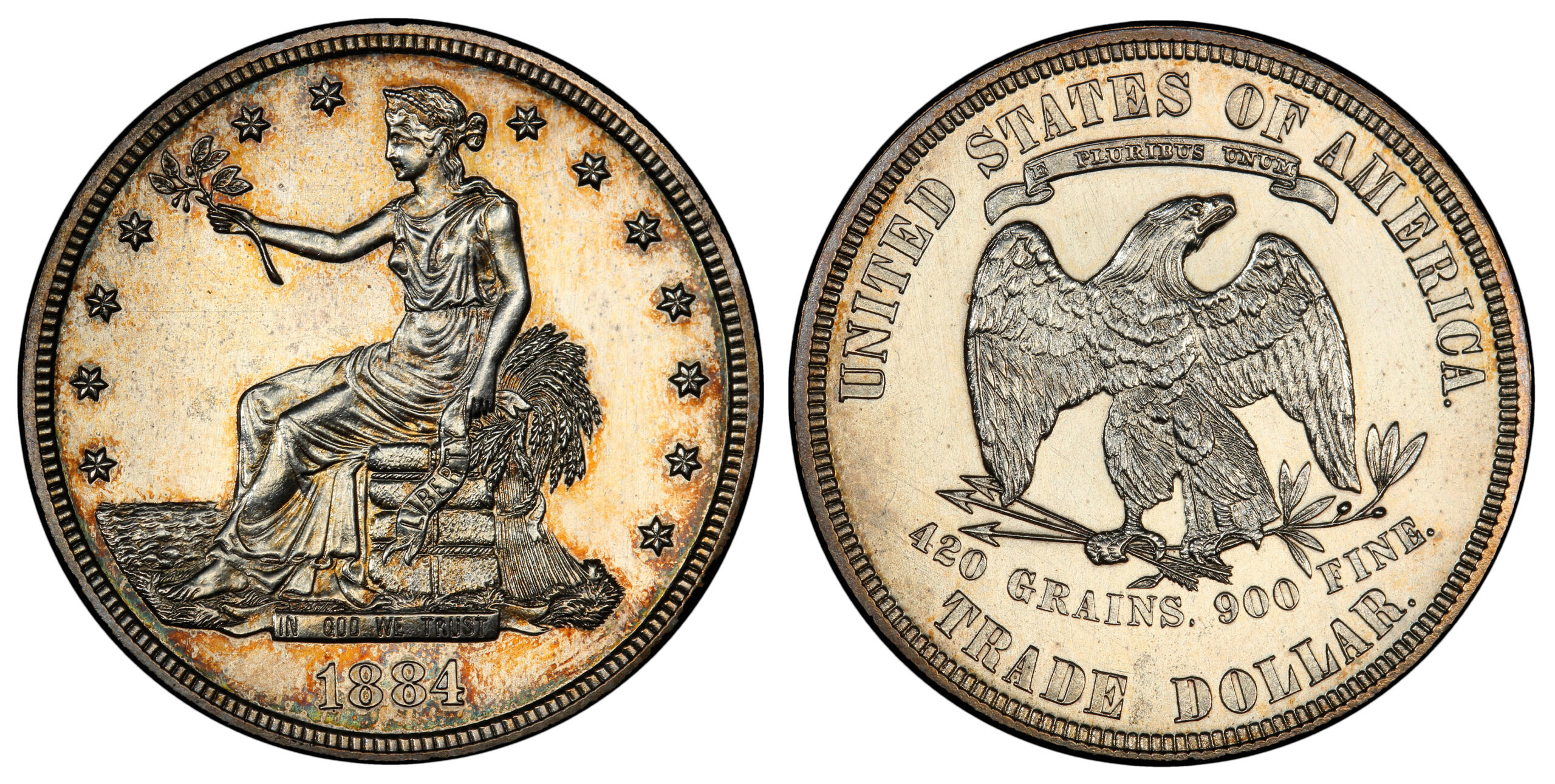
The loose change that rattled around American pockets, coffee cans, and dresser drawers for decades contains, scattered among the ordinary coins, a number of pieces now worth far more than their face value. Some are valuable because of the metal they contain, some because of rare minting errors, and some simply because they were produced in small numbers or pulled from circulation. Most Americans have handled these coins without a second glance, and many are sitting forgotten in jars and collections inherited from parents and grandparents. You don’t need to be a serious collector to have some — you just need to know what to look for. While coin values fluctuate and condition matters enormously, the categories below are consistently sought by collectors. Here are the coins and bills from your childhood that may be quietly worth real money today, and how to spot them.
A crucial caveat before the list: coin values depend heavily on condition, rarity, and the current collector market, and the figures collectors discuss are for coins in good condition or with verified errors. The smartest move with any potentially valuable coin is to have it evaluated by a reputable dealer rather than cleaning it (cleaning almost always reduces value) or guessing. With that said, here is what to look for in your own change and jars.
Any Silver Coin Dated 1964 or Earlier
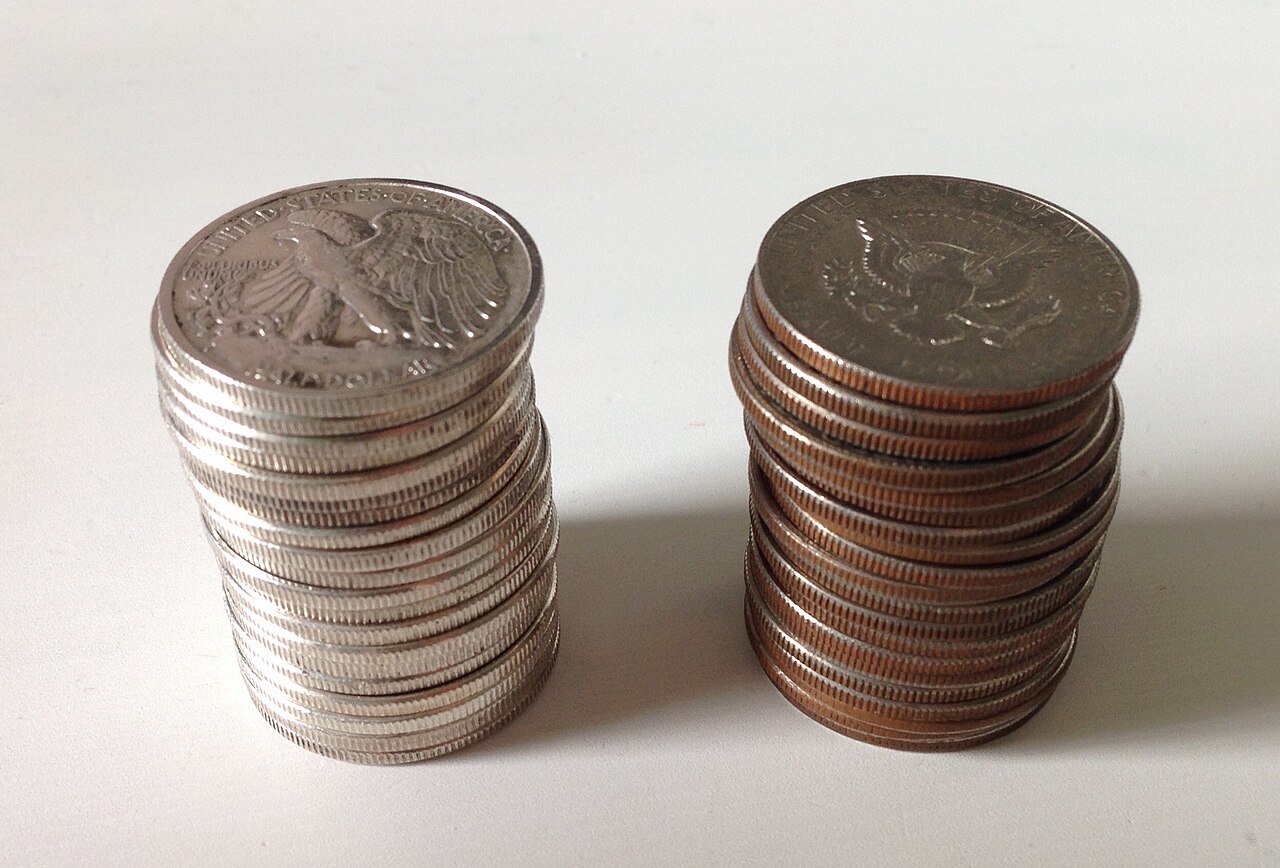
The single most important thing to know is that U.S. dimes, quarters, and half dollars dated 1964 and earlier were made of 90 percent silver. In 1965, the U.S. switched to copper-nickel “clad” coins because silver had become too valuable. This means any pre-1965 dime, quarter, or half dollar is worth far more than face value for its silver content alone — frequently many times its face value, tracking the price of silver. These “junk silver” coins are the most common valuable coins hiding in American change jars, and simply checking the dates on old silver-colored coins is the highest-value thing most people can do.
The 1965–1970 Half Dollars (40 Percent Silver)
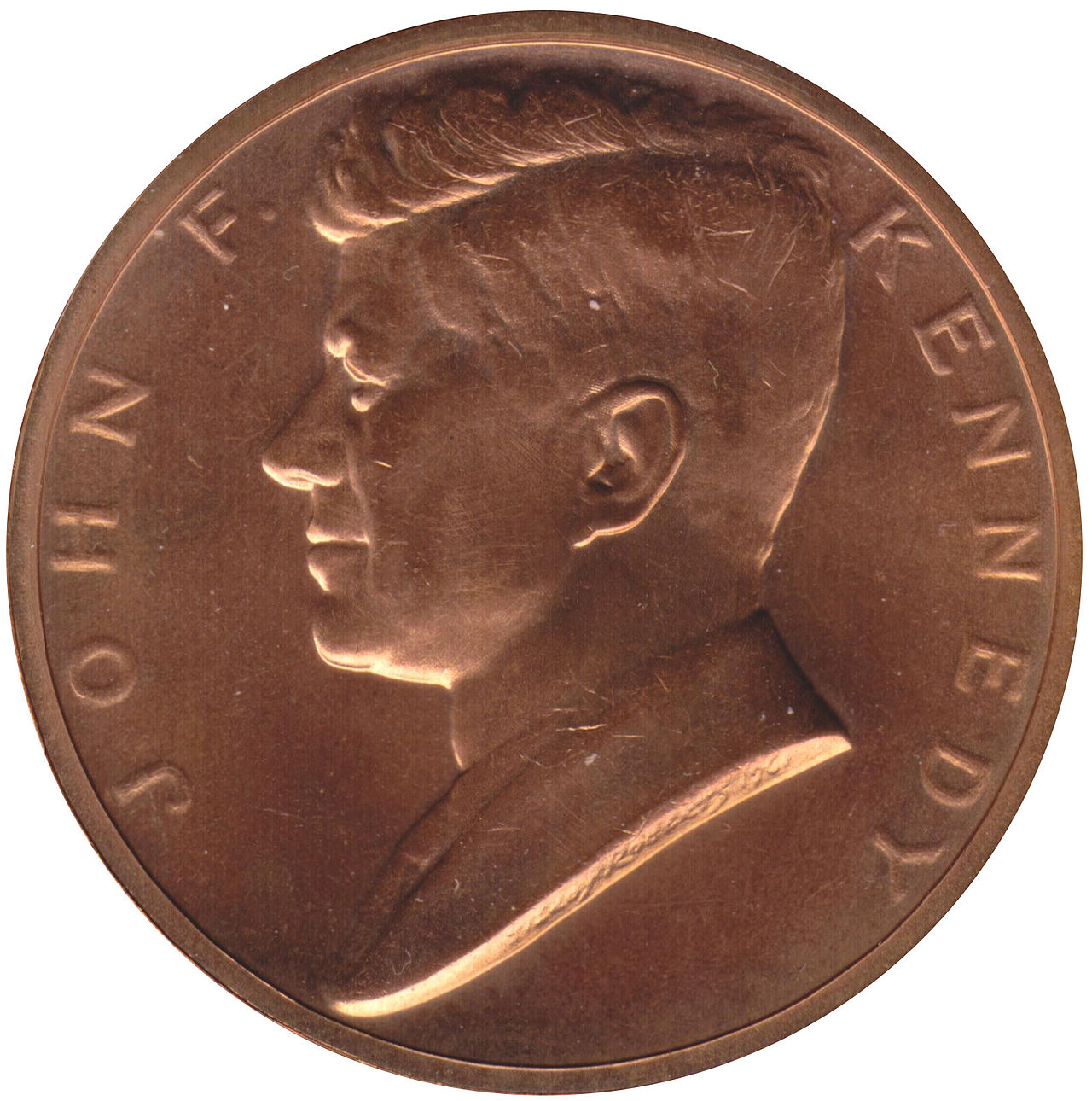
Even after 1964, the Kennedy half dollar continued to contain 40 percent silver from 1965 through 1970 before going fully clad. This means Kennedy halves from this specific window are also worth more than face value for their silver content, though less than the 90 percent coins. Half dollars in general dropped out of everyday circulation, so many people have them set aside, and the 1964 (90 percent silver) and 1965–1970 (40 percent silver) Kennedy halves are worth checking for and holding rather than spending.
The 1943 Steel Penny — and the Rare Copper One
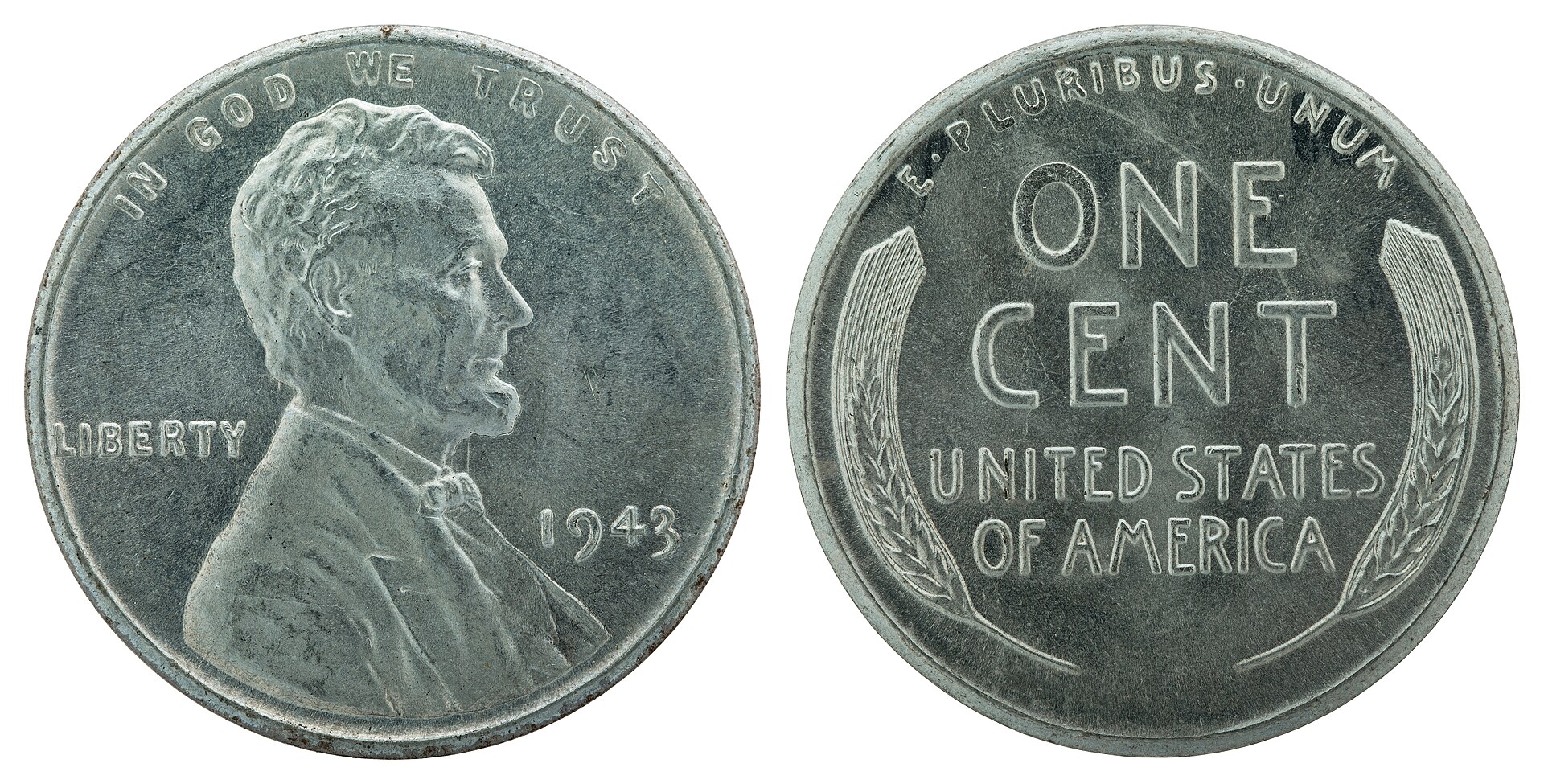
In 1943, to conserve copper for the war effort, the U.S. made pennies out of zinc-coated steel, giving them a distinctive silvery appearance. These steel cents are common and worth a modest premium. But the genuinely valuable version is the opposite error: a small number of 1943 pennies were mistakenly struck on leftover copper blanks, and these rare 1943 copper cents are among the most valuable error coins in American history, worth a great deal to collectors. A simple magnet test helps — the steel cents stick to a magnet; a 1943 cent that does NOT stick to a magnet warrants immediate professional evaluation.
The 1955 Doubled-Die Penny
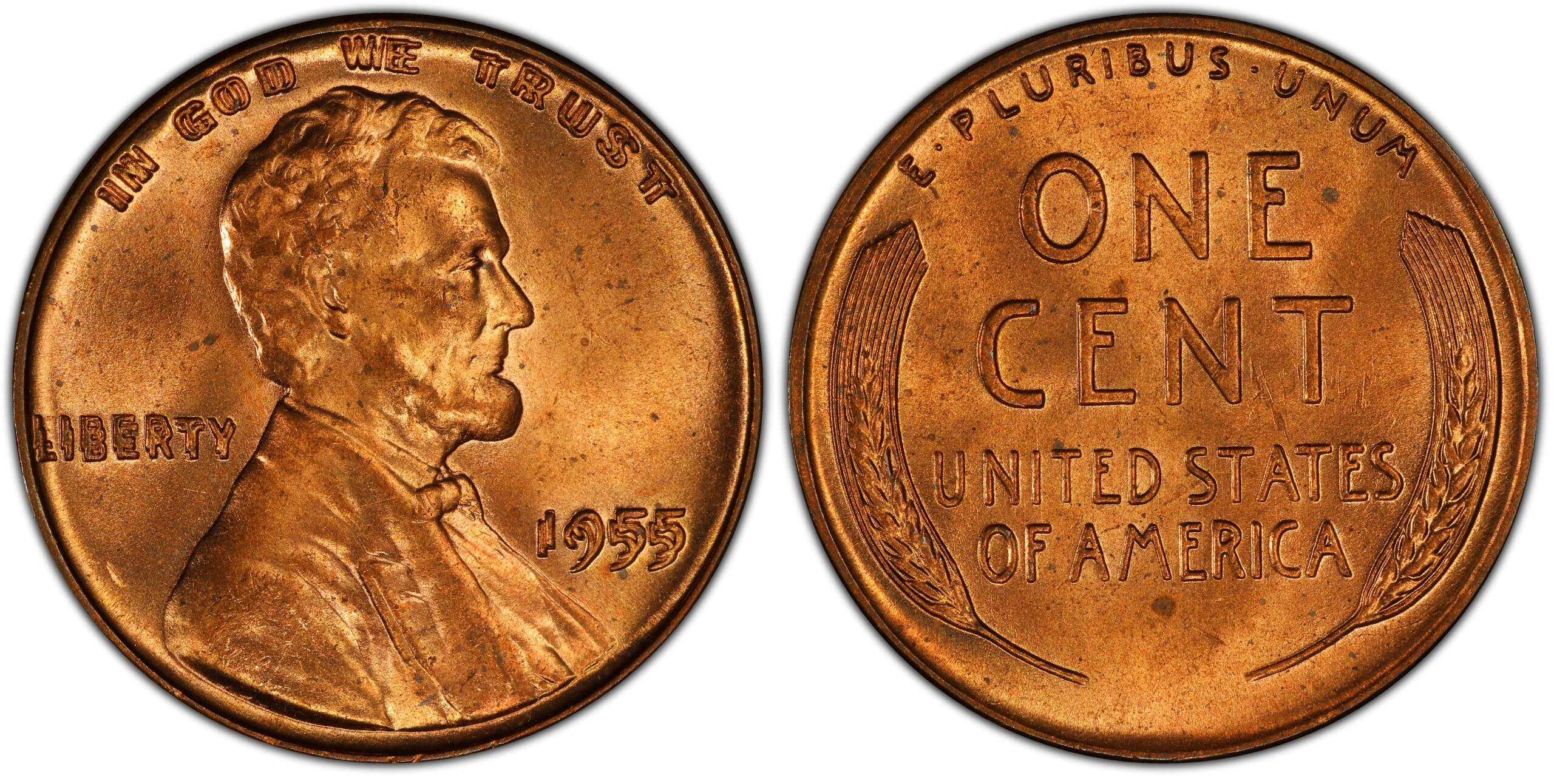
One of the most famous American error coins is the 1955 doubled-die Lincoln cent, on which a misalignment in the minting process caused the date and lettering to appear distinctly doubled, visible to the naked eye. These error pennies are highly sought by collectors and command significant premiums. If you have old Lincoln cents, examining the 1955 dates closely for obvious doubling of the lettering and numbers is worthwhile — it’s one of the error coins distinctive enough for a non-expert to spot.
Wheat Pennies (1909–1958)
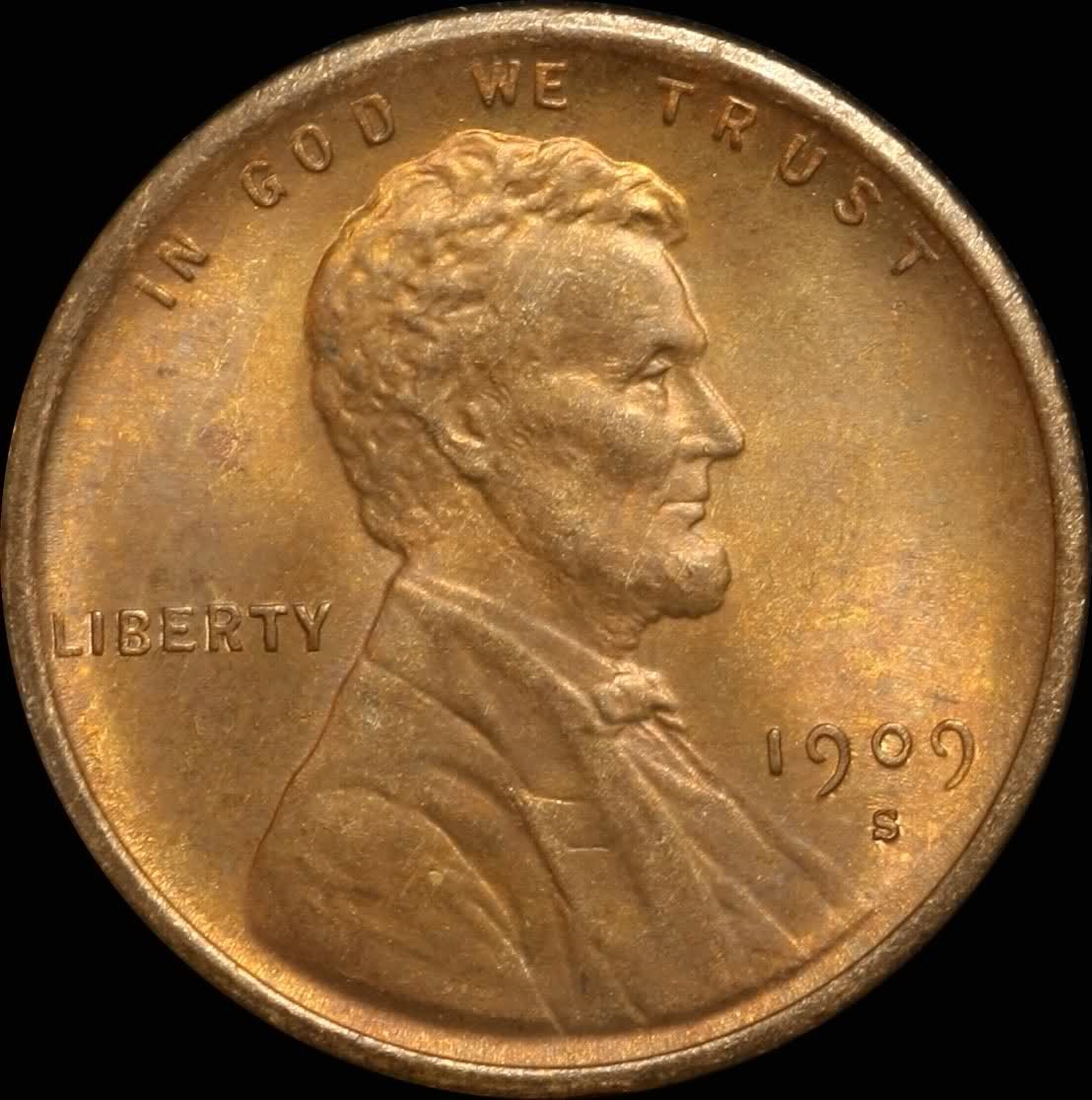
The Lincoln “wheat” penny, with two stalks of wheat on the reverse, was produced from 1909 to 1958 before the design changed to the Lincoln Memorial. While most wheat pennies are worth a modest premium, certain dates and mint marks are genuinely valuable — most famously the 1909-S VDB (the first year, with the designer’s initials, from the San Francisco mint, produced in small numbers) and several other key dates. Any jar of old pennies is worth sorting for wheat cents, and the key dates among them can be quite valuable.
The Buffalo Nickel and Other Older Designs
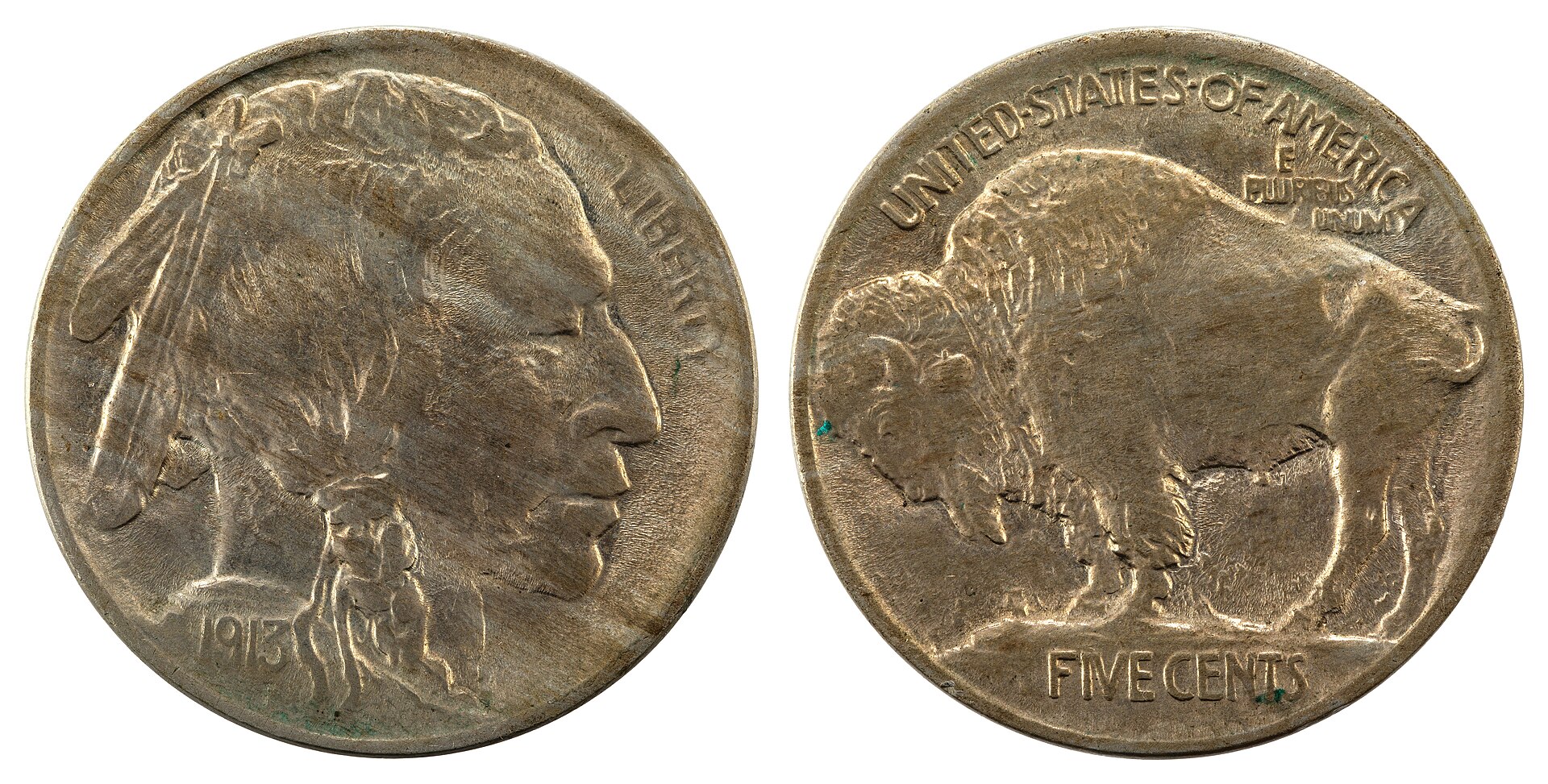
The Buffalo nickel (1913–1938), with the Native American profile and the buffalo, along with other pre-modern coin designs like the Mercury dime and the Standing Liberty quarter, carries collector value, particularly in good condition or in scarce dates. Even worn examples of these older designs are worth more than face value to collectors, and well-preserved or rare-date examples can be quite valuable. Coins with these older, pre-1960s designs are worth setting aside rather than spending.
Old Paper Money — Silver Certificates and Red Seals
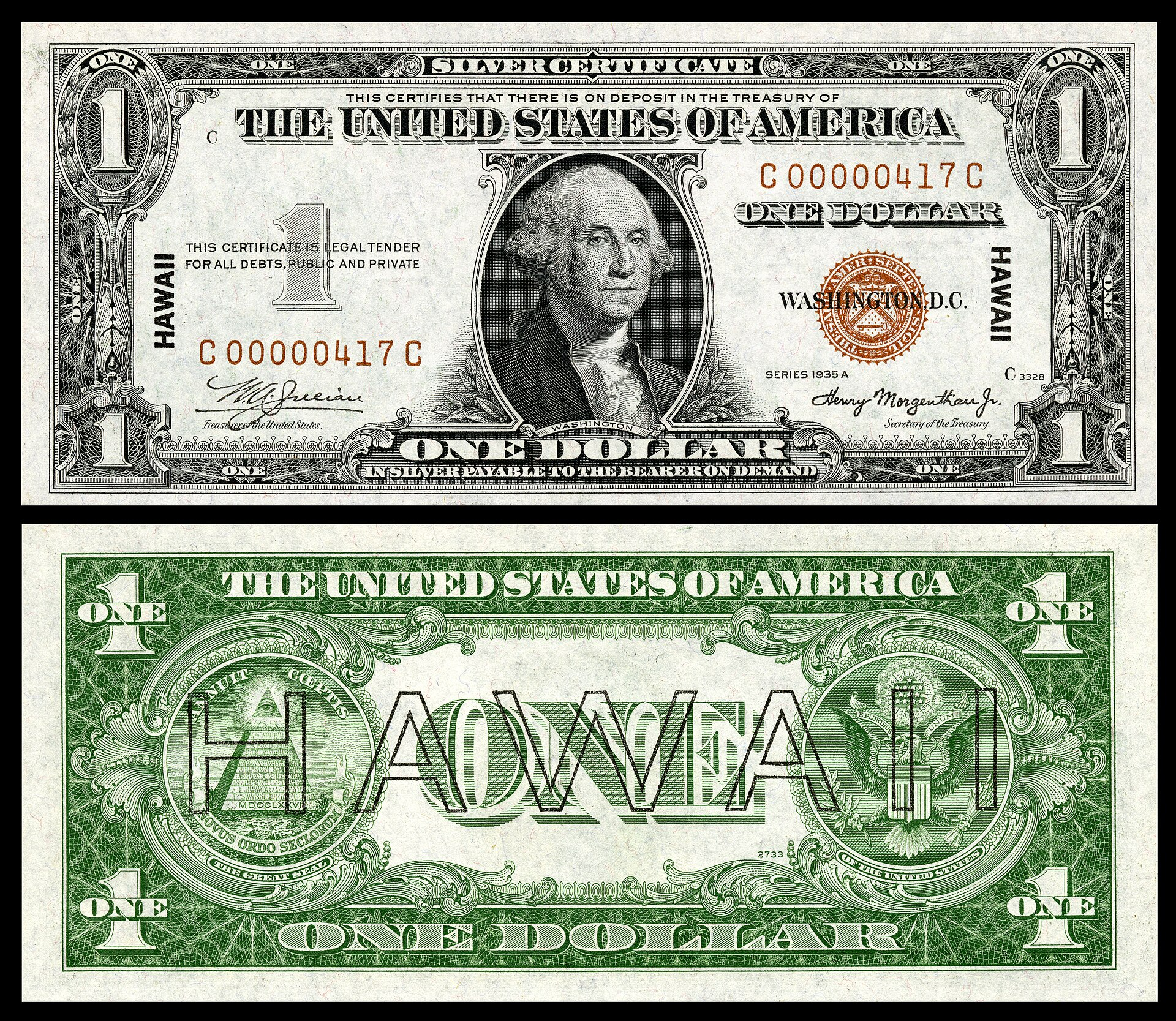
Beyond coins, certain older U.S. paper currency carries premium value. Silver certificates (bills that historically could be redeemed for silver, marked as such and frequently with a blue seal) and United States Notes (with red seals) are no longer printed and are sought by collectors. Bills with star symbols in the serial number (replacement notes), unusual or low serial numbers, and bills in crisp condition can also carry premiums. Old bills found in inherited collections, safe-deposit boxes, and tucked into books are worth examining rather than simply spending at face value.
Error Coins and Oddities in General
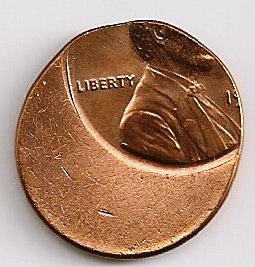
Beyond the famous examples, the broad category of mint error coins — off-center strikes, double strikes, coins struck on the wrong metal blank, missing elements, and other production mistakes — carries collector value that varies from modest to substantial depending on the error and the coin. Most people never examine their change closely enough to spot these. While most pocket change is exactly what it appears to be, the occasional genuine error coin does turn up, and knowing that such errors carry value is the first step to recognizing one.
The Big Dollar Coins and Bicentennial Pieces
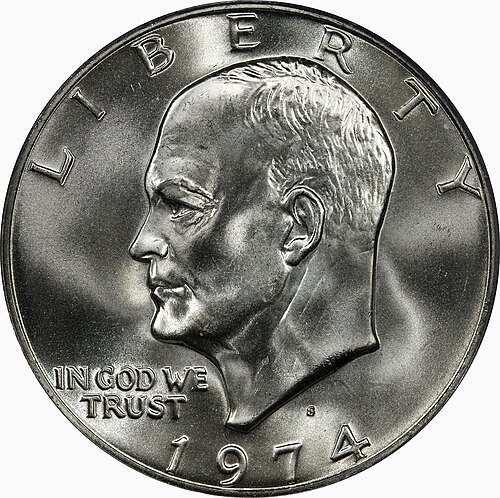
The 1970s produced several coins that older Americans frequently set aside. The large Eisenhower dollar (1971–1978), a hefty coin that never circulated well, includes silver-clad versions (notably certain 1971–1976 issues sold by the Mint) worth more than face value, while the copper-nickel versions carry modest collector interest. The Bicentennial coins of 1975–1976 — the quarter with the colonial drummer, the half dollar with Independence Hall, and the dollar — were produced in huge numbers, so most are common, but the special 40 percent silver collector versions sold by the Mint are worth more. Many households kept these coins specifically because they seemed special at the time, and while most are common, the silver versions and well-preserved examples are worth identifying rather than spending.
What to Actually Do With What You Find
The practical advice for anyone who suspects they have valuable coins or bills is consistent and important. First, do not clean coins — cleaning damages the surface and almost always reduces collector value, sometimes dramatically. Second, don’t guess at value from a single online figure, since condition and authentication matter enormously and the dramatic prices reported are typically for top-condition or certified examples. Third, for anything potentially significant, consult a reputable, established coin dealer or a professional grading service rather than a quick cash-for-gold operation. Fourth, the easiest high-value habit is simply checking the dates on silver-colored coins for pre-1965 silver, which is the most common valuable find. The broader point is that the ordinary change that passed through American hands for generations, and the jars and collections inherited from older relatives, genuinely do contain pieces worth far more than face value. They’re not making anyone rich overnight in most cases, but the silver, the wheat pennies, the error coins, and the old paper money are real value hiding in plain sight, and knowing what to look for turns a forgotten jar of change into something worth a careful look.