The regions where people most reliably live into their 90s and past 100 — the famous “Blue Zones” and the new candidates researchers keep identifying — are scattered across wildly different cultures and climates, from Mediterranean islands to Japanese villages to, now, possibly Western Finland. Yet when researchers look at what these long-lived people actually eat, a remarkably consistent pattern emerges. It’s not exotic superfoods or expensive supplements; it’s a handful of humble, affordable, everyday staples that show up on tables across all these regions. The good news is that none of these foods is hard to find or costly, and you don’t need to overhaul your whole diet to borrow from the world’s longest-lived people. Here are the everyday foods that the world’s longest-living populations eat almost daily, and the simple pattern behind them.
A note before the list: this is general information about dietary patterns observed in longevity research, not medical or dietary advice, and individual nutritional needs vary — anyone with specific health conditions should consult their doctor or a registered dietitian. The striking thing about these foods is how ordinary and accessible they are.
Beans and Legumes — The Cornerstone

If there’s one food that defines the diets of the world’s longest-lived people, it’s beans and legumes — lentils, chickpeas, black beans, fava beans, soybeans, and more. Researchers studying Blue Zones consistently identify beans as a daily staple across virtually all of them, providing protein, fiber, and nutrients at minimal cost and with minimal environmental impact. Beans are filling, versatile, and inexpensive, and they substitute for much of the meat that dominates shorter-lived populations’ diets. If a single dietary lesson emerges from longevity research, it’s to eat more beans — the humble, affordable cornerstone of the world’s healthiest traditional diets.
Whole Grains
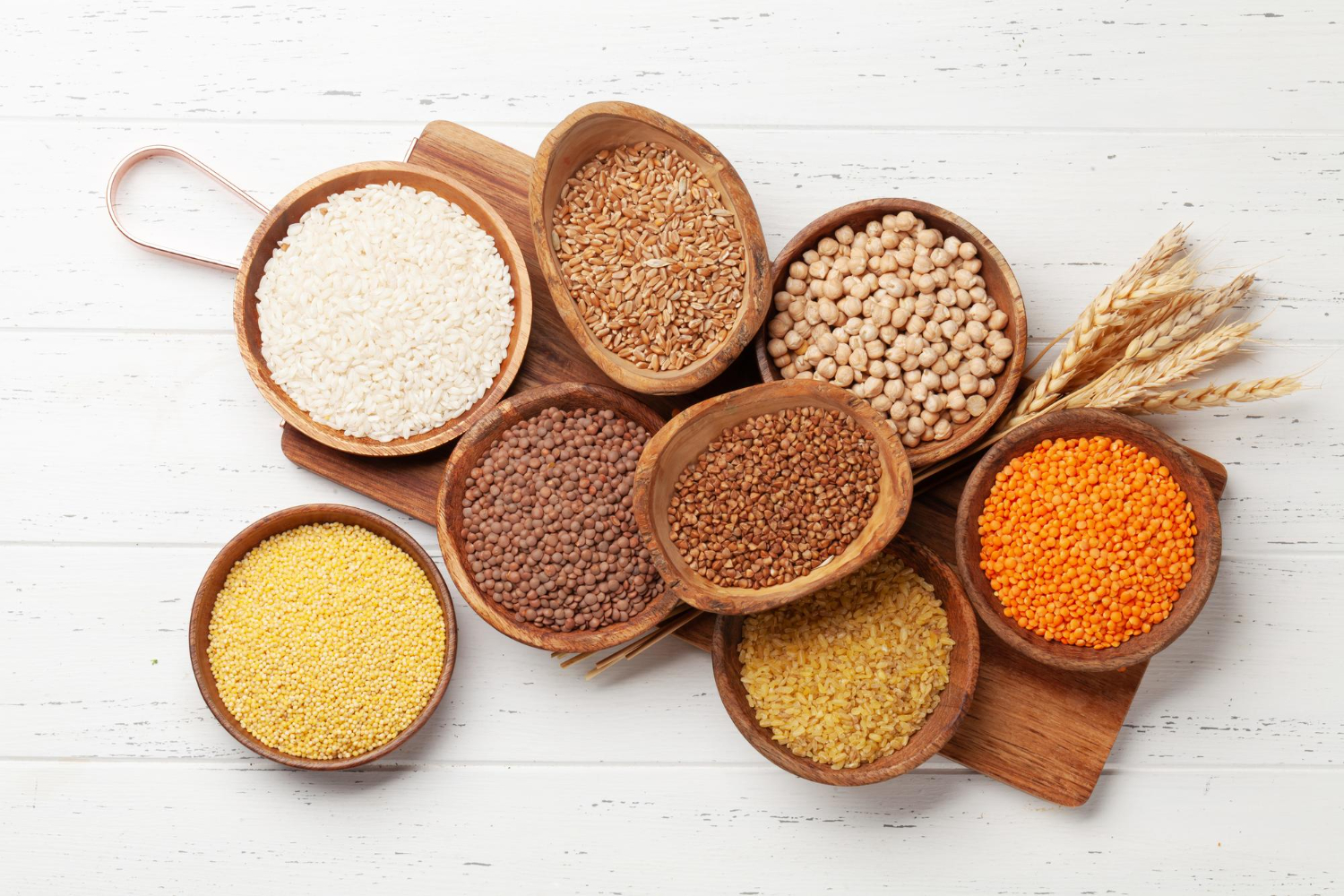
The world’s longest-lived populations build their diets on whole grains rather than refined ones — whole wheat, barley, oats, brown rice, corn, and traditional breads made from whole grain. In the proposed Finnish longevity region, the traditional diet leans on wholemeal products; in the Mediterranean zones, whole-grain breads and barley feature heavily. Whole grains provide sustained energy, fiber, and nutrients that refined grains strip away. The consistent reliance on whole rather than refined grains across these regions is one of the clearest dietary contrasts with the heavily-processed, refined-carbohydrate diets common in shorter-lived modern populations.
Vegetables — Especially Leafy Greens and Garden Produce
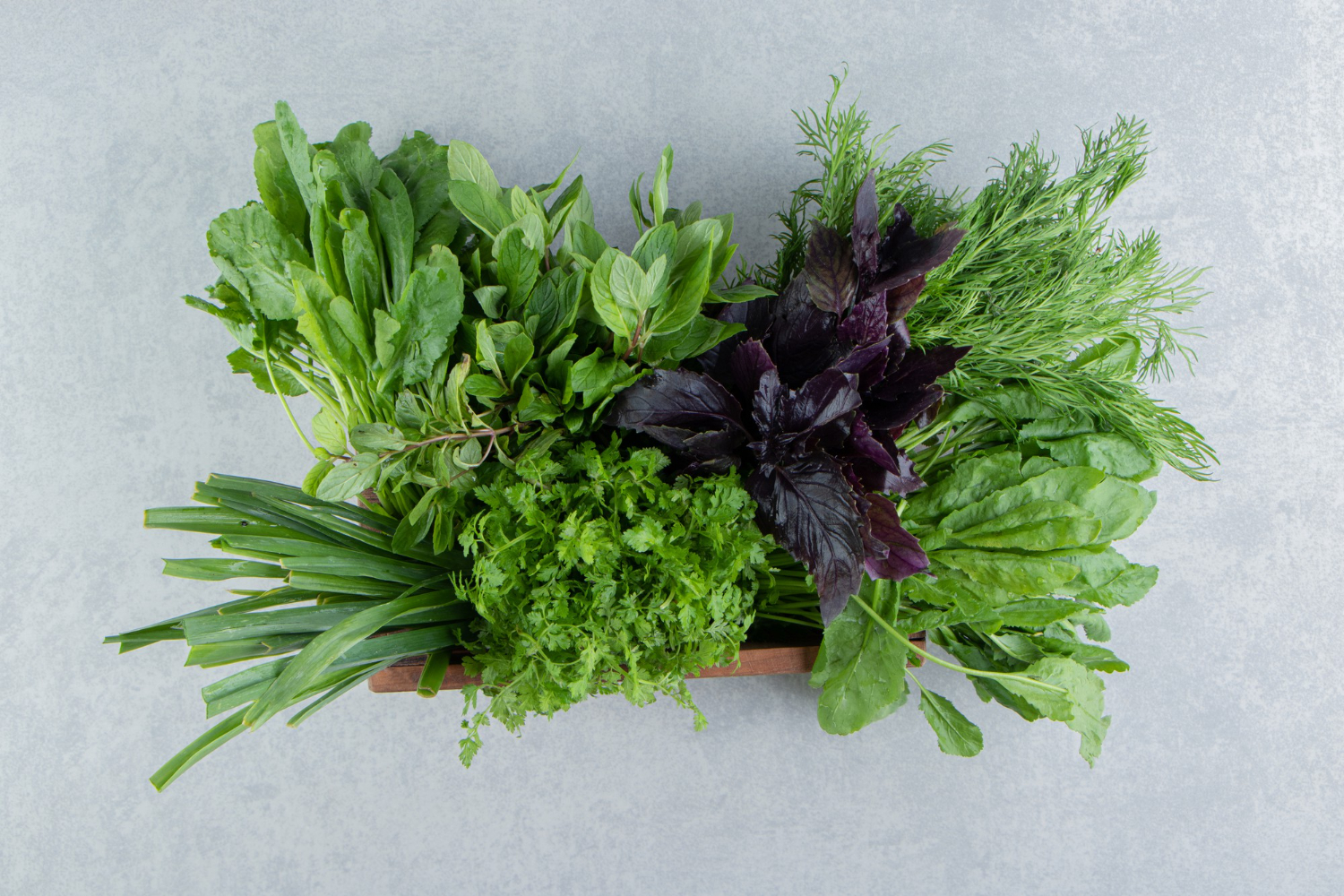
The longest-lived people eat a lot of vegetables, frequently grown in their own gardens and eaten fresh and in season — leafy greens, tomatoes, onions, garlic, squash, and a wide variety of locally-grown produce. In several Blue Zones, wild and garden greens are a daily feature. Vegetables provide the fiber, vitamins, antioxidants, and plant compounds central to these plant-forward diets. The combination of eating mostly plants, eating them fresh and seasonal, and frequently growing them oneself (which also provides natural physical activity) is a defining feature of the world’s healthiest eating patterns.
Fish — Especially in Coastal and Cold-Water Regions

In the coastal and island Blue Zones, and notably in the proposed Finnish region, fish is a regular feature — frequently smaller fish and cold-water species rich in beneficial omega-3 fats. Fish provides high-quality protein and healthy fats while serving as the primary animal protein in diets where meat is otherwise limited. The Finnish longevity candidate’s traditional reliance on cold-water fish fits this pattern. Across the longevity regions, fish — rather than red and processed meat — tends to be the animal protein of choice, eaten regularly but not in enormous quantities.
Nuts
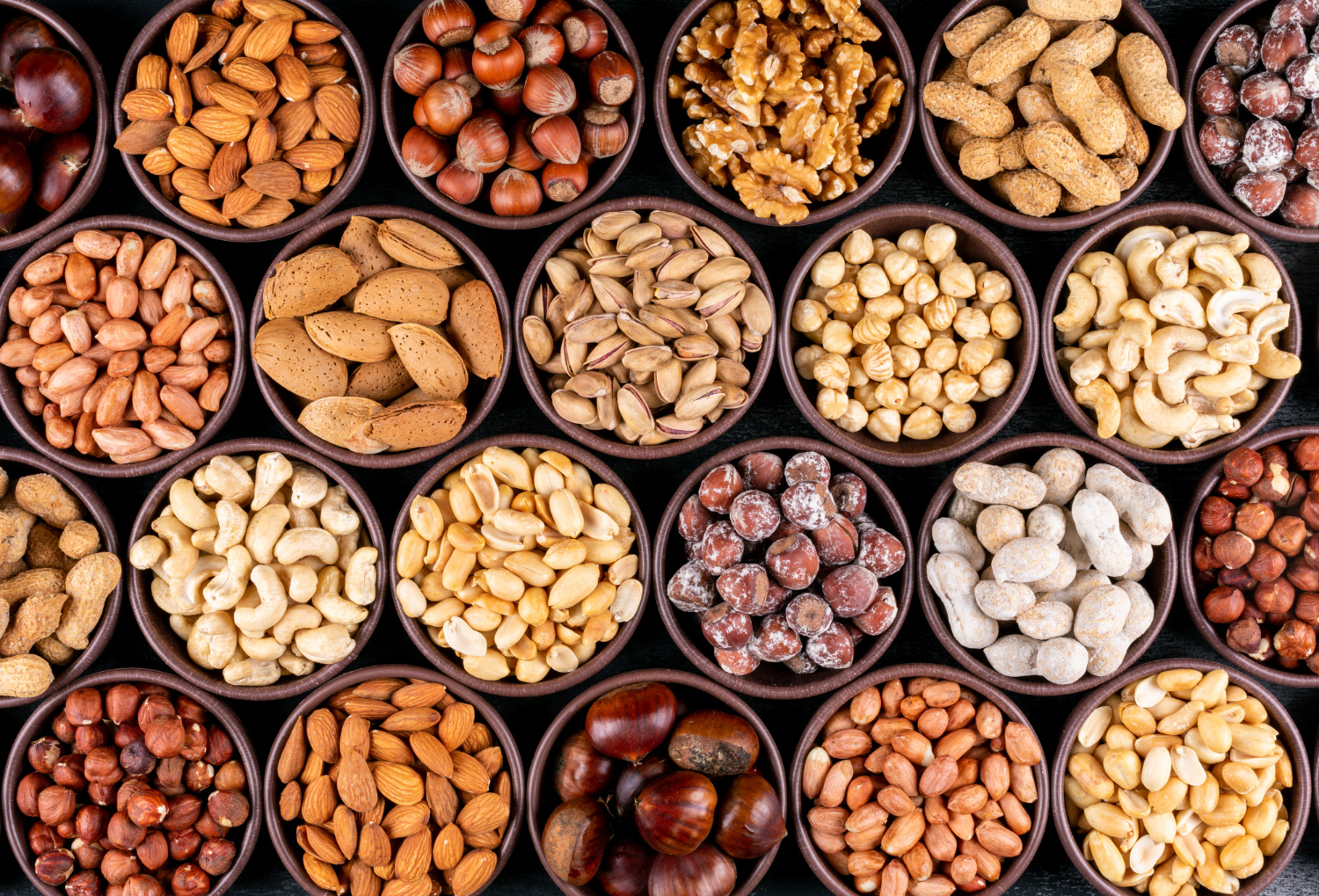
Nuts — almonds, walnuts, and others — appear regularly in the diets of long-lived populations, eaten as snacks and incorporated into meals. Research on longevity and on heart health has consistently associated regular, moderate nut consumption with positive outcomes. A daily handful of nuts is a common feature across several Blue Zones, providing healthy fats, protein, and nutrients in a convenient, satisfying form. The humble handful of nuts is one of the simplest habits to borrow from the world’s longest-lived people, requiring no preparation and fitting easily into any diet.
Olive Oil and Healthy Fats

In the Mediterranean longevity regions, olive oil is the primary fat, used generously in place of butter and other saturated fats, and is strongly associated with the heart-health benefits of the Mediterranean diet. Across the longevity regions more broadly, the pattern is a reliance on plant-based and healthy fats rather than the saturated fats and processed oils common elsewhere. While the specific fat varies by region, the consistent theme is favoring healthy, largely plant-based fats — with olive oil the standout example in the famous Mediterranean Blue Zones of Sardinia and Ikaria.
Modest Amounts, Mostly Plants
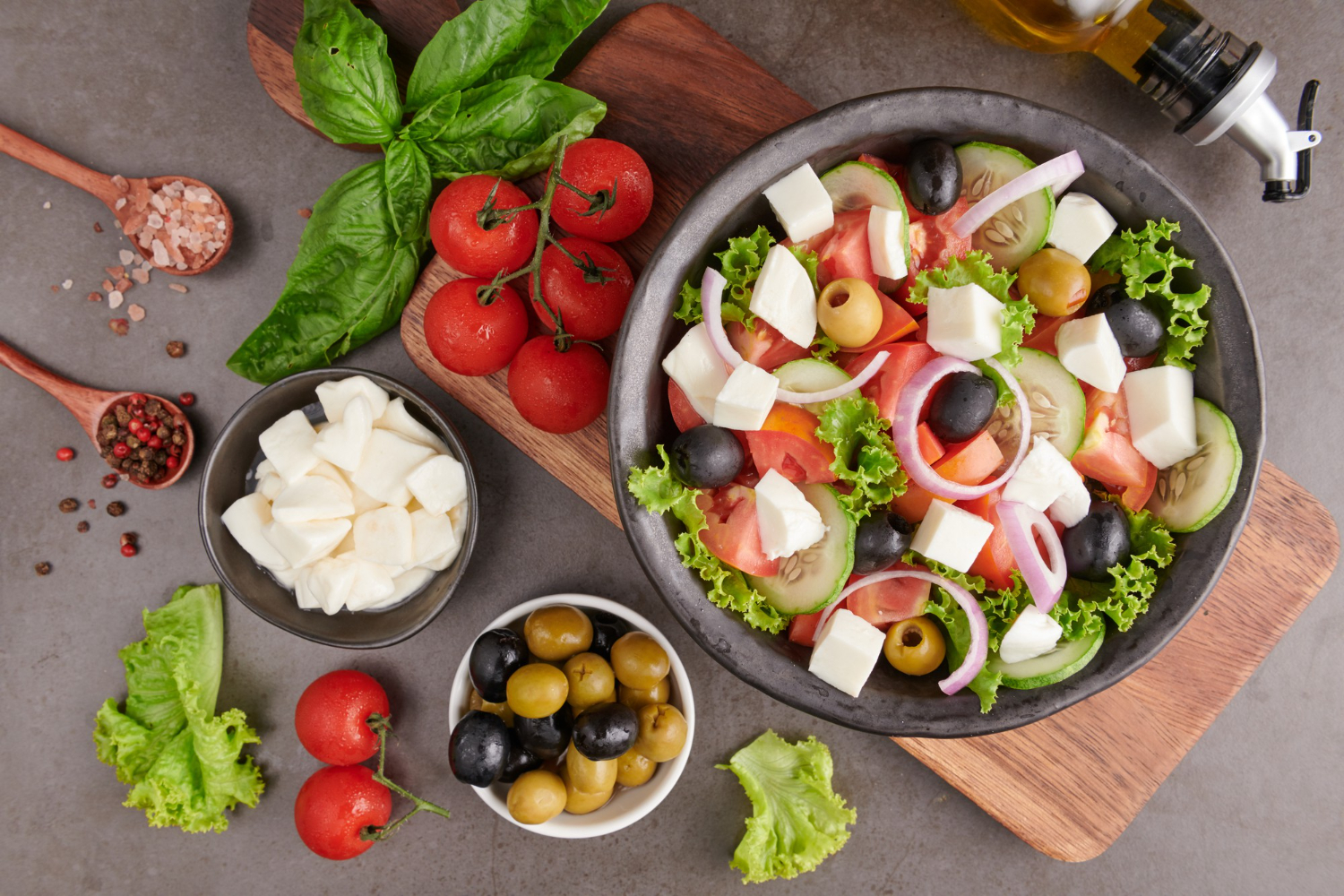
Beyond specific foods, the longest-lived populations share a pattern more than a single ingredient: their diets are predominantly plant-based, with meat eaten sparingly (frequently only occasionally, as a small part of a dish rather than the centerpiece), and they tend to eat moderate amounts rather than the oversized portions common in modern Western diets. The Okinawan tradition of eating until about 80 percent full is frequently cited. This overall pattern — mostly plants, modest portions, meat as a minor element, little processed food — is arguably more important than any single food, and it’s the broad framework within which all the specific staples fit.
What’s Notably Absent
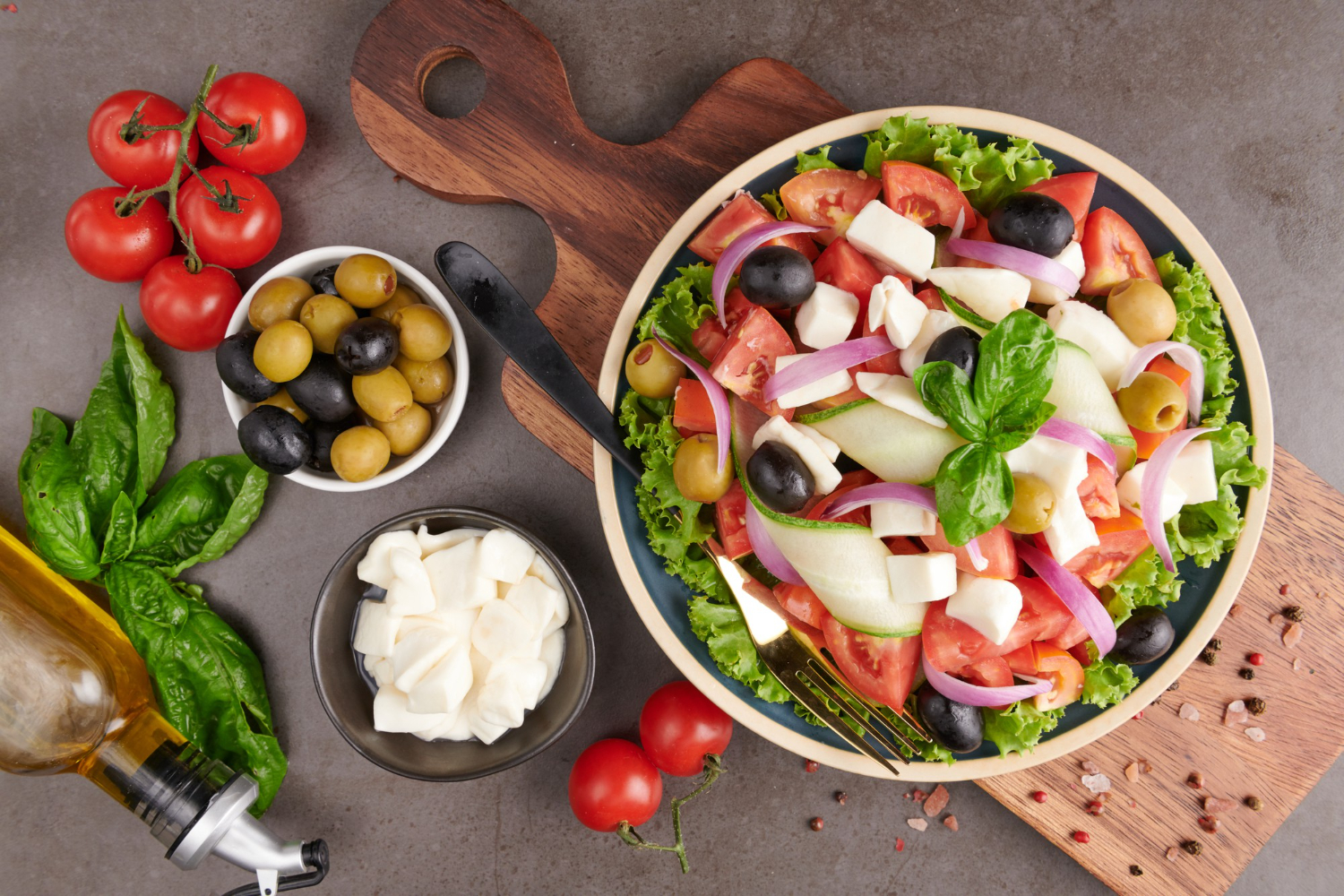
Just as revealing as what the longest-lived people eat is what they largely don’t eat: heavily processed foods, sugary drinks and snacks, and large quantities of red and processed meat are minimal in these traditional diets. The contrast with the ultra-processed, sugar-heavy, meat-centric modern Western diet is stark. Much of the apparent benefit of the Blue Zone diets may come as much from the absence of processed and sugary foods as from the presence of beans and greens. The traditional diets of long-lived regions are, almost by definition, diets built before ultra-processed food became dominant.
Fermented Foods, Tea, and a Little of What You Fancy

Beyond the core staples, a few other features recur on the world’s longest-lived tables. Fermented foods appear across several longevity regions — from the fermented soy of Okinawa to the cultured dairy and pickled vegetables of other zones — providing beneficial bacteria that support gut health. Tea and coffee feature too: Okinawans traditionally drink certain teas, Ikarians favor herbal teas from local plants, and moderate coffee consumption is common in several zones. Many of these regions also use abundant herbs and spices, both for flavor and for their plant compounds. And notably, the longest-lived people are not ascetics — many enjoy modest, regular pleasures, from the famous daily glass of wine with friends in the Mediterranean zones (consumed socially and in moderation) to small amounts of naturally sweet foods. The lesson isn’t rigid restriction but a largely plant-based, whole-food pattern that still leaves room for the small, social, traditional pleasures that make eating part of a connected life rather than a joyless discipline.
Borrowing From the World’s Longest-Lived Tables
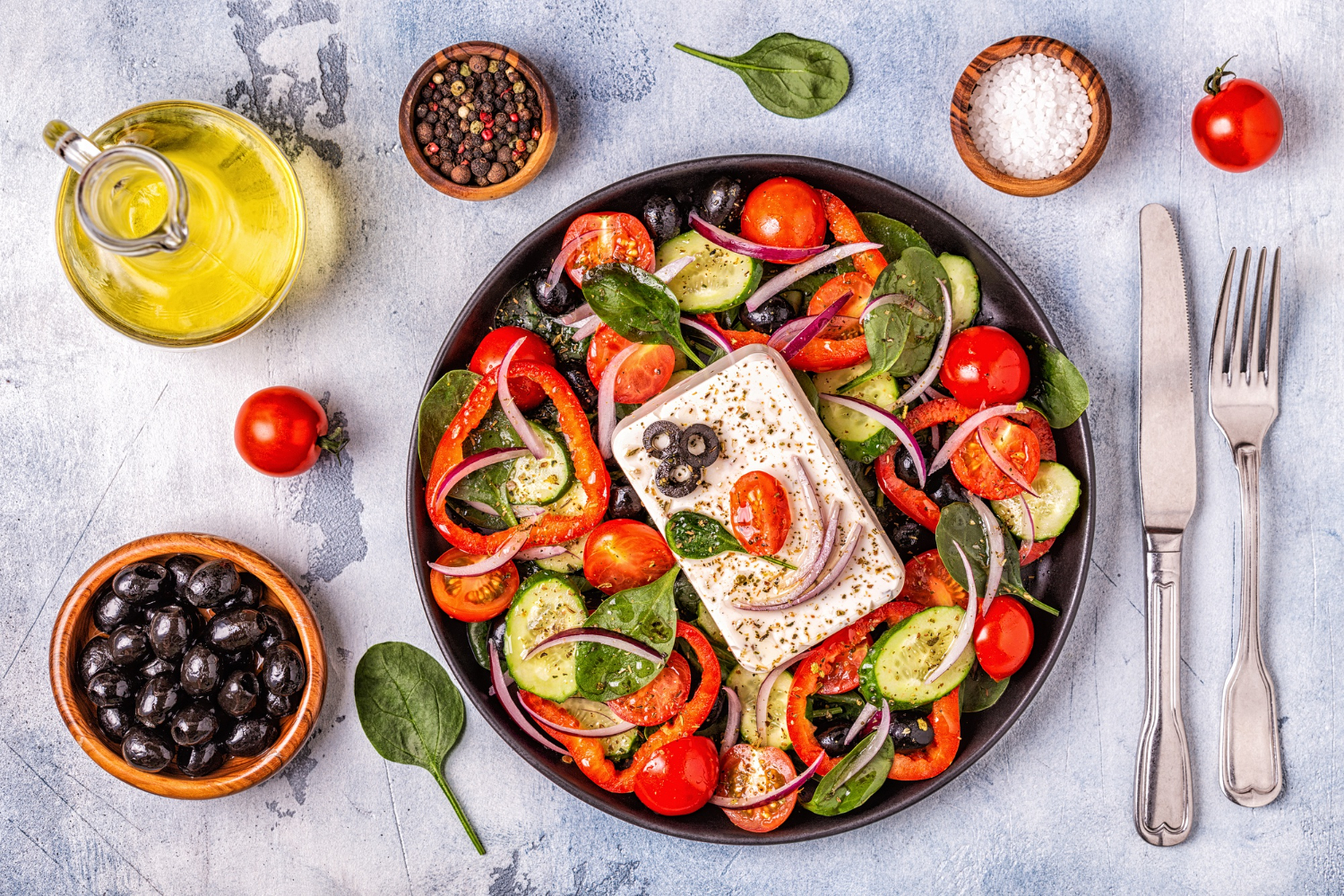
The genuinely encouraging lesson from all this is how simple, affordable, and accessible the longevity diet actually is — there’s nothing exotic or expensive about beans, whole grains, vegetables, fish, and nuts. You don’t need to relocate to Sardinia or adopt a rigid regimen to borrow from the world’s longest-lived people; the practical takeaways are modest and achievable: eat more beans and legumes, choose whole grains over refined ones, fill more of your plate with vegetables, favor fish over red and processed meat, snack on nuts, use healthy fats, keep portions moderate, and minimize ultra-processed and sugary foods. None of this is a guarantee of a long life — genetics, environment, healthcare, activity, and social connection all matter enormously, and diet is only one piece. But the remarkable consistency of these everyday foods across the world’s longest-lived populations, in cultures and climates that otherwise have little in common, makes a compelling case that how we eat genuinely shapes how we age. The most striking thing about the longevity diet is that it isn’t a diet at all in the modern sense — it’s just the simple, traditional, mostly-plant way of eating that humans relied on before processed food, and it remains available to anyone, anywhere, at the grocery store or the garden.
Like our content? Follow us for more.