Walk down an American grocery aisle and you’ll find products that, in much of the rest of the world, would either be illegal as sold or made with entirely different ingredients. The reason isn’t necessarily that these foods are dangerous — it’s that the United States and countries like those in the European Union take fundamentally different regulatory approaches. The EU tends to follow a “precautionary principle,” restricting additives until they’re proven safe, while the U.S. has historically allowed ingredients until they’re shown to be harmful. The result is a long list of familiar American foods that are banned, restricted, or quietly reformulated when sold abroad. The landscape is also shifting fast, with recent U.S. moves to ban certain additives. Here are thirteen everyday American foods and ingredients that are banned or reformulated in other countries, and the regulatory story behind them.
1. Brightly-Dyed Candies
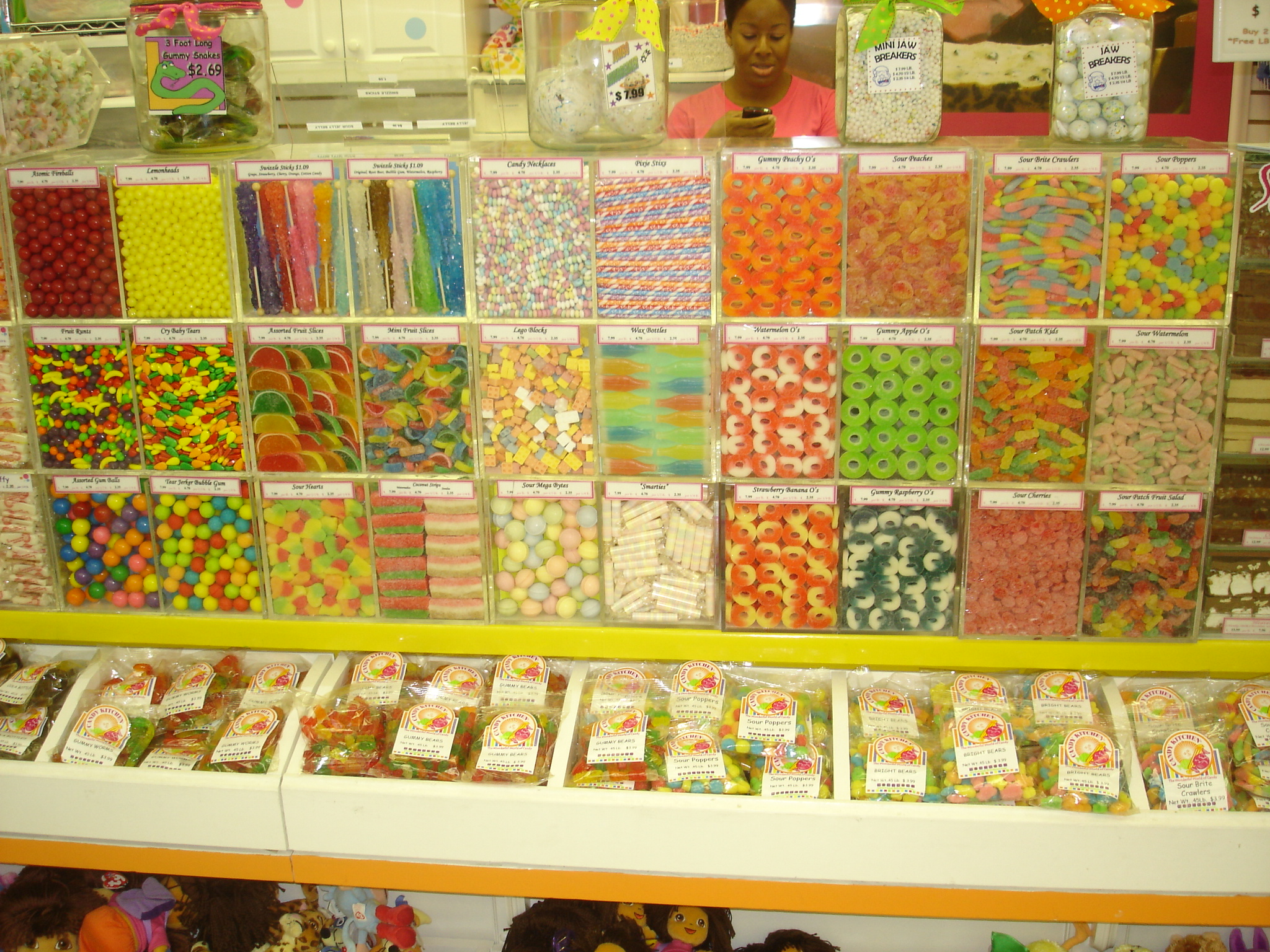
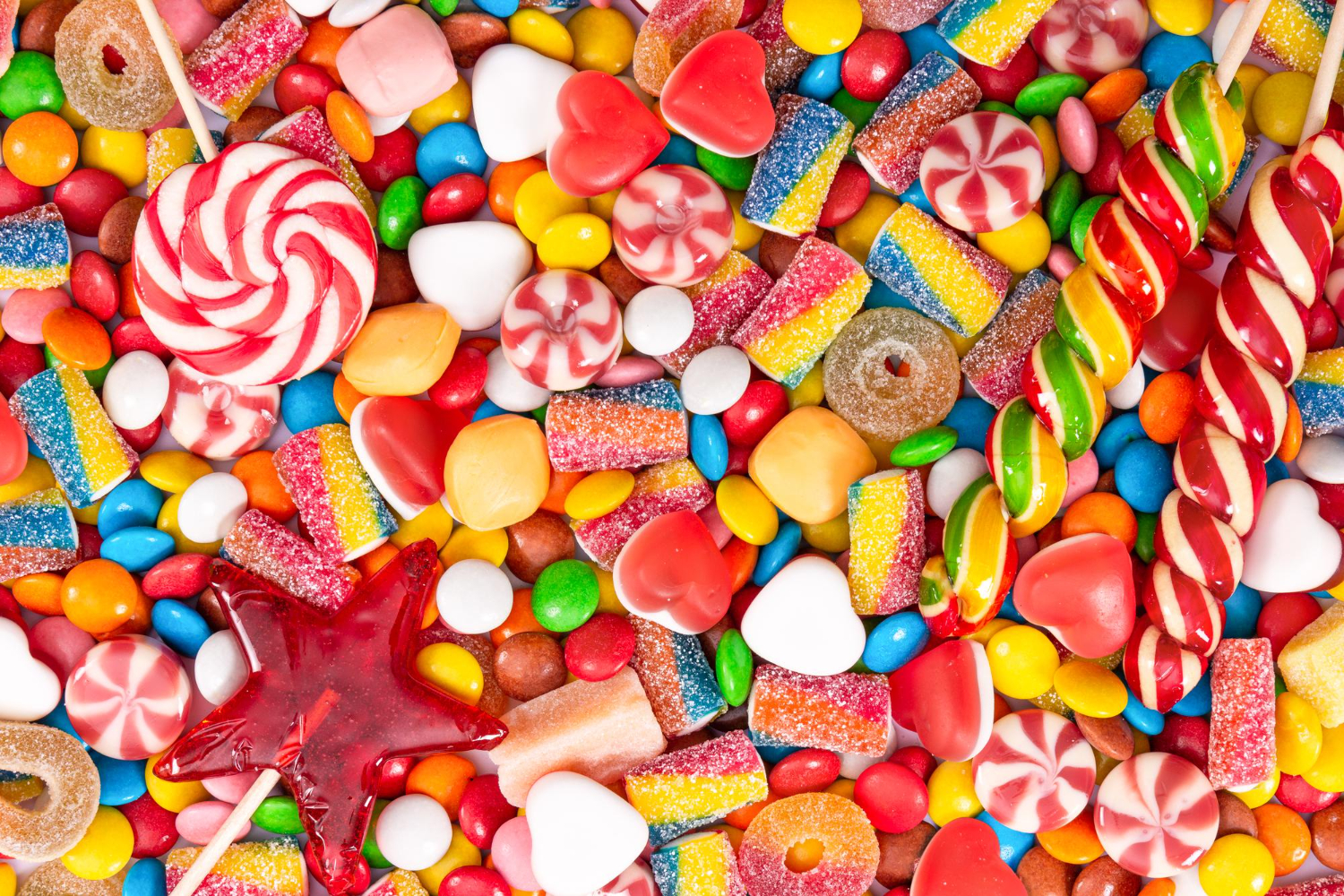
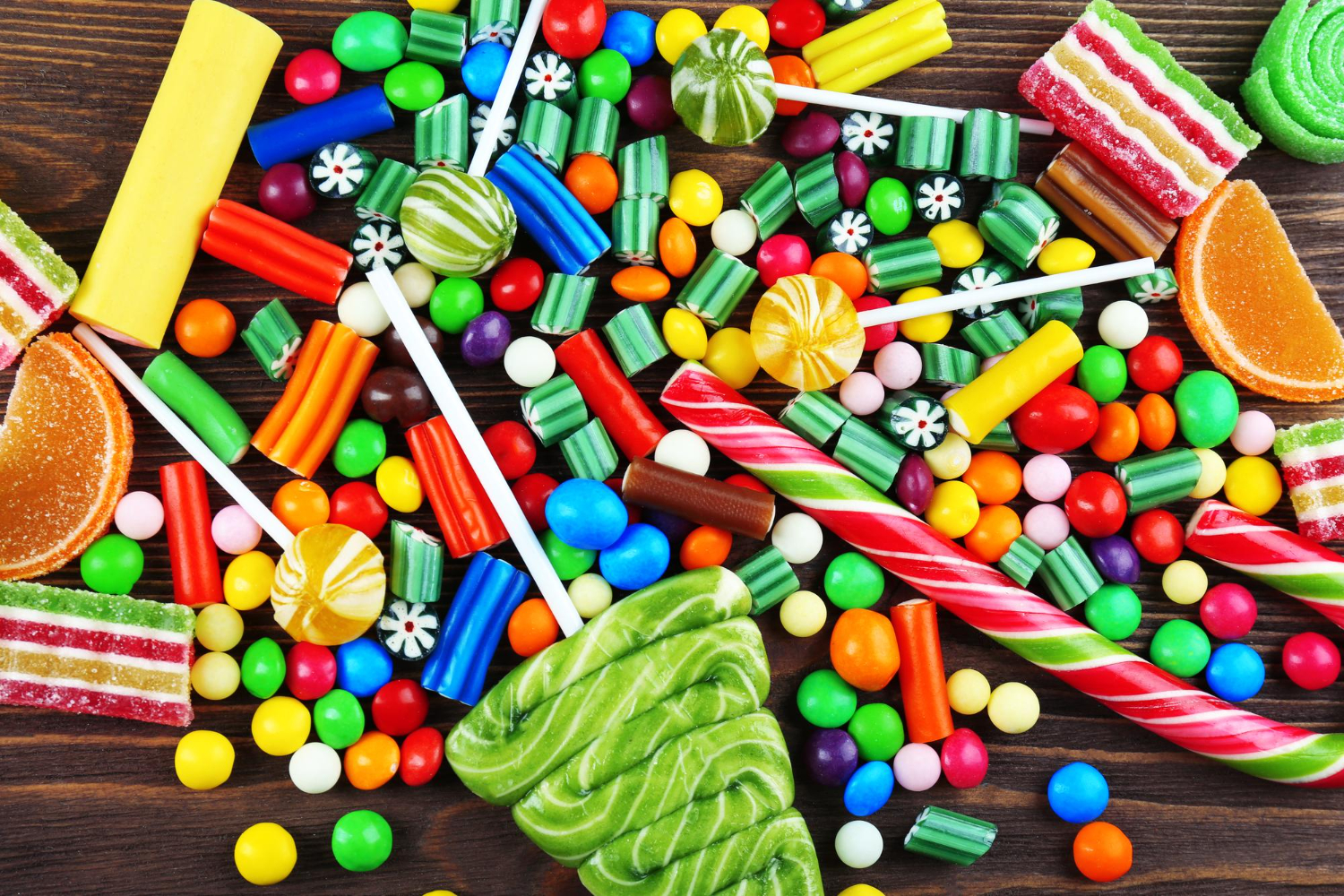
Many iconic American candies get their vivid colors from synthetic dyes like Red 40, Yellow 5, and Yellow 6 — dyes that, in the European Union, require a warning label noting possible effects on children’s activity and attention. Rather than carry the warning, many manufacturers reformulate their products abroad using natural colorings from fruits and vegetables, which is why the same candy can look noticeably different overseas. The EU’s warning-label requirement, based on research into hyperactivity in children, has pushed companies toward natural dyes internationally while the synthetic versions remain common on U.S. shelves.
Like our content? Follow us for more.
2. Colorful Breakfast Cereals
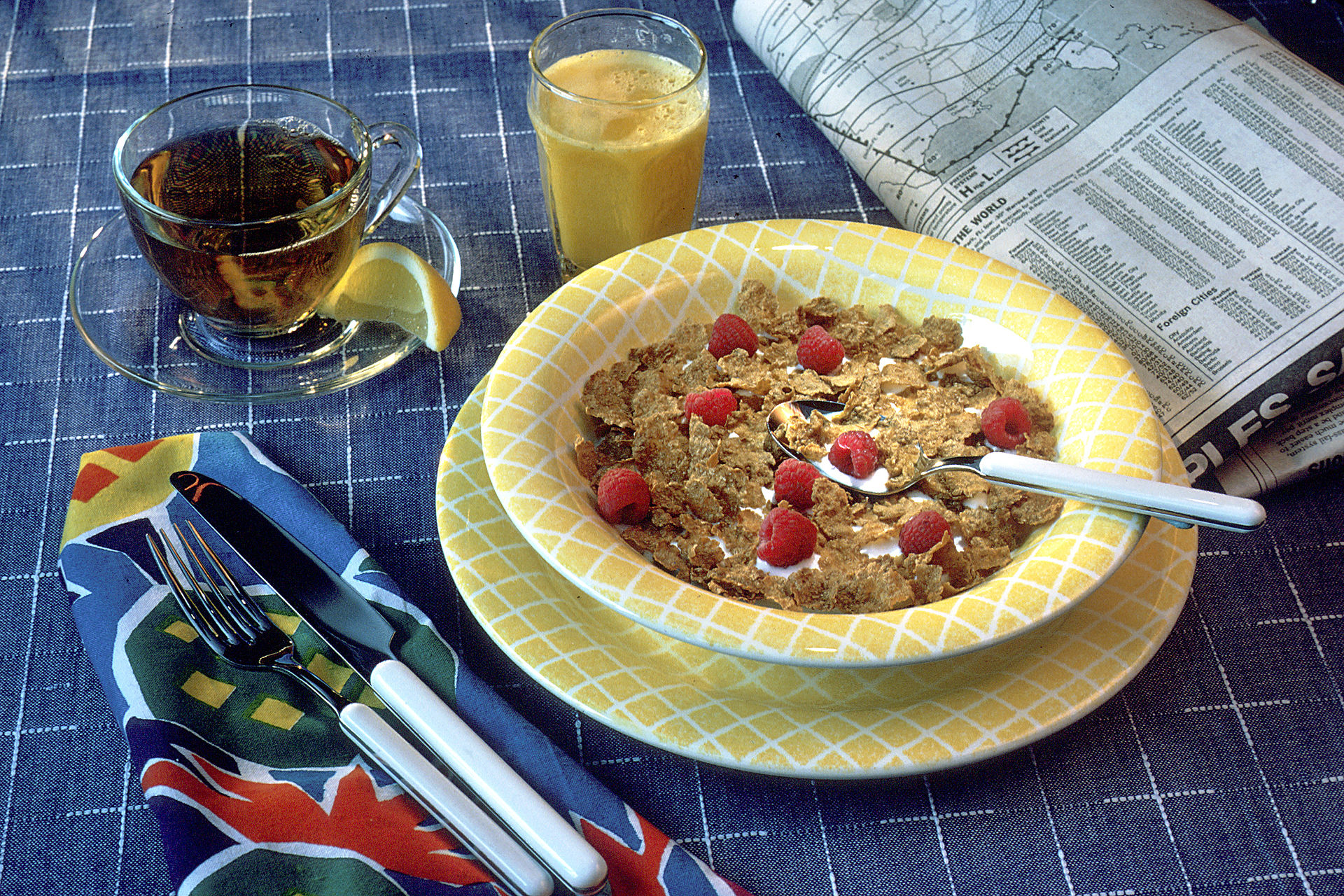
American breakfast cereals famous for their rainbow colors rely on the same synthetic dyes, and in countries with stricter food-coloring rules, these formulations aren’t approved — so international versions appear noticeably duller, colored with natural alternatives. The bright artificial colors that define many American cereals are achieved with petroleum-derived dyes that other countries restrict. Abroad, the cereals are frequently reformulated with vegetable and fruit-based colorings, resulting in a more muted appearance, a visible reminder of the different regulatory approaches to artificial food coloring on either side of the Atlantic.
3. Brominated Vegetable Oil Drinks
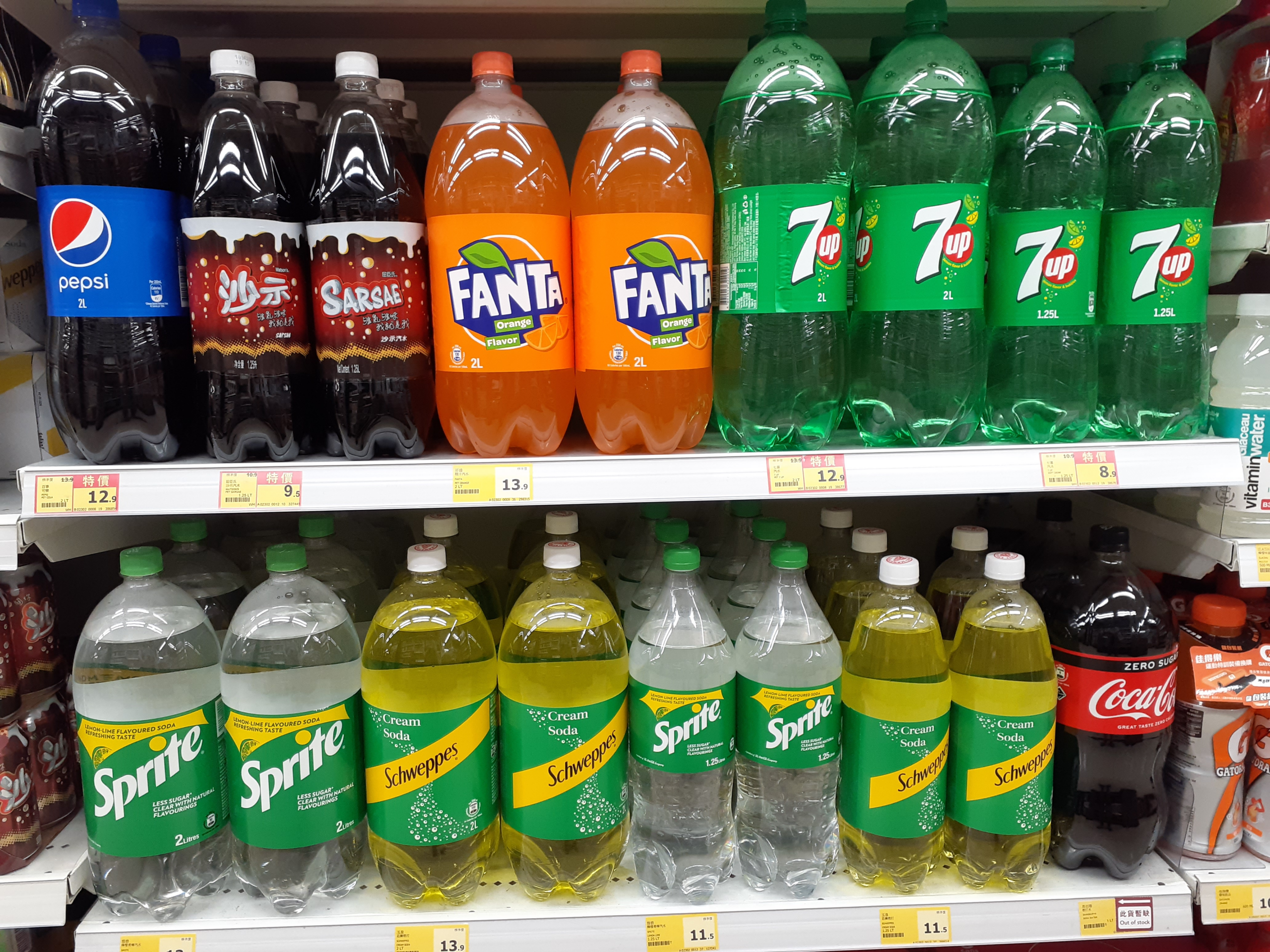
Brominated vegetable oil (BVO), historically used in some citrus-flavored sodas and sports drinks to keep the flavoring evenly distributed, was long banned in the EU, Japan, and elsewhere over health concerns. Notably, the United States itself moved to ban BVO in food in 2024, bringing it in line with those countries. BVO is a clear example of an additive that was permitted in American drinks for decades while being prohibited abroad, and its recent U.S. ban reflects the broader, accelerating shift in how American regulators are reconsidering additives long restricted elsewhere.
4. Bread Made With Potassium Bromate
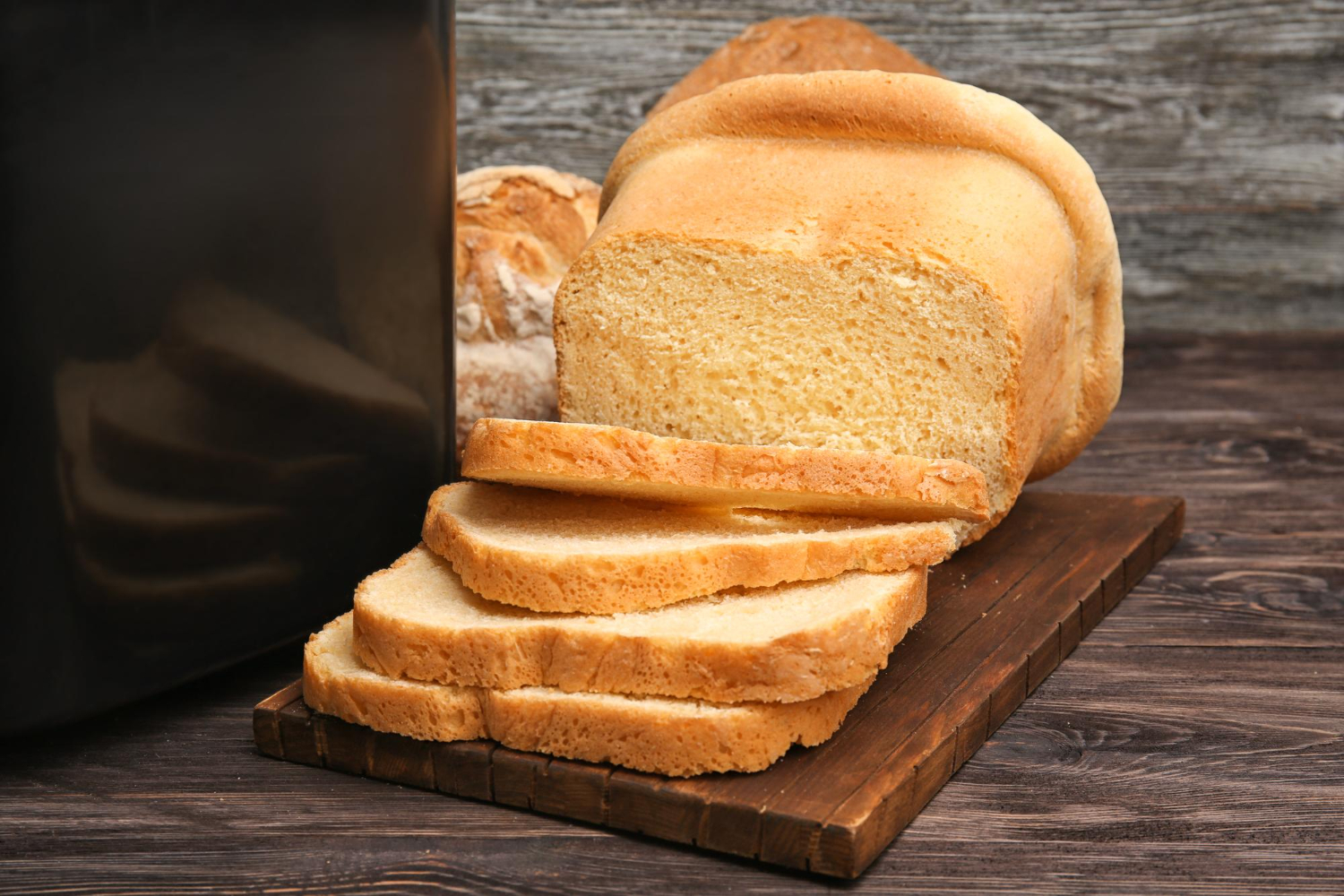
Potassium bromate, used to strengthen dough and help bread rise, is banned in the EU, the UK, Canada, Brazil, and many other countries, where it’s been linked to health concerns — yet it remains legal in much of the U.S., though California has banned it. Some American breads, baked goods, and pizza crusts still contain it. Potassium bromate is one of the most-cited examples of the regulatory gap: a dough conditioner prohibited across much of the world for precautionary health reasons but still permitted in American baked goods, now being phased out by some states.
5. Foods With Titanium Dioxide
Titanium dioxide, a whitening agent used to brighten the color of products from candies to sauces to baked goods, was banned as a food additive in the European Union in 2022, after EU regulators cited concerns it might cause genetic damage. In the U.S., it remains widely permitted, though some companies are voluntarily phasing it out in anticipation of future regulation. Titanium dioxide is a prominent example of an additive the EU removed under its precautionary approach while it continues to appear in many American processed foods, highlighting the transatlantic regulatory divide.
6. Foods With BHA and BHT
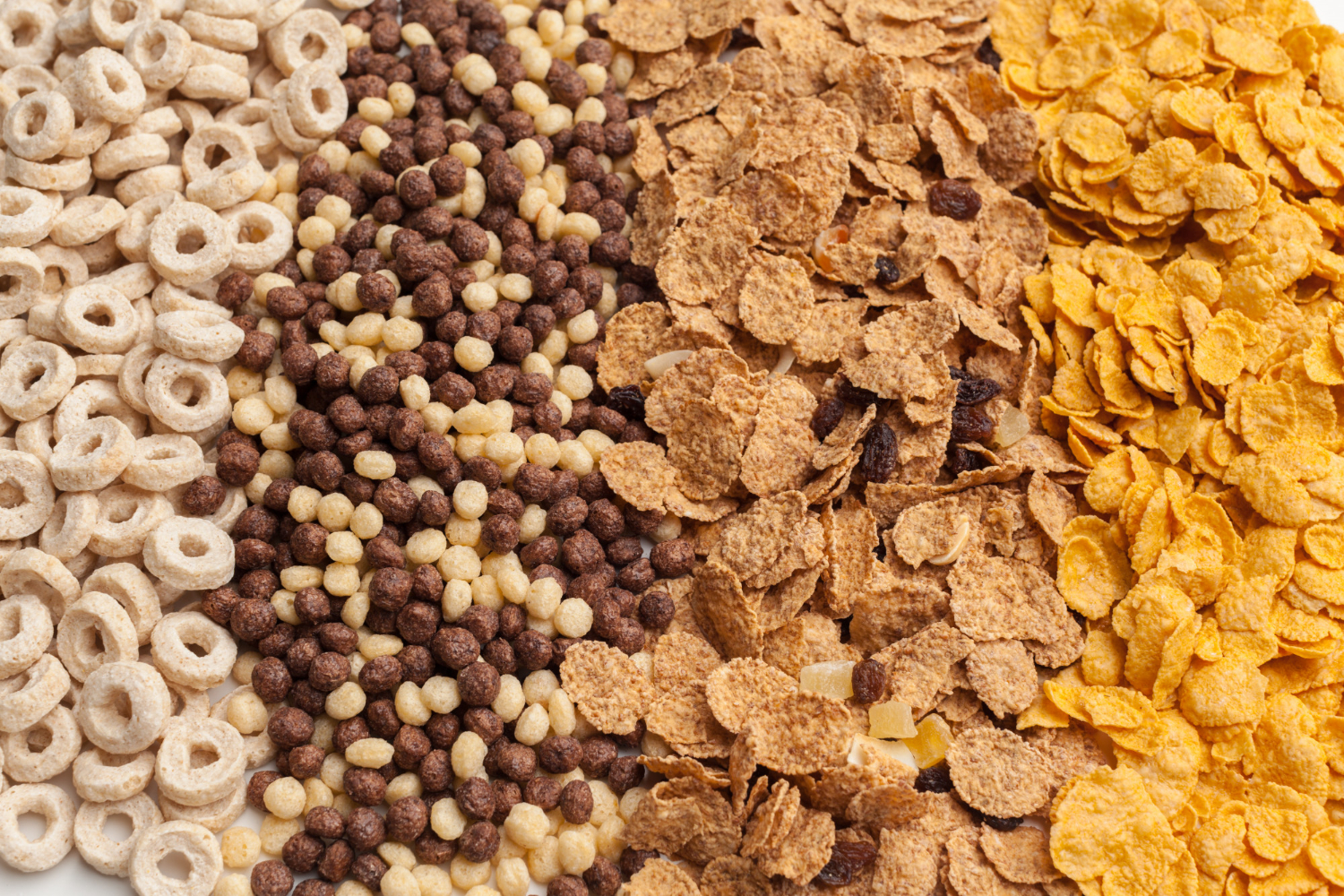
The preservatives BHA and BHT, used to extend shelf life in cereals, chips, and many processed foods, are restricted in the EU — particularly in foods for infants and young children — over animal research suggesting possible cancer links, though human evidence remains debated. These preservatives appear in numerous American packaged foods. BHA and BHT illustrate the precautionary divide: restricted abroad based on animal studies and uncertainty, but permitted in the U.S. where regulators have concluded the human evidence isn’t strong enough to justify a ban, a genuine difference in regulatory philosophy.
7. Milk and Dairy From rBST-Treated Cows
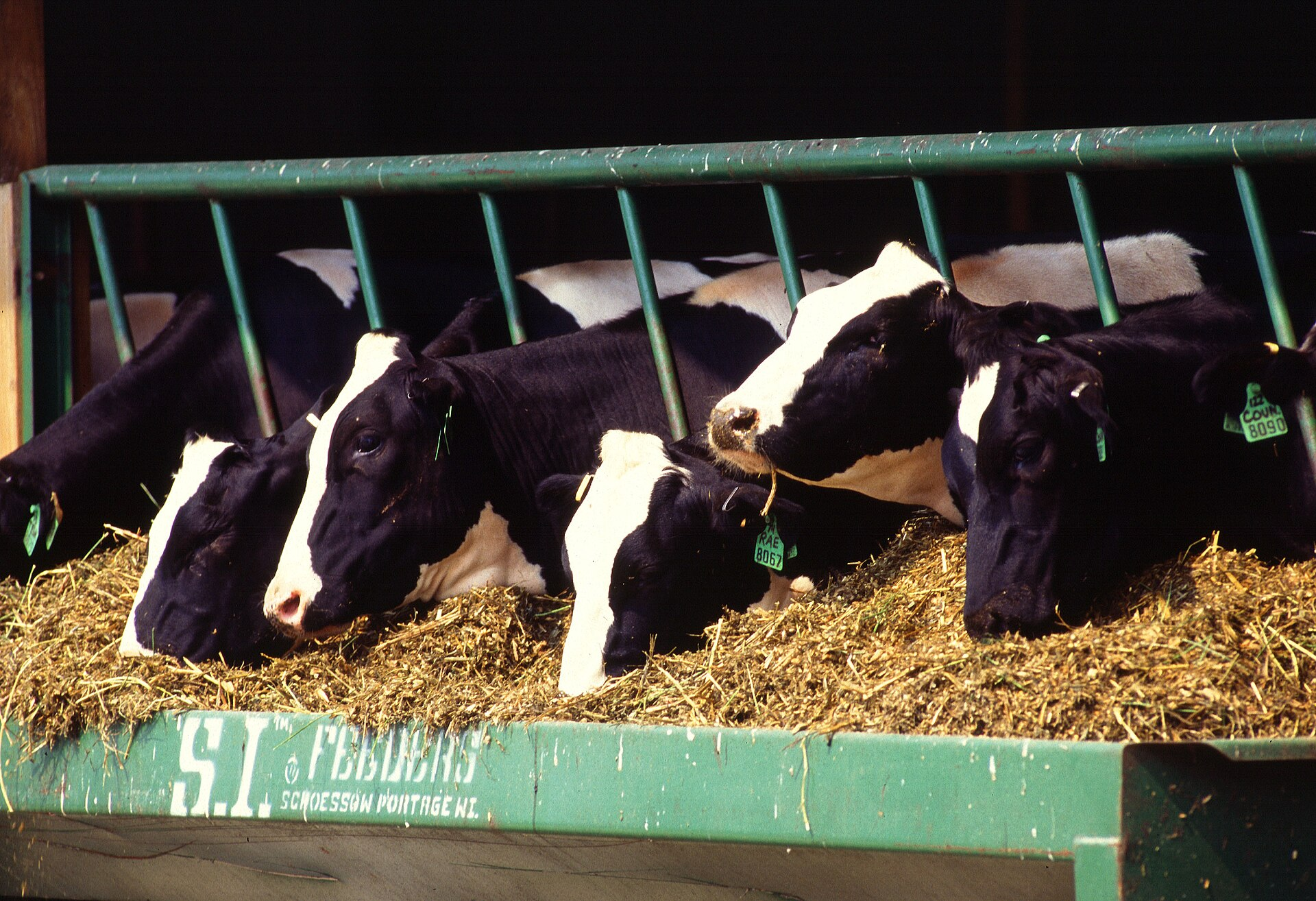
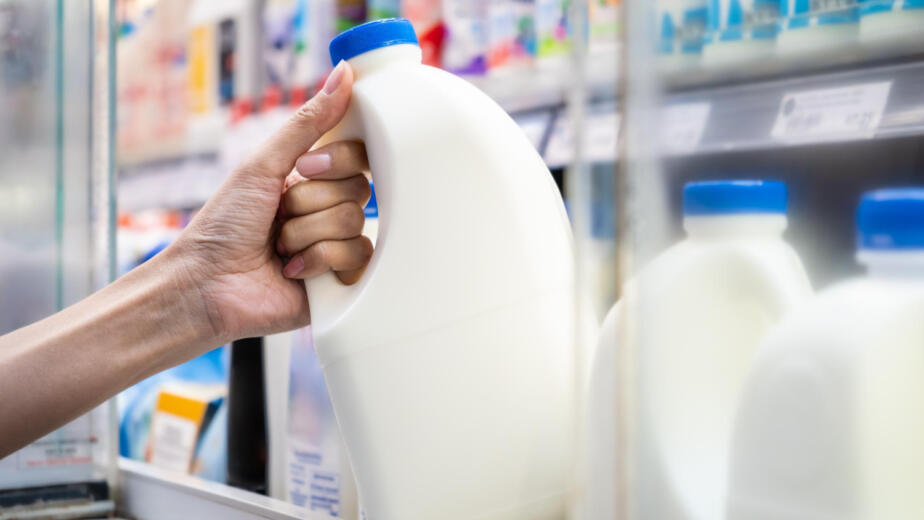
rBST (also called rBGH), a synthetic hormone used to increase milk production in cows, is banned in the European Union, Canada, and other countries over animal-welfare and health concerns, but remains permitted in the U.S. Many American dairy products may come from treated cows, though some U.S. companies have voluntarily rejected it. The hormone is a long-standing point of difference: prohibited across much of the developed world but allowed in American dairy production, which is one reason some U.S. milk is labeled as coming from cows not treated with the hormone.
8. Bread With Azodicarbonamide

Azodicarbonamide, a dough conditioner and bleaching agent sometimes nicknamed the “yoga mat chemical” because it’s also used in foamed plastics, is banned in the EU and Australia for food use but has been permitted in some American breads and baked goods. The additive became a flashpoint when consumers learned it appeared in both bread and industrial products. Azodicarbonamide is another example of an additive restricted abroad on precautionary grounds while remaining legal in parts of the American food supply, prompting some U.S. companies to remove it voluntarily.
9. Certain Farmed Salmon
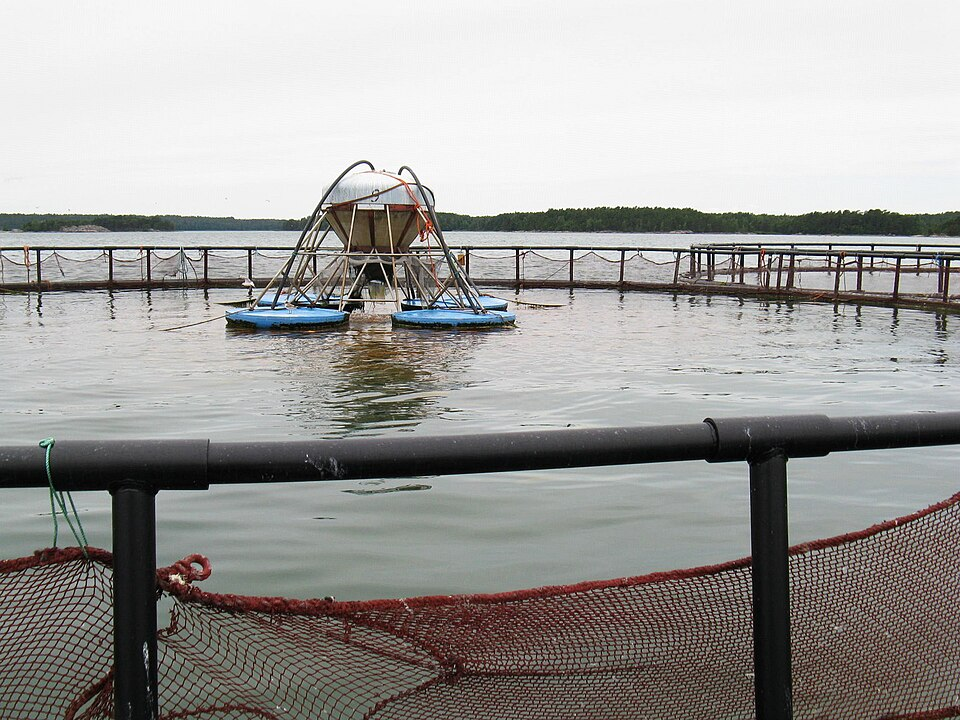
Farmed salmon raised on particular diets are sometimes given color additives to achieve the pink hue consumers expect (farmed salmon flesh would otherwise be grayish), and some practices and additives used in American aquaculture face restrictions abroad. The coloring of farmed salmon and differences in permitted aquaculture practices are points of regulatory divergence. While salmon itself is obviously not banned, the specific additives and methods used to produce the familiar pink farmed salmon are an example of where American and international food rules differ.
10. Fat-Free Products With Olestra
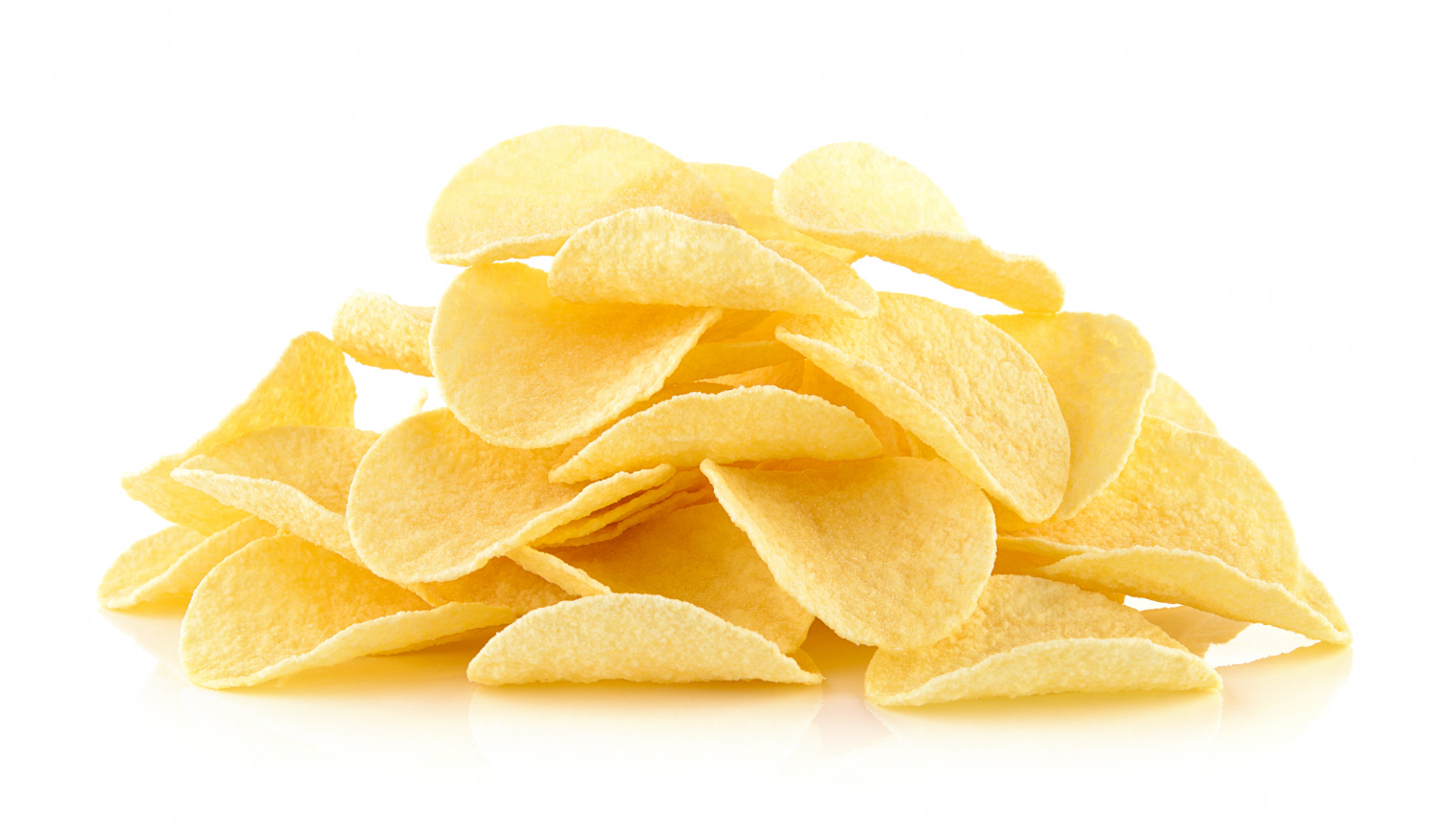
Olestra, a zero-calorie fat substitute once used in fat-free chips and snacks, is banned in the UK, Canada, and other countries over digestive-health concerns, but was permitted in the U.S. Olestra became notorious for unpleasant digestive side effects. While its use has declined even in America, the fat substitute remains an example of an ingredient embraced by American food technology and rejected abroad, a product designed for the U.S. market’s appetite for low-fat foods that other countries’ regulators declined to allow.
11. Maraschino Cherries and Heavily-Dyed Garnishes
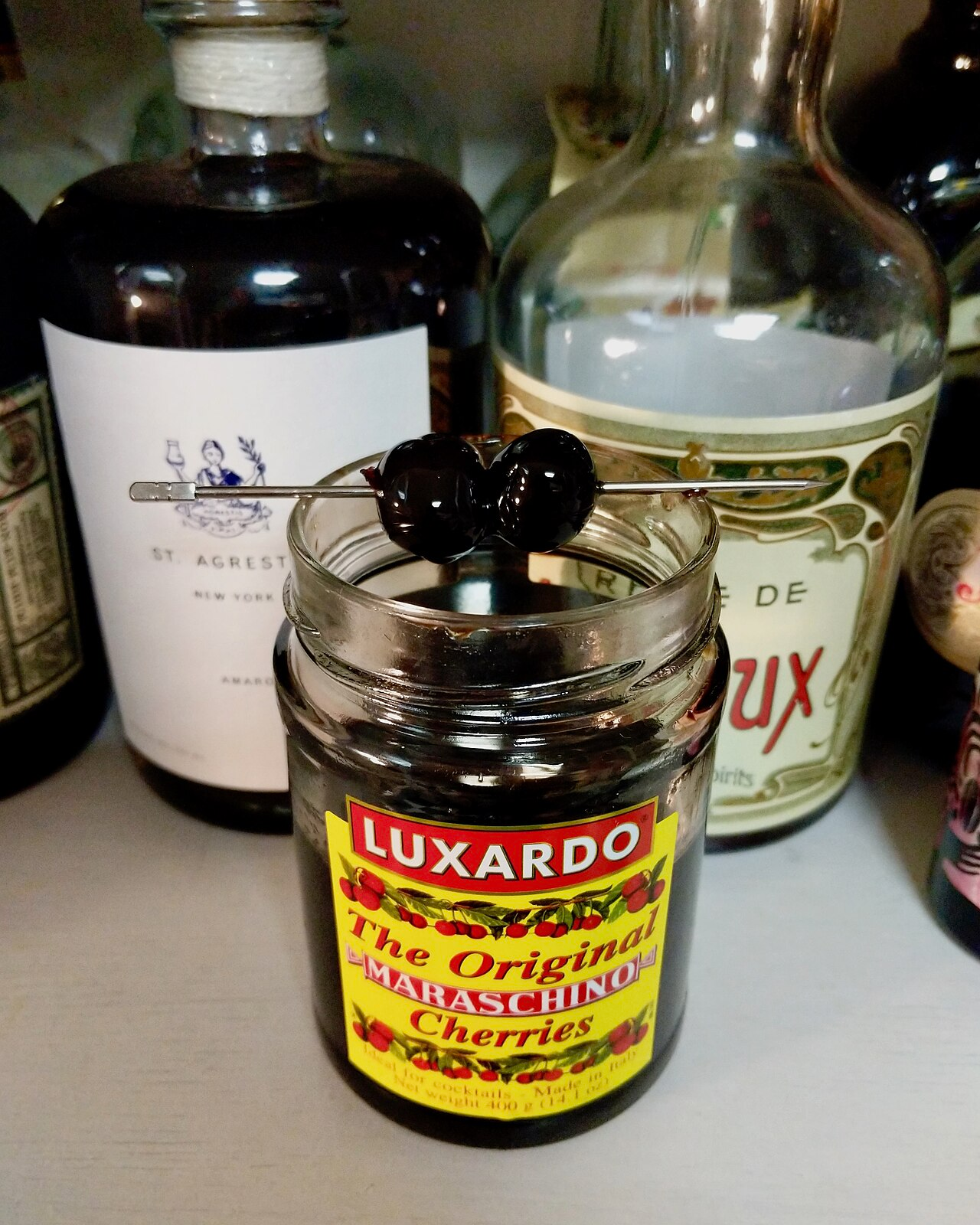
The vivid red maraschino cherry gets its color from synthetic dyes that, like other artificial colorings, face restrictions or warning-label requirements abroad. The same applies to many brightly-dyed garnishes, glazes, and toppings common in American desserts and drinks. These intensely-colored foods, achieving their appearance through synthetic dyes, are frequently reformulated with natural colorings in countries with stricter rules. The American maraschino cherry, with its unnaturally bright red hue, is a small but vivid example of the country’s greater permissiveness toward synthetic food coloring.
12. Foods With Red Dye No. 3 (Now Changing in the U.S.)
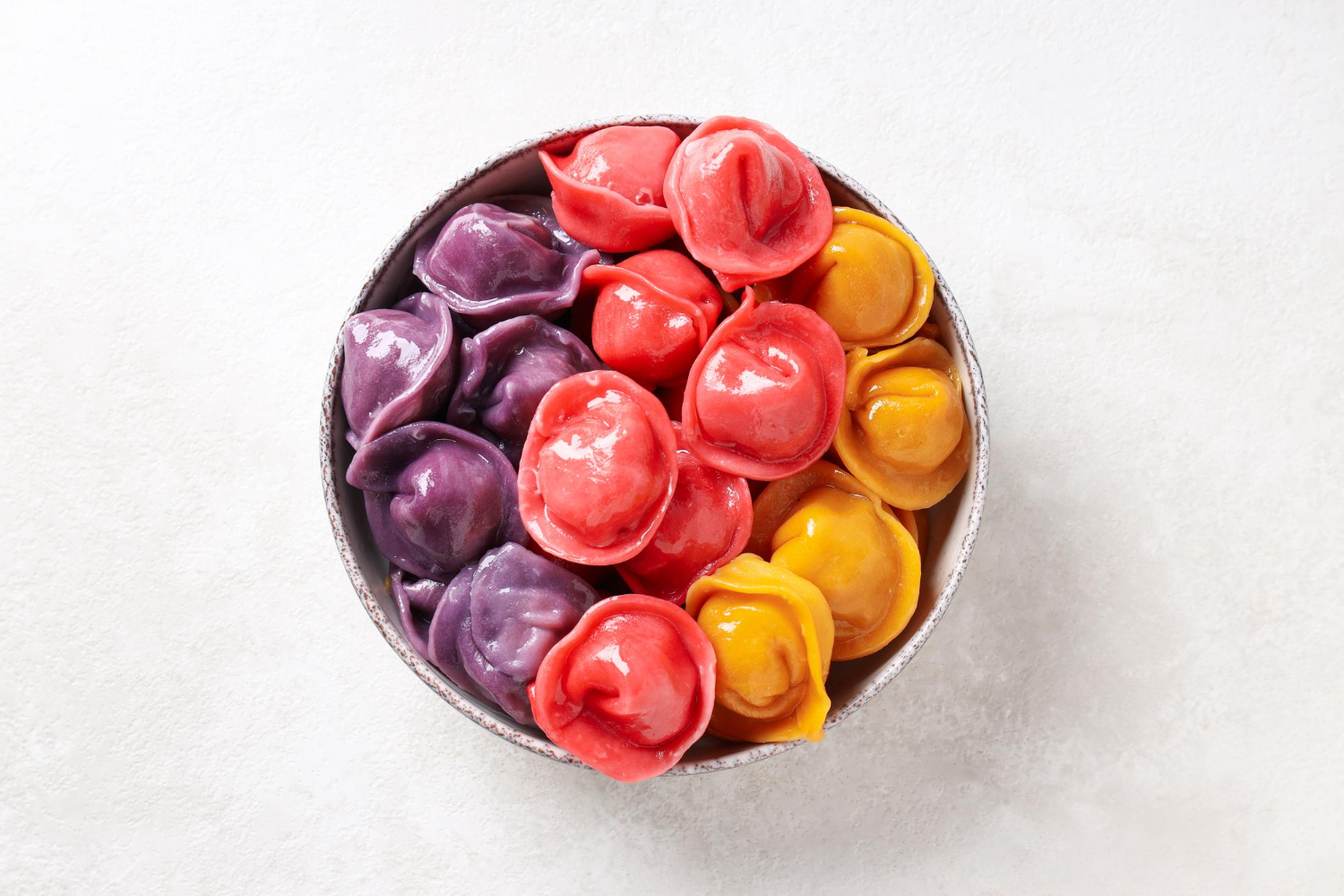
Red Dye No. 3, a synthetic coloring once common in American candies, baked goods, and other products, was long restricted abroad and was finally banned by the U.S. Food and Drug Administration in January 2025, with enforcement phasing in over the following years. Long permitted in the U.S. while restricted elsewhere over cancer concerns in animal studies, Red Dye No. 3 represents the most prominent recent example of the U.S. moving to close the regulatory gap, reformulating away from a dye that other countries had already limited.
13. The Broader World of Synthetic Dyes — and a Shifting Landscape
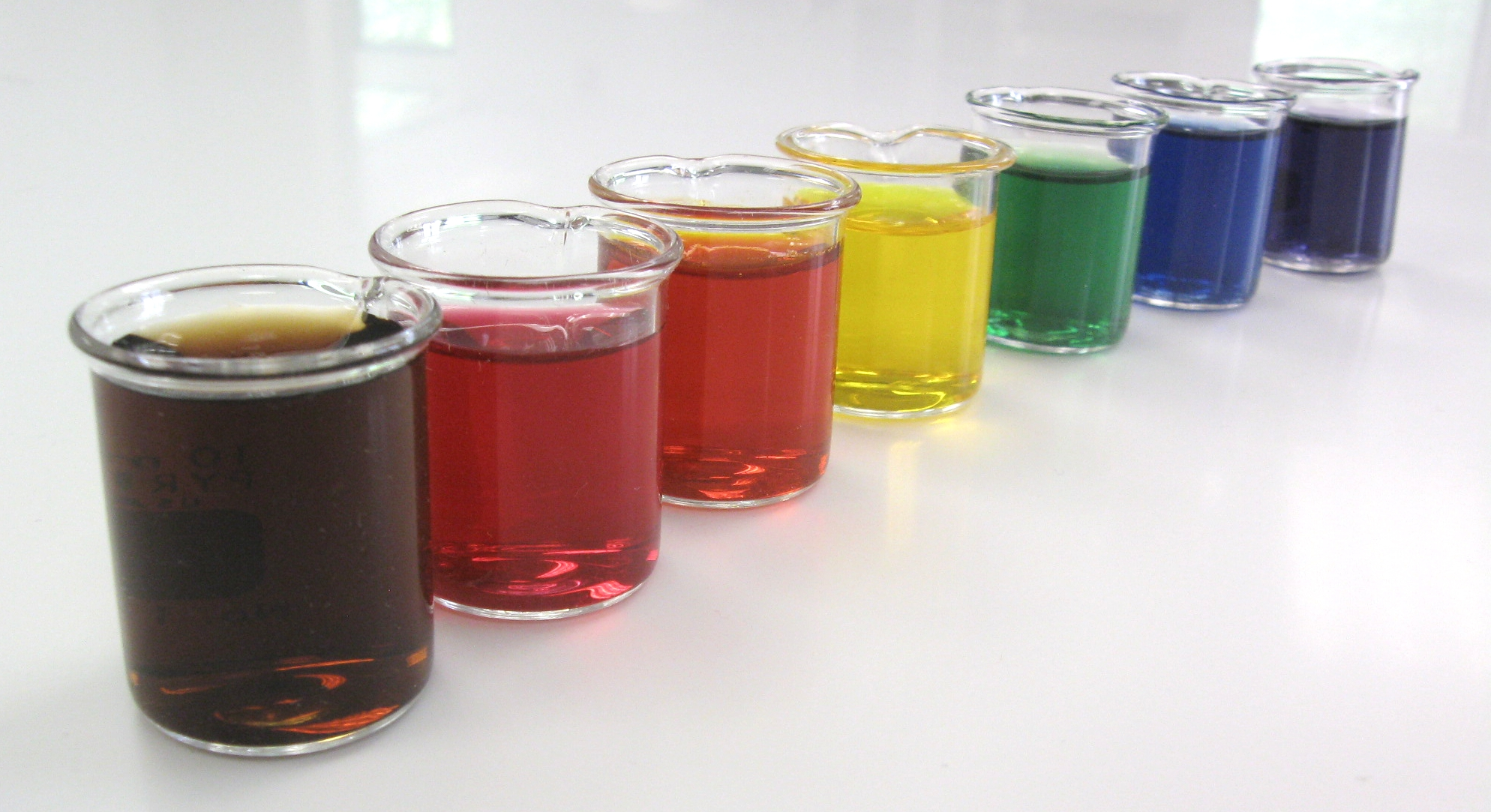
Beyond individual products, the broad American use of synthetic food dyes across countless everyday foods — sodas, snacks, condiments, baked goods — stands in contrast to many countries’ preference for natural colorings or their warning-label requirements. The landscape is shifting quickly: several U.S. states, led by California, have banned certain dyes and additives, and federal attention to food additives has intensified. The story of American foods banned abroad is increasingly a story in motion, as the U.S. moves, additive by additive, toward the kind of restrictions long standard in much of the rest of the world.
Like our content? Follow us for more.