

Most “where Americans are moving” coverage celebrates the winners: the Sun Belt towns filling up with new arrivals. The more revealing story sits on the other side of the ledger, with the cities people are searching hardest to get out of. Using 78,000 searches made in its moving-cost calculator during the first three months of 2026, the moving-data firm moveBuddha ranked U.S. cities by their in-to-out ratio, the number of people looking to move in for every one looking to leave. A ratio below 1.0 means more residents want out than in. The cities at the bottom of that list share something unexpected: cheap housing isn’t keeping people there. Here’s where Americans are most looking to leave in 2026, why, and where they’re going instead.
A note on what this measures: the ranking reflects search interest, meaning where people are actively looking to move to and from, not completed Census moves. It’s a forward-looking signal of demand, which is what makes it useful. Here’s the picture for 2026.
How the Ranking Works

moveBuddha builds its in-to-out ratio by dividing the number of calculator searches for moves into a city by the searches for moves out. A city at 2.00 draws two inbound searches for every outbound one; a city at 0.50 is the reverse, with twice as many people looking to leave as arrive. The 2026 analysis drew on roughly 78,000 searches from January through March. The ten cities below all landed well under 1.00, and notably, seven of them have average home prices under $400,000, which upends the usual assumption that people only flee expensive places.
California’s Inland Cities Sit at the Bottom

The two lowest-ranked cities in the country are both in California’s interior. Bakersfield, in the Central Valley, posts a 0.38 ratio: fewer than four inbound searches for every ten outbound, the lowest figure nationwide. Riverside, in the Inland Empire, follows at 0.42. In these two, the link to the job market is the clearest of any cities on the list. Kern County, home to Bakersfield, logged about 263 layoff notices in early-2026 WARN filings, and Riverside County recorded roughly 1,809. California has led U.S. out-migration for years, and its inland cities are now the sharpest examples of it.
The Northeast’s Persistent Outflow
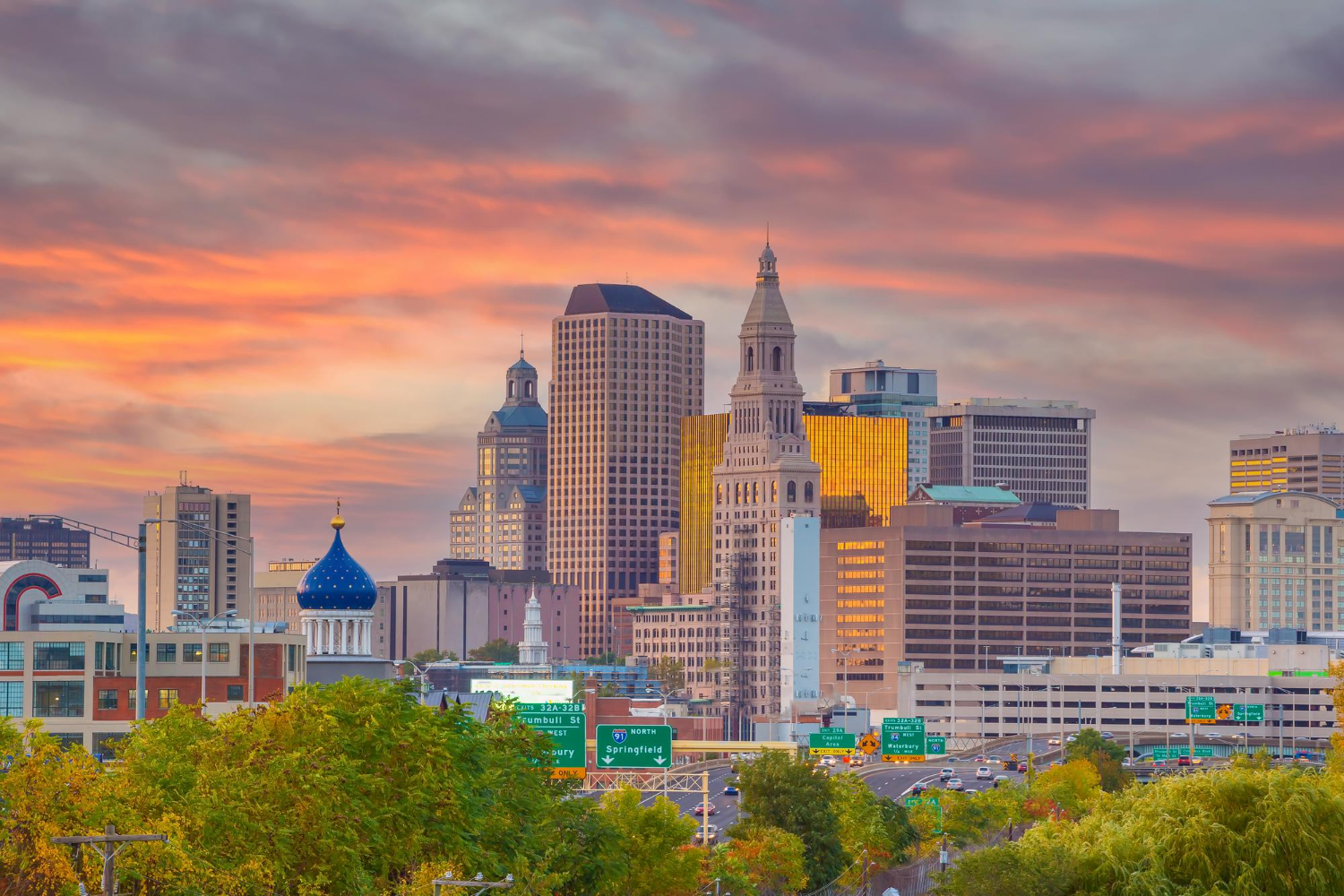
Connecticut places two cities in the bottom ten, and the state holds the lowest in-to-out ratio of any state in 2026. New Haven sits at 0.47 and Hartford at 0.60. The drivers are familiar to anyone living there: some of the highest property taxes in the country, steep overall living costs, and a dense, expensive Northeast footprint. Connecticut logged nearly 1,970 layoff notices statewide in early-2026 filings. The broader pattern holds across the region, with densely populated northeastern states dominating 2026’s least popular destinations for inbound moves.
A Pricey D.C. Suburb and Two Navy Towns

Three cities cluster around the mid-Atlantic. Arlington, Virginia, directly across the Potomac from Washington, D.C., and one of the most expensive places to live in the country, comes in at 0.53. Norfolk, Virginia, a major naval port, sits at 0.58. Together they helped push Virginia’s early-2026 layoff notices to about 2,463 statewide. Military hubs like Norfolk also carry built-in churn, with populations that reset on a regular rotation cycle, which keeps outbound interest high regardless of how livable the city is.
Surprises in the Plains and the Midwest

Two names break the coastal pattern. Fargo, North Dakota, lands at exactly 0.50, two outbound searches for every inbound one, and North Dakota ranks among the least popular states for moves overall in 2026. Long winters and a smaller job market than the booming Sun Belt help explain the tilt. St. Louis, Missouri, sits at 0.55; moveBuddha attributes cities in this range to limited growth and fading opportunity rather than any single cause, and St. Louis has dealt with long-term population decline for decades.
Even Sun Belt Cities Aren’t Immune
The most counterintuitive entries sit in regions people are generally flocking to. Tempe, Arizona, in the Phoenix metro, posts a 0.48 ratio despite Arizona’s overall popularity; rising housing costs across the metro and about 387 statewide layoff notices appear to be pushing interest outward. Fayetteville, North Carolina, is the only Southern city on the list at 0.60, in a state that is otherwise one of the top inbound destinations in the country. Its large military population, which rotates constantly, is the main reason it loses more interest than it gains.
What the Exit Cities Share
Line all ten up and the common thread isn’t high rent, it’s opportunity. Seven of the ten have average home prices under $400,000, so affordability alone clearly isn’t enough to hold people in place. What links them is a softening job market and limited room to grow, and in several cases the recent layoff filings line up directly with the cities seeing the most outbound interest. The 2026 data suggests Americans aren’t only chasing cheaper housing. They’re chasing somewhere with a future.
Where People Are Going Instead
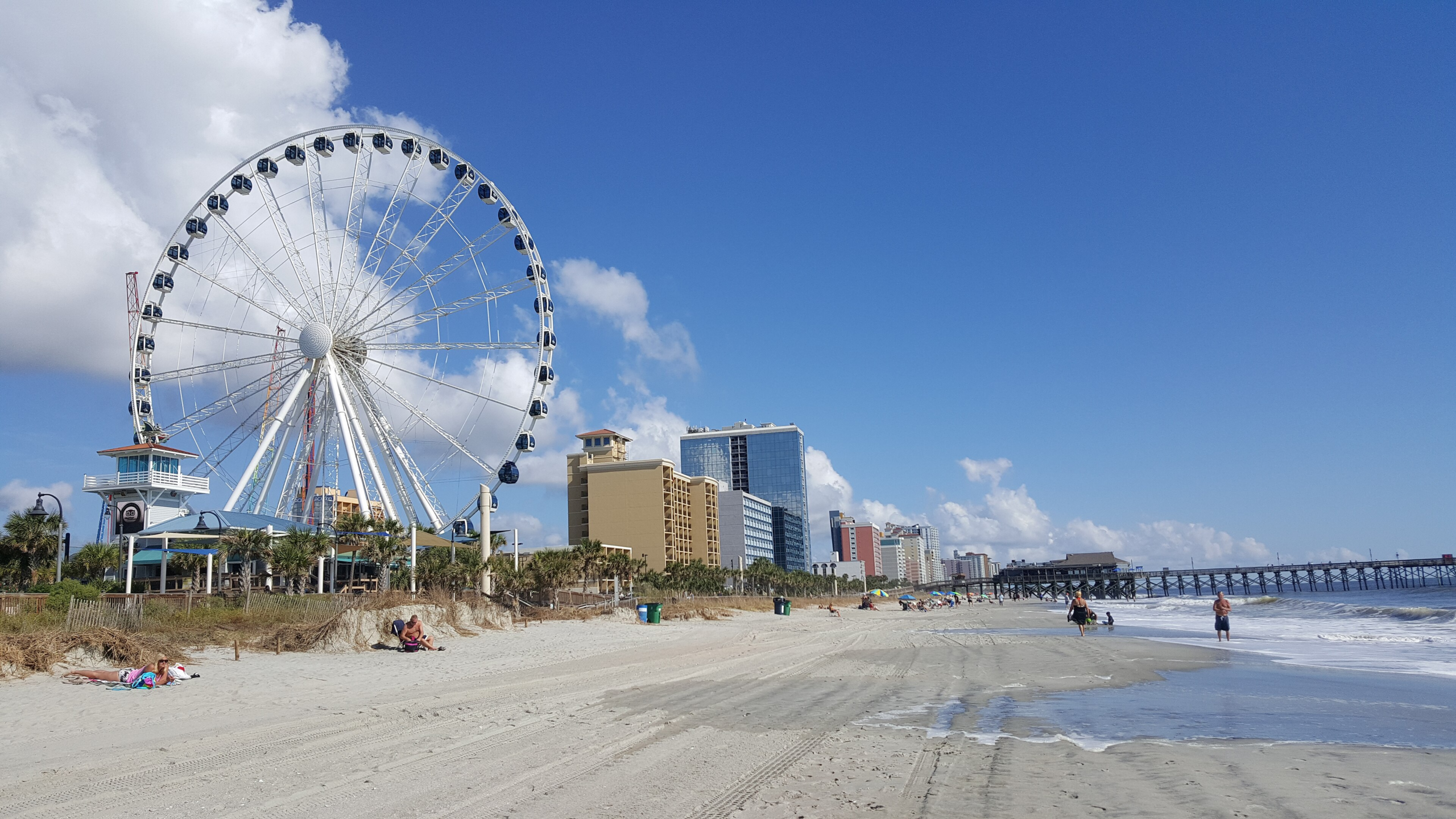
The inbound side of the ledger points to mid-sized cities with steadier economies and a more affordable daily life. Myrtle Beach, South Carolina, tops the national list, drawing the highest inbound ratio in the country. Idaho is the single most popular state of 2026, and the broader Mountain West, including Montana, Arizona, and New Mexico, is climbing fast. Florida still pulls the highest total volume of inbound interest. The throughline for the year is straightforward: affordability still matters, but it’s opportunity and livability that decide whether people stay put or start packing.
Like our content? Follow us for more.
