On a clear morning in late August 1930, the last 36 residents of one of the most remote inhabited places in Britain gathered their belongings, loaded their sheep onto a navy ship, and left their island home for good. People had lived on St Kilda for some two thousand years, surviving on seabirds and sheep in near-total isolation in the North Atlantic. Then, within a single generation, the community that had endured for millennia simply ran out of the people and means to keep going. Nearly a century later, no one lives there permanently, the stone cottages still line the old street, and the island has become a place of pilgrimage rather than a home. Here is the story of St Kilda: how its people lived, why they finally left, and what remains on the island today.
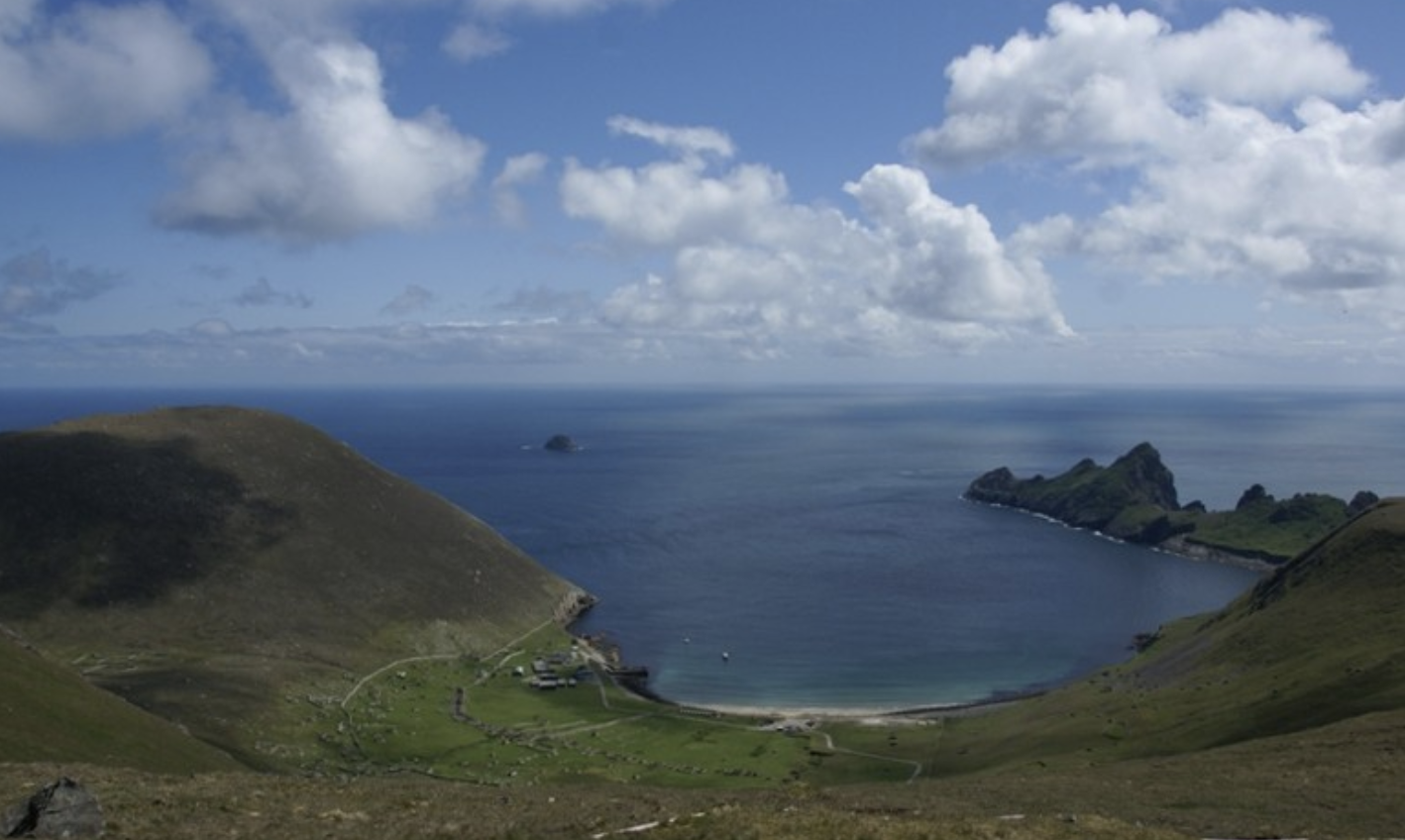
A note on geography: St Kilda is an archipelago, and its only ever-inhabited island is Hirta. It sits more than 40 miles west of the Outer Hebrides, on the very edge of the United Kingdom, which is central to everything that follows. Here is how it all unfolded.
Britain’s Remotest Home
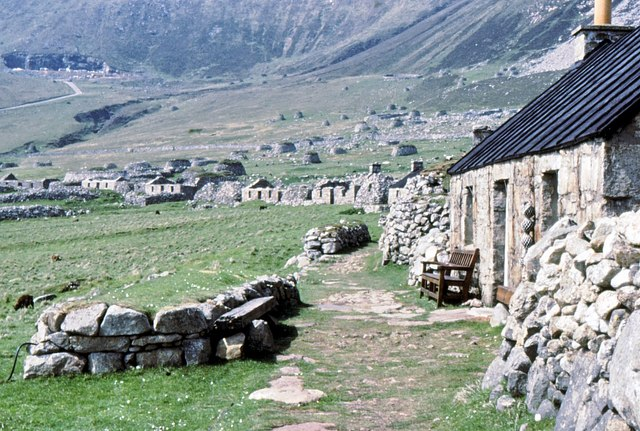
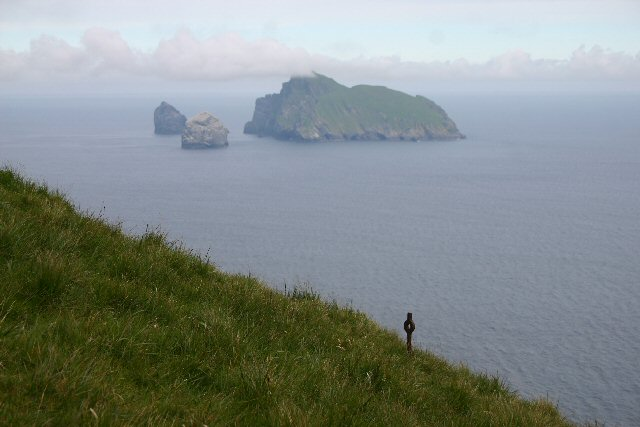
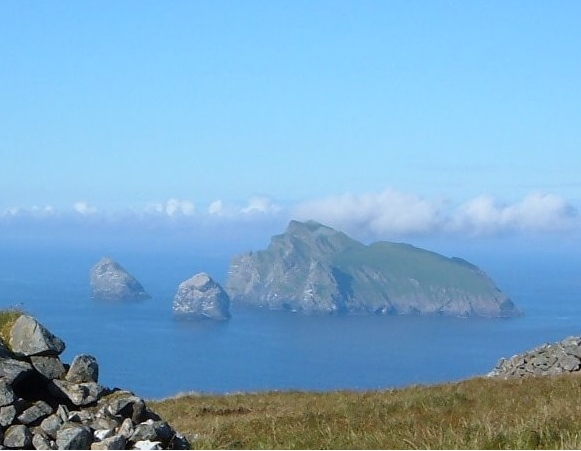
St Kilda lies far out in the Atlantic, more than 40 miles beyond the already remote Outer Hebrides, a cluster of islands ringed by some of the highest sea cliffs in the British Isles. People had lived on Hirta, the main island, for roughly two thousand years, a continuity that is remarkable given how hostile the setting can be. In the late 17th century the population was around 180, falling to about 112 by 1851. The islanders rented their homes from a distant landlord, the chief of the MacLeod clan, and lived strung along a single curving lane that everyone simply called the Street, with small plots of land and shared common ground on either side. For most of their history, contact with the mainland came only a handful of times a year, weather permitting, which made the community almost a world unto itself.
Like our content? Follow us for more.
A Life Built on Seabirds
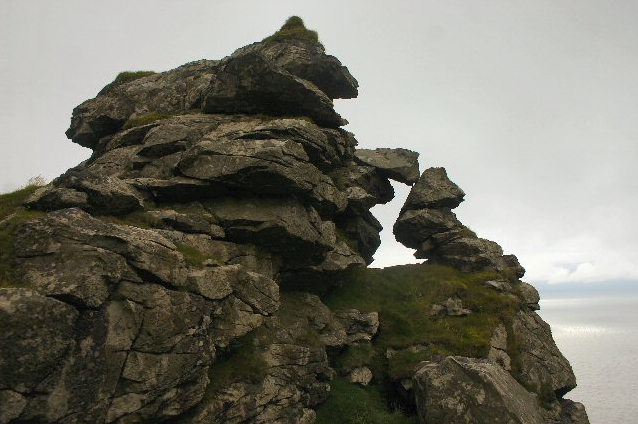
What sustained St Kilda was not farming in any ordinary sense, but birds. The islanders were renowned cragsmen, scaling the towering sea cliffs barefoot or with simple ropes to harvest fulmars, puffins, and gannets along with their eggs. Seabird meat and eggs formed the backbone of the diet, supplemented by mutton and milk from their hardy sheep and whatever barley, oats, and potatoes they could coax from the thin, stubborn soil. Historical accounts describe a daily consumption of seabirds and eggs that sounds staggering to modern ears, a measure of how completely the community depended on the cliffs. This was a self-sufficient society with its own customs, its own form of communal decision-making, and a stern Presbyterian faith, sustained by a way of life that had changed little across the centuries.
How a 2,000-Year-Old Community Unraveled
The end did not come from a single disaster but from a slow accumulation of pressures. The arrival of regular visitors in the Victorian era and the presence of the military during the First World War opened the islanders’ eyes to easier lives elsewhere, and many of the able-bodied young men left for work on the mainland and never returned. That drain was the heart of the problem: a community that small needed its young men to work the sheep, gather the birds, and support the widows and elderly, and there were no longer enough of them. Disease compounded the loss. Four men died in a flu outbreak in 1926, and the island’s chronic lack of medical care turned manageable illnesses into fatal ones. The decisive blow came in early 1930, when a young woman named Mary Gillies fell seriously ill, had to be taken to the mainland for treatment, and died. For the remaining islanders, her death underlined a brutal truth: on St Kilda, there was no help when it was needed most.
The Cleits and the “Parliament”
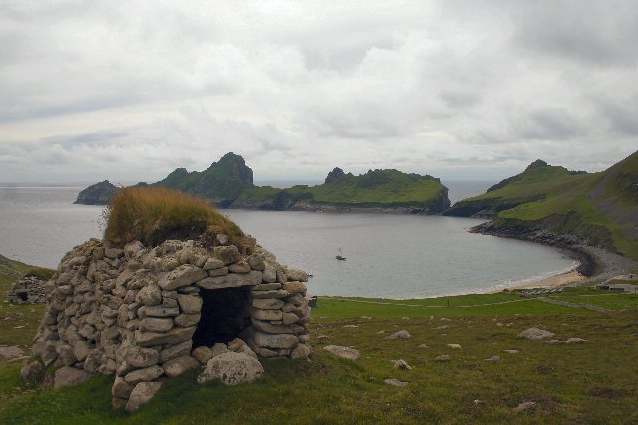
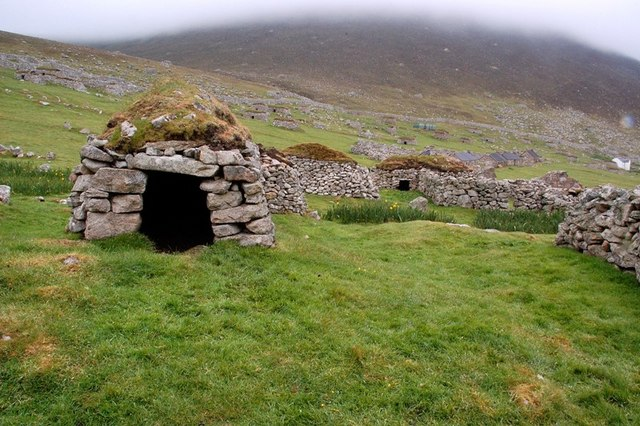
Two features of St Kilda life capture how singular the community was. Scattered across the hills of Hirta are well over a thousand cleits, small drystone storage huts with turf roofs, built so that wind passed through the gaps in the stone to dry and preserve the seabirds, eggs, peat, and other supplies stored inside. They remain dotted across the island today, a kind of architecture found almost nowhere else on Earth. The other was the so-called St Kilda Parliament, an informal gathering the island’s men held most mornings outside the cottages to discuss and agree on the day’s work, from which cliffs to climb to which repairs to make. There were no formal leaders and no written laws; decisions were reached by discussion and consensus. Together, the cleits and the Parliament show a society that had evolved its own finely tuned systems for surviving a place that offered very little margin for error.
The Petition and the Final Day
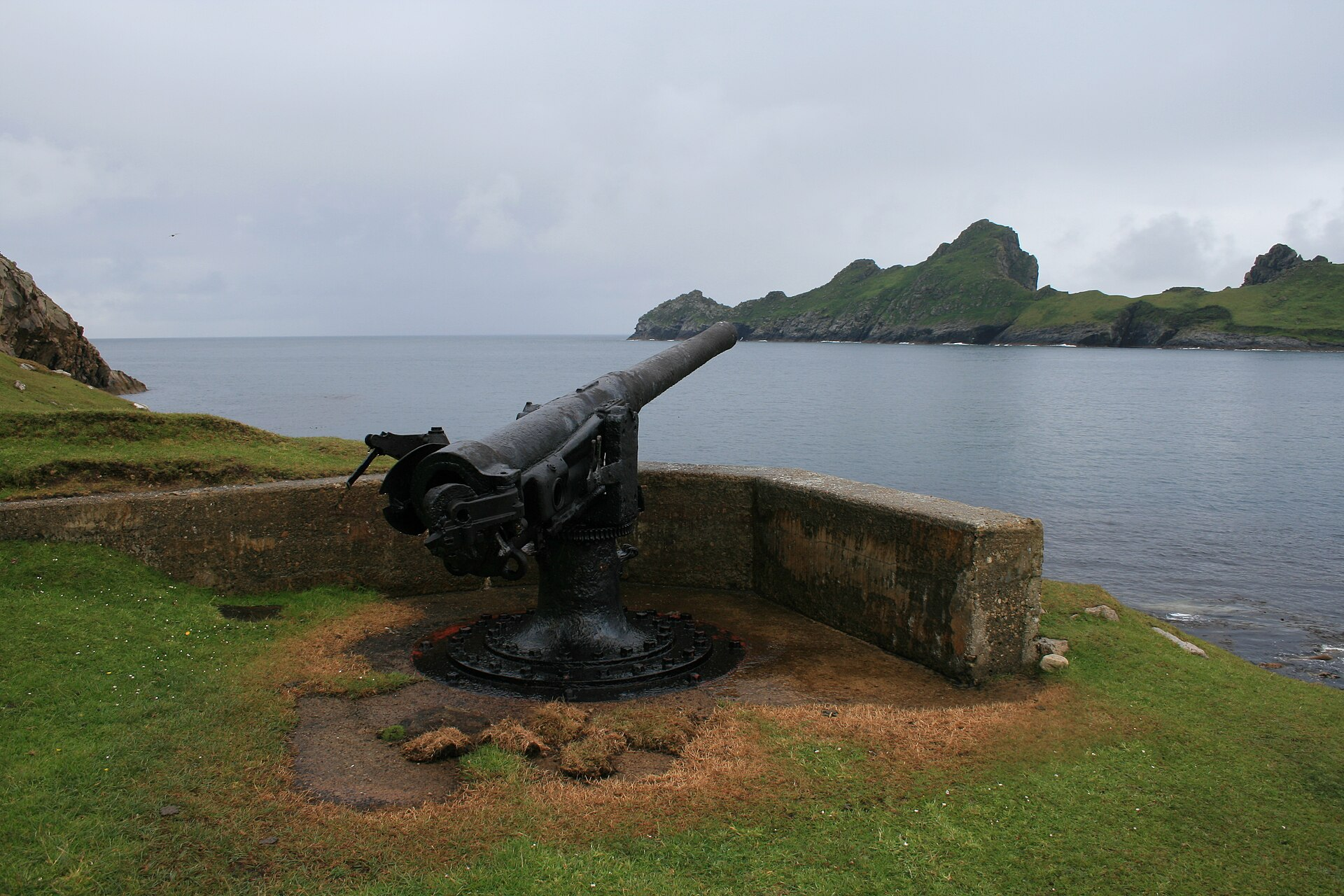
By the spring of 1930, only 36 people remained: thirteen men, ten women, eight girls, and five boys, spread across ten households. After another hard winter, twenty of them signed a petition to the British government on the 10th of May, asking to be resettled on the mainland and finding homes and work for everyone. The plea was blunt: with the manpower gone, it would be impossible to face another winter. Crucially, this was the islanders’ own decision, not something forced on them from outside. The government agreed, and on the 29th of August 1930, the entire population was evacuated aboard the naval vessel HMS Harebell, taking their roughly 1,500 sheep with them. They were resettled mostly around Morvern on the west coast, and many of the men, who had spent their lives on bare, treeless rock, were given work in forestry, surrounded by trees for the first time.
What They Left Behind
The departure was, by most accounts, calm but heavy. One former resident, looking back at the island from the ship, reportedly described the home they were leaving as resembling an open grave. They left the stone cottages along the Street, the church and the schoolhouse, the cleits, those distinctive drystone storage huts dotting the hillsides, and the only world any of them had ever truly known. For years afterward, some former islanders returned to Hirta in the summers, partly to tend to memories and partly to act as guides for the growing trickle of visitors, oddly catching colds on the mainland that they had never been exposed to at home. The last person who had been evacuated from St Kilda as a child lived into the 21st century, a living link to a community that had otherwise passed into history.
The Island Today
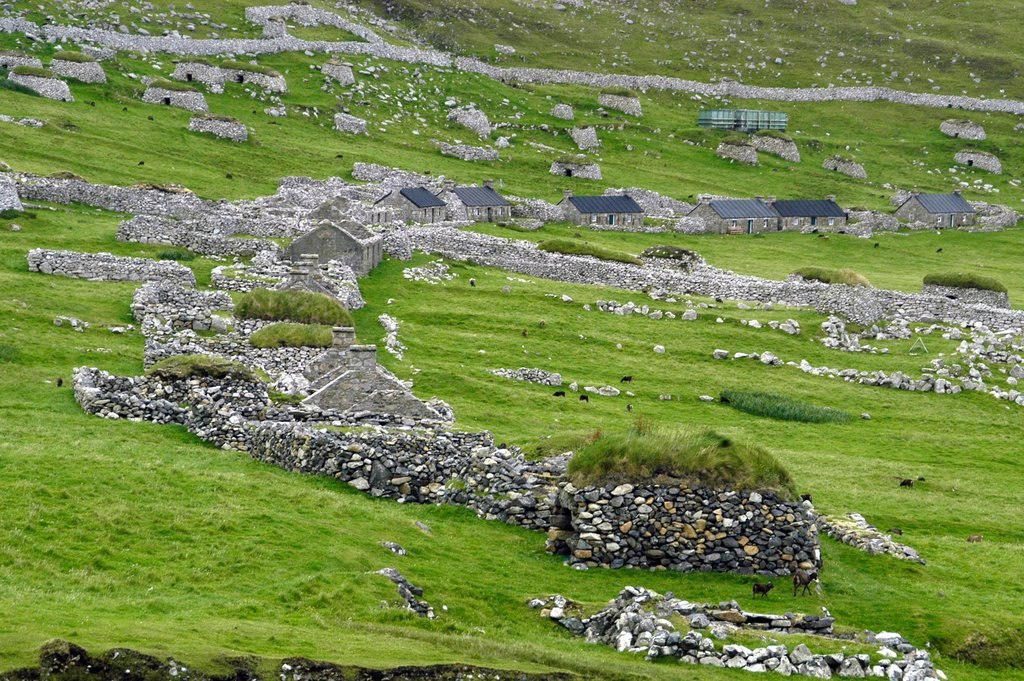
St Kilda is no longer inhabited in the ordinary sense, but it is far from forgotten. The entire archipelago is owned and cared for by the National Trust for Scotland, and the only people there now are seasonal: a small Ministry of Defence presence, conservation staff, and rotating groups of researchers and volunteers who come to study the wildlife and maintain the historic buildings. The island’s significance has only grown since the evacuation. In 1986 St Kilda became a UNESCO World Heritage Site, and it is one of the very few places on Earth recognized for both its natural and its cultural importance, a dual status that reflects its extraordinary seabird colonies and the unique human story written into its stones. The cottages on the Street still stand, weathered but intact, preserved as a window into the vanished community.
Visiting St Kilda Now
Reaching St Kilda remains difficult, which is part of its pull. There are no scheduled ferries; visitors arrive on seasonal boat trips and small expedition cruises from the Outer Hebrides and beyond, and the crossing is long, exposed, and entirely at the mercy of Atlantic weather, so trips are frequently delayed or canceled. Those who make it can walk the preserved Main Street, step inside the restored cottages and the small museum, and climb toward the cliffs that the islanders once worked, now home to vast colonies of gannets, puffins, and fulmars. The experience is less a typical sightseeing stop than a quiet encounter with a place where an entire way of life ended. Visitors are asked to treat the island with care, to disturb nothing, and to respect both the fragile wildlife and the memory of the people who called it home.
Why St Kilda Still Resonates
The story of St Kilda endures because it captures something larger than one small island. It is a portrait of a community that survived for two thousand years through sheer resilience, only to be undone not by a storm or a war but by the gravitational pull of the modern world, which drew away its young, exposed it to new dangers, and finally made its ancient way of life impossible to sustain. There is no villain in the story and no single catastrophe, just the quiet arithmetic of a place that ran out of people. That is what makes standing on the empty Street so affecting, and why a remote dot in the Atlantic, abandoned almost a century ago, still draws travelers willing to brave the long crossing to see where Britain’s edge was once, against all odds, a home.
Like our content? Follow us for more.