The 1970s were a decade of fearless fashion experimentation, where self-expression and individuality reigned and the rules of dressing were stretched to their limits. It was a time of contrasts: the flowing, earthy looks of the lingering hippie movement gave way to the glittering glamour of disco by the decade’s end. Bell-bottoms flared, platforms towered, polyester shimmered under dance-floor lights, and both men and women embraced bold colors and dramatic silhouettes. Some of these trends look outrageous in hindsight; others have cycled right back into style. From the dance floors of Studio 54 to everyday suburban closets, here are the fashion trends that defined the unforgettable 1970s, the styles that captured a decade of confidence, color, and groove.
Bell-Bottoms
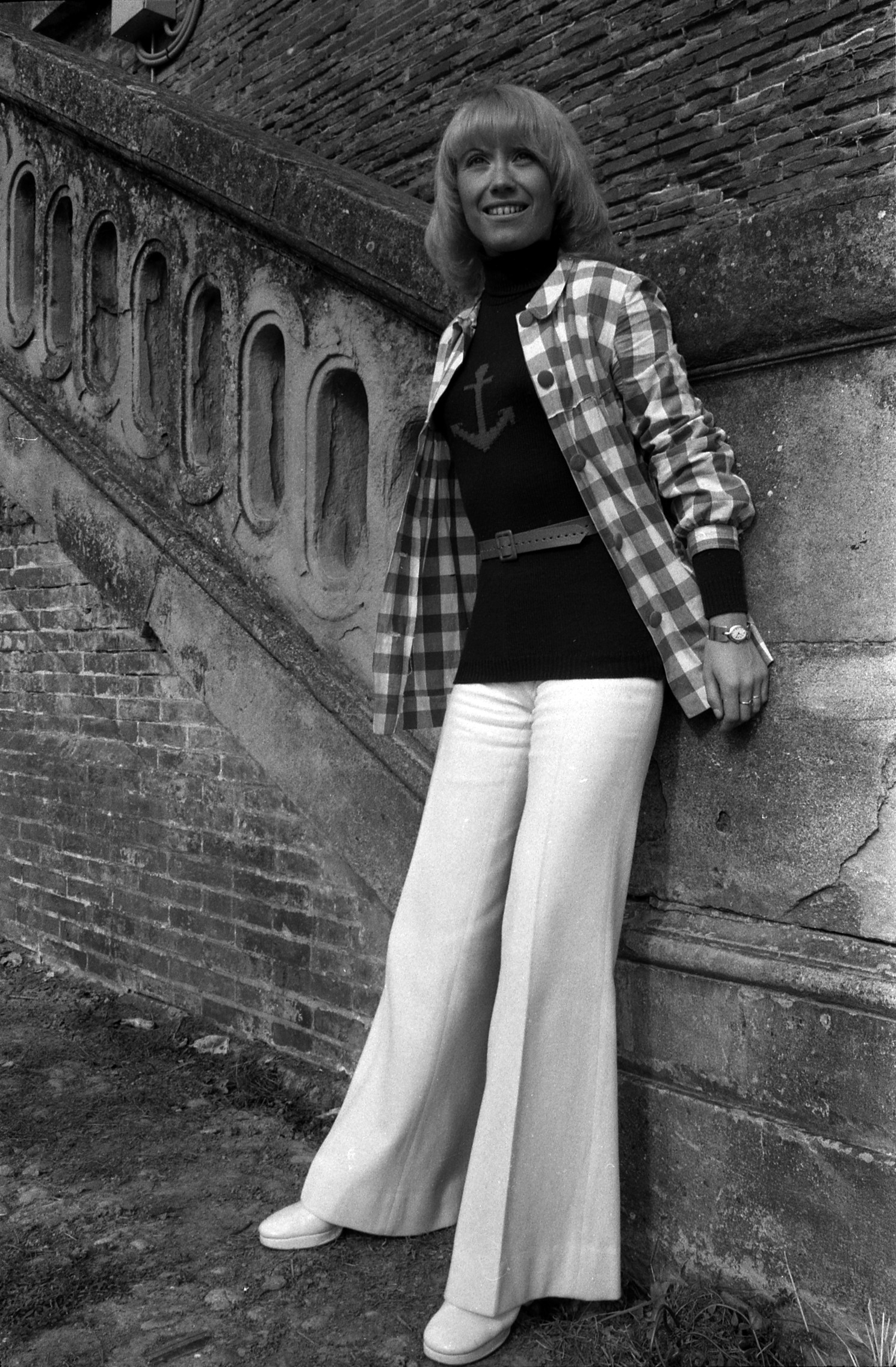
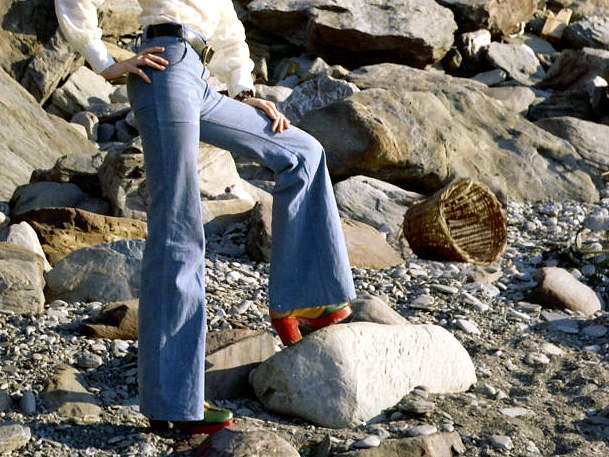
No garment is more synonymous with the seventies than bell-bottoms. These trousers fit snugly through the hip and thigh before flaring dramatically from the knee down into a wide, bell-shaped opening. Worn by men and women alike, they came in denim, corduroy, and bright polyester, and the flare grew steadily wider as the decade progressed, reaching its peak around the mid-1970s before slimming down again toward the end. Teens loved pairing them with platform shoes, the flares swaying with every step and dance move. Bell-bottoms perfectly captured the era’s spirit of freedom and flamboyance, and they remain the single most recognizable symbol of seventies fashion, instantly evoking the decade whenever they reappear on runways.
Like our content? Follow us for more.
Platform Shoes
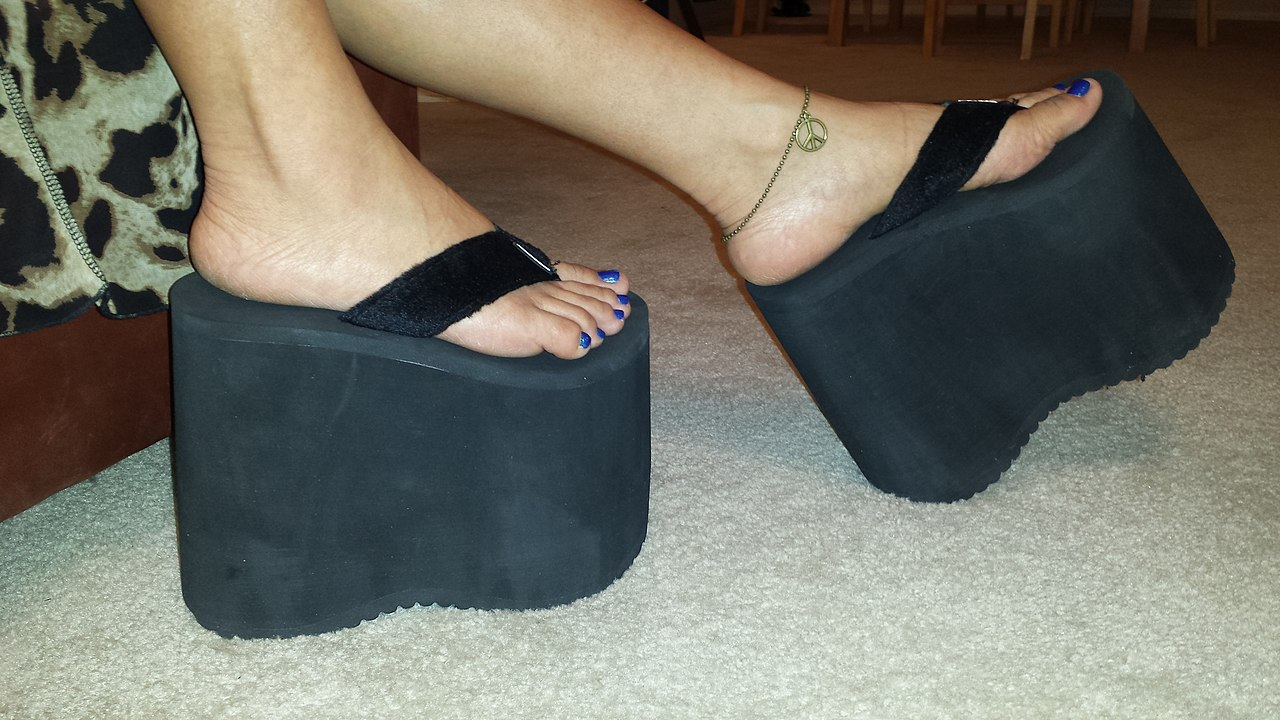
To complete the seventies silhouette, you needed height, and platform shoes delivered. These towering shoes featured thick soles, sometimes several inches tall, and were worn by both men and women across the decade. They came in every form, from chunky sandals and clogs to dramatic disco boots, often in bold colors or metallic finishes. Paired with flared bell-bottoms or mini skirts, platforms added drama and lengthened the leg, perfectly suiting the era’s larger-than-life style. They weren’t always the most practical footwear, navigating stairs could be an adventure, but practicality was hardly the point. Platforms embodied the bold, adventurous spirit of seventies fashion, and they were essential gear for a night out dancing under the disco lights.
The Polyester Leisure Suit
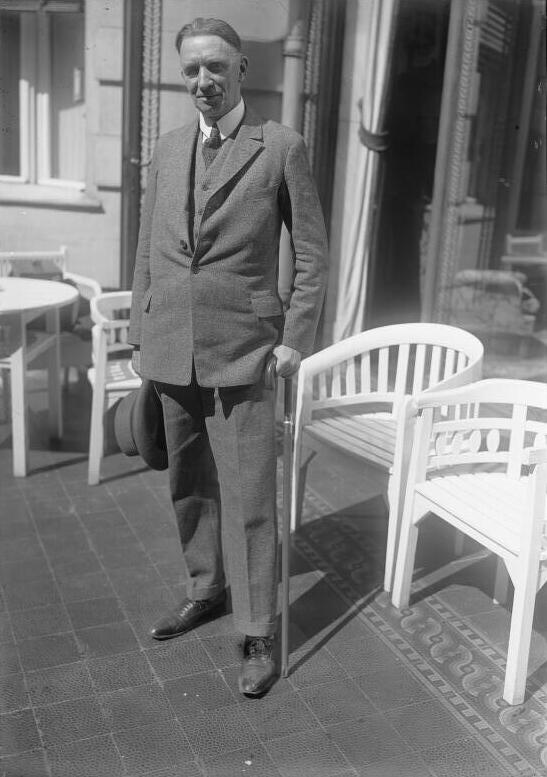
For the stylish seventies man, the polyester leisure suit was the uniform. This casual two-piece suit, typically made of polyester and often worn open-collared without a tie, was a major departure from the formal tailoring of earlier decades. Bright colors, wide lapels, and flared trousers emphasized a relaxed, confident attitude. The leisure suit could be dressed up for a night out or worn casually, and it became a defining symbol of male seventies style. The white three-piece suit famously associated with disco cemented the look as a cultural icon. While the leisure suit later became a punchline for dated fashion, it genuinely captured the decade’s move toward comfort, color, and informality in menswear, and it remains shorthand for seventies cool.
Disco Glamour
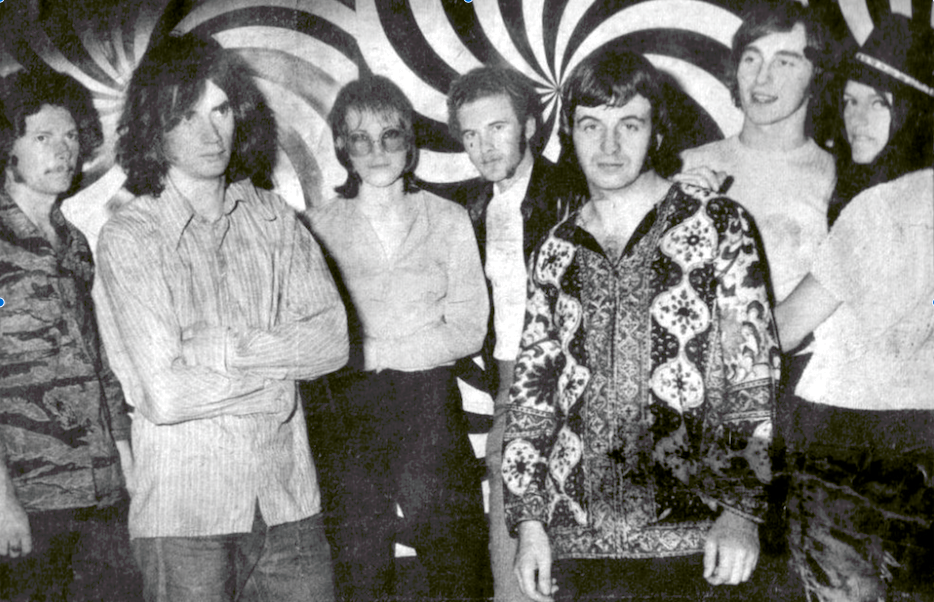
As disco fever swept the decade, nightlife fashion turned dazzling. The discotheque demanded outfits that sparkled under strobe lights, and people delivered with sequins, metallic fabrics, and shimmering polyester. For women, form-fitting dresses, sequined halter tops, and glittering jumpsuits ruled the dance floor, while men paired open silky shirts with flared trousers and platform shoes. The look was flashy, confident, and made for movement, designed to catch the light during every spin and dip. Clubs like Studio 54 became temples of this glamorous style, where fashion was as much a part of the night as the music. Disco fashion was hot, sometimes literally uncomfortable in all that polyester, but it remains an unforgettable, glittering hallmark of the late seventies.
Jumpsuits
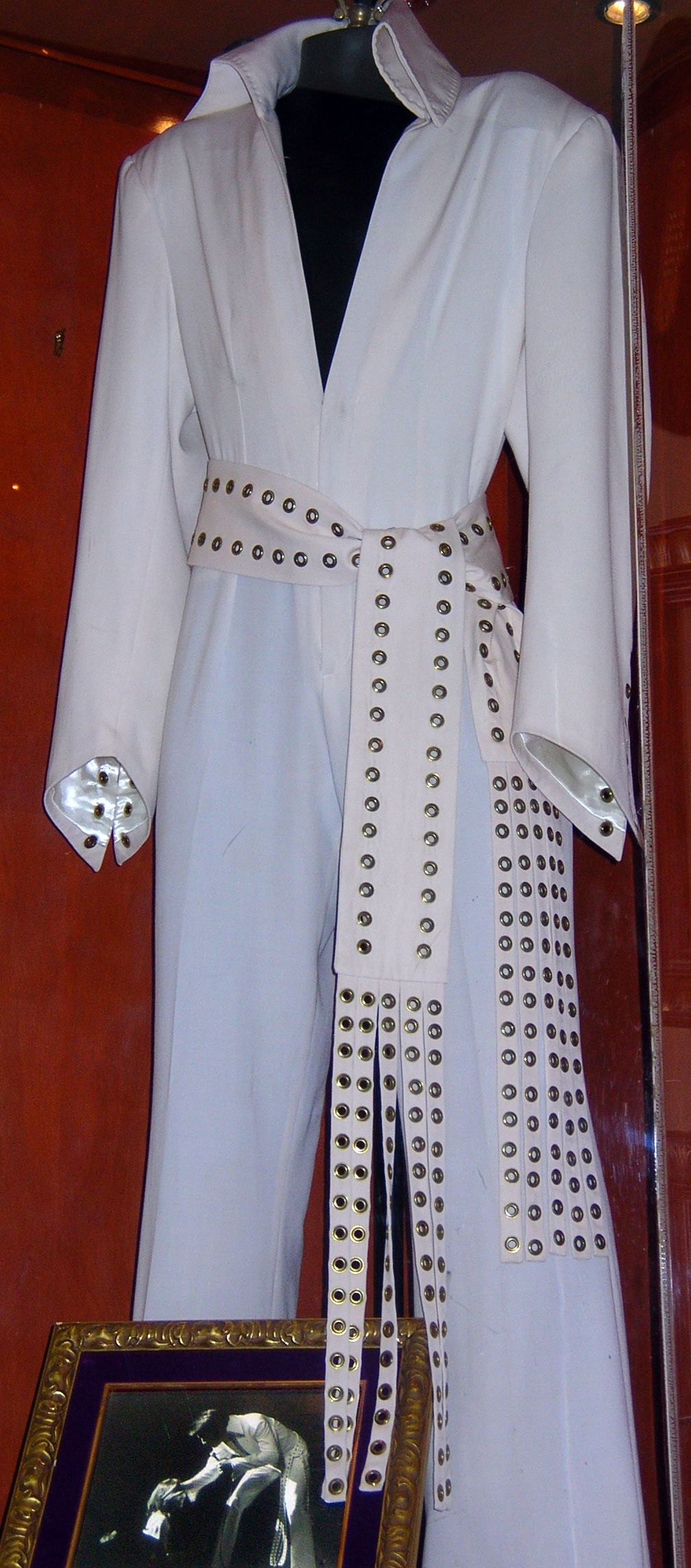
The jumpsuit was a true seventies staple, embraced by both men and women as a one-and-done statement piece. It embodied the era’s love of sleek, continuous lines and effortless style. For a night out, jumpsuits came in brightly colored, silky fabrics with bold prints and dramatic embellishments, perfect for the disco. For daytime, more casual versions appeared in denim, cotton, or stretchy knits, dressed down for everyday wear. Easy to throw on yet undeniably fashionable, the jumpsuit captured the decade’s blend of glamour and comfort in a single garment. It was a versatile, unisex trend that suited the era’s experimental mood, and like so many seventies styles, the jumpsuit has cycled back into fashion repeatedly in the decades since.
Tie-Dye and the Hippie Holdover
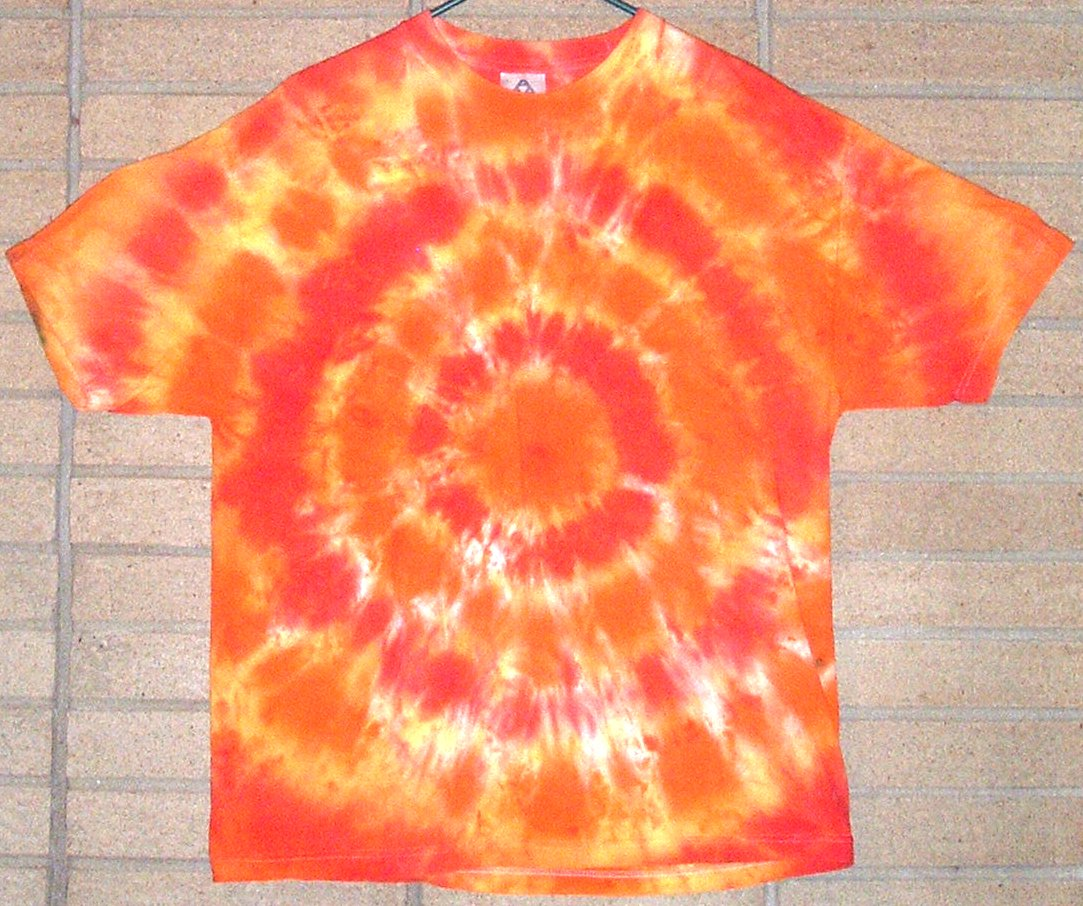
The seventies began with the hippie movement still in full bloom, and its influence colored the early years of the decade. Tie-dye shirts, with their swirling, psychedelic patterns, were a quintessential expression of the era’s love of color and individuality, often made at home for a truly personal touch. Alongside them came flowing maxi dresses, peasant tops, fringed vests, crochet, and earthy, natural fabrics, all evoking a free-spirited, bohemian vibe. Floral prints, headbands, and peace-sign accessories completed the look. This relaxed, handmade aesthetic stood in sharp contrast to the polished glamour of disco that would dominate later, and it reflected the decade’s roots in the counterculture of the late sixties. Tie-dye in particular remains a timeless, recurring fashion statement.
Wide Collars and Bold Prints
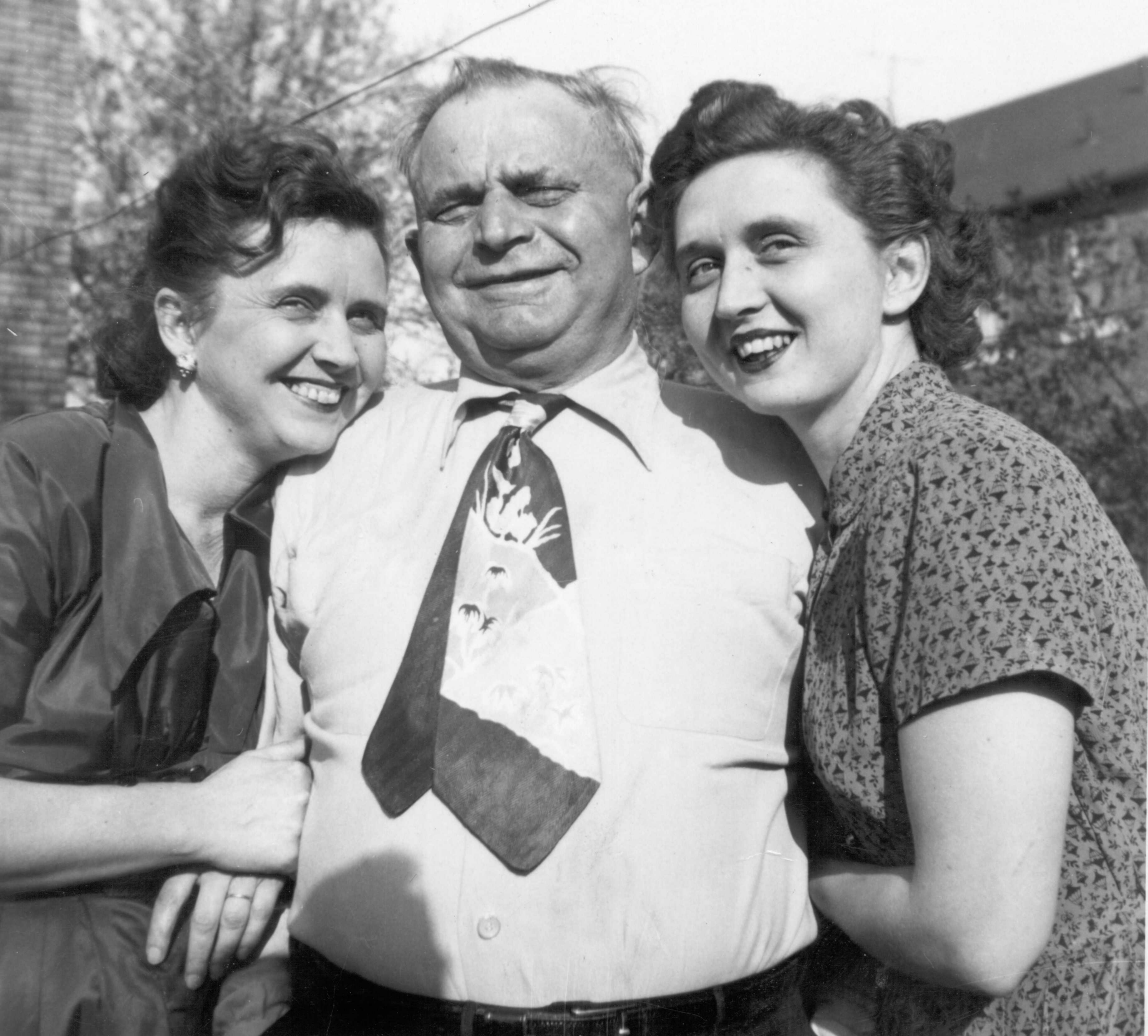
The seventies never met a collar it didn’t want to widen. Shirt collars grew enormous during the decade, spreading out in dramatic points often worn over the lapels of a jacket. These wide collars appeared on patterned shirts in bold prints, geometric designs, paisleys, and vivid florals that captured the era’s exuberant taste. Men frequently wore such shirts unbuttoned at the chest, sometimes layered with chunky necklaces or medallions, especially in disco settings. The synthetic fabrics of the day, with their slight sheen, gave these shirts a distinctly seventies look. Wide collars and loud patterns epitomized the decade’s confident, attention-grabbing approach to dressing, and few details date a photograph to the seventies faster than an oversized, pointed collar framing a boldly patterned shirt.
Feathered Hair and the Afro
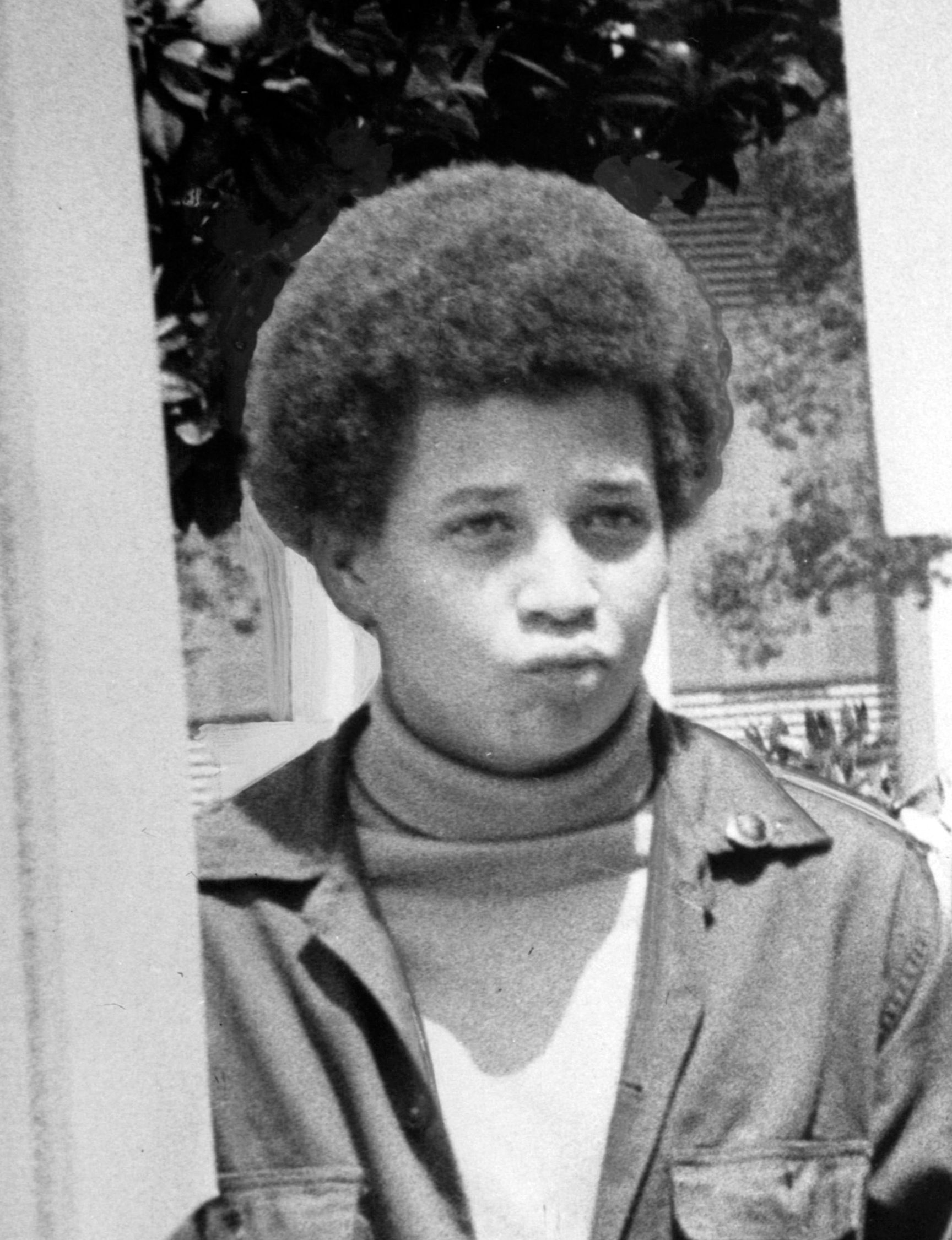
In the seventies, hair was as much a fashion statement as clothing. The feathered look, layers brushed back and away from the face to resemble feathers, became one of the decade’s most iconic and widely imitated hairstyles, worn by men and women alike. At the same time, the Afro stood as both a striking style and a powerful cultural symbol of pride and identity within the Black community. Long, natural styles, sideburns, and mustaches were also popular among men, reflecting the era’s relaxed, expressive attitude. Hair in the seventies was big, bold, and full of personality, complementing the equally expressive clothing of the time. These signature styles are so tied to the decade that they instantly evoke the seventies whenever they appear.
Designer Glamour: Halston and Beyond
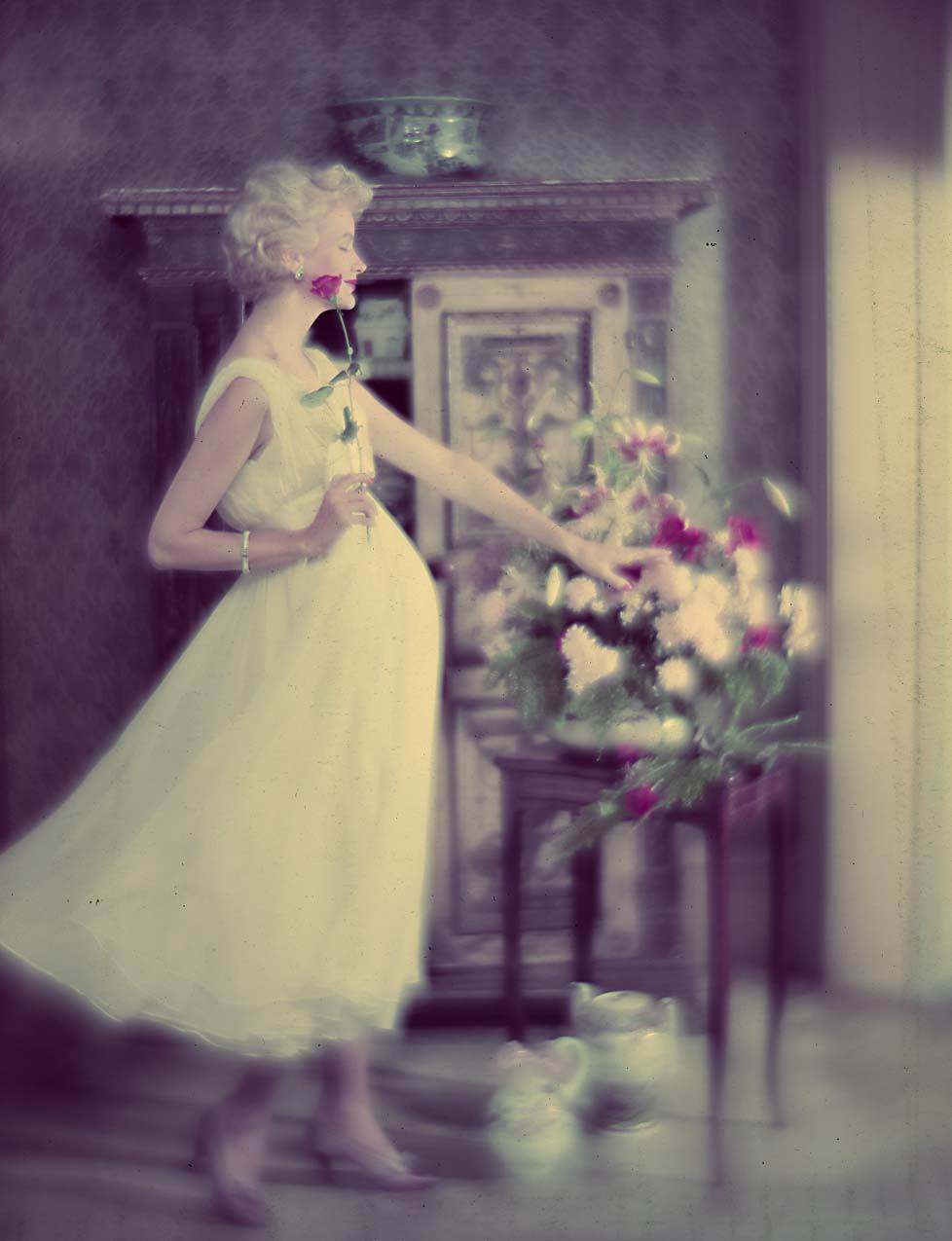
While the streets embraced bell-bottoms and tie-dye, the high-fashion world had its own seventies icons. In the United States, designer Halston reigned with minimalist yet glamorous eveningwear, dressing the disco elite in fluid, elegant designs that defined sophisticated nightlife style. In Europe, Yves Saint Laurent pushed boundaries with groundbreaking pieces, popularizing the safari jacket and introducing tailored tuxedo looks for women. These designers shaped the more refined, aspirational side of seventies fashion, influencing what trickled down to everyday wardrobes. Their work proved the decade wasn’t only about flashy excess; it also produced genuinely influential, enduring design. The elegant, body-conscious glamour of seventies high fashion remains a touchstone, regularly referenced by designers paying homage to the era’s sophisticated side.
A Decade That Dared to Be Different
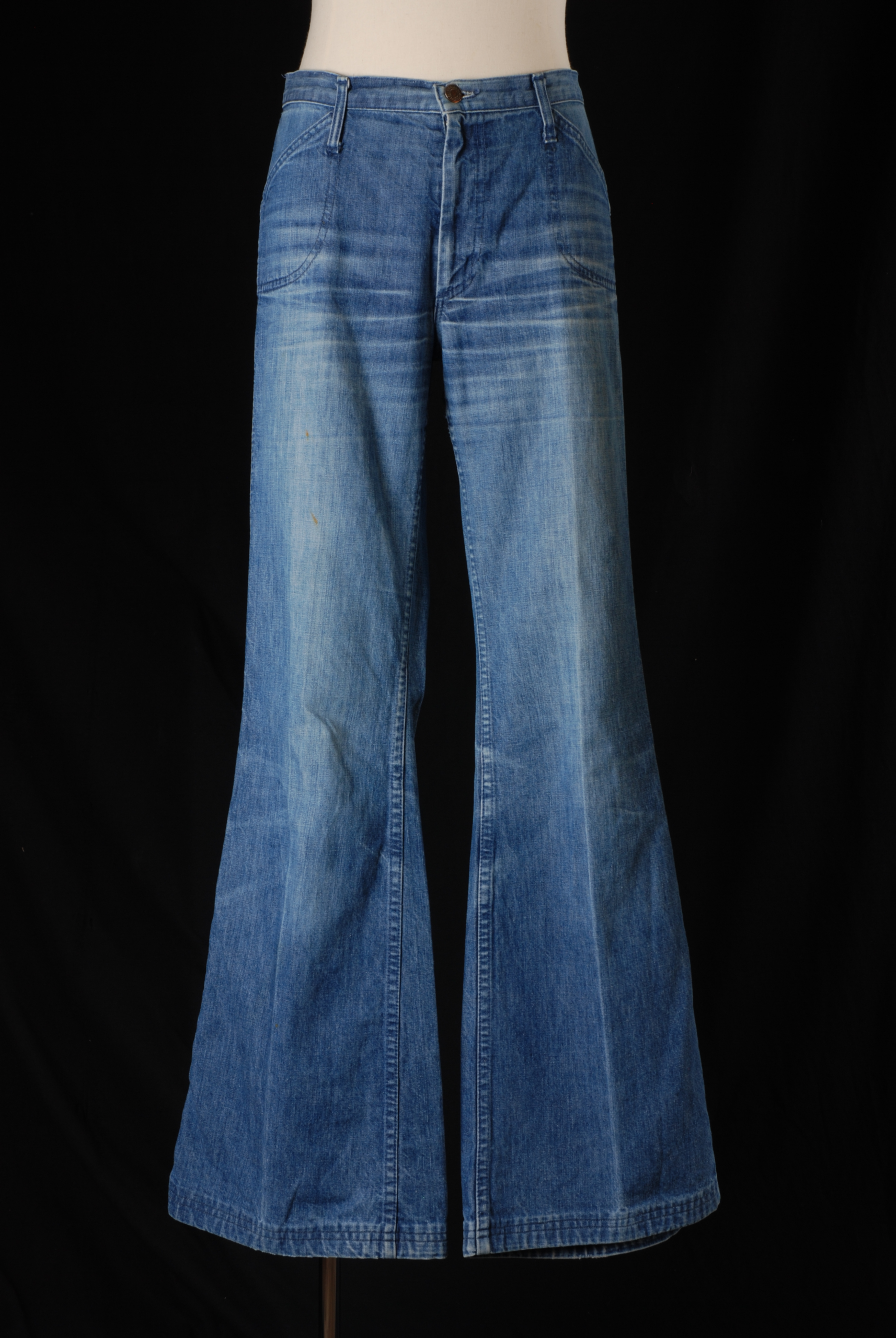
The fashion of the 1970s was bold, expressive, and utterly unforgettable, a decade that prized individuality and wasn’t afraid of color, drama, or a little excess. From the universal flare of bell-bottoms to the towering platforms, the polyester leisure suit, and the sequined glamour of disco, these trends captured a moment of remarkable confidence and creativity. The decade spanned a fascinating arc, from earthy hippie holdovers to dazzling dance-floor glitz, and left a lasting mark on style. Some of it we look back on with a laugh, but much of it, tie-dye, jumpsuits, wide-leg trousers, has returned again and again. Love it or not, seventies fashion dared to be different, and that fearless spirit is exactly why it remains so iconic today.
Like our content? Follow us for more.