Plenty of America’s natural wonders, like canyons and coastlines, are there whenever you visit. But some of the country’s most spectacular sights appear only at specific, fleeting moments, and if you miss the window, you wait another year. These are the phenomena you have to plan around: glowing tides, synchronized insects, a waterfall that looks like molten lava, and migrations involving millions of animals. Catching them takes research, reservations, and a bit of luck, but the payoff is witnessing something most people only see in photos. Some require lottery permits; others depend on the weather lining up perfectly. Here are remarkable US natural phenomena worth timing your travels around, along with when and where to catch each one.
The Yosemite Firefall
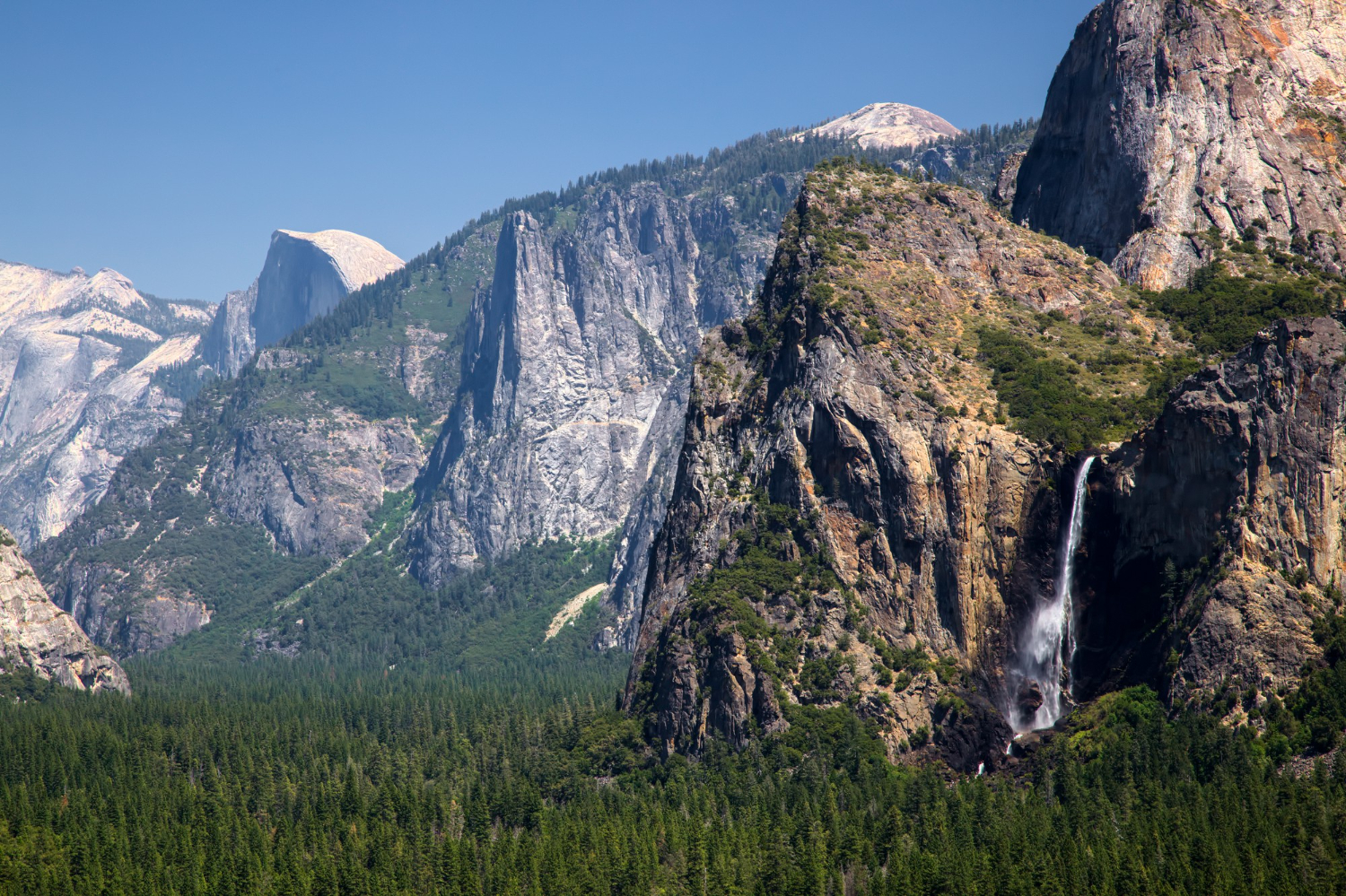
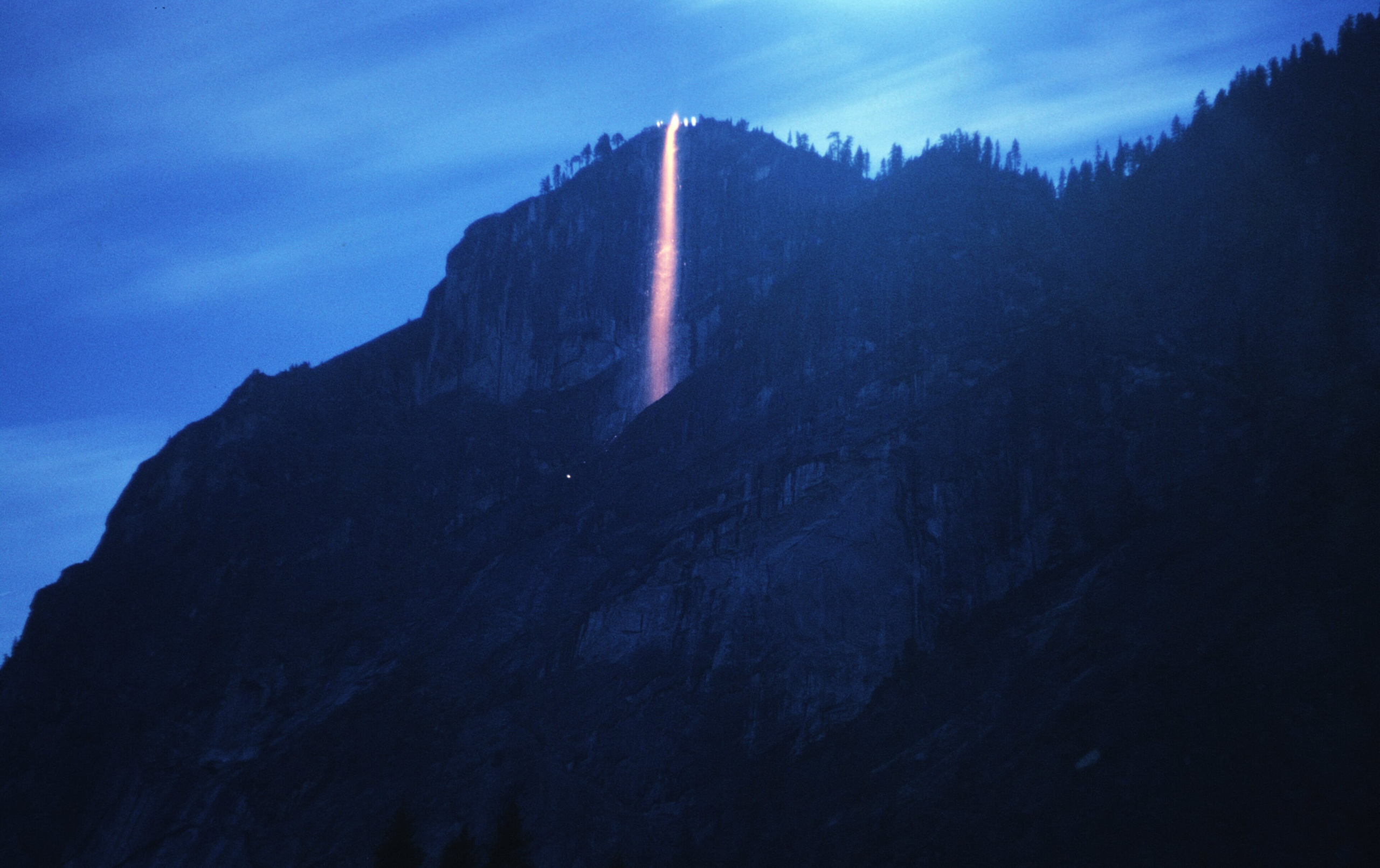
Each February, Yosemite National Park hosts one of nature’s most surreal illusions. For roughly two weeks late in the month, the setting sun strikes Horsetail Fall on the eastern face of El Capitan at just the right angle, making the cascading water glow a brilliant orange and red, as if molten lava were pouring down the cliff. The effect, known as the “firefall,” lasts only a few minutes at dusk and only when conditions cooperate: there must be enough water flowing and a clear western sky to let the sunlight through. It’s so popular that the park requires vehicle reservations on the peak February weekends, with the best view from the El Capitan picnic area. Miss the narrow window, and you’ll be waiting until next year.
Synchronous Fireflies in the Smokies
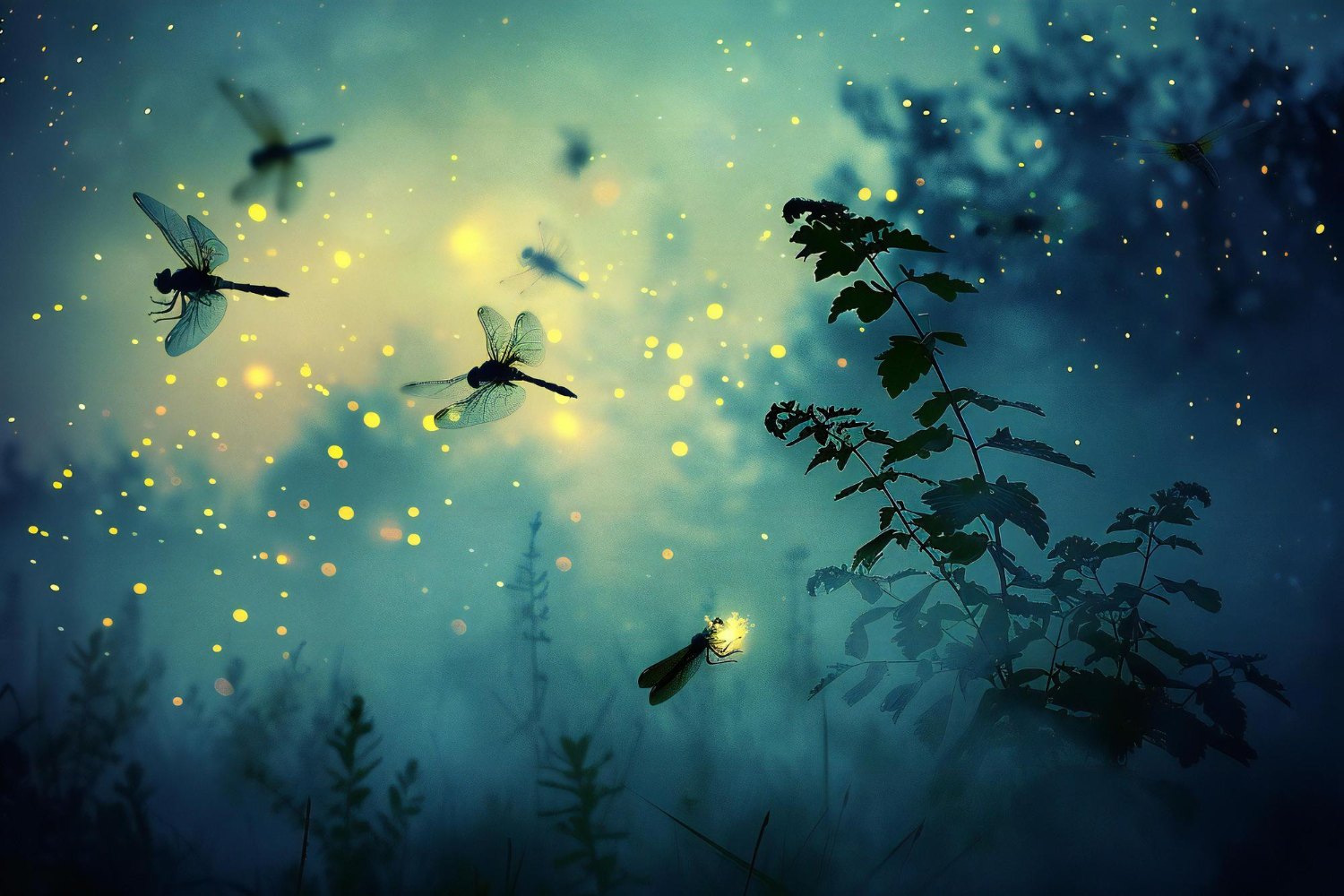
For about two weeks between late May and mid-June, a small stretch of Great Smoky Mountains National Park becomes one of the most magical places in America. There, a single species of firefly, Photinus carolinus, synchronizes its flashing, producing waves of light that ripple through the dark forest in near-perfect unison. The males flash in coordinated bursts as part of an elaborate mating display, creating a hypnotic, otherworldly light show. Demand is so high that the park runs a lottery for the limited parking passes needed to view the event near the Elkmont area. Timing is everything, the synchronization peaks for only a couple of weeks, and the exact dates shift slightly each year with the weather, so planning well ahead is essential.
Synchronized Fireflies at Congaree
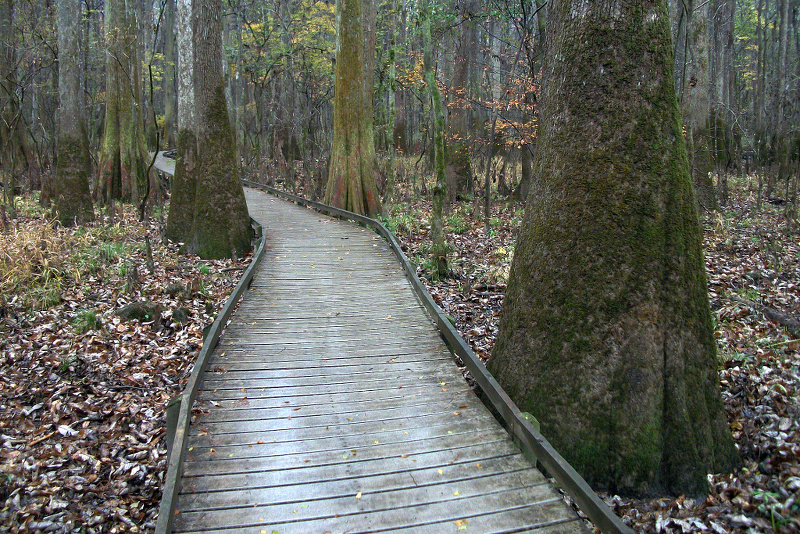
The Smokies aren’t the only place to witness this rare spectacle. Congaree National Park in South Carolina hosts a different synchronous species, Photuris frontalis, sometimes nicknamed the “Snappy Syncs” for their crisp, coordinated flashes. For roughly two weeks from mid-May to mid-June, the park’s old-growth hardwood forest lights up after dark as thousands of these fireflies pulse in unison in search of mates. As at the Smokies, access is tightly controlled to protect the fireflies, with a lottery system and area closures during the peak. The event has even drawn scientists studying exactly how the insects coordinate their flashes. For anyone in the Southeast, Congaree offers a closer alternative to the famous Smokies display, but the same rule applies: you must time it precisely.
Bioluminescent Waves
On certain nights along stretches of the US coast, the ocean itself appears to glow electric blue. The phenomenon is caused by bioluminescent plankton that emit light when disturbed, so that breaking waves, a kayak paddle, or even footprints in the wet sand can trigger an eerie neon-blue shimmer. Southern California beaches are among the more famous spots for it, especially during plankton blooms sometimes linked to “red tide” by day. The catch is that bioluminescence is notoriously unpredictable; it can light up the surf for several nights and then vanish, with no guaranteed schedule. Chasing it means watching local reports and being ready to head to the coast after dark on short notice. When it appears, though, watching glowing waves crash in the dark is unforgettable.
The Monarch Butterfly Migration
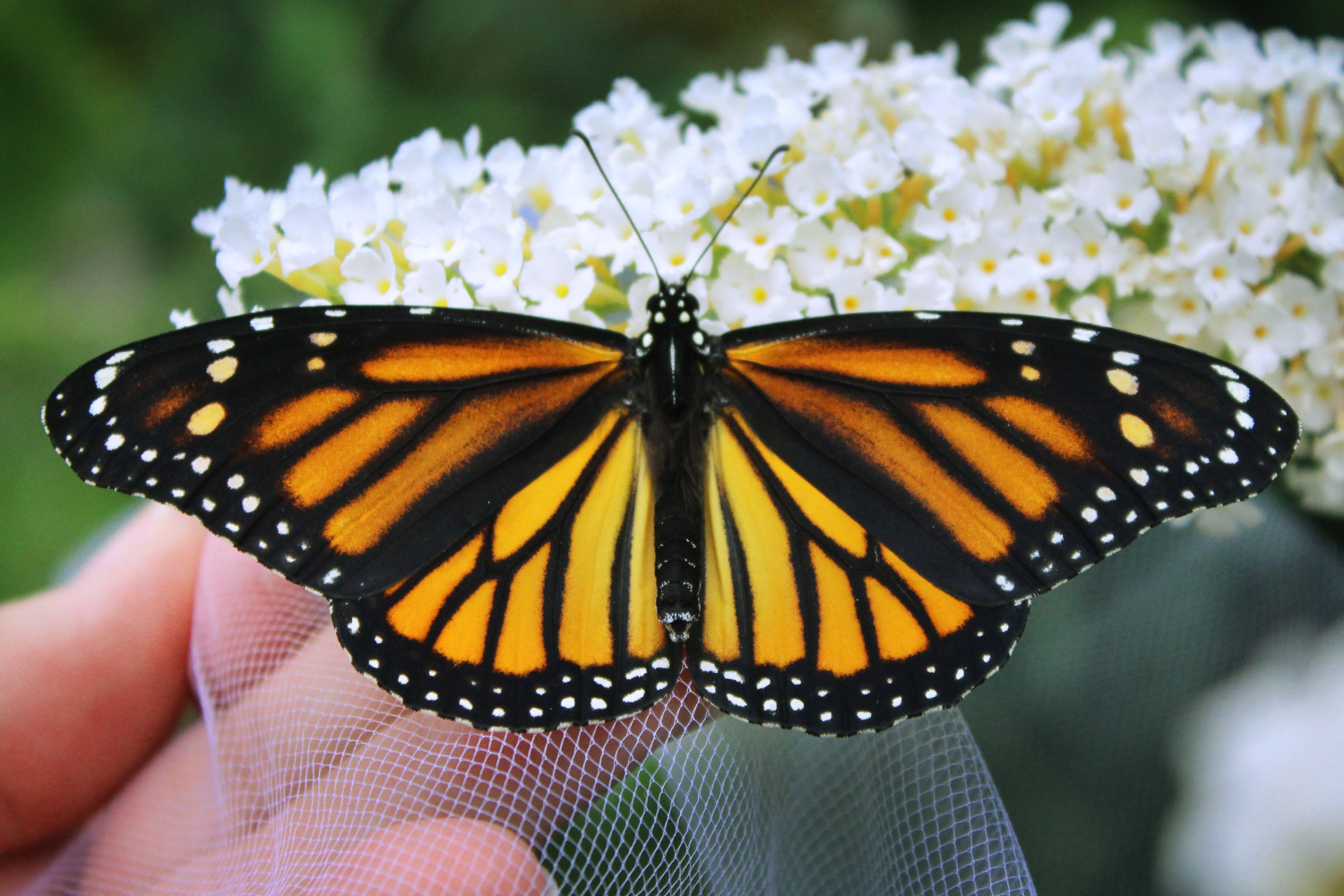
Each autumn, millions of monarch butterflies undertake an epic migration, and parts of the US offer a front-row seat. Along the California coast, groves in spots like Pismo Beach and Pacific Grove host clusters of overwintering western monarchs, typically from around November through February, when thousands of butterflies blanket the trees. On warm, calm days, they take flight in a fluttering orange cloud. Farther afield, the eastern population winters in central Mexico, where the spectacle peaks between January and March. The timing is tied to temperature and the butterflies’ life cycle, so visiting outside the overwintering months means missing them entirely. Conservation concerns have made the migration more precious than ever, and witnessing a tree dripping with monarchs is a genuine bucket-list moment for nature lovers.
The Sandhill Crane Migration
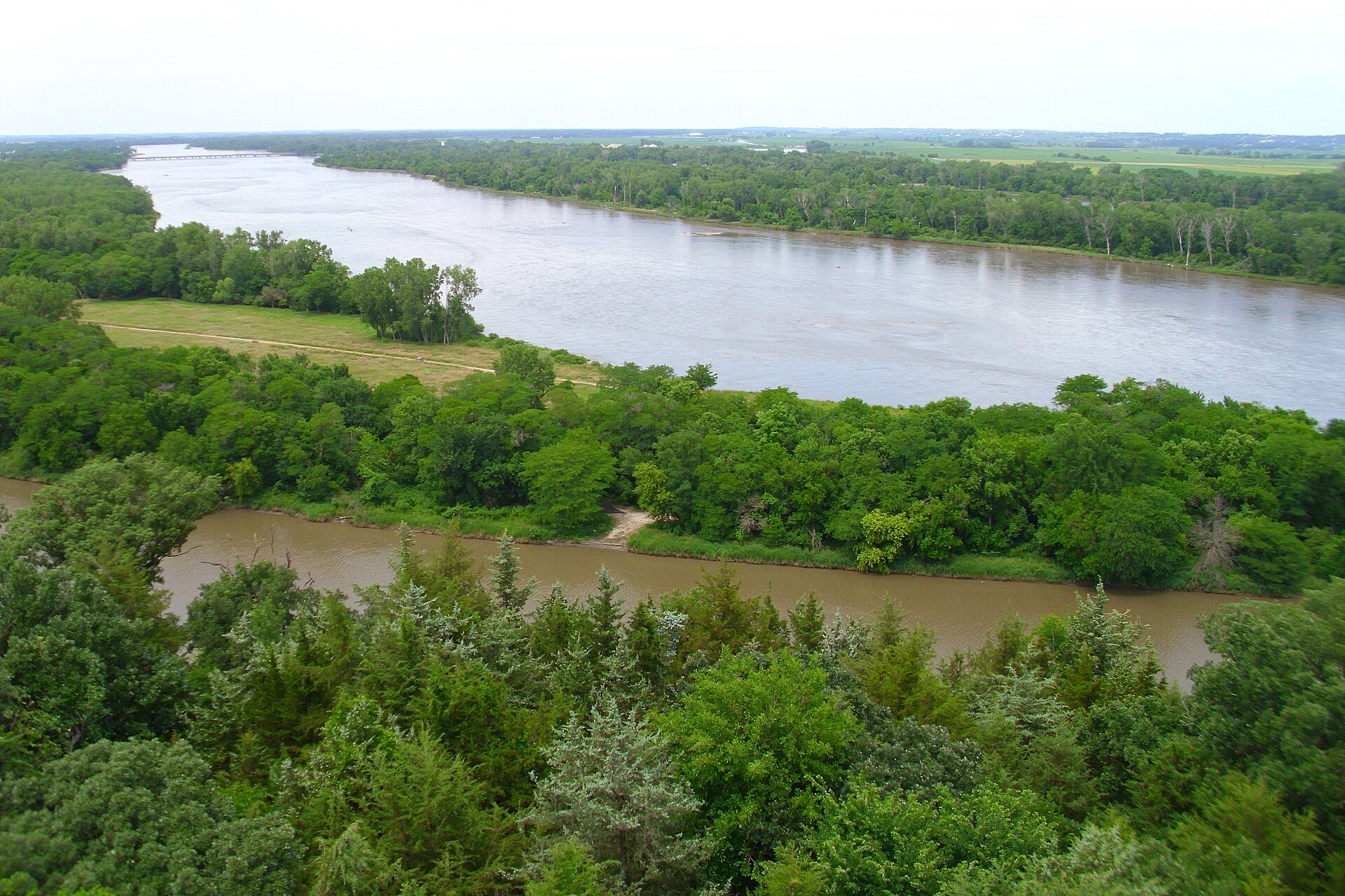
One of North America’s greatest wildlife spectacles unfolds each spring along Nebraska’s Platte River. From late February into early April, with the peak usually in March, hundreds of thousands of sandhill cranes, often estimated at over half a million, descend on the river to rest and feed during their northward migration. At dawn and dusk, enormous flocks lift off or settle in, filling the sky with birds and the air with their distinctive bugling calls. It’s one of the largest gatherings of cranes on the planet, concentrated into a few short weeks. Viewing blinds and organized tours help visitors get close without disturbing the birds. Show up in summer or fall, and the river is quiet; the magic happens only during that narrow spring window.
The Northern Lights in Alaska
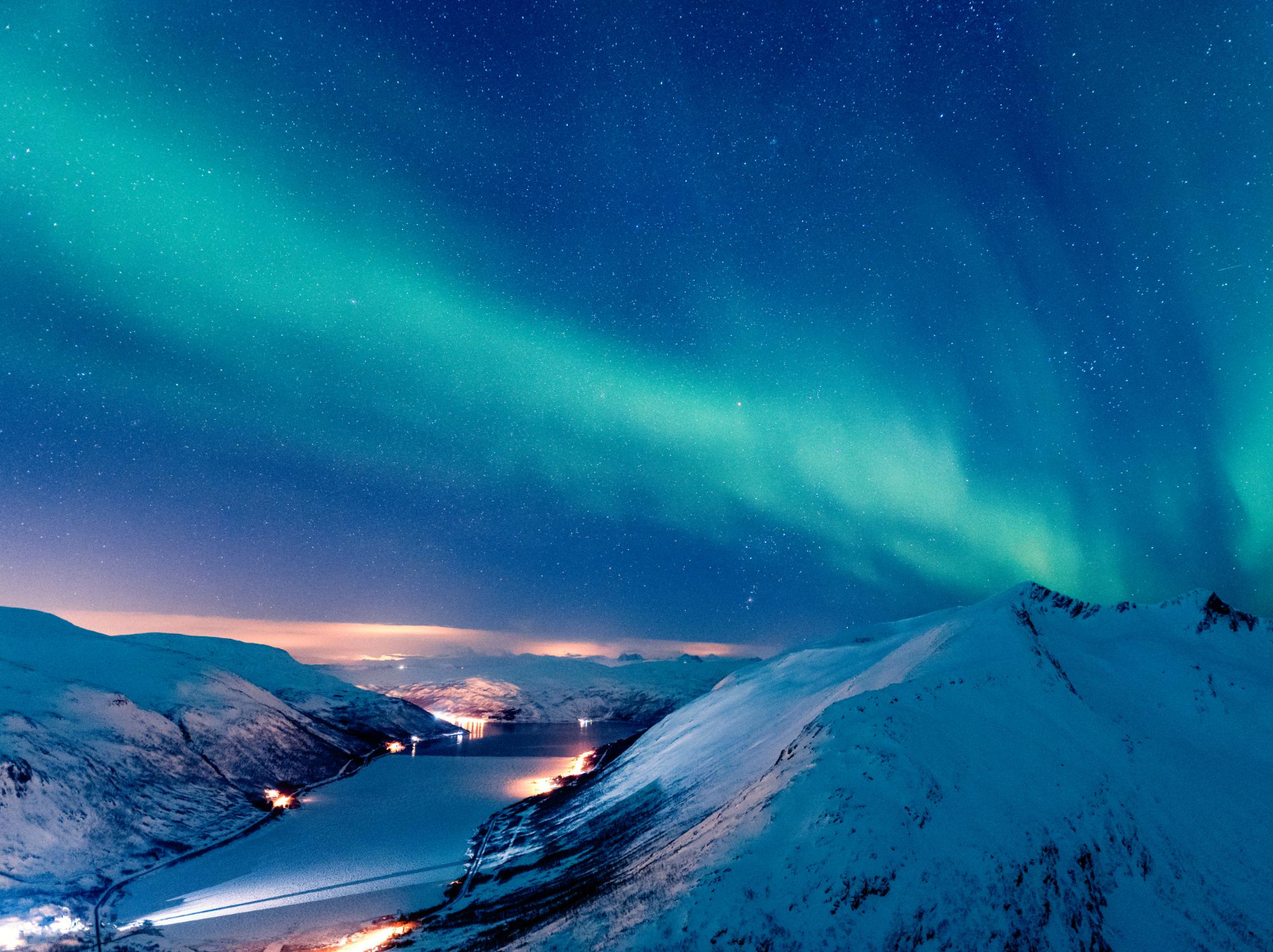
The aurora borealis is the ultimate “time it right” phenomenon, demanding the right season, the right location, and a bit of cosmic luck. In the US, Alaska is the prime destination, particularly around Fairbanks, which sits beneath the auroral oval. The best viewing runs roughly from late August through April, when nights are long and dark, with activity often strongest around the equinoxes and during periods of high solar activity. You also need clear skies and minimal light pollution. Even then, the lights are never guaranteed on any given night, which is why aurora trips usually span several days to improve the odds. When the sky erupts in rippling green and purple curtains, though, the patience and planning pay off completely.
Cherry Blossoms in Washington, DC
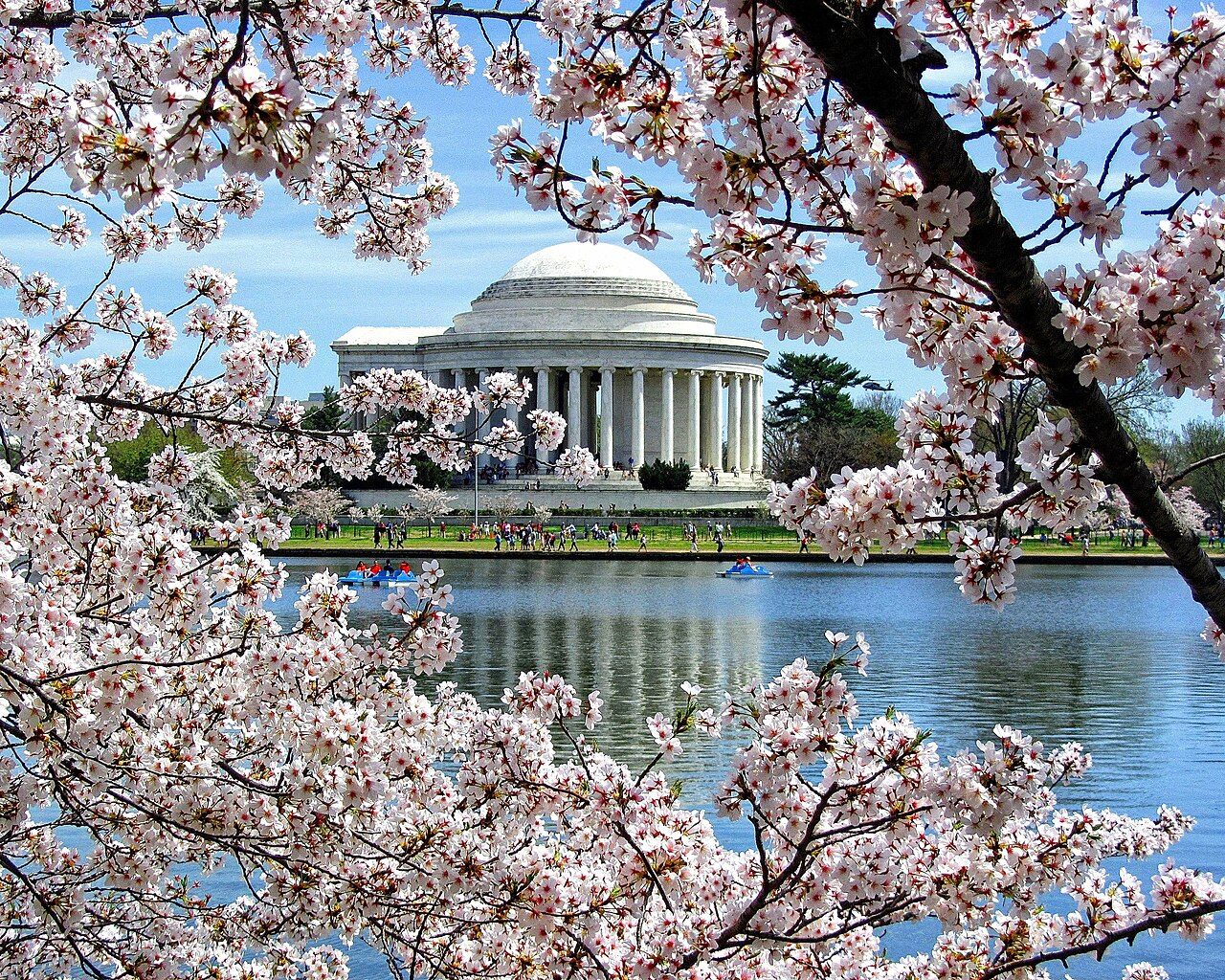
Each spring, Washington, DC, transforms as thousands of cherry trees around the Tidal Basin burst into delicate pink and white bloom. The display, a gift from Japan more than a century ago, is one of the capital’s most beloved annual events, drawing huge crowds for the National Cherry Blossom Festival. The challenge is that “peak bloom,” when the most blossoms are open, lasts only a few days and shifts each year with the weather, typically falling in late March or early April. An unusually warm or cold spring can move the date significantly, and a hard frost or storm can cut the bloom short. Officials issue closely watched peak-bloom forecasts, but catching the trees at their fullest requires both planning and a little luck.
Winter Ice Caves at the Apostle Islands
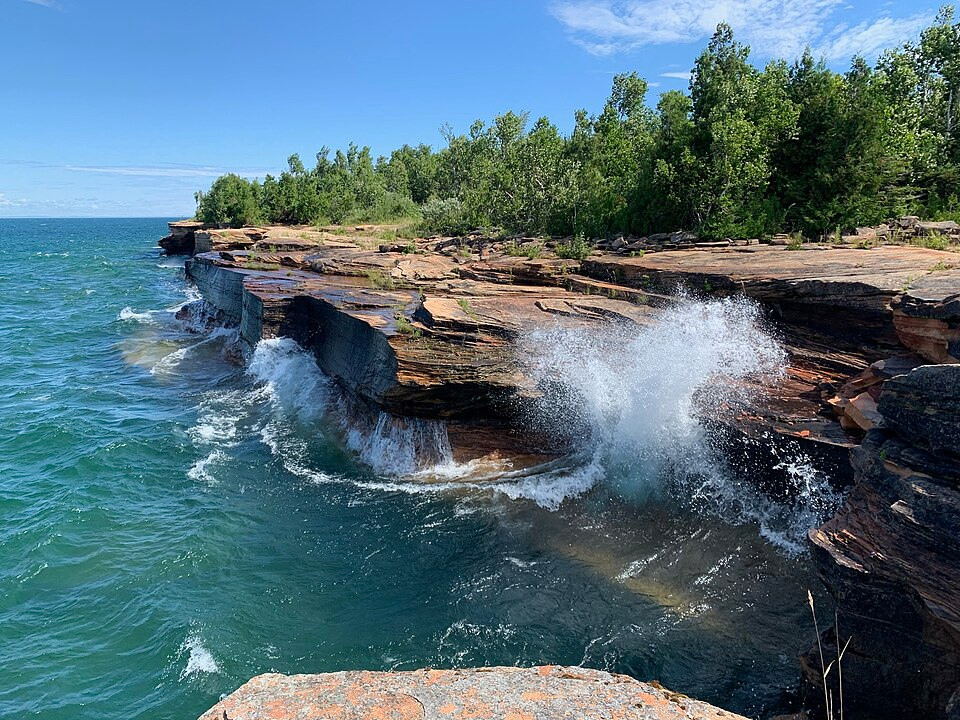
Along the Lake Superior shoreline of Wisconsin, the Apostle Islands National Lakeshore hides a phenomenon that appears only in the coldest winters. When conditions are right, the lake freezes solid enough for visitors to walk across the ice to reach sea caves transformed into glittering galleries of icicles, frozen waterfalls, and ice-draped chambers. The catch is significant: the ice caves are only accessible when the lake ice is thick and stable enough to be deemed safe, which doesn’t happen every year and can depend on a stretch of bitterly cold weather. When they do open, they draw crowds eager to witness the frozen wonderland. Officials carefully monitor and announce conditions, so checking ahead is essential before making the trip.
The Alaska Salmon Run and Brooks Falls Bears
In July, one of nature’s great dramas plays out at Brooks Falls in Alaska’s Katmai National Park. As salmon surge upstream to spawn, leaping up the falls, brown bears gather to feast, lining up at the cascade to snatch fish from the air in scenes famous around the world. The spectacle is tightly tied to the salmon run, which peaks in July, drawing the highest concentration of bears and the most dramatic fishing. A second, smaller pulse can occur in late summer as more salmon move through. Reaching this remote spot takes effort and planning, typically a flight to a floatplane connection, and viewing is managed from platforms for safety. Time it to the July run, though, and you’ll witness one of the planet’s premier wildlife events.
Plan Ahead, and Bring Patience
What unites these phenomena is that nature sets the schedule, not you. Whether it’s a two-week firefly window, a few minutes of firefall at dusk, or an aurora that may or may not appear, catching them rewards research, flexibility, and a tolerance for uncertainty. Many require lottery permits or reservations booked months in advance, and several depend on weather lining up perfectly on the day. That difficulty is exactly what makes witnessing them so special; you’ve earned a sight most people never see in person. So pick the phenomenon that captivates you, mark the season on your calendar, secure any permits early, and build in extra days. When it all comes together, you’ll understand why these fleeting wonders are worth chasing.