Everyone knows Florence, Rome, and Venice. But Italy’s real magic often hides in its borghi, the small, fortified, centuries-old villages tucked into hilltops and valleys far from the tour-bus circuit. There’s even an official body that decides which ones qualify as the country’s most beautiful, and it just added seven new names to the list. These are not glossy social-media picks; they’re places vetted against dozens of strict criteria for architecture, heritage, and quality of life. For travelers tired of fighting crowds at the famous sights, the newest additions are exactly the kind of place that rewards going off-script. Here’s how Italy’s “most beautiful villages” designation works, the seven that just made the cut, and why they belong on your list.
A note on the source: the designation comes from a long-running non-profit, not a magazine ranking, which is what makes it worth paying attention to. Here’s the full picture.
What “Most Beautiful Villages of Italy” Actually Means
The label comes from I Borghi più belli d’Italia, which translates directly to “The Most Beautiful Villages of Italy.” Founded by a group of Italian mayors in the early 2000s, it’s a non-profit association created to protect and promote the country’s small historic centers, the borghi, which are typically fortified settlements dating from the Middle Ages or Renaissance and built around a castle, palace, or church. Crucially, this isn’t a travel-blog round-up or a viral trend. It’s a formal, criteria-based designation awarded only after evaluation, and villages have to apply and prove they measure up. With the latest round, the network now includes 382 certified villages spread across northern, central, and southern Italy, each one a small town that has kept its character intact.
How a Village Earns the Title
Getting on the list is genuinely hard. Candidate villages are judged against a detailed catalog of 72 criteria on a 110-point scale, and only those scoring high enough are admitted. The assessment looks at the preservation of historic buildings, the quality of the overall townscape, how well the village integrates into its surrounding landscape, sustainable development, the standard of hospitality and services, and the community’s commitment to protecting its traditions and identity. Villages generally need to have small populations to qualify, keeping them intimate rather than sprawling. In the most recent round in December 2025, 21 communities were assessed and only seven met the standard, a pass rate that underlines how selective the label is. That selectivity is exactly what makes the designation a reliable shortcut to the real thing.
Castelvetro di Modena
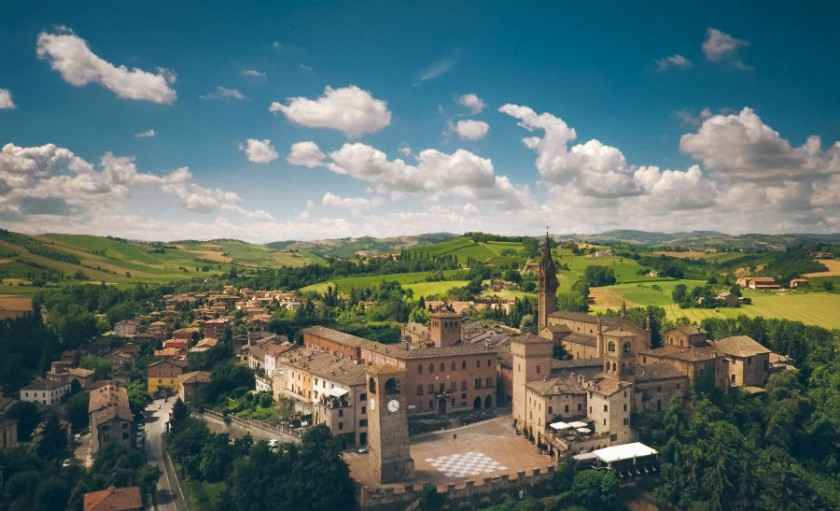
The first of the new additions is a treat for food and wine lovers. Castelvetro di Modena, in the Emilia-Romagna region, is often called the culinary heart of its area, surrounded by rolling hills and vineyards that produce Lambrusco Grasparossa wine. It sits in the homeland of two of Italy’s most prized exports, balsamic vinegar and Parmigiano Reggiano, making it a natural base for a gastronomic detour. The village is anchored by the Torre dell’Orologio, a medieval clocktower that overlooks its central square, the Piazza della Dama. With scenic drama in every direction and serious food credentials, Castelvetro is the kind of place where the meals are as memorable as the views.
Rivello
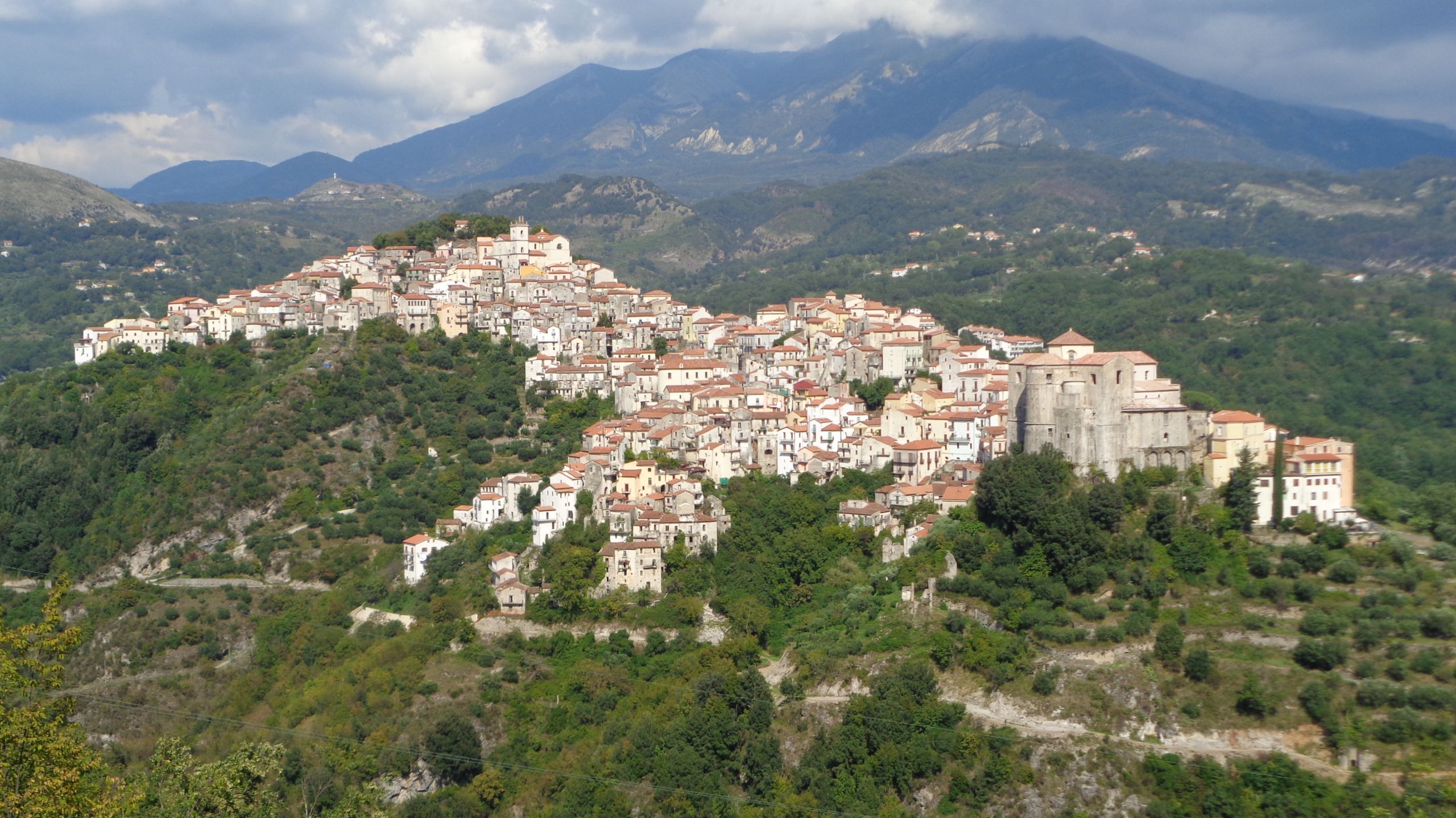
Down in the southern region of Basilicata, Rivello perches loftily above the Noce Valley, a hilltop village that seems to spill down its slope in tiers of stone houses. Its elevated position gives it sweeping views over the surrounding green landscape, and its layout, narrow lanes winding up toward churches and viewpoints, is classic borgo architecture preserved over centuries. Rivello is the sort of village that rewards slow wandering, with quiet corners and panoramas that open up unexpectedly as you climb. For travelers exploring Italy’s deep south, it offers an authentic, uncrowded counterpoint to the better-known coastal destinations of the region.
Cusano Mutri
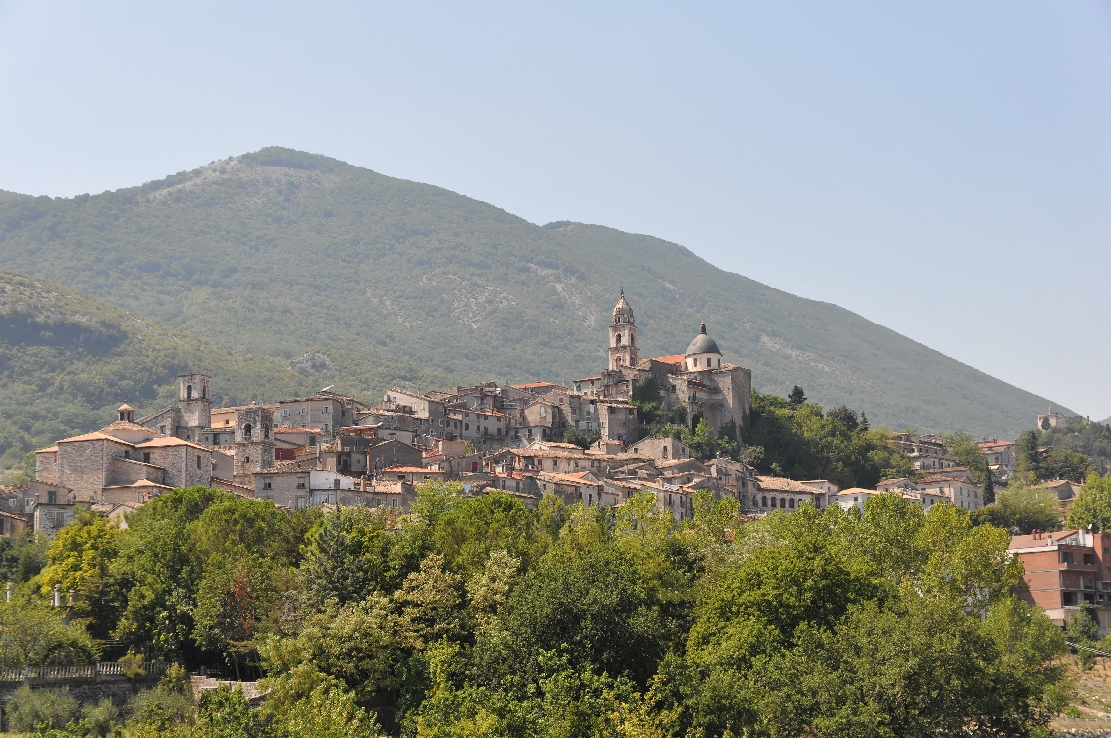
In the Campania region, Cusano Mutri is a striking white-limestone town set within the Matese Regional Park, a protected mountain area that makes it a gateway to the outdoors as much as a destination in its own right. The village’s pale stone buildings, stacked along steep streets, give it a luminous quality, and its setting among the peaks of the Matese means hiking, nature, and fresh mountain air are all on the doorstep. It’s a combination that defines the appeal of so many borghi: a beautifully preserved historic core wrapped in genuinely wild landscape, far from the crowds and well off the standard tourist trail.
Pieve di Teco
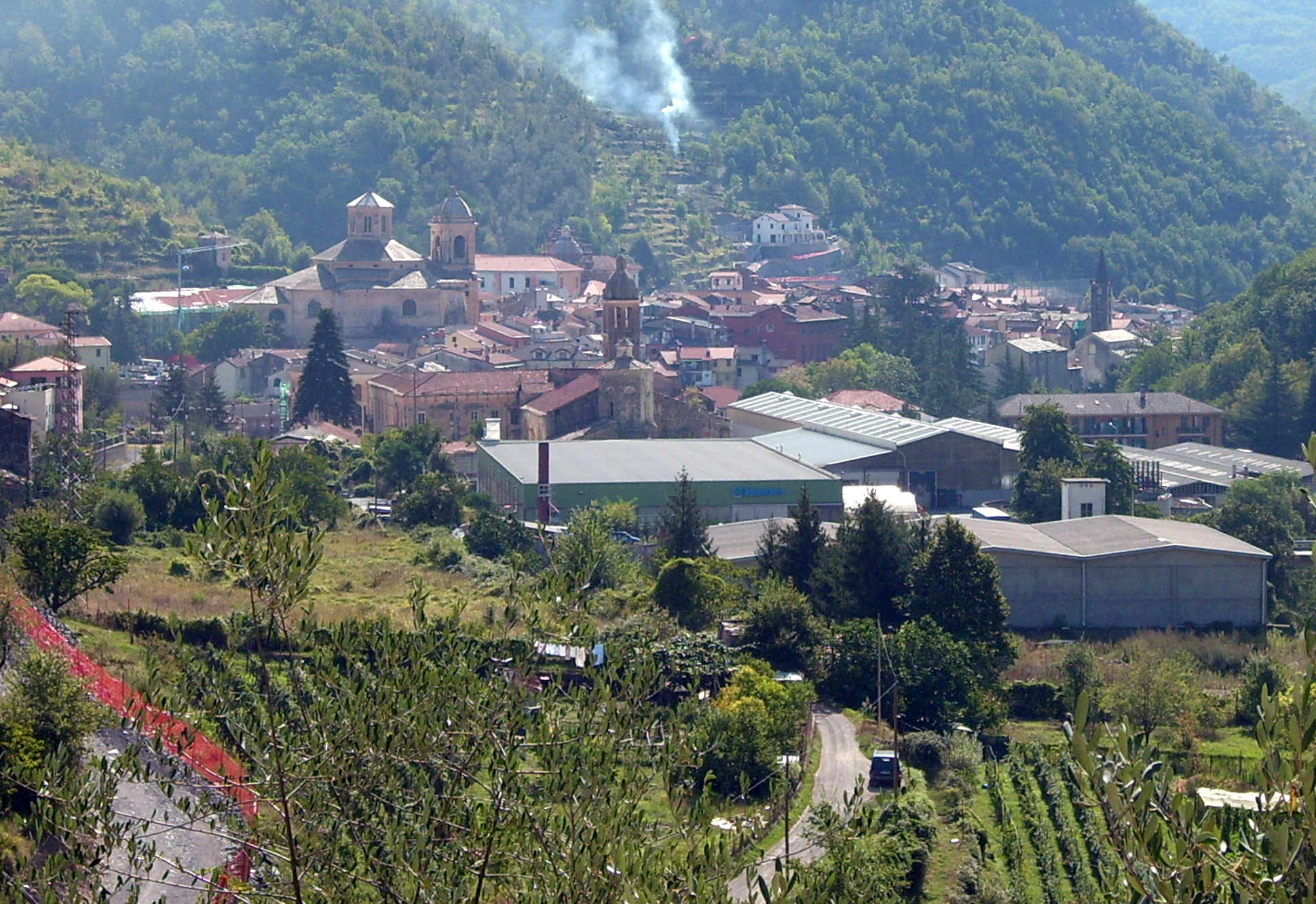
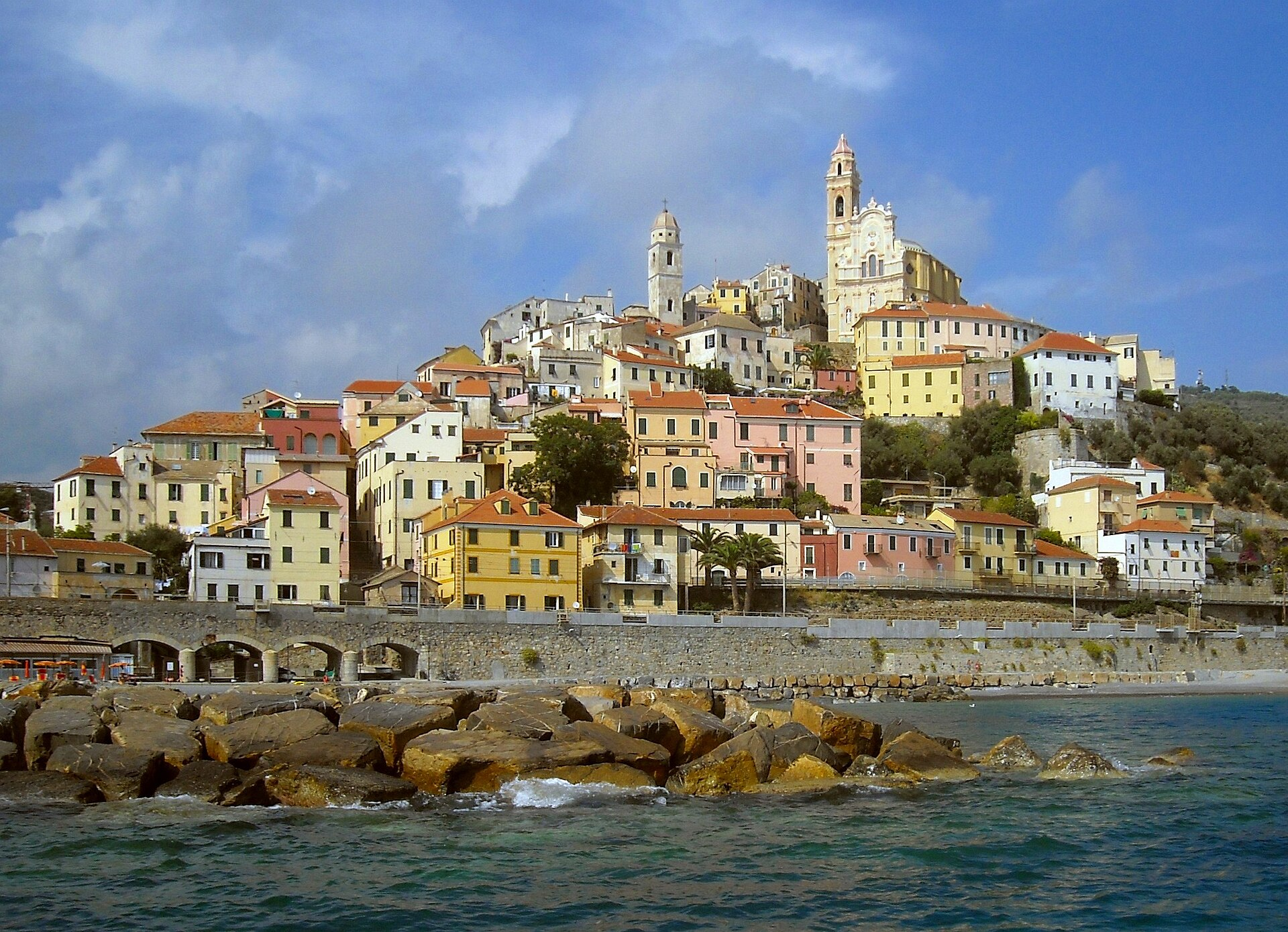
Tucked into the Ligurian hinterland, away from the famous coast, Pieve di Teco represents the quieter, inland side of a region better known for its seaside towns. This is the Liguria of olive groves, river valleys, and historic villages rather than crowded beach resorts, and Pieve di Teco’s arcaded streets and old architecture reflect its long history as a market and crafts town. For travelers who associate Liguria only with the Cinque Terre and Portofino, this addition is a reminder that the region’s interior holds its own rewards, with the bonus of far fewer visitors and a more lived-in, local atmosphere.
The Two “Guest Villages”
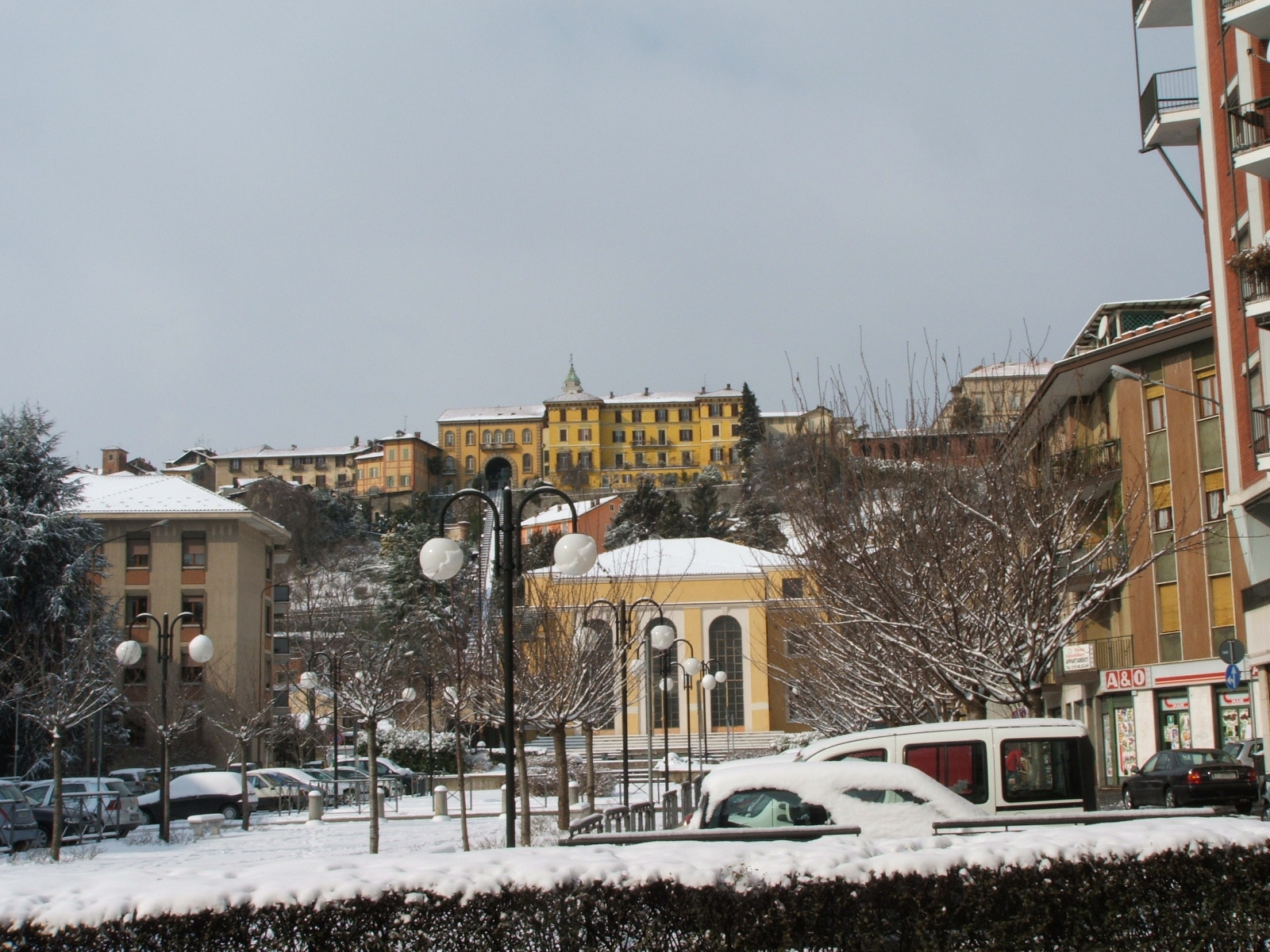
Two of the seven additions hold a slightly different status, known as “guest villages.” This category recognizes exceptional historic districts within larger towns that would otherwise exceed the population limits for full membership. The first is Borgo Il Piazzo, the historic core of Biella in Piedmont, a quarter that for centuries was an important hub for cashmere and wool production, reflecting the region’s textile heritage. The second is Borgo Vecchio di Termoli in the Molise region, a hilltop citadel with sweeping views over the Adriatic and some of the narrowest streets in all of Italy. Both let travelers experience a genuinely historic enclave even within a bigger, busier town.
Why These Villages Are Worth the Detour
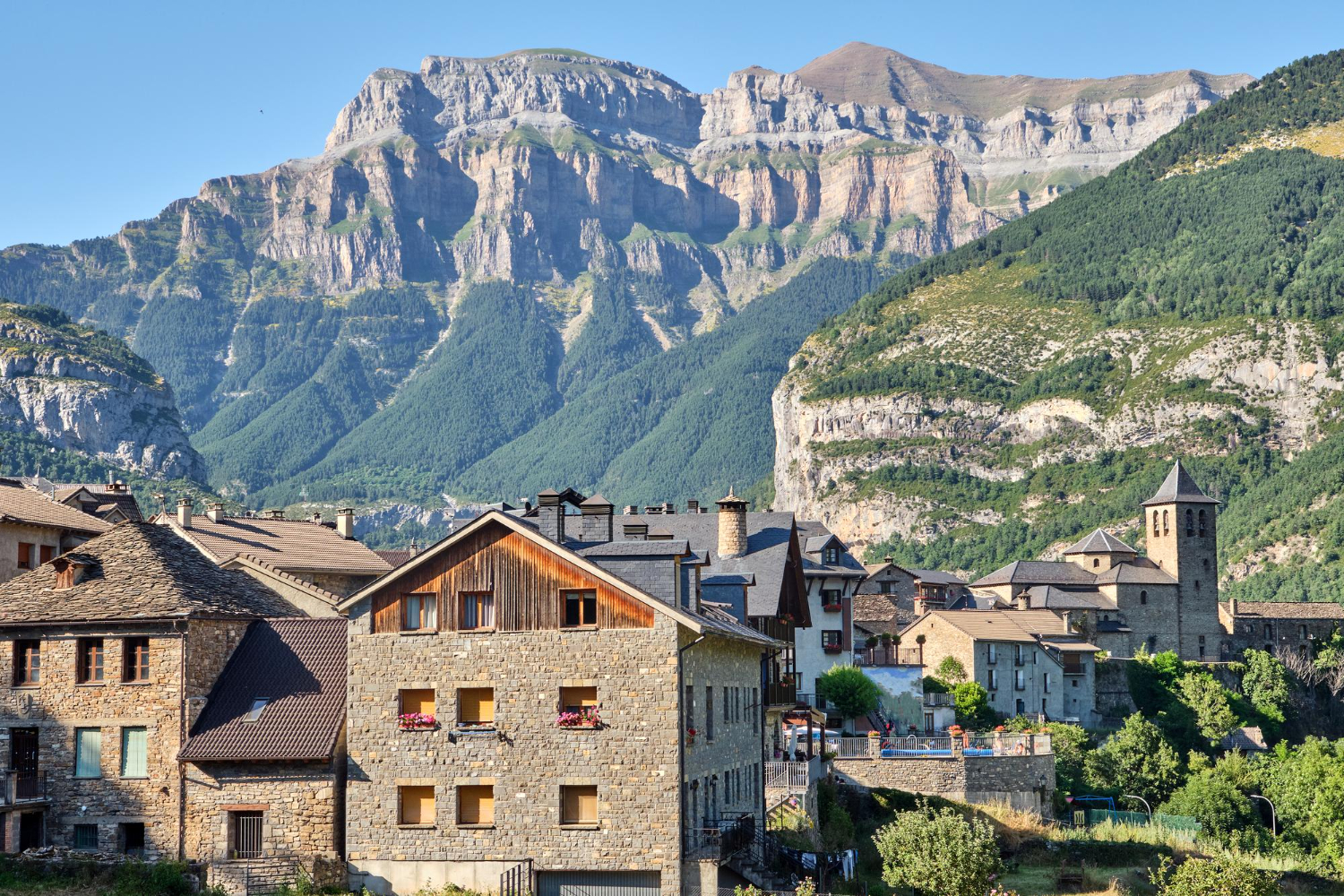
Beyond their individual charms, the borghi share a quality that’s increasingly rare: they’re not overrun. Because they’re small and off the main circuit, you can wander their lanes without the crowds that now clog Italy’s headline cities. The association reports that villages tend to see meaningful growth in visitors after being admitted, which has helped revitalize communities that were once at risk of being abandoned by younger generations. That makes a visit feel like more than sightseeing; spending money in these towns directly supports their survival. For anyone drawn to slow, meaningful travel, the borghi offer exactly what the big destinations increasingly can’t: authenticity, breathing room, and a sense of discovery.
More Than Pretty Streets
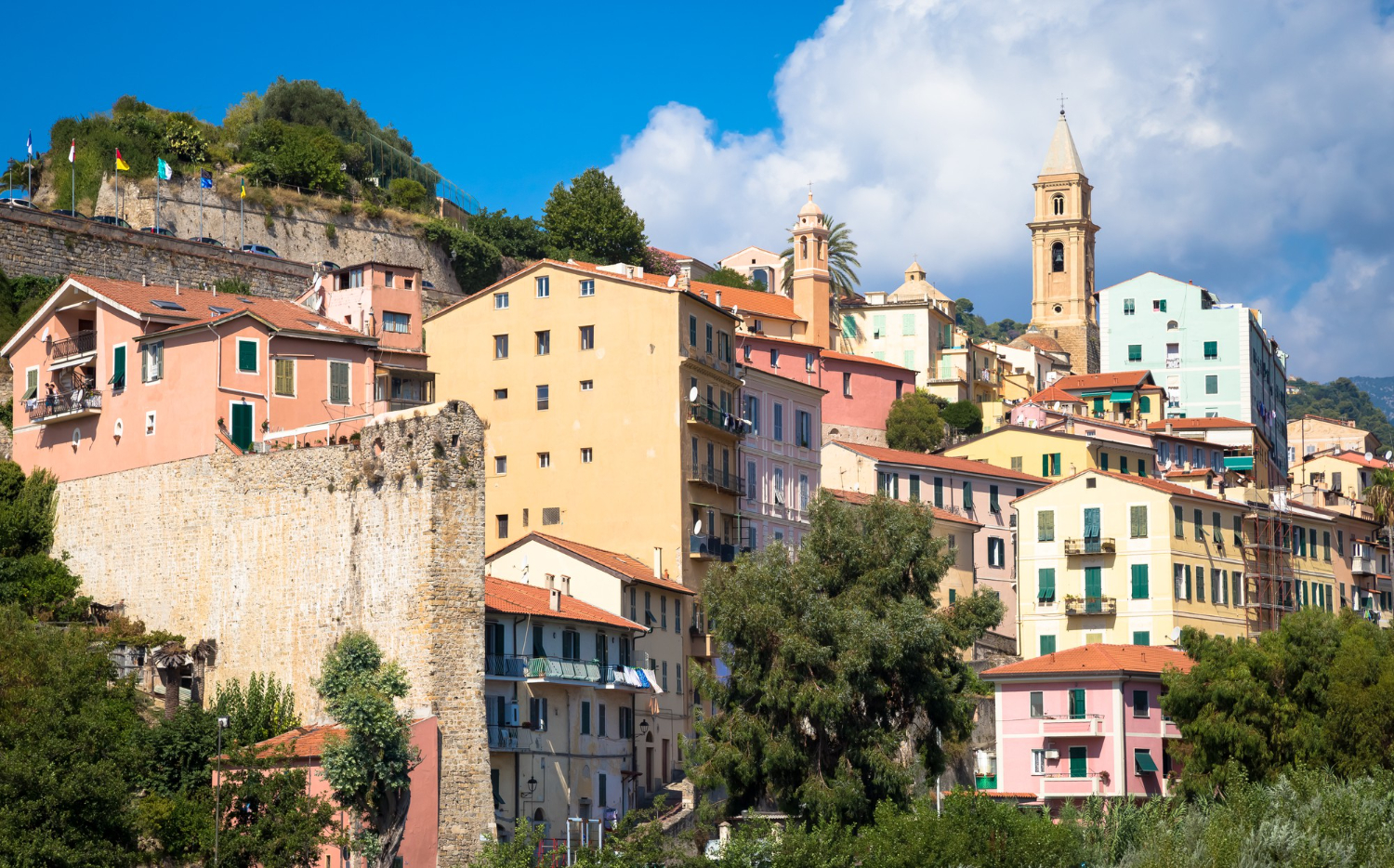
What sets the borghi apart from a simple scenic stop is how much life is packed into them. Many are serious food destinations in their own right: Castelvetro sits among Lambrusco vineyards and the home of balsamic and Parmigiano, while villages across the country are known for specific local dishes, wines, pastries, and artisanal crafts like metalwork and textiles passed down for generations. The association’s official guide highlights exactly these details for each village, from what to eat to which seasonal festivals to time a visit around. That’s the real reward of the borghi: they aren’t museum pieces but living communities, where a meal, a market, or a saint’s-day procession can turn a quick photo stop into the most memorable afternoon of a trip.
How to Visit
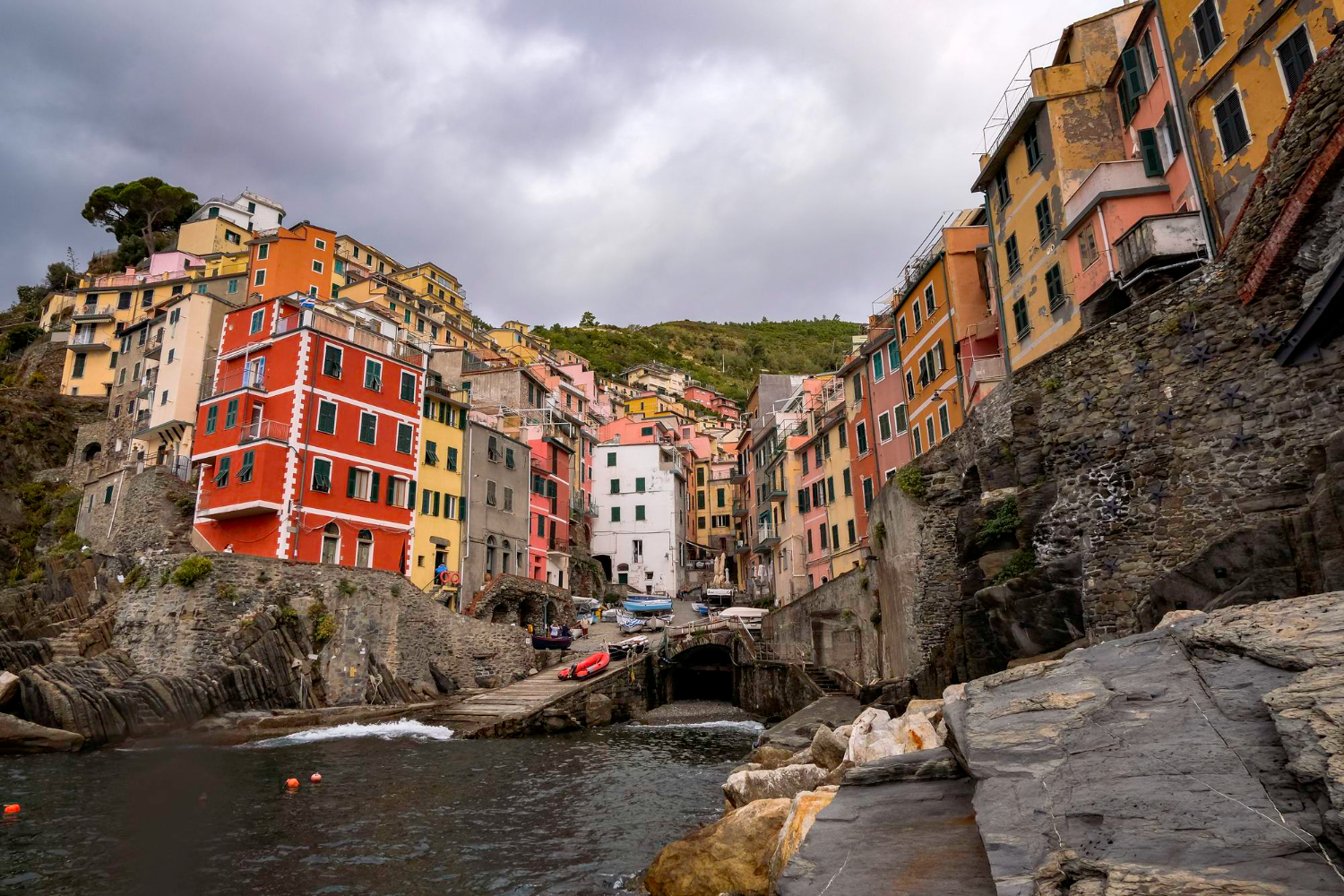
Reaching the borghi takes a little more effort than hopping a train to a major city, and that’s part of the point. Most are best explored with a rental car, since they’re scattered across the countryside and often perched on hills or tucked into valleys with limited public transport. The association publishes an English-language guide explaining why each village earned its place, along with local foods to try and festivals to catch, which makes route-planning easier. The smart approach is to pair one or two borghi with a nearby city or region you’re already visiting, turning them into rewarding day trips or overnight escapes rather than trying to see them all at once. Travel slowly, eat where the locals eat, and let the villages set the pace. It also helps to go in the shoulder seasons, when the weather is mild and even these quiet places are at their most relaxed, and to book accommodation directly in the village itself rather than commuting in, so you experience the borgo after the day-trippers have gone and it returns to the rhythm of the people who actually live there.
A Different Side of Italy
The newest additions to Italy’s most beautiful villages are a useful reminder that the country’s greatest pleasures aren’t always the obvious ones. Castelvetro’s vineyards, Rivello’s valley views, Cusano Mutri’s mountain setting, and Pieve di Teco’s quiet Ligurian streets all offer the architecture, food, and atmosphere people travel to Italy for, minus the queues and the crush. As over-tourism strains the famous cities, these vetted, protected villages point to a better way to experience the country: slower, deeper, and far more personal. The seven newest names are a fresh excuse to seek them out, but they’re really an invitation to discover the hundreds of borghi that have been waiting all along, far from the crowds.
Like our content? Follow us for more.