

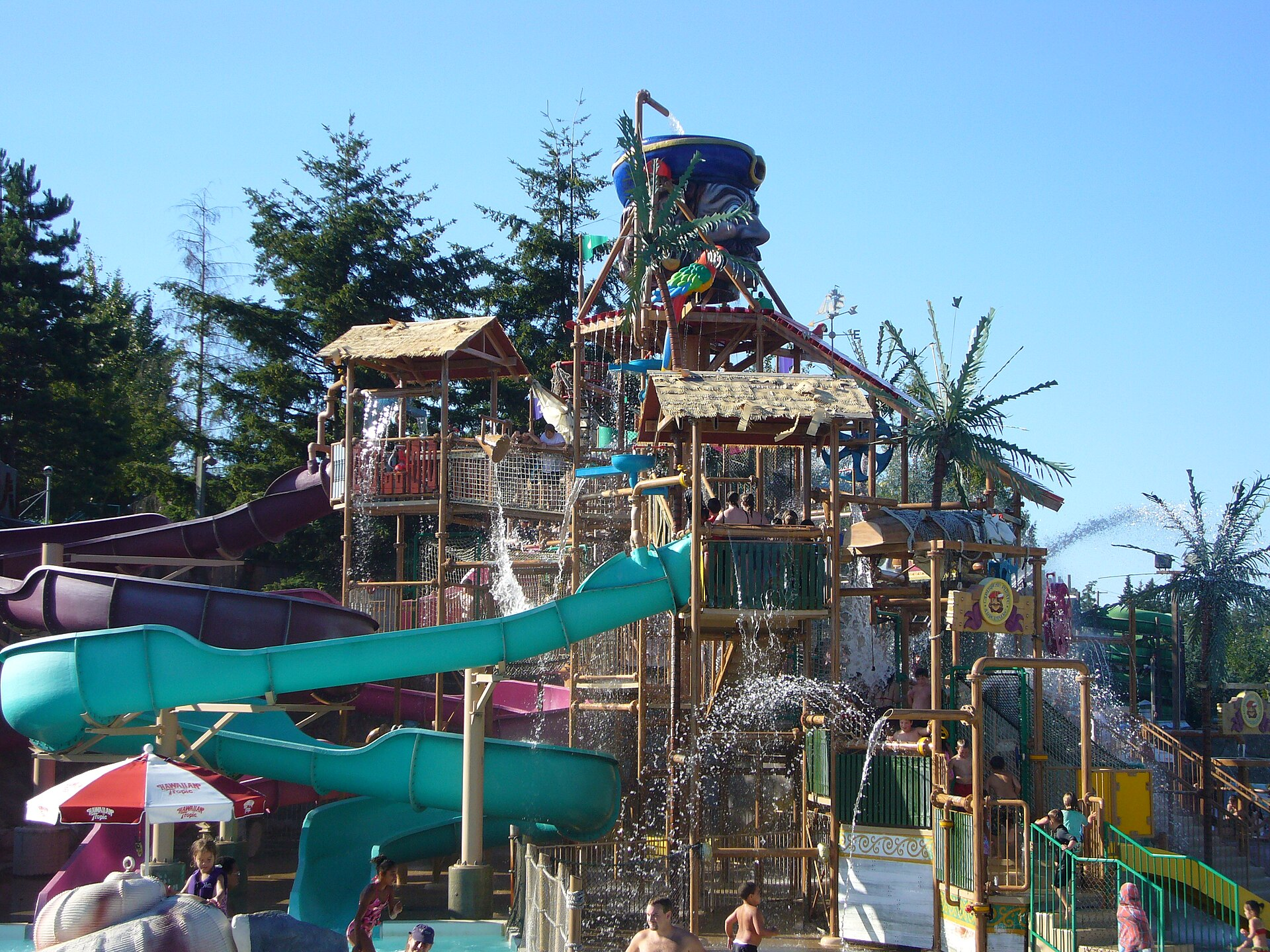
For generations of families in Washington State, summer has meant one thing: a day at Wild Waves. Now that tradition is coming to an end. Wild Waves Theme and Water Park in Federal Way, long considered the Seattle area’s only true theme park, has announced that its 2026 season will be its last, closing permanently after nearly five decades of roller coasters, water slides, and family memories. The news has left longtime visitors across the Pacific Northwest mourning the end of an era, with many holding out hope that a buyer might still save it. Here’s what’s happening, why the park is closing, what its final season holds, and what the closure says about the broader struggles facing regional amusement parks.
A note on sourcing: details below come from the park’s own announcement and multiple news reports. Dates and plans can change, so check the park’s official channels for the latest before planning a visit.
The Announcement
In December 2025, the operator of Wild Waves announced that the park would shut down for good once its 2026 season wrapped up. According to multiple news outlets, the final season runs from late May through November 1, 2026, with the gates closing for the last time on that November date. The decision was confirmed by Kieran Burke, president and owner of Premier Parks, the company that operates Wild Waves. Months after the announcement, many residents reportedly remained in disbelief, and the park’s social media posts have filled with comments from people sharing memories and hoping for a reprieve. For a region with few large amusement parks, the loss lands hard.
Nearly Five Decades of Memories
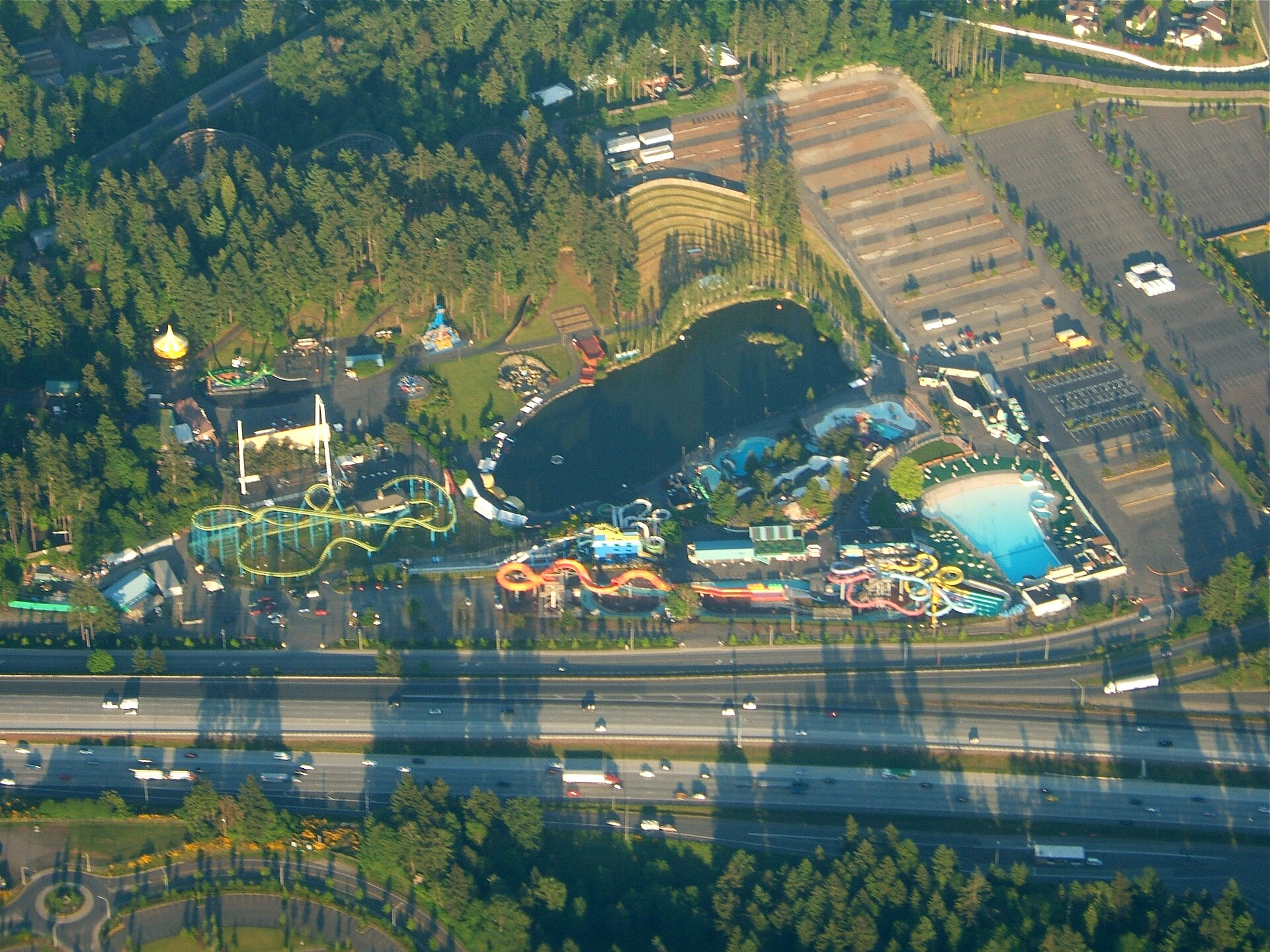
Wild Waves first opened its gates in 1977, making it nearly fifty years old at the time of its closure. Over those decades, it grew into a Pacific Northwest summer staple, drawing families and thrill-seekers from across the region to its combination of amusement rides and water attractions on a sprawling 70-acre site near Interstate 5. For countless Washingtonians, it was where childhood summers happened: first roller coaster rides, birthday outings, school trips, and lazy afternoons floating the lazy river. As Washington’s largest combined theme and water park, it occupied a unique place in local life. That long history is exactly why the closure has struck such an emotional chord, ending a tradition that spanned generations of families in the area.
Why It’s Closing
The reason behind the shutdown is financial. The park’s ownership pointed to rising operating costs that never fully recovered after the COVID-19 pandemic forced a temporary closure. According to the company, the cost of running the park since reopening has generated millions of dollars in losses, making continued operation unsustainable. In his statement, Burke thanked the park’s guests, staff, and the Federal Way community for years of support and for, in his words, creating so many thrills and memories with families and friends. The explanation echoes a wider pattern in the amusement industry, where smaller and regional parks have struggled with surging costs for labor, insurance, maintenance, and utilities in the years following the pandemic. For Wild Waves, the math simply no longer worked. Reopening after the pandemic brought higher wages, pricier insurance, and steeper costs for everything from electricity to ride parts, while attendance and revenue did not climb fast enough to keep pace. The result was sustained losses that the ownership ultimately judged unsustainable, leading to the difficult decision to wind the park down rather than continue absorbing red ink season after season.
What the Final Season Holds
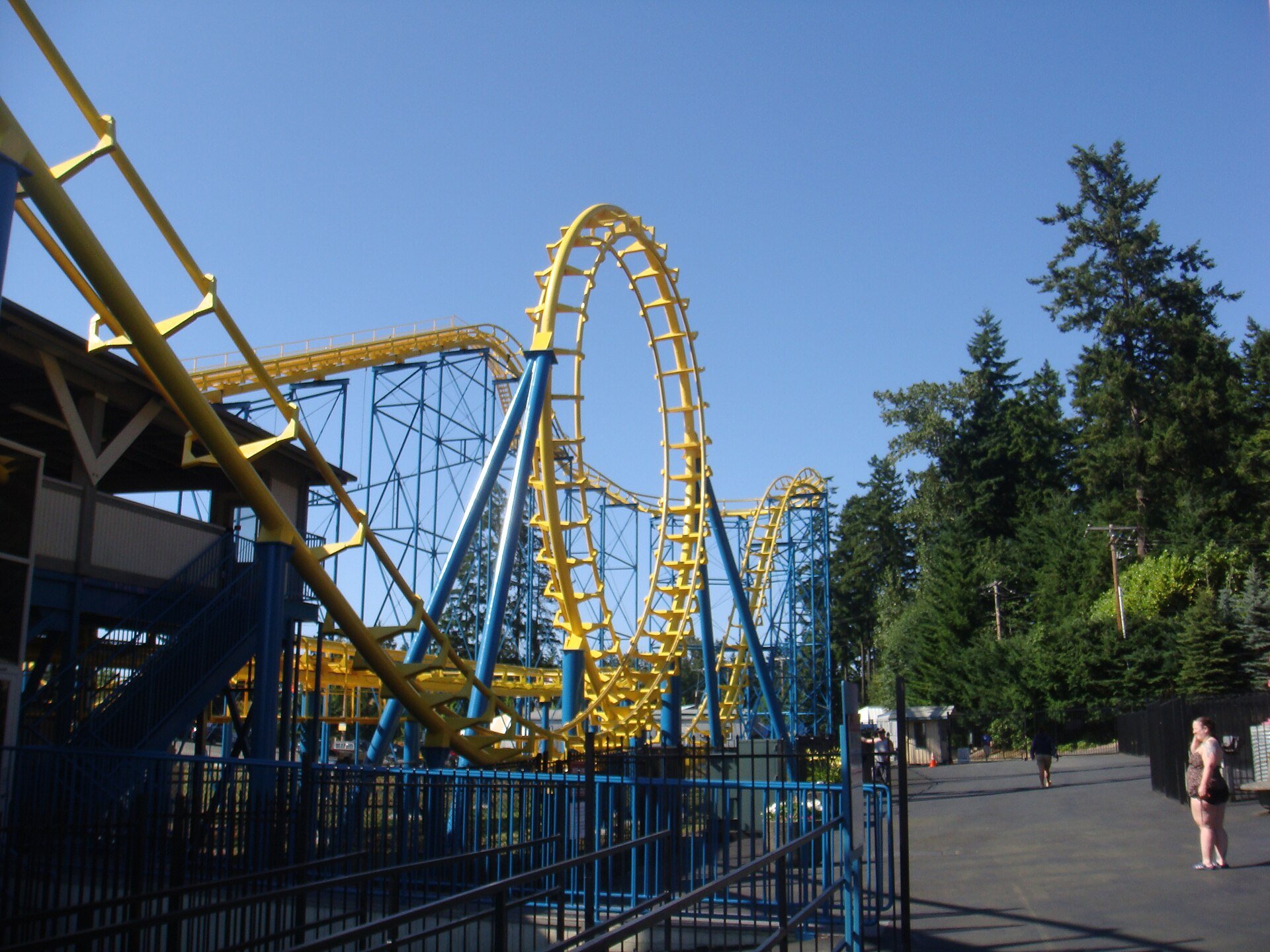
Rather than winding down without fanfare, the park intends to make its last season a celebration. Operators have said the 2026 season will feature the full lineup of attractions guests expect, including its classic thrill rides, the full water park, and its popular Fright Fest Halloween event in October, before the final closing day on November 1. The park has also said it plans to mark the year with themed events, nostalgia, and special promotions to honor the memories it has created. Importantly for anyone who has already planned a visit, the park has confirmed that previously purchased season passes, group events, and ticket packages will be honored throughout the final season. For longtime fans, 2026 is being framed as one last chance to ride, splash, and say goodbye.
What Made Wild Waves Special
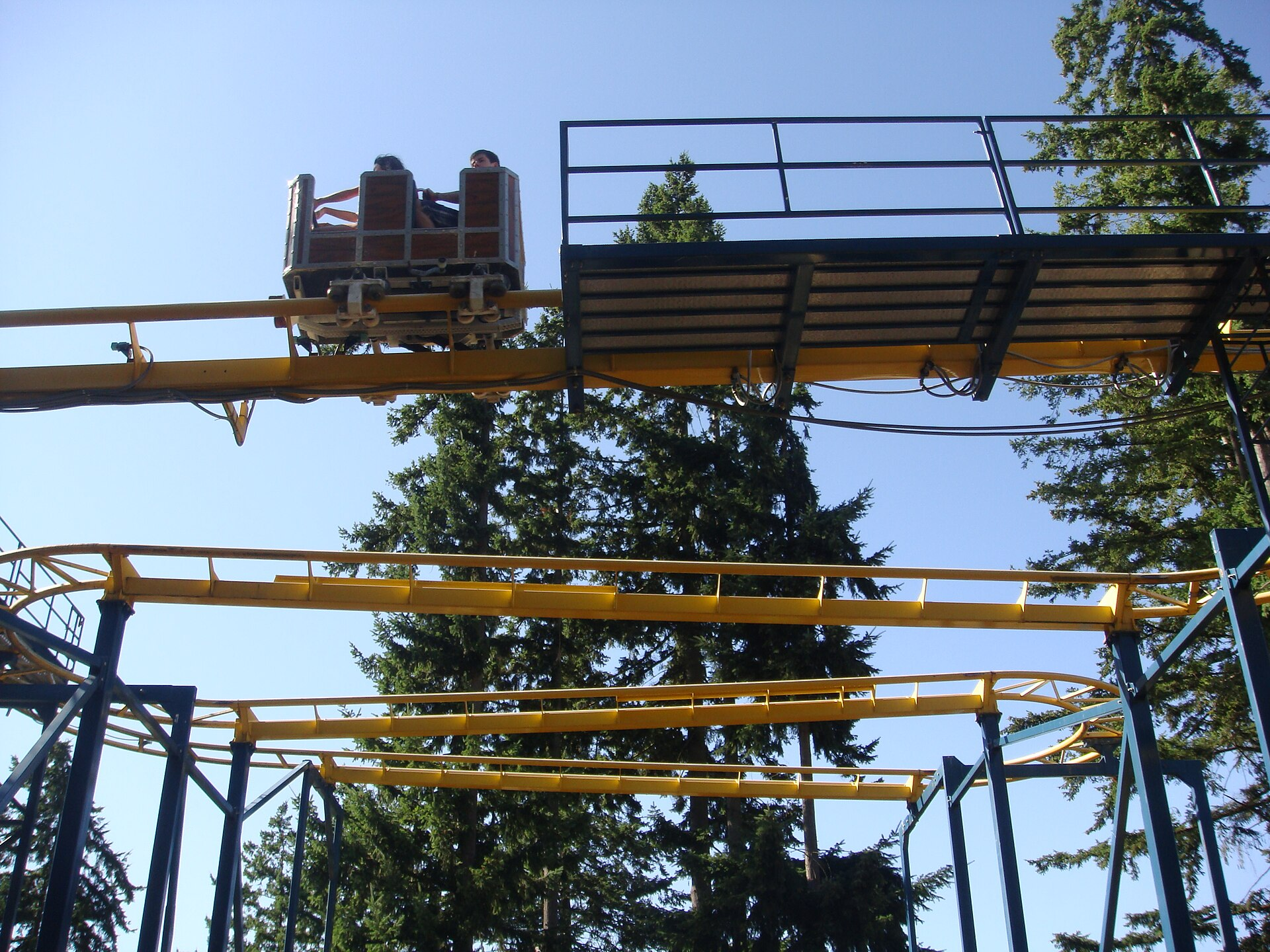
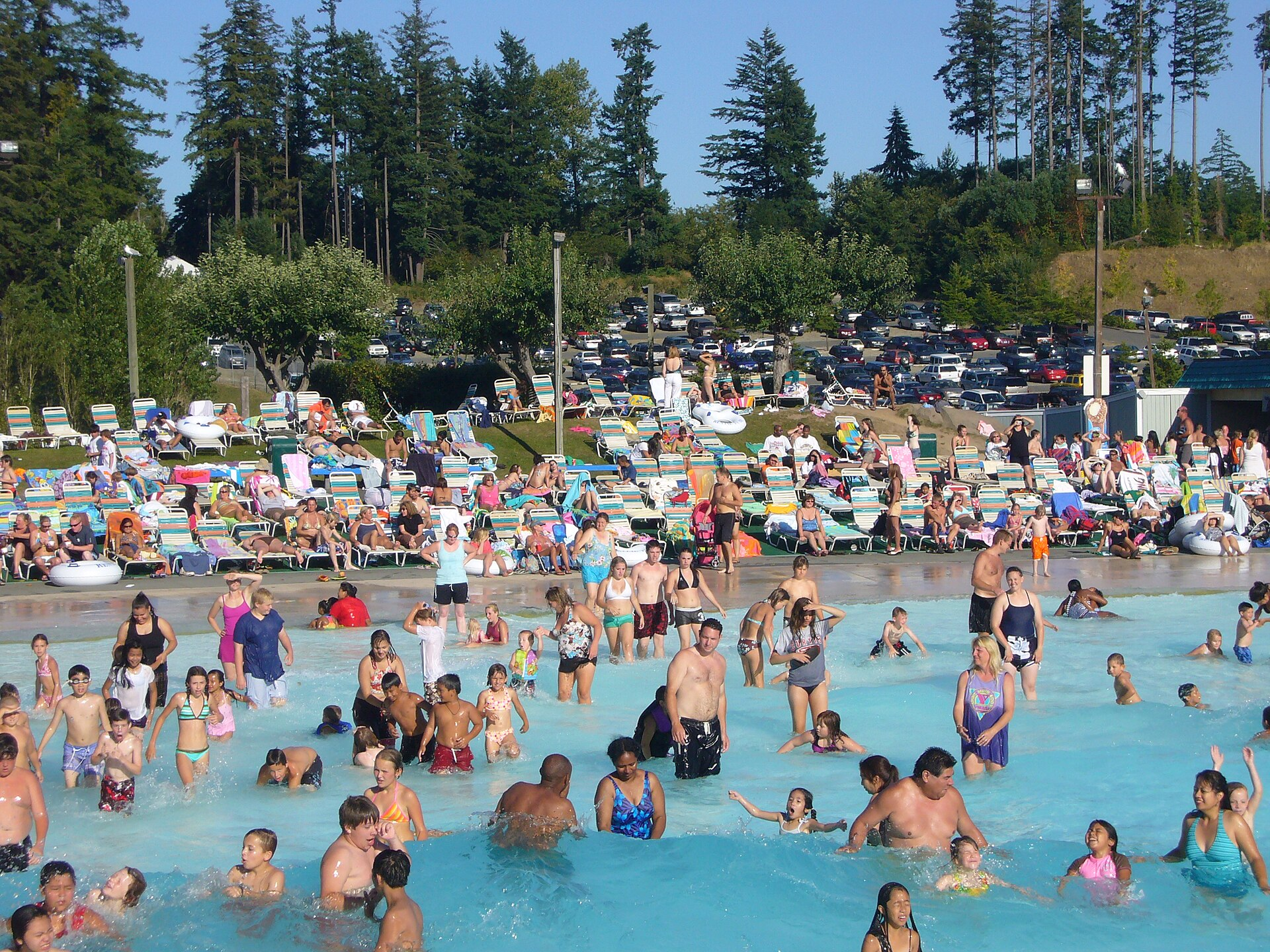
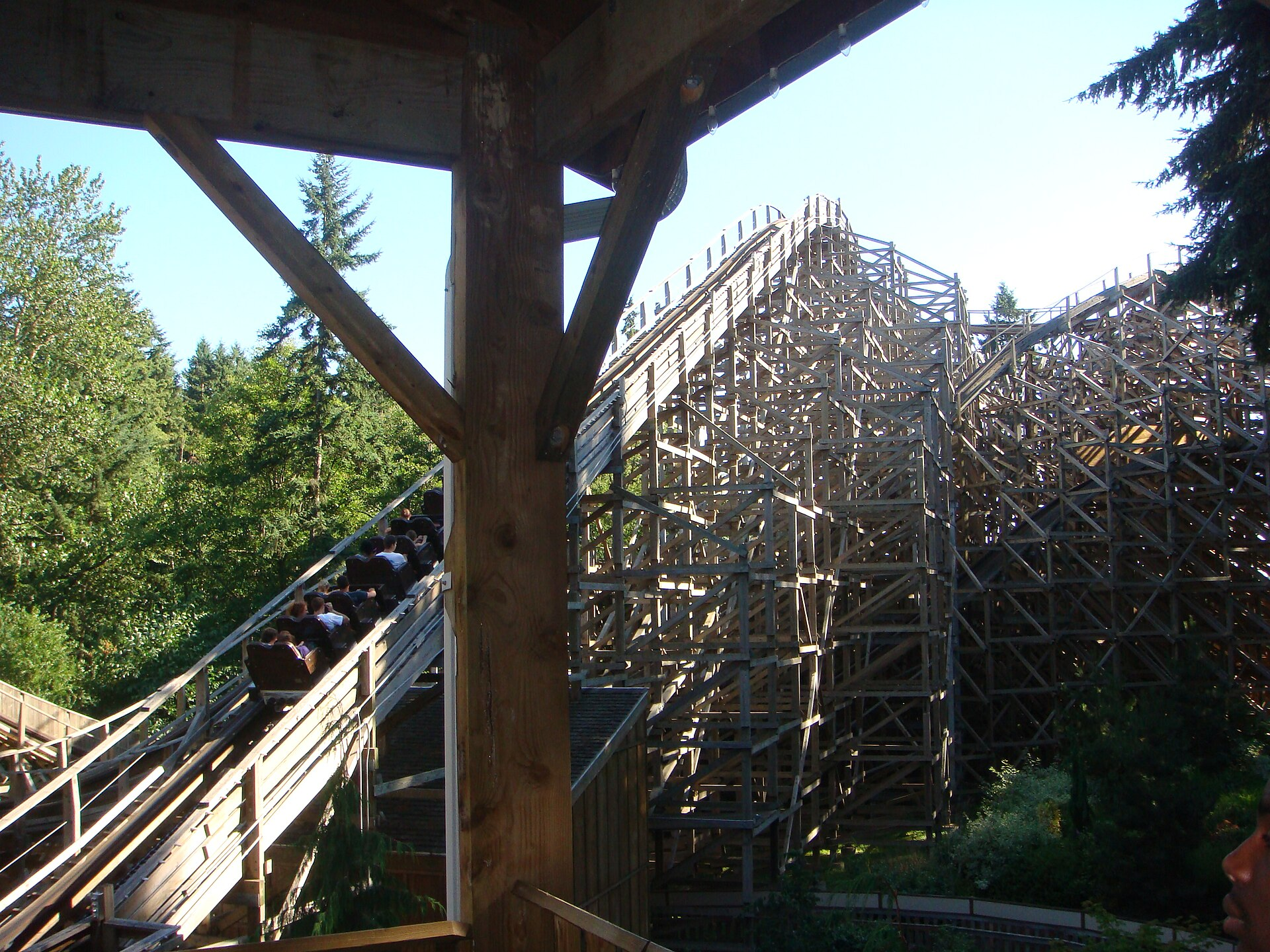
Part of what makes the closure sting is the particular character of the park. Wild Waves was that increasingly rare thing: a combined amusement park and water park in one affordable, local package, the kind of place a family could spend an entire summer day without booking flights or hotels. Generations grew up on its rides, from its wooden roller coaster to the splash of its water slides and the gentle drift of its lazy river. In the fall, its Fright Fest Halloween event became its own seasonal tradition, drawing crowds for spooky thrills as the season turned. It wasn’t a sprawling destination resort competing with the national mega-parks; it was a regional institution, woven into the everyday fabric of Pacific Northwest family life. That homegrown, accessible quality is exactly what made it beloved, and exactly what makes it so hard to replace.
A Workforce and a Community Affected
Beyond the rides, the closure carries real human weight. Wild Waves employs roughly 35 full-time staff along with around 800 seasonal workers each year, positions that will disappear when the park shuts down. For many young people in the area, a summer job at Wild Waves was a rite of passage, and for the surrounding community, the park was both an employer and a gathering place. The end of operations represents not just the loss of an attraction but the loss of jobs and a piece of local identity. This ripple effect, touching workers, families, and the local economy, is part of why community members have been so vocal in their hopes that someone might step in to keep the park alive in some form.
What Happens to the Land
Attention is already turning to the future of the 70-acre property. The land’s owner has acknowledged the deep history and emotional connection many residents feel toward the park and has spoken of ensuring a respectful transition. Redevelopment plans are reportedly underway but remain in early stages, with no specific project yet announced. Given the site’s substantial size and its convenient location near a major interstate, observers note it could be attractive for a range of future uses, from housing to commercial development, though any plans would depend on community input, planning approvals, and economic conditions. For now, the property’s long-term fate is uncertain, leaving open the slim possibility, however unlikely, that the park could find a new owner instead.
Part of a Bigger Trend
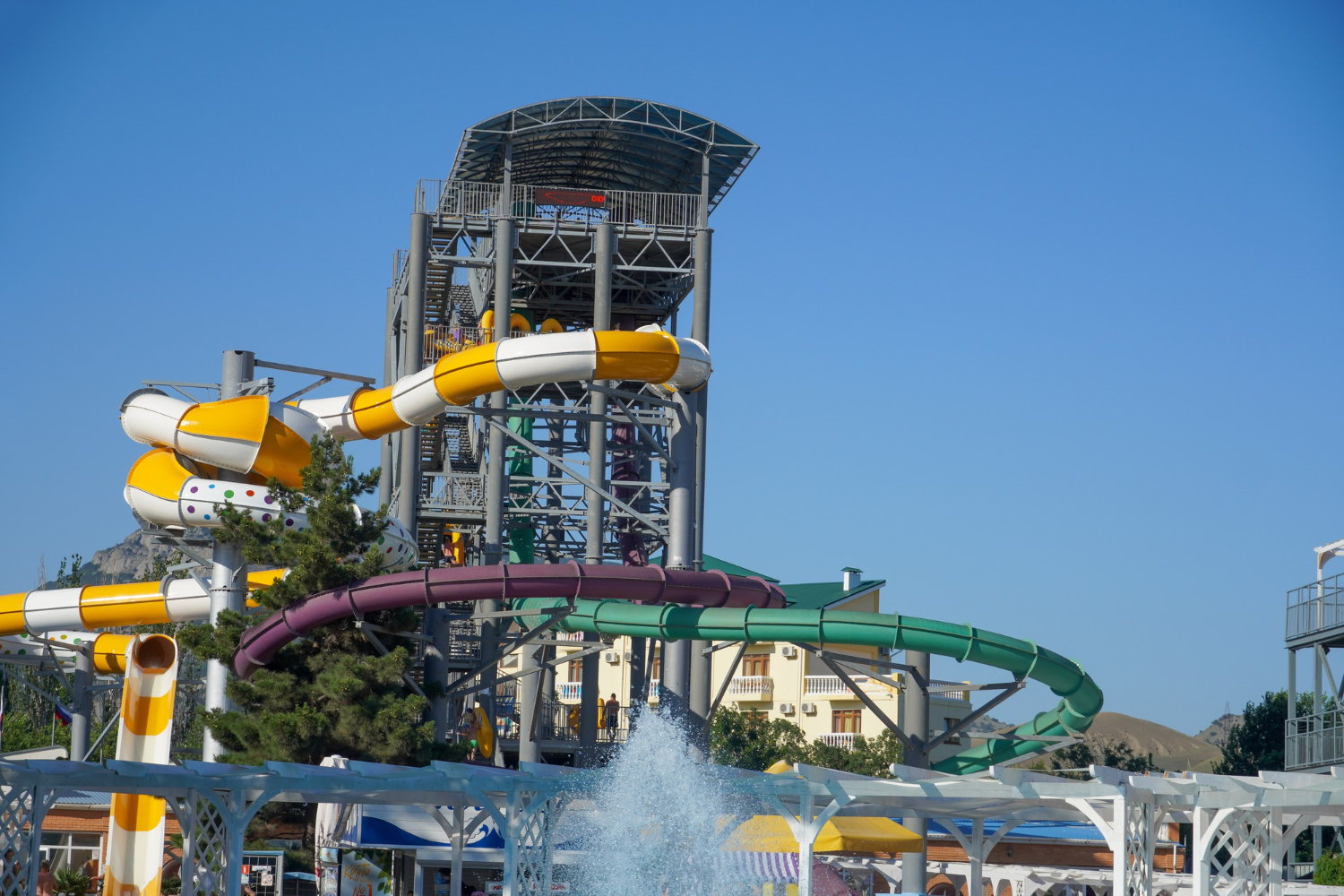
Wild Waves is not alone. Its closure is part of a broader wave of regional amusement parks across the country facing existential pressure. The combination of high post-pandemic operating costs, expensive ride maintenance and insurance, competition from larger destination resorts, and changing leisure habits has put many mid-sized and legacy parks in a precarious position. Other beloved regional parks have shut their gates in recent years for similar reasons, often followed by redevelopment of their valuable land. These parks tend to hold outsized emotional significance for the communities they serve, which is why each closure generates such an outpouring of nostalgia. Wild Waves’ story is a vivid example of the squeeze facing the kind of affordable, local amusement park that once defined American summers.
One Last Summer
For the families of the Pacific Northwest, the 2026 season is shaping up to be a bittersweet farewell, a final opportunity to make memories at a place that has been part of local summers for nearly half a century. Whether the park ultimately finds a savior or gives way to redevelopment, its closure marks the end of a genuine institution. Those planning a final visit should keep an eye on the park’s official channels for operating dates and event schedules, and perhaps go expecting crowds, as nostalgia draws longtime fans for one last ride. It may also be worth arriving early, bringing patience, and treating the visit as the farewell it is, a chance to ride old favorites, take a few photos, and appreciate a place that meant so much to so many before it passes into memory. Wild Waves’ story is a reminder of how much these local landmarks mean, and of how quickly a fixture of childhood can become a memory. For one more summer, at least, the coasters will run and the water will splash. And when the gates finally close on that November day, they will take with them not just a collection of rides, but a shared piece of regional childhood, the kind of place that, once gone, tends to live on most vividly in the memories of everyone who ever spent a summer day there.
