

In much of America, a car feels essential, but on vacation it can be the opposite: an expensive hassle of parking fees, traffic, and one-way streets. A growing number of US cities are walkable and well served by public transit, letting visitors explore comfortably on foot, by train, bus, bike, or the occasional rideshare, no rental required. Going car-free can save money, cut stress, and immerse you more deeply in a place, since you experience it at street level rather than through a windshield. These cities pack their best sights, food, and neighborhoods into areas you can navigate without driving. Here are some of the best US cities for a genuinely great car-free vacation, and what makes each one so easy to explore.
New York City

No US city makes a car more pointless than New York. In fact, driving here is a genuine liability, between brutal traffic, scarce and astronomically priced parking, and aggressive congestion. Instead, the city runs on one of the world’s most extensive subway systems, operating 24 hours a day and reaching virtually every corner of the five boroughs, complemented by buses, ferries, and endlessly walkable neighborhoods. You can go from a museum on the Upper East Side to dinner in Brooklyn to a Broadway show without ever hailing more than a subway car. Walking is often the best way to absorb the city’s energy, neighborhood by neighborhood. For a car-free vacation, New York isn’t just doable; it’s the ideal way to experience the city.
Boston

Compact, historic, and eminently walkable, Boston is one of the easiest US cities to enjoy without a car. Many of its top attractions are clustered close together, and the Freedom Trail famously links major historic sites along a route you simply follow on foot. When you want to cover more ground, the “T,” America’s oldest subway system, connects neighborhoods, the waterfront, Cambridge, and beyond. The city’s human scale and dense, layered history reward wandering, and parking in the narrow colonial-era streets is notoriously difficult, making a car more trouble than it’s worth. Add a walkable riverfront and bike paths along the Charles, and Boston becomes a place where your own two feet, supplemented by the T, are all the transportation you need.
Washington, DC

The nation’s capital is practically designed for car-free visitors. The major monuments, memorials, and world-class museums are concentrated on and around the National Mall, a walkable expanse where many of the top attractions, several of them free, sit within strolling distance of one another. When your feet tire, the clean, efficient Metro system connects the Mall to neighborhoods, dining districts, and the airports, while a bike-share network offers another easy option. The city’s grid layout and abundant green space make navigation intuitive. Driving and parking in DC, by contrast, can be confusing and costly. For sightseeing-heavy trips packed with history and culture, Washington lets you park the idea of a car entirely and explore on foot and by rail.
Chicago
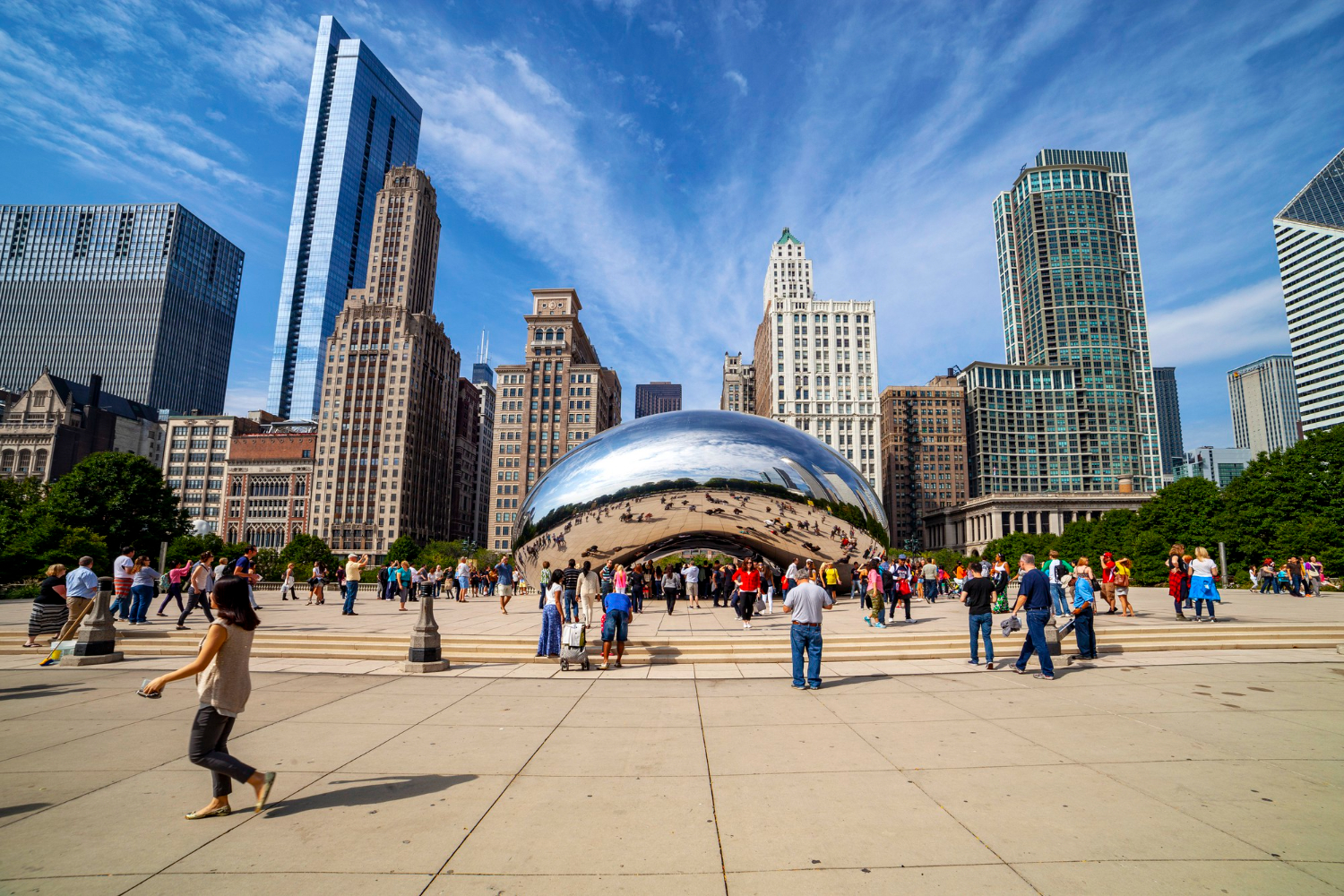
Chicago proves a big, sprawling city can still be wonderfully car-free for visitors. The action concentrates downtown and along the lakefront, where attractions like Millennium Park, the Art Institute, Navy Pier, and miles of lakeshore trail sit within walking distance or a short ride of one another. The elevated “L” train system, an icon in its own right, loops through downtown and fans out to neighborhoods, while buses fill in the gaps and a lakefront path beckons walkers and cyclists. Staying centrally lets you reach most highlights on foot or by transit with ease. Given downtown parking rates and traffic, leaving the car behind is the smarter, cheaper, and more authentic way to experience the Windy City’s architecture, food, and waterfront.
San Francisco
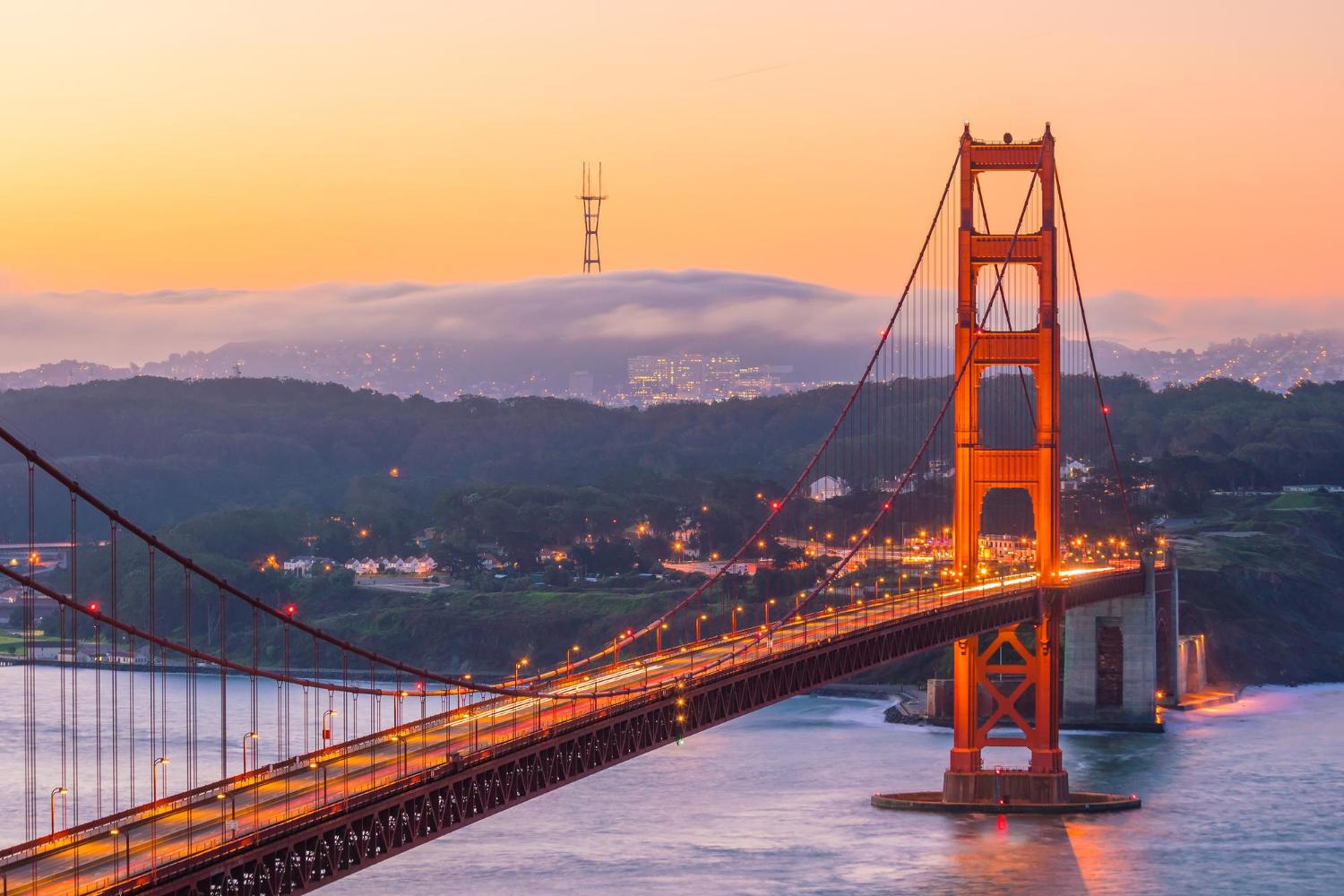
San Francisco packs enormous variety into a relatively small, dense area, making it ideal for car-free travel, and parking on its famous hills is a notorious headache. The city’s network of buses, light rail, the historic cable cars, and the regional BART system can carry you to most neighborhoods, while many of the best experiences come from simply walking through distinct districts. From the waterfront to Chinatown to the parks, much is reachable on foot or by transit, and BART even connects to the airport and across the bay. Steep hills make for a workout, but they also deliver unforgettable views. Skip the rental, save yourself the parking nightmares, and let the cable cars and your own legs show you the city.
Philadelphia

Rich in history and increasingly celebrated for its food and culture, Philadelphia is highly walkable, especially in its central core. Many of the country’s most significant historic sites sit clustered together within easy walking distance, so you can trace the nation’s founding largely on foot. The city’s grid, laid out centuries ago, is simple to navigate, and a regional rail and subway system connects neighborhoods, while the area is flat and friendly to walkers and cyclists. Compact downtown distances and abundant sights packed close together mean a car offers little advantage. For a trip combining American history, museums, murals, and a renowned dining scene, Philadelphia is a city you can comfortably experience without ever turning a key in an ignition.
New Orleans
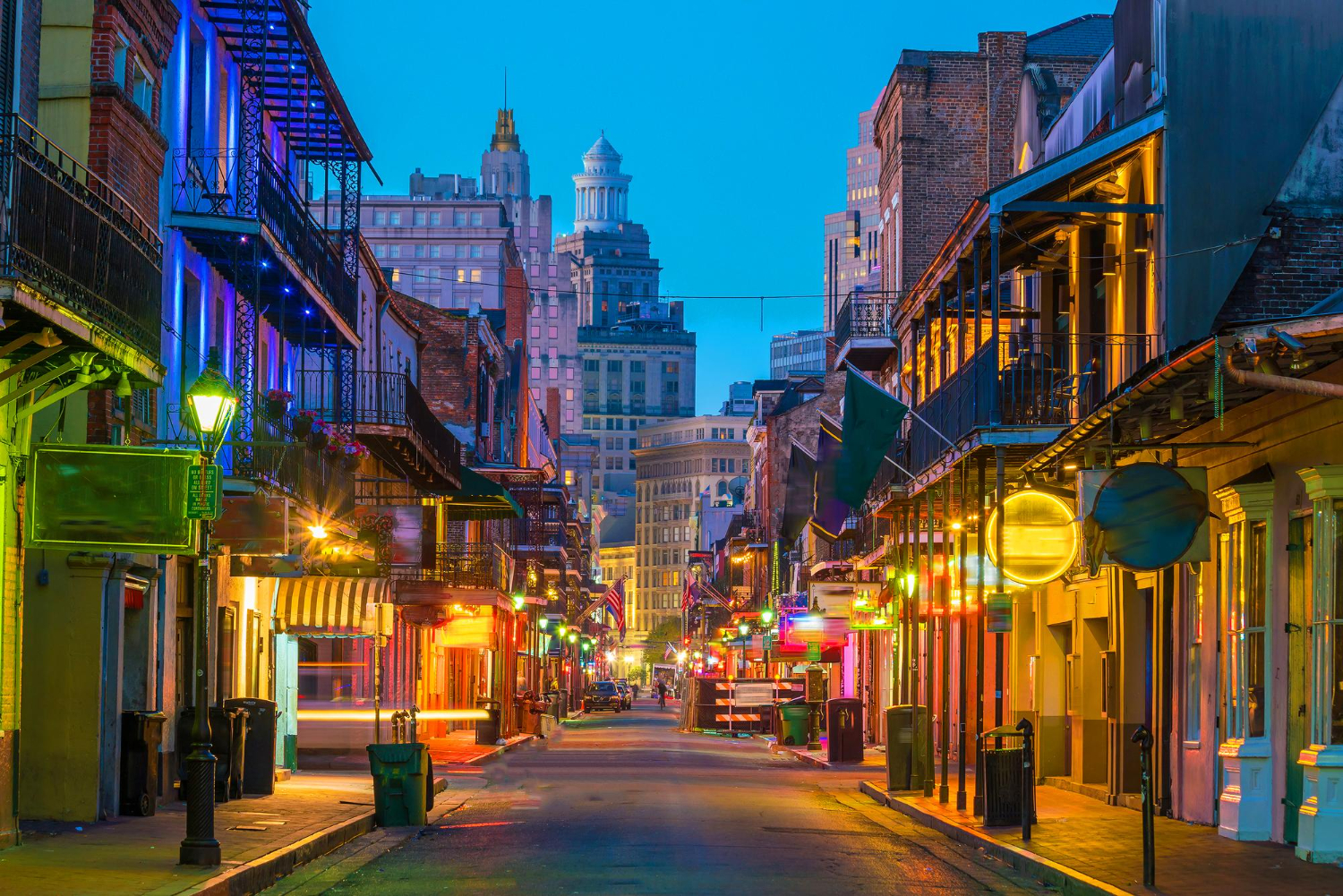
Few US cities are as atmospheric on foot as New Orleans, where much of the appeal lies in strolling and soaking up the surroundings. The historic French Quarter is compact and made for walking, packed with architecture, music, and food within a small, flat area. The city’s iconic streetcars, among the oldest continuously operating in the world, trundle along scenic routes like St. Charles Avenue, offering both transport and a sightseeing experience in one. Between walking the Quarter, riding the streetcars, and the occasional short rideshare, visitors can reach most of what they came for without a car. Add the difficulty and expense of parking in the dense historic districts, and a car-free New Orleans trip is both practical and a far more immersive way to feel the city’s rhythm.
Savannah
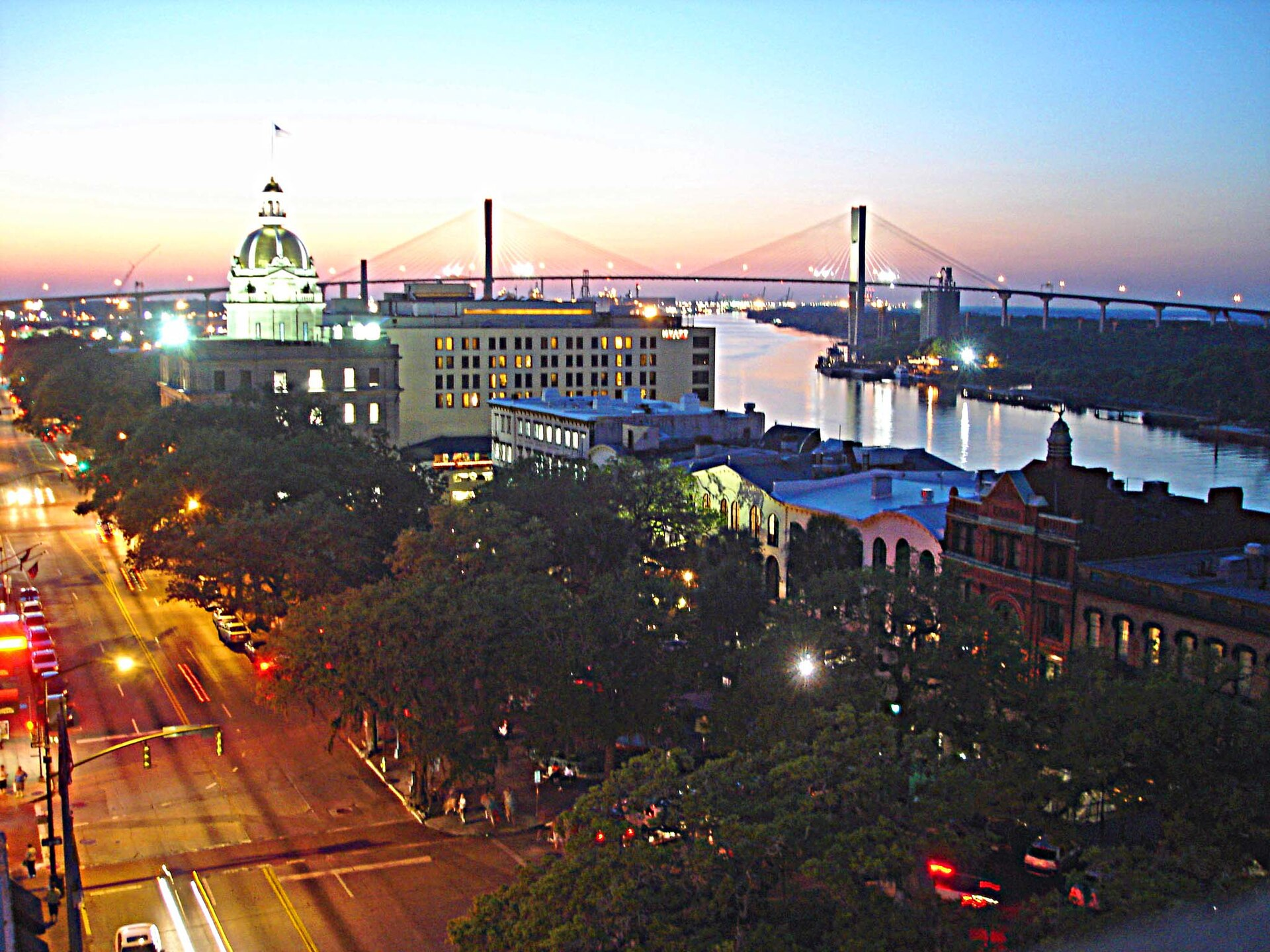
Savannah is a Southern gem practically tailor-made for exploring on foot. The city’s historic district is famously laid out around a series of leafy, scenic squares, creating a walkable grid where moss-draped oaks, historic homes, and charming streets unfold at a stroll. The compact, beautiful core means many visitors happily spend whole days wandering without ever needing a vehicle. Free shuttles and other local transit options help cover longer distances, and the flat terrain is easy on the legs. Driving offers little benefit in the tight, scenic historic streets, where the pleasure is precisely in the slow pace. For a relaxed, romantic getaway centered on atmosphere, architecture, and Southern charm, Savannah is a place where walking isn’t a compromise; it’s the whole point.
Seattle

Seattle rounds out the list as a Pacific Northwest city where visitors can comfortably skip the rental car. Many of its signature attractions cluster in walkable zones, from the waterfront and Pike Place Market to the Seattle Center, and a growing transit network, including light rail that conveniently links the airport to downtown, makes getting around without driving increasingly easy. Buses, streetcars, and ferries fill out the options, and the compact core rewards walking despite a few hills. Staying centrally puts much within reach on foot or rail. With notorious traffic and pricey downtown parking, leaving the car behind spares you real headaches. For a trip built around markets, coffee, waterfront views, and city culture, Seattle is a comfortably car-free destination.
Leave the Keys at Home

A great vacation doesn’t have to come with a rental-car bill, parking stress, or hours lost in traffic. These US cities prove that going car-free can actually enhance a trip, saving money while immersing you more fully in a place explored at street level. The common thread is dense, walkable cores where the best sights, food, and neighborhoods sit close together, backed by transit that fills in the gaps. Before you book a rental out of habit, consider whether your destination is one where your own two feet, a transit pass, and the occasional rideshare would serve you better. In these cities, leaving the keys at home isn’t just possible, it’s the smarter and more enjoyable way to travel.