Few countries offer the sheer variety of Morocco. In a single trip you can wander a maze-like medieval city, trek the Atlas Mountains, ride a camel into the Sahara at sunset, and relax on the breezy Atlantic coast. This North African kingdom is a feast of color, history, and landscape, where ancient traditions thrive alongside warm hospitality, fragrant cuisine, and some of the most photogenic scenery on Earth. Whether you’re drawn to chaotic souks, peaceful blue alleyways, or vast golden dunes, Morocco delivers unforgettable experiences at every turn. A quick note: Morocco is generally a welcoming, well-trodden destination, but as anywhere, it’s wise to take normal precautions and check current travel guidance. Here are some of the most beautiful places to visit.
Chefchaouen, the Blue City
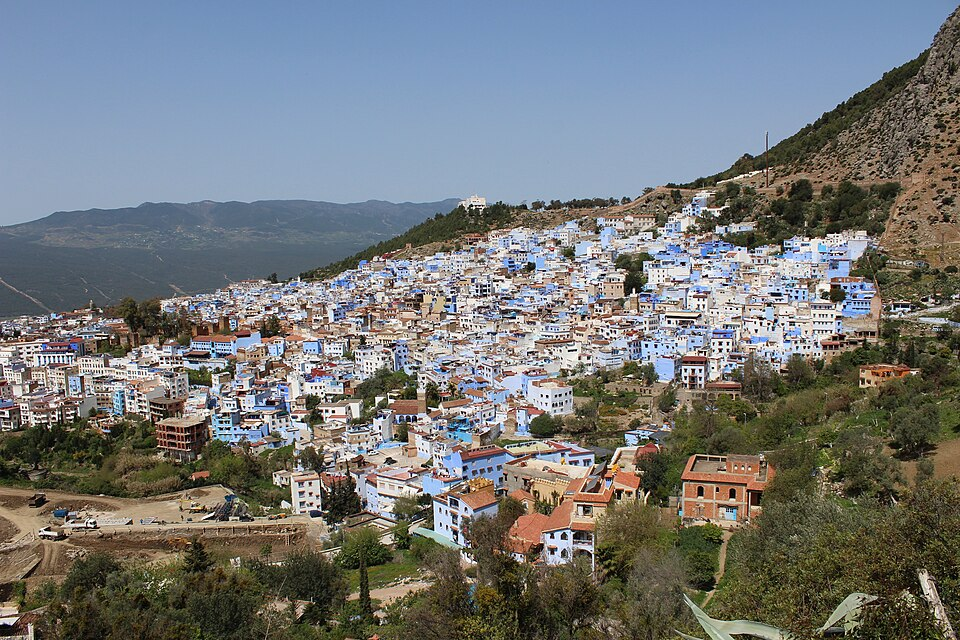
Tucked into the Rif Mountains of northern Morocco, Chefchaouen is famous the world over for one striking feature: nearly everything is painted blue. Its old town is a dream of cobalt and powder-blue walls, doorways, and staircases, climbing the hillside in a wash of color that has made it one of the most photographed places in the country. Beyond the photo opportunities, “Chaouen” is wonderfully relaxed, a place to wander aimlessly, sip mint tea in small cafés, and browse local handicrafts. Hike up to the Spanish Mosque for a sweeping sunset view over the blue rooftops, or visit the nearby Akchour waterfalls. Laid-back, scenic, and utterly distinctive, Chefchaouen is a highlight of any Moroccan journey.
Like our content? Follow us for more.
Marrakech, the Red City
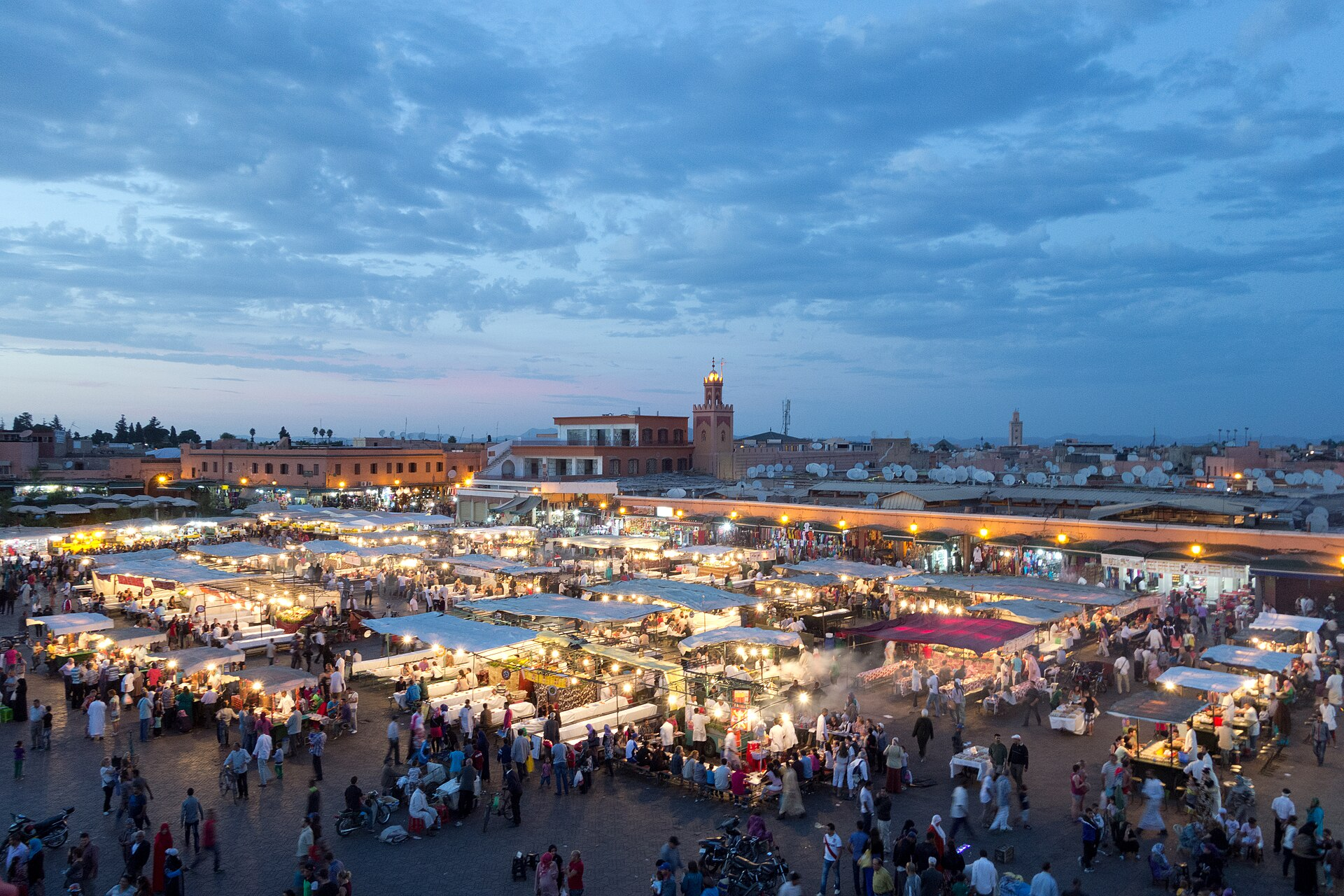
No trip to Morocco is complete without Marrakech, the country’s pulsing cultural heart. At its core lies the medina, a labyrinth of souks selling spices, carpets, leather, and lanterns, centered on the legendary square of Jemaa el-Fnaa, which transforms each evening into a swirl of food stalls, musicians, and storytellers. Nearby rise the iconic Koutoubia Mosque and the serene, cobalt-and-yellow Majorelle Garden, a tranquil oasis once owned by a famous fashion designer. Marrakech is intense, dazzling, and endlessly stimulating, a city that assaults the senses in the best way. Wear comfortable shoes for the uneven medina lanes, haggle good-naturedly in the souks, and retreat to a rooftop café when you need a break from the energetic streets below.
Fes, the Ancient Heart
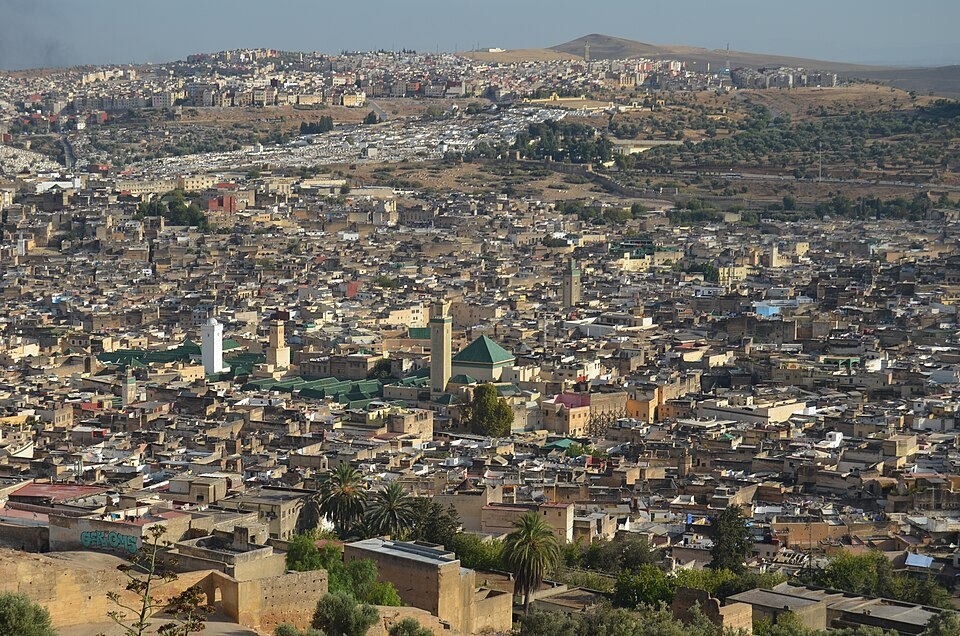
For a deeper dive into Morocco’s history, head to Fes, home to one of the largest car-free urban areas in the world: its sprawling medieval medina, Fes el-Bali. Within its walls lies a bewildering maze of thousands of narrow lanes, where you’ll find Al Quaraouiyine, often cited as the world’s oldest continuously operating university, founded in the ninth century. Fes is also famous for its centuries-old leather tanneries, where hides are still dyed in stone vats using traditional methods, best viewed from a surrounding terrace. Less polished and more atmospheric than Marrakech, Fes feels like stepping back in time. Getting lost in its ancient streets, past madrasas and workshops, is an essential and unforgettable Moroccan experience.
The Sahara at Merzouga
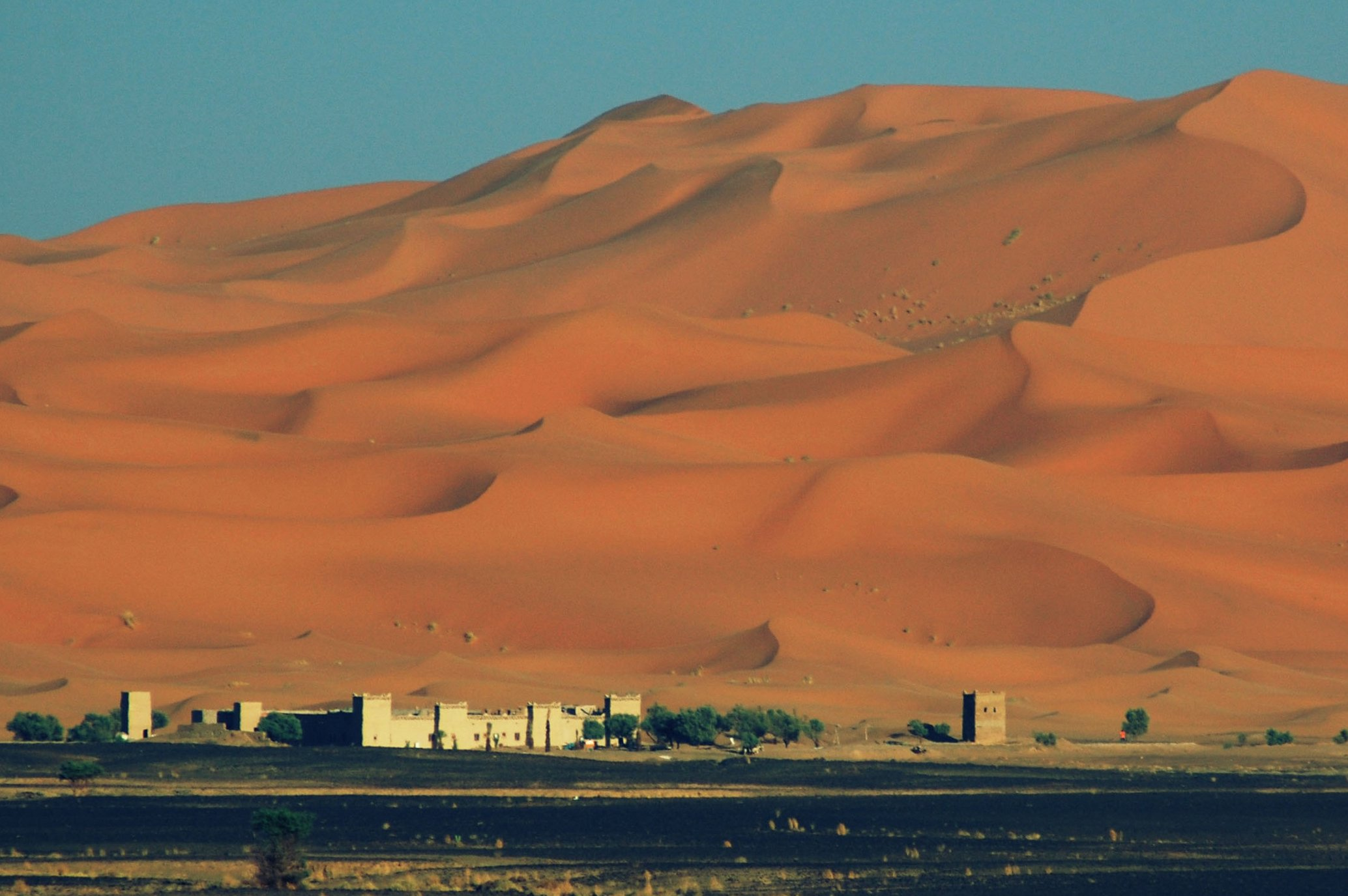
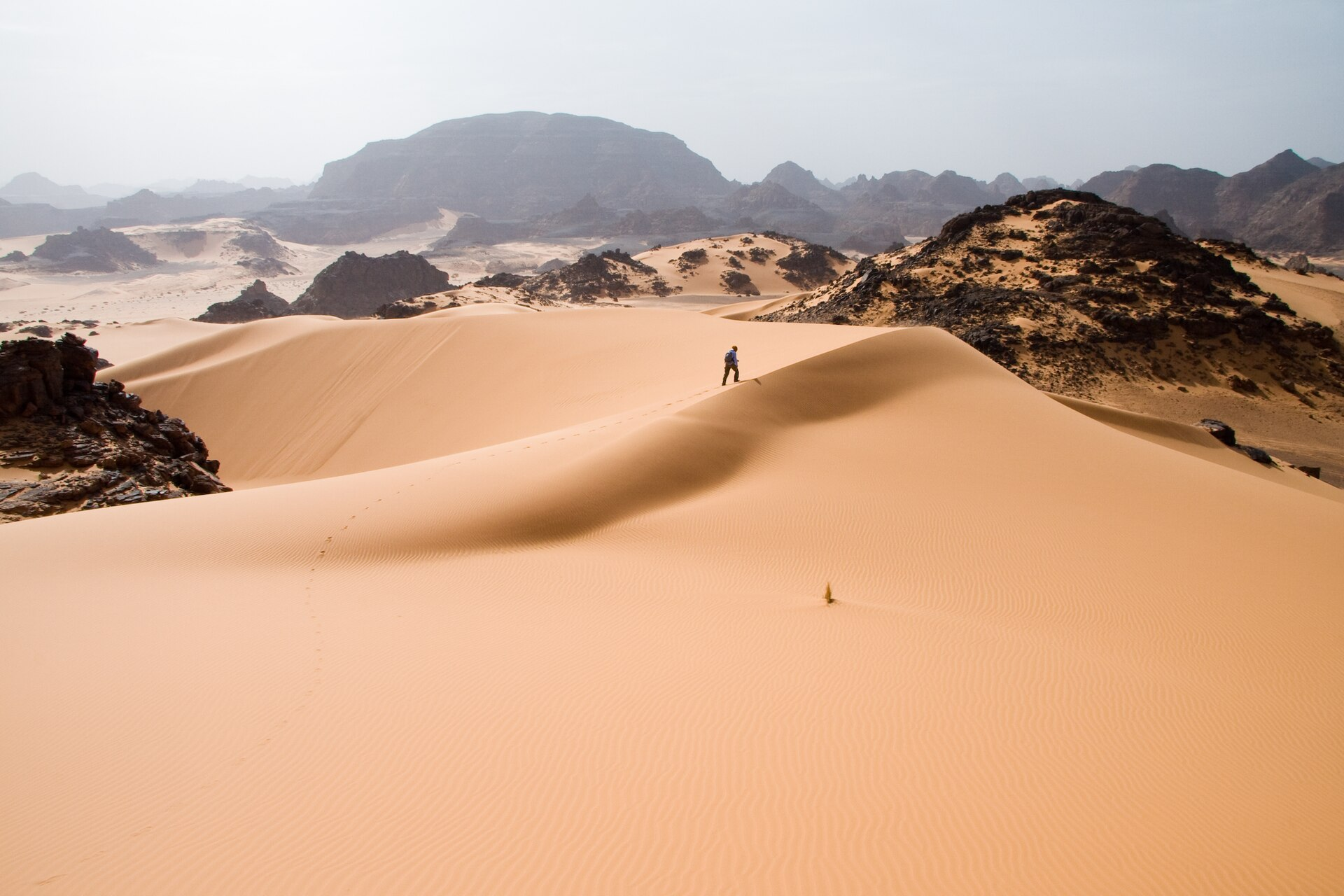
For many travelers, the Sahara Desert is the ultimate Moroccan adventure, and the village of Merzouga is the classic gateway. Here rise the towering dunes of Erg Chebbi, vast waves of golden sand that climb hundreds of feet and glow orange at sunrise and sunset. The quintessential experience is a camel trek into the dunes in the late afternoon, followed by a night in a traditional Berber desert camp beneath a sky ablaze with stars. The silence, the scale, and the shifting light make it genuinely magical. Reaching Merzouga involves a long but scenic drive from Marrakech or Fes, often broken up with stops at other spectacular sights along the way. It’s an experience that stays with you forever.
Aït Benhaddou
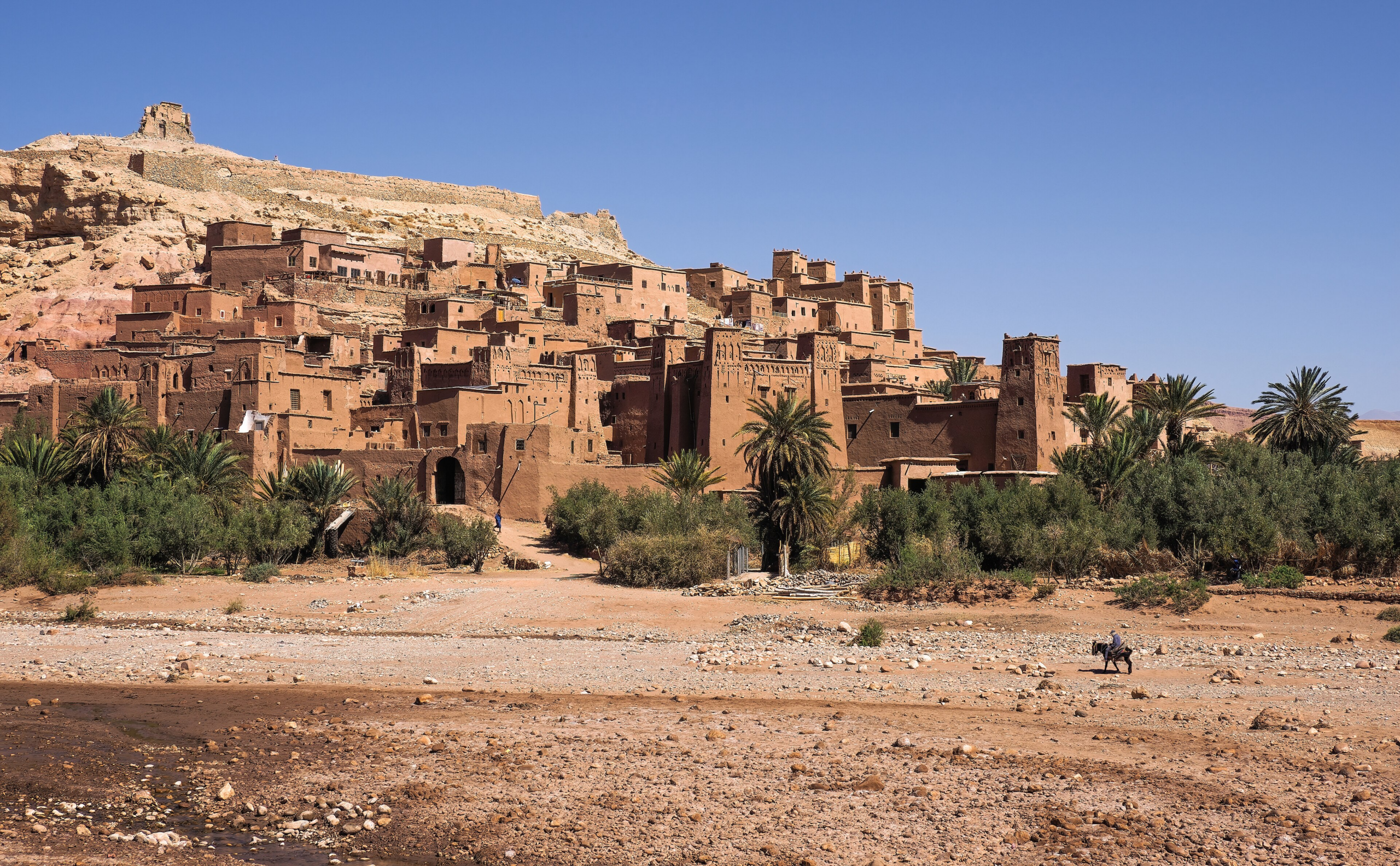
Rising from the landscape between Marrakech and the desert, Aït Benhaddou is a spectacular fortified village, or ksar, of earthen clay buildings clustered on a hillside above a river. A UNESCO World Heritage Site, this ancient caravan stop along the old route to the Sahara is one of the best-preserved examples of southern Morocco’s traditional mud-brick architecture, and some families still live within its walls. Film lovers may recognize it: the dramatic, timeless setting has served as a backdrop for numerous major movies and series set in ancient or far-off lands. Visitors cross the river to explore the maze of kasbahs and climb to the fortified granary at the top for panoramic views. It’s a striking, photogenic glimpse into Morocco’s past.
Essaouira, the Coastal Escape
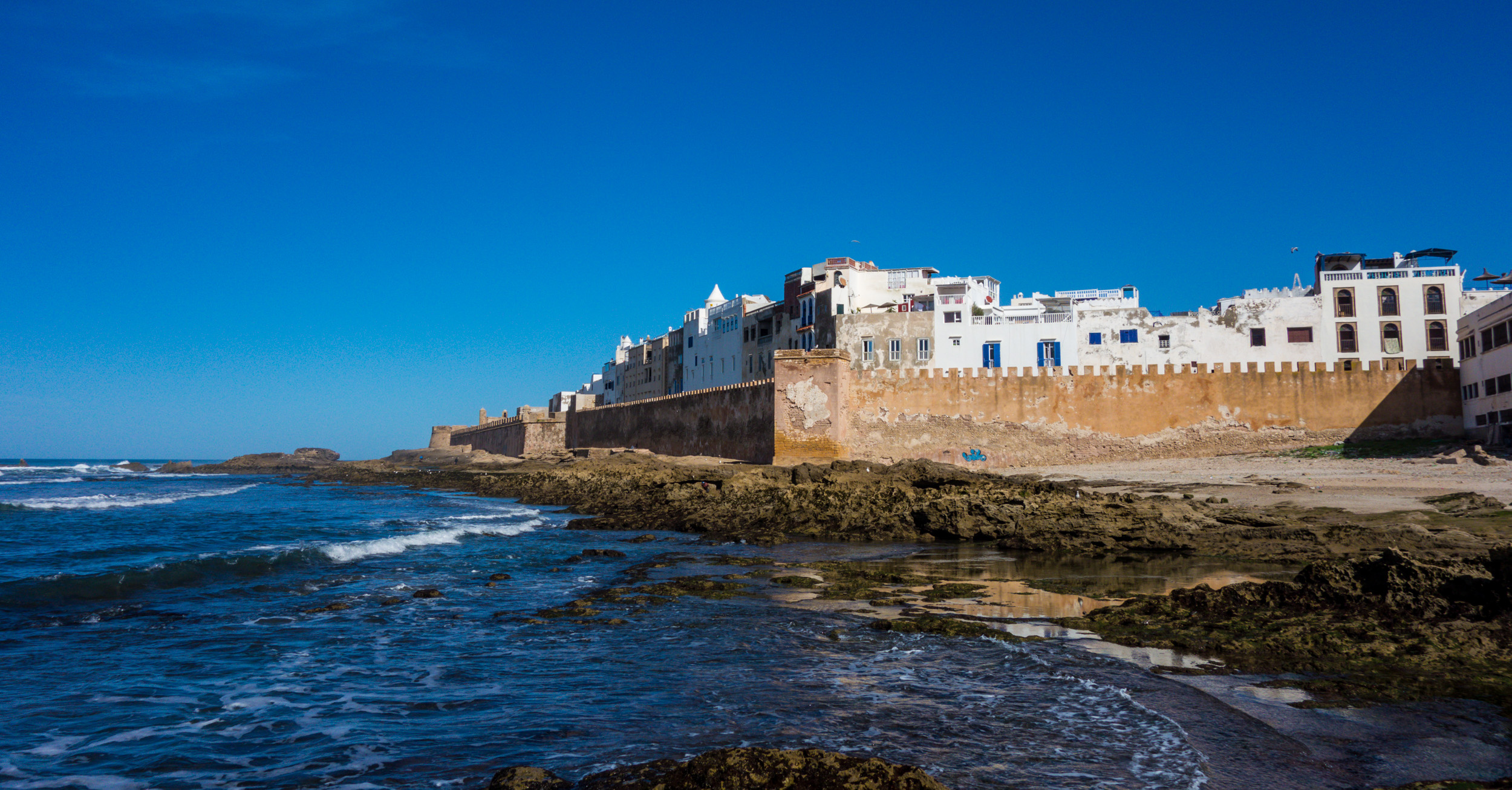
When the heat and intensity of the inland cities call for a break, the Atlantic coast town of Essaouira offers cool sea breezes and laid-back charm. This walled port is known for its dramatic seafront ramparts dating back centuries, its lively fishing harbor, and its long sandy beach popular with windsurfers and kitesurfers. Within the whitewashed, blue-accented medina, you’ll find art galleries, woodworking workshops crafting items from local thuya wood, and a thriving music and arts scene. Fresh-caught seafood is a highlight at the harbor. Relaxed, breezy, and creative, Essaouira provides a wonderful coastal counterpoint to Morocco’s frenetic cities, a place to slow down, soak up the ocean air, and wander at an easy pace.
The Atlas Mountains
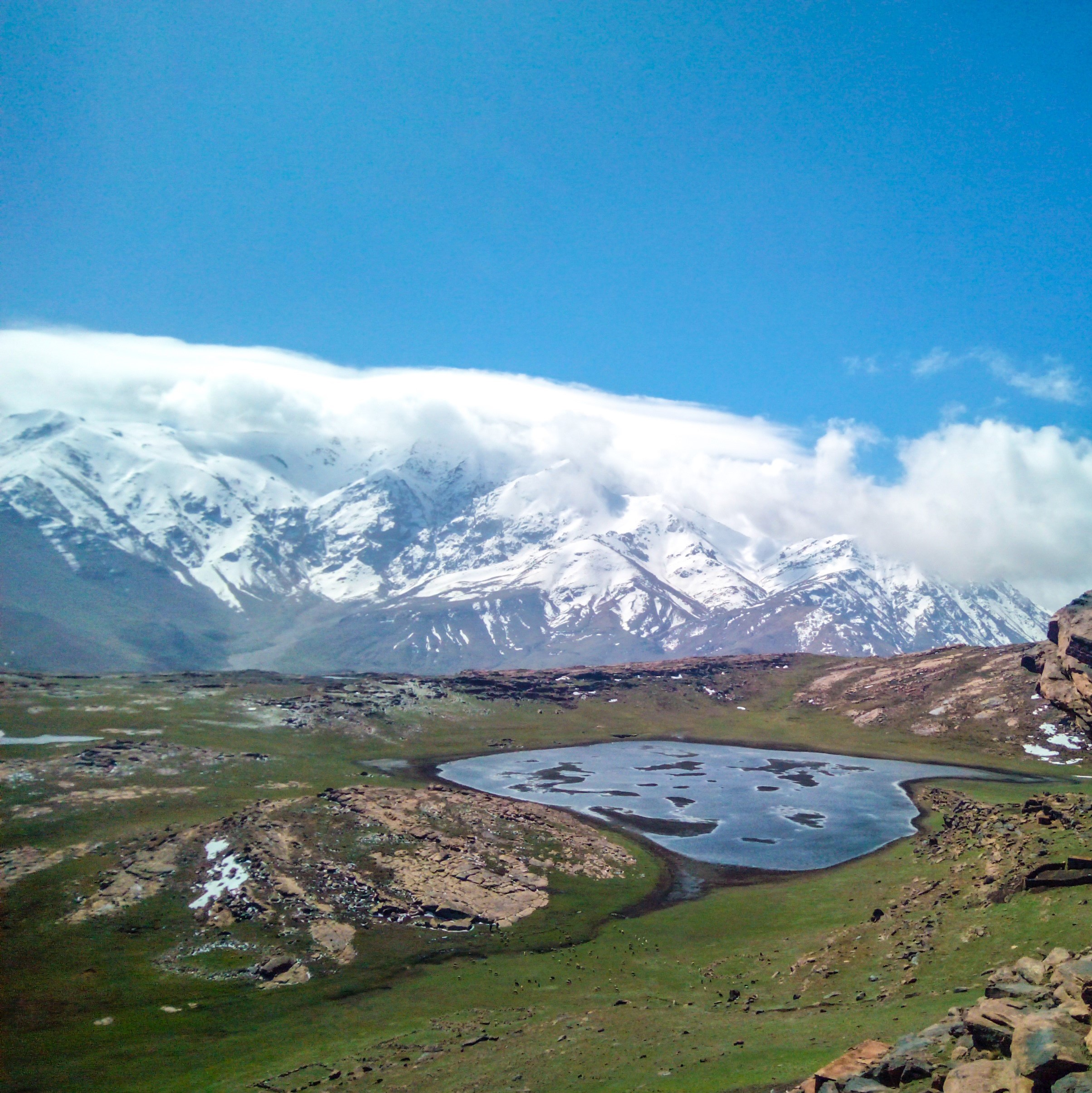
Stretching across Morocco, the Atlas Mountains offer some of the country’s most beautiful and underexplored scenery, a world away from the desert and the cities. Traditional Berber villages cling to the slopes, terraced fields line the valleys, and trails wind up toward dramatic peaks, including Jebel Toubkal, the highest summit in North Africa. In winter the high peaks wear snow, while spring brings blossoming valleys. The mountains are ideal for everything from gentle day hikes to serious multi-day treks, and staying in a guesthouse run by a Berber family offers wonderful hospitality and home-cooked food. Just a short drive from Marrakech, the Atlas Mountains are a refreshing, scenic escape into rural Morocco and its mountain culture.
The Dades and Todra Gorges
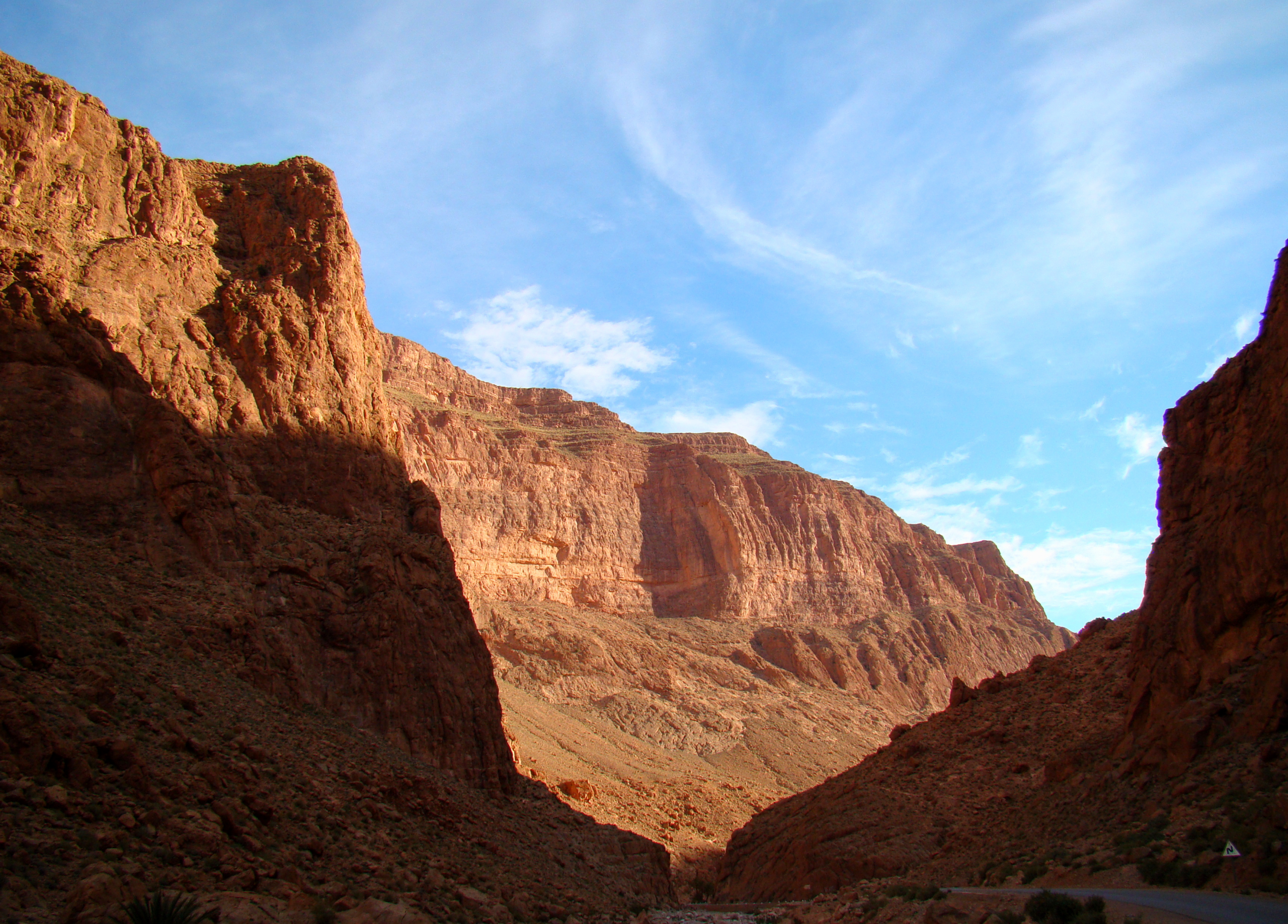
In the heart of southern Morocco, between the mountains and the desert, lie the dramatic Dades and Todra Gorges, carved by rivers through towering rock walls. The Todra Gorge is especially striking, with sheer cliffs rising hundreds of feet on either side of a narrow canyon floor, a magnet for hikers and rock climbers. The Dades Gorge is famous for its winding, serpentine road and otherworldly rock formations, and in spring the valley blooms with roses. The scenic drives through this region, dotted with old kasbahs and palm groves, are spectacular in their own right. Often visited en route to the Sahara, these gorges showcase a rugged, lesser-known side of Morocco’s extraordinarily varied landscape.
Casablanca and the Hassan II Mosque
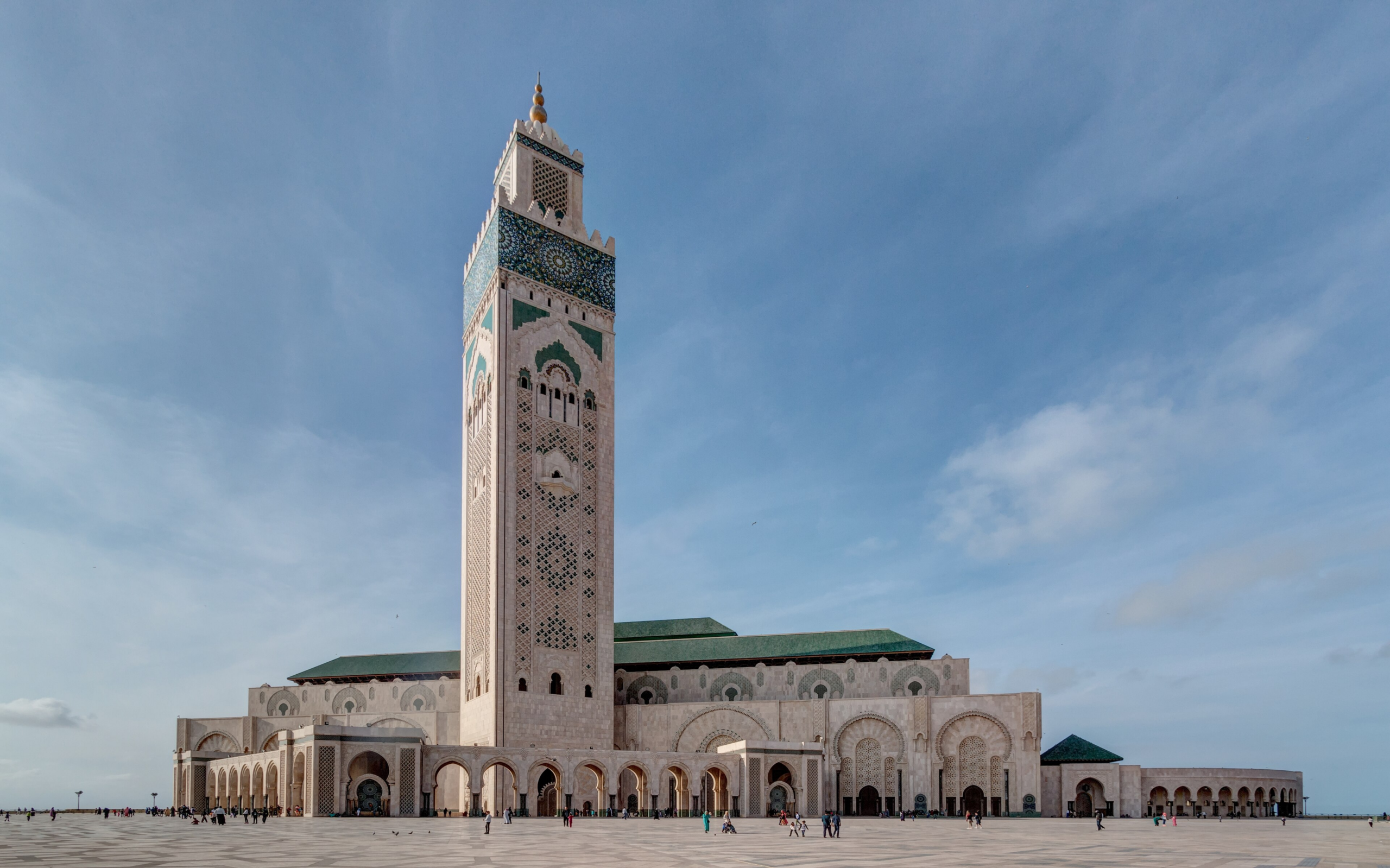
Morocco’s largest city and economic hub, Casablanca offers a more modern, cosmopolitan face of the country, blending contemporary life with French colonial architecture. Its crowning glory is the magnificent Hassan II Mosque, one of the largest mosques in the world, dramatically positioned on the Atlantic coast with a soaring minaret visible across the city. The vast, intricately decorated structure partly extends over the water, and it’s one of the few mosques in Morocco open to non-Muslim visitors via guided tours. Beyond the mosque, Casablanca offers seaside promenades, lively markets, and a glimpse of urban Moroccan life. While less traditionally scenic than Fes or Chefchaouen, Casablanca’s grand mosque alone makes it well worth a visit.
Asilah, the Whitewashed Gem
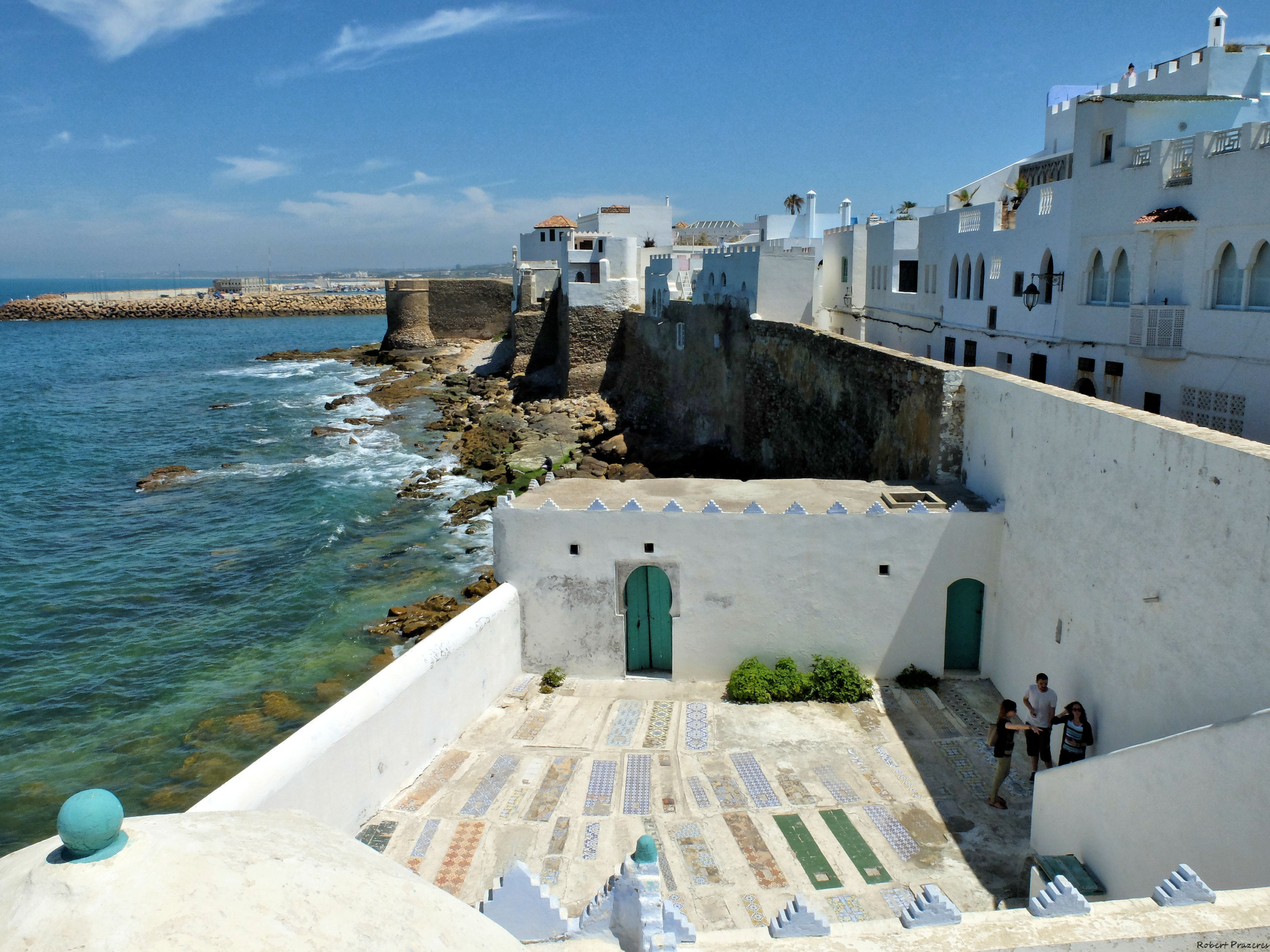
For a quieter coastal stop, the small town of Asilah on Morocco’s northern Atlantic coast charms visitors with its tranquil, whitewashed medina accented in vivid blues. Once a sleepy fishing port, Asilah has blossomed into an artistic hub, famous for the colorful murals that adorn its walls, many painted during an annual arts festival. Wandering its clean, peaceful lanes, browsing galleries, and watching the waves crash against the old ramparts makes for a relaxing escape. With far fewer crowds than the big-name destinations, Asilah offers an authentic, low-key slice of Moroccan coastal life. Its blend of art, history, and seaside serenity makes it a delightful and underrated addition to any northern Morocco itinerary.
A Country Like No Other
From the blue lanes of Chefchaouen to the golden dunes of the Sahara, the ancient medina of Fes to the breezy coast of Essaouira, Morocco offers a richness and variety of beauty that few destinations can match. It’s a country where every region reveals a different world, mountains, desert, ocean, and timeless cities, all wrapped in warm hospitality and vivid sensory experiences. Whether you have a week or a month, you’ll only scratch the surface of what this remarkable kingdom has to offer. With a little planning, sensible precautions, and an open, adventurous spirit, a journey through Morocco promises some of the most memorable and beautiful travel experiences of a lifetime.
Like our content? Follow us for more.