Walk into almost any grandparent’s house, and you’ll be greeted by a wonderfully familiar set of objects, a kind of universal decorating language passed down through generations. There’s the furniture nobody’s allowed to sit on, the candy nobody actually eats, and the mysterious tins that never contain what the label promises. These items are so common across so many homes that just picturing them brings a flood of warm, specific memories: the smell, the textures, the gentle rules of Grandma’s house. It’s a shared experience that transcends time and place. Here’s a fond, nostalgic tour of the things you’d find in seemingly every grandparent’s home, the quirky, comforting, and oddly universal objects that defined visits to Grandma and Grandpa’s.
The Candy Dish of Mystery
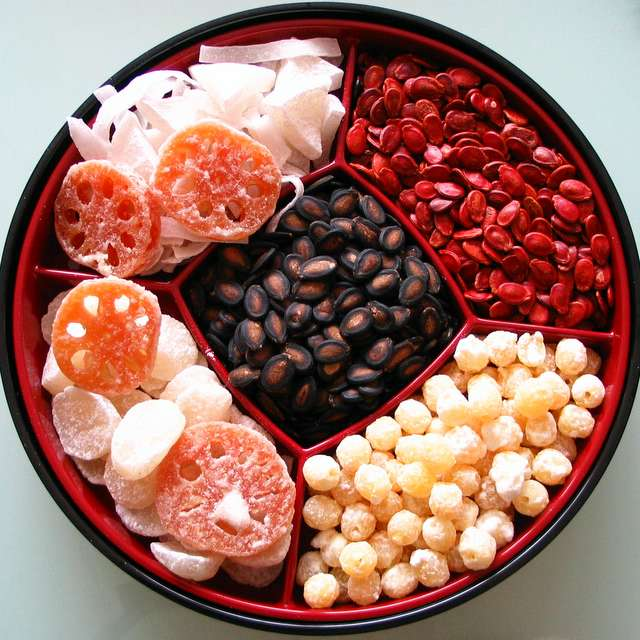
Perched on a side table or sideboard, the cut-glass candy dish was a fixture of every grandparent’s home, and it almost always held the same thing: those hard, individually wrapped strawberry candies that seemed to have fused into a single mass over the years. Whether anyone ever actually ate them was beside the point; they were simply always there, refilled from some endless secret supply. Other dishes held ribbon candy, butterscotch discs, or peppermints. Reaching for one, only to find them stuck together in a colorful clump, is a near-universal memory. The candy dish was less a snack and more a permanent decorative institution, a small, sweet symbol of a grandparent’s home that countless people remember with a smile.
Like our content? Follow us for more.
Furniture Covered in Plastic
In many grandparents’ homes, the nicest furniture, the good sofa, the dining chairs, was protected by fitted, clear plastic covers, preserving the upholstery in pristine condition for a special occasion that never quite seemed to arrive. Sitting on it meant the distinctive crinkle of plastic and, on a warm day, the memorable sensation of skin sticking to it. This devotion to keeping things “nice” reflected a generation that valued making possessions last. The plastic-covered couch has become one of the most affectionately mocked symbols of a grandparent’s house, a tribute to a frugal, careful way of living. For anyone who grew up sliding around on a plastic-wrapped sofa, the memory is instantly, hilariously vivid.
The Room No One Was Allowed In
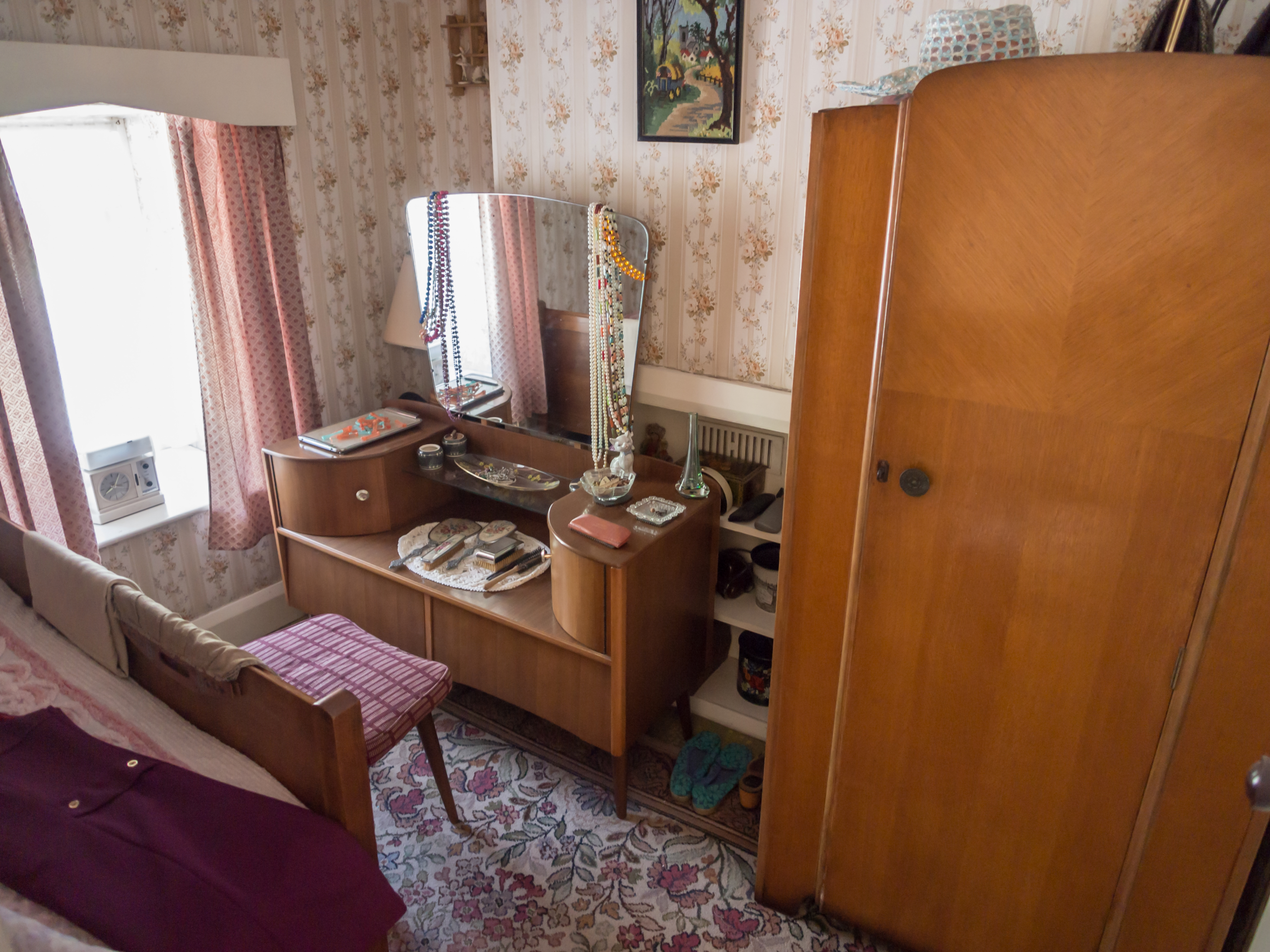
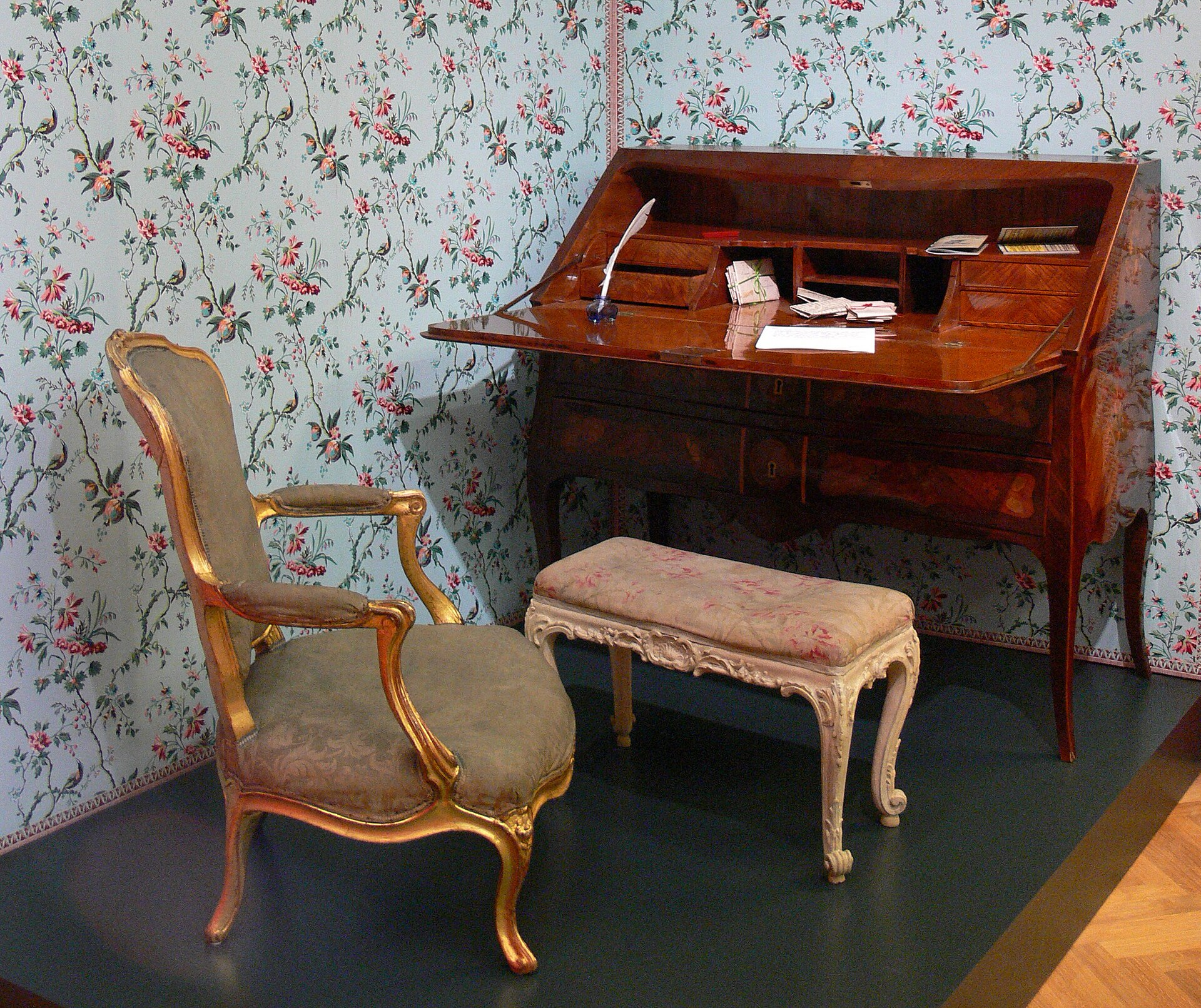
Many grandparents kept a formal living room or parlor, the “good room,” that was strictly off-limits for everyday use. Reserved for special guests and important occasions that rarely happened, it featured the finest furniture, the best carpet, and an air of hushed importance. Children quickly learned not to play, eat, or roughhouse anywhere near it. Often the room sat perfectly tidy and unused, a kind of domestic shrine to formality. The contrast between this pristine, forbidden space and the cozy, lived-in den where everyone actually gathered is a classic feature of the grandparent’s home. That untouchable “fancy room,” preserved for a special day, is a memory shared by countless grandchildren across generations.
Fine China Behind Glass
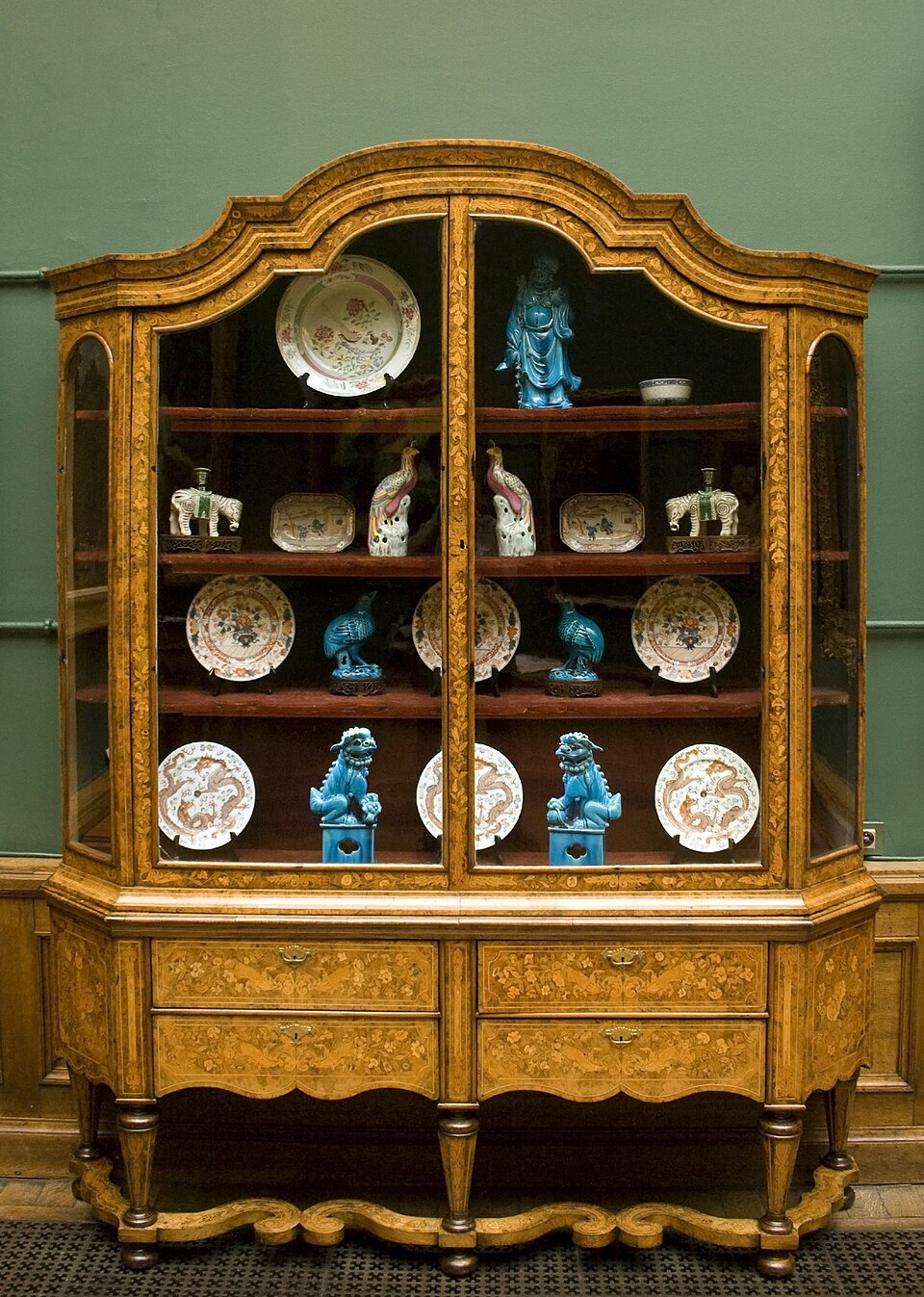
A stately cabinet displaying the “good china”, delicate plates, teacups, and serving dishes, often handed down or received as wedding gifts, stood in many grandparents’ dining rooms. This fine dinnerware was carefully arranged behind glass doors and almost never used, brought out only for the most important holidays, if ever. The everyday meals happened on ordinary plates, while the precious set gleamed untouched in its cabinet, too special for regular life. The china cabinet, often accompanied by crystal glasses and silver no one dared to tarnish, was a point of quiet pride. For many, the sight of an ornate cabinet full of beautiful, perpetually unused dishes is one of the most enduring images of a grandparent’s home.
The Cookie Tin Full of Sewing Supplies
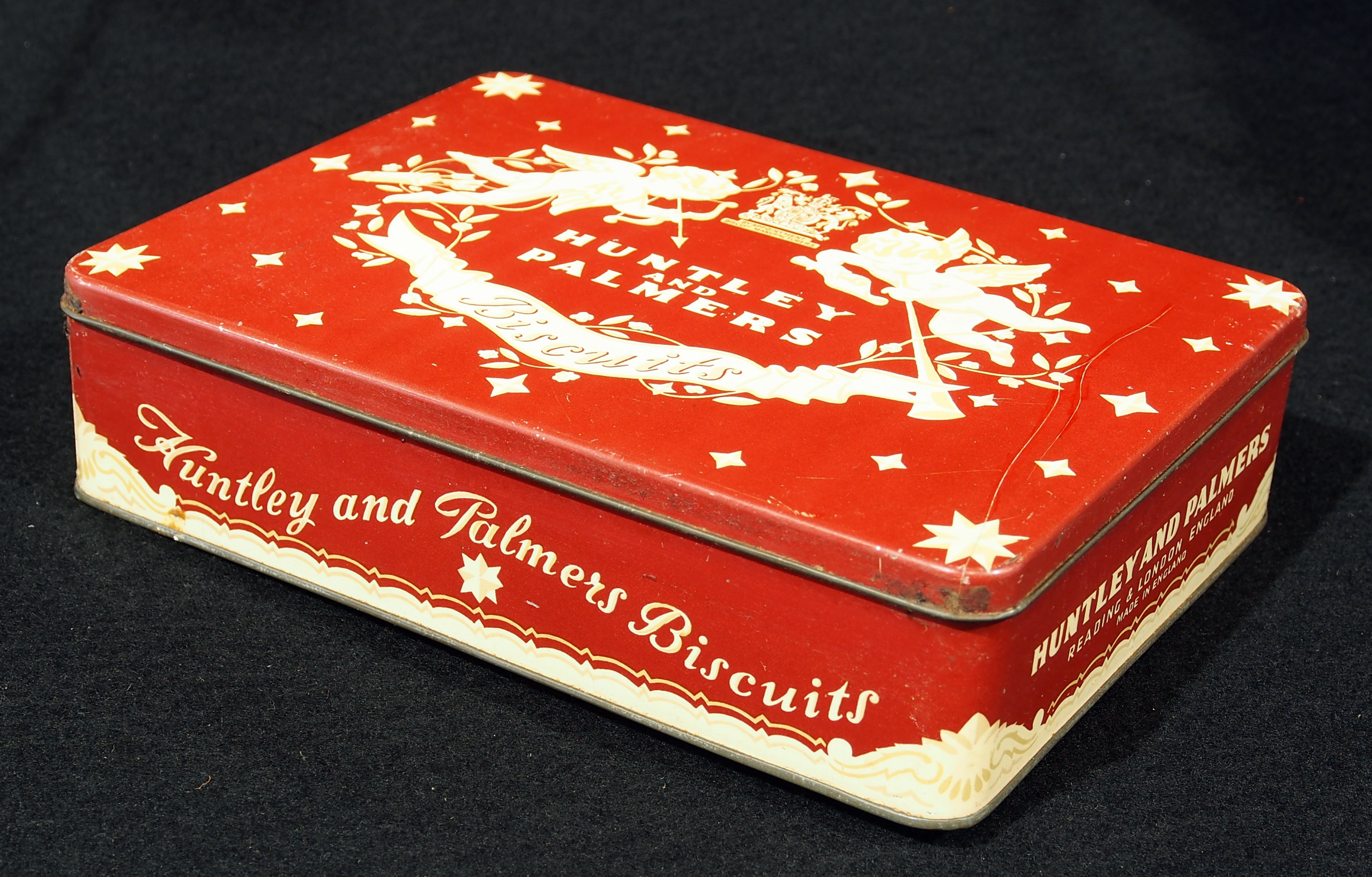
It’s perhaps the greatest and most universal bait-and-switch in family history: the round tin that looked exactly like it held delicious butter cookies, but, upon hopeful opening, revealed nothing but spools of thread, buttons, needles, and a tape measure. Generations of grandchildren learned this disappointing lesson the hard way. The repurposed cookie tin as a sewing kit is so common across so many households that it has become a beloved running joke. Grandparents, ever practical and never wasteful, simply gave the sturdy, attractive tins a new life as storage. That moment of lifting the lid expecting cookies and finding sewing notions instead is a shared rite of passage, and one of the most relatable grandparent’s-house memories of all.
Doilies on Everything
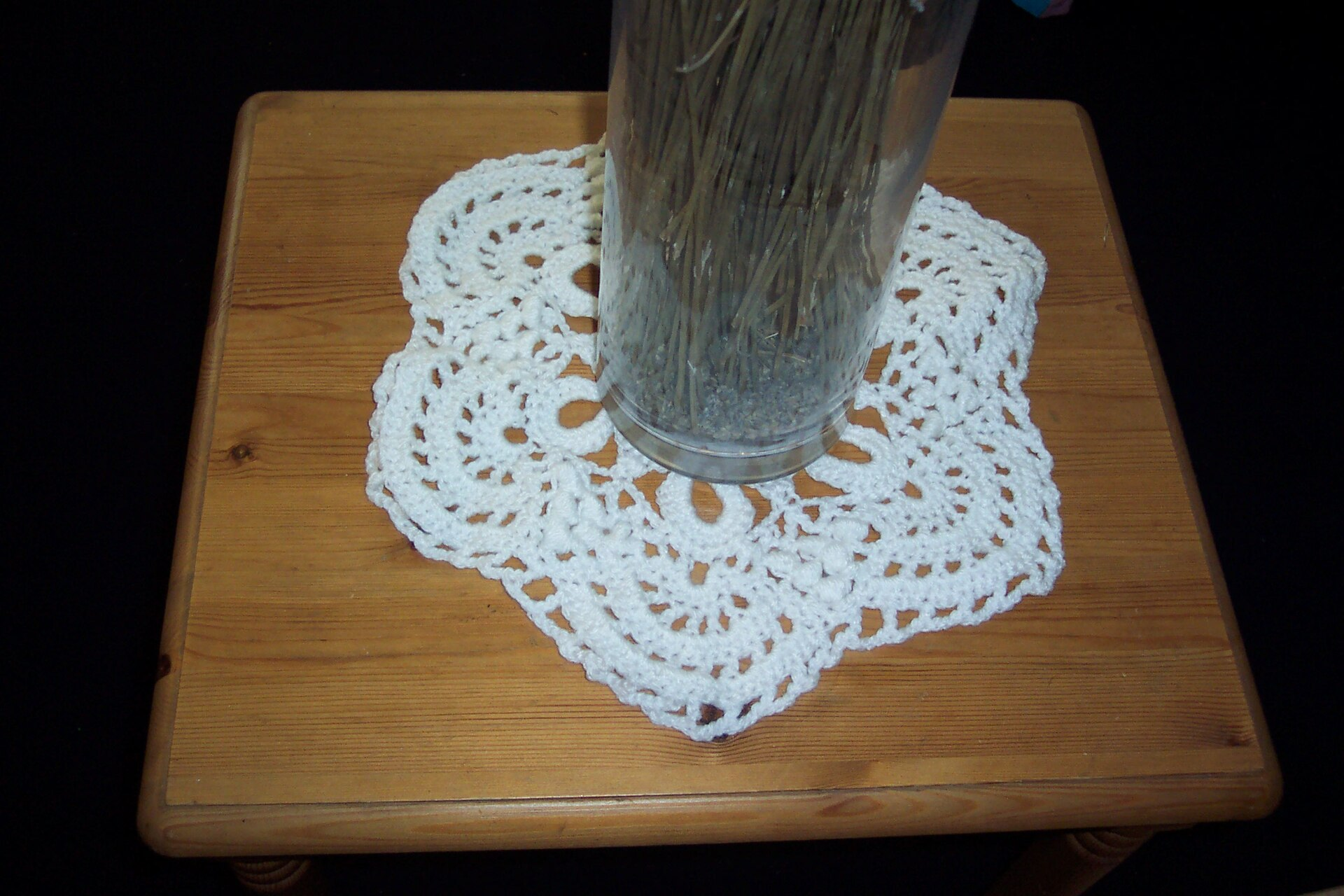
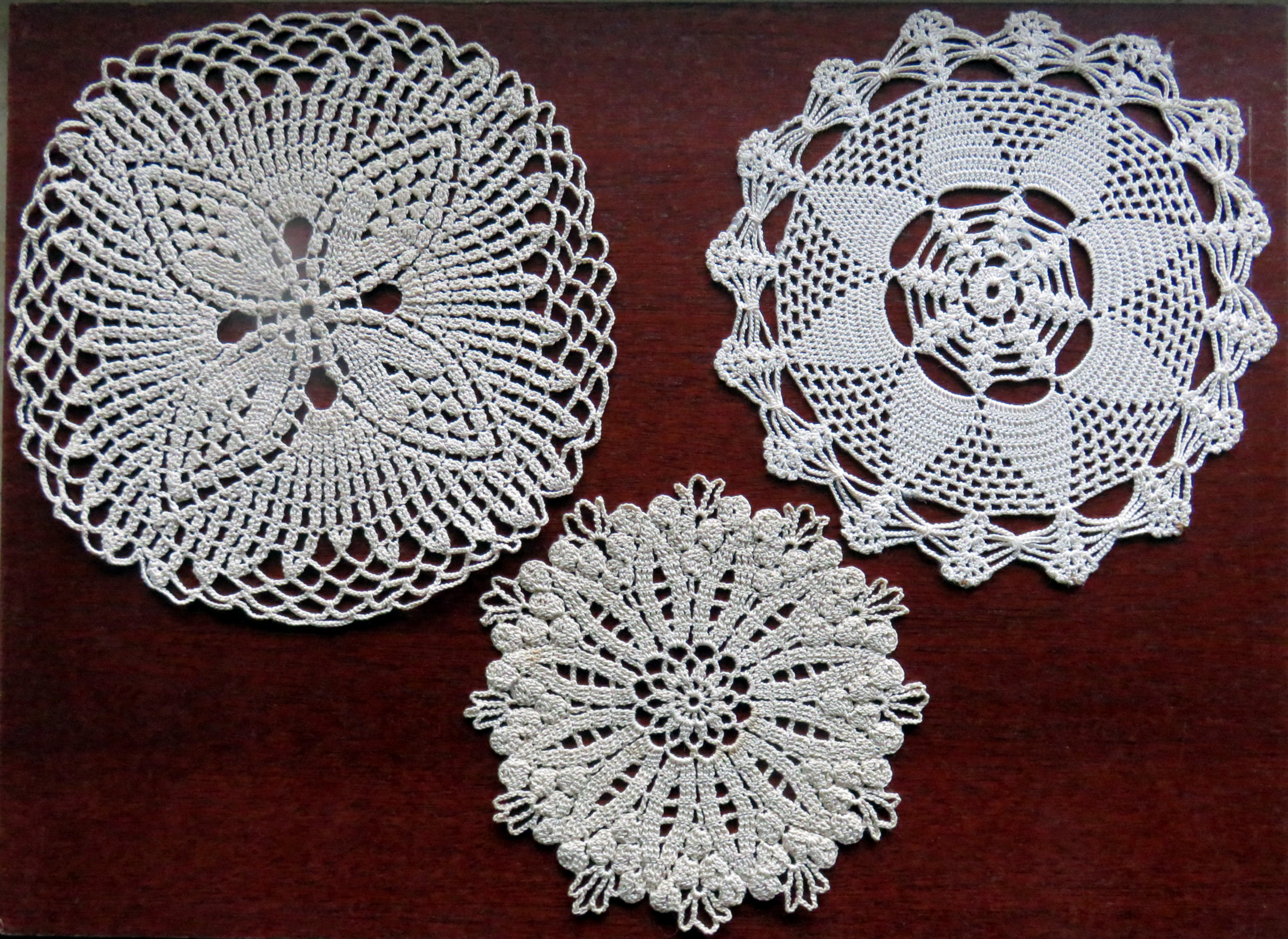
Delicate, lacy doilies, often hand-crocheted, seemed to adorn every available surface in a grandparent’s home. They sat beneath lamps, on the arms and backs of chairs and sofas, under vases and candy dishes, and across tabletops, adding a touch of old-fashioned decoration while also, practically, protecting the furniture beneath. Many were lovingly made by hand, treasured examples of a craft passed down through generations. Their intricate patterns and slightly yellowed lace are instantly evocative of a certain era of home decor. Whether you found them charming or fussy, the ubiquitous doily was an unmistakable signature of the grandparent’s house, a small, handmade flourish that spoke of care, tradition, and a gentler, more decorative approach to the home.
The Long-Corded Telephone
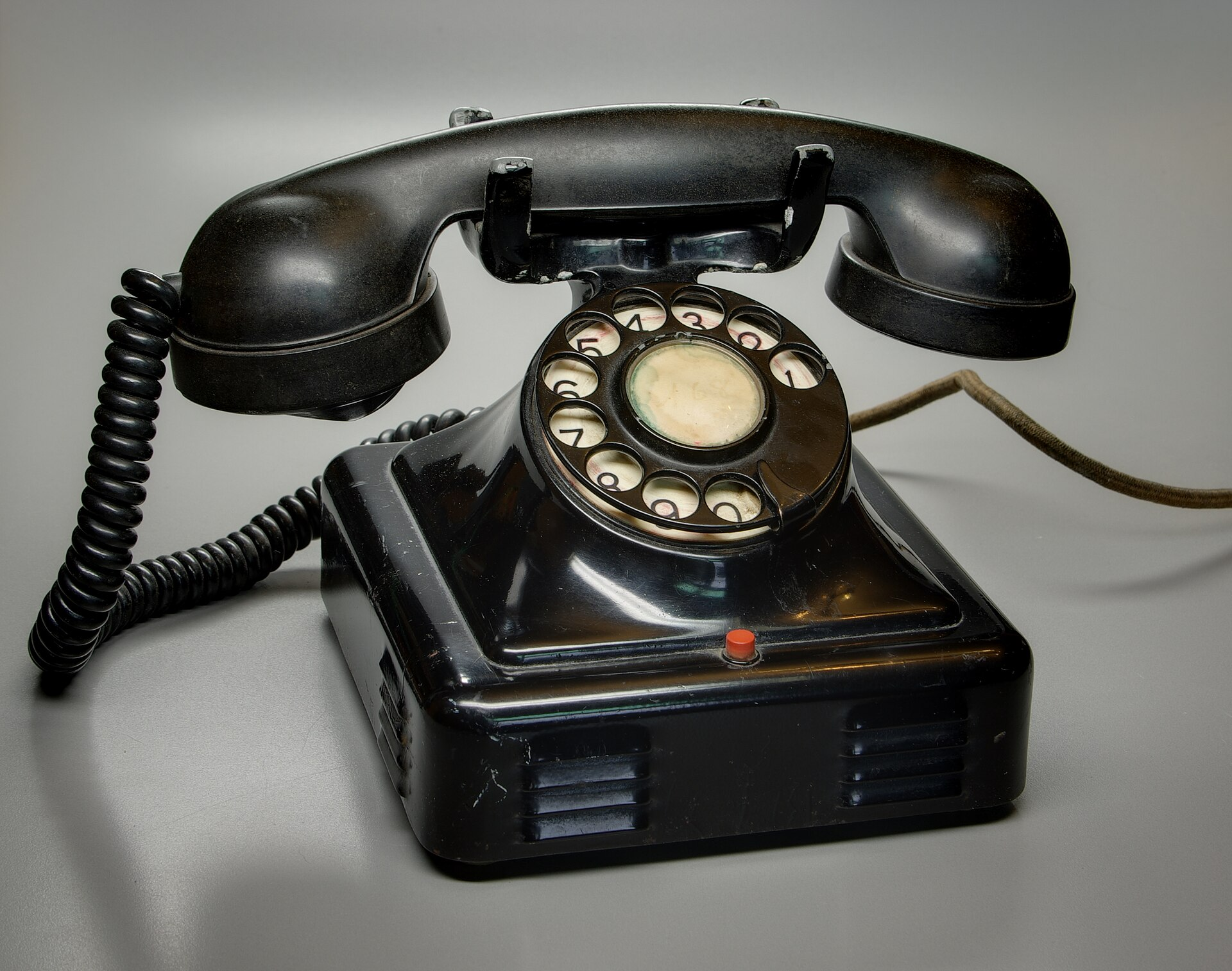
Mounted on the kitchen wall or sitting on a hallway table, the landline telephone, often with an impossibly long, curly cord stretched and tangled from years of use, was the communication hub of a grandparent’s home. The cord was long enough to let you pace the entire kitchen or duck around a corner for privacy during a call. Many grandparents kept the same phone for decades, along with a worn address book of handwritten numbers nearby. In an age of smartphones, the wall-mounted phone with its spiraling cord is a powerful piece of nostalgia. The memory of stretching that cord to its absolute limit, or untangling its hopeless coils, is a small, specific detail that instantly transports people back to Grandma’s kitchen.
Walls Covered in Family Photos
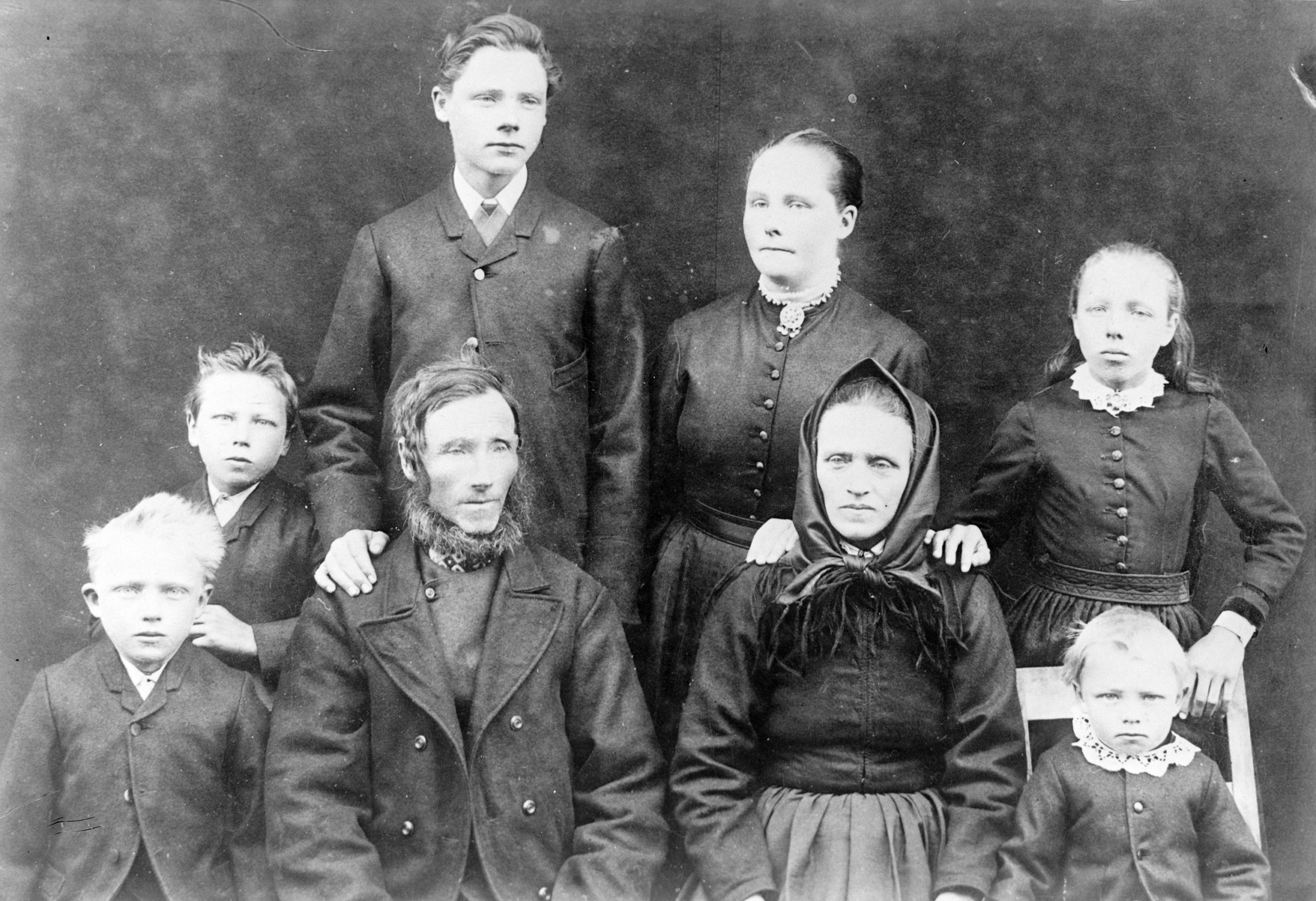
Grandparents’ homes were living galleries of family history, with walls, mantels, and side tables crowded with framed photographs spanning decades. School portraits, wedding pictures, baby photos, and faded black-and-white images of relatives long past covered every surface, often arranged with loving, if slightly chaotic, density. A prominent spot was usually reserved for the grandchildren’s latest school pictures. These displays were a heartfelt record of the family’s story, lovingly maintained and frequently dusted. The wall of mismatched frames, mixing generations and eras in one warm jumble, is one of the most touching hallmarks of a grandparent’s home. For many, finding their own childhood photo proudly displayed among them is a cherished memory.
A Decorative Bowl of Untouchable Soaps
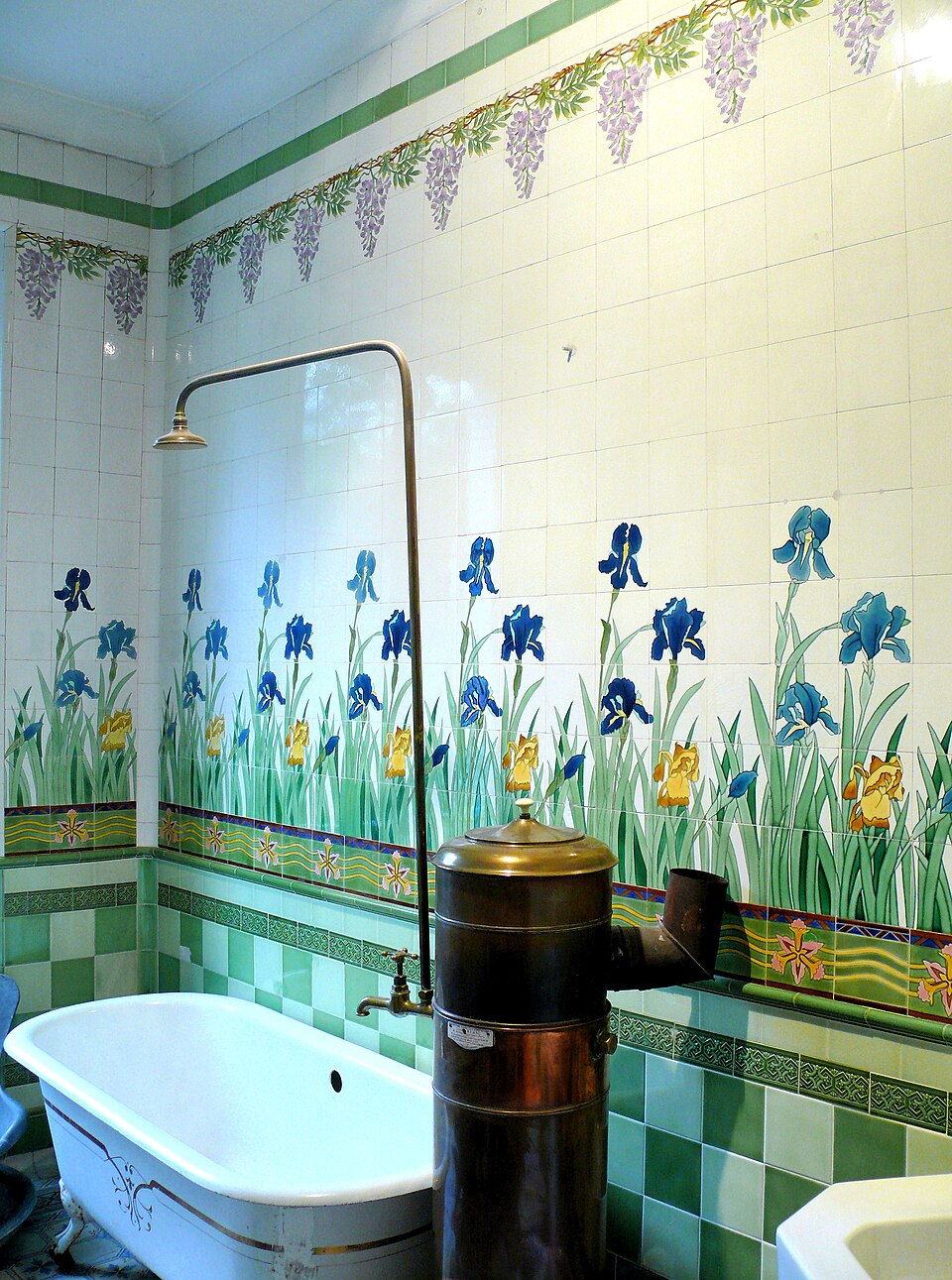
In the guest bathroom of many a grandparent’s house sat a small dish of beautiful, often flower-shaped decorative soaps that were strictly for show, never to be actually used. Pristine and faintly perfumed, these ornamental soaps existed purely as decoration, and woe betide the visitor who unknowingly washed their hands with one. Matching guest towels, equally off-limits and reserved for company that never used them, often completed the display. This habit of keeping certain everyday items as untouchable decorations was a charming quirk of the era. The little dish of perfect, perpetually unused soaps is a wonderfully specific detail that countless people recall from visits to their grandparents’ homes, instantly recognizable to anyone who grew up with it.
A Home Full of Love and Memory
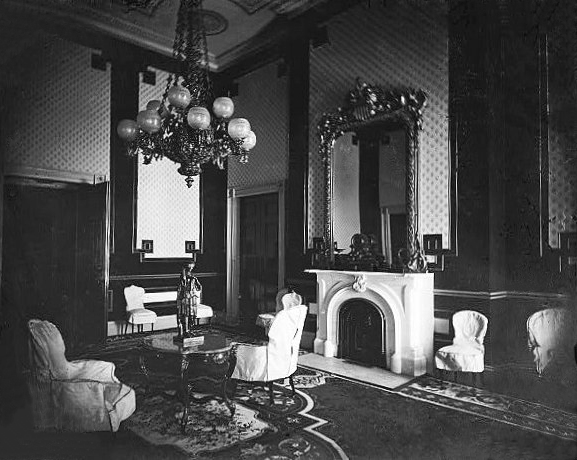
What ties all these objects together isn’t just nostalgia, it’s the warmth and character they represent. The plastic-covered couch, the untouchable china, the cookie tin of thread, and the walls of family photos all speak to a generation that valued thrift, tradition, hospitality, and family above all. These quirky, comforting items turned a house into the unmistakable, beloved space that was Grandma and Grandpa’s. They may seem old-fashioned or amusing today, but they carry deep emotional resonance for the people who grew up among them. So the next time you spot a glass candy dish or a familiar cookie tin, let it take you back, and treasure the memory of those wonderfully distinctive homes full of love.
Like our content? Follow us for more.