
The 1970s was a decade with a very different set of everyday norms, plenty of things that were utterly routine then would seem bizarre, reckless, or simply baffling today. It was a world of smoke-filled rooms, wood-paneled dens, and a generally more relaxed attitude toward risk, formality, and convenience. Society’s expectations around health, safety, technology, and daily life have shifted enormously in the decades since. Looking back, the ordinary fabric of ’70s life can be genuinely surprising. Here’s a nostalgic tour of the things that were completely normal in the 1970s but would be unthinkable now, the everyday realities that defined the decade and that younger generations can scarcely believe were once just business as usual.
Smoking Absolutely Everywhere

In the 1970s, cigarette smoke was simply part of the air. People smoked in offices, restaurants, bars, shops, hospitals, and, remarkably, on airplanes, where “smoking sections” offered little real separation in the shared cabin air. Ashtrays were standard fixtures everywhere, from doctors’ waiting rooms to armrests on planes. Smoking was glamorized in advertising and woven into daily social life, and nonsmokers simply breathed it all in. Today, with widespread smoking bans in public and indoor spaces and a deep understanding of secondhand smoke, the idea of someone lighting up mid-flight or in a hospital corridor seems almost unbelievable. The sheer omnipresence of cigarette smoke is one of the starkest differences between the ’70s and now.
Hitchhiking Across the Country
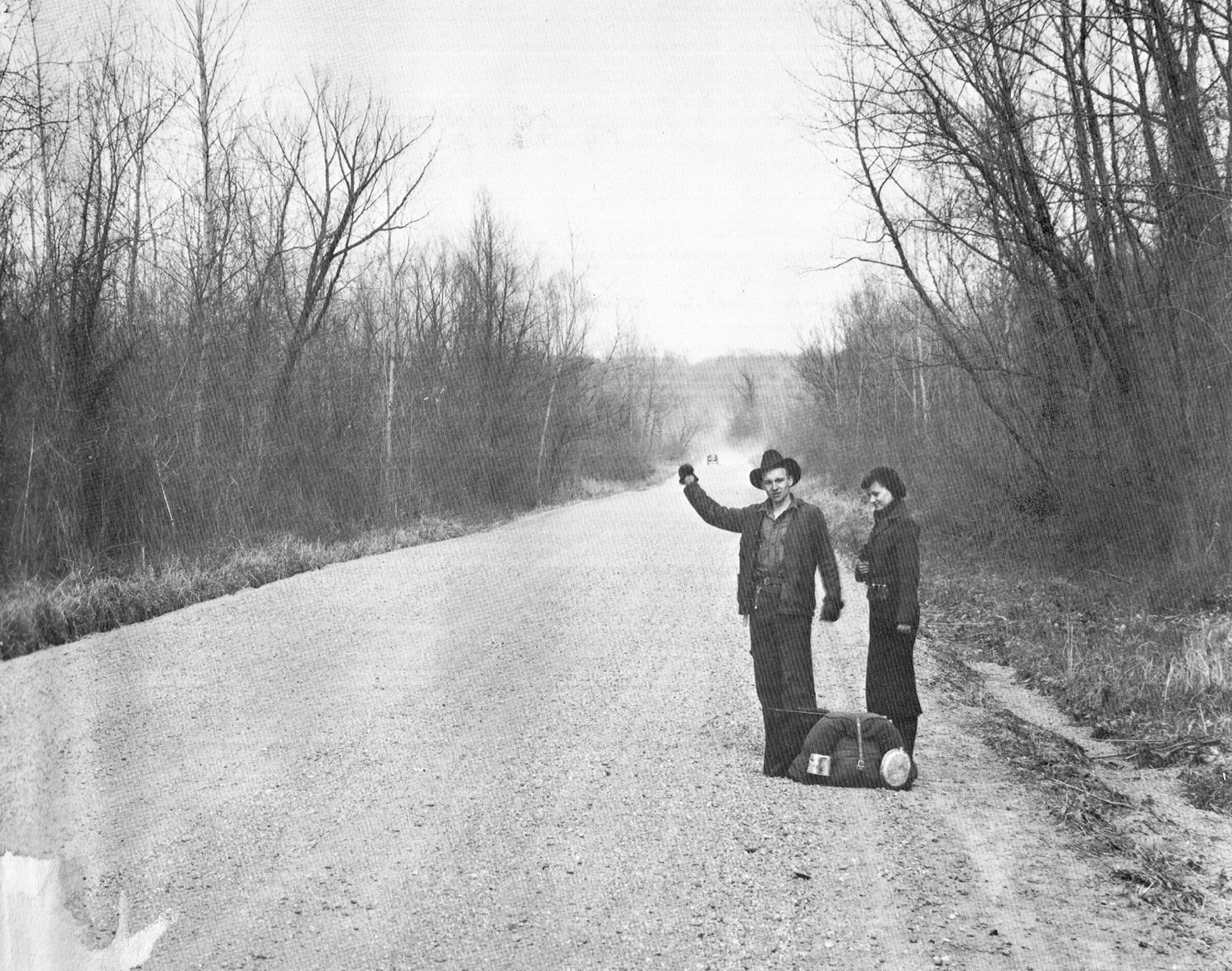
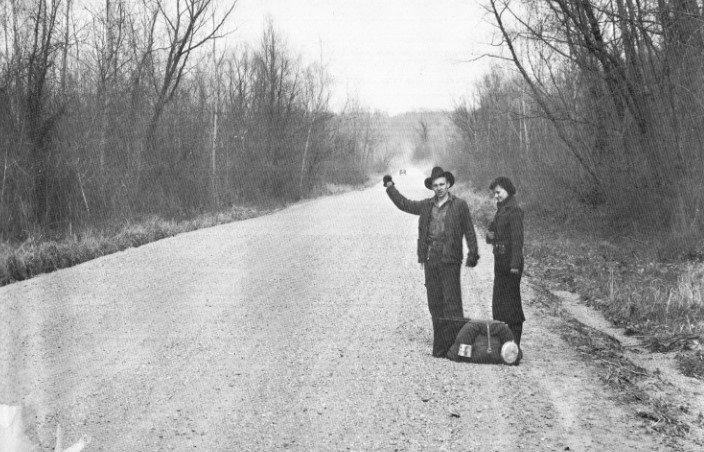
Sticking out your thumb to catch a ride from a passing stranger was a common, accepted way to travel in the 1970s. Hitchhiking was widely practiced by students, travelers, and young people seeking adventure or simply a cheap way to get around, and picking up hitchhikers was equally normal. The practice carried an air of freedom and trust that defined a certain spirit of the era. Today, amid heightened safety concerns, hitchhiking has largely disappeared in most places, and both thumbing a ride and picking up a stranger are widely viewed as risky. The once-routine sight of travelers hitchhiking along the highway is now a rare and faintly startling throwback to a more trusting time.
Like our content? Follow us for more.
The CB Radio Craze
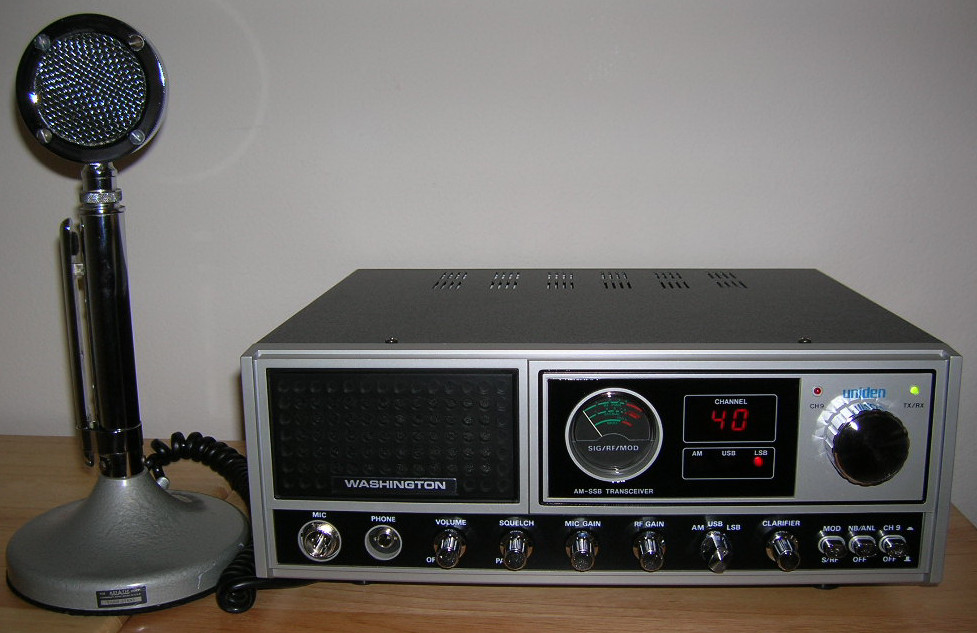
Before cell phones and texting, the 1970s had its own communication fad: the citizens band, or CB, radio. Truckers and everyday drivers alike installed CB radios in their vehicles to chat with one another, warn of speed traps, and pass the time on long drives, all using colorful “handles” and a whole slang vocabulary of their own. The CB radio became a genuine cultural phenomenon, celebrated in songs and movies. It was a kind of analog social network on the open road. Today, with smartphones and GPS in every car, the CB radio craze, with its crackling chatter and trucker lingo, feels like a quaint and very specific artifact of ’70s culture.
Leaded Gas and the Full-Service Station
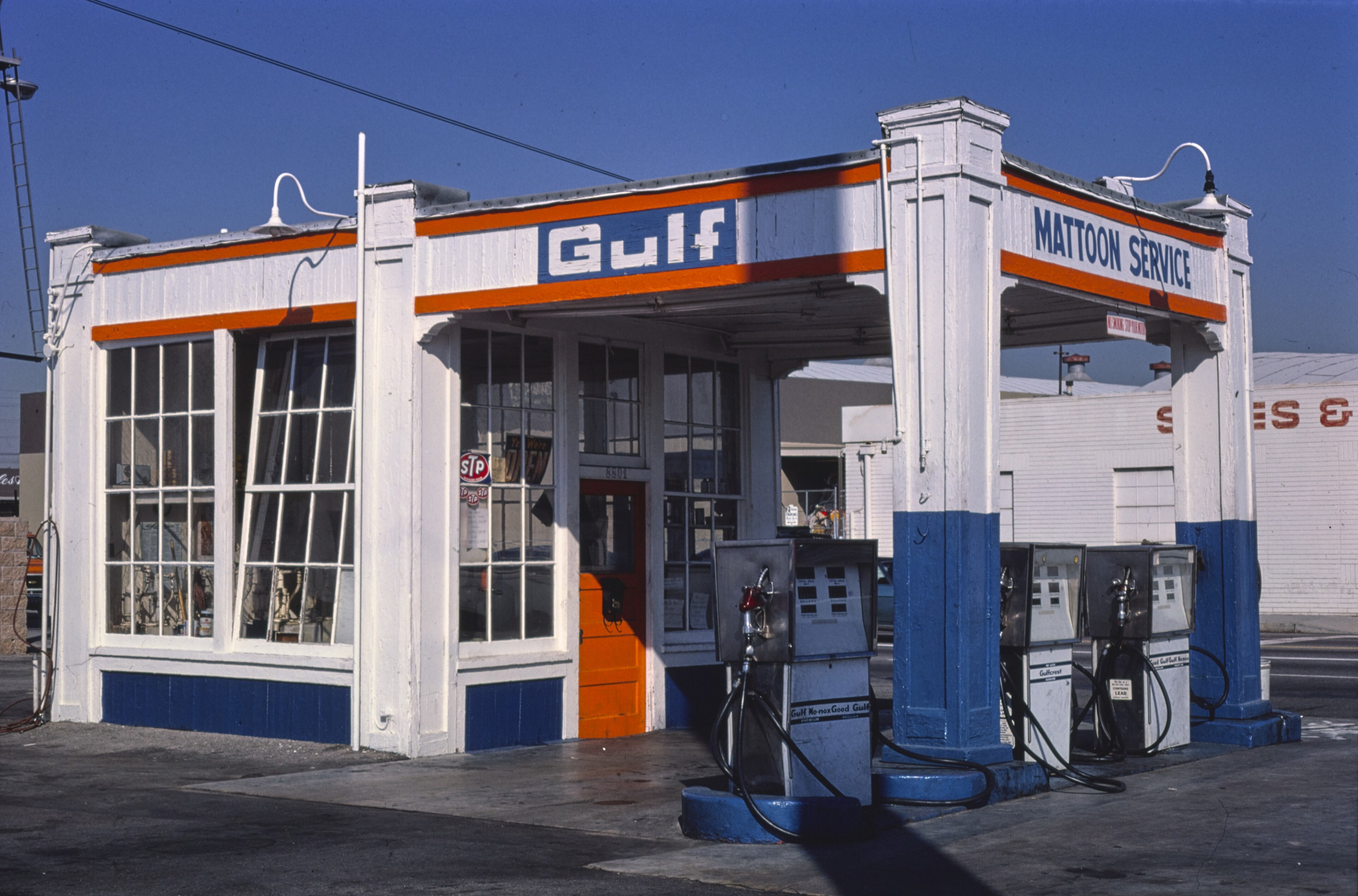
Filling up the car in the 1970s was a different experience entirely. Gasoline still commonly contained lead, something later recognized as a serious health and environmental hazard and subsequently phased out. And at the typical full-service station, an attendant would pump your gas, check your oil, and clean your windshield while you waited in the car, all at prices that seem almost unbelievably low by today’s standards. The combination of leaded fuel and full-service convenience defined the era’s gas stations. Now, with unleaded fuel universal and self-service the norm almost everywhere, the routine of pulling up for leaded gas and a full-service fill-up is a distinct relic of the decade.
Wood Paneling and Shag Carpet

Step into a typical 1970s home and the décor was unmistakable. Walls were covered in dark wood paneling, floors disappeared under thick, plush shag carpet, sometimes in bold colors, and kitchens featured appliances in shades like avocado green and harvest gold. Sunken “conversation pits,” beaded curtains, and lots of earth tones completed the look. This distinctive aesthetic was the height of style at the time and adorned countless homes. Today, the heavy wood paneling, deep shag, and avocado-colored appliances read as quintessentially, almost comically, ’70s. The era’s bold and cozy decorating choices have become such a recognizable time capsule that spotting them instantly pins a room to the decade.
Getting Up to Change the Channel
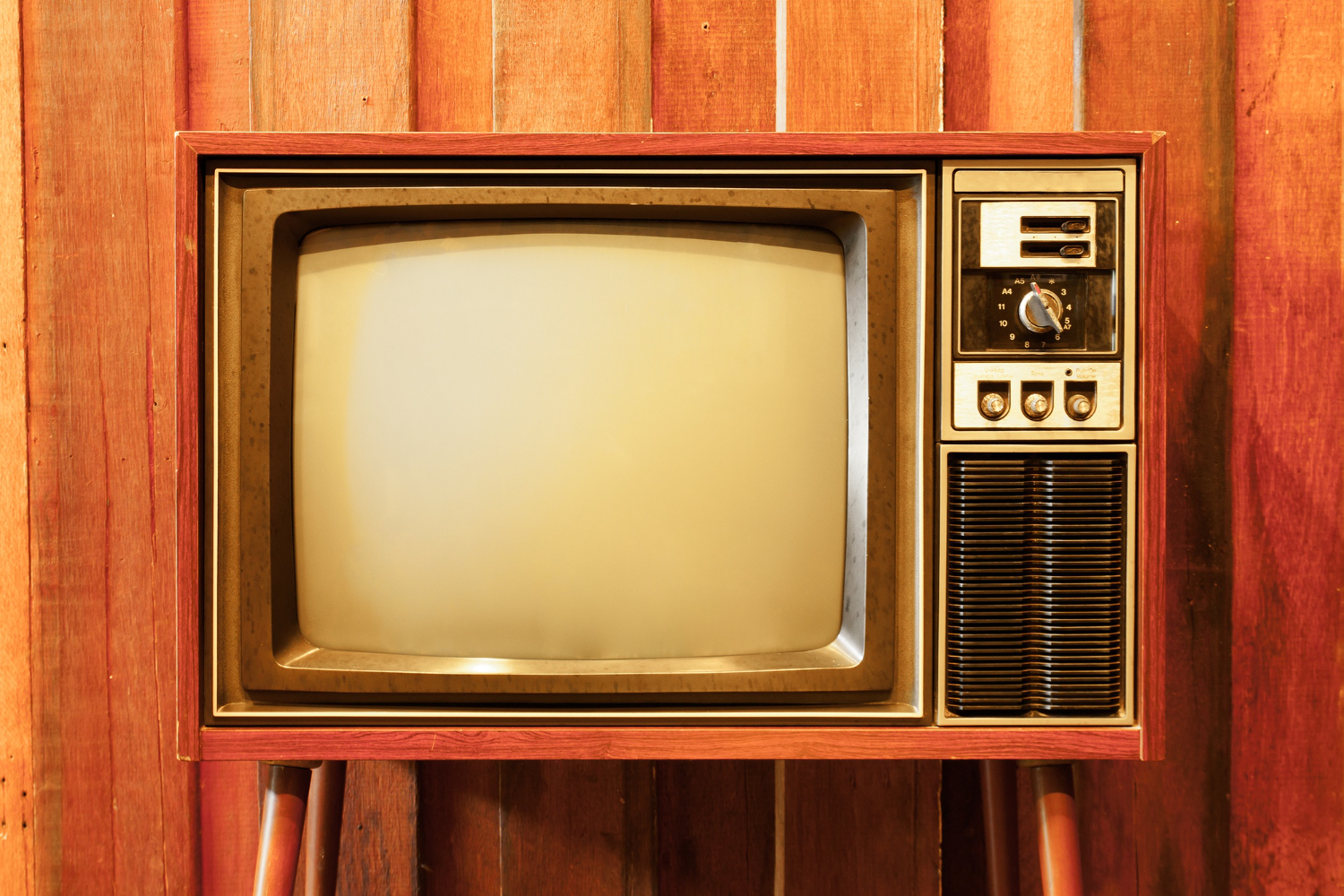
Television in the 1970s came without the convenience of a remote control in most homes, so changing the channel meant physically getting up, walking to the TV set, and turning a dial by hand, choosing among only a handful of available channels. Adjusting the volume or fine-tuning the picture meant more knob-twisting and antenna-fiddling. Often, a child was dispatched as the household’s living “remote control.” The notion of having to rise from the couch and manually turn a dial every time you wanted to change the channel, with so few options to choose from, is almost unimaginable to a generation raised on remotes, streaming, and limitless content available at the touch of a button.
Answering the Phone for Anyone
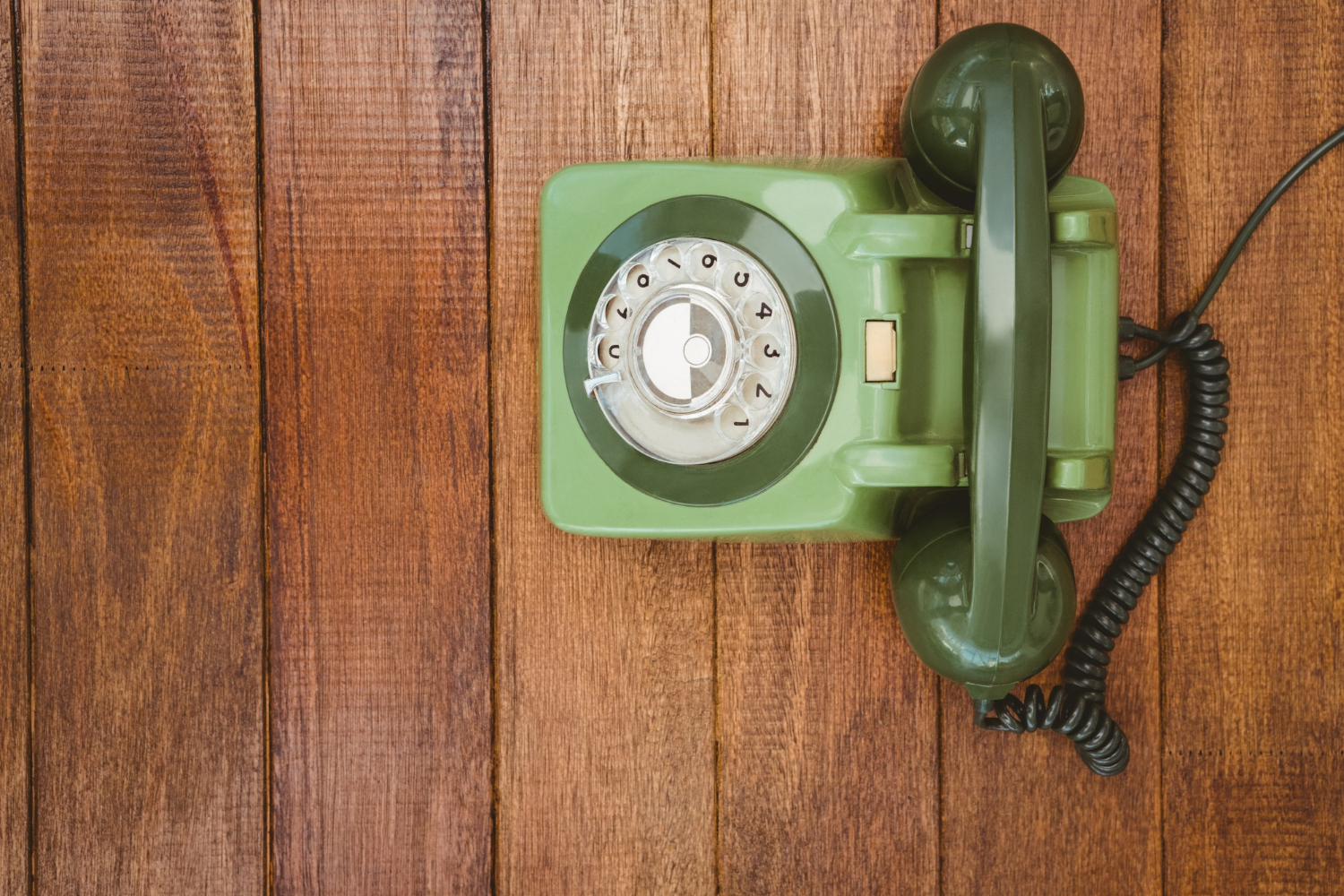
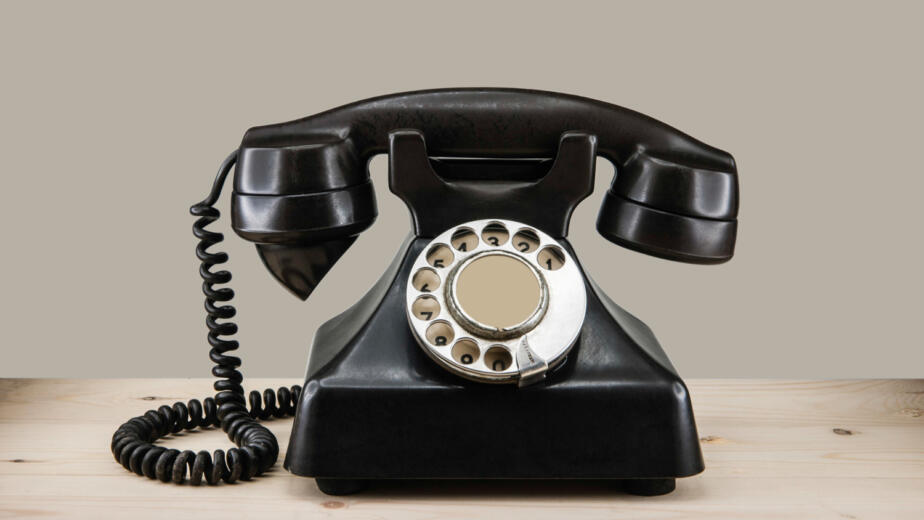
In the 1970s, the household telephone was a shared, communal device, usually a single phone mounted on the wall or sitting on a table, with no caller ID and no idea who might be on the other end. When it rang, anyone might answer, and you simply didn’t know who was calling until you said hello. Taking messages for family members on a notepad was routine, and a long, tangled cord let you pace the room during calls. The idea of answering every call blind, with no screening and no notion of who’s calling, feels nerve-wracking today, when caller ID and texting let us know exactly who wants to reach us before we ever pick up.
Waterbeds and Other Fads

The 1970s embraced its share of memorable fads, none more emblematic than the waterbed. These water-filled mattresses surged in popularity, marketed as the height of modern, groovy comfort, and sloshed their way into countless bedrooms despite being heavy, prone to leaks, and a hassle to set up. The decade also gave us the pet rock, mood rings, lava lamps, and other novelties that captured the public imagination. These quirky trends reflected the era’s playful, experimental spirit. Today, the waterbed in particular has largely faded into memory, and the notion of sleeping on a giant, sloshing bag of water strikes many as a strange and very ’70s idea indeed.
Kids Roaming and Looser Rules
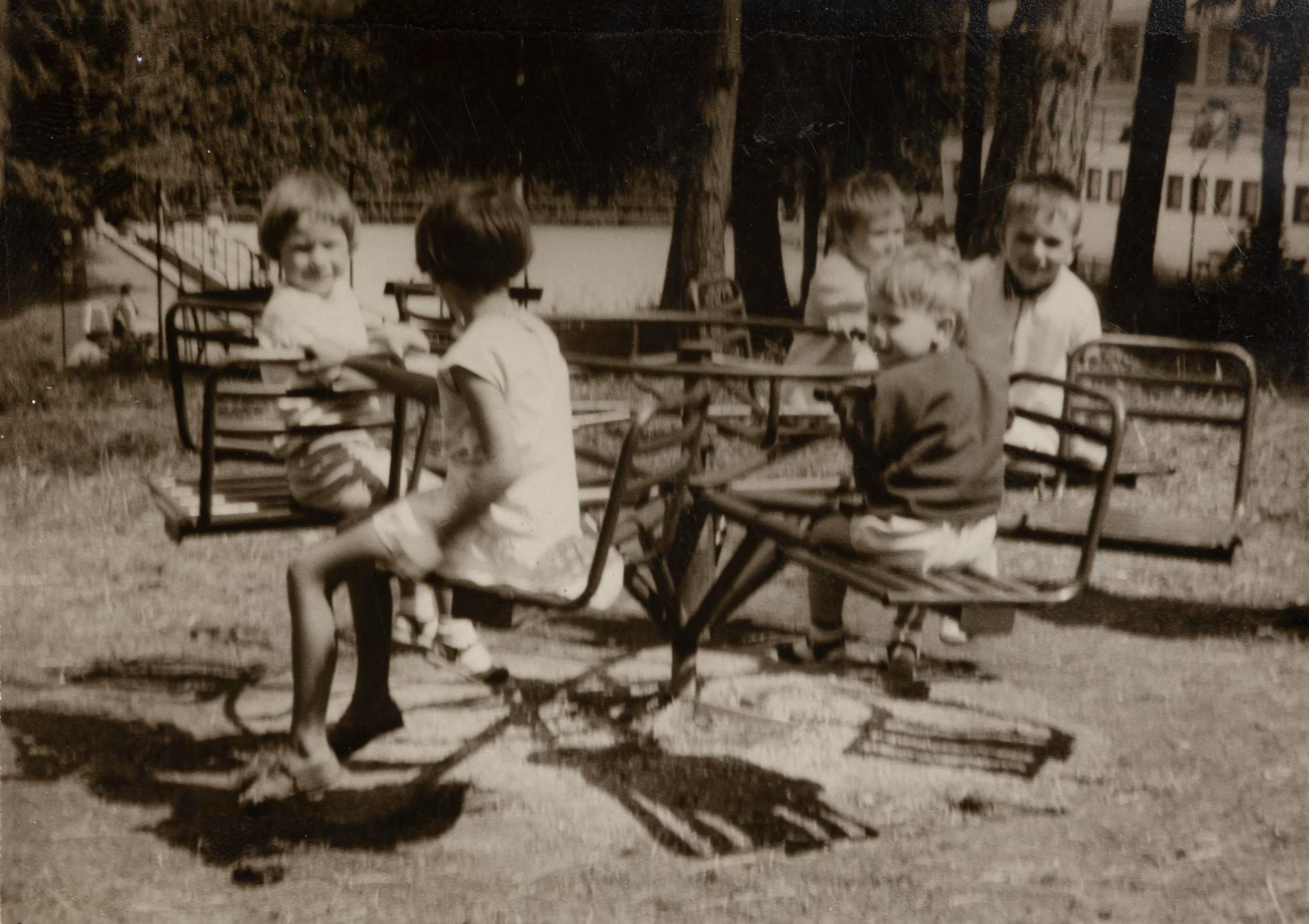
The 1970s carried forward a generally more relaxed attitude toward everyday rules and supervision. Children roamed freely, discipline norms in schools and homes were stricter and more physical than today’s standards allow, and there was broadly less hovering and regulation over daily life. People felt freer to do things their own way, with fewer warning labels, safety mandates, and official oversight shaping their choices. This looser, more hands-off atmosphere permeated the decade. Compared to today’s more cautious, rule-conscious, and safety-focused culture, the casual freedom of ’70s daily life, in the home, on the road, and out in the world, stands out as a defining and now largely vanished feature of the era.
A Decade Unlike Any Other
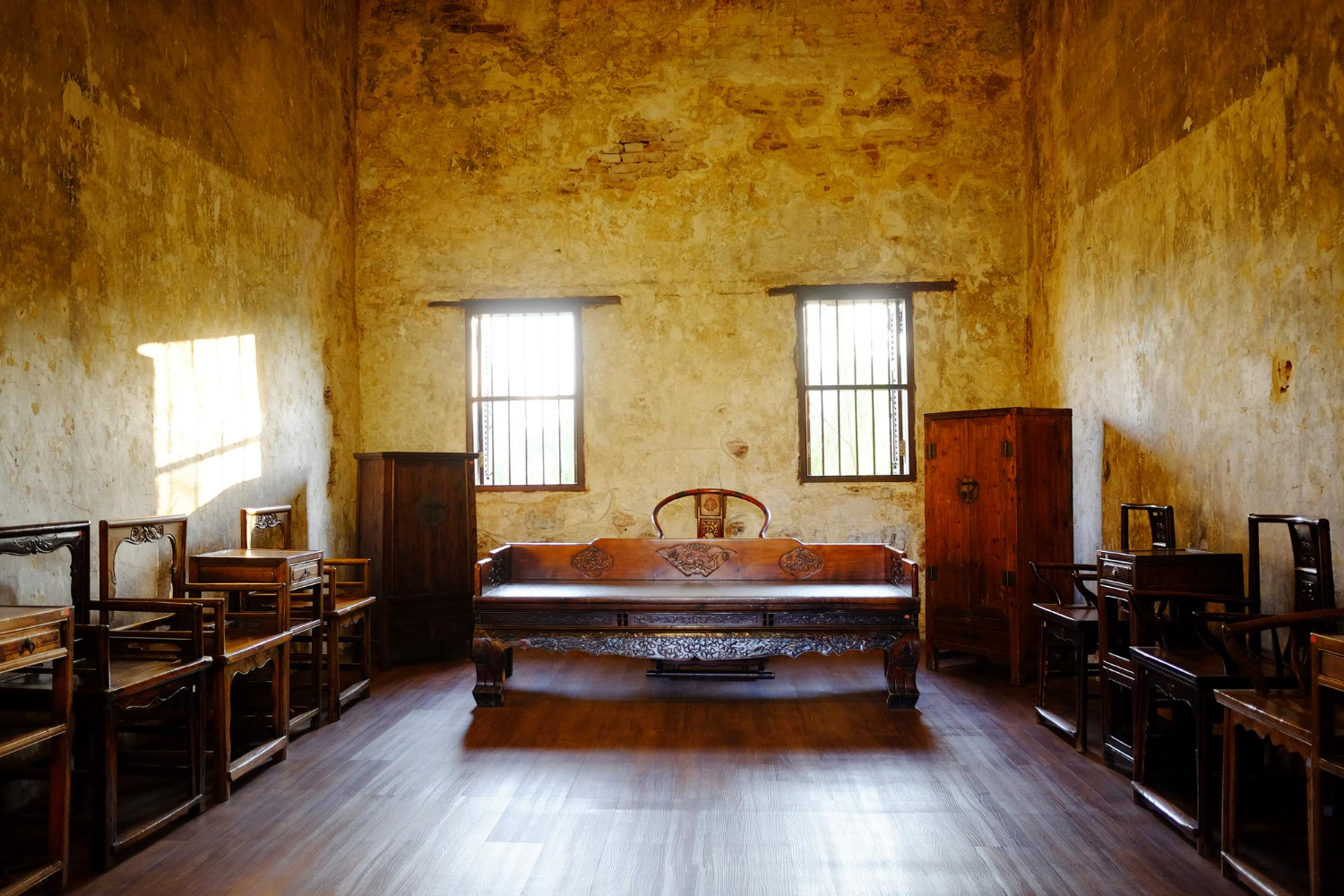
Looking back at what passed for normal in the 1970s reveals just how profoundly society’s norms around health, safety, technology, and daily life have transformed. The smoke-filled planes, the hitchhiking, the CB chatter, the wood-paneled dens, none of it raised an eyebrow at the time, because it was simply the way things were. Yet within a few decades, shifting awareness, new technology, and changing attitudes have made so much of it seem unthinkable. That’s part of what makes the decade such a fascinating time capsule. For those who lived through it, these memories are tinged with nostalgia for a freer, groovier, if occasionally hazier, era, one that, for better and worse, the world has well and truly left behind.
Like our content? Follow us for more.